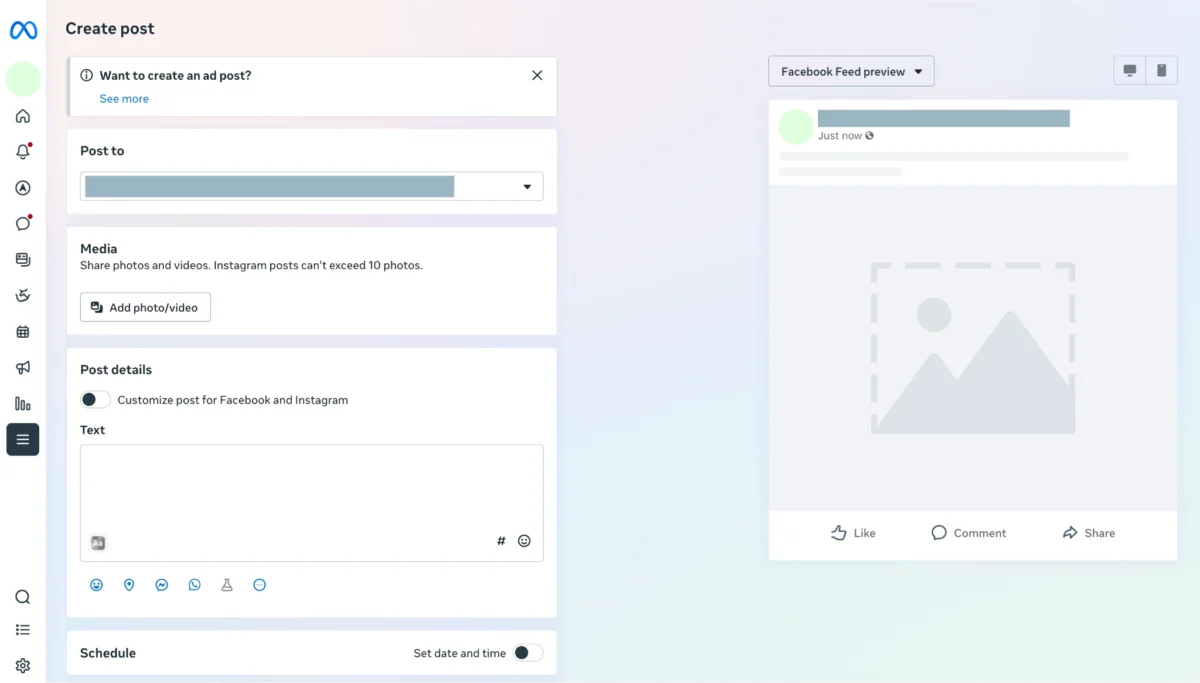
Learning how to schedule a post on Facebook can transform a company’s digital marketing efforts, saving countless hours and enabling a more refined approach to online engagement. In an increasingly competitive digital landscape, where billions of users interact daily, the ability to strategically plan and disseminate content is no longer a luxury but a fundamental necessity for businesses aiming to maintain relevance, foster community, and drive growth. By pre-planning content dissemination, organizations gain unparalleled control over their social media presence, ensuring consistency, maximizing reach during peak audience activity, and adapting to global time zones.

The Evolving Landscape of Social Media Management
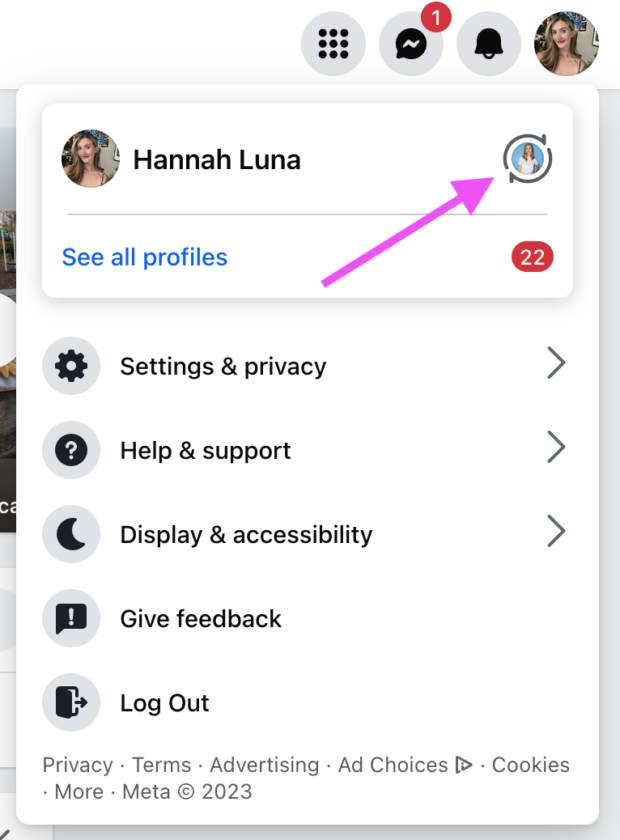
The proliferation of social media platforms has undeniably reshaped how businesses communicate with their target audiences. Facebook, with its vast user base, remains a cornerstone of many digital marketing strategies. However, the sheer volume of content, coupled with the need for timely and relevant updates, presents significant operational challenges. Historically, social media management often involved real-time, manual posting, a reactive approach that was both time-consuming and prone to inconsistencies. This method made it difficult for brands to align their social media output with broader marketing campaigns, respond effectively to current events, or even guarantee a consistent presence outside of standard business hours.
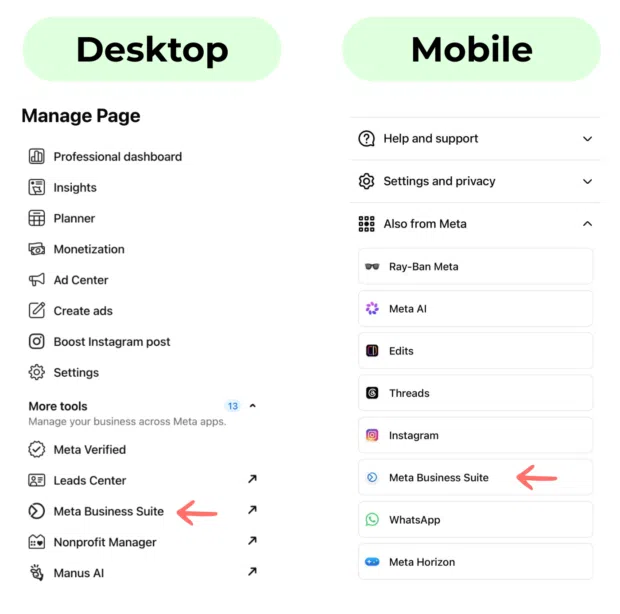
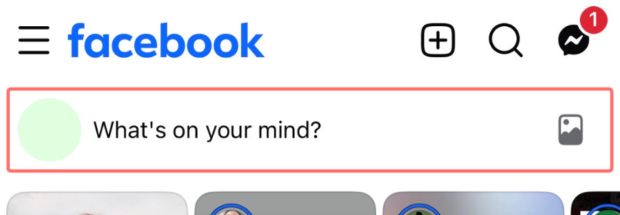
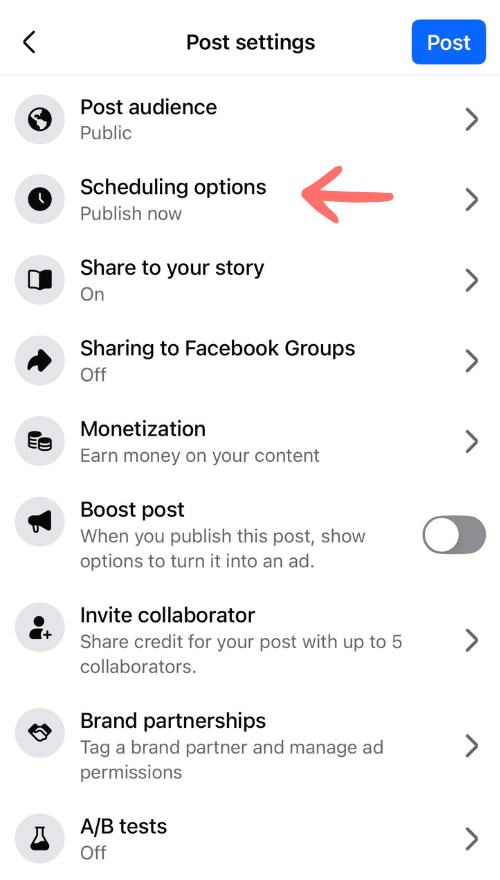
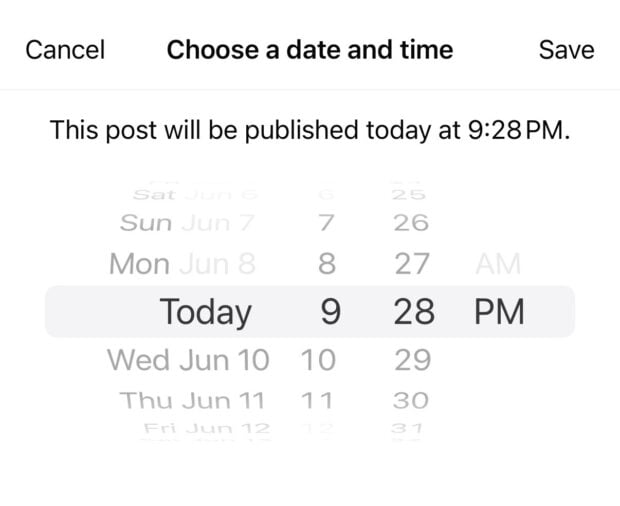
Recognizing these challenges, Meta, the parent company of Facebook and Instagram, developed its own suite of tools designed to assist businesses. Meta Business Suite emerged as a pivotal native solution, allowing administrators of Facebook Business Pages to manage their presence more effectively. This platform introduced the capability to create, manage, and schedule posts directly within the Facebook ecosystem. For many small and medium-sized businesses, Meta Business Suite offered a significant leap forward, providing a centralized hub for content creation and a basic scheduling function, typically allowing posts to be scheduled between 20 minutes and 29 days in advance. This native functionality democratized strategic posting, making it accessible even to those without dedicated social media teams or specialized software.

Beyond the Basics: The Rise of Advanced Scheduling Platforms
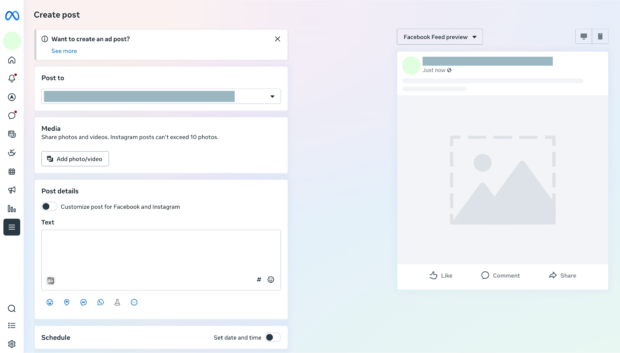
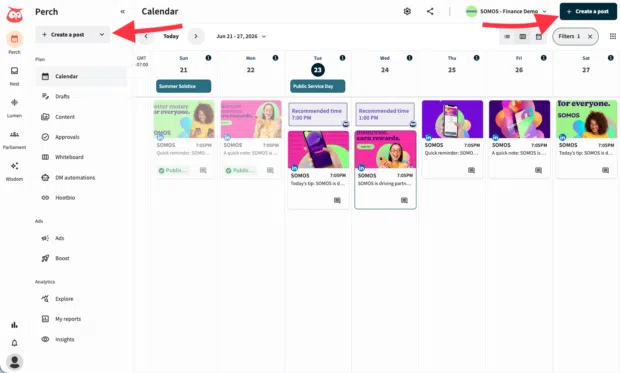
While Meta Business Suite provides essential native scheduling capabilities, the demands of modern multi-platform digital strategies often necessitate more robust solutions. This need has fueled the growth of third-party social media management tools, such as Perch by Hootsuite, which offer enhanced features and broader integration across various social networks. These advanced platforms address the limitations inherent in native tools, particularly for enterprises and agencies managing multiple brands, diverse content types, and a global audience.
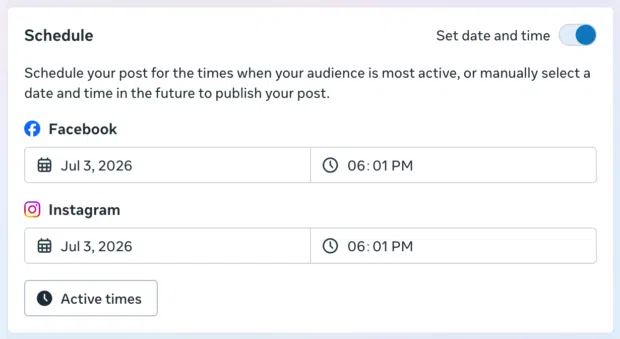
Third-party schedulers expand upon Meta’s foundational offerings by integrating a wider array of social media channels, including TikTok, X (formerly Twitter), LinkedIn, YouTube, and Pinterest, all from a single, unified dashboard. This cross-platform publishing capability is crucial for maintaining a cohesive brand narrative and streamlined workflow, eliminating the need to navigate between disparate platform-specific interfaces. Furthermore, these tools often remove the 29-day scheduling limitation found in Meta Business Suite, allowing for long-term content planning, which is vital for seasonal campaigns, product launches, and evergreen content strategies.
Strategic Advantages: Why Scheduling is Non-Negotiable for Businesses
The strategic benefits of implementing a robust social media scheduling system are multifaceted, impacting efficiency, audience engagement, and brand integrity.
-
Time Optimization: Perhaps the most immediate and tangible benefit is the significant time saving. By batching content creation and scheduling, marketing teams can dedicate specific blocks of time to social media, freeing up valuable hours or even days that would otherwise be spent on daily manual uploads. This efficiency allows teams to focus on higher-level strategy, engagement, and analytics.
-
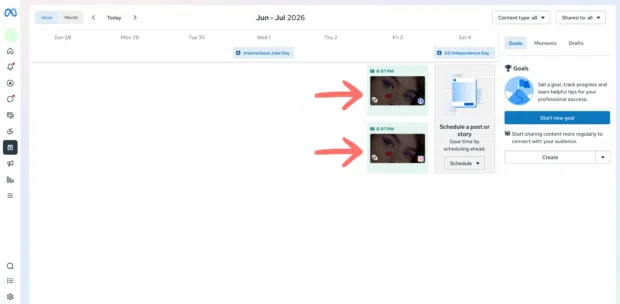
Enhanced Strategic Planning: Scheduling transforms social media from a reactive task into a proactive strategic endeavor. Businesses can meticulously plan their content calendar, aligning posts with marketing objectives, product launches, holidays, and industry events. This foresight ensures a consistent flow of relevant content, preventing last-minute scrambles and maintaining a professional online presence.
-
Consistency in Posting: Regular and predictable posting is a cornerstone of effective social media engagement. Scheduling tools guarantee this consistency, ensuring that content goes live even during weekends, holidays, or outside of standard working hours. This continuous presence keeps the audience engaged and reinforces brand visibility.
-
Global Audience Reach: In today’s interconnected world, target audiences often span multiple time zones. Scheduling allows businesses to publish content at optimal times for different geographical segments, maximizing visibility and engagement regardless of where their followers are located. This is a critical advantage for international brands or those with a diverse customer base.
-
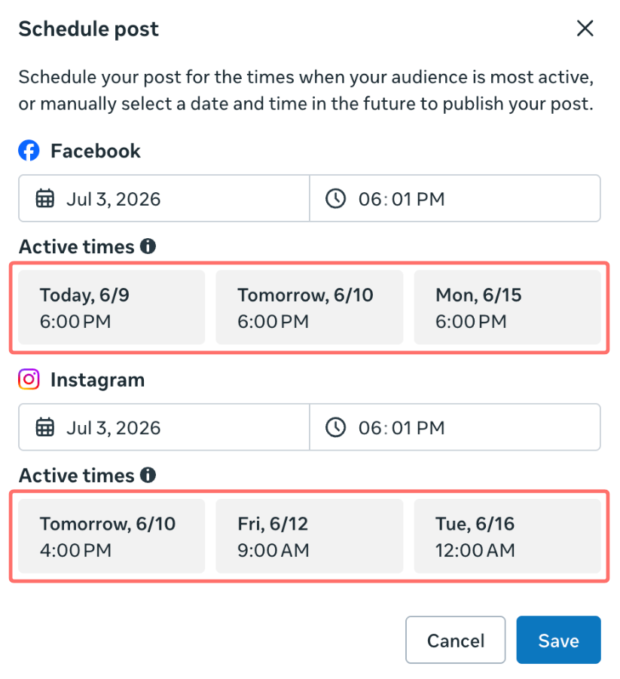
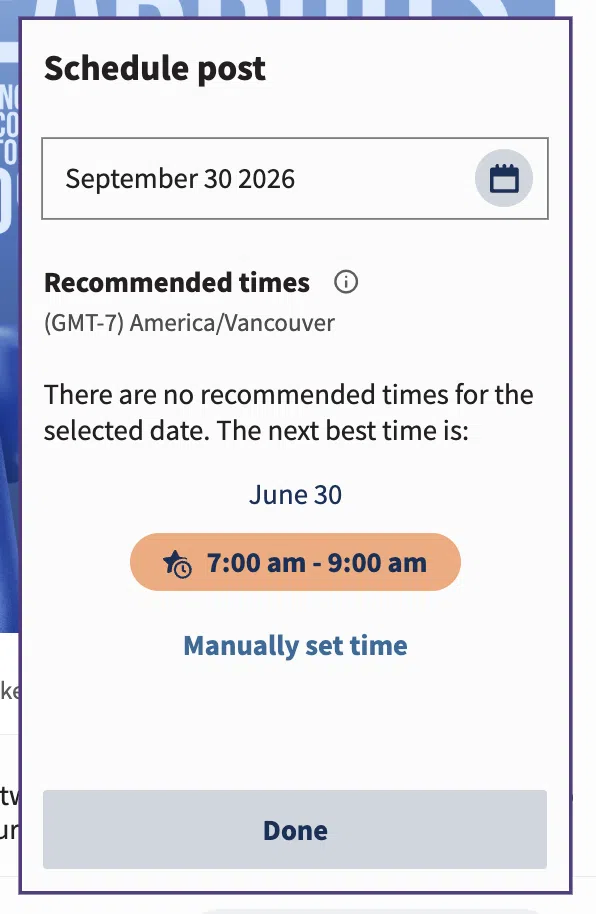
Boosted Engagement: Optimal posting times are not arbitrary; they are data-driven. Research by Hootsuite, for example, suggests that 9 AM on Tuesdays is often the best time to post on Facebook for overall engagement. However, these benchmarks can vary significantly based on industry, audience demographics, and specific content types. Advanced scheduling tools leverage historical data and audience analytics to recommend personalized best times to post, ensuring content reaches followers when they are most active and receptive, thereby increasing likes, shares, comments, and click-through rates.
Best Practices for Maximizing Impact
To fully harness the power of scheduled social media posts, businesses must adhere to several best practices that go beyond mere automation.
-
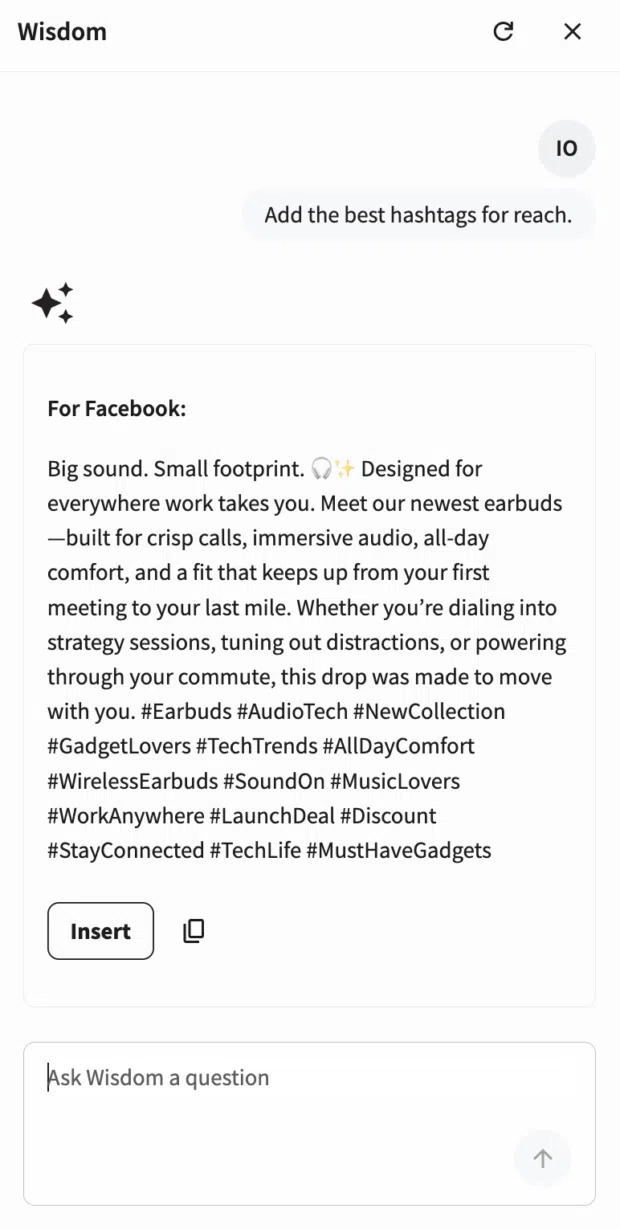
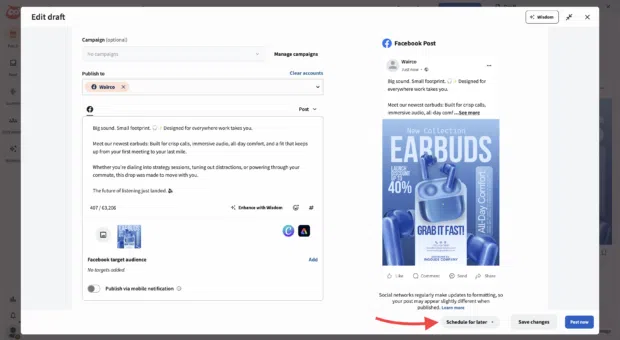
Maintain Brand Consistency: Every scheduled post must unequivocally align with the brand’s established tone of voice, messaging, and visual identity. Social media accounts serve as direct extensions of a brand, and any deviation in consistency can dilute brand perception and erode trust. Prior to scheduling, content should undergo a thorough review against the company’s social media style guide, checking for adherence to visual guidelines, messaging clarity, and overall brand ethos.
-
Data-Driven Publication Timing: While general guidelines exist, the most effective publication dates and times are unique to each audience. Leveraging analytics from platforms like Meta Business Suite Insights or comprehensive third-party tools is crucial. These analytics provide invaluable data on when specific followers are most active, allowing for highly targeted scheduling decisions that maximize reach and engagement. Hootsuite’s “best time to publish” feature, for instance, offers tailored recommendations based on an account’s unique follower data, impressions, and interaction history.
-
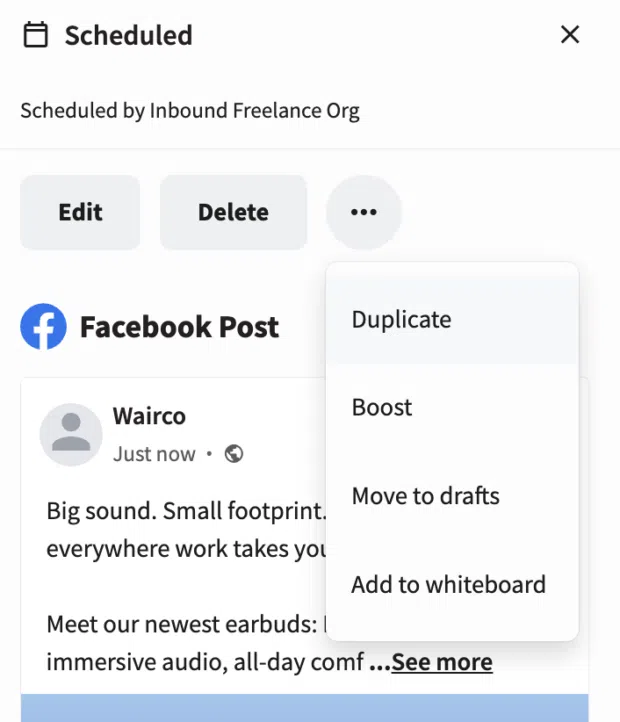
Agile Content Management: Knowing When to Pause: The digital environment is dynamic and often unpredictable. Current events, social movements, or even internal brand crises can render previously scheduled content inappropriate or tone-deaf. It is imperative for social media managers to regularly review their content queue and be prepared to pause or delete posts that no longer fit the prevailing mood or context. Tools that offer a “suspend all” feature, common in enterprise-level schedulers, become invaluable during crisis management, allowing for immediate halting of all outgoing content across platforms.
-
Understanding Content Type Limitations: Not all Facebook content can be scheduled. Features like Facebook Live broadcasts, Stories, Reels, Events, and Polls generally require real-time or near-real-time initiation. Businesses must be aware of these limitations and plan accordingly, integrating live and interactive content into their strategy through manual execution while leveraging scheduling for static posts, videos, and standard updates. For automating customer interactions, integrating Facebook Messenger bots offers a solution for 24/7 engagement without relying on traditional scheduled posts.
-
Continuous Analytics and Engagement Tracking: A truly effective posting schedule is never static; it evolves based on performance. Regularly monitoring post-performance through social media analytics tools is essential. Key metrics such as engagement rates, reach, impressions, and click-through rates provide actionable insights into what content resonates most with the audience and when. This historical data informs future content strategy and scheduling adjustments, fostering a cycle of continuous improvement.
The Future of Social Engagement: AI and Workflow Integration
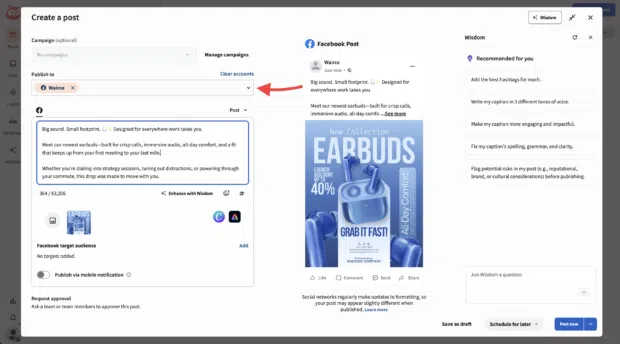
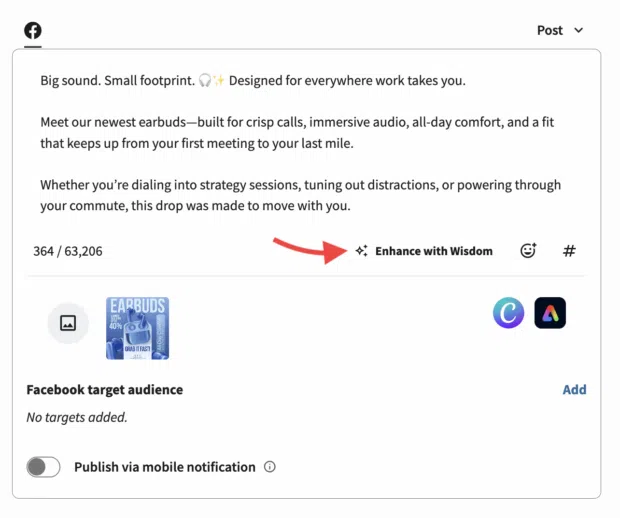
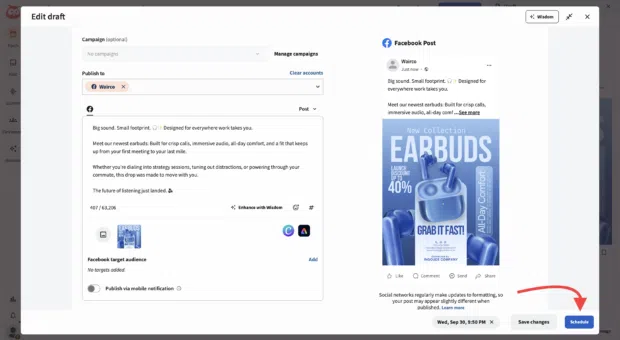
The trajectory of social media scheduling points towards even greater sophistication and integration. The inclusion of Artificial Intelligence (AI) in platforms like Perch by Hootsuite, with features like “Enhance with Wisdom,” signals a new era of content optimization. AI can offer real-time recommendations for caption length, tone adjustments, engagement optimization, and even suggest relevant hashtags, further streamlining content creation and maximizing impact.
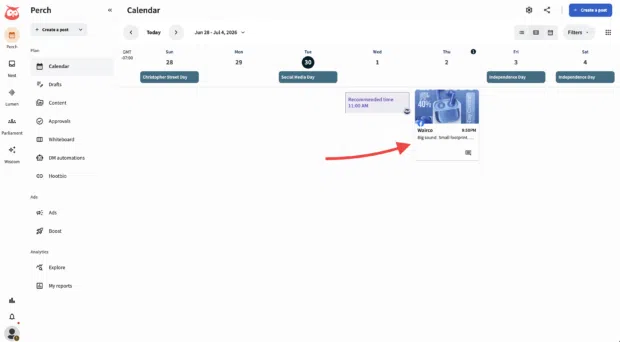
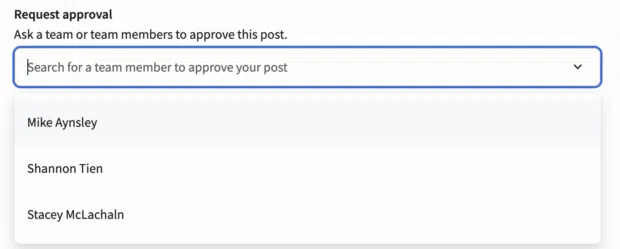
Moreover, enterprise-level scheduling tools emphasize robust workflow management. Features such as team permissions, approval workflows, and shared content calendars are critical for large organizations. These capabilities ensure that all content undergoes necessary reviews and approvals before publication, safeguarding brand reputation and maintaining compliance across diverse teams and geographical locations. The ability for super admins to bulk-suspend content is a powerful safety net, particularly during unforeseen crises, providing immediate control over outgoing communications.
Conclusion
Strategic social media scheduling is an indispensable component of modern digital marketing. From the foundational capabilities offered by Meta Business Suite to the advanced, cross-platform solutions provided by third-party tools like Perch by Hootsuite, businesses have a range of options to professionalize their online presence. By embracing a planned, data-driven approach to content dissemination, organizations can not only save significant operational time but also enhance brand consistency, broaden their reach, and deepen engagement with their audience, ultimately driving more impactful and measurable business outcomes in the ever-evolving digital landscape.