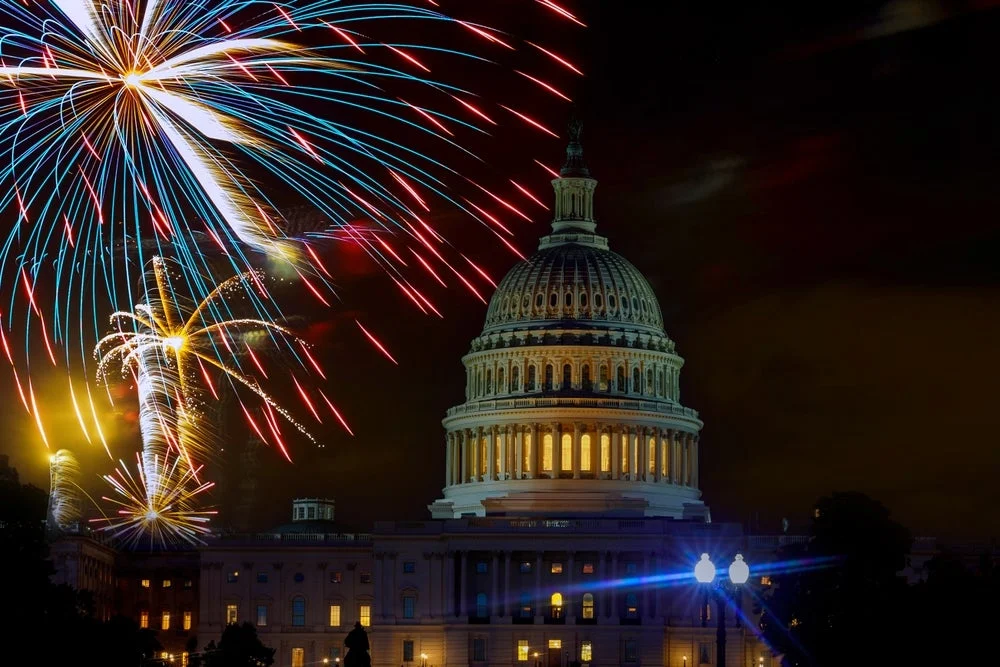
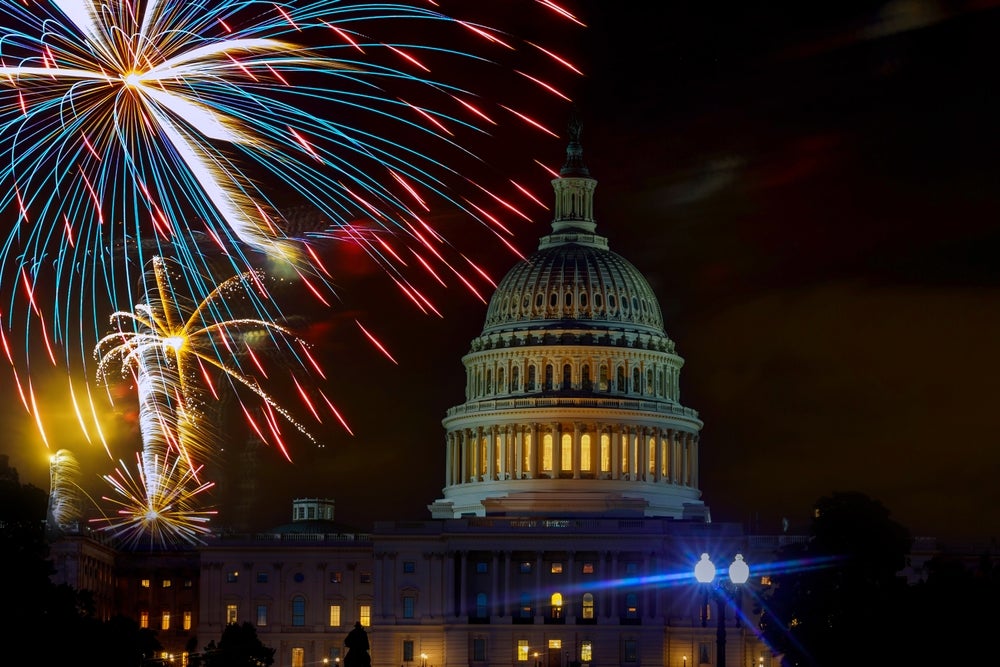
As the United States approaches its 250th anniversary in 2026, a milestone known as the Semiquincentennial, the corporate landscape is preparing for a period of intense national reflection and celebration. From multinational conglomerates to local enterprises, organizations are readying expansive external campaigns centered on themes of patriotism, community resilience, and national pride. Brand partnerships, commemorative product lines, and high-visibility activations are already in development. However, for Chief Communications Officers (CCOs) and senior leadership teams, the significance of America 250 extends far beyond marketing opportunities. It presents a profound challenge to organizational credibility in an era defined by skepticism and hyper-scrutiny.
The anniversary arrives at a historical juncture where the gap between corporate promise and employee experience is under constant observation. Stakeholders, including employees, customers, and investors, are increasingly evaluating whether organizations truly embody the values they project in their public-facing advertisements. While history and national identity can serve as powerful unifying forces, they are also complex subjects that can highlight societal divisions and provoke disagreement. For a corporation, the risk lies in the potential for “performative patriotism”—the act of celebrating national unity externally while maintaining an internal culture that feels disconnected, exclusionary, or inconsistent with those same values.
The Strategic Importance of Internal Culture in 2026
The primary challenge for communications leaders is not the execution of the America 250 campaigns themselves, but rather the alignment of those campaigns with the internal reality of the workplace. If a company launches a multi-million dollar campaign celebrating the “American Dream” or “Unity in Diversity” while its own workforce struggles with issues of inequity or lack of transparency, the resulting backlash can be severe. In the digital age, internal disconnects rarely stay internal. Social media and employee review platforms ensure that any perceived hypocrisy is quickly brought to public attention, potentially damaging a brand’s reputation for years to come.
To mitigate these risks, communications leaders are being urged to treat the Semiquincentennial not just as a marketing event, but as a catalyst for internal cultural renewal. By focusing on credibility before launching external narratives, organizations can ensure that their patriotic messaging is backed by authentic action.
Chronology of the Semiquincentennial Preparation
The road to July 4, 2026, began formally nearly a decade ago, reflecting the scale of the upcoming commemoration. Understanding this timeline is essential for organizations planning their participation.
- July 2016: The United States Semiquincentennial Commission Act (Public Law 114-196) was passed by Congress. This bipartisan legislation established the U.S. Semiquincentennial Commission to plan and orchestrate the 250th anniversary of the founding of the United States.
- 2018–2020: The Commission began its initial planning phases, focusing on the “America 250” brand and identifying key themes: “Celebrate, Inspire, and Commemorate.” During this period, the non-profit America 250 Foundation was also established to manage private-sector partnerships.
- 2021–2023: Individual states began forming their own Semiquincentennial commissions. To date, nearly every state and territory has established a formal body to manage local celebrations, creating a decentralized but massive network of events.
- 2024–2025: This period marks the “Alignment Phase” for major corporations. CCOs are currently in the process of vetting partners, finalizing creative assets, and—most importantly—conducting internal audits to ensure their messaging resonates with their workforce.
- July 4, 2026: The peak of the celebration, expected to be the largest single-day event in American history, surpassing the scale of the 1976 Bicentennial.
Data and Trends Shaping the Credibility Landscape
The pressure on CCOs to ensure authenticity is supported by recent shifts in consumer and employee behavior. According to the 2024 Edelman Trust Barometer, business remains the most trusted institution compared to government, media, and NGOs. However, this trust is contingent on “ethical behavior” and “competence.” The report found that 62% of employees expect their CEO to speak out on social issues, but they also demand that the company’s internal policies reflect those public stances.
Furthermore, a study by Gallup indicates that only 23% of U.S. employees strongly agree that they can right now “live the values” of their organization. For a CCO planning a patriotic campaign, this “values gap” represents a significant liability. If three-quarters of a workforce feels disconnected from the company’s stated mission, an external campaign about shared national values may be met with internal cynicism, which can then leak into the public sphere via “quiet quitting” or active whistleblowing.
Three Strategies for Building Credibility
To bridge this gap, communications leaders are adopting a three-pronged approach to internal alignment.
1. The Internal Values Audit
The 250th anniversary provides a natural opportunity for organizations to look inward. Before projecting images of national founding principles, leaders are revisiting their own founding principles. This involves a rigorous assessment of the organization’s mission statement, corporate values, and culture commitments.
The tactic involves partnering with Human Resources to gather honest, often anonymous, employee feedback. The goal is to determine if corporate values are visible in day-to-day decision-making. Are promotions handled fairly? Is the commitment to innovation backed by resources? If the external campaign focuses on “resilience,” has the company supported its employees’ resilience during economic downturns? Identifying these disconnects early allows leadership to address them or adjust the messaging to be more grounded in reality rather than aspiration.
2. Establishing Structured Listening Channels
In a period of high political and social polarization, the Semiquincentennial could potentially highlight divisions within a workforce. Rather than avoiding these complexities, effective communications leaders are creating “brave spaces” for dialogue.
By establishing structured listening sessions and employee forums, organizations can allow staff to discuss workplace challenges and their own perspectives on national identity. The objective is not to reach a forced consensus, but to foster an environment of mutual understanding. This proactive engagement builds trust; employees who feel their perspectives are respected are more likely to serve as credible ambassadors for the brand when the external America 250 campaigns go live.
3. Leveraging Authentic Employee Proof Points
The most effective “proof points” for a campaign about service, innovation, or community are often found within the company’s own walls. Instead of relying solely on stock photography or high-concept advertisements, savvy CCOs are looking to their employees to tell the story.
By identifying teams or individuals who have demonstrated exceptional community service, mentorship, or resilience, the organization can build a narrative that is “inside-out.” When an external campaign features real stories of employee impact, it becomes much harder to criticize as performative. These lived experiences provide the “social proof” necessary to sustain a long-term reputation.
Implications for the Broader Business Environment
The focus on credibility during America 250 will likely have long-term implications for how corporate communications functions. The move away from “top-down” messaging toward “alignment-based” communication suggests a future where the CCO and the Chief People Officer (CPO) must work in near-total synchronization.
Moreover, the economic impact of the 2026 celebrations is expected to be significant. Travel, tourism, and retail sectors are projected to see a multibillion-dollar surge. However, companies that fail the “credibility test” may find themselves excluded from the positive economic halo of the event. In an era where “brand purpose” is a key driver of consumer loyalty, the Semiquincentennial will serve as a definitive filter, separating organizations that truly contribute to the national fabric from those merely seeking to profit from it.
Official Perspectives and Industry Reactions
Industry experts suggest that the 2026 milestone will be a litmus test for “Corporate Statesmanship.” Quinton Crenshaw, Executive Vice President at HudsonLake, emphasizes that the anniversary is “not a story about perfection,” but rather about “an ongoing effort to build something stronger over time.” This perspective is shared by many in the Public Relations Society of America (PRSA), who argue that the most successful campaigns will be those that acknowledge the complexities of the American journey while highlighting the organization’s role in its future.
From a regulatory and ESG (Environmental, Social, and Governance) perspective, there is also an increasing expectation for transparency. Institutional investors are looking for “culture metrics” that prove an organization is stable and well-governed. A failed America 250 campaign—one that results in employee strikes or public PR disasters—could be seen as a sign of poor governance, affecting stock valuation and investor confidence.
Conclusion: A Legacy Beyond 2026
America at 250 is more than a marketing moment; it is a fundamental test of organizational integrity. The companies that will benefit the most are not necessarily those with the largest advertising budgets, but those that use the milestone to ensure their internal culture is as strong as their external brand.
By prioritizing values, fostering dialogue, and highlighting authentic stories, communications leaders can turn a potentially risky anniversary into a powerful engine for long-term trust. As the nation reflects on two and a half centuries of progress and challenges, organizations have the chance to demonstrate that they are not just observers of history, but active, credible participants in the ongoing American story. The reputations built—or broken—during this period will likely resonate long after the final fireworks of July 2026 have faded.