Pinterest has firmly established itself as a dynamic platform, transcending its initial perception as merely a social network to become a crucial engine for brand discovery, product research, and e-commerce. As of Q1 2026, the platform boasts a formidable 631 million monthly active users (MAUs), marking its tenth consecutive quarter of double-digit user growth with an 11% increase year-over-year. This sustained expansion underscores Pinterest’s growing influence and stability in the ever-evolving digital landscape, positioning it as an indispensable tool for marketers seeking to connect with high-intent audiences.

Sustained User Growth and a Unique Value Proposition
The consistent double-digit growth in Pinterest’s user base is a significant indicator of its enduring appeal and strategic importance. In an era where many social platforms grapple with user fatigue or plateauing numbers, Pinterest’s steady ascent signals a healthy ecosystem and a reliable audience pool for brands. This growth trajectory is not just about raw numbers; it reflects a distinct value proposition that resonates with users.

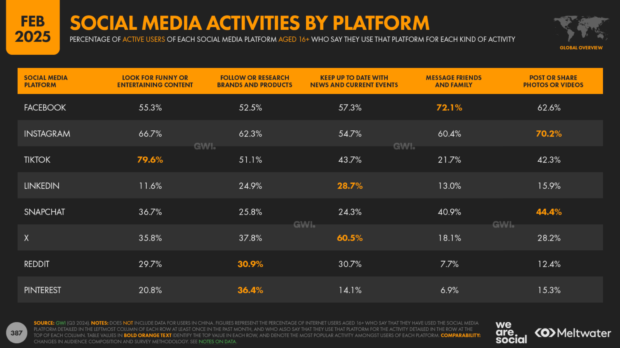
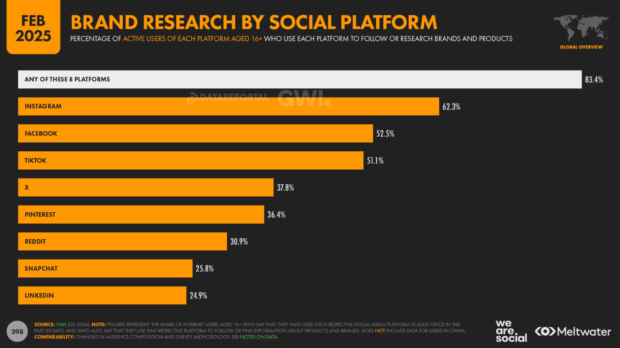
Unlike many social media platforms primarily used for entertainment or interpersonal connection, Pinterest’s leading use case is brand and product research. A substantial 36.4% of its users actively engage with the platform to follow or investigate brands and products, a figure that surpasses engagement levels for entertainment, posting, news consumption, and messaging activities. This high intent for discovery transforms Pinterest into a “visual search engine” where users are proactively seeking inspiration, solutions, and purchasing ideas, rather than passively scrolling through feeds.
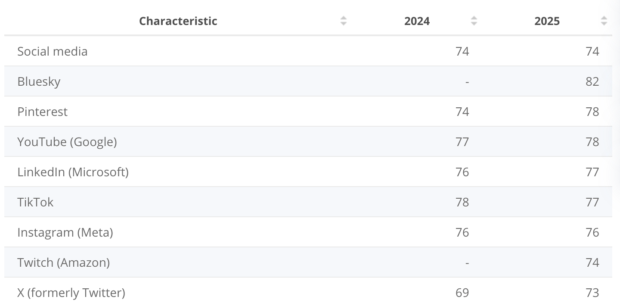
Moreover, Pinterest distinguishes itself through a notably positive user experience. In 2025, it scored 78 on the American Customer Satisfaction Index, outperforming competitors like Instagram, TikTok, and Facebook. This high level of user satisfaction translates directly into a more receptive audience for brand content. When users enjoy their time on a platform, they are inherently more open to engaging with advertisements and brand messaging, making Pinterest a less intrusive and more effective marketing environment. Industry observers suggest that Pinterest’s commitment to fostering a positive, less contentious online environment contributes significantly to its high user satisfaction, making it an increasingly attractive space for brands seeking authentic engagement.
The platform’s leading accounts reflect this brand-centric environment, with many top-followed profiles belonging to retailers and content creators focused on practical inspiration. Wattpad leads with 32.4 million followers, followed by lifestyle brands like Oh Joy (15.1M), and prominent retailers such as Etsy (11.0M), Shein (7.9M), Nordstrom (5.5M), and Target (4.8M). This diverse mix highlights Pinterest’s capacity to serve various brand types, from literary platforms to major retail chains, all benefiting from an audience primed for discovery.
Demographics: Targeting Engaged and Affluent Consumers
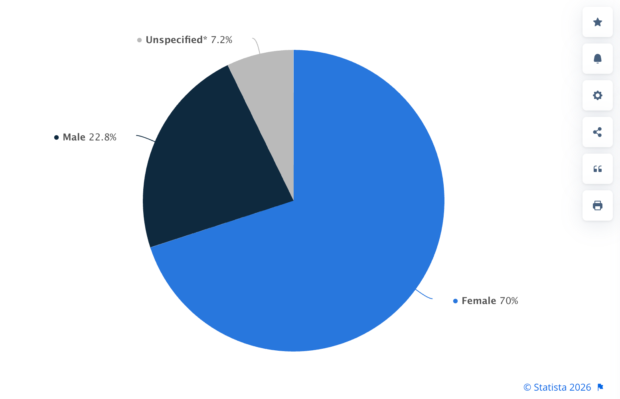
Understanding Pinterest’s demographic makeup is crucial for tailoring effective marketing strategies. The platform’s audience maintains a strong female skew, with women comprising 70% of its users, while male users account for approximately 22.8%. This gender distribution is consistent across all age groups, with women leading usage from 16-24 year olds (45.1% female vs. 27.7% male) up to the 65+ demographic (26.5% female vs. 11.0% male). This makes Pinterest an exceptionally valuable channel for brands in sectors traditionally appealing to women, such as fashion, beauty, home decor, wedding planning, and DIY projects.
Perhaps most critically for future-focused marketers, Gen Z represents Pinterest’s fastest-growing demographic. In the U.S., Pinterest reaches 46% of adults aged 18 to 24, a significant segment of this influential generation. Their primary motivation for using the platform is to find information about products or brands, indicating a proactive and commerce-oriented mindset. This signals Pinterest’s enduring relevance for connecting with younger consumers at critical stages of their purchasing journeys.
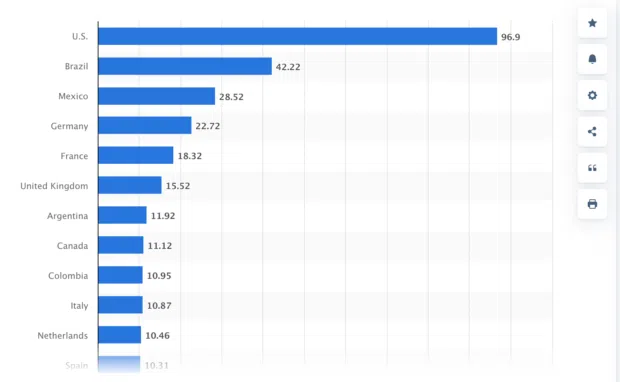
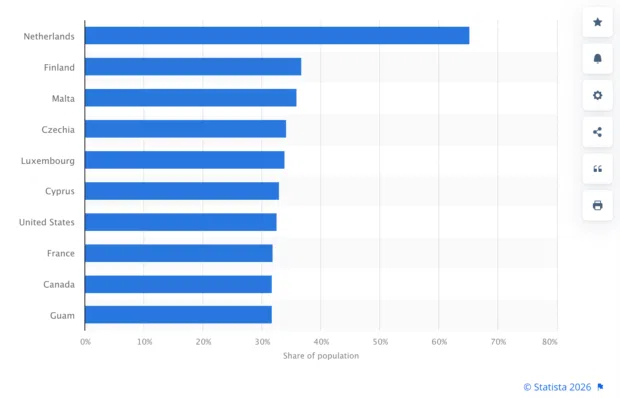
Geographically, the United States remains Pinterest’s largest market, boasting 96.9 million users as of October 2025. Other key markets include Brazil (42.2M), Mexico (28.5M), Germany (22.7M), and France (18.3M). Interestingly, the Netherlands leads in terms of market penetration, with 65.3% of its population using Pinterest, followed by Finland (36.8%) and Malta (36%). This global reach, combined with concentrated penetration in certain European markets, offers diverse opportunities for international marketing campaigns.
Beyond sheer numbers, Pinterest also connects with an affluent audience. The platform reaches 40% of U.S. households with an annual income exceeding $150,000. This high household income reach positions Pinterest as a powerful channel for brands targeting high-net-worth consumers, who are not only engaged but also possess substantial purchasing power.

Pinterest users also exhibit distinct multi-platform behavior. While Pinterest serves a specific function, its users are rarely exclusive. A significant overlap exists with other major platforms: 90% also use YouTube, 89.2% use Instagram, and 85.3% use WhatsApp. Intriguingly, 60% of Reddit users also frequent Pinterest, suggesting a common thread among audiences that value niche communities and focused information seeking, despite the platforms’ stylistic differences. This demographic profile positions Pinterest as a prime platform for brands aiming to reach engaged, purchase-minded consumers, particularly women and younger generations who are actively seeking inspiration and product solutions.
Pinterest as a Visual Search and Discovery Engine
The sheer volume of activity on Pinterest solidifies its role as a premier visual search engine. The platform processes over 80 billion searches every month, a staggering figure that highlights how users leverage Pinterest for specific queries and ideas. This search-driven behavior contrasts sharply with the often passive consumption on other social feeds, creating a unique opportunity for marketers. Instead of vying for attention with interruptive content, brands can become the solution users are actively searching for.
A critical insight for content strategy is that 96% of Pinterest’s top searches are unbranded. This means users are looking for ideas, styles, or solutions rather than specific company names. This heavy tilt toward unbranded searches creates substantial organic discovery potential for new or lesser-known brands, allowing them to compete effectively based on the quality and relevance of their visual content. As Pinterest itself notes, “Content from brands doesn’t interrupt on Pinterest — it inspires.”
The popularity of certain search terms further illustrates user intent. As of September 2025, “Nails” was the most-searched keyword with 52.1 million monthly searches, followed by “wallpaper aesthetic” (26.9M), “hairstyles” (25.9M), “outfit ideas” (23.6M), and “wallpaper iPhone” (22.2M). These terms underscore the platform’s focus on personal style, home aesthetics, and visual inspiration, offering clear avenues for content optimization.
Furthermore, Pinterest’s ability to predict and highlight emerging trends is a valuable asset for marketers. The Summer 2026 Trend Report, for instance, revealed significant surges in searches related to sports culture, with “World Cup jerseys” up 840%, “dad sneakers” climbing 906%, and “Formula 1 aesthetic” outfits increasing by 483%. Tracking such trends provides brands with an early advantage, allowing them to create timely and relevant content before trends reach broader saturation. The platform’s emphasis on visual discovery and unbranded searches underscores a fundamental shift in consumer behavior, where users proactively seek solutions rather than passively consuming content. This ‘pull’ marketing environment offers a distinct advantage for brands that can align their content with user intent.
E-commerce and High Purchase Intent
Pinterest’s strength in e-commerce is undeniable, rooted in its users’ high purchase intent and positive shopping experiences. Pinners are nearly 90% more likely than users on other platforms to express readiness to shop, indicating a primed audience for commercial messaging. This readiness translates into tangible spending, with Pinterest users spending an average of 40% more per month than non-Pinterest users. This combination of high intent and higher spending power makes the platform particularly attractive for brands focused on driving sales.
The efficacy of Pinterest’s shoppable formats is also on the rise. Engagement with shopping ads, including clicks and saves on buyable content, has increased by 50% since 2025. This upward trend signifies growing user comfort and preference for social commerce on Pinterest, where the line between inspiration and purchase is increasingly blurred. A remarkable 80% of weekly Pinners report feeling inspired by the shopping experience on the platform, a testament to Pinterest’s unique ability to blend discovery with commercial opportunities seamlessly.
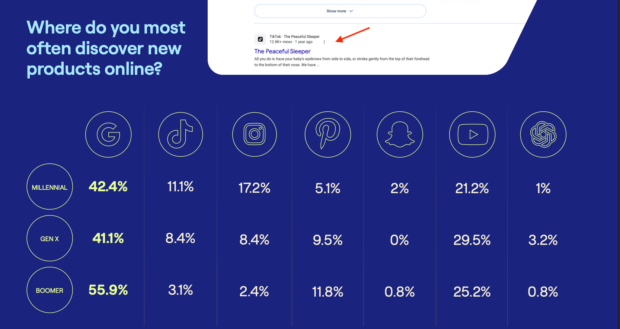
Interestingly, product discovery on Pinterest shows an increasing trend with age. While 5.1% of Millennials identify Pinterest as their primary source for new product discovery, this figure rises to 9.5% for Gen X and 11.8% for Boomers, according to GRIN’s 2025 survey. This data suggests that Pinterest holds significant potential for brands targeting older demographics, challenging the common misconception that social commerce is solely the domain of younger generations. Pinterest’s seamless integration of inspiration and commerce creates a potent environment for sales. Brands that leverage shoppable Pins and focus on high-quality visual merchandising are likely to see strong returns, as users are not just browsing, but actively planning purchases.
The Evolving Marketing and Advertising Landscape
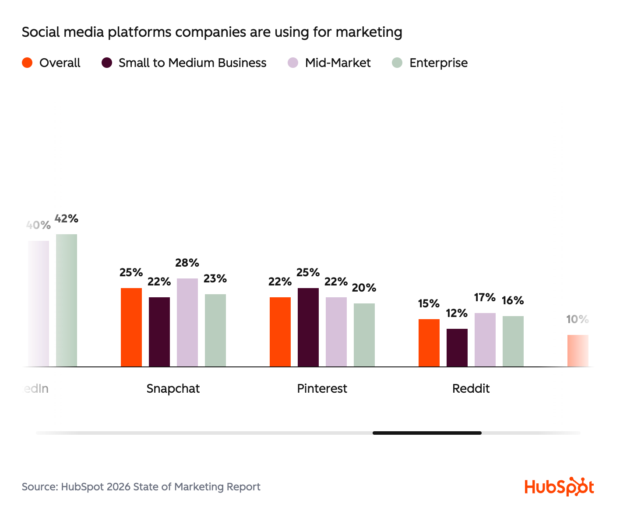
Despite its significant user base and commercial potential, Pinterest remains a relatively less crowded marketing channel compared to other social media giants. HubSpot’s 2026 State of Marketing Report indicates that 22% of companies utilize Pinterest for marketing, placing it ahead of Reddit (15%) but behind Snapchat (25%). This lower adoption rate presents a substantial opportunity for brands to gain visibility and establish a strong presence without the intense competition found on platforms like Instagram or Facebook.
Small and midsize businesses (SMBs) are particularly adept at leveraging this opportunity, with 25% of SMBs using Pinterest for marketing compared to 20% of enterprises. This suggests that Pinterest’s visual-first, discovery-driven nature allows nimble brands with compelling content to compete effectively, regardless of their size.
Brands are also increasing their commitment to the platform. On average, companies now publish 10 posts per week on Pinterest, a notable 43% increase over 2024 figures. This ramp-up in posting frequency reflects growing confidence in Pinterest’s ability to deliver results and an understanding that consistent content is rewarded by the platform’s algorithm. For optimal engagement, Hootsuite data suggests the best times to post are 12 PM on Tuesdays and Fridays, offering a tactical advantage for scheduling content.
Engagement metrics on Pinterest further highlight its effectiveness. Standard Pins typically achieve an average engagement rate of 0.15% to 0.25%, while Product Pins perform better at 0.3% to 0.5%, and Video Pins hover between 0.09% and 0.12%. Save rates, a key indicator of user intent and content longevity, generally range from 0.2% to 0.5%, with high-performing categories like food, DIY, and fashion often seeing rates climb to 1% to 2%. These figures provide crucial benchmarks for marketers to evaluate their content’s performance.
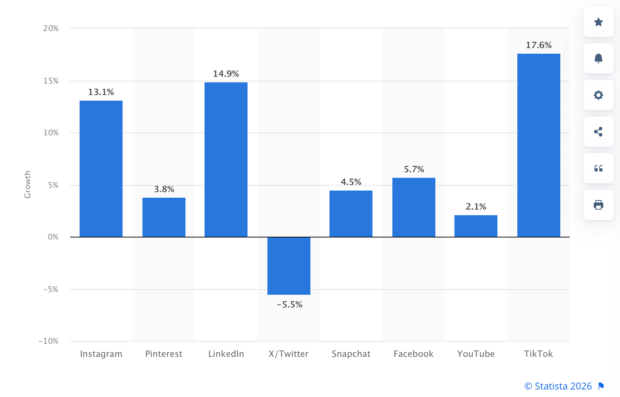
From an advertising perspective, Pinterest offers compelling value. Its advertising audience grew by 3.8% in 2025, reaching approximately 340 million people globally. This represents a meaningful slice of the global online audience, underscoring Pinterest’s potential for broad reach. Moreover, Pinterest ads are refreshingly affordable, with an average cost per click (CPC) ranging from $0.50 to $1.50. This is significantly lower than Meta ($1.06 to $1.72) and X ($3 to $5), allowing marketing budgets to stretch further and potentially yield higher returns on ad spend. Promoted Pins also demonstrate strong conversion rates, typically ranging from 2% to 4%, and climbing to 5% to 8% for luxury and home goods, reinforcing Pinterest’s role as an effective direct-response channel. The evolving advertising landscape on Pinterest indicates a growing maturity and effectiveness. While user growth provides a broader audience, the platform’s relatively lower ad costs and higher conversion rates, especially in key verticals, offer compelling ROI for strategic marketers.
Financial Performance and Future Outlook
Pinterest’s robust financial performance underpins its growing influence. In Q1 2026, the company’s revenue surpassed $1 billion, a strong indicator of its commercial health and successful monetization strategies. For the full year 2025, Pinterest generated $4.2 billion in revenue, representing a solid 16% increase from 2024. This consistent revenue growth, alongside sustained user expansion, signals stability and investor confidence.

Globally, Pinterest’s average revenue per user (ARPU) stands at $2.16. However, this figure varies significantly across regions, reflecting differing market maturities and advertising ecosystems. In the U.S. and Canada, ARPU is a robust $9.41, while in Europe it is $1.59, and in the rest of the world, it is $0.27.
Interestingly, the fastest ad revenue growth for Pinterest is now originating from outside North America. In Q1 2026, revenue surged by 59% in the rest of the world and 27% in Europe, compared to 13% growth in the U.S. and Canada. This trend highlights Pinterest’s successful international expansion efforts and suggests growing opportunities for brands looking to target global audiences in emerging markets. Pinterest’s financial trajectory, marked by consistent revenue and user growth, particularly in emerging markets, underscores its increasing importance in the global digital economy. This robust performance suggests continued investment in platform features that will further enhance its value proposition for both users and advertisers.
In conclusion, Pinterest in 2026 is far more than a digital bulletin board; it is a strategic powerhouse for marketers. Its sustained user growth, unique position as a brand discovery engine, highly engaged and affluent demographics, and efficient advertising ecosystem present a compelling case for its inclusion in diverse marketing strategies. For brands seeking to connect with consumers actively looking for inspiration and products, Pinterest offers an unparalleled environment for authentic engagement and measurable results.