


Email marketing, a cornerstone of digital communication, faces a paradox: despite sophisticated spam filters designed to protect users from malicious content, a significant portion of legitimate messages are failing to reach their intended inboxes. This escalating challenge, highlighted by recent industry reports, poses substantial hurdles for businesses relying on email to connect with their audience, affecting everything from customer engagement to revenue generation.
The digital landscape has long been a battleground between legitimate senders and nefarious actors. For years, email service providers (ESPs) and mailbox providers (MBPs) have invested heavily in developing advanced spam filtering technologies. These systems, utilizing complex algorithms, artificial intelligence, and machine learning, have become remarkably adept at identifying and quarantining fraudulent emails, phishing attempts, and other forms of digital detritus. However, this heightened vigilance, while effective against overt spam, inadvertently ensnares a growing number of legitimate communications. Validity’s 2026 Deliverability Benchmarks Report starkly reveals that one in seven legitimate emails now fail to reach the inbox, a concerning statistic compounded by a near-doubling of global spam placement rates in the past year.
The Evolution of Spam Filters and the Deliverability Dilemma
The journey of an email from sender to recipient is fraught with potential obstacles. Early spam filters primarily relied on keyword analysis and basic sender reputation scores. As spammers grew more sophisticated, so did the defenses. Modern spam filters scrutinize a multitude of factors, including sender authentication, IP reputation, domain reputation, content analysis, link structure, and crucially, recipient engagement. This continuous arms race has led to an environment where the line between “spam” and “legitimate but unwanted” has blurred, often at the expense of good senders.
Historically, senders primarily worried about getting flagged for overtly “spammy” content – excessive capitalization, exclamation points, or specific promotional keywords. Today, the focus has shifted dramatically towards sender behavior and recipient interaction. A legitimate email from a reputable brand can still be flagged if its sending patterns are erratic, if it consistently receives low engagement, or if recipients frequently mark it as spam. The average global inbox placement rate stands at 87.2%, with 6.1% of emails landing in the spam folder and a further 6.6% going missing entirely. This “missing” category often represents emails blocked entirely or shunted to obscure folders, effectively making them undeliverable.
New Mandates from Mailbox Providers and Industry Response
In a significant development, major MBPs like Google (Gmail), Microsoft (Outlook), and Yahoo (including AOL) have recently introduced stringent new bulk sender requirements, effective early 2024. These mandates aim to enhance email security and user experience, forcing all senders, particularly those sending over 5,000 emails per day, to adhere to stricter protocols. These requirements include:
- Email Authentication: Mandatory implementation of SPF (Sender Policy Framework), DKIM (DomainKeys Identified Mail), and DMARC (Domain-based Message Authentication, Reporting, and Conformance). These protocols verify the sender’s identity, preventing spoofing and phishing.
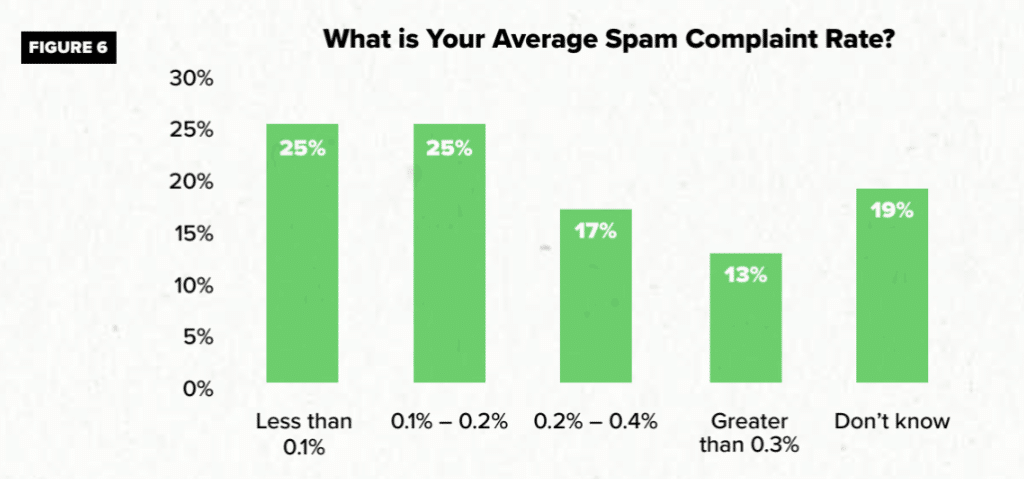
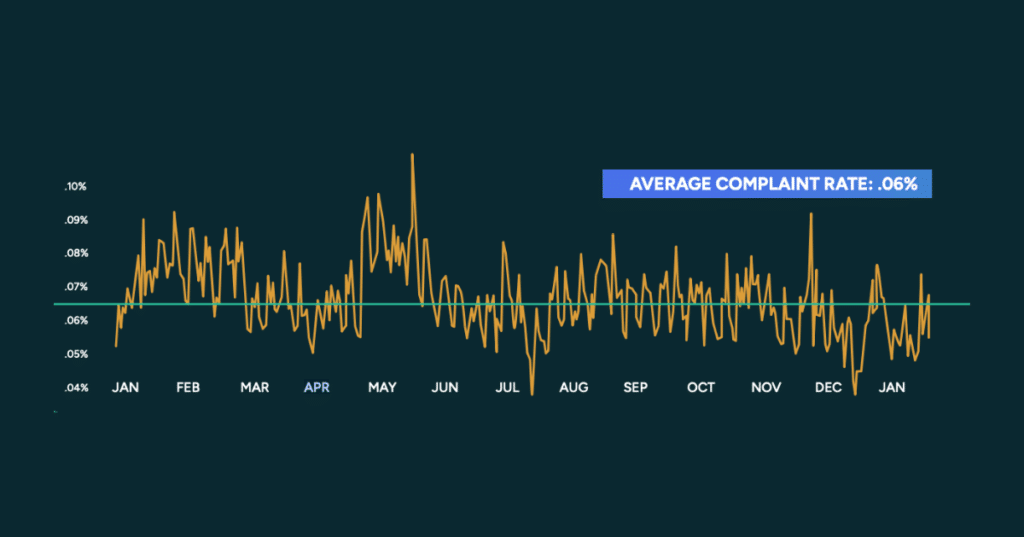
- Low Spam Complaint Rates: Senders must maintain a spam complaint rate below 0.3%. Clea Moore, Principal Product Manager at Yahoo, emphasized that while 0.3% is the threshold, senders should aim for closer to 0.1% for optimal deliverability, viewing the requirements as a holistic strategy rather than a mere checklist.
- One-Click Unsubscribe: A clearly visible, one-click unsubscribe mechanism in every email, allowing recipients to easily opt out without navigating multiple pages. This reduces the likelihood of recipients marking emails as spam out of frustration.
Ross Adams, Microsoft’s Principal PM Architect, has highlighted the issue of “email overload” leading to recipient fatigue and increased complaints. These new policies underscore a shift where MBPs are placing greater responsibility on senders to prove their legitimacy and respect recipient preferences. Failure to comply can result in emails being automatically routed to spam folders or outright rejection.
Understanding the Multifaceted Reasons for Spam Placement
The journey to the inbox is influenced by three primary factors: sender reputation, content quality, and recipient engagement. When emails consistently land in spam, it’s often a confluence of issues rather than a single misstep.
-
Improper Email Authentication: Without correctly configured SPF, DKIM, and DMARC records, MBPs cannot verify the sender’s identity. This immediately raises a red flag, as unauthenticated emails are a common tactic for spammers and phishers. Implementing BIMI (Brand Indicators for Message Identification) further enhances trust by displaying a brand’s logo in the inbox.
-
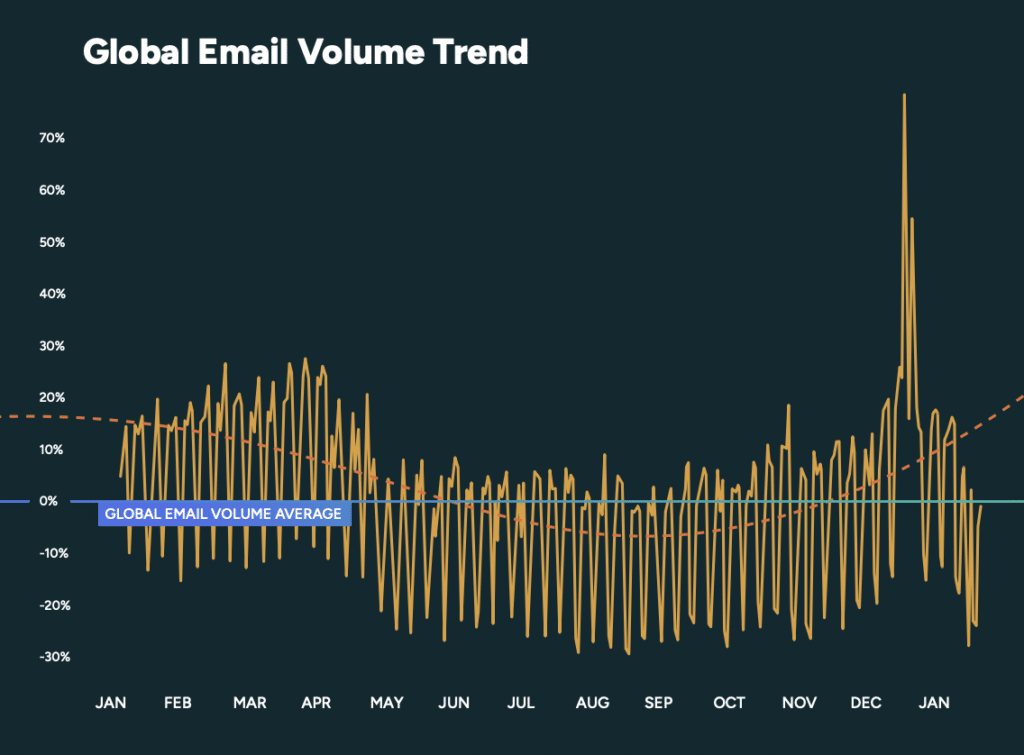
Unpredictable Sending Volume and Cadence: Sudden, dramatic spikes in email volume or inconsistent sending schedules can appear suspicious to MBPs. They interpret such patterns as potential signs of a compromised account or a spam operation. A gradual “warm-up” process is crucial when increasing sending volume, especially before major promotional events like Black Friday/Cyber Monday, as seen in the significant email volume spikes around holidays.
-
High Spam Complaint Rates: When subscribers actively mark an email as spam, it severely damages the sender’s reputation. MBPs prioritize user feedback, and a high complaint rate signals to them that the sender is sending unsolicited or unwanted messages. This is a far more damaging metric than unsubscribes. The 2025 Validity Deliverability Benchmarks Report indicated that a significant portion of marketers were unaware of their spam complaint rates, highlighting a critical blind spot.
-
“Spammy” Content and Poor Formatting: While less about specific keywords now, emails that mimic common scammer traits can trigger filters. This includes broken images, inconsistent fonts, excessive use of bright colors, poor grammar, typos, misleading subject lines, or overly complex/messy HTML code. AI-generated content, if not carefully reviewed, can also inadvertently include patterns that filters deem suspicious.
-
Poor Email List Hygiene: Sending emails to inactive, fake, closed, or repurposed addresses (spam traps) is detrimental to sender reputation. Spam traps are email addresses used by MBPs and anti-spam organizations to identify senders with poor list management practices. Hitting these traps can lead to blocklisting and severe deliverability issues. Buying email lists from third parties is a particularly risky practice that often results in hitting spam traps.
-
Low Email Engagement: MBPs monitor recipient interactions—opens, clicks, replies, and even whether an email is moved to another folder or deleted without being opened. Low engagement signals that recipients find the emails irrelevant or undesirable. Conversely, high engagement boosts sender reputation, indicating that the content is valued by subscribers.
Eight Actionable Strategies for Enhanced Email Deliverability
For marketers struggling with inbox placement, a comprehensive approach focusing on technical integrity, audience respect, and content relevance is essential.
-
Implement Robust Email Authentication Infrastructure: This is non-negotiable. Ensure SPF, DKIM, and DMARC records are correctly configured and aligned across all sending domains. Regularly audit these settings to prevent misconfigurations. Consider implementing BIMI to further solidify brand identity and trust.
-
Monitor Email Cadence and Frequency: Develop a consistent sending schedule that aligns with subscriber expectations. Avoid sudden, unexplained spikes in volume. Segment your list to send targeted messages rather than bombarding all subscribers with every communication. For significant volume increases, implement a gradual “warm-up” strategy to build trust with MBPs. Providing a preference center allows subscribers to control their email frequency and types, reducing fatigue.
-
Proactively Manage Spam Complaints: Track your spam complaint rate diligently. If it approaches or exceeds the 0.1-0.3% threshold, investigate immediately. Analyze why subscribers might be marking emails as spam—is the content irrelevant, are expectations mismatched, or is the unsubscribe process difficult? Address these root causes swiftly.
-
Simplify the Unsubscribe Process: Make it effortless for subscribers to opt out. Implement a prominent, one-click unsubscribe link in every email, ideally in the header (as per new MBP requirements) and footer. An unsubscribe is always preferable to a spam complaint, as it helps maintain a healthy, engaged list and protects your sender reputation.
-
Ensure Flawless Formatting and Content Quality: Thoroughly test and preview all emails across various clients and devices using tools like Litmus. Check for broken images, rendering issues, typos, grammatical errors, and any formatting inconsistencies. Ensure HTML code is clean and adheres to best practices. While “spammy” words are less critical now, maintaining a professional and clear tone is vital.
-
Maintain Pristine Email List Hygiene and Smart Segmentation: Regularly clean your email list by removing inactive subscribers, hard bounces, and known spam traps. Implement a double opt-in process for new subscribers to ensure explicit consent and valid email addresses. Utilize re-engagement campaigns for dormant subscribers, offering them a chance to update preferences before removal. Avoid purchasing email lists, as they often contain invalid or spam trap addresses. Validity Engage offers AI-powered tools for list cleaning and monitoring.
-
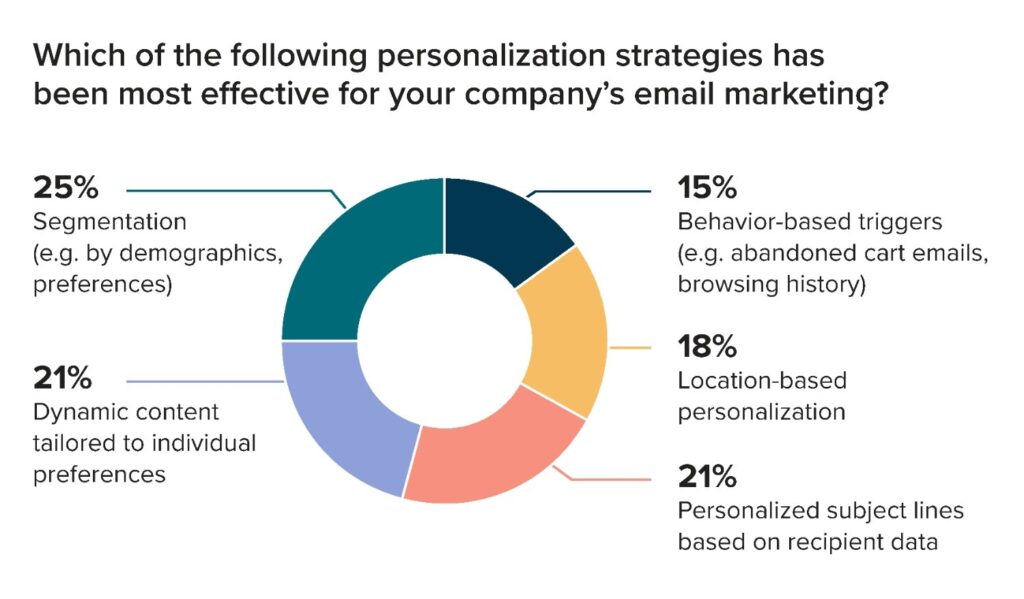
Drive Genuine Email Engagement Through Personalization: Low engagement signals disinterest. Leverage zero-party data (information subscribers voluntarily share) and first-party data (behavioral data) to create highly personalized and relevant email experiences. Go beyond basic merge tags; tailor content based on interests, past interactions, location, and specific needs. McKinsey reports that 71% of consumers expect personalized experiences, and effective segmentation (cited by 25% of marketers as their most effective personalization strategy in the 2025 State of Email Report) is key.
-
Craft Desired Email Content: Focus on providing value rather than solely pushing sales. Your content should be helpful, informative, entertaining, or inspiring. Engage subscribers with compelling narratives, relevant offers, and timely updates. Encourage positive behaviors like opens, clicks, and even “This Is Not Spam” (TINS) actions. Prioritize building a relationship based on trust and utility.
Broader Implications and the Path Forward
The challenge of email deliverability extends beyond technical fixes; it’s a strategic imperative. Poor deliverability directly impacts marketing ROI, diminishes brand trust, and wastes valuable resources. When emails consistently miss the inbox, customer acquisition efforts falter, retention strategies become ineffective, and the overall effectiveness of email as a communication channel is compromised.
For businesses feeling overwhelmed by the complexities of modern email deliverability, professional services and specialized tools can provide critical support. Platforms like Litmus offer pre-send testing, while Validity Engage provides AI-powered insights into email list health, engagement patterns, and inbox placement, helping marketers proactively identify and address issues. Validity’s Professional Services can also offer expert guidance to diagnose and resolve persistent deliverability problems.
Ultimately, navigating the modern email landscape requires a holistic, subscriber-centric approach. By prioritizing authentication, meticulous list management, respectful sending practices, compelling content, and genuine personalization, email marketers can significantly improve their inbox placement, foster stronger customer relationships, and unlock the full potential of this powerful digital channel. The goal is not merely to avoid the spam folder, but to consistently deliver value that earns a coveted spot in the primary inbox.








