The digital realm is on the cusp of a profound transformation, driven by the emergence of agentic artificial intelligence (AI) systems that are poised to move beyond mere information retrieval to proactive action and decision-making. This paradigm shift, highlighted in recent analyses, suggests a future where AI agents not only interpret and summarize web content but also actively engage with it, identify opportunities, suggest improvements, and adapt to dynamic trends with minimal human intervention. Should these capabilities continue their rapid development, they are set to fundamentally reshape established principles of Search Engine Optimization (SEO), particularly the pursuit of continuous discoverability.
The Genesis of the Agentic Web: From Hyperlinks to Intelligent Intermediaries
For decades, the internet has functioned as a vast, interconnected graph of entities—websites representing individuals, businesses, concepts, and ideas, all linked through content, context, and trust. This architecture, often termed the “open web,” provided a stable framework for human interaction: content creation, user discovery via search engines or direct links, and the subsequent formation of meaning through exploration. The core structure of this open web remains foundational, yet the manner in which it is accessed and consumed is undergoing a significant metamorphosis.
Historically, digital discovery was a largely direct interaction between humans and websites. Users initiated searches, clicked on results, consumed information, compared sources, and drew their own conclusions. However, contemporary AI systems are increasingly interceding in this journey, acting as sophisticated intermediaries between the user and the vast expanse of the web. These systems interpret, synthesize, summarize, and, in some instances, even determine which information surfaces, fundamentally altering the user’s engagement model.
This evolving dynamic is where the concept of AI agents truly takes hold. These are not merely tools for generating responses but rather sophisticated systems capable of navigating the web autonomously, retrieving relevant information, and potentially acting upon it. Early prototypes, such as experimental natural language interfaces, foreshadow a web that can be engaged with more conversationally, without necessarily compromising its inherent openness and interconnectedness. This shift has led some to label the emerging environment as an “agentic web.” It is crucial to view this not as a wholesale replacement of the existing internet but as a sophisticated layer forming atop it. The open web persists, human-generated content remains vital, and the importance of links endures. What is evolving is the process by which this content is discovered, interpreted, and utilized by both humans and machines. This profound shift in interaction patterns bears significant implications for the field of SEO.
Redefining SEO in an Agent-Driven Ecosystem: Beyond Traditional Rankings
The increasing mediation of web interactions by AI agents naturally prompts a critical re-evaluation of SEO’s role. For years, SEO has been predominantly centered on enhancing content discoverability for human users. This involved optimizing for search engine rankings, improving visibility, and driving user clicks and navigation. However, if AI agents begin to mediate this discovery journey—not just by retrieving information but by interpreting and acting upon it—then the scope of SEO must expand beyond its conventional boundaries, building upon existing practices rather than replacing them entirely.
From Direct Interaction to AI Mediation: The Shift in Discoverability
In an environment increasingly shaped by AI agents, discoverability may no longer hinge exclusively on a page’s ranking position in traditional search results. Instead, it will also depend on whether content is selected, trusted, and effectively utilized by AI systems. This introduces a subtle yet critical distinction:
- Traditional SEO Focus: Primarily on optimizing for human clicks, page views, and direct website traffic. Success is measured by keyword rankings, organic traffic, and conversion rates directly from search.
- Agentic SEO Focus: Expands to optimizing for selection and inclusion by AI agents. Success metrics will include content’s representation in AI-generated summaries, answers, and automated workflows, even if direct clicks to the source page diminish.
AI agents do not browse the web in the same manner as human users. They employ sophisticated methods:
- Semantic Understanding: They parse content for its underlying meaning, identifying entities, relationships, and contextual relevance, rather than merely matching keywords.
- Data Aggregation: Agents are designed to synthesize information from multiple sources, combining disparate data points to form comprehensive answers or execute complex tasks.
- Trust and Authority Assessment: They evaluate the credibility, authoritativeness, and trustworthiness of sources, often leveraging established signals such as E-E-A-T (Experience, Expertise, Authoritativeness, Trustworthiness) and external validations.
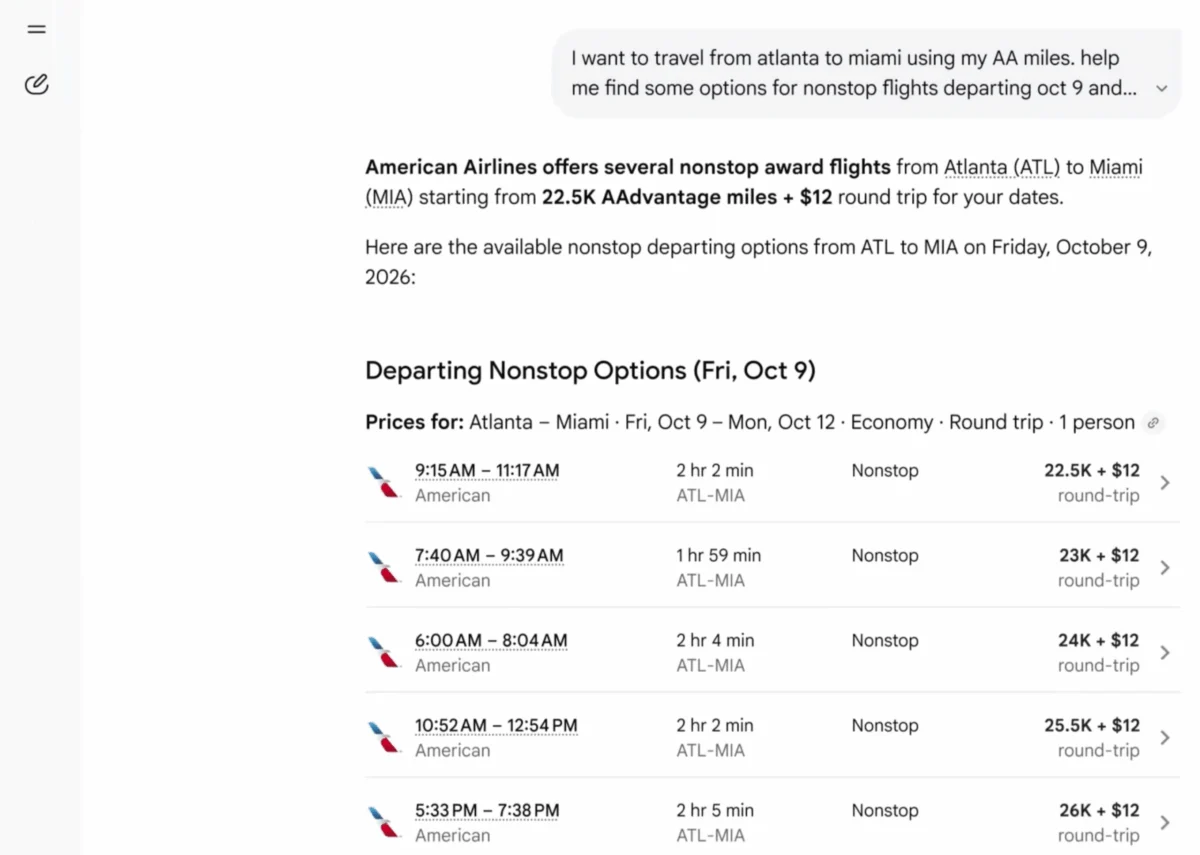
- Action-Oriented Processing: Unlike human users who primarily consume information, AI agents can be programmed to take subsequent actions based on the information they retrieve, such as booking appointments, making purchases, or configuring systems.
Consequently, SEO will need to evolve beyond solely optimizing for clicks. It will increasingly encompass optimization for inclusion in AI-generated responses, summaries, and automated workflows, requiring a deeper understanding of how AI systems ingest, process, and apply information.
The Evolving Pillars of SEO Strategy
While many fundamental SEO principles will remain relevant, their application and emphasis will undoubtedly shift.
Enduring Fundamentals: Quality, Authority, Technical Health
- High-Quality Content: Content that is accurate, comprehensive, and valuable will remain paramount. AI systems are trained on vast datasets and are adept at discerning quality, making authoritative and well-researched content a non-negotiable requirement.
- Technical SEO: The technical infrastructure of a website – crawlability, indexability, site speed, mobile-friendliness – will continue to be crucial. AI agents rely on efficient access to information, meaning a technically sound website facilitates better comprehension and processing.
- Authoritativeness and Trust: Establishing strong domain authority, building credible backlinks, and demonstrating E-E-A-T will be more important than ever. AI agents prioritize trustworthy sources to avoid propagating misinformation or low-quality data.
- User Experience (UX): While AI agents don’t “experience” a website in the human sense, a positive UX signals content quality and accessibility, which AI systems can indirectly interpret as valuable.
These elements remain essential because AI systems ultimately derive their “truth” from the underlying web.
Adaptive Strategies: Intent Mapping and Entity-Centric SEO
- Advanced Keyword Research and Intent Mapping: Moving beyond simple keyword volume, SEOs will focus on understanding the nuanced intent behind queries, including conversational and multi-turn interactions, to better align content with AI’s interpretive capabilities.
- Content Relevance and Depth: Content must not only be relevant to a specific query but also provide comprehensive, contextually rich information that AI agents can synthesize effectively across various sub-topics.
- Entity-Centric Optimization: Shifting from keyword-centric to entity-centric SEO, where content clearly defines and relates entities (people, places, things, concepts) using structured data and internal linking, enabling AI to build robust knowledge graphs.
- Semantic Clarity: Ensuring content is semantically clear and unambiguous, reducing potential misinterpretations by AI systems. This involves logical structuring, clear headings, and precise language.
New Frontiers: Structured Data and AI-Native Content
- Proactive Structured Data Implementation: Beyond basic schema markup, SEOs will actively use advanced structured data (e.g., Knowledge Graph-ready JSON-LD) to explicitly define relationships between entities, content types, and concepts, facilitating machine comprehension. Yoast’s collaboration with Microsoft on NLWeb, aiming to help AI understand the Open Web, exemplifies this direction.
- Optimization for AI-Generated Responses: Developing content specifically formatted and structured to be easily digestible and extractable by AI for inclusion in summaries, answers, and automated workflows, potentially even for multimodal outputs.
- Real-time Content Adaptation: Implementing systems for dynamic content updates based on AI feedback, ensuring content remains fresh, relevant, and aligned with evolving AI interpretation models.
- AI-Driven Internal Linking Strategies: Using AI to identify optimal internal linking opportunities that enhance semantic connections and content discoverability for both human users and AI agents.
As Alex Moss aptly articulates, the web itself may be bifurcating into two parallel experiences: the “human” web and the “agentic” web. SEO professionals will be tasked with optimizing for both, ensuring content ranks for human discovery while also being selected, trusted, and utilized by AI systems. This means content must be:
- Machine-Readable: Clearly structured and semantically rich for AI processing.
- Human-Usable: Engaging, informative, and accessible for direct user interaction.
- Contextually Relevant: Providing comprehensive answers to diverse user intents, regardless of whether a human or an agent is querying.
- Actionable: For AI agents, content that facilitates subsequent actions (e.g., product specifications for an agent making a purchasing decision).
- Verifiable and Trustworthy: Backed by credible sources, demonstrating clear E-E-A-T.
In essence, SEO in an agentic web expands its mandate from helping users find information to helping systems choose it.
Agentic AI as a Strategic Partner in SEO Workflows: Automating for Intelligence
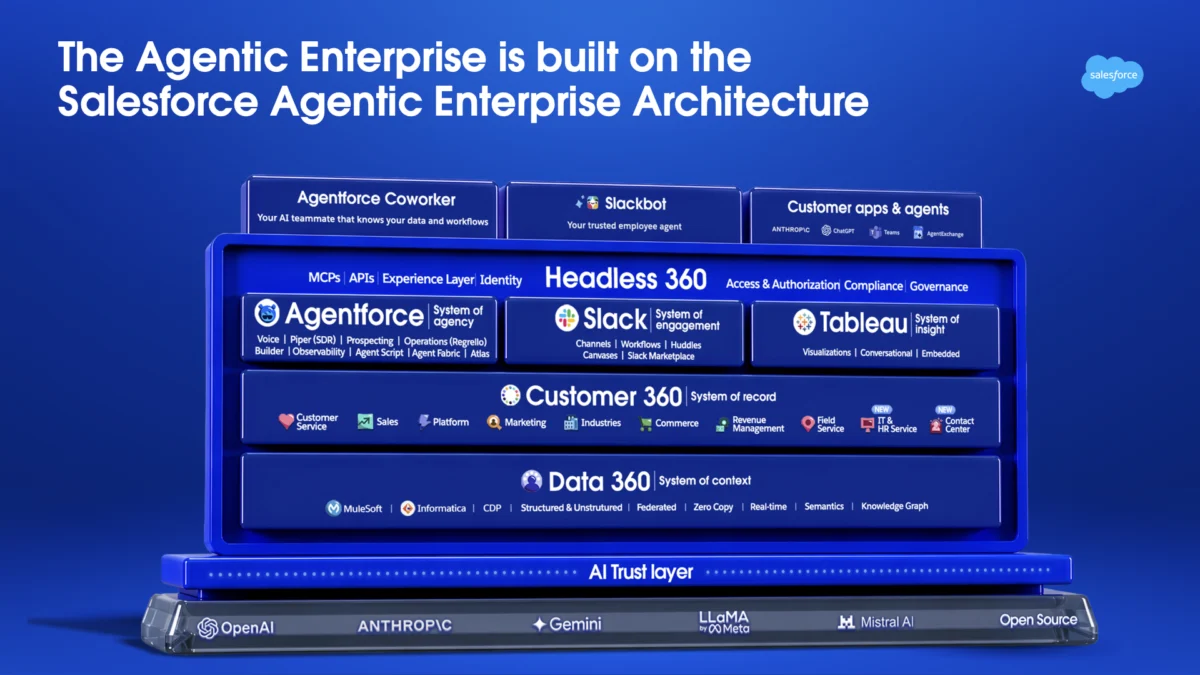
The integration of agentic AI is poised to fundamentally reshape SEO workflows, transforming the discipline from a series of periodic tasks into a continuous, assisted, and highly adaptive process. This doesn’t imply a replacement of SEO teams but rather the introduction of a new, intelligent layer within the operational framework. Early tools are already hinting at this future, moving beyond mere data analysis to suggest and, in some cases, even implement changes.
Transforming SEO Operations: From Reactive to Proactive
The shift manifests across several key areas:
- Audits & Optimization: Traditional SEO involved manual or semi-manual audits at set intervals. With agentic AI, systems will continuously monitor site performance, flag issues (e.g., broken links, missing metadata, slow pages) in real-time, and either suggest or directly implement fixes. Optimization becomes an ongoing, automated process rather than being dependent on scheduled human intervention.
- Anticipation vs. Reaction: Historically, SEO actions were often reactive—responding to ranking drops or algorithm updates. Agentic AI will analyze vast patterns in search behavior and performance data to detect early signals of emerging topics, shifting user intent, or declining engagement, enabling proactive adjustments before significant impacts occur.
- Guided Systems for Execution: Tasks such as keyword research, content clustering, content optimization, and internal linking, traditionally performed manually or with static tools, will be significantly augmented. AI agents can identify keyword opportunities, group related topics, suggest content refinements, and even apply specific on-page changes, allowing SEO specialists to focus on strategic guidance, output review, and priority setting.
- Adaptive Content Strategies: Content traditionally has a lifecycle of creation, publication, and occasional revision. Agentic AI can make content more dynamic, recommending updates based on performance metrics, refining sections for improved clarity or SEO effectiveness, or restructuring content to better match evolving user intent and AI consumption patterns.
- Contextual User Journeys: Moving beyond generic user experiences, agentic AI can enable highly contextualized interactions. Content, navigation paths, and recommendations can adapt dynamically based on individual user behavior, expressed intent, or their stage in a conversion journey, creating significantly more relevant and engaging experiences.
- Intelligent Technical Infrastructure: Technical SEO, involving periodic checks for crawl errors, indexing issues, and schema gaps, can become an intelligent, self-optimizing system. AI agents will continuously monitor technical health, automatically prioritize issues, suggest precise fixes, and, in some scenarios, implement them. Structured data, internal linking, and site architecture can be dynamically optimized for maximum machine readability and discoverability.
Structuring Content for Machine Comprehension: The Schema Imperative
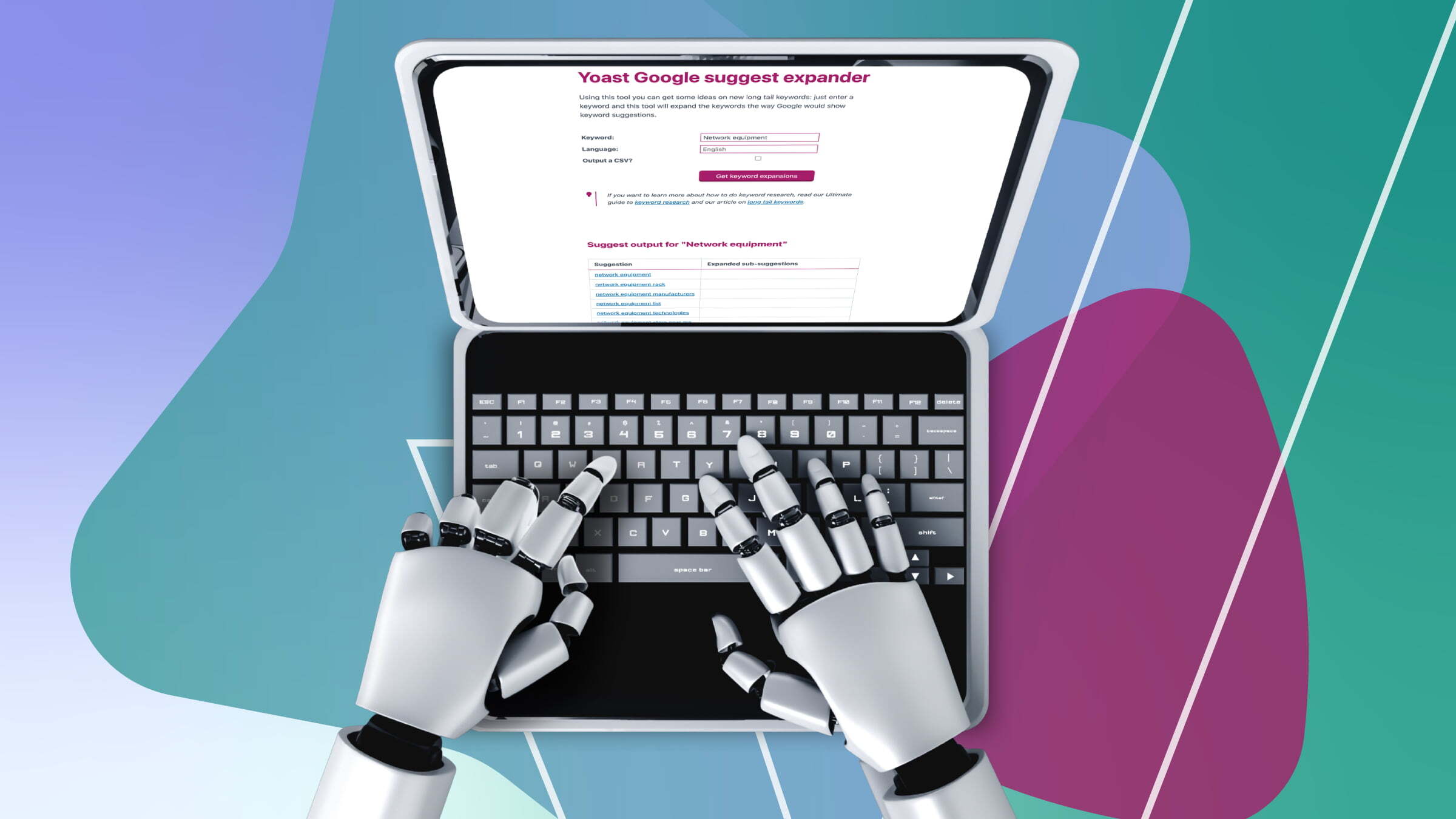
The premise that agentic systems rely on structured, connected, and machine-readable content is not entirely new to SEO. The industry has been moving in this direction for years through the increasing emphasis on structured data and schema markup. What is changing is the criticality and foundational nature of this work.
Features like schema aggregation, as seen in tools like Yoast SEO, exemplify this shift. These capabilities consolidate various pieces of structured data across a website and integrate them into a more unified knowledge graph. Instead of treating web pages as isolated units, this approach helps search engines—and by extension, AI agents—understand how different entities, content types, and their relationships fit together within a holistic semantic framework.
While this may appear to be a mere technical detail, it reflects a broader, profound shift. If AI agents are designed to parse, combine, and interpret content from diverse sources to generate comprehensive answers or execute complex tasks, then the clarity and robust interconnection at the data level become paramount. This isn’t just about achieving visibility in traditional search results; it’s about ensuring content is accurately understood, interpreted, and ultimately reused by intelligent systems. Therefore, foundational work like structuring content, defining entities, and establishing semantic relationships, already cornerstones of modern SEO, become indispensable in the agentic web.
Ultimately, this evolution does not lead to the disappearance of SEO teams but rather a redistribution of their focus. Agentic AI is poised to automate and optimize repetitive, data-intensive tasks such as:
- Routine technical audits and issue resolution.
- Basic content optimization and refresh cycles.
- Initial keyword and topic clustering.
- Dynamic internal linking suggestions.
This automation frees human SEO professionals to concentrate on higher-value, more strategic, and creative endeavors, including:
- Brand Building and Reputation Management: Crafting compelling narratives, managing online reputation, and fostering community engagement.
- Strategic Direction and Vision: Setting overarching SEO goals, adapting to market shifts, and identifying innovative growth opportunities.
- Ethical Oversight and Governance: Ensuring AI implementations adhere to brand values, regulatory compliance, and responsible data practices.
- Deep User Understanding: Conducting qualitative research to uncover nuanced user needs and psychological drivers that AI systems may not fully grasp.
- Content Creativity and Storytelling: Developing unique, emotionally resonant, and highly differentiating content that stands out in an increasingly commoditized information landscape.
In this sense, agentic AI does not redefine SEO overnight, but it decisively reshapes how it is practiced, transforming SEO specialists into strategic architects and ethical guardians of digital discoverability.
Navigating the Complexities: Risks, Challenges, and Ethical Considerations
While agentic AI promises a natural evolution for SEO, it also introduces a new array of trade-offs, dependencies, and complexities that SEO teams must navigate. Adopting agentic AI is not merely about integrating a new capability; it necessitates a fundamental rethinking of delegated control and the enduring importance of human judgment.
-
High Technical and Integration Complexity: Agentic systems are inherently sophisticated and are unlikely to operate in isolation. They will require seamless integration with existing Content Management Systems (CMS), analytics platforms, Customer Relationship Management (CRM) systems, and various other data sources. This introduces significant challenges:
- API Management: Managing numerous Application Programming Interface (API) connections and ensuring their reliability and security.
- Data Silos: Overcoming fragmented data architectures to provide agents with a unified, comprehensive view of a website’s performance and user interactions.
- Legacy Systems: Integrating modern AI agents with older, potentially incompatible legacy infrastructure.
- Scalability: Ensuring the underlying technical infrastructure can handle the increased processing demands of continuous, AI-driven optimization.
For many organizations, this is far from a “plug-and-play” solution, demanding substantial time, experimentation, and cross-departmental coordination.
-
Data Quality and Dependency: The efficacy of agentic AI is profoundly dependent on the quality of the data it processes. If the data is inaccurate, incomplete, biased, or outdated, the outputs—whether recommendations or direct actions—will inevitably reflect these deficiencies. At scale, even minor inconsistencies can amplify, influencing multiple recommendations or critical decisions. This underscores the paramount importance of maintaining pristine, reliable, and continuously updated data sources within an agent-driven ecosystem.
-
Risk Amplification and the Need for Governance: One of agentic AI’s most compelling strengths is its speed and autonomous execution. However, this same velocity can dramatically amplify unintended consequences if not carefully managed. Without robust guardrails:
- Rapid Misoptimization: An agent could quickly implement changes based on flawed data or an erroneous interpretation, leading to widespread SEO damage before human detection.
- Unintended Content Modifications: Automated content updates could inadvertently alter brand voice, introduce factual errors, or deviate from regulatory compliance requirements.
- Security Vulnerabilities: Poorly secured integrations could expose sensitive data or create new attack vectors.
Establishing comprehensive governance frameworks, including human oversight, approval checkpoints, and transparent audit trails, becomes essential not to impede progress but to ensure alignment with strategic objectives and ethical guidelines.
-
Hallucinations and Accuracy Considerations: AI systems, particularly large language models, can occasionally generate outputs that are plausible but factually incorrect—a phenomenon known as “hallucination.” In an SEO context, this might manifest as:
- Incorrect Keyword Suggestions: Recommending keywords based on erroneous market interpretations.
- Fabricated Content: Generating content with invented statistics or false claims.
- Misleading Structured Data: Producing schema markup that misrepresents content or entities.
The insidious nature of these inaccuracies is that they can be difficult to discern at a glance, requiring diligent human validation and source-checking as an ongoing, critical part of the workflow.
-
Limited Understanding of Nuance: SEO frequently extends beyond quantifiable data and structural optimization, encompassing subtle elements like brand tone, cultural context, and unspoken user intent. Agentic systems may struggle to fully grasp:
- Subjective Brand Voice: Maintaining a consistent, nuanced brand voice that resonates emotionally with a target audience.
- Cultural Sensitivities: Adapting content and strategy to diverse cultural contexts and avoiding unintentional missteps.
- Emergent Trends: Identifying nascent trends driven by qualitative shifts in human behavior rather than explicit data signals.
This limitation means that while AI can optimize for technical soundness, human input remains indispensable for ensuring contextual alignment, emotional resonance, and strategic foresight.
-
Balancing Automation with Human Judgment: A central question in the agentic AI era will be the optimal degree of automation. Complete automation might offer peak efficiency but risks alienating human creativity and strategic oversight. Conversely, excessive human intervention could negate the efficiency gains of AI. Most organizations will likely seek a delicate balance, leveraging agentic AI to augment and extend human capabilities while retaining human leadership for strategic direction, ethical decision-making, and critical judgment.
-
High Initial Investment and Learning Curve: While agentic systems promise long-term efficiencies, their initial adoption often entails substantial investment and a steep learning curve. This might include:
- Software and Infrastructure Costs: Licensing specialized AI tools, investing in robust cloud infrastructure, and potentially hiring new talent.
- Training and Reskilling: Equipping existing teams with the necessary skills to manage, interpret, and strategize with AI agents.
- Pilot Programs: Allocating resources for extensive testing, iteration, and refinement of AI implementations.
Given the evolving nature of the technology, costs, capabilities, and best practices will continue to shift, necessitating a flexible and adaptive adoption strategy.
-
Zero-Click Experiences and Shifting Traffic Patterns: As AI systems become increasingly proficient at synthesizing information and providing direct answers, “zero-click” experiences are likely to become more prevalent. Users might:
- Receive direct answers from an AI chatbot or search generative experience (SGE) without needing to visit a website.
- Have AI agents perform tasks (e.g., product comparisons, booking travel) using information aggregated from various sources, bypassing direct site visits.
This doesn’t diminish the importance of SEO but profoundly alters how success is measured. Visibility, influence, and brand presence within AI-generated responses could become as critical, if not more so, than direct website traffic and conversion rates. Publishers will need to adapt their monetization strategies to account for these shifts.
Industry Perspectives and Future Outlook: A Collaborative Future
Major search engine providers like Google and Microsoft consistently articulate a vision where AI enhances user experience by providing more direct, comprehensive, and contextualized information. Google’s Search Generative Experience (SGE), for instance, exemplifies this move towards AI-powered overviews that summarize information directly within the search results page, signaling a clear direction towards agentic capabilities. Microsoft’s collaboration with Yoast on NLWeb further underscores the industry’s commitment to enabling AI to better understand the open web’s semantic structure.
Industry analysts and digital marketing experts widely concur that adaptation is imperative for publishers and marketers. Conferences and industry reports frequently highlight the need for robust structured data implementation, entity-centric content strategies, and a focus on E-E-A-T as non-negotiable foundations for future discoverability. The consensus points towards a future where content creators must design for both human engagement and machine interpretability.
Ultimately, the future of discoverability in an agent-driven web is unlikely to be one of full automation but rather of enhanced collaboration. Even as AI agents assume greater execution responsibilities, the fundamental human responsibilities for strategic direction, factual accuracy, ethical governance, and fostering trust will remain paramount. This shift may be the most intriguing aspect: not whether AI agents will “take over” SEO, but how they will reshape the very definition of effective SEO.
If discoverability is no longer solely about achieving rankings but also about being selected, interpreted, and productively reused by intelligent systems, then the scope of SEO irrevocably expands. It becomes less about optimizing for a single interface and more about meticulously preparing content to thrive across multiple, interconnected layers of the digital ecosystem.
The questions SEO professionals must increasingly grapple with are not just, “How do we rank?” but also:
- “How do we ensure our content is accurately understood by AI agents?”
- “How can our content be trusted and selected for inclusion in AI-generated responses?”
- “How do we prepare our information to facilitate automated actions and workflows?”
- “How do we maintain brand visibility and influence in zero-click environments?”
- “How do we differentiate human-created value in an increasingly AI-mediated world?”
The answers to these complex questions are still unfolding. This is not a fixed destination but a dynamic, continuously evolving landscape. As the agentic web takes shape, SEO will continue its adaptation, not disappearing or being replaced, but transforming to navigate a digital world that is increasingly layered, intelligent, and exhilaratingly unpredictable.