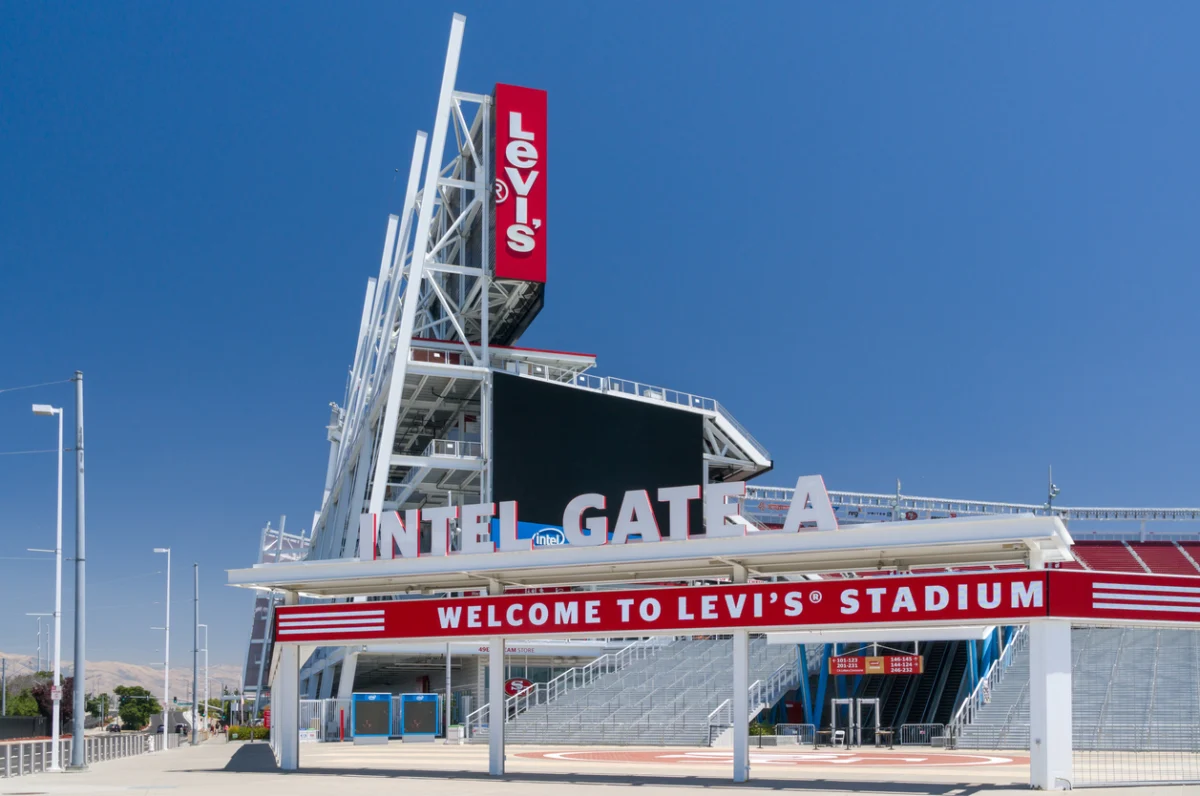
The intersection of global sports marketing, public safety management, and cultural sensitivity has reached a critical juncture as major brands and public institutions navigate a complex web of regulatory constraints and social expectations. From the high-stakes environment of the FIFA World Cup to the delicate management of public safety in American zoos, the current corporate landscape is being defined by a brand’s ability to pivot rapidly in the face of adversity. This month, several prominent entities, including Levi Strauss & Co., Kraft Heinz, Polaroid, and Reckitt’s Dettol, have demonstrated the varying degrees of success achievable through creative marketing, crisis transparency, and cultural awareness.
Ambush Marketing and the FIFA Branding Paradox
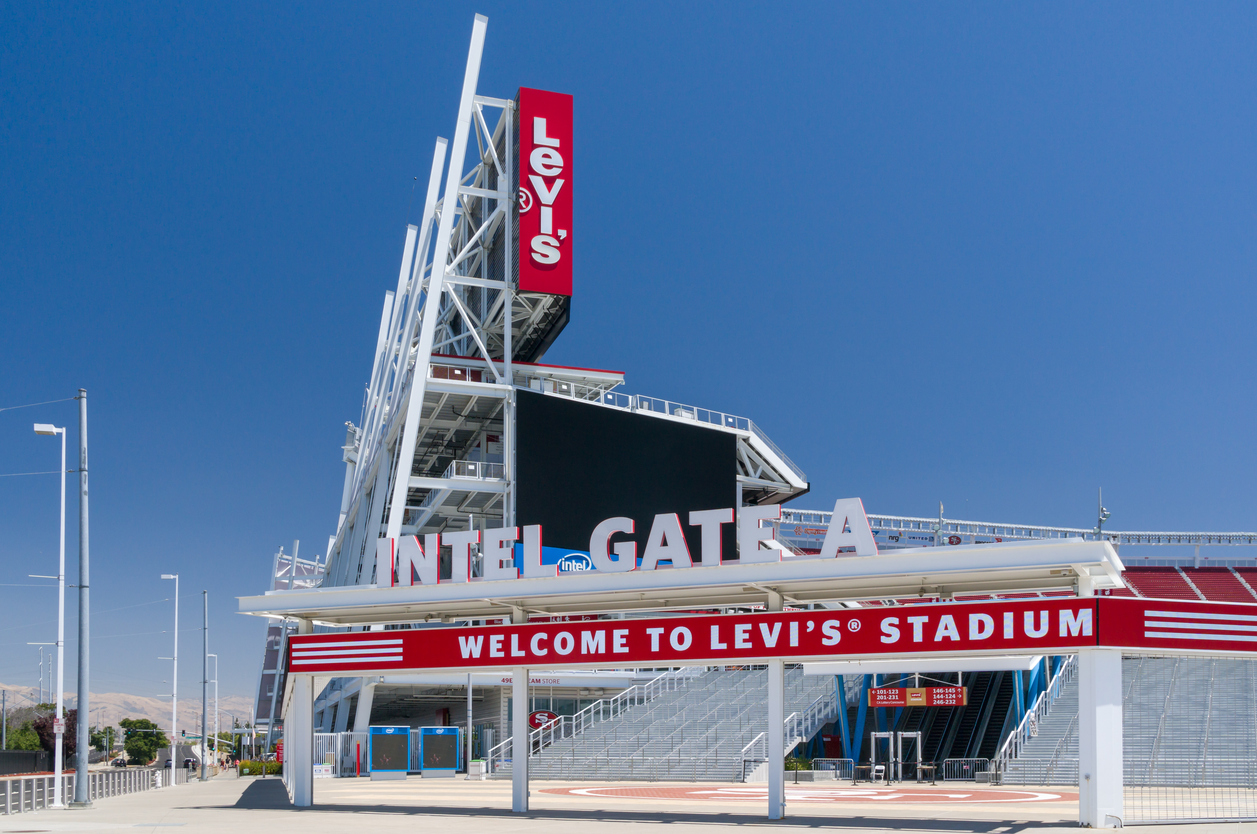
The FIFA World Cup remains one of the most strictly regulated commercial environments in the world. Under the organization’s “Clean Site” policy, host stadiums are required to remove or obscure any branding that does not belong to an official FIFA partner. This mandate recently transformed Levi’s Stadium in Santa Clara into the generically titled “San Francisco Bay Area Stadium.” Every instance of the iconic Levi’s batwing logo was covered with neutral materials to ensure that official sponsors, who pay hundreds of millions of dollars for exclusivity, maintain a monopoly on visual impressions within the venue.
However, Levi’s and Heinz have turned these restrictive measures into a masterclass in “ambush marketing”—a strategy where a brand seeks to associate itself with an event without paying official sponsorship fees. Rather than viewing the obscured signage as a loss of visibility, Levi’s leaned into the redaction. By changing its social media profile pictures to reflect the covered-up logos and posting content that playfully acknowledged the “redacted” status of its home stadium, the brand generated significant organic engagement.
The effectiveness of this strategy is rooted in brand saliency. Levi’s and Heinz have reached a level of cultural penetration where their silhouettes and color palettes are recognizable even when their names are hidden. Heinz Canada followed a similar trajectory after stadium staff taped over the labels of its condiment bottles. The brand responded by launching “Unofficial Stadium Ketchup,” featuring a label with the brand name blacked out, mirroring the real-world censorship at the venues.
This phenomenon highlights a shift in consumer psychology. Data suggests that modern audiences often find “underdog” or “rebel” marketing more relatable than the polished, high-cost placements of official sponsors. For context, FIFA’s sponsorship revenue for the 2019-2022 cycle reached approximately $7.5 billion. While official partners like Adidas and Coca-Cola pay for the right to be seen, Levi’s and Heinz have proven that, in the digital age, being “hidden” can sometimes result in more conversation than being highlighted.
Crisis Management in the Face of Domestic Swatting Waves
While corporations navigate branding rules, public institutions such as zoos and aquariums are currently facing a more direct and dangerous challenge: a coordinated wave of “swatting” threats. Swatting—the act of making a false report to emergency services to trigger a massive police response—has recently targeted approximately 40 zoos and aquariums across the United States.
Facilities including the Louisville Zoo, the Toledo Zoo, and the Phoenix Zoo have been forced to implement emergency evacuation protocols following anonymous reports of explosive devices or active shooters. In every instance to date, these threats have been determined to be hoaxes, yet the disruption to public order and the strain on law enforcement resources remain significant.
The response from these institutions has provided a blueprint for effective crisis communication. The Louisville Zoo, for instance, utilized social media to issue immediate, transparent updates. Their messaging was characterized by three key pillars:
- Clarity of Action: Explicitly stating that an evacuation was underway due to a threat.
- Safety Assurance: Confirming that both visitors and animals were secure.
- Transparency: Admitting the nature of the threat without speculation.
Industry analysts note that in a crisis, the speed of the first message is often more important than its depth. By acknowledging the situation immediately, these zoos prevented the spread of misinformation and panic. This proactive stance is essential in an era where social media can amplify a local emergency into a national frenzy within minutes. The FBI and local law enforcement continue to investigate the origins of these calls, which are increasingly being viewed as a form of domestic digital terrorism designed to drain municipal resources and cause psychological distress to the public.
The Analog Revival: Polaroid’s Stand Against AI
In the realm of product positioning, Polaroid has launched a provocative campaign that taps into growing “AI fatigue” and environmental concerns. As artificial intelligence becomes ubiquitous in digital photography and content creation, Polaroid is positioning its analog products as the “pro-human” alternative.
The centerpiece of this campaign is a billboard at Coney Island Beach that advises passersby to “Go jump in some water before the data centers drink it all up.” This is a direct reference to the staggering environmental footprint of the data centers required to power generative AI. Recent reports indicate that Microsoft’s water consumption spiked by 34% in a single year, largely attributed to AI research, while Google reported a 20% increase. Estimates suggest that a single conversation with an AI chatbot (roughly 20 to 50 questions) can “consume” a 500ml bottle of water for cooling purposes.
Polaroid’s “The best of summer is analog” campaign for its Go Generation 3 camera seeks to capitalize on the desire for authenticity. By framing digital and AI-driven experiences as resource-heavy and artificial, Polaroid is attempting to capture a younger demographic that values sustainability and tactile experiences.
Creative Director Patricia Varella clarified the brand’s stance, noting that the campaign is not “anti-digital” but rather “pro-human.” This distinction is a strategic move to avoid sounding luddite while still appealing to the growing sentiment that digital life is becoming increasingly detached from reality. The campaign’s success suggests that as AI technology becomes more advanced, the market value of “unfiltered” and “tangible” experiences may see a significant resurgence.
Cultural Sensitivity and the Failure of Satire in Global Markets
The risks of miscalculating cultural nuances were starkly illustrated this month by Dettol, a brand owned by the British multinational Reckitt. The company issued a formal apology in China after a five-minute advertisement intended to critique “toxic masculinity” was widely condemned for being sexist and offensive.
The advertisement featured a male character expressing regressive views on women’s purity, using language that many viewers found dehumanizing. While Dettol claimed the ad was a satirical attempt to “challenge unequal gender attitudes” by having the female lead ultimately reject the “toxic” man, the nuance was lost on the public. On the Chinese social media platform Weibo, users criticized the brand for even giving a platform to such rhetoric, regardless of the intended message.
The backlash highlights the “satire paradox” in advertising: if a brand mimics offensive behavior too effectively, it risks being seen as endorsing that behavior rather than critiquing it. This is particularly sensitive in the Chinese market, where the “She-economy”—the growing purchasing power and social influence of women—is a dominant force.
Dettol’s apology acknowledged the “negligence in creating and reviewing the content” and the ad was promptly removed. This incident serves as a cautionary tale for global brands operating in diverse cultural landscapes. What may be viewed as edgy or satirical in a Western marketing suite can be perceived as a profound insult in another market. Experts suggest that “pre-flight” testing with local focus groups is no longer optional but a mandatory step in global campaign rollouts to ensure that the intended subtext is actually received by the audience.
Conclusion: The New Mandate for Corporate Communications
The events surrounding these diverse brands underscore a singular truth in modern public relations: agility is the most valuable currency. Whether it is Levi’s finding a loophole in FIFA’s rigid branding rules, zoos managing the chaos of swatting threats, or Polaroid capitalizing on the environmental backlash against AI, the ability to respond to external pressures with creativity and clarity defines market leadership.
Conversely, Dettol’s experience in China serves as a reminder that even the most well-intentioned campaigns can fail if they lack cultural precision. As the boundaries between physical safety, digital authenticity, and global commerce continue to blur, corporations must move beyond traditional advertising. They must become active, sensitive participants in the cultural and social conversations of the day, prepared to lead in times of peace and pivot in times of crisis.