Tuesday, November 18th, 2025 – 1:13 pm
The landscape of programmatic advertising, long characterized by its intricate technological layers and competitive dynamics, is currently experiencing a period of intense friction. This heightened tension, palpable throughout the year, has been significantly amplified by recent financial disclosures from key industry players. Beneath the surface of technical debates and strategic realignments lies a fundamental challenge: reduced revenue streams are compelling companies to aggressively defend their market positions and re-evaluate their alliances.
The year 2025 has been marked by escalating disputes, particularly concerning access to bidstream data and the evolving role of various platforms within the advertising ecosystem. Demand-Side Platforms (DSPs) and Supply-Side Platforms (SSPs) have found themselves at odds, with accusations of data hoarding and preferential treatment surfacing. Google’s efforts with its Chrome Privacy Sandbox, intended to usher in a more privacy-centric advertising future, have reportedly alienated vendors who invested heavily in adapting to its proposed changes. Simultaneously, The Trade Desk, a dominant force in programmatic advertising, has been perceived as leveraging its considerable market influence, leading to concerns among other participants. Industry bodies like Prebid and the IAB Tech Lab are also navigating these turbulent waters, facing increased scrutiny and pressure to clarify their stances and affiliations.
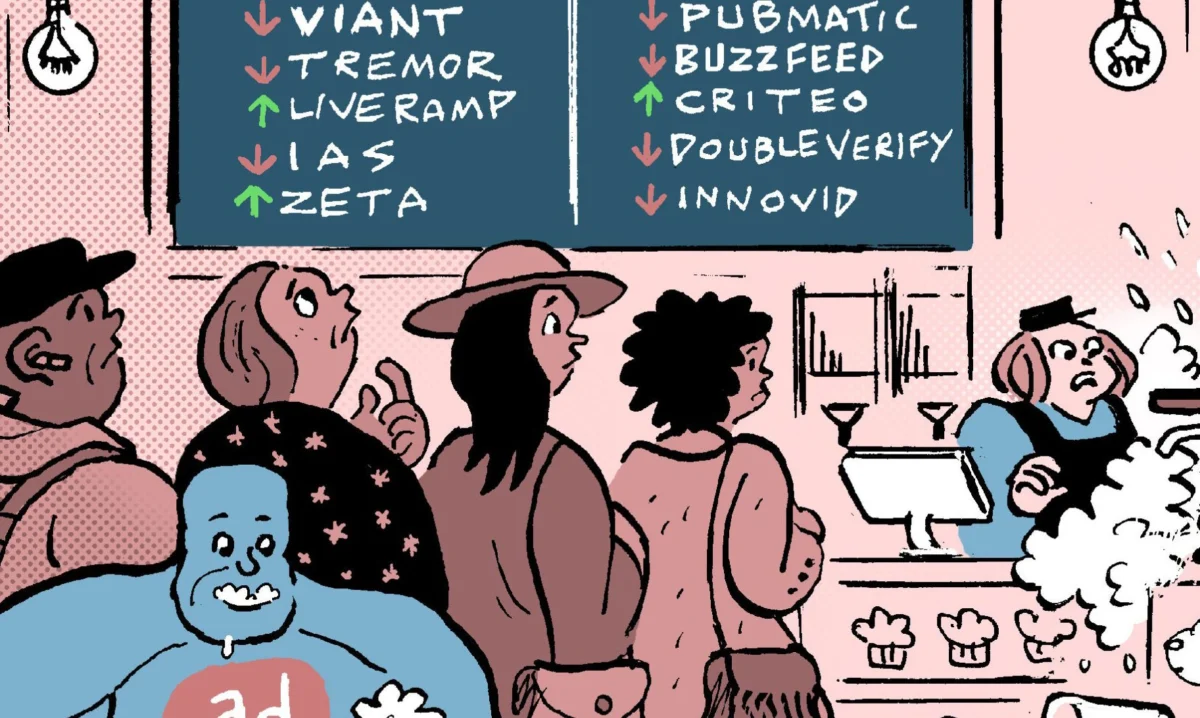
These contentious interactions are not confined to industry forums and technical discussions; their ramifications are becoming starkly evident in the financial performance reports of publicly traded ad tech companies. The era of unified opposition against Google, where many third-party programmatic entities found common ground in challenging the search giant’s dominance, has demonstrably ended. Instead, a more fragmented and competitive environment has emerged, where self-interest and survival are driving strategic decisions. The earnings calls of these companies have transformed into arenas where these narrative threads translate into tangible financial realities, revealing the underlying pressures at play.
The Financial Fallout: Declining Revenues as the Core Driver
At its heart, the current acrimony within the programmatic advertising sphere is not a philosophical debate about data transparency or the precise demarcations of roles within the complex supply chain. Rather, the driving force behind the heightened animosity is a widespread decline in revenue. This economic pressure is forcing companies to take more assertive and sometimes confrontational stances to protect their financial health.
Several prominent SSPs, including Magnite, PubMatic, and Nexxen, have reported significant and unexpected drops in spending from unnamed DSPs, or potentially a single influential DSP, during the third quarter of 2025. This sharp reduction in advertising expenditure has sent ripples of concern through the investor community, prompting a closer examination of the underlying causes.
Rajeev Goel, CEO of PubMatic, offered a subtle yet pointed observation regarding The Trade Desk’s new ad-buying platform, Kokai. He noted that Kokai operates “differently from what we have seen,” a sentiment that echoed earlier characterizations by PubMatic leadership about a sudden decrease in spending from a particular DSP. This indirect reference suggests a potential correlation between The Trade Desk’s platform evolution and the revenue challenges faced by PubMatic.
Michael Barrett, CEO of Magnite, was more direct in his quarterly report. He explicitly stated that The Trade Desk had implemented a change that “prioritized OpenPath as a default path for supply.” This strategic shift by The Trade Desk, a major source of demand in the programmatic ecosystem, significantly impacted Magnite, a key provider of programmatic supply. Barrett explained that Magnite had to engage directly with major agency buyers to re-establish a “preferred supply path,” underscoring the substantial influence The Trade Desk wields and the resultant financial consequences for Magnite.
Nexxen, a company operating both a DSP and an SSP, revised its financial forecast downwards for the remainder of the year. CEO Ofer Druker attributed this adjustment to an unforeseen plateau in programmatic growth, noting the absence of the typical surge in activity leading into the holiday season. Unlike other reports that pointed to a single DSP, Druker characterized the situation as a programmatic-wide reduction, indicating a broader market slowdown rather than a localized issue. He also acknowledged the trend of larger DSPs moving towards building their own end-to-end solutions to enhance margins, a development that could further disrupt the existing supply chain dynamics.
Adding another layer to the industry’s troubles, System1 CEO Michael Blend disclosed that an unnamed programmatic vendor in their demand channel had supplied the company with “significant invalid or nonhuman traffic.” System1 is reportedly seeking reimbursement for these fraudulent impressions and is considering legal action, highlighting the persistent challenges of ad fraud and the complexities of ensuring supply chain integrity.
Strategic Positioning and Conflicting Narratives
While the immediate concern for public ad tech companies is their bottom line, the escalating antagonism also reflects a strategic battle for market dominance and influence. Companies are actively vying to shape the narrative around how programmatic advertising should function, aiming to persuade investors and marketers of their preferred models.
Jeff Green, CEO of The Trade Desk, articulated his company’s perspective by stating, “I don’t think Amazon has a DSP as we define it.” This statement implicitly questions the operational model of Amazon’s advertising offerings, positioning The Trade Desk’s definition of a DSP as the industry standard.
In contrast, Tim Vanderhook, CEO of Viant, an independent DSP, presented a different competitive framing. He suggested that “less competition” exists when considering “truly objective buy-side-only platforms,” a category that, in his view, excludes The Trade Desk. Vanderhook further characterized The Trade Desk as “no longer independent or objective” due to its prioritization of its own OpenPath supply integrations. This framing highlights the perception that The Trade Desk is blurring the lines between buy-side and sell-side functions.
Nexxen’s Druker echoed this sentiment, observing that DSPs like The Trade Desk are increasingly venturing into the supply side of the ad exchange. He predicted that “Big DSPs in the future will have to build their own end-to-end solutions in order to increase their margins,” suggesting a trend towards vertical integration among major players.
These contrasting viewpoints from independent DSPs reveal a fundamental divergence in their understanding of the market and their strategic imperatives. They represent a microcosm of the broader industry debate about platform neutrality, potential conflicts of interest, and the future structure of programmatic advertising.
The “Reseller” Label: A Point of Contention
The designation of SSPs as “resellers” by The Trade Desk has also ignited significant debate among investors. This label carries negative connotations, suggesting a lack of direct value creation and potentially higher costs for advertisers.
PubMatic’s CEO, Rajeev Goel, was quick to assert that his company is not a reseller and maintains a strong partnership with The Trade Desk. He downplayed concerns about the decreased spending from The Trade Desk and the broader “noise” surrounding the reseller designation, emphasizing the multifaceted and complex nature of the advertising ecosystem.
Magnite’s Michael Barrett also addressed the reseller issue directly, assuring investors that the label does not apply to Magnite. He stated his support for efforts to “clean up the system” by eliminating duplicate bids and low-quality impressions, indicating a commitment to supply chain integrity. Barrett’s assertion, “let’s be clear, we don’t believe Magnite is a reseller. I think the term applies to others,” clearly delineates his company’s position and implicitly points fingers at other players in the market.
Broader Implications and Future Outlook
The current turbulence in programmatic advertising has several significant implications for the industry:
- Increased Scrutiny on Platform Neutrality: The allegations of preferential treatment and the blurring of lines between buy-side and sell-side functions will likely lead to greater scrutiny from regulators and industry bodies. Advertisers and publishers will demand clearer assurances of impartiality and transparency.
- Consolidation and Strategic Partnerships: The financial pressures and competitive landscape may accelerate industry consolidation. Companies that can demonstrate efficiency, transparency, and value will be better positioned to thrive, while others may seek strategic alliances or face acquisition.
- Evolution of Supply Chain Standards: The ongoing debates surrounding data access, invalid traffic, and platform roles are driving a re-evaluation of existing supply chain standards. Initiatives focused on transparency, measurement, and fraud prevention will gain further prominence.
- Impact on Advertiser Spend: While the current revenue declines are impacting SSPs, they could also lead to advertisers becoming more discerning about where their ad spend is directed. Increased demand for verifiable performance and efficient media buying will likely shape future investment decisions.
- The Future of Independent DSPs and SSPs: The rise of integrated solutions and the aggressive positioning of dominant players present a significant challenge for independent DSPs and SSPs. Their ability to differentiate themselves through innovation, specialized services, or strong partnerships will be critical for their survival and growth.
The coming months will likely see continued friction as companies grapple with these evolving dynamics. The outcome of these disputes and strategic maneuvers will undoubtedly shape the future architecture and economic realities of the programmatic advertising industry. The focus on revenue generation, coupled with the strategic jockeying for position, suggests that the current period of heightened tension is far from over, and the long-term implications for all stakeholders remain to be fully understood. The industry’s ability to navigate these challenges transparently and collaboratively will be crucial for restoring confidence and fostering sustainable growth.