The landscape of email marketing is undergoing a significant transformation, moving away from overly elaborate and visually dense designs towards a more streamlined, intentional, and user-centric approach. At the forefront of this evolution is the increasing adoption of micro-animations—subtle, dynamic visual elements that inject vitality into emails without overwhelming the recipient. These discreet movements are quickly becoming a cornerstone for marketers seeking to enhance engagement, guide attention, and foster a more memorable user experience in an increasingly crowded digital inbox.
This strategic pivot towards cleaner, more focused email design, underscored by the judicious use of micro-animations, was a prominent theme in Validity’s recent “State of Email” webinar and generated considerable discussion at the Litmus Live industry trends session. Industry experts and marketing practitioners alike are recognizing the profound impact that seemingly minor visual cues can have on a campaign’s overall effectiveness. The prevailing sentiment is clear: small movements, when strategically implemented, can yield substantial results in terms of subscriber interaction and brand perception.

The Evolution of Email Design and the Rise of Intentionality
For years, email marketing often chased the cutting edge of digital design, sometimes at the expense of functionality and user experience. Early iterations saw a gradual shift from plain text to HTML, enabling richer visual content, but this often led to emails bloated with heavy images, complex layouts, and sometimes even disruptive full-motion videos. While impressive in concept, these designs frequently suffered from slow load times, poor mobile responsiveness, and a tendency to distract rather than engage, particularly in an era of burgeoning mobile internet usage.
The mid-2010s witnessed a growing emphasis on mobile-first design, pushing marketers to simplify layouts and optimize content for smaller screens. This period also coincided with an escalating competition for user attention, with the average professional receiving over 120 emails daily. In this environment, brevity, clarity, and immediate value became paramount. Marketers began to realize that true engagement wasn’t about maximalist design but about intentional communication—every element serving a clear purpose. This paradigm shift set the stage for micro-animations, which offer a perfect blend of visual appeal and functional utility without sacrificing performance or user experience. They represent a mature understanding of digital aesthetics, where subtlety and purpose trump flashiness.

Defining Micro-Animations: More Than Just Animated GIFs
At its core, a micro-animation can be understood as a small, purposeful animation designed to enhance user interaction and provide visual feedback. While often implemented using optimized GIF formats, micro-animations also leverage other web technologies such as CSS animations, SVG animations, and even lightweight JavaScript for more complex interactions, though these are less common in general email clients due to rendering limitations. The key differentiator from traditional, heavier animations is their subtlety and efficiency.
A micro-animation might be as simple as a call-to-action (CTA) button subtly changing color on hover (though hover effects are not universally supported in email clients and often refer to a pre-rendered animated state), a bouncing icon indicating an unread notification, or a loading spinner that reassures the user that content is being fetched. Unlike large, bandwidth-intensive video files or elaborate animated banners, micro-animations are designed to load quickly, consume minimal data, and function seamlessly across a wide array of devices and email clients, including those with limited processing power. Their unobtrusive nature ensures they catch the subscriber’s eye without becoming a jarring distraction or negatively impacting the email’s overall performance.

Beyond mere aesthetics, micro-animations serve critical functional roles. They are instrumental in amplifying a brand’s personality and tone, offering a dynamic element that static images cannot. This enhanced visual engagement contributes directly to an improved user experience, making emails feel more polished, interactive, and thoughtfully designed. Crucially, they act as powerful prompts for desired actions, such as click-throughs, by drawing attention to key interactive elements. Moreover, they can provide essential subscriber reassurance, for example, by acting as a concise loading indicator during the retrieval of rich content, thereby mitigating potential frustration from perceived delays.
Chronology and Industry Recognition
While rudimentary animations in email have existed for decades, the focused application of “micro-animations” as a distinct, strategic element in email marketing has gained significant traction in the early 2020s. This period saw a convergence of factors: increased sophistication in email client rendering capabilities, widespread adoption of mobile devices, and a growing understanding among marketers of user psychology in digital environments.
Industry leaders like Litmus and Validity, through their extensive research and reporting, have played a pivotal role in identifying and validating this trend. Their “State of Email” reports, which analyze vast datasets of email performance and design trends, began highlighting the emerging importance of subtle interactivity. The discussions at platforms like Litmus Live, a premier event for email professionals, served as a forum for sharing best practices and showcasing innovative implementations, further solidifying micro-animations as a vital tool in the modern marketer’s arsenal. This recognition by influential bodies underscores that micro-animations are not a fleeting fad but a considered evolution in effective digital communication, driven by data and a deeper understanding of user engagement.
Best Practices for Maximizing Impact
To harness the full potential of micro-animations, adherence to a set of best practices is essential. These guidelines ensure that animations enhance rather than detract from the email experience:

- Purpose-Driven Design: Every micro-animation should serve a clear purpose. Is it guiding attention, providing feedback, illustrating a feature, or reinforcing brand identity? If an animation doesn’t have a specific goal, it risks becoming a mere distraction.
- Subtlety is Key: The “micro” in micro-animation is crucial. Avoid overly flashy or rapid movements that could overwhelm or annoy subscribers, particularly those with motion sensitivities. The goal is to catch the eye gently, not to demand attention aggressively.
- Optimize File Size: Keep animation file sizes as small as possible to ensure fast loading times. Large files can drain mobile data, slow down email rendering, and lead to a poor user experience, potentially causing subscribers to abandon the email. Tools for GIF optimization and efficient use of CSS/SVG can be invaluable here.
- Prioritize Accessibility: This is paramount. Animations must be designed with accessibility in mind.
- Fallback Content: Always provide a static fallback image for email clients that do not support animations or for users who have disabled animations.
- Motion Sensitivity: Avoid animations that flash rapidly or involve complex, disorienting movements, which can trigger motion sickness or seizures in sensitive individuals.
- Screen Reader Compatibility: Ensure that the information conveyed by an animation is also available through alternative text (alt text) for screen reader users.
- Extensive Testing: Email rendering varies significantly across different email clients (Gmail, Outlook, Apple Mail) and devices (desktop, tablet, mobile). Thorough testing using platforms like Litmus is non-negotiable to ensure micro-animations display correctly and as intended for the majority of your audience.
- Mobile Responsiveness: Design animations to scale and display correctly on various screen sizes. What looks good on a desktop might be too small or too large on a mobile device.
- Brand Consistency: Ensure that the style and tone of micro-animations align with the overall brand identity. They should feel like a natural extension of the brand’s visual language.
Impact and Broader Implications: Driving Engagement and Conversion
The strategic integration of micro-animations into email marketing campaigns yields tangible benefits across several key performance indicators:
- Enhanced Engagement Rates: Studies consistently show that emails incorporating dynamic elements tend to achieve higher engagement rates. While specific data on micro-animations is emerging, general trends indicate that interactive content can boost click-through rates (CTR) by 73% and increase time spent on email. Micro-animations contribute to this by making emails feel more alive and less static, encouraging recipients to spend more time interacting with the content.
- Improved User Experience (UX): By subtly guiding the eye, providing instant feedback, and breaking up static content, micro-animations contribute to a smoother, more intuitive user journey. This reduces cognitive load, making the email easier to digest and more enjoyable, fostering a positive association with the brand.
- Higher Conversion Rates: The ability of micro-animations to draw attention to CTAs and illustrate product features directly translates into improved conversion metrics. A pulsating “Shop Now” button or an animation showcasing a product’s unique selling proposition is far more likely to prompt action than its static counterpart. For instance, companies reporting a 10-20% increase in CTA clicks when using subtle animations are not uncommon.
- Stronger Brand Personality and Recall: In a cluttered inbox, differentiation is key. Micro-animations provide a unique opportunity for brands to express their personality, whether playful, sophisticated, or efficient. This distinct visual signature helps build brand recognition and fosters a stronger emotional connection with subscribers, leading to greater loyalty.
- Reduced Churn and Improved Task Completion: For onboarding sequences or loyalty programs, where guiding users through specific steps is crucial, micro-animations can significantly reduce abandonment rates. Visualizing progress or highlighting incomplete actions makes the process clearer and more motivating.
Illustrative Examples: Micro-Animations in Action

The versatility of micro-animations allows for a broad set of creative and functional applications within email marketing. Here are ten exemplary uses observed in recent campaigns, demonstrating their effectiveness:
-
Accentuating Brand Identity: A subtle animation within a brand’s logo, perhaps a gentle shimmer or a dynamic element appearing and disappearing, offers a sophisticated way to reinforce brand presence. This clever tactic is particularly effective in preview panes, catching the subscriber’s eye before the email is even fully opened, and can be easily integrated across multiple templates for consistent branding. Bulgari, for example, has utilized this by animating elements within its logo, subtly suggesting luxury and movement.
-
Increasing Call-to-Action (CTA) Effectiveness: A CTA button that subtly pulses, shifts color, or gently expands can dramatically increase its visibility and appeal. This draws immediate attention to the desired action, such as “Shop the Sale” or “Learn More,” thereby boosting click-through rates. The psychological impact of movement naturally directs the eye, making it harder to ignore the most critical interactive element.

-
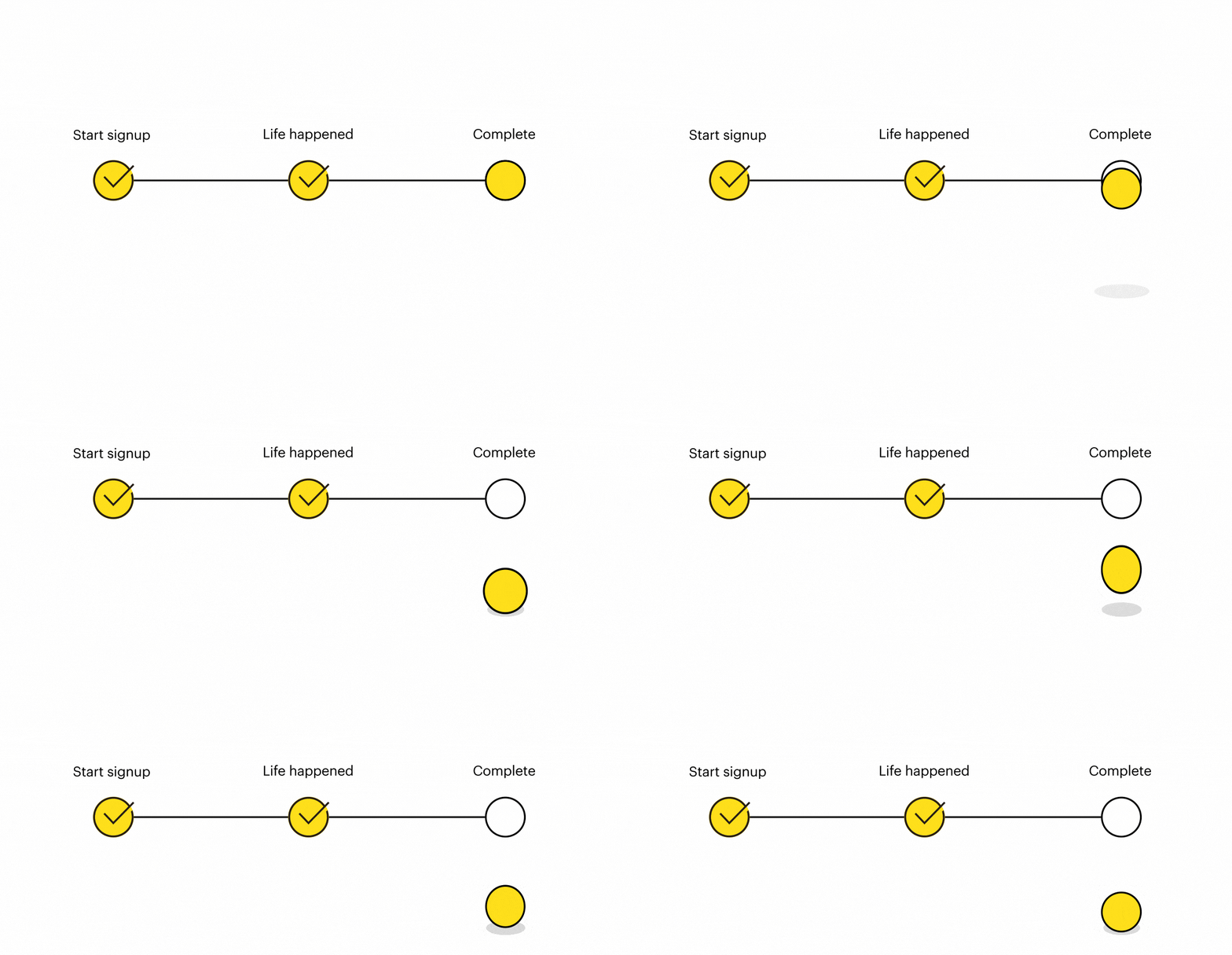
Improving Task Completion: For onboarding emails or prompts to complete account setup, micro-animations can visually highlight incomplete steps or the benefits of completion. Mailchimp effectively uses a timeline animation that shows completed steps checked off and the final, incomplete step bouncing, implicitly urging the user to “Pick up where you left off” and reduce friction in the user journey.
-
Taking Loyalty to the Next Level: Loyalty programs often aim to motivate customers to reach higher tiers. Micro-animations can visualize progress towards these goals, such as a bar filling up or an icon moving closer to a reward. Vitamin Shoppe, for instance, uses an animated progress bar to show how many points a customer needs to reach their next reward level, providing clear motivation.
-
Driving Urgency and Reassurance: Animations can effectively convey a sense of urgency or provide reassurance regarding time-sensitive offers or services. A rapidly moving parcel animation alongside a “next-day delivery” promise, as seen from Grainger, visually reinforces speed and efficiency, assuaging concerns about immediate needs.

-
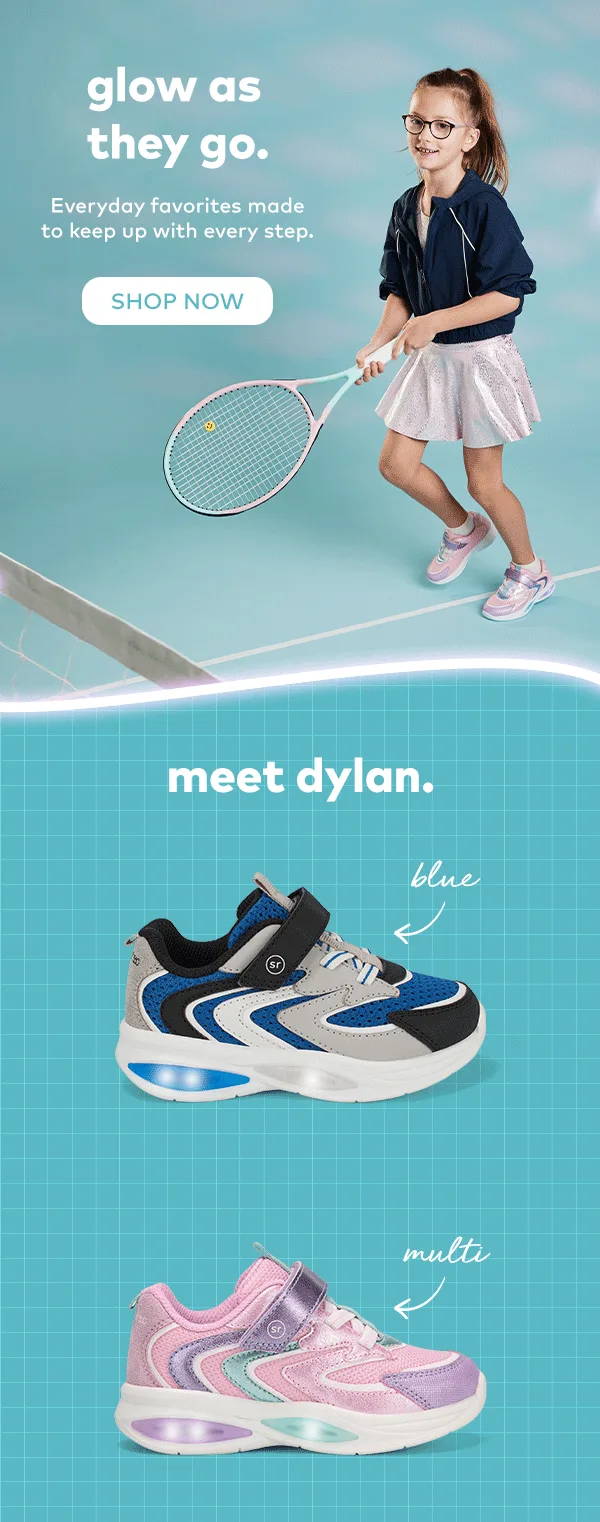
Illustrating Product Features: For products with unique or visual features, micro-animations can replace lengthy descriptions with engaging demonstrations. Examples include:
- Stride Rite’s “logo glow” shoes, animated to show their glow-in-the-dark feature.
- My M&Ms showcasing personalization options with animated images of customized candies.
- Yves Rocher demonstrating different shades of a beauty product through a dynamic color palette. These visual explanations are far more impactful than static images or text.
-
Enhancing Product Storytelling: Micro-animations can add depth and sensory appeal to product promotions. Starbucks UK, in a promotion for its tiramisu-inspired drinks, used a full-width animated GIF to subtly highlight the mascarpone-style foam and cocoa topping, creating a sense of texture and indulgence that reinforces the product’s dessert inspiration.
-
Driving Cross-Channel Engagement: Requests to follow on social media or download a mobile app often get lost in email footers. A subtle wiggle or shake applied to these icons can make them stand out, significantly increasing their visibility and driving traffic to other important brand touchpoints.

-
Finessing Feedback Collection: Customer feedback is crucial for continuous improvement. By animating feedback prompts, such as star ratings or “Like what you see?” options, marketers can draw attention to these important sections, encouraging higher response rates and gathering valuable insights. Marks & Spencer has successfully used this approach to animate their feedback requests.
-
“Going Big” with Micro-Animations (Optimized Journeys): While the emphasis is on “micro,” some brands ingeniously string together a series of small animations to create a cohesive, entertaining visual journey, particularly in welcome emails. Domino’s, for example, crafted a welcome email with a compelling animated sequence that walks new subscribers through benefits, ordering instructions, mobile app prompts, and an order tracker introduction. Crucially, even this “larger” animated package was meticulously optimized to a mere 322KB, demonstrating that impactful animation doesn’t have to mean heavy file sizes.
The Future Outlook: Intelligent and Interactive Email

As email marketing continues to evolve, the role of micro-animations is poised to become even more sophisticated. Advances in AI and machine learning could enable personalized animation experiences, dynamically adjusting based on user behavior and preferences. The increasing support for more advanced interactive elements within email clients (like AMP for Email) also suggests a future where emails are not just dynamic but truly interactive, with micro-animations serving as crucial building blocks for these rich experiences.
For marketers, staying abreast of these trends and mastering the art of micro-animation implementation is no longer optional but a strategic imperative. The ability to craft emails that are not only informative but also engaging, accessible, and performant will differentiate brands in an increasingly competitive digital landscape. Tools and platforms like Litmus, which provide comprehensive testing, proofing, accessibility checking, and monitoring capabilities, are indispensable for ensuring that these dynamic elements are deployed effectively and without technical hitches.
In conclusion, the shift towards cleaner, more intentional email design, powered by the judicious use of micro-animations, represents a mature and highly effective approach to digital communication. By understanding their purpose, adhering to best practices, and leveraging the right tools, marketers can transform their email campaigns from static messages into dynamic, engaging, and highly converting experiences, proving that sometimes, the smallest movements make the biggest impact.

 Asro
Asro
 Nana
Nana