
 rifanmuazin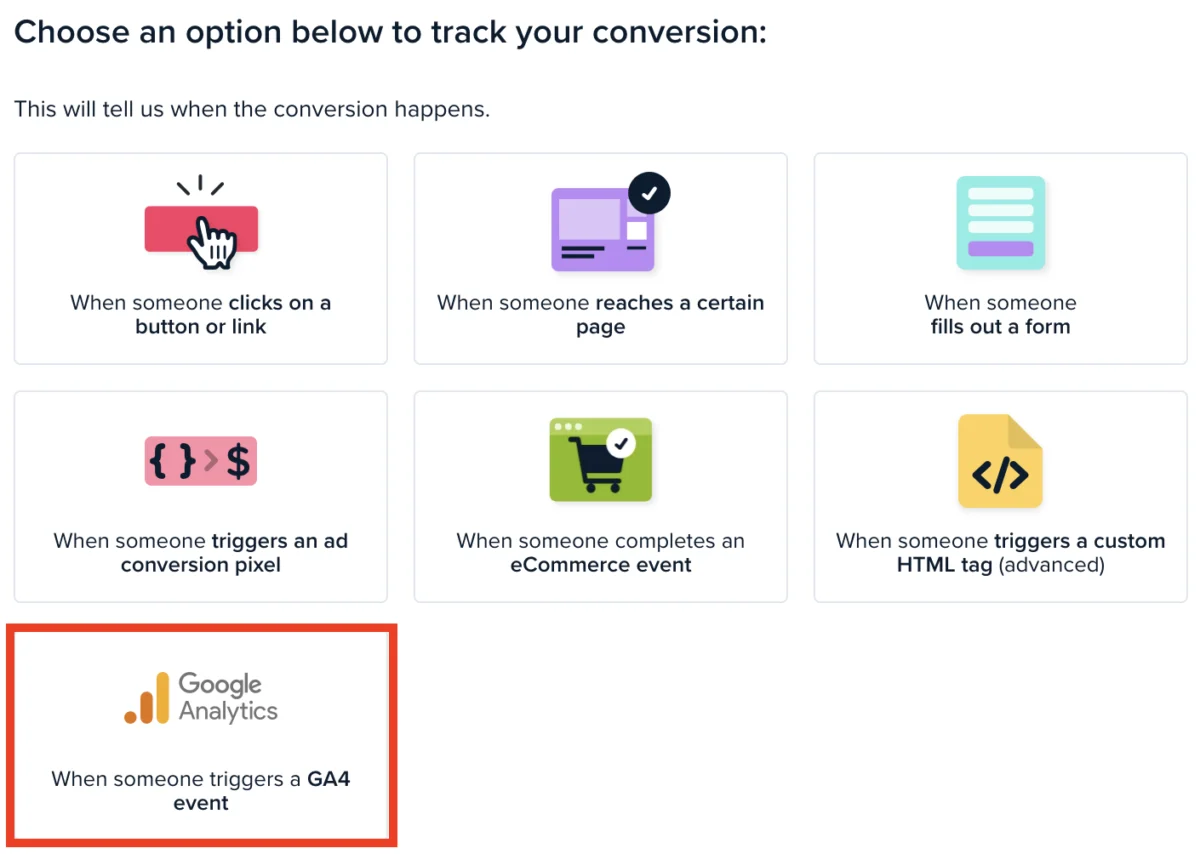
The digital optimization platform Crazy Egg has announced a significant update to its conversion tracking capabilities, allowing users to seamlessly integrate Google Analytics 4 (GA4) "key events" as conversions within the Crazy Egg interface. This new functionality enables marketers and data analysts to synchronize their tracking efforts without the need for additional code implementation or the deployment of new tags. By leveraging existing GA4 configurations, the integration aims to streamline the workflow for conversion rate optimization (CRO) professionals and provide a more cohesive view of user behavior in relation to specific business goals.
The update comes at a critical juncture in the web analytics landscape, following Google’s mandatory transition from Universal Analytics to the event-driven GA4 model. Under the new system, Crazy Egg can automatically detect any GA4 event marked as a "key event," provided the event is triggered within the visitor’s browser. This technical advancement ensures that the data reflected in Crazy Egg heatmaps, session recordings, and A/B tests is perfectly aligned with the primary metrics defined in a company’s broader marketing strategy.
Technical Evolution and Context: The Shift to GA4
To understand the significance of this integration, it is necessary to examine the evolution of Google’s analytics framework. In July 2023, Google officially sunsetted Universal Analytics (UA), forcing millions of businesses to adopt Google Analytics 4. Unlike its predecessor, which relied on session-based data, GA4 is built on an event-based architecture. In early 2024, Google further refined its terminology, rebranding what were formerly known as "conversions" within GA4 to "key events." This change was designed to create a distinction between behavioral milestones tracked in analytics and the "conversions" reported in Google Ads for bidding purposes.
Crazy Egg’s decision to support these "key events" directly addresses the complexity that many organizations faced during this transition. Previously, tracking the same conversion across multiple platforms often required redundant tag configurations through tools like Google Tag Manager (GTM). This not only increased the risk of data discrepancies but also added "code bloat" to websites, potentially slowing down page load times. By allowing Crazy Egg to listen for GA4 triggers that are already present in the browser, the platform effectively eliminates these redundancies.
Chronology of Implementation and User Workflow
The integration process has been designed for simplicity, targeting users who may not have extensive technical backgrounds in web development. The workflow for activating this feature follows a logical progression:
- Identification of GA4 Key Events: Users must first ensure that their desired actions—such as form submissions, product purchases, or newsletter sign-ups—are already configured as events within their GA4 property and toggled as "key events."
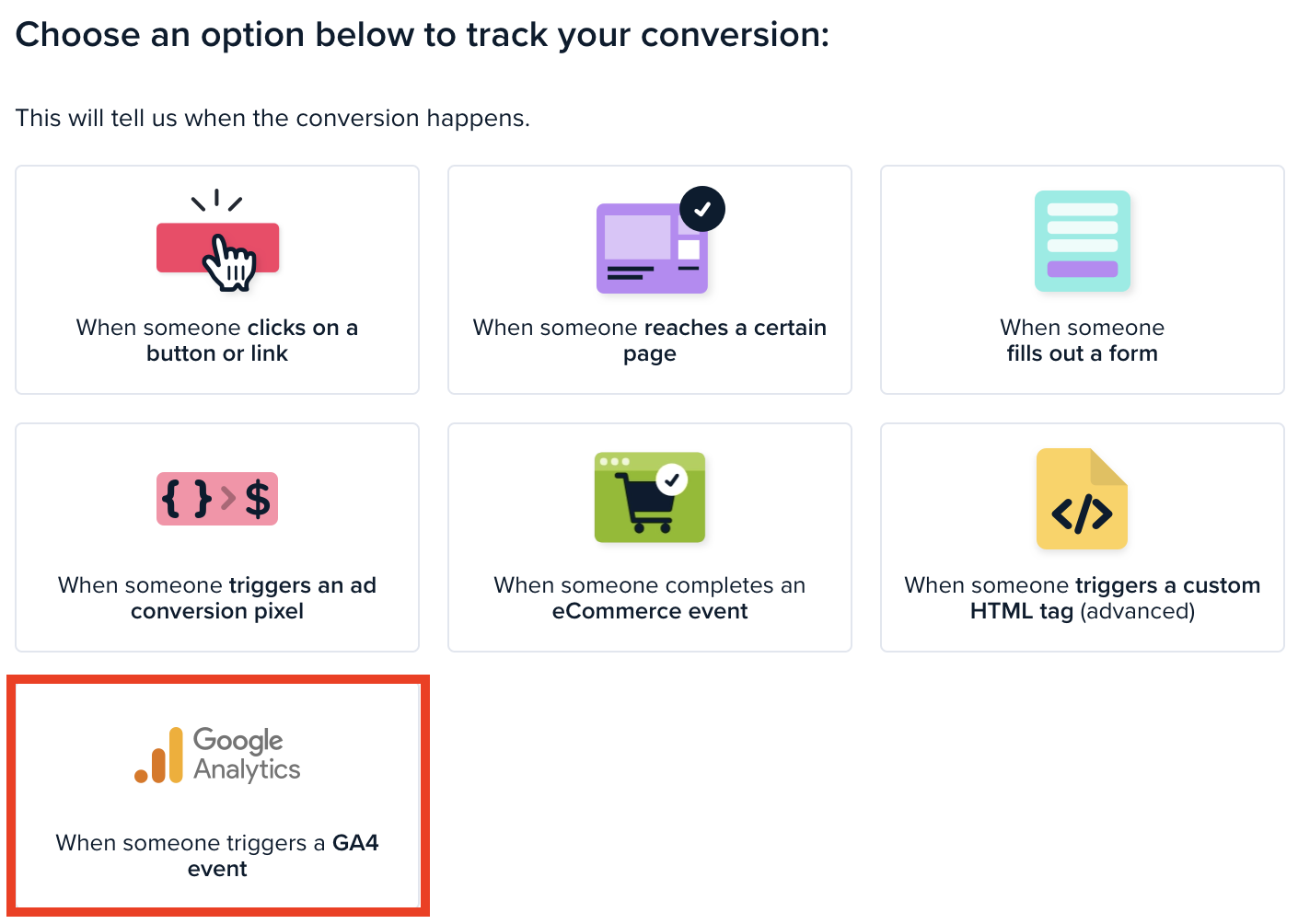
- Selection within Crazy Egg: Within the Crazy Egg "Conversions" dashboard, a new option allows users to select "GA4 Event" as the trigger source.
- Automatic Detection: Once selected, Crazy Egg’s script identifies the specific event labels being fired by the Google Tag or GTM.
- Data Synchronization: As visitors interact with the site, Crazy Egg logs these events in real-time, attributing them to specific user sessions, heatmaps, and snapshots.
This streamlined chronology ensures that once the initial setup in Google Analytics is complete, the data flow to Crazy Egg is almost instantaneous. This is particularly beneficial for agile marketing teams who frequently launch new landing pages or promotional campaigns and need immediate visual feedback on performance.
Supporting Data and Industry Trends in CRO
The demand for integrated analytics tools is supported by a growing body of industry data. According to recent market research, the global Conversion Rate Optimization software market is expected to grow at a compound annual growth rate (CAGR) of over 10% through 2030. This growth is driven by an increasing reliance on data-driven decision-making.
Furthermore, statistics from W3Techs indicate that Google Analytics is utilized by over 50% of all websites on the internet. Given this massive footprint, any enhancement in how third-party tools like Crazy Egg interact with the Google ecosystem has a wide-reaching impact. Industry benchmarks suggest that companies using integrated data stacks—where heatmaps and session recordings are tied directly to conversion data—see a 15% to 25% higher efficiency in identifying UX friction points compared to those using siloed tools.
The integration also addresses the "data gap" often found in session recording tools. Without direct conversion linking, an analyst might watch hundreds of recordings without knowing which users actually completed a purchase. By tagging GA4 key events, Crazy Egg users can filter their recordings to see exactly where "converting" users struggled versus where "non-converting" users dropped off, providing a much higher level of granular insight.
Technical Specifications and Limitations
While the integration offers significant advantages, it operates within specific technical parameters. Crazy Egg has clarified that the system can detect GA4 events fired through various methods, including:
- Standard Google Tags (gtag.js)
- Google Tag Manager (GTM) containers
- Major Customer Data Platforms (CDPs) like Segment or Tealium
However, a critical distinction remains regarding server-side tracking. As privacy regulations like GDPR and CCPA become more stringent, many organizations have moved toward server-side tagging to gain better control over data. Crazy Egg’s current integration is limited to "client-side" events—those that occur within the visitor’s browser. If a conversion is processed server-side (for example, a purchase confirmation that happens on the back-end after a payment processor callback) and is never fired as a browser event, Crazy Egg will not be able to detect it automatically. This limitation is standard across most visual analytics tools that rely on browser-level scripts to generate heatmaps.
Inferred Industry Reactions and Analysis
Market analysts and digital strategists have largely viewed this move as a necessary step for Crazy Egg to remain competitive in a landscape where "tool fatigue" is a common complaint among CMOs. "The goal for modern marketing stacks is interoperability," notes one industry perspective. "When a tool like Crazy Egg can piggyback off an existing GA4 setup, it reduces the technical debt of the marketing team and ensures that everyone is looking at the same ‘Source of Truth’ for conversions."
From a User Experience (UX) standpoint, the implications are profound. Traditionally, UX designers and SEO specialists often worked in silos. SEOs looked at GA4 for traffic and conversion numbers, while designers looked at Crazy Egg for engagement. By bridging these two data points, organizations can foster better cross-departmental collaboration. For instance, an SEO specialist might notice a drop in GA4 key events for a specific landing page; the UX designer can then immediately open the corresponding Crazy Egg snapshot, filtered by that specific GA4 event, to visualize the exact point of friction.
Broader Impact on the Digital Marketing Ecosystem
The broader impact of this update extends to the optimization of advertising spend. By having more accurate and easily accessible conversion data within Crazy Egg, businesses can better calculate the Return on Ad Spend (ROAS) for specific design elements. If a high-cost PPC campaign is driving traffic to a page, but Crazy Egg heatmaps show that users are clicking on non-linked elements instead of the "Buy Now" button (a GA4 key event), the business can make rapid adjustments to prevent budget waste.
Moreover, this integration reflects a trend toward "low-code" or "no-code" solutions in the MarTech space. As marketing departments seek to become more independent of IT and engineering teams, the ability to sync complex tracking mechanisms through a simple UI toggle becomes a major selling point.
Conclusion and Future Implications
The integration of GA4 key events into Crazy Egg represents a significant step forward in the democratization of data. It acknowledges the reality that GA4 has become the foundational layer of the modern web, and that supplementary tools must integrate deeply with it to provide maximum value.
Looking ahead, the industry may see further moves toward automated insight generation. As Crazy Egg collects more synchronized data between user behavior (clicks, scrolls) and business outcomes (GA4 key events), the potential for machine-learning-driven recommendations increases. For now, the primary benefit remains clear: a more efficient, accurate, and streamlined way for businesses to understand why their visitors convert—and more importantly, why they do not. This update ensures that Crazy Egg users can spend less time on technical configuration and more time on the strategic analysis required to grow their digital presence.








