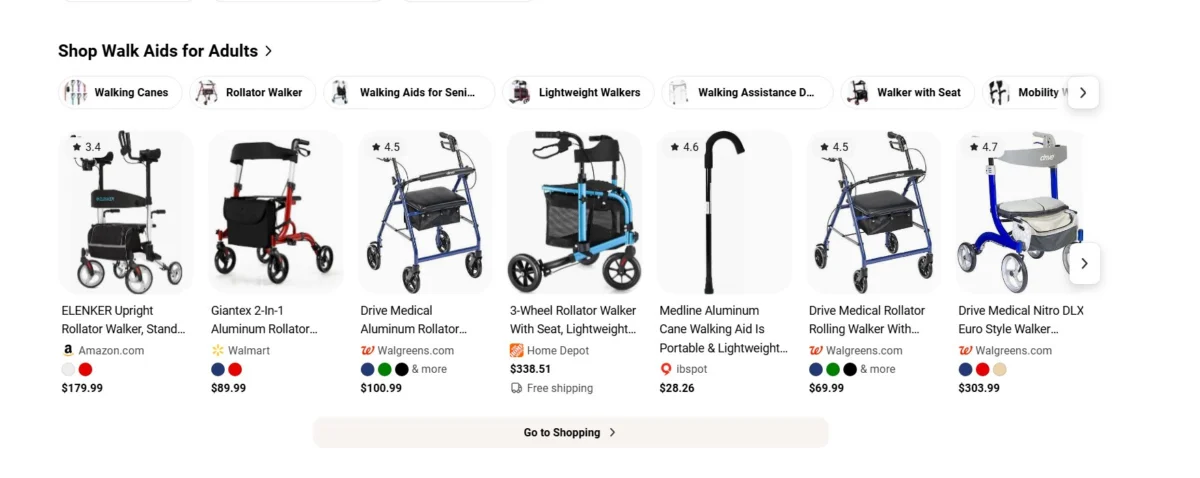
Microsoft Bing is currently conducting an experimental rollout of a novel color selector and viewer directly integrated into its shopping and product search results. This innovative feature aims to significantly streamline the online shopping journey by allowing users to preview various color options for a product without the necessity of navigating away from the Bing search results page (SERP) to the individual merchant’s website. The test, first observed by keen-eyed digital marketing professional Sachin Patel and subsequently shared on the social media platform X, represents Bing’s ongoing commitment to enriching the user experience and providing more immediate, actionable information at the point of search. While the feature’s availability appears to be limited, suggesting a phased or A/B testing approach, its potential implications for both consumers and e-commerce businesses are substantial, signaling a further evolution in how search engines facilitate online retail.
The Mechanics of the New Feature
The core functionality of this new Bing test revolves around a visual interface embedded within product listings. When a user searches for a product, and that product is available in multiple colors, Bing’s enhanced SERP is designed to display these color variations directly. Instead of a single product image, users might see small swatches, color names, or even dynamic image updates that change the product’s displayed color as they interact with the selector. This immediate visual feedback is a critical differentiator, addressing a common pain point in online shopping: the need to click multiple times and load various product pages to compare available options. For instance, if a user searches for “women’s running shoes,” and a particular model is available in red, blue, and black, the new feature would allow them to toggle between these colors right on the Bing results page, seeing the corresponding product image change in real-time. This eliminates the traditional multi-step process of clicking on a product, landing on a retailer’s site, finding the color selector, and then potentially repeating the process for other products or colors.
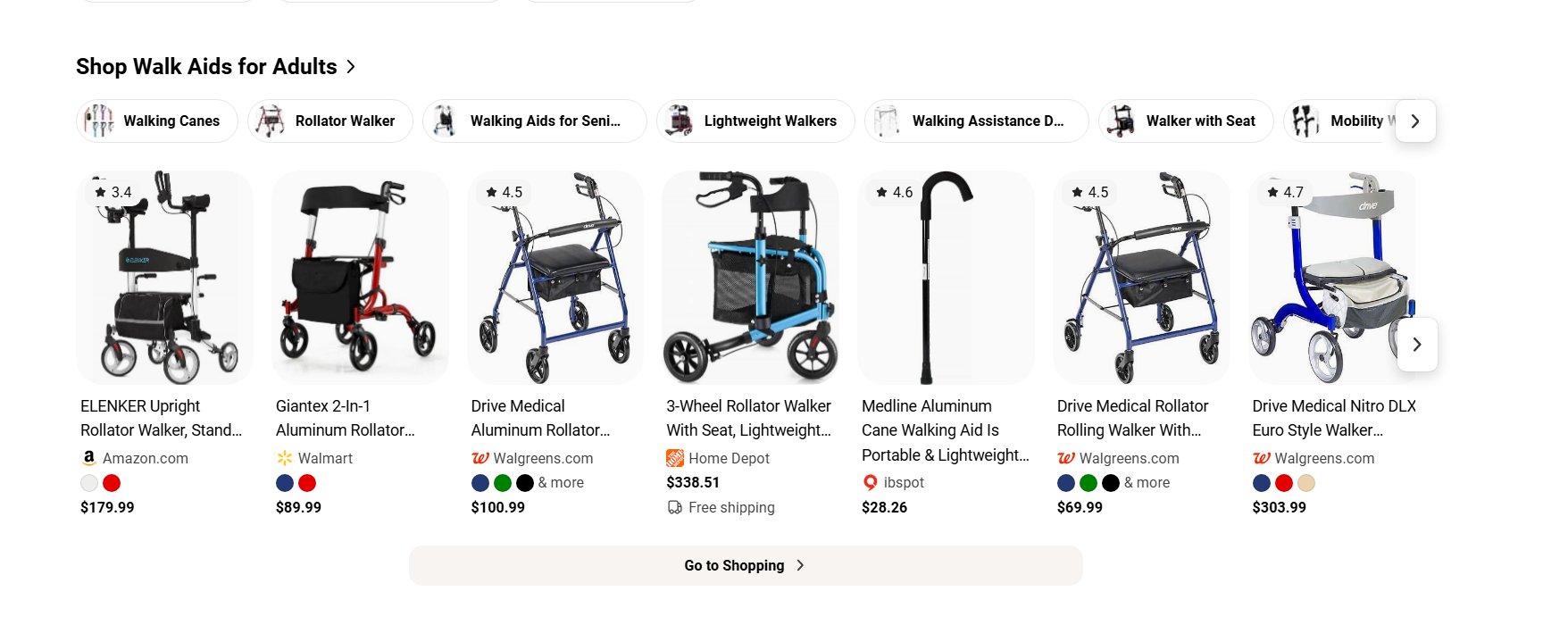
Sachin Patel’s observation, complete with a screenshot shared on X (formerly Twitter), provided the initial concrete evidence of this test. The screenshot clearly depicted product listings with discernible color options presented alongside the main product image and description. The fact that the feature is not universally reproducible, as noted by subsequent attempts by industry observers, underscores its experimental status. Such A/B tests are standard practice in search engine development, allowing companies like Microsoft to gather data on user engagement, performance, and overall impact before a broader rollout. This iterative approach ensures that new features are refined based on real-world user interaction and deliver optimal value. The limited visibility suggests that Bing is carefully evaluating metrics such as user satisfaction, click-through rates, and potential impact on partner websites before committing to a wider deployment.

A Focus on User Experience
The primary motivation behind integrating such a feature is a relentless focus on improving the user experience. In today’s fast-paced digital environment, users expect instant gratification and minimal friction. Online shopping, while convenient, can often be characterized by numerous clicks and page loads, especially when comparing multiple product variations. By providing color options directly on the SERP, Bing is effectively shortening the user’s decision-making funnel. This can lead to several direct benefits for the user:
- Time Savings: Users can quickly assess color availability and preferences without leaving the search results, saving valuable time that would otherwise be spent navigating to and from merchant websites. This efficiency is particularly critical for users on mobile devices, where screen real estate and data consumption are key considerations.
- Reduced Frustration: Eliminating unnecessary clicks and page loads reduces potential frustration, leading to a smoother, more enjoyable shopping experience. A smoother journey often translates to increased user loyalty to the search platform.
- Enhanced Comparison: The ability to instantly view different colors side-by-side or by toggling on the SERP makes comparative shopping more efficient and intuitive. This aids in making more informed purchasing decisions directly from the search interface.
- Increased Confidence: Seeing the exact color options upfront can build user confidence in their choices before committing to a click, leading to more qualified traffic for retailers. Users are more likely to click on a product link if they already know it meets their specific color requirements.
From a broader perspective, this feature aligns with the ongoing trend of search engines striving to become more comprehensive “answer engines” rather than mere link directories. By providing rich, interactive content directly within the search results, Bing aims to retain users on its platform for longer, deepening their engagement and enhancing the perceived value of its search service. This strategy is crucial in an increasingly competitive search landscape where user loyalty is often tied to efficiency and relevance, particularly as search engines battle for dominance in the lucrative e-commerce sector.
Broader Context: The Evolving E-commerce Search Landscape
The integration of advanced shopping features like color selectors is not an isolated development but rather a continuation of a significant trend in the e-commerce search landscape. Over the past decade, search engines, particularly Google and Bing, have aggressively moved to integrate e-commerce functionalities directly into their results pages. This shift is driven by several factors:
- Competition with E-commerce Giants: The rise of online marketplaces like Amazon, eBay, and Alibaba, which often serve as starting points for product searches, has pushed traditional search engines to evolve. By offering rich product information and direct purchasing options, search engines aim to reclaim their role as the primary gateway for online shopping. Data from various market research firms consistently shows that a significant percentage of product searches begin directly on Amazon, bypassing traditional search engines entirely. Features like Bing’s color selector are a direct response to this competitive pressure.
- Growth of Online Retail: Global e-commerce sales continue to surge, projected to reach trillions of dollars annually. For example, Statista reported global e-commerce sales to be around $6.3 trillion in 2023, with continuous growth expected. As more transactions move online, search engines are vying for a larger slice of this lucrative pie by facilitating discovery and purchase.
- Mobile-First Shopping: A substantial portion of online shopping now occurs on mobile devices. Features that minimize clicks and streamline information presentation are particularly valuable for mobile users who demand speed and simplicity. A color selector on the SERP directly addresses this need, preventing cumbersome navigation on smaller screens and enhancing the overall mobile shopping experience.
- Rich Data Availability: The increasing adoption of structured data (schema markup) by e-commerce websites has provided search engines with a wealth of detailed product information, making it feasible to display complex attributes like color, size, and availability directly on the SERP. This structured data acts as the backbone, enabling search engines to parse and present product variations accurately and dynamically.
Historically, search engine results for products consisted primarily of links to retailer websites. Over time, this evolved to include product carousels, shopping ads (Product Listing Ads or PLAs), price comparisons, and user reviews, all integrated directly into the SERP. Bing’s color selector is a logical next step in this evolution, moving beyond static information to provide dynamic, interactive product customization options at the search stage. This progression indicates a broader trend toward creating a more immersive and interactive shopping experience within the search ecosystem itself.
Bing’s Innovation Trajectory
Microsoft Bing, while holding a smaller market share compared to Google, has consistently positioned itself as an innovator, often introducing or refining features that enhance specific search verticals. In recent years, Bing has made significant strides in areas like visual search, AI integration (e.g., through its Copilot features and integration with OpenAI technologies), and specialized search experiences. The color selector feature is consistent with this trajectory, highlighting Bing’s commitment to:
- Visual Search Excellence: Products, especially apparel, home goods, and electronics, are highly visual. Providing color options directly taps into this visual nature of shopping, making Bing a more attractive platform for visual product discovery. This builds upon Bing’s existing visual search capabilities, which allow users to search using images.
- AI-Powered Enhancements: While not explicitly stated, the underlying technology for identifying and presenting color options likely leverages advanced image recognition and natural language processing capabilities, which are hallmarks of modern AI. Bing’s strong ties to AI innovation through Microsoft’s broader investments position it well to lead in such complex feature integrations, leveraging tools developed by Microsoft Research and its partnerships.
- Differentiating from Competitors: By offering a highly specific and useful feature that might not be as prominently or elegantly implemented elsewhere, Bing can carve out a niche and attract users looking for a superior shopping search experience. This continuous innovation is crucial for Bing to grow its user base and challenge the dominance of other search engines, demonstrating its value proposition to users who prioritize efficiency and visual clarity.
It’s also worth noting that Microsoft has its own e-commerce endeavors, including the Microsoft Store. Insights gained from internal retail operations and a broader understanding of consumer behavior in online shopping likely inform these search engine enhancements. The goal is to create a more integrated and seamless digital ecosystem for users, from initial search to final purchase, thereby fostering deeper engagement across Microsoft’s suite of services.
Implications for Retailers and SEO Professionals
The potential widespread adoption of Bing’s color selector feature carries significant implications for both e-commerce retailers and the search engine optimization (SEO) industry.
For E-commerce Retailers:

- Importance of Robust Product Data: The paramount importance of providing comprehensive, accurate, and structured product data, particularly concerning variations like color, cannot be overstated. Retailers must ensure their product feeds and schema markup clearly articulate all available color options for each product. Missing or inaccurate color data could result in products not appearing with this enhanced feature, thereby losing out on valuable SERP visibility and user engagement. This demands a renewed focus on data quality management.
- Enhanced SERP Visibility: Products that effectively leverage this feature will likely stand out in the search results, potentially leading to higher click-through rates (CTR) from Bing users who have already pre-qualified their interest based on color. This effectively turns a simple listing into an interactive storefront directly on the search page.
- Shifting Conversion Funnel: The initial stages of the conversion funnel are increasingly moving onto the search engine itself. Retailers need to adapt their strategies to capture user interest and provide enough compelling information on the SERP to encourage the final click to their site, even if basic information like color is already provided. This might mean optimizing product descriptions for conciseness and strong calls to action.
- Potential for Reduced “Exploratory” Clicks: While more qualified clicks are desirable, there’s a possibility that users who would have previously clicked through to explore colors might now make their decision on the SERP, potentially impacting analytics related to initial website visits for browsing. Retailers will need to monitor traffic patterns closely and adjust their attribution models to account for these pre-qualification steps occurring directly on the SERP.
For SEO and SEM Professionals:
- Schema Markup Optimization: SEOs will need to emphasize the meticulous implementation of schema.org markup, specifically for product variations (e.g.,
OfferwithitemCondition,color,sizeproperties) to ensure Bing can accurately identify and display color options. This goes beyond basic product schema to include detailed variant information, requiring a deeper understanding of structured data for e-commerce. - Product Feed Management: For retailers utilizing Bing Shopping Ads or similar product ad platforms, the quality and completeness of their product data feeds will become even more critical. These feeds are often the source for such dynamic SERP features, and errors or omissions could lead to missed opportunities.
- SERP Analysis and Strategy: Professionals will need to closely monitor Bing SERPs for their target keywords to understand how this feature is being implemented and whether their clients’ products are appearing optimally. Strategies may need to evolve to focus not just on ranking but on maximizing visibility within these enriched SERP elements, requiring a more nuanced approach to competitive analysis.
- Competitive Advantage: Early adopters who correctly optimize for this feature could gain a significant competitive advantage by presenting a more attractive and informative listing than competitors who have not yet adapted. This could be a decisive factor in capturing clicks and market share.
- Analytics Adjustments: SEOs and analysts will need to refine their understanding of user behavior originating from Bing. A click from a SERP with an integrated color selector might indicate a much higher intent than a traditional click, and conversion metrics should reflect this, potentially leading to a re-evaluation of conversion rate benchmarks.
Potential Market Impact and Competitive Dynamics
If Bing’s color selector feature proves successful in its testing phase and rolls out broadly, it could have a noticeable impact on the search engine’s market position, particularly within the e-commerce sector.
- Increased Bing Engagement: By making product discovery more efficient and visually appealing, Bing could attract a larger share of shopping-related queries, potentially drawing users away from competitors or direct marketplaces. This increased engagement could translate into higher user retention for Bing.
- Enhanced Advertiser Value: For advertisers, this feature offers the promise of more qualified leads and potentially higher conversion rates, making Bing’s advertising platforms more attractive. The ability to showcase product variations directly could improve ad performance and return on investment (ROI) for e-commerce campaigns.
- Competitive Pressure on Google: While Google already has robust shopping features, a highly effective and user-friendly color selector from Bing could put pressure on Google to either replicate or improve upon its own offerings to maintain its market dominance. Innovation from one major player often spurs innovation from others, leading to a richer overall search experience for users.
- Standardization of Rich Product Displays: This feature could contribute to a broader industry trend where rich, interactive product displays become the norm across all major search engines, raising the bar for all e-commerce platforms and pushing them towards more detailed product data management.
The move underscores the ongoing arms race among search engines to provide the most comprehensive and convenient user experience. In a world where every click counts and user attention spans are short, features that reduce friction and provide immediate value are paramount.
The Future of Visual Product Search
The introduction of a color selector within Bing’s product results is a strong indicator of the future direction of visual product search. Beyond mere images, search engines are moving towards understanding and displaying detailed product attributes in an interactive manner. One can extrapolate from this feature to imagine future enhancements:

- Size and Fit Selectors: Similar to color, enabling users to select sizes or view models wearing different sizes directly on the SERP, potentially with personalized recommendations based on past searches or user profiles.
- Material and Texture Previews: For certain products, perhaps even interactive textures or material swatches that users can “feel” through haptic feedback or highly detailed visual rendering.
- 3D Product Views: Integration of 3D models that users can rotate and inspect from all angles without leaving the search page, offering a more complete understanding of the product.
- Augmented Reality (AR) Integration: While more complex, the long-term vision could involve users virtually “trying on” products or placing them in their environment directly from the search results via AR technology, further blurring the lines between online and offline shopping experiences.
These advancements are not just about aesthetics; they are about leveraging technology to bridge the gap between online browsing and the tactile, sensory experience of in-store shopping. By making online product discovery more comprehensive and engaging, search engines like Bing are positioning themselves at the forefront of the e-commerce revolution, striving to create a holistic digital shopping environment.
In conclusion, Bing’s experimental color selector in product results is a strategic move that reflects the evolving demands of online shoppers and the competitive pressures within the search engine and e-commerce industries. While still in its testing phase, this feature has the potential to significantly enhance the user shopping experience, drive more qualified traffic to retailers, and further solidify Bing’s reputation as an innovative player in the digital landscape. For retailers and SEO professionals, it serves as a timely reminder of the critical importance of robust product data optimization and agile adaptation to the ever-changing dynamics of search engine results pages. The future of shopping is increasingly visual and interactive, and Bing is clearly investing in leading that charge.