The global e-commerce landscape is currently undergoing a structural transformation, shifting away from traditional transactional models toward a holistic “growth marketing” framework. In this increasingly saturated market, industry leaders are recognizing that standard digital advertising and basic SEO are no longer sufficient to maintain a competitive edge. To achieve long-term viability, enterprises must now integrate deep market analysis, cutting-edge infrastructure, and high-level consumer psychology into their operational DNA. A future-proof e-commerce growth marketing strategy is no longer a luxury but a fundamental requirement for survival in an era defined by rapid technological disruption and evolving consumer expectations.
The Evolution of E-commerce Marketing: A Chronology of Change
To understand the current state of growth marketing, it is essential to trace the trajectory of the e-commerce sector over the last three decades. The evolution of the industry can be categorized into four distinct phases, each requiring a different strategic focus:
- The Foundational Era (1995–2005): Characterized by the birth of giants like Amazon and eBay, the primary focus was on establishing basic web presence and functional payment gateways. Marketing was largely limited to primitive search engine visibility and email newsletters.
- The Social and Mobile Pivot (2006–2015): The rise of smartphones and social media platforms introduced the concept of targeted advertising. Brands began to leverage Facebook and Instagram to reach specific demographics, shifting the focus from “pull” marketing to “push” marketing.
- The Personalization Era (2016–2020): Data became the primary currency. Companies began using basic machine learning algorithms to suggest products based on past purchases, and “omnichannel” became a buzzword as brands realized customers were interacting with them across multiple devices.
- The Growth Marketing Era (2021–Present): In the post-pandemic landscape, the focus has shifted toward Customer Lifetime Value (CLV) and sustainable growth. This era is defined by artificial intelligence, privacy-first data collection, and a demand for brand authenticity and ethical practices.
Market Analysis and the Psychology of the Modern Consumer
Modern growth marketing begins with a sophisticated understanding of the target audience. Demographic data alone—such as age, location, and gender—is no longer sufficient. Marketers are now employing psychographics to understand the values, interests, and lifestyles of their customers.
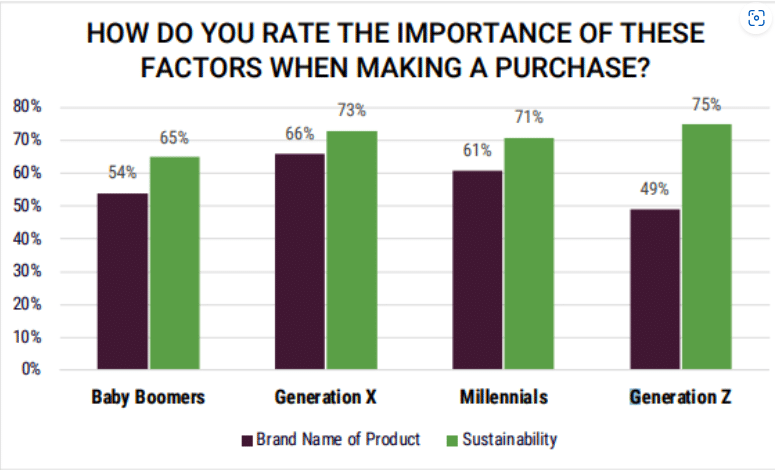
Current data from the World Economic Forum highlights a significant generational shift in purchasing behavior. Approximately 75% of Generation Z consumers—those born between the mid-1990s and 2010—prioritize sustainability and ethical brand practices over mere brand recognition. This shift indicates that a future-proof strategy must include a transparent commitment to corporate social responsibility (CSR).
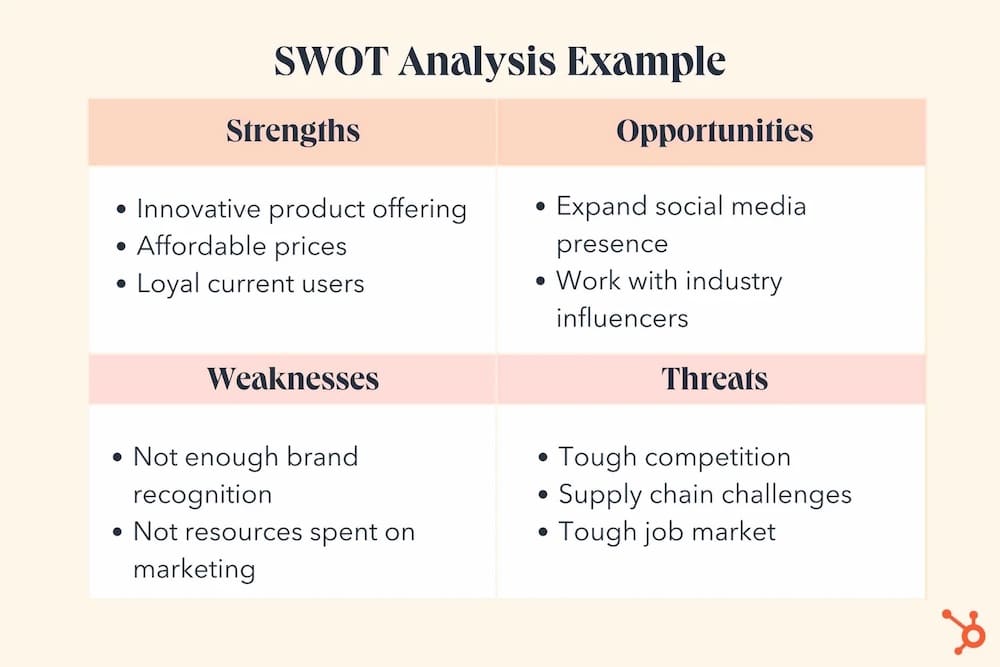
To navigate this shift, industry experts recommend a rigorous SWOT (Strengths, Weaknesses, Opportunities, Threats) analysis. By identifying market gaps—similar to how Amazon identified the need for expedited shipping through its Prime program—businesses can differentiate themselves. The goal is to move beyond price wars and instead compete on value and customer experience.
Technological Infrastructure as a Growth Catalyst
The stability of an e-commerce enterprise is directly tied to its technological “stack.” Investment in scalable platforms is the first step toward future-proofing. Platforms like Shopify and Magento (Adobe Commerce) have become the industry standard because they allow businesses to scale without the need for a complete architectural overhaul. Shopify currently supports millions of businesses in over 175 countries, demonstrating the global demand for flexible, user-friendly commerce solutions.
Beyond the platform itself, the integration of Artificial Intelligence (AI) and Machine Learning (ML) is transforming how brands interact with consumers. Stitch Fix, an online personal styling service, serves as a primary case study for this transition. By utilizing AI to analyze customer preferences, sizes, and styles, the company has replaced the traditional “search and buy” model with a “curate and deliver” model. This high level of personalization significantly increases customer retention and reduces return rates.
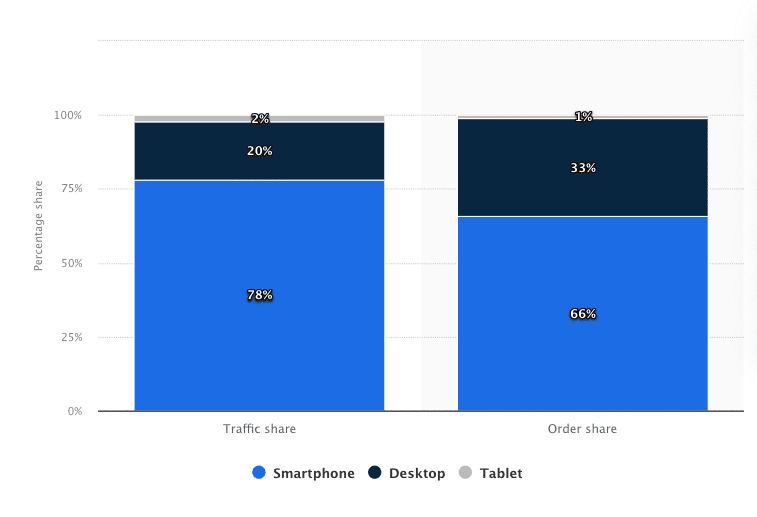
Furthermore, the “mobile-first” mandate has transitioned from a recommendation to a requirement. According to Statista, smartphones accounted for 78% of retail site traffic globally in the fourth quarter of 2023. Mobile devices were responsible for two-thirds of all online shopping orders during that period. Consequently, any growth marketing strategy that does not prioritize mobile optimization—including fast load times, one-tap payments, and responsive design—is fundamentally flawed.
The Omnichannel Integration Mandate
The modern consumer journey is rarely linear. A customer might discover a product on an Instagram ad, research it on a desktop site, and eventually make the purchase through a mobile app or in a physical store. This necessitates an “omnichannel” approach, where the brand experience remains consistent and seamless across all touchpoints.
Research indicates that businesses with robust omnichannel engagement strategies retain an average of 89% of their customers. In contrast, companies with weak omnichannel integration see retention rates as low as 33%.
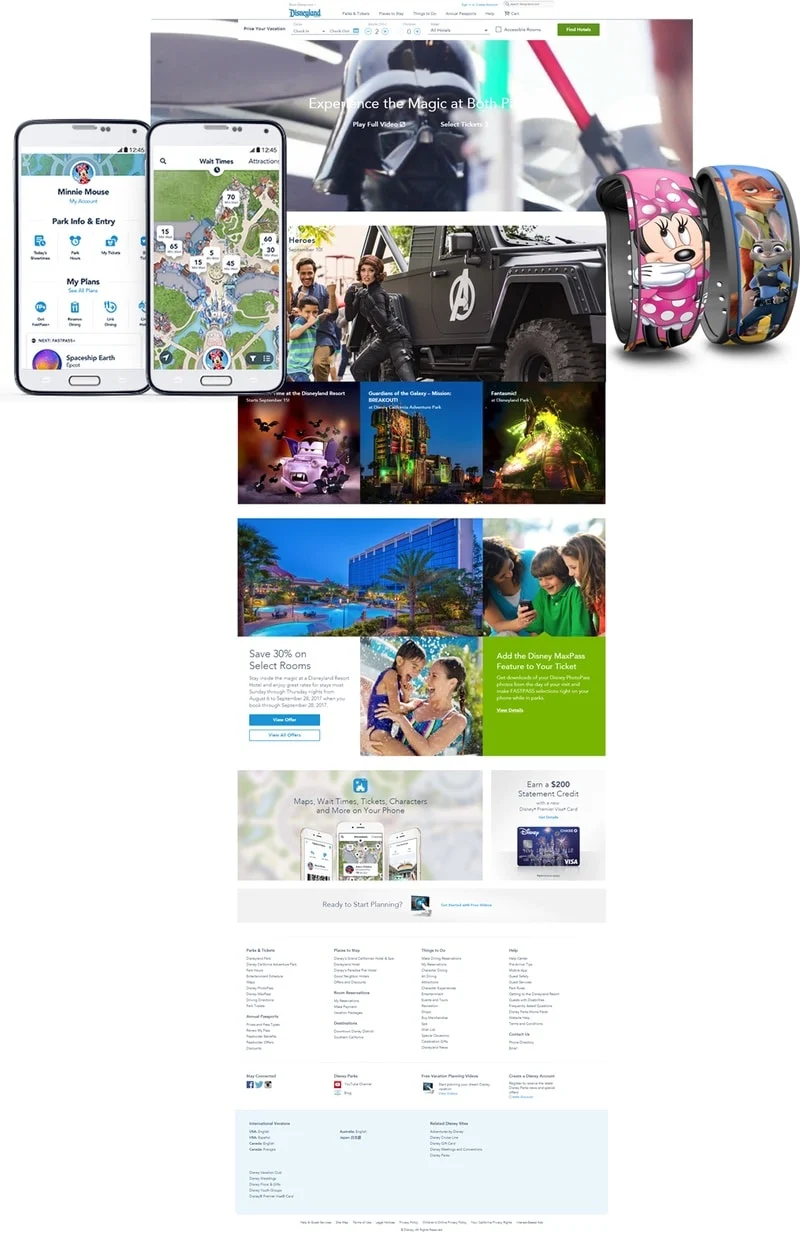
The Walt Disney Company provides a gold-standard example of this integration. Through the “My Disney Experience” ecosystem, the company links its website, mobile app, and physical RFID wristbands (MagicBands). This allows guests to plan their trips, book attractions, and make purchases within the parks through a single, unified interface. For e-commerce brands, this means ensuring that cart data, loyalty points, and customer support history are synchronized across every available platform.
Content Strategy: Building Authority through Evergreen Assets
In an environment where advertising costs (CAC) are rising, content marketing remains one of the most cost-effective ways to drive organic traffic. However, the focus is shifting away from “disposable” content toward “evergreen” assets—high-quality information that remains relevant for years.
Effective evergreen content typically takes the form of:
- Comprehensive How-To Guides: These establish the brand as an authority in its niche.
- Educational White Papers: These provide deep dives into industry trends or technical specifications.
- Customer Case Studies: These offer social proof and demonstrate real-world product utility.
WikiHow serves as a prime example of the power of evergreen content. By providing step-by-step instructions on a vast array of topics, the platform generates consistent, long-term traffic without the need for constant updates. For an e-commerce brand, this might involve creating detailed styling guides for a fashion retailer or technical maintenance tutorials for an electronics brand.
Cultivating Loyalty in a Competitive Market
Acquiring a new customer is significantly more expensive than retaining an existing one. Forbes reports that 73% of consumers cite a positive experience as a primary factor in their brand loyalty. To foster this loyalty, growth marketers are moving beyond simple points-based rewards programs.
Modern loyalty strategies include:
- Hyper-Personalized Communication: Using data to send offers on birthdays or anniversaries of a customer’s first purchase.
- Tiered Rewards: Offering exclusive access to new products or “VIP” events for high-spending customers.
- Proactive Customer Support: Using automated tools and AI chatbots to resolve issues before they escalate.
- Community Building: Encouraging user-generated content and fostering a sense of belonging among brand advocates.
Performance Analysis and the Data Feedback Loop
A growth marketing strategy is only as effective as its measurement framework. Future-proof businesses rely on a continuous cycle of testing, analysis, and optimization. This requires the establishment of specific Key Performance Indicators (KPIs), such as:
- Conversion Rate (CR): The percentage of visitors who complete a purchase.
- Average Order Value (AOV): The mean amount spent per transaction.
- Customer Acquisition Cost (CAC): The total spend required to gain one new customer.
- Customer Lifetime Value (CLV): The total revenue a business can expect from a single customer account.
Tools like Google Analytics provide quantitative data on user flow and drop-off points, while platforms like FigPii offer qualitative insights through heatmaps and A/B testing. By visualizing how users interact with a site, marketers can make data-driven adjustments to the user interface (UI) and user experience (UX), ensuring that the growth strategy remains responsive to real-world behavior.
Broader Impact and Industry Implications
The shift toward these advanced growth marketing strategies has broader implications for the global economy. As technology becomes more accessible, the barrier to entry for small and medium-sized enterprises (SMEs) is lowering. However, the “intelligence gap” is widening. Success is no longer determined by the size of a marketing budget, but by the sophistication of the data strategy and the agility of the technological infrastructure.
Industry analysts from firms such as Gartner and McKinsey suggest that the next decade of e-commerce will be defined by “predictive commerce.” In this phase, AI will not only respond to customer needs but anticipate them, potentially shipping products before a customer even realizes they need them.
Official Perspectives and Market Outlook
While the rapid pace of change presents challenges, it also offers unprecedented opportunities for brands that are willing to adapt. Market leaders emphasize that the core of any successful strategy remains the customer. As the digital landscape becomes more automated and algorithmic, the human element—trust, transparency, and genuine value—becomes the ultimate differentiator.
In conclusion, securing a future-proof e-commerce growth marketing strategy requires a multifaceted approach. It demands a commitment to understanding the evolving consumer, an investment in scalable and mobile-optimized technology, the implementation of a seamless omnichannel experience, and a rigorous focus on data-driven optimization. By building these foundations today, businesses can ensure they are not merely reacting to the trends of tomorrow but are actively shaping the future of the marketplace.