The digital marketing and search engine optimization landscape experienced a week of significant developments, marked by lingering algorithmic volatility, shifts in user search behavior, major artificial intelligence announcements, and crucial updates to webmaster guidelines. From Google’s post-core update turbulence impacting search rankings to Apple’s unveiling of a deeply integrated AI ecosystem, the industry continues to navigate rapid technological evolution and its profound implications for businesses, content creators, and users alike.
The Shifting Sands of Search Algorithms: Post-Core Update Volatility
The past week saw considerable upheaval across search engine results pages (SERPs), primarily attributed to the aftershocks of a recent Google core algorithm update. Following the initial rollout, many webmasters and SEO professionals reported sustained and significant volatility in their rankings, a phenomenon that extended throughout the weekend and into the subsequent work week. This prolonged period of flux indicates that the algorithm was still settling, or perhaps undergoing further adjustments, creating uncertainty for many online entities.
Understanding Google Core Updates:
Google periodically releases “core updates” designed to improve the overall quality and relevance of its search results. Unlike minor, routine adjustments, core updates are broad, global changes that do not target specific niches or types of websites. Instead, they aim to refine how Google assesses content quality, expertise, authoritativeness, and trustworthiness (E-A-T principles, now often referred to as E-E-A-T, incorporating Experience). When a core update rolls out, websites that Google deems to have improved in these quality aspects may see gains, while those perceived as having deficiencies might experience declines. These updates are rarely accompanied by specific instructions for recovery, as Google typically advises webmasters to focus on creating the best possible content and user experience. Previous significant core updates, such as the ones in March 2024 and November 2023, similarly caused widespread ranking shifts and required diligent monitoring by SEOs.
Measuring and Responding to Volatility:
The reported volatility was widely observed through various third-party rank tracking tools and confirmed by anecdotal evidence from the SEO community. Tools like Semrush Sensor, MozCast, and SERPStat often register higher “temperature” or “flux” scores during periods of algorithmic instability. This recent period showed elevated scores for several consecutive days, indicating a broad and sustained impact. For businesses, such volatility translates directly into unpredictable traffic flows, potentially affecting revenue, lead generation, and brand visibility. SEO professionals are tasked with meticulously analyzing ranking changes, identifying affected keywords and pages, and assessing potential correlations with website changes or competitor movements. However, in the immediate aftermath of a core update, the primary recommendation from experts is often patience, combined with a renewed focus on foundational SEO principles and content quality, rather than hasty, reactive changes. Google’s Search Liaison, Danny Sullivan, has consistently advised that there’s no “fix” for a core update beyond improving overall site quality.
The Evolving Landscape of User Engagement: Zero-Click Searches on the Rise
A recent study highlighted a concerning trend for content publishers and the “open web”: an increase in “zero-click searches,” where users find the answer to their query directly on the Google search results page (SERP) without clicking through to any website. This phenomenon suggests that Google Search is sending less and less traffic to external sites, profoundly impacting traditional online business models reliant on organic traffic.
Defining Zero-Click Searches:
Zero-click searches occur when a user’s information need is satisfied entirely within the search engine results page. This is primarily facilitated by Google’s rich array of SERP features, including Featured Snippets (direct answers extracted from web pages), Knowledge Panels (information compiled from various sources), local packs (maps and business listings), “People Also Ask” boxes, weather forecasts, dictionary definitions, and calculators. These features aim to provide immediate answers, enhancing user convenience and efficiency.
The Trend and Its Drivers:
While the specific “updated zero-click study” was not named, previous research by firms like SparkToro (most notably Rand Fishkin’s analysis) has consistently documented this upward trend over several years. Data from past studies indicated that over 60% of Google searches in some markets ended without a click to an organic or paid result. The increasing sophistication of Google’s AI and natural language processing capabilities allows it to better understand user intent and extract precise answers, further fueling this trend. Google’s continuous effort to improve user experience on its platform, often by keeping users within its ecosystem, is a primary driver.
Challenges for the Open Web:
The rise of zero-click searches poses significant challenges for publishers, content creators, and businesses that rely on organic search traffic for advertising revenue, subscriptions, or direct sales. Reduced click-through rates mean less traffic, fewer ad impressions, and diminished opportunities for engagement and conversion. This trend forces content creators to reconsider their strategies, emphasizing not just ranking for keywords but also optimizing for SERP features like Featured Snippets, even if it means providing the answer directly on Google. It also underscores the importance of diversifying traffic sources and building direct audience relationships. Critics argue that this trend centralizes information control with Google, potentially diminishing the value and viability of independent websites.
AI’s Ascendance in Search and Beyond: Apple Intelligence, Bing AI, and Google Gemini
The week also brought significant announcements and developments in the realm of artificial intelligence, underscoring its growing integration into core technology products and services.
Apple’s Entry: Apple Intelligence and Enhanced Siri:
Apple made a splash with the announcement of “Apple Intelligence,” its new personal intelligence system, at the Worldwide Developers Conference (WWDC). This initiative marks Apple’s comprehensive entry into the generative AI space, designed to integrate deeply across iOS, iPadOS, and macOS. Apple Intelligence is characterized by its strong focus on privacy, leveraging on-device processing for many tasks while utilizing private cloud computing for more complex requests, ensuring user data remains secure.
A cornerstone of Apple Intelligence is the complete overhaul of Siri. The updated Siri is promised to be more powerful, contextually aware, and capable of multi-turn conversations. It can understand personal context, perform actions across different applications (e.g., “find that photo I took of the sunset last week and send it to John”), and offer proactive assistance based on user activity. This move positions Apple directly against established AI assistants like Google Assistant and Amazon Alexa, but with a unique emphasis on deep integration within its walled garden and a strong privacy narrative. The rollout of Apple Intelligence is expected to begin later in the year, starting with specific devices and operating system updates.
Bing’s User-Centric AI Adjustments:
In a move demonstrating responsiveness to user feedback, Bing introduced an option for searchers to disable AI responses within its search results. Since its initial integration of OpenAI’s ChatGPT technology, Bing has been at the forefront of combining generative AI with traditional search. However, some users expressed a preference for more concise, traditional search results over the often lengthy and conversational AI-generated answers. This new feature provides users with greater control over their search experience, allowing them to toggle AI responses on or off based on their preference. This highlights the ongoing experimentation and refinement within the search industry as it navigates the optimal balance between AI-powered assistance and conventional information retrieval.
Google’s AI Stability: Gemini Outage Clarification:
Amidst these developments, Google provided clarification regarding a Wednesday outage of its Gemini AI service. Crucially, Google confirmed that its core Search product was not impacted by the Gemini outage. This distinction is important, as it underscores the modular architecture of Google’s various services. While Gemini is a powerful AI model, its operational independence from the core Google Search infrastructure ensures that issues with one do not necessarily bring down the other, maintaining the reliability of Google’s primary search engine for billions of users worldwide.
Google’s Commitment to Webmaster Guidance: SEO Docs and Search Console Innovations
Google continued its efforts to provide comprehensive guidance to webmasters and SEOs, releasing new documentation and hinting at future Search Console enhancements.
Navigating Third-Party SEO Advice:
Google published a new help document titled “Trusting advice from third-party SEO tools and services.” This document addresses a persistent challenge in the SEO industry: the proliferation of tools and consultants, some of whom offer questionable advice or make exaggerated promises. Google’s new guidance emphasizes the importance of critical thinking when evaluating SEO recommendations. It likely reiterates that no tool can perfectly replicate Google’s ranking algorithms and that webmasters should prioritize practices aligned with Google’s official guidelines, focusing on user experience, high-quality content, and technical soundness over shortcuts or “hacks.” This document aims to empower webmasters to make informed decisions and avoid falling prey to misinformation or ineffective strategies.
Hiring an SEO: Best Practices:
Complementing the guidance on third-party tools, Google also updated its “Hiring an SEO” document. This refreshed resource provides clearer, more actionable advice for businesses looking to engage SEO professionals. It likely outlines key considerations such as transparent reporting, realistic expectations, ethical practices, and alignment with Google’s webmaster guidelines. The update serves as a valuable checklist for businesses, helping them identify reputable SEOs and avoid those employing “black hat” tactics that could lead to penalties. By offering these guidelines, Google continues its role in fostering a more transparent and effective SEO ecosystem.
Applebot Documentation Updates:
Not to be overlooked, Apple updated its Applebot documentation. Applebot is Apple’s web crawler, responsible for gathering data used by features like Siri Suggestions, Spotlight Search, and Safari’s search suggestions. The updated documentation now includes explicit information related to AI, crawl delay directives, and potentially updated user-agent strings. The inclusion of AI-related guidelines is particularly significant, as it could dictate how content owners can manage whether their data is used to train Apple’s AI models. Crawl delay directives offer webmasters more control over Applebot’s crawl rate, helping to manage server load. These updates are crucial for SEOs and webmasters who need to ensure their content is properly indexed and utilized by Apple’s growing ecosystem of services.
Search Console Innovations: Platform Property Tooltips:
Google Search Console (GSC), an indispensable tool for webmasters, is reportedly on the verge of releasing a new feature or report named “platform property tooltips.” While details are sparse, this suggests an enhancement aimed at providing more contextual information or guidance within GSC, possibly tailored to different types of properties (e.g., websites, Android apps, iOS apps). Such tooltips could offer explanations for specific data points, suggest actions for improvement, or clarify how GSC data relates to various platforms, thereby improving the usability and actionable insights provided by the platform.
New Horizons for Business and Commerce: Google Business Profiles, Shopping, and Local Service Ads
Several updates this week focused on enhancing Google’s offerings for businesses, particularly in local search and e-commerce.
Gemini Integration with Google Business Profiles:
Google announced plans to connect Google Business Profiles (GBPs) with Gemini, its advanced AI model. This integration holds significant potential for local businesses. Imagine AI-powered capabilities assisting with drafting business descriptions, generating responses to customer reviews, offering smart scheduling suggestions, or providing personalized recommendations based on business data. This could streamline operations for small businesses, enhance their online presence, and improve customer interactions directly within the GBP ecosystem. The move underscores Google’s strategy to embed AI across its product suite, making advanced tools accessible to a broader range of users.
Google Shopping’s Direct Merchant Links:
In a noteworthy test, Google Shopping is exploring a new model of linking directly to merchant sites. Historically, Google Shopping has often acted as an intermediary, sometimes directing users to Google’s own product pages or aggregating product information. By testing direct links, Google aims to reduce friction for users and potentially increase traffic referrals to individual e-commerce sites. This shift could be beneficial for merchants, offering a more direct path to conversion and potentially lowering their reliance on Google’s own storefronts or paid placements within Shopping. It signifies Google’s ongoing evolution in e-commerce, balancing its own platform goals with the needs of its merchant partners.
Local Service Ads Expansion:
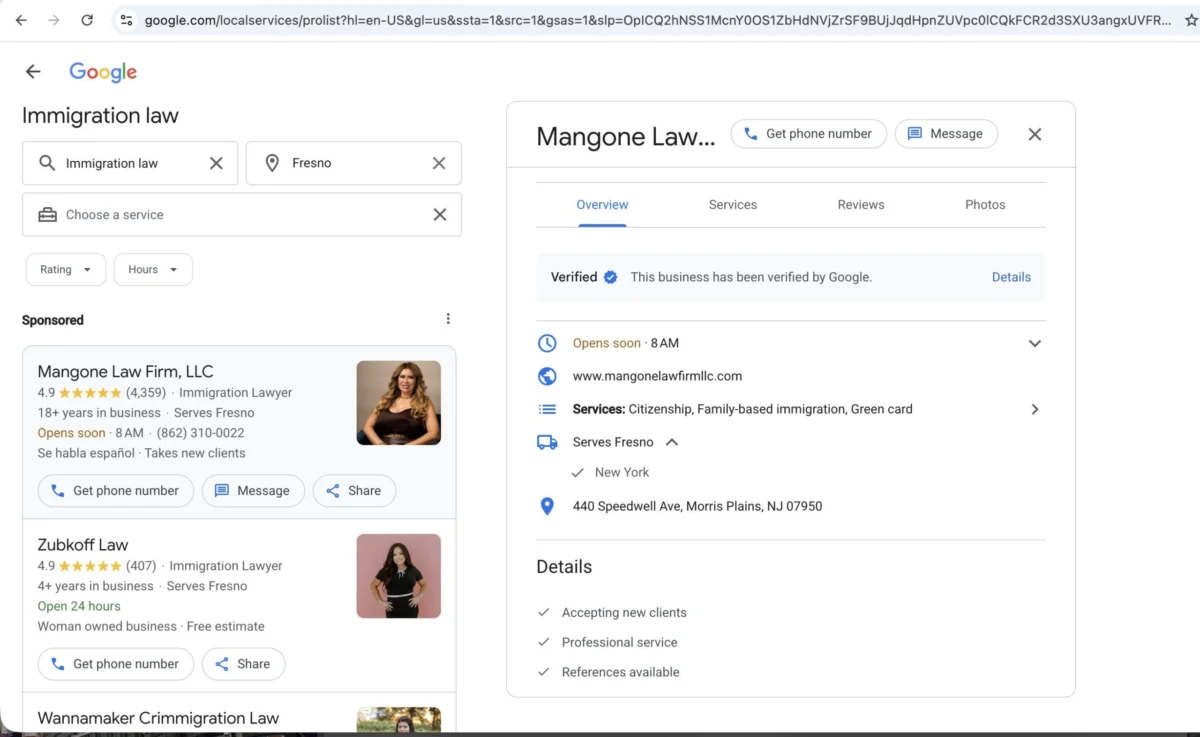
Google Local Service Ads (LSAs) are expanding their reach, now supporting “home listings.” LSAs are a specialized ad format designed for service providers (e.g., plumbers, electricians, locksmiths) that pre-qualifies businesses with a “Google Guaranteed” badge. The addition of “home listings” suggests an expansion into a broader array of home-related services or perhaps a new format for home-based businesses to leverage LSAs. This move opens new avenues for service providers to gain visibility in local search results and offers users a more comprehensive range of vetted local professionals, further solidifying Google’s dominance in local search.
The Ever-Changing Face of Search Results: Organic and Paid Visual Tests
Google’s relentless pursuit of optimizing user engagement and ad performance led to several visual tests observed across both organic and paid search results this week.
Schema.org’s Data Insights:
Schema.org, the collaborative initiative for structured data markup, has added “usage statistics” to its schema types. This new feature will allow webmasters and developers to see how frequently different schema types are being implemented across the web. This data can be invaluable for identifying widely adopted and potentially impactful schema types, guiding development efforts, and encouraging the use of structured data that is proven to be effective in enhancing search engine understanding and SERP features.
Google Ads: Visual Enhancements and Performance Metrics:
In Google Ads, tests were observed for “top pages links and images within sitelinks.” This indicates a move towards more visually rich ad extensions, potentially allowing advertisers to showcase specific product pages or visually appealing content directly within their sitelinks. Such enhancements could significantly increase the click-through rates and overall effectiveness of ad campaigns by providing more compelling visual cues. Additionally, Google Ads is testing “blue dotted underlined sitelinks,” a visual distinction that might draw more attention to these interactive elements within ad snippets.
Beyond visual changes, Google Ads also introduced new “campaign guidance with experiment power scores.” This feature aims to help advertisers conduct more statistically sound A/B tests for their campaigns. By providing an “experiment power score,” Google assists advertisers in understanding the reliability and significance of their test results, ensuring that optimizations are based on robust data rather than chance. This empowers advertisers to make more informed decisions, leading to more effective ad spend and higher ROI.
Organic SERP Visual Experiments:
Not to be outdone by its paid counterparts, organic search results also saw visual experimentation. Google was observed testing “dotted underlines and shaded URLs in the organic search result snippets.” This is a significant visual alteration to the traditional appearance of organic listings. Dotted underlines might indicate interactive elements or hover states, while shaded URLs could serve to highlight the domain more prominently or differentiate it visually from the snippet text. These tests reflect Google’s continuous exploration of how subtle visual cues can influence user interaction, attention, and perception of organic results, potentially blurring the lines further between traditional organic listings and richer, interactive SERP features.
A Week of Dynamic Change
The past week has been a microcosm of the dynamic, ever-evolving landscape of search and digital marketing. From the persistent algorithmic shifts of Google’s core updates to the groundbreaking AI announcements from Apple, and the myriad of granular tests and documentation updates, the industry continues its rapid pace of change. These developments collectively underscore the imperative for webmasters, SEOs, and businesses to remain agile, continuously monitor performance, and adapt their strategies to thrive in an increasingly AI-driven and visually rich search environment. The ongoing dialogue between user experience, technological innovation, and business objectives will continue to shape the future of how information is found and consumed online.