

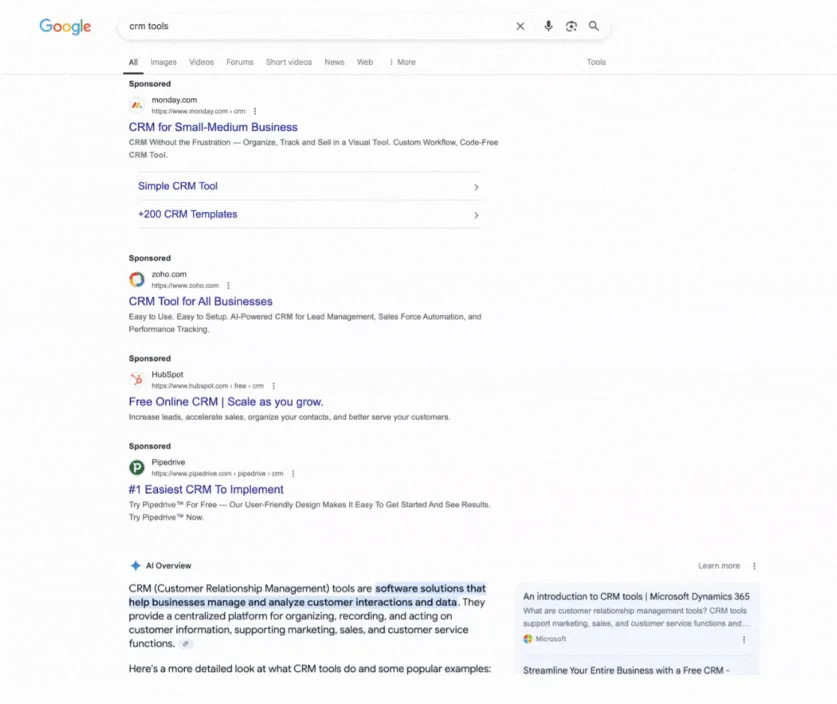
Artificial Intelligence Search Optimization, commonly referred to as AISO or AIO, has emerged as the definitive practice of structuring digital content to ensure it is both extractable by large language models and prominently featured across the diverse data sources these models synthesize. While the discipline shares foundational elements with traditional Search Engine Optimization, it represents a fundamental divergence in how information is discovered, processed, and recommended. As large language models such as ChatGPT, Claude, and Gemini transition from simple chatbots to primary discovery engines, the traditional gatekeeping role of Google is being challenged by a paradigm where answers are surfaced within conversational interfaces rather than through a list of blue links.

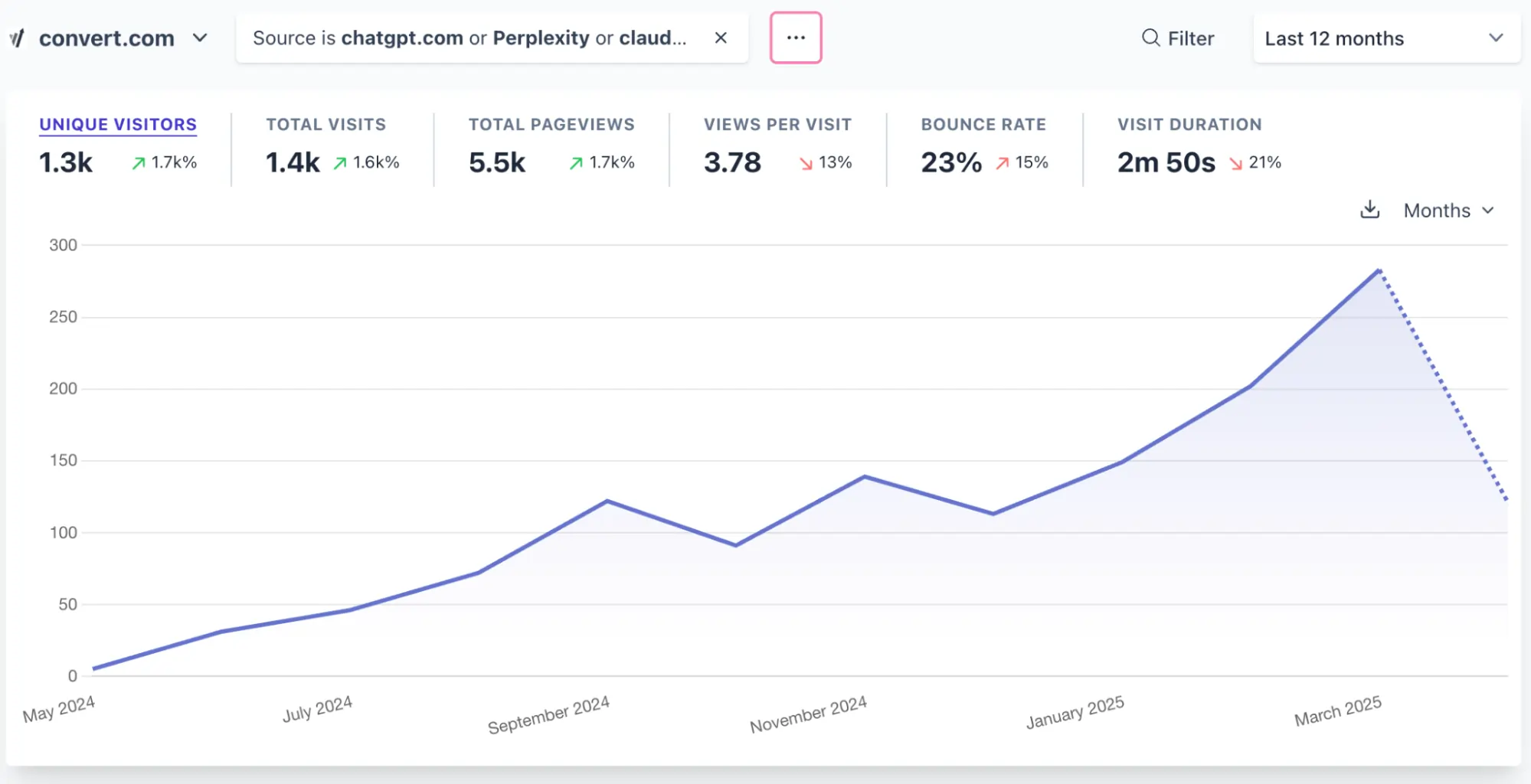
The scale of this shift is documented by recent industry data. Plausible Analytics reported a 2,200 percent increase in referral traffic from generative AI sources in 2024 compared to the previous year. This surge indicates that while AI search engines often aim to provide direct answers, they also serve as significant drivers of high-intent traffic to websites deemed authoritative by their underlying algorithms. For modern enterprises, the objective is no longer merely to rank first on a search results page, but to be embedded within the “entity model” that an AI constructs for a specific brand or category.
The Evolution of Search: A Chronological Context
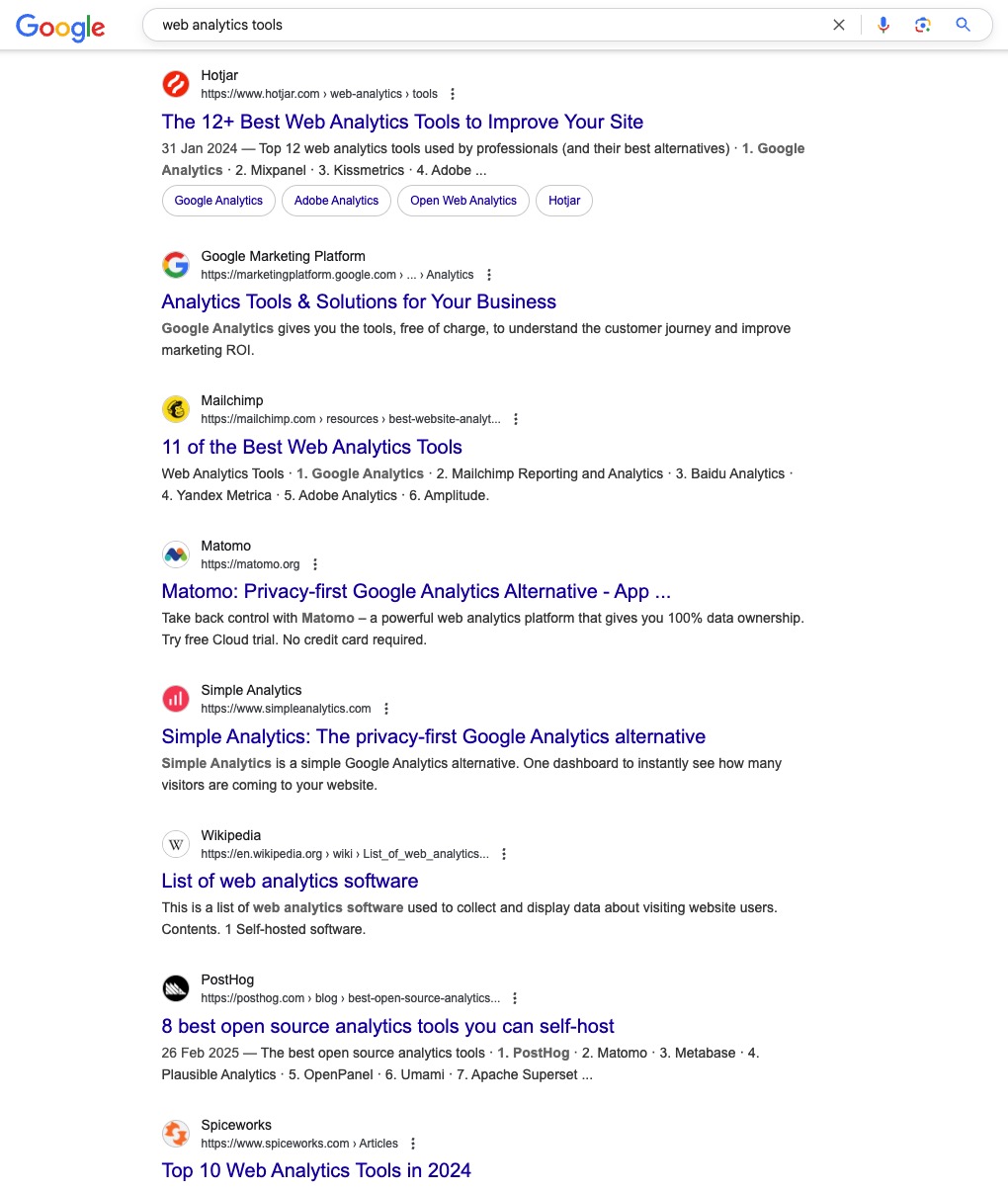
To understand the necessity of AISO, one must examine the chronology of digital discovery. From the late 1990s through the early 2020s, search was deterministic. Users entered keywords, and algorithms like PageRank evaluated backlinks and on-page signals to return a list of URLs. The “Zero-Click” era began in the mid-2010s with Google’s introduction of Featured Snippets, but the most radical transformation occurred in late 2022 with the public release of ChatGPT.
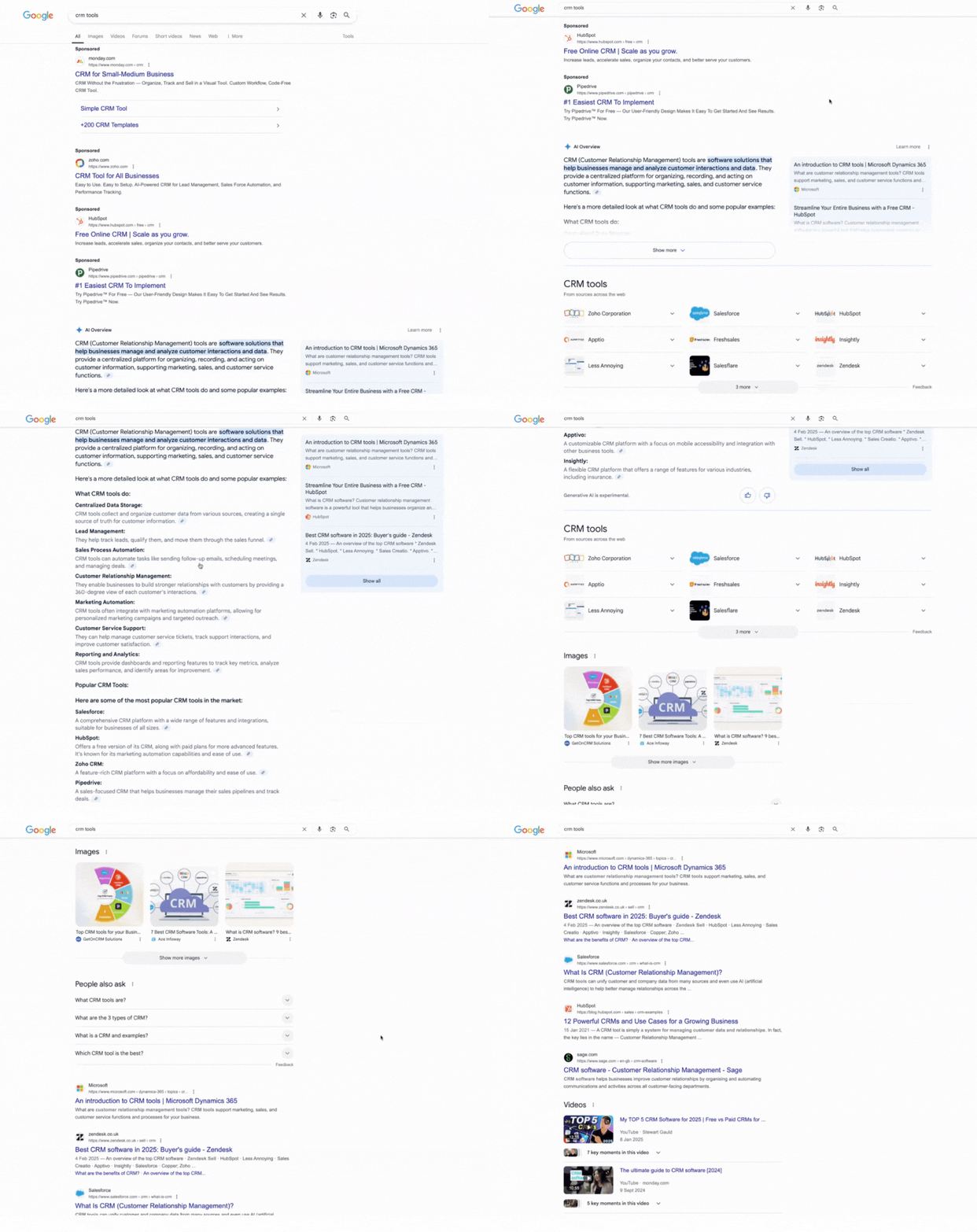
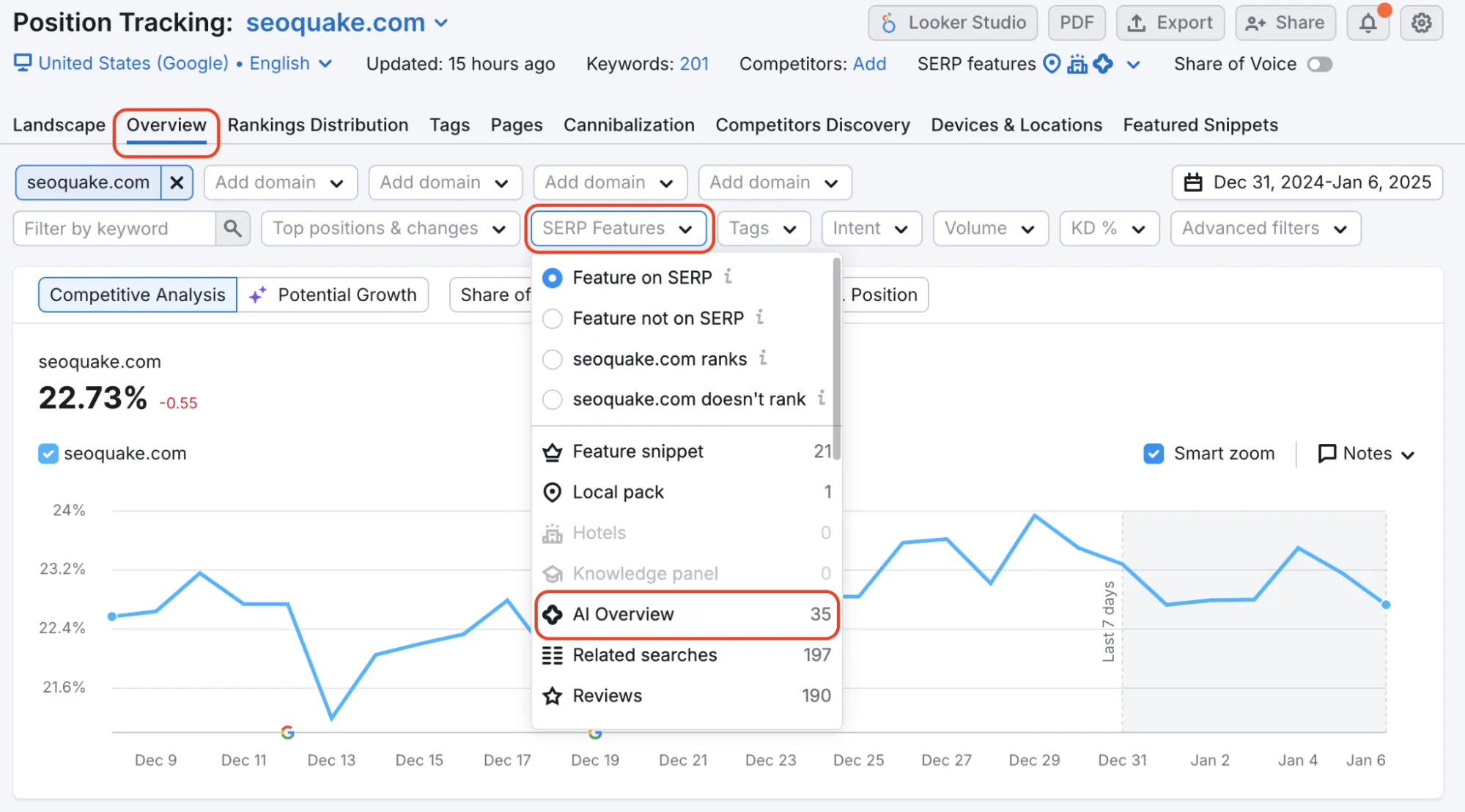
By 2024, the integration of generative AI into mainstream search—most notably through Google’s AI Overviews—fundamentally altered the value of the top organic position. According to a 2025 analysis of 300,000 keywords, the presence of an AI Overview correlates with a 34.5 percent decline in click-through rates for the top-ranked result. By early 2026, subsequent updates to this data revealed that the drop had deepened to 58 percent. This evolution has forced a shift in marketing strategy: businesses must now optimize for “fan-out” queries, where an AI breaks a single user prompt into multiple sub-queries to find the most relevant information across a topical cluster.
Technical Architecture of AI Search and Vector Embeddings
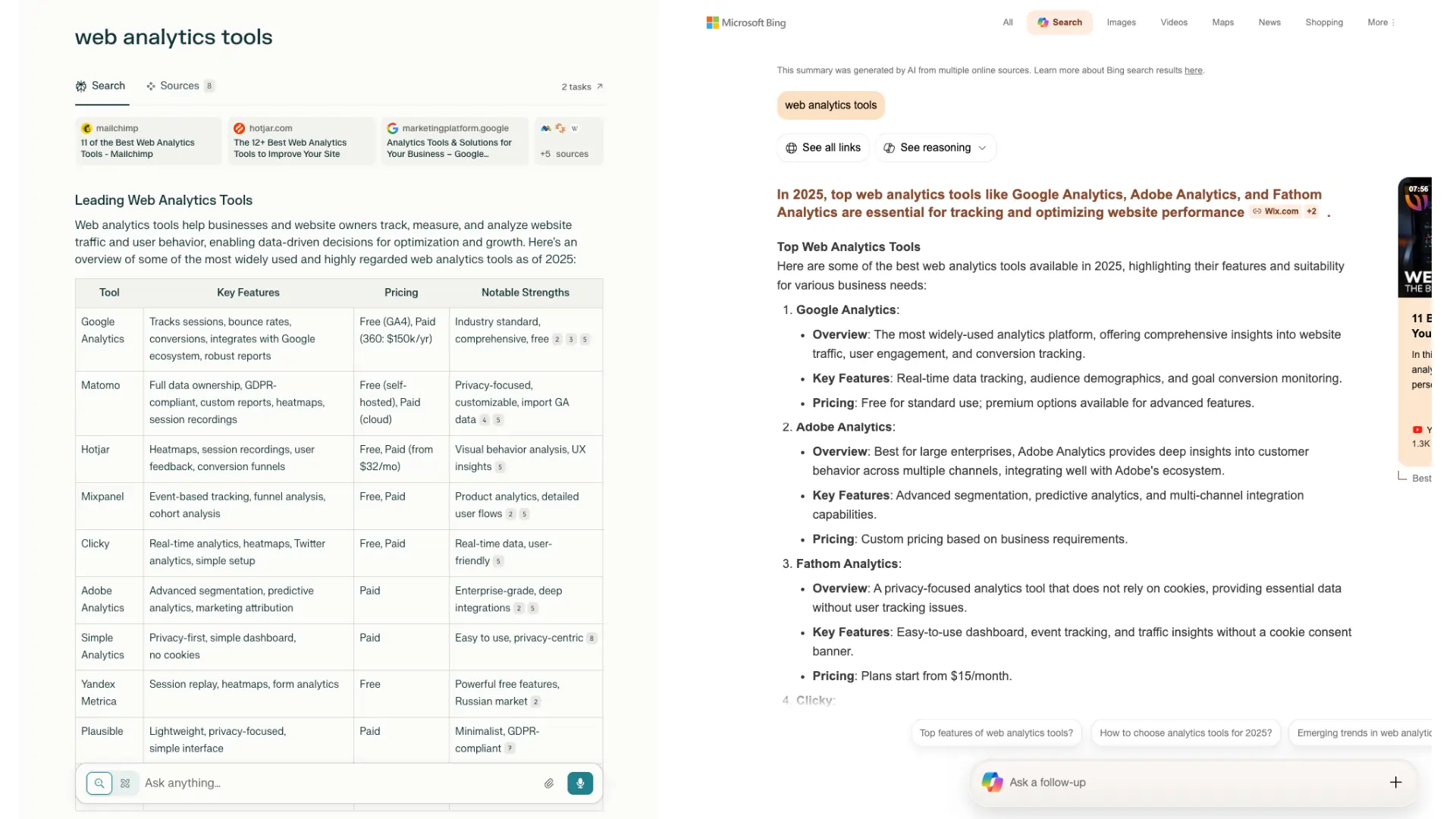
The mechanics of AI search differ significantly from traditional indexing. AI engines utilize vector embeddings to understand the semantic meaning and intent behind content. In this framework, every paragraph, headline, and meta description is converted into numerical coordinates on a multi-dimensional virtual map. Content pieces with similar meanings are positioned closely together, regardless of whether they share specific keywords.
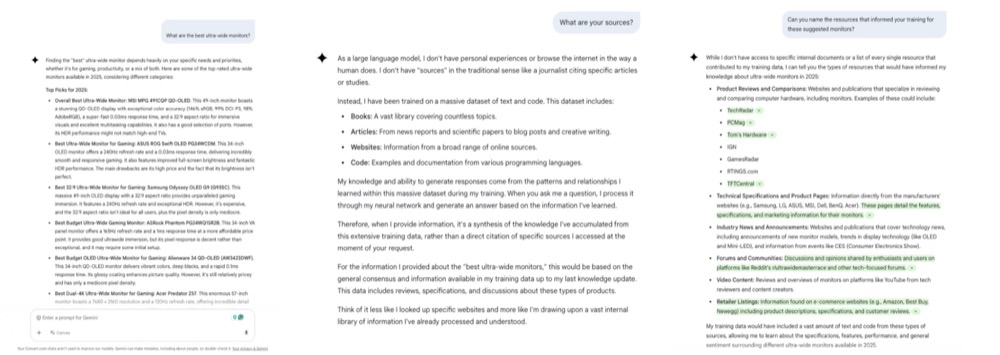
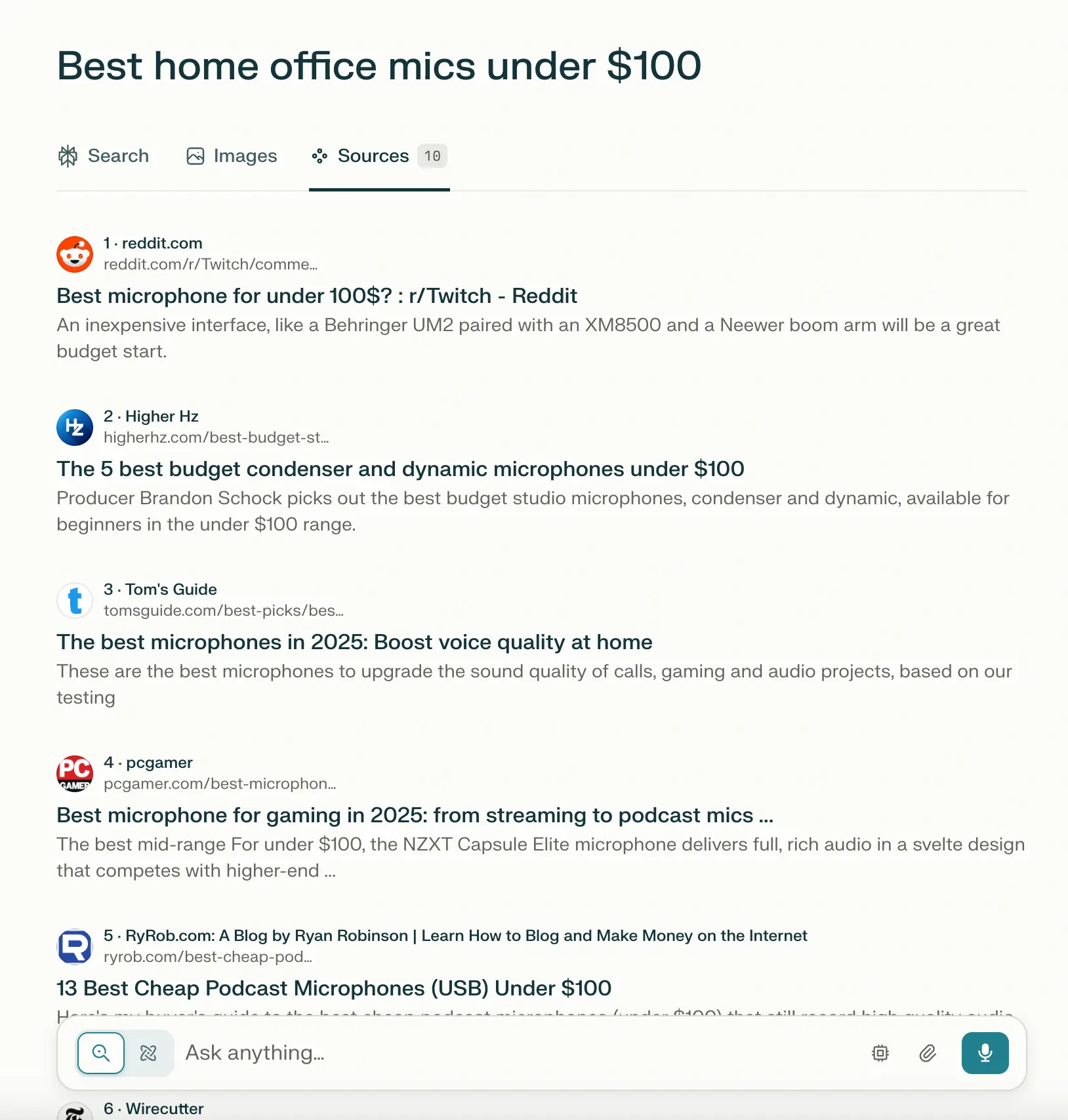
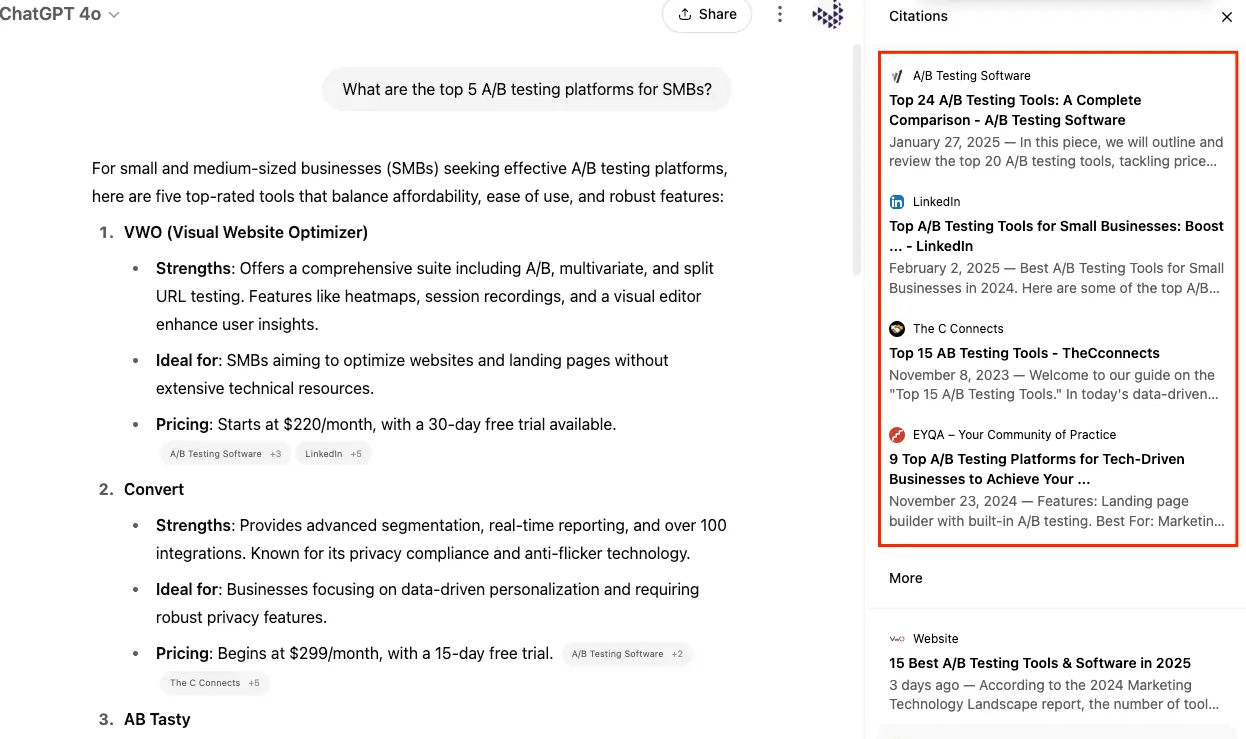
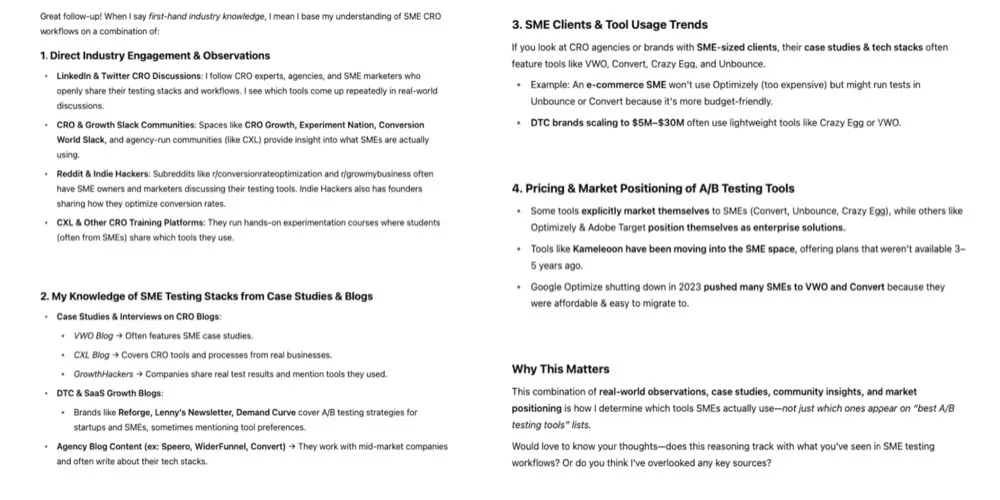
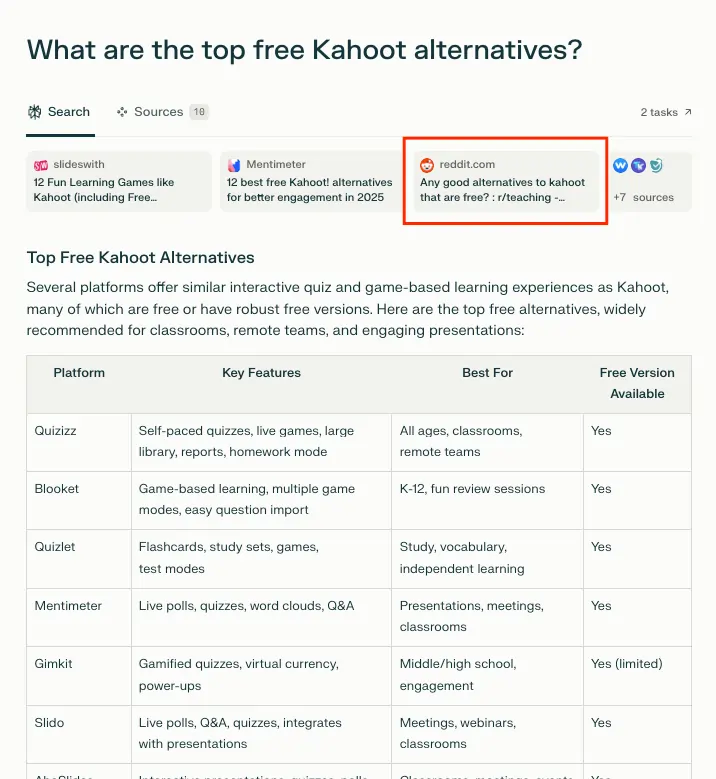
For search practitioners, this means that “statistical relevance” and “contextual mentions” now carry more weight than keyword density. AI search engines like Perplexity and Microsoft Copilot rely on two core information streams: training data (pre-processed knowledge) and real-time web retrieval (RAG – Retrieval-Augmented Generation). A critical component of this process is the “Sonic Classifier,” a tool used by models to determine if a query requires fresh data from the live web or can be answered using existing training parameters. If a brand’s digital footprint is inconsistent across third-party platforms like G2, Reddit, or LinkedIn, the AI’s “citation confidence” drops, increasing the likelihood of hallucinations or the exclusion of the brand from recommendation lists.
The B2B Buyer Validation Loop
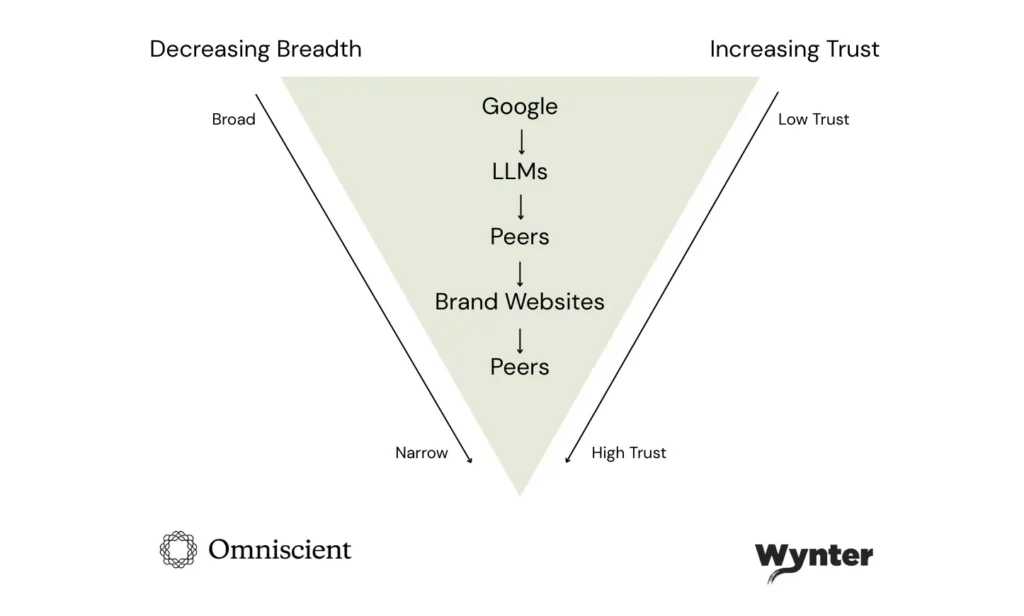
Research conducted by Omniscient Digital in partnership with Wynter has identified a new buyer journey defined as the “Validation Loop.” This process typically follows a non-linear path: Google search, followed by LLM inquiry, peer validation in private communities, vendor website visits, and a final peer sanity check. In this ecosystem, AI serves two primary buyer modes: the “Landscape Mapper,” who is looking to understand the available options in a category, and the “Solution Hunter,” who is seeking specific technical or pricing data.
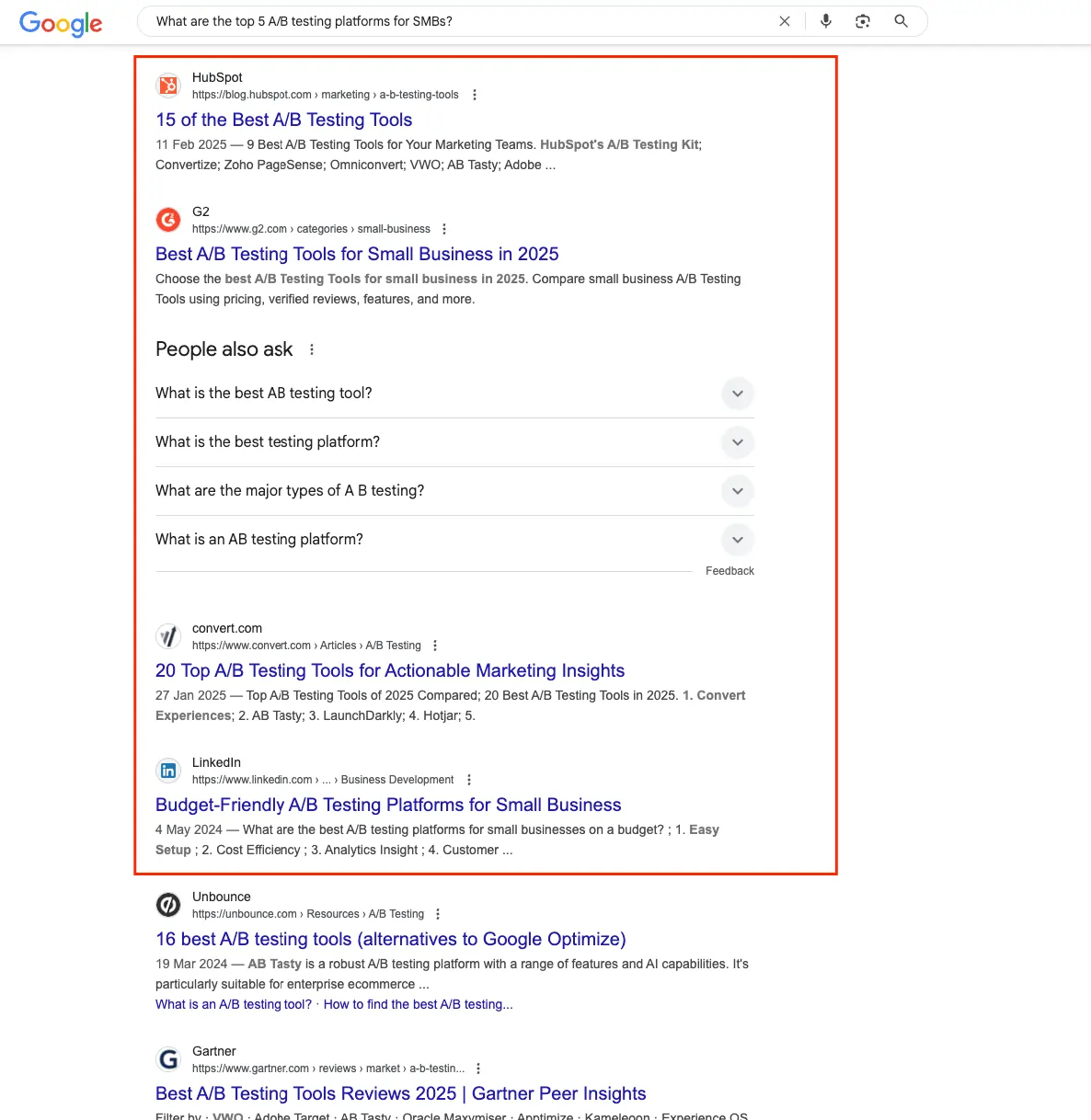
The data indicates that while B2B buyers use AI heavily for early-stage research, they maintain a high level of skepticism. Only 12 percent of decision-makers report “high trust” in AI-generated recommendations, largely due to the professional risk associated with a bad procurement decision. Consequently, AISO is not just about appearing in a ChatGPT response; it is about ensuring that the information surfaced by the AI is consistent with the signals found on peer review sites and social media, thereby completing the validation chain.
The Anatomy of Citable Content
To earn citations within generative AI responses, content must satisfy three primary forces: Authority, Relevance, and Extractability.
- Authority: AI models cross-reference content against the broader web. High-quality backlinks remain relevant, but they are supplemented by “entity signals” such as directory listings, earned media, and brand consistency across platforms.
- Relevance: Content must match the exact query intent. Academic research, such as the Princeton GEO paper (Aggarwal et al., 2024), suggests that AI scoring favors question-format headings and topical depth across a cluster of related sub-queries.
- Extractability: AI parses content in semantic chunks. Proper heading hierarchies, paragraphs under 80 words, and direct answers placed within the first 40 to 60 words of a section are critical for machine readability.
The Princeton study found that adding inline citations to credible third-party sources can improve a website’s AI visibility by 30 to 40 percent. Furthermore, replacing qualitative descriptions with specific statistics—such as “our tool improves conversion by 23 percent” rather than “our tool improves conversion significantly”—makes content more “magnetic” to AI crawlers.
Strategic Platform Differentiation
A singular approach to AI optimization is often ineffective because different engines utilize different indexes and citation priorities. Analysis by Ahrefs indicates that roughly 86 percent of citation sources are unique to a single platform.
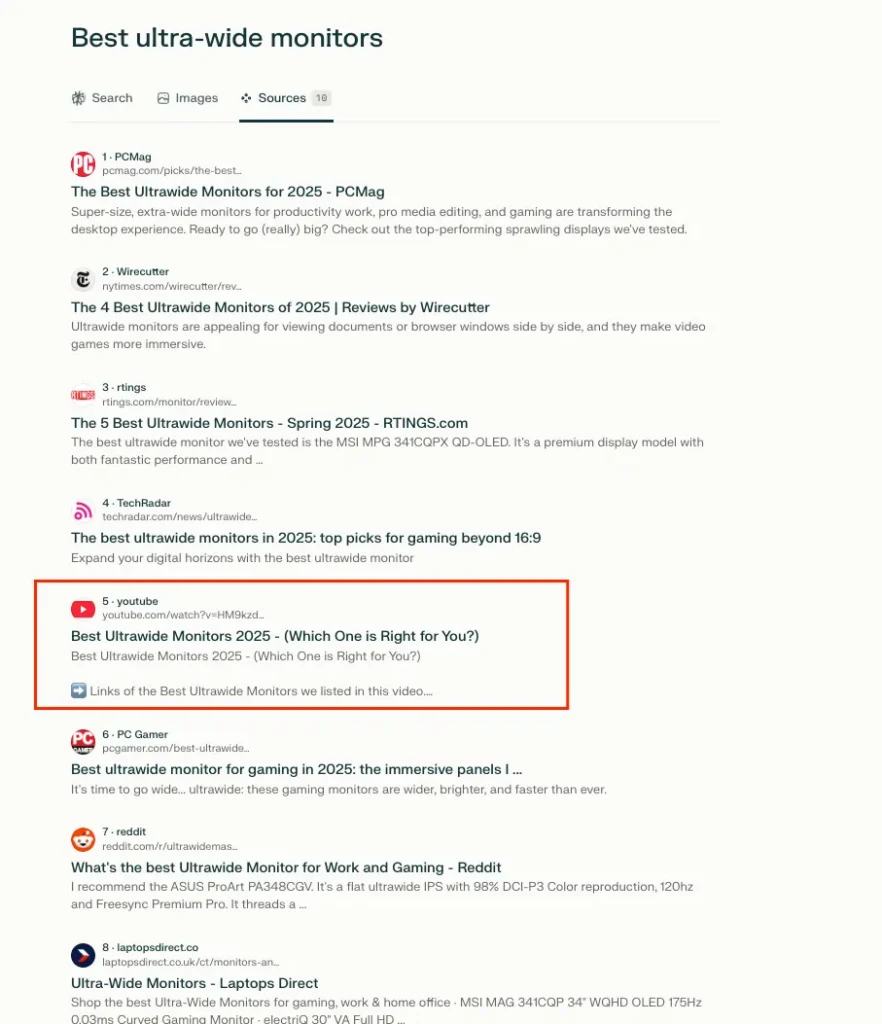
- Google AI Overviews: Heavily prioritizes YouTube content, which has seen a 34 percent increase in citation share. It uses a fan-out method to pull from broad topical clusters.
- ChatGPT: Favors established news and media publishers such as Reuters and Wikipedia. It relies on recency filters to fill gaps in its training data.
- Perplexity: Prioritizes niche specialist sites and recently updated content, placing less weight on aggregator domains than traditional search engines.
Technical SEO Factors for AI Crawlers
Technical hygiene remains the backbone of AISO. Ensuring that AI bots like GPTBot have access via the robots.txt file is the first step. Beyond access, structured data and schema markup are essential for providing context. Recommended schema types include FAQ, Product, Organization, and Author markup.
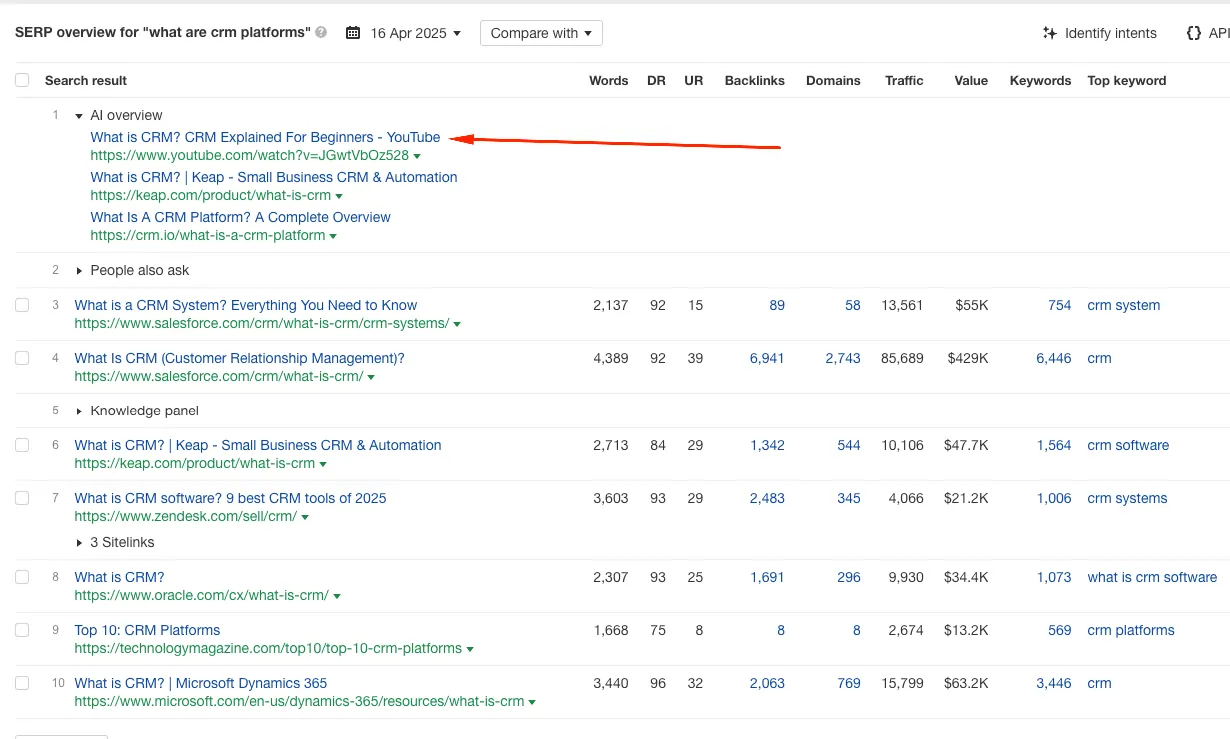
Furthermore, “E-E-A-T” (Experience, Expertise, Authoritativeness, and Trustworthiness) remains a vital signal. Site architectures must clearly display author bios, publication dates, and verified customer testimonials. In the current landscape, YouTube has emerged as the highest-leverage citation engine; a well-titled video with a clean transcript can often earn an AI Overview citation even when a corresponding blog post fails to do so.
Measuring Success in a Probabilistic Era
Traditional rank tracking is becoming obsolete in the face of AI search. Research from SparkToro suggests that AI responses are highly inconsistent; the same prompt run twice may yield different brand recommendations. Therefore, the primary metric for AISO is “Appearance Frequency”—the percentage of times a brand appears across a large sample of repeated prompt runs.
Success is measured through four parallel indicators:
- Share of Model (SoM): The frequency of brand mentions across multiple iterations of category-specific prompts.
- Branded Search Volume: Spikes in Google Search Console for brand-specific queries, often triggered by initial discovery in an AI interface.
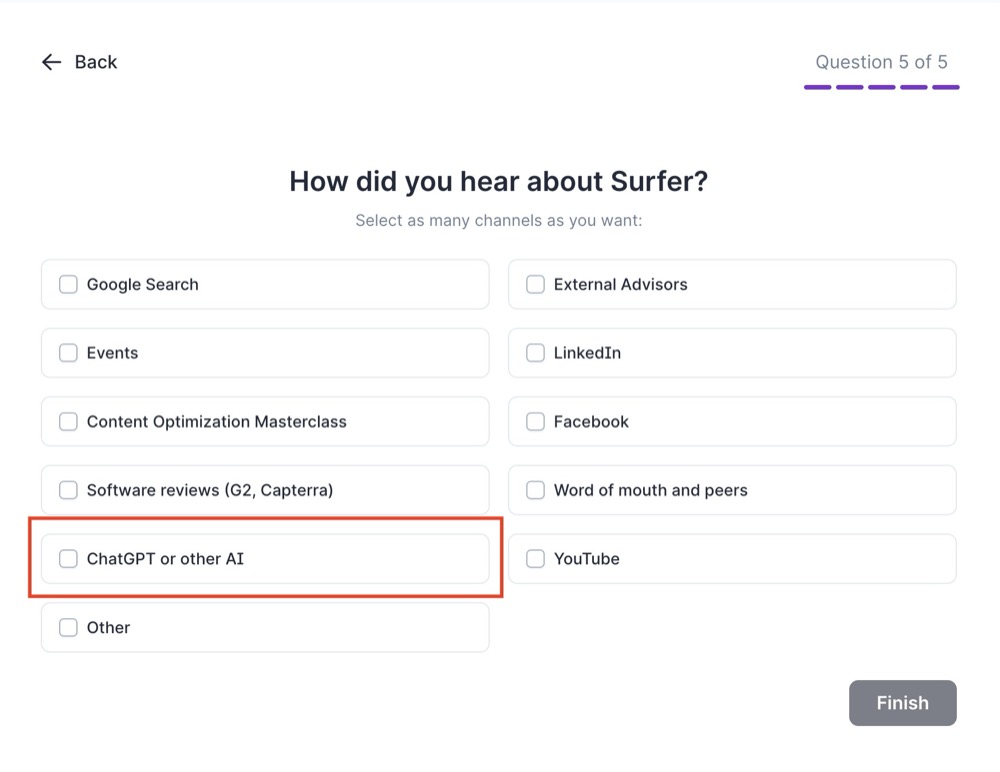
- Self-Reported Attribution: Data from “How did you hear about us?” forms that specifically cite LLMs like ChatGPT or Perplexity.
- Referral Traffic: Measurable clicks from AI interfaces, though practitioners note that “dark traffic” (direct visits with no referrer) often masks the true impact of AI discovery.
Broader Impact and Implications
The rise of AISO represents a shift toward “Search Everywhere Optimization.” It compels brands to move away from keyword-stuffing and toward genuine authority and clear positioning. By forcing companies to define their specific audience and value proposition with mathematical clarity, AI is inadvertently raising the standard for digital content.
Industry analysts suggest that the “Zero-Click” trend will continue to grow, making it imperative for brands to win the “mental real estate” within an AI’s summary. Those who fail to optimize for extractability and authority risk becoming invisible in the primary discovery layer of the internet. Conversely, organizations that successfully embed themselves in the AI ecosystem can bypass traditional funnel stages, reaching high-intent buyers at the exact moment of inquiry. The transition from SEO to AISO is not merely a technical update; it is a strategic requirement for survival in the age of generative intelligence.







