PubMatic, a leading sell-side platform (SSP), is rapidly transforming the advertising technology landscape with its agentic AI-driven solutions, signaling a significant departure from traditional direct ad buys. The company announced during its first-quarter earnings call on Thursday that it has successfully executed over 30 fully autonomous, end-to-end agentic campaigns through its proprietary AgenticOS platform. This milestone, coupled with more than 1,000 direct publisher deals already processed via AgenticOS, underscores a strategic pivot towards AI-powered automation in programmatic advertising.
The emergence of agentic AI in ad tech, once confined to direct ad sales, is now expanding its reach, promising greater efficiency and cost savings for advertisers and publishers alike. PubMatic’s CEO, Rajeev Goel, highlighted the substantial impact of these AI-driven initiatives, noting that they propelled an 80% year-over-year growth in the company’s emerging revenue category during the first quarter. This segment now constitutes 14% of PubMatic’s total revenue, a testament to the growing adoption and effectiveness of its AI technologies.
This burgeoning AI segment was a key contributor to PubMatic’s overall 13% year-over-year revenue growth in Q1, with total revenue reaching $62.6 million. The company also reported robust double-digit year-over-year growth in monetized impressions. Breaking down specific channels, Connected TV (CTV) as a standalone category saw an impressive 18% year-over-year increase, while mobile app revenue surged by 25%. These figures paint a picture of a company experiencing significant expansion, largely fueled by its investment in and rollout of advanced AI capabilities.
The Agentic Advantage: Efficiency and Enhanced Value
PubMatic’s AgenticOS platform is not merely a revenue generator; it is actively enhancing campaign performance for its users. According to CEO Rajeev Goel, buyers leveraging the solution are experiencing substantial improvements, reporting a 30% to 40% increase in Cost Per Mille (CPM) efficiency. Furthermore, advertisers are able to acquire 40% more publisher inventory, a benefit attributed to the elimination of fees typically levied by intermediary ad tech platforms in end-to-end agentic deals facilitated by PubMatic.
“It’s a single layer of technology, and it looks a lot like what the walled gardens leverage to drive ad performance,” Goel remarked, drawing a parallel between AgenticOS and the sophisticated systems employed by major tech giants to optimize ad delivery and efficacy. This streamlined approach, characterized by a reduced number of intermediaries, directly translates into cost savings and greater access to premium inventory for advertisers.
The company’s strategic focus on consolidating the ad tech supply chain is further evidenced by the performance of its Activate direct-to-buyer connection, which has tripled its business since the first quarter of the previous year. Complementing this, PubMatic’s Connect data platform has expanded its network to include over 300 data and commerce media partners, notably including major players like Walmart Connect and PayPal Ads. This extensive network facilitates richer data insights and more targeted advertising opportunities.
The mobile app business, a significant growth engine for PubMatic, demonstrated its strength with a 25% year-over-year increase in revenue. This segment, alongside omnichannel video, contributed to a 5% rise in display advertising revenue for the SSP. Collectively, mobile and omnichannel video accounted for a substantial 79% of PubMatic’s Q1 revenue. PubMatic has solidified its presence in the mobile ecosystem through integrations with the three leading mobile ad mediation platforms: AppLovin Max, Google AdMob, and Unity LevelPlay. This strategic integration grants PubMatic access to more than 90% of global mobile Software Development Kit (SDK) inventory, positioning it as a dominant force in mobile ad monetization.
AI-Powered Creative and Future Growth Projections
Beyond campaign execution and inventory access, PubMatic’s AgenticOS platform also features a Creative Innovation Suite. This AI-powered tool is designed to generate consistent creative assets tailored for viewers across Connected TV (CTV), mobile, and online display touchpoints. Agencies such as Horizon Media, Crossmedia, and Kelly Scott Madison have reportedly adopted this creative suite, recognizing its potential to streamline creative production and enhance campaign personalization.
Goel expressed confidence that these integrated AI capabilities provide a robust foundation for continued growth. PubMatic reaffirmed its previous second-quarter projection of a double-digit growth rate for the latter half of the current year. This optimistic outlook is built on the sustained demand for AI-driven advertising solutions and the company’s expanding platform capabilities.
However, investor sentiment regarding the long-term revenue sustainability of PubMatic’s agentic AI business remains mixed. Some investors have voiced concerns that despite the impressive number of direct deals and autonomous campaigns run through AgenticOS, these initiatives still represent “an immaterial percentage” of PubMatic’s overall business. In response, PubMatic CFO Steve Pantelick clarified that AI’s impact extends beyond new campaign types. He highlighted AI’s role in accelerating publishers’ campaign setup and troubleshooting processes, anticipating that these efficiency gains will contribute to ongoing double-digit growth, alongside the strong performance of mobile and CTV segments.
Navigating Market Headwinds: DSP Competition and Regional Dynamics
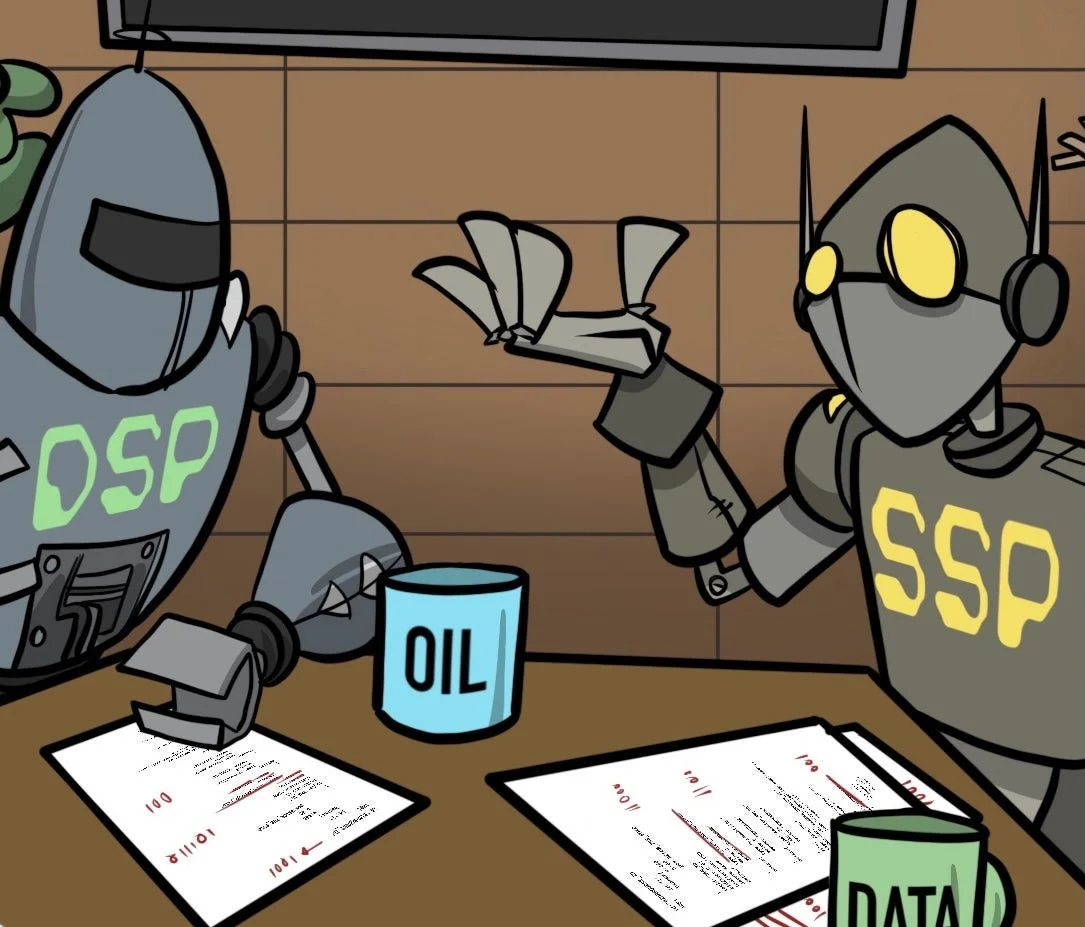
While PubMatic is largely optimistic about its AI-driven future, the company is also contending with persistent challenges within the programmatic ecosystem, particularly the ongoing competition between Demand-Side Platforms (DSPs) and Supply-Side Platforms (SSPs) for direct advertiser business.
PubMatic has experienced headwinds from a major, unnamed DSP—widely understood to be The Trade Desk—which has reduced its spending on PubMatic’s SSP. This reduction is largely attributed to the DSP’s increased adoption of its own direct-to-publisher solution, OpenPath, which bypasses SSPs. This strategic shift by the unnamed DSP contributed to a 12% year-over-year decline in PubMatic’s US revenue during the first quarter. However, this domestic dip was counterbalanced by significant growth in other regions, with the Asia-Pacific market experiencing a 25% increase and the Europe, Middle East, and Africa (EMEA) region growing by 10%.
The pullback from this key DSP is expected to continue to impact PubMatic’s earnings in the second quarter, with the company projecting a revenue decrease of between 2% and 4% for the upcoming quarter. Multiple investors sought clarification on the extent of this DSP’s impact during the earnings call. Pantelick responded by noting that revenue from the DSP in question actually exceeded expectations in Q1, a positive outcome attributed to PubMatic’s proactive efforts to “optimize our platform to meet the needs of this buyer.” The company anticipates fully lapping the impact of this DSP’s reduced spend by the third quarter.
To mitigate the revenue impact of this consolidation, PubMatic has actively diversified its partnerships. The company onboarded more than 50 additional DSPs over the past year and observed a 20% growth in its integrations with mid-market DSPs during the first quarter.
Further bolstering its platform, PubMatic announced a strategic deal with Amazon DSP during the quarter. This integration of Amazon’s Dynamic Traffic Engine has reportedly improved publisher CPMs by up to 10% since its implementation, demonstrating the value of strategic alliances in enhancing platform performance and publisher outcomes.
Strategic Leadership and Future Opportunities
Looking ahead, PubMatic faces a leadership transition with the departure of Kyle Dozeman, CRO of the Americas, and Paulina Klimenko, Chief Growth Officer. CEO Rajeev Goel indicated that the company is exploring options to consolidate some of their responsibilities into a new global Chief Revenue Officer (CRO) position. This strategic restructuring aims to streamline leadership and foster a more unified global approach to revenue generation.
PubMatic identifies significant growth opportunities in serving mid-market, performance-focused DSPs and midsize independent agencies. Goel noted that these entities have demonstrated a more agile adoption of AI solutions compared to their larger, agency holding company counterparts. This focus on emerging and adaptable market segments is likely to fuel future expansion.
In anticipation of the growing advertising opportunities within emerging AI platforms, PubMatic is keenly interested in collaborating with OpenAI. As ChatGPT becomes more accessible for advertising, Goel stated that PubMatic has already been engaging with smaller AI players like Kontext and Dappier. The SSP is actively “innovating on the ad formats and appropriate signals to monetize that kind of inventory.”
Goel referenced OpenAI’s ambitious goal of generating $100 billion in advertising revenue by 2030 as a clear indication that such platforms will necessitate partnerships with established players like PubMatic. “It’s going to be an ecosystem-wide effort for them to get to that level,” he asserted, emphasizing the symbiotic relationship between AI innovators and established ad tech infrastructure providers. This forward-looking perspective positions PubMatic as a key enabler for the future of AI-driven advertising monetization.