rifanmuazin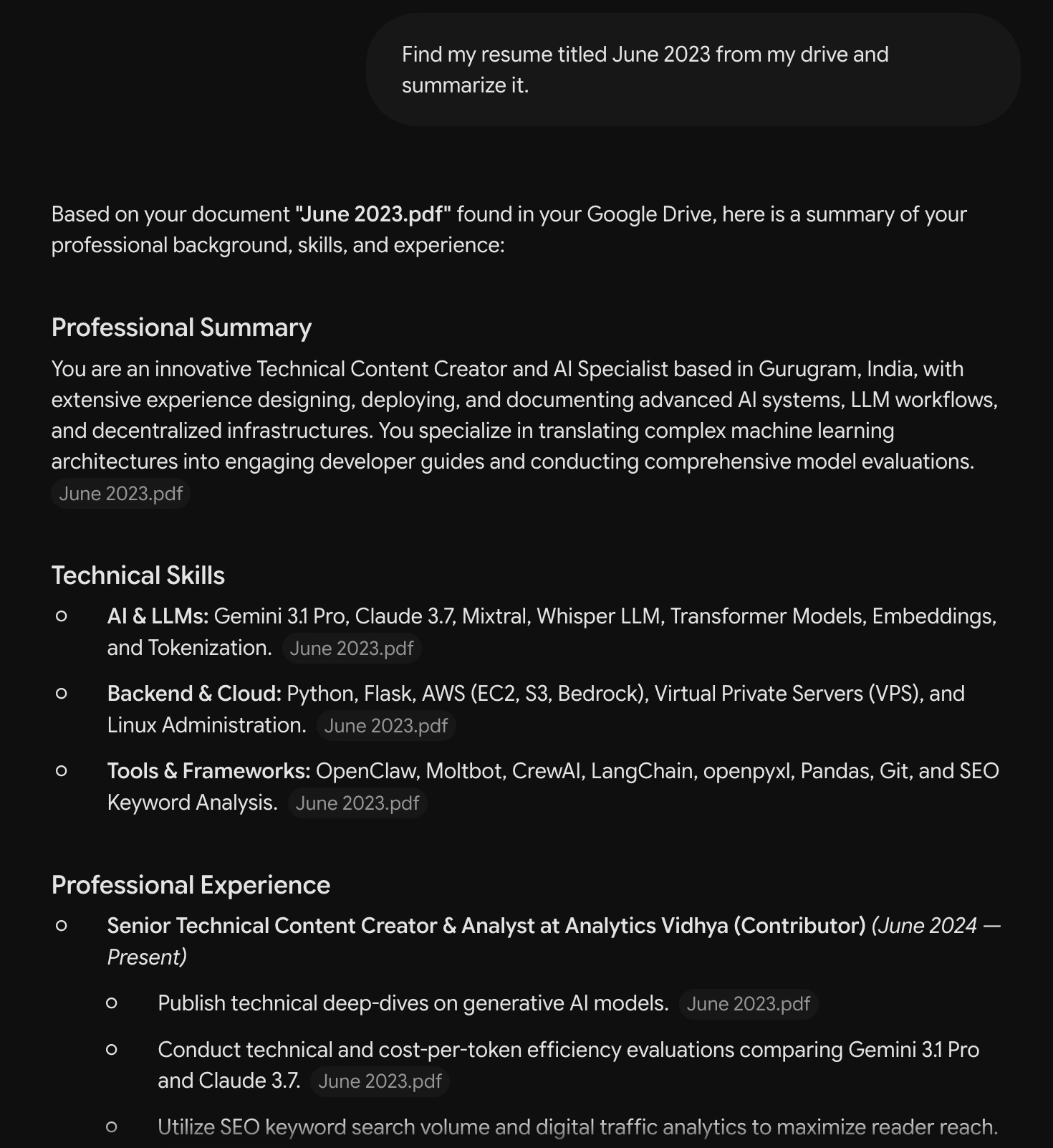
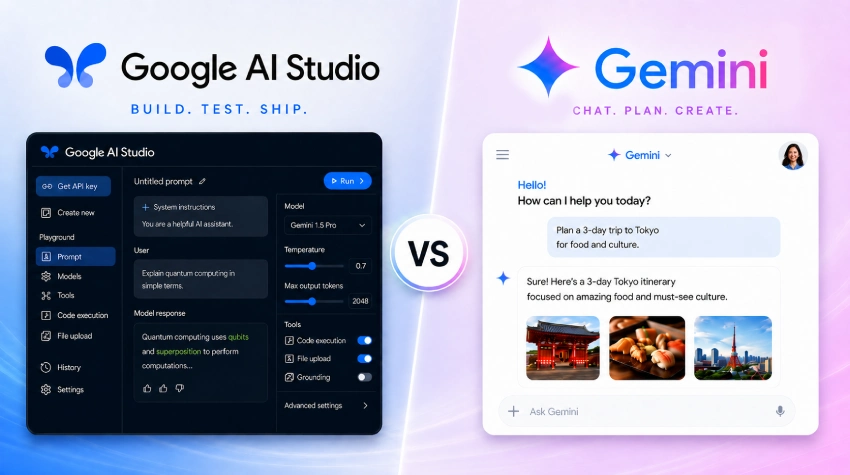
The rapid evolution of Google’s artificial intelligence strategy has led to the development of a multifaceted ecosystem under the Gemini brand, often resulting in confusion for both casual users and professional developers. At the heart of this ecosystem lie two primary interfaces: the Gemini App and Google AI Studio. While both platforms provide access to Google’s most advanced large language models (LLMs), they are designed for fundamentally different purposes. The Gemini App serves as a consumer-facing personal assistant, while Google AI Studio functions as a sophisticated developer workbench for prototyping and building AI-integrated applications. Understanding the distinctions between these two platforms is essential for navigating the modern landscape of generative AI and maximizing the utility of Google’s technological offerings.
The primary divergence between the platforms is found in their core intent. The Gemini App is built for “using” AI in a conversational, everyday context—facilitating tasks such as drafting emails, planning travel itineraries, or conducting general research. Conversely, Google AI Studio is a dedicated environment for “building” with AI. It provides the granular controls and technical infrastructure required for prompt engineering, model behavior testing, and API integration. This binary—assistant versus workbench—dictates every feature, pricing structure, and user interface choice within the respective platforms.
The Evolution of the Gemini Ecosystem: A Chronology
The current state of Google’s AI offerings is the result of a swift rebranding and technical acceleration that began in early 2023. Following the initial launch of Bard, Google’s first major response to the generative AI surge, the company moved to consolidate its branding under the Gemini name in February 2024. This transition was not merely cosmetic; it signaled a shift toward a unified model architecture that could serve multiple tiers of users.
In May 2024, during the Google I/O developer conference, the company expanded the ecosystem further by introducing Gemini 1.5 Flash, a high-speed, cost-efficient model designed for high-frequency tasks. During this same period, Google AI Studio was positioned as the primary “fast track” for developers to access these models. The timeline of these developments reflects Google’s dual-track strategy: capturing the retail consumer market through the Gemini App while simultaneously competing for the developer and enterprise market through AI Studio and the broader Vertex AI platform on Google Cloud.
The Gemini App: The Consumer Assistant Experience
The Gemini App is engineered to be a “ready-to-use” product. It is the direct successor to Google Assistant and Bard, designed with a focus on accessibility and integration into the user’s personal digital life. Its interface is clean, prioritizing a chat-based experience that feels natural and intuitive.
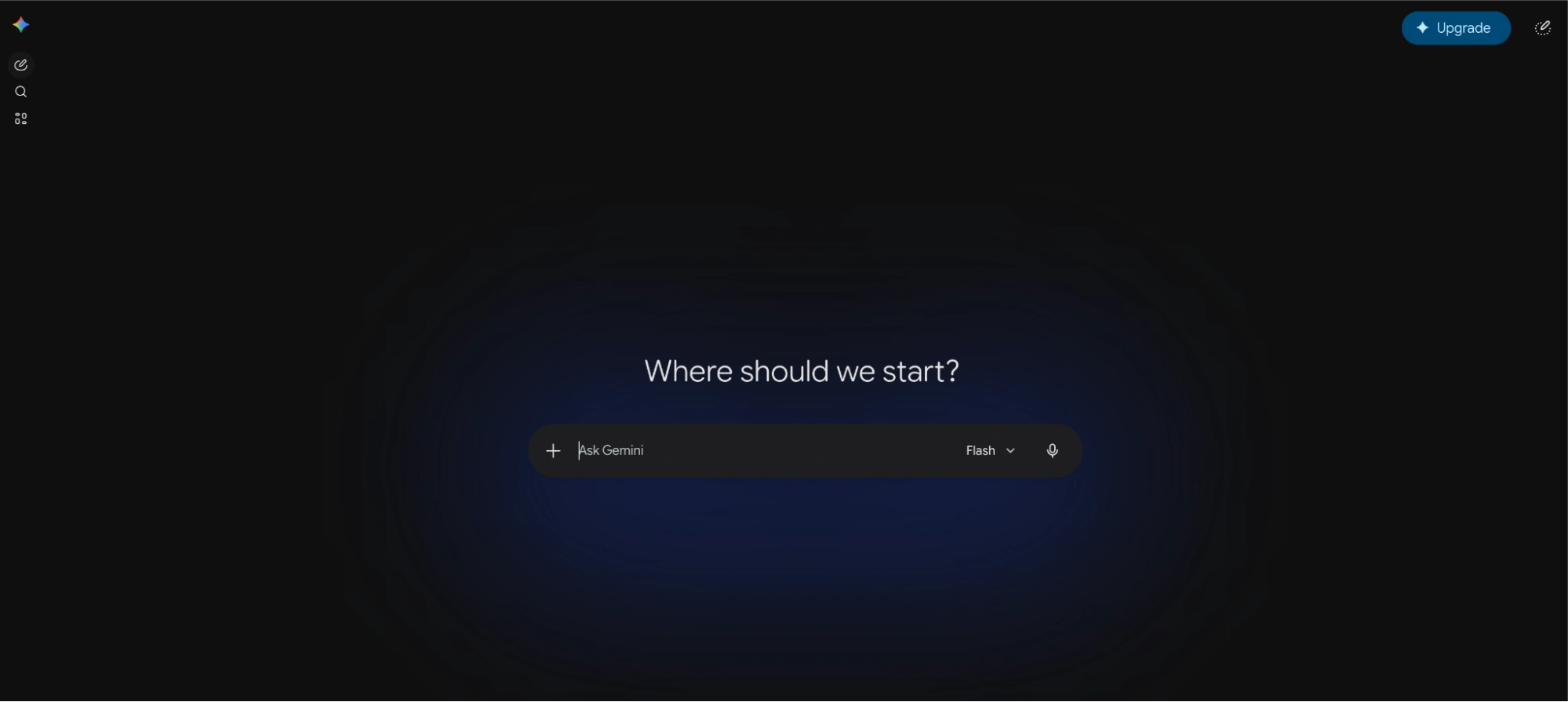
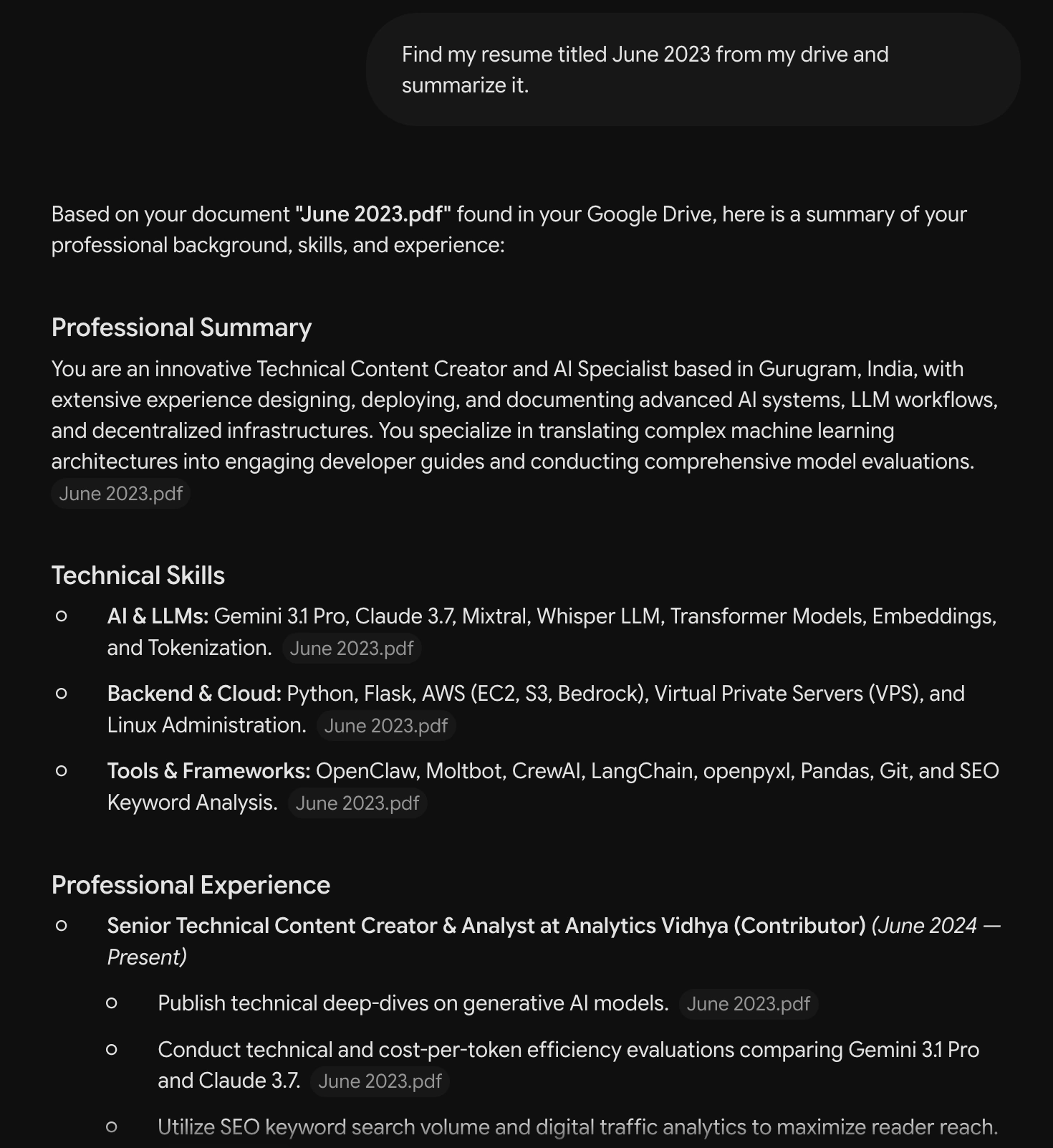
Key features of the Gemini App include seamless integration with the Google Workspace ecosystem. Depending on the user’s subscription tier, the app can access and summarize information from Gmail, Google Drive, and Google Docs. For example, a user can prompt the app to “find my flight details from my emails and add them to my calendar.” This level of cross-app functionality is unique to the Gemini App and is not natively available in the developer-centric AI Studio.
The Gemini App also emphasizes multimodal capabilities in a consumer context. Users can upload images to ask for recipes based on ingredients shown, or use the mobile app’s “Overlay” feature to get real-time assistance with what is currently on their smartphone screen. However, these features are abstracted for simplicity. The user has little control over the model’s “temperature” (randomness) or “top-P” settings; the focus is entirely on the quality and helpfulness of the output.
Google AI Studio: The Developer’s Workbench
Google AI Studio represents the “pro” side of the ecosystem, though it is not a “pro” version of the chatbot. Instead, it is a playground for technical users. It provides direct access to the Gemini API, allowing developers to experiment with how the models behave under specific conditions before integrating them into third-party software.
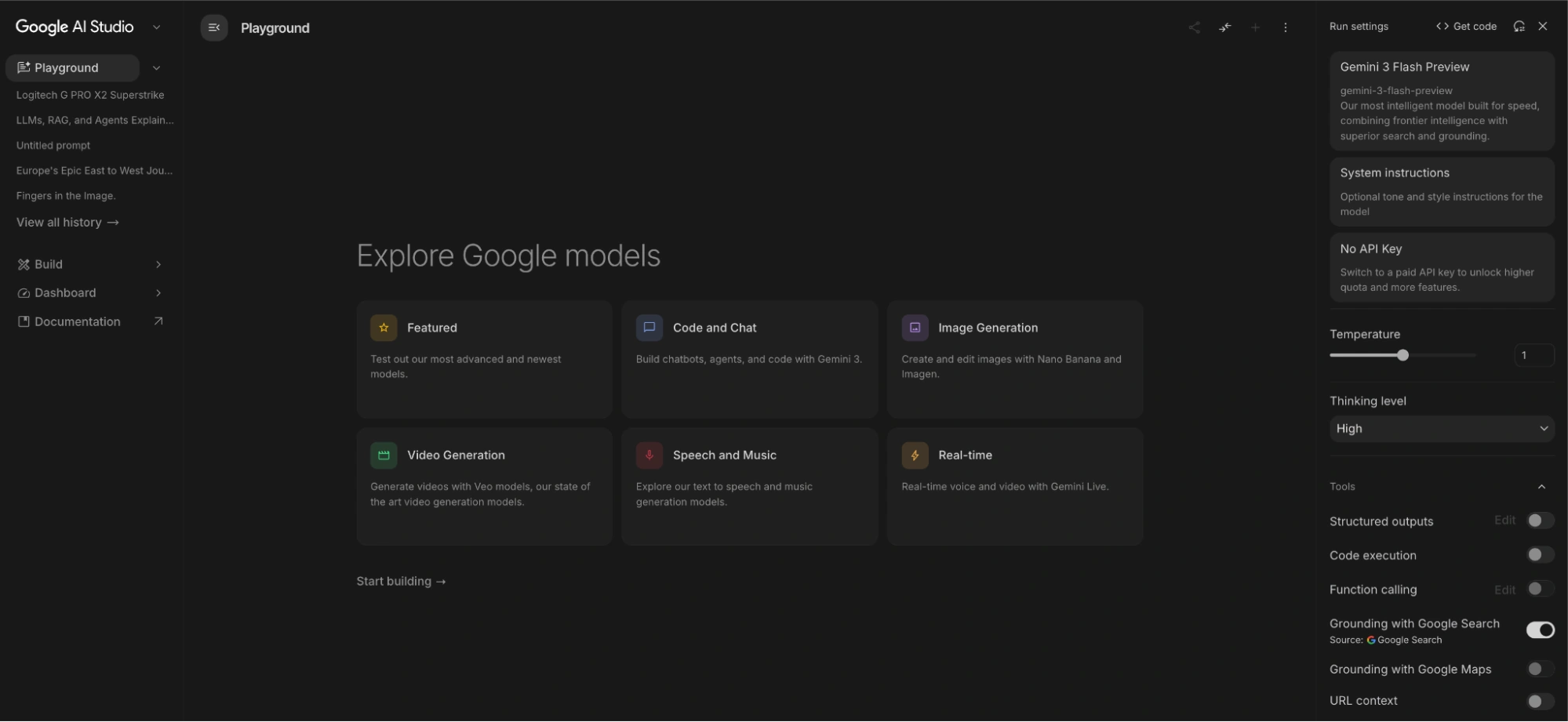
The interface of AI Studio is characterized by “knobs and dials.” Users can select specific model versions, such as Gemini 1.5 Pro or Gemini 1.5 Flash, and adjust technical parameters that are hidden in the consumer app. These include:
- System Instructions: Developers can define a “persona” or set of rules that the model must follow consistently, which is essential for maintaining brand voice or safety protocols in custom apps.
- Temperature and Safety Settings: These allow users to control the creativity of the model and the strictness of its safety filters.
- Token Visibility: Unlike the Gemini App, which hides the technical cost of a prompt, AI Studio provides a clear count of “tokens”—the basic units of text processed by the model. This is critical for developers who must manage budgets and rate limits.
- Structured Output: AI Studio allows users to toggle “JSON mode,” ensuring the model returns data in a machine-readable format that can be immediately used in a software backend.
Comparative Analysis of Pricing and Usage Limits
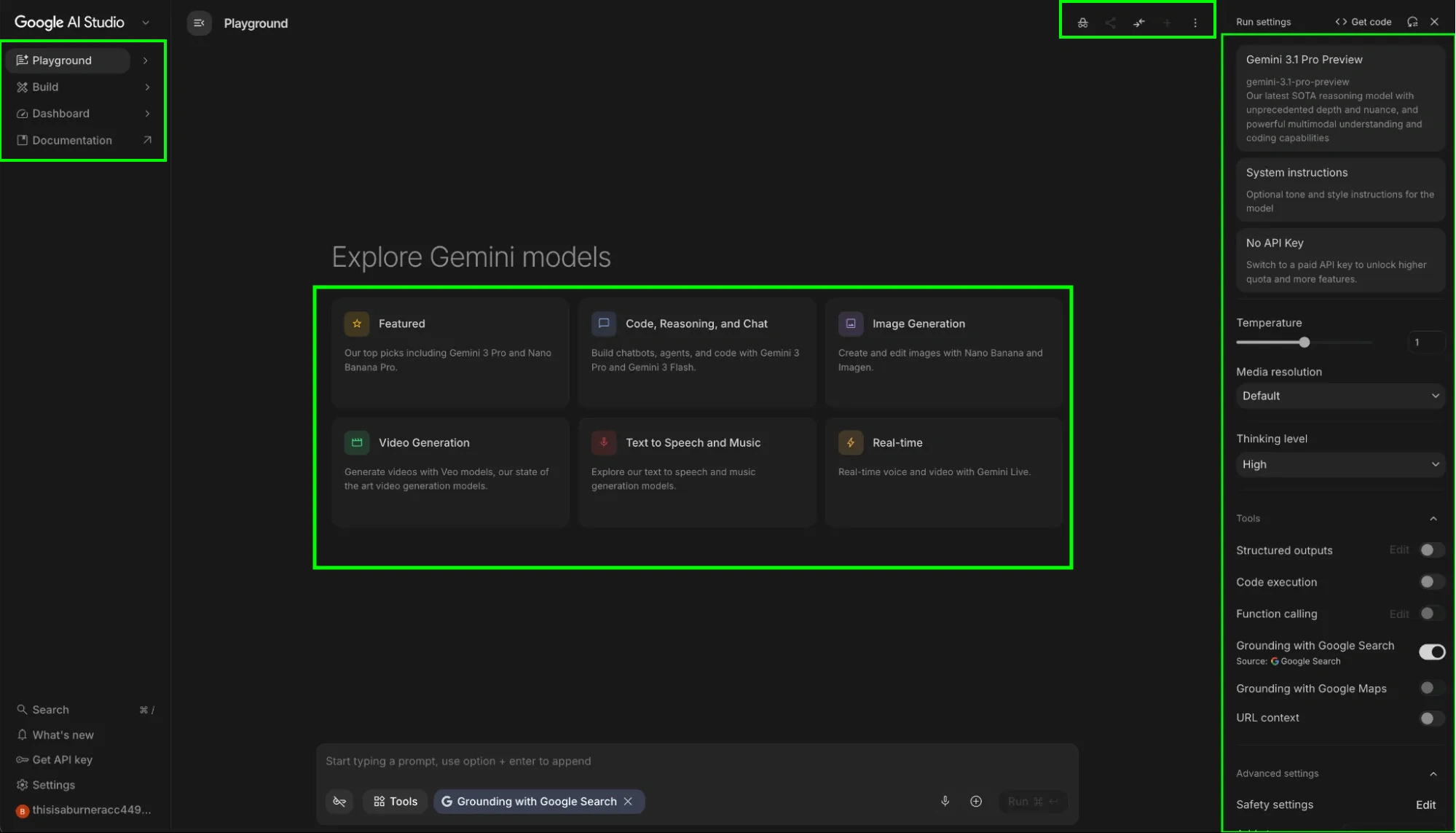
The financial models of the two platforms further illustrate their different target audiences. The Gemini App operates on a consumer subscription model. While a free tier exists, the “Gemini Advanced” tier is typically bundled with a Google One AI Premium plan, costing approximately $19.99 per month. This subscription grants the user higher priority access to the 1.5 Pro model and deeper integration with Google Workspace.
Google AI Studio, however, utilizes a developer-centric pricing structure based on API usage. For many users, there is a “Free of Charge” tier that allows for significant prototyping within specific rate limits (requests per minute and tokens per minute). For production-level use, the pricing shifts to a pay-as-you-go model. For instance, as of mid-2024, the Gemini 1.5 Flash model is priced at approximately $0.075 per 1 million tokens for prompts under 128,000 tokens. This allows developers to scale their costs exactly to their app’s usage, a model that would be impractical for a casual consumer.
Technical Data: Context Windows and Model Performance
A significant technical advantage of Google AI Studio is the ability to leverage the full “context window” of the Gemini models. Gemini 1.5 Pro, for instance, supports a context window of up to 2 million tokens. In AI Studio, a developer can upload massive codebases or several hour-long videos and ask the model to analyze specific details across the entire dataset. While the Gemini App can handle file uploads, its processing is often more optimized for summarization rather than the exhaustive, multi-document analysis that the Studio environment facilitates.
Industry analysts have noted that Google’s decision to offer a 2-million-token window is a strategic move to outpace competitors like OpenAI’s GPT-4o. By providing this capability in a free-to-start environment like AI Studio, Google is lowering the barrier to entry for complex AI research and development.
Official Positioning and Industry Implications
Google’s official documentation positions AI Studio as the “fastest way to start building with Gemini.” This reflects a broader industry trend where tech giants are creating tiered entry points for their AI technologies. Microsoft offers a similar split between its Copilot (consumer) and Azure AI Studio (developer), while OpenAI maintains the ChatGPT interface alongside its Developer Platform.
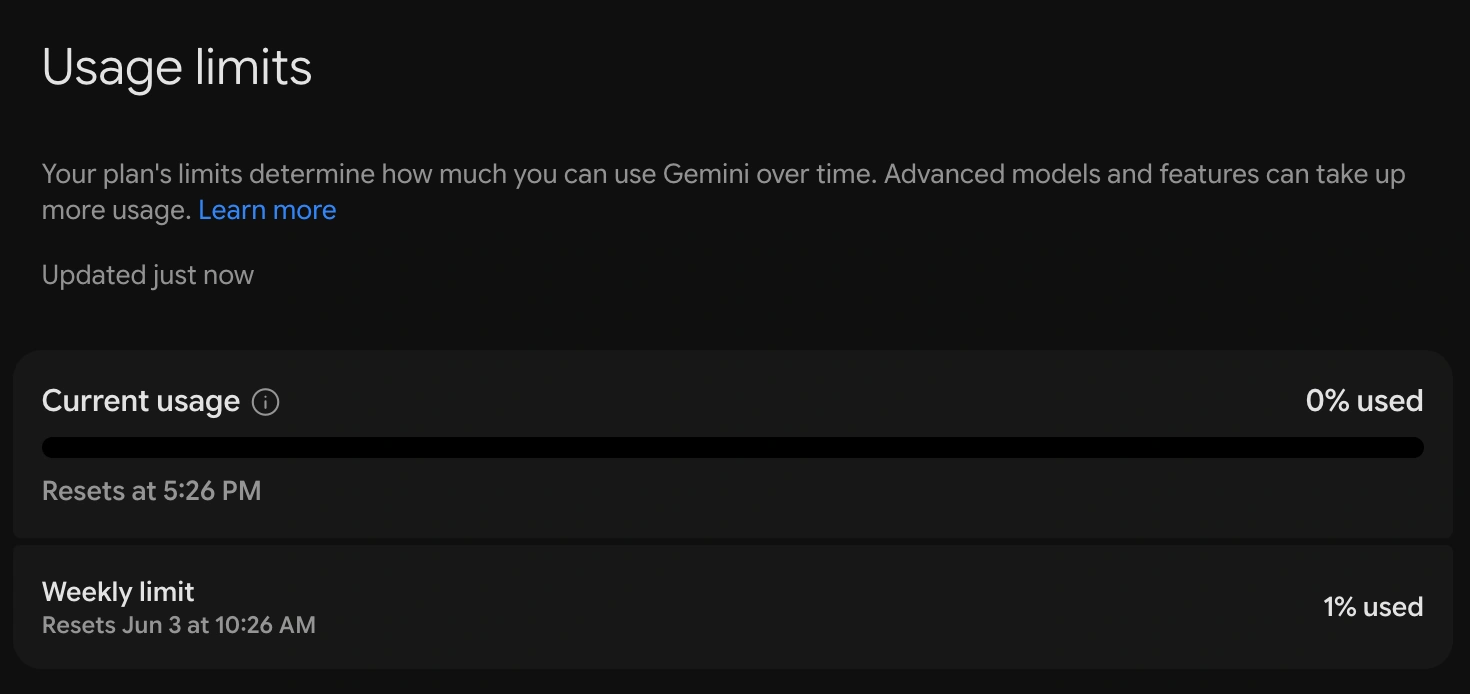
The implications of this split are significant for the labor market and software development. By providing AI Studio as a free, accessible workbench, Google is enabling a new wave of “AI-first” startups that can prototype sophisticated tools without the initial overhead of enterprise-grade cloud contracts. Analysts suggest that this “bottom-up” adoption strategy is intended to eventually funnel successful developers into Google Cloud’s Vertex AI, which offers more robust security, data residency, and enterprise management features.
Decision Framework: Which Platform to Choose?
For users navigating this ecosystem, the choice depends entirely on the end goal. If the objective is to increase personal productivity—such as summarizing a meeting or writing a draft—the Gemini App is the superior choice due to its ease of use and integration with personal data.
If the objective is to understand the underlying mechanics of AI, create a repeatable workflow for a business, or develop a new software product, Google AI Studio is the necessary environment. The ability to generate API keys in AI Studio is the ultimate divider; without an API key, the AI remains a tool for the individual; with it, the AI becomes a component of a larger system.
Final Analysis of the Gemini Ecosystem
The coexistence of the Gemini App and Google AI Studio is not a redundancy but a calculated strategy to dominate both the consumer and professional AI markets. The Gemini App humanizes the technology, making it an indispensable assistant for the general public. Google AI Studio technicalizes it, providing the precision and control required for professional engineering.
As Google continues to update these models, the gap between the two platforms may widen in terms of features, even as they share the same underlying intelligence. The Gemini App will likely become more integrated with hardware, such as Pixel phones and Nest devices, while AI Studio will likely gain more sophisticated debugging and fine-tuning tools. For now, the “App” is for those who want answers, while the “Studio” is for those who want to build the future of how those answers are generated.