rifanmuazin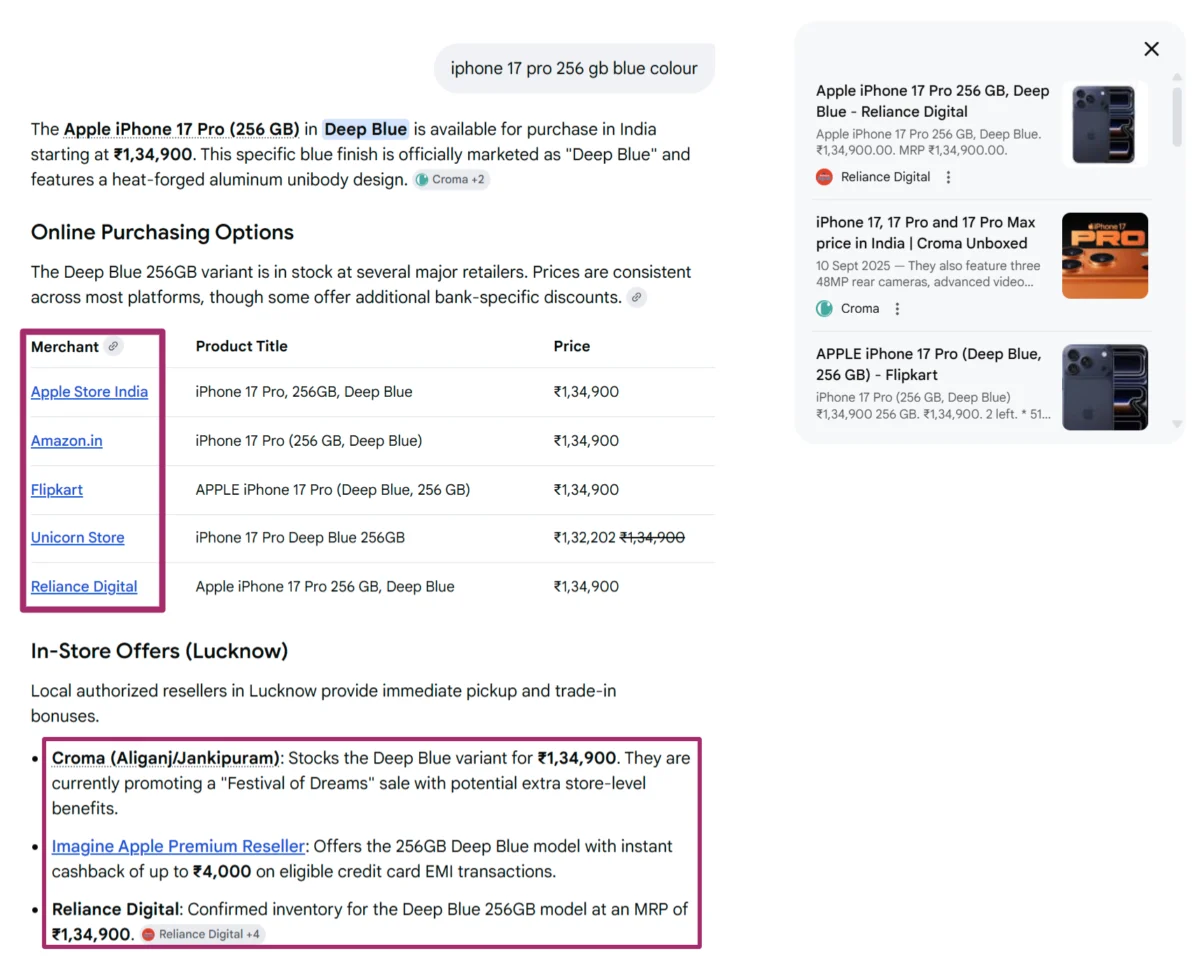
AI search is fundamentally reshaping how digital visibility operates, moving beyond the traditional paradigm where website traffic was primarily driven by users clicking on “blue links” in search engine results. This transformative shift means users are increasingly receiving direct, synthesized answers from AI, significantly reducing the opportunities for websites to drive organic traffic through conventional means. In this evolving landscape, AI citations have emerged as the new arbiters of authority, dictating which sources are deemed credible enough to be featured in these AI-generated responses. Over the past year, search algorithms have transitioned from merely ranking individual pages to meticulously selecting and validating underlying sources, propelling the digital marketing industry from traditional Search Engine Optimization (SEO) towards a more nuanced, AI-driven model of visibility.
The Evolution of Search: From Blue Links to Answer Layers
For decades, the internet’s primary discovery mechanism revolved around search engine results pages (SERPs) populated by a list of hyperlinked titles. Success in this “blue link era” was directly correlated with ranking high, as a top position almost guaranteed increased click-through rates and, consequently, website traffic. SEO strategies were meticulously crafted around keywords, backlinks, and technical optimizations designed to appease algorithms focused on page relevance and authority.
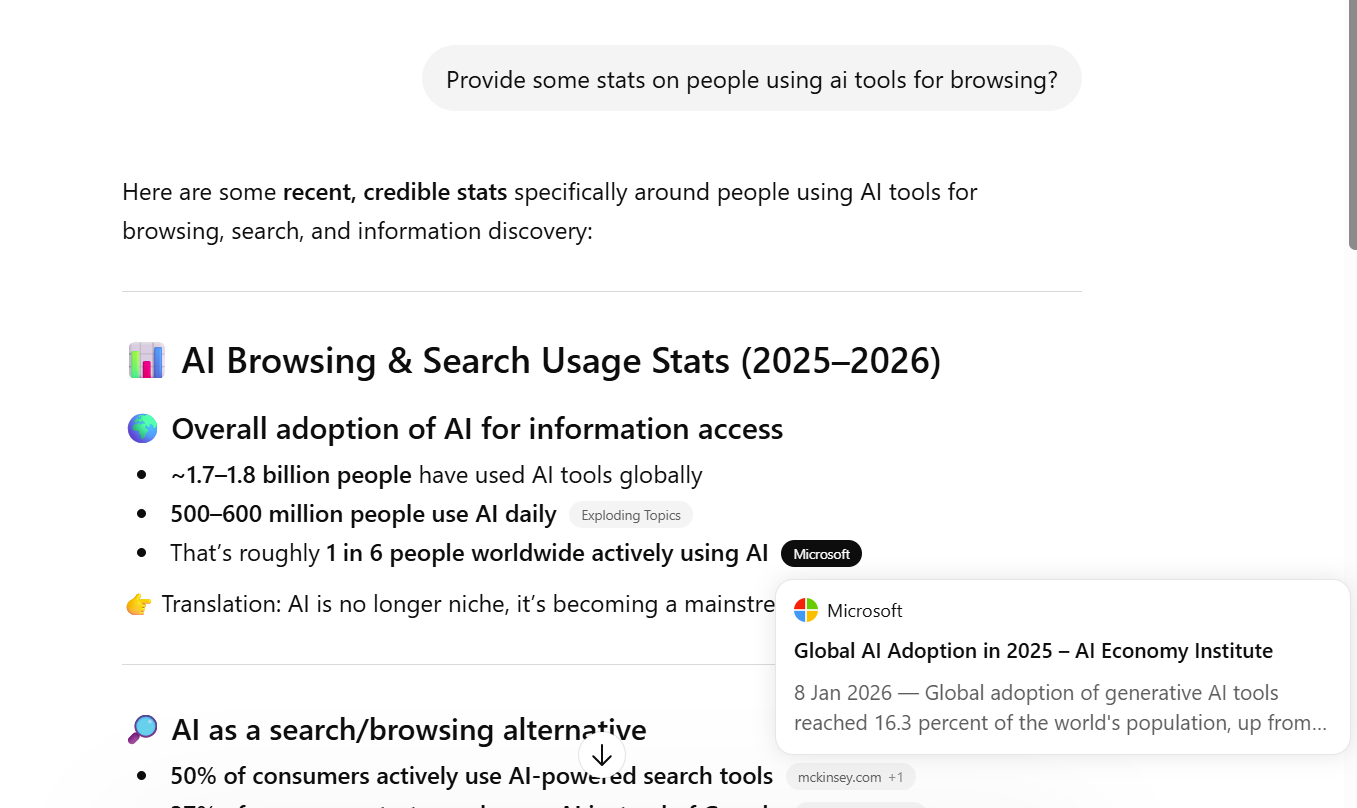
However, the advent of sophisticated Artificial Intelligence and Large Language Models (LLMs) has inaugurated a new chapter. Modern AI-powered search engines and tools like Google’s AI Overviews, ChatGPT, Gemini, and Perplexity are designed to provide immediate, comprehensive answers directly within the search interface. This shift is driven by a growing user preference for efficiency and instant gratification, as evidenced by a poll from Innovating with AI (IWAI) revealing that 67% of users find AI tools more efficient than traditional search for obtaining answers. This preference for instant answers has created an “answer layer” that often bypasses the need for users to navigate to external websites, posing a significant challenge to traditional traffic acquisition models.
What Are AI Citations? Defining the New Visibility Metric
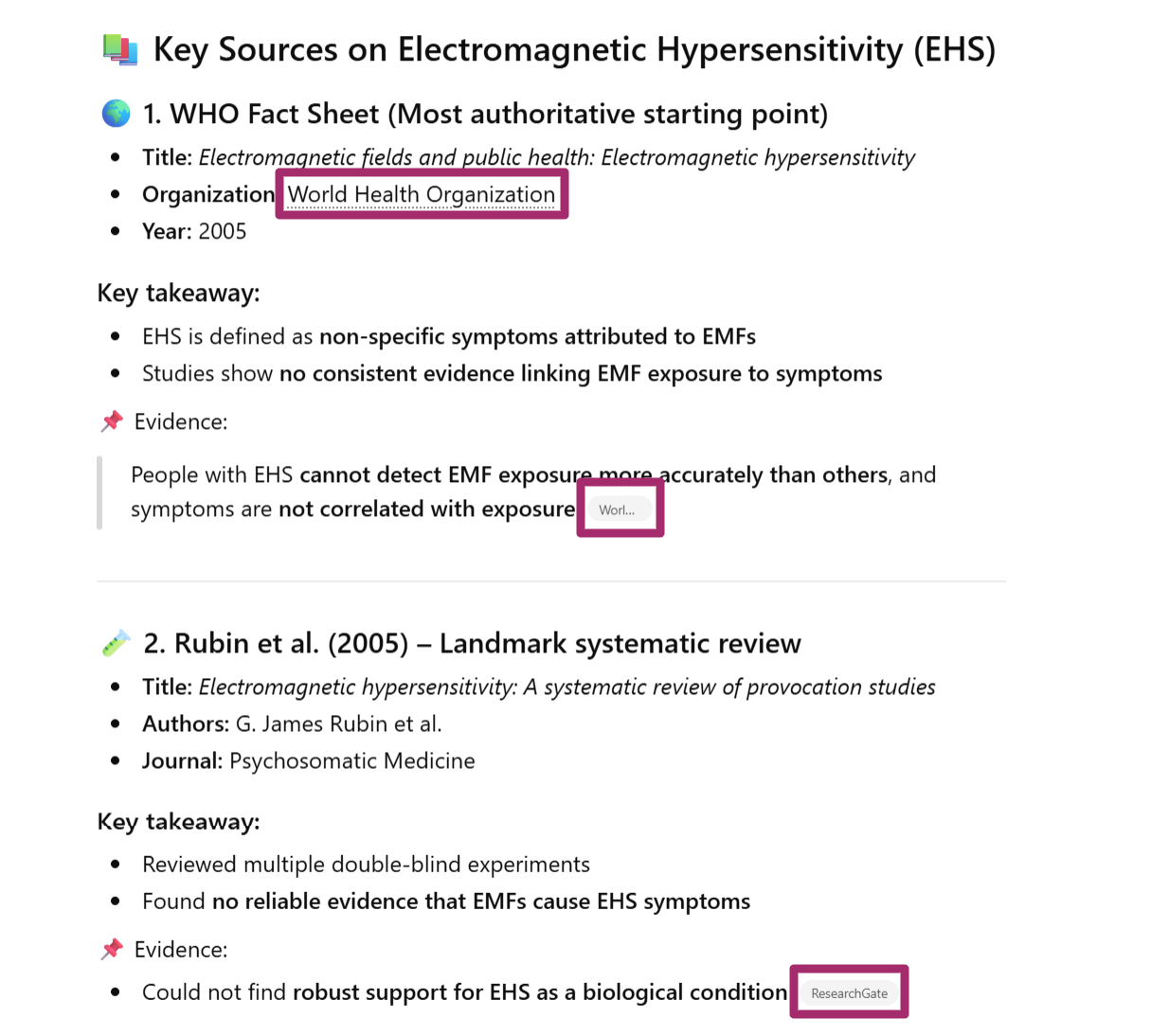
At their core, AI citations are the explicit references that AI search engines and tools include to substantiate the information they generate. Much like academic citations, they serve to attribute sources, demonstrate credibility, and allow users to delve deeper into the original content if desired. When a tool like ChatGPT delivers a response to a user query, it frequently includes links or mentions of specific web pages, articles, or data sources that underpin its answer. These references are not merely decorative; they act as powerful signals of trustworthiness, offering transparency to the user and a crucial pathway to the original publisher.
The fundamental difference from traditional SEO is profound: if a piece of content is cited by an AI, it effectively becomes an integral part of the AI’s answer itself, rather than just one of many links competing for a click on a results page. This signifies a move from “click-driven” visibility to “influence-driven” visibility, where the mere inclusion of a brand or content piece within an AI-generated answer can significantly impact perception and authority, even without a direct click. This also implies a proactive user experience where information is consumed instantly, rather than requiring a visit to a separate website.
The Mechanics of AI Citation: Retrieval-Augmented Generation (RAG) and E-E-A-T
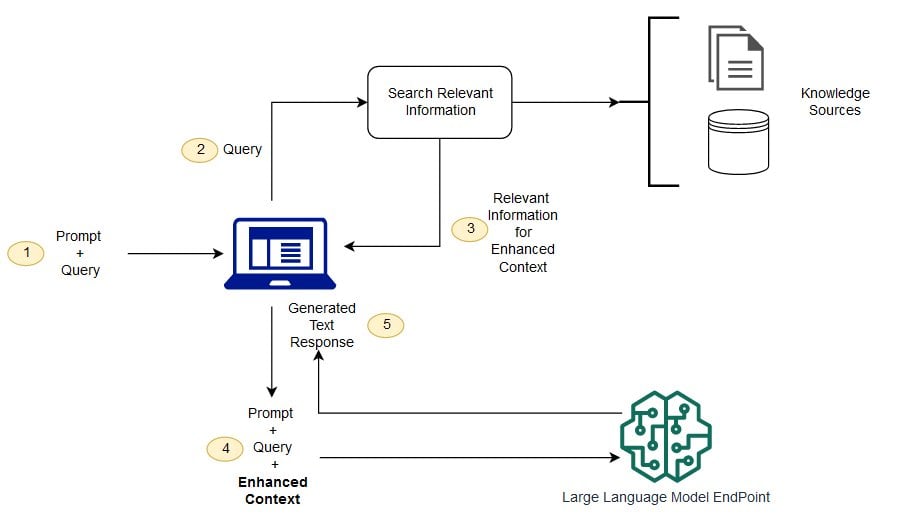
Understanding how AI systems select these citations is paramount for content creators. Most AI-powered search systems operate on a principle known as Retrieval-Augmented Generation (RAG). This advanced process does not merely generate text from its vast training data but actively retrieves, evaluates, and synthesizes information from external sources in real-time before formulating an answer and deciding what to cite.
The RAG process typically unfolds in several stages:
- Query Understanding: The AI first interprets the user’s intent—whether it’s an informational query, a transactional search, or a navigational request. This initial interpretation guides the subsequent retrieval process, determining the type of sources it will seek.
- Retrieval of Sources: The system then queries its indexed knowledge base, which includes a vast array of web pages, databases, and other information repositories. This is the stage where a brand’s optimized content enters the consideration set for potential inclusion.
- Source Evaluation: This is a critical juncture where AI models assess the retrieved sources based on a multitude of factors. Key among these are:
- Relevance: How accurately and directly does the source address the query?
- Accuracy and Factual Correctness: Is the information verifiable, up-to-date, and free from errors?
- Authority and Credibility: Is the source from a reputable domain, an acknowledged expert, or a trusted organization?
- Recency: Is the information current, especially for rapidly evolving topics or breaking news?
- Clarity and Structure: Is the content well-organized, easy to parse, and does it provide clear, concise answers early on?
A recent analysis of Google’s AI Overviews, for instance, found that only about 38% of cited sources rank in the top 10 traditional search results, indicating that the AI prioritizes factors beyond mere page ranking. Furthermore, insights from CXL suggest that AI models tend to favor content that provides clear, early answers within its structure, often pulling citations from the top sections of a page. This emphasis on early, direct answers underscores the need for highly structured content.
This evaluation process heavily leans into the principles of Experience, Expertise, Authoritativeness, and Trustworthiness (E-E-A-T). AI systems are not just looking for an answer; they are actively seeking the most reliable and authoritative sources to back up their responses, aligning with Google’s long-standing quality guidelines.
- Answer Synthesis: The AI then integrates insights from the selected sources, synthesizing them into a coherent, comprehensive answer tailored to the user’s query. This step involves summarizing, rephrasing, and combining information from various validated sources.
- Citation Selection: Finally, the model determines which specific sources to explicitly cite, attribute, or recommend for further exploration. This final step is what ultimately determines a brand’s visibility within the AI answer layer. The decision to cite often hinges on the specificity of the query and the need for external validation. For general knowledge queries, citations might be less frequent, but for specific, evidence-driven questions, they become crucial.
It’s important to note that while the core RAG process is consistent, different AI systems exhibit varying citation behaviors. ChatGPT often emphasizes third-party sources and consensus, such as directories or aggregator sites. Perplexity, known for its “retrieval-first” approach, prioritizes transparency by surfacing multiple citations from a broad range of web sources. Gemini, conversely, tends to favor brand-owned and well-structured content, particularly pages that are clearly organized and readily interpretable. This variation underscores the need for a multifaceted content strategy that caters to the nuances of each platform.
Types of AI Citations and Their Strategic Implications
AI citations are not monolithic; they manifest in different forms depending on the nature of the query and the content being referenced. Understanding these types allows for more targeted content creation:
- Informational Citations: These are the most prevalent, appearing when users seek explanations, definitions, or educational content. AI tools will reference blog posts, comprehensive guides, academic articles, and other long-form explanatory content. For instance, a query like “what are AI citations?” would typically yield informational citations. The goal here is to be the definitive, easy-to-understand source for a given topic.
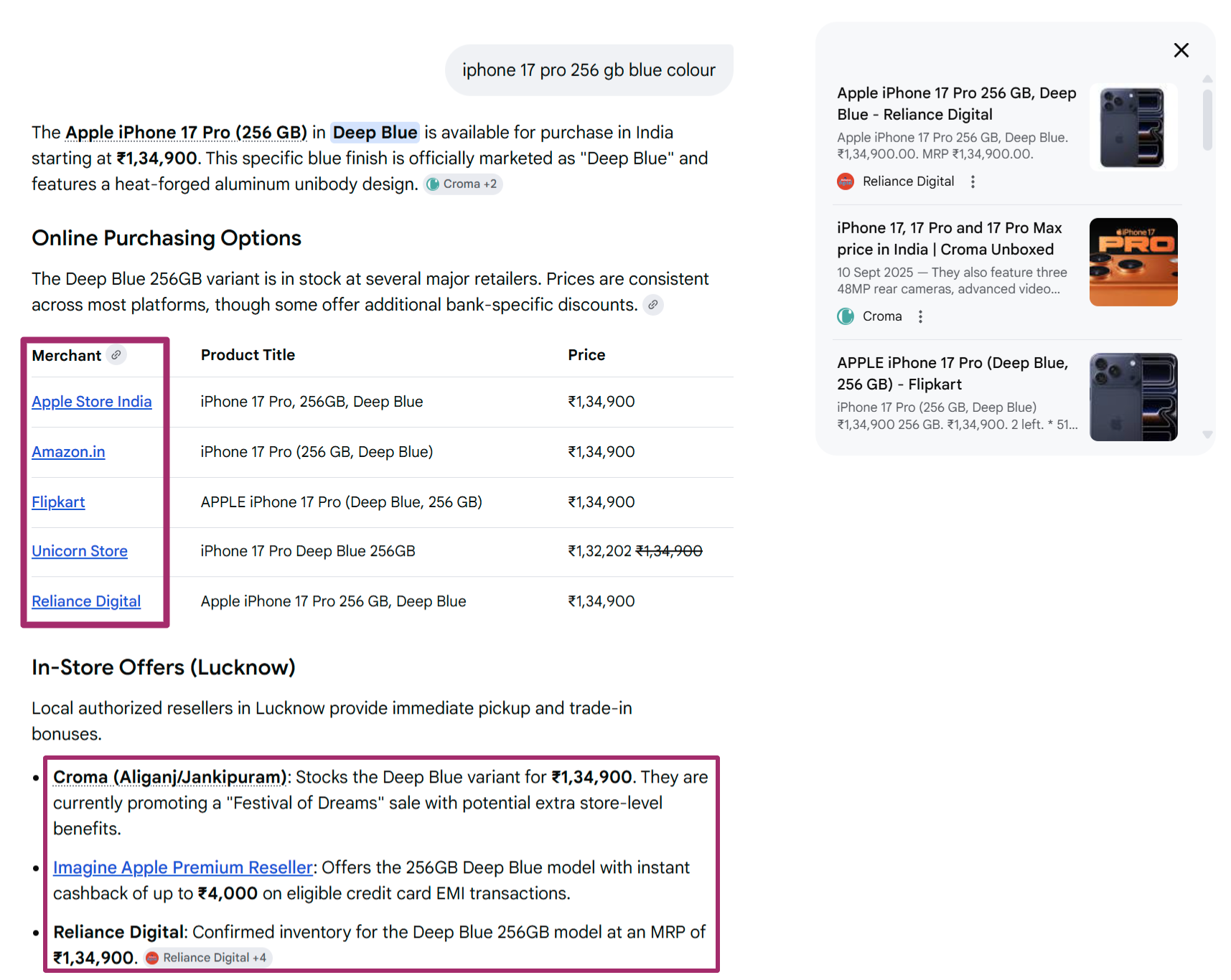
- Product Citations: When queries have a commercial or comparative intent (e.g., “best SEO tools” or “top project management software”), AI models will cite product pages, detailed listicles, comparative reviews, and e-commerce sites. These citations directly influence pre-purchase decision-making by providing validated recommendations. Brands should focus on creating detailed product pages, honest reviews, and comprehensive comparison guides.
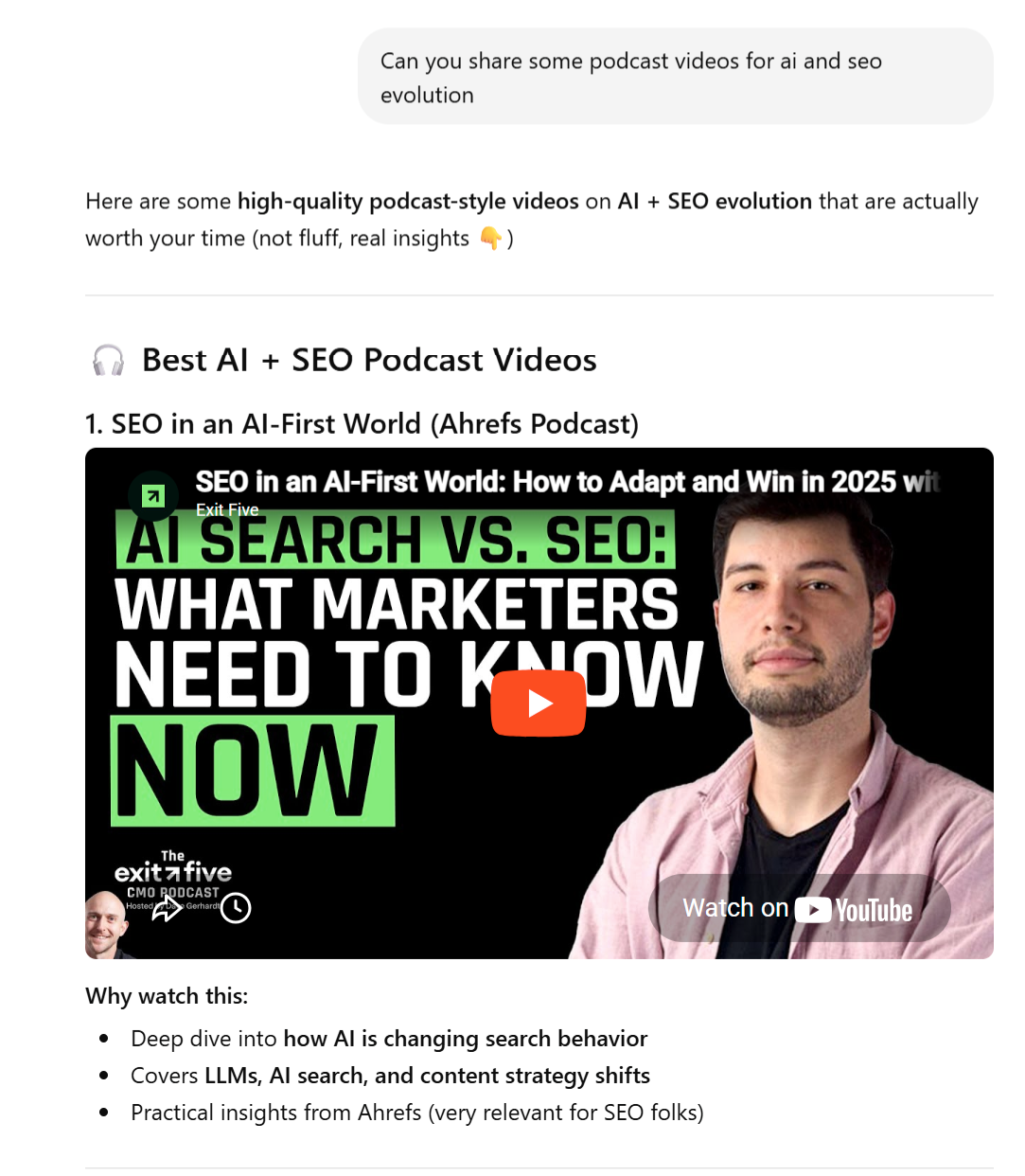
- Multimedia Citations: AI systems are increasingly multimodal, meaning they can process and cite non-textual content. Videos, images, infographics, and interactive demonstrations can be cited, especially when visual or auditory explanations are more effective than text alone. Tutorials, walkthroughs, or visual comparisons fall into this category. Optimizing multimedia with proper captions, transcripts, and structured data is crucial for these citations.
Impact on Brand Credibility and User Behavior
The inclusion of a brand’s content in an AI citation extends far beyond mere visibility; it profoundly shapes brand credibility and influences user behavior even before a website visit occurs. When an AI system, perceived as an authoritative source, cites a brand, a portion of that inherent trust is transferred. The brand is no longer just another search result but an integral, trusted component of the AI’s answer. This validates the brand’s expertise and authority in the eyes of the user.
This pre-click influence means that buyer decisions are increasingly being initiated and even finalized within the AI answer layer. Users may form opinions, shortlist products, or make informed choices directly from AI responses. If a brand is absent from these citations, it risks being excluded from the initial consideration set, a critical disadvantage in a competitive digital landscape. Being cited signals not only optimization but also genuine utility and contextual relevance to both users and algorithms. Over time, consistent citation builds familiarity, reinforces authority, and establishes trust, creating a compounding effect that solidifies a brand’s reputation as a reliable source of information. This shift transforms marketing from an acquisition-centric model to one where pre-emptive trust-building is paramount.
Strategies for Earning AI Citations: A Comprehensive Guide
Given the profound impact of AI citations, content creators must proactively adapt their strategies. Earning these citations requires moving beyond traditional SEO tactics to focus on signals that resonate with AI models’ evaluation processes.
1. Create Citation-Friendly Content
Content that gets cited by AI models is typically robust, original, and deeply insightful. It moves beyond superficial answers to offer genuine value, helping AI systems confidently support their generated responses.
- Original Research: Publish unique studies, proprietary data, or novel analyses that answer previously unexplored questions. This provides AI with concrete, exclusive evidence, making your content a primary source.
- Case Studies: Detail real-world examples demonstrating how solutions work in practice, complete with measurable outcomes and verifiable data. This helps AI justify recommendations with proven results.
- Thought Leadership: Develop opinion-led content offering unique insights, perspectives, or predictions from recognized experts. This adds depth and diverse viewpoints to AI answers, positioning your brand as an innovator.
- News Content: Provide timely, accurate coverage of recent developments within your niche, filling information gaps where AI training data might be outdated. Speed and accuracy are key here.
2. Build Topical Authority (Clusters)
AI models assess not just individual pages but the holistic authority a website holds over a specific topic. By publishing multiple, interconnected pieces of content that address various facets of a subject, brands signal depth, expertise, and comprehensive reliability. This approach aligns directly with E-E-A-T principles.
- Pillar Content: Create comprehensive, long-form “pillar” pages that provide a broad overview of a core topic. These serve as central hubs of information.
- Cluster Content: Develop numerous, detailed articles that delve into specific sub-topics related to the pillar content. Each cluster piece should explore a niche aspect in depth.
- Internal Linking: Strategically interlink pillar and cluster content to demonstrate semantic relationships and enhance discoverability for AI crawlers, reinforcing topical expertise.
- Consistent Expertise: Ensure content is consistently created by subject matter experts within the organization, reinforcing expertise across the entire topic cluster and ensuring factual accuracy.
3. Strengthen Entity Signals (Brand, Authorship, Schema)
AI systems evaluate not just the content itself but also the entities behind it—the brand and its authors. Clear entity signals help AI models understand a brand’s identity, its authority, and its credibility within a given domain.
- Author Bios: Feature detailed, credible author bios on every article, highlighting their experience, expertise, and qualifications. Link to their professional profiles (e.g., LinkedIn).
- About Us Pages: Maintain robust “About Us” pages that clearly articulate the brand’s mission, values, credentials, history, and key team members.
- Structured Data (Schema Markup): Implement schema markup (e.g., Organization schema, Person schema, Article schema) to explicitly communicate entity information to search engines and AI models, making it machine-readable.
- Consistent Branding: Ensure consistent brand messaging, tone, and visual identity across all platforms to reinforce brand recognition and build a cohesive entity profile.
4. Earn External Validation Signals Across the Web
AI models validate information by cross-referencing multiple sources. A brand’s credibility is thus not confined to its own website but is reinforced by its presence and reputation across the broader web. Consistent, high-quality mentions and references from trusted external platforms strengthen a brand’s entity signals and increase its likelihood of being cited. This expands the traditional concept of link building to encompass broader brand mentions and reputation management.
- High-Quality Backlinks: Continue to pursue relevant, authoritative backlinks from reputable websites, as these still signal trust and authority to AI models.
- Media Mentions: Seek coverage in industry publications, news outlets, and podcasts. Mentions from established media outlets significantly boost credibility.
- Social Proof: Cultivate a strong presence and engagement on relevant social media platforms, demonstrating audience interaction and influence.
- Review Platforms: Encourage positive reviews and testimonials on industry-specific and general review sites (e.g., Trustpilot, G2).
- Public Relations: Actively engage in PR activities to secure mentions, expert quotes, and establish thought leadership in relevant discussions.
5. Keep Content Fresh and Updated
AI models prioritize current and reliable information. Outdated content is less likely to be trusted or cited, particularly for topics that evolve rapidly. Regular content audits and updates signal relevance and reliability to AI systems, ensuring the information remains accurate and useful.
- Scheduled Reviews: Implement a schedule for reviewing and updating existing content, especially evergreen articles that may contain outdated statistics or processes.
- Data Refresh: Update statistics, facts, and examples with the latest information, citing new sources as needed.
- Algorithm Alignment: Revise content to align with new insights into AI citation factors and evolving user intent, ensuring it remains optimized for current AI models.
- Content Expansion: Expand on existing topics where new developments or deeper explanations are warranted, demonstrating continuous commitment to comprehensive coverage.
6. Structure Content for Answer Extraction
AI models don’t “read” content linearly like humans; they extract specific answer blocks. To facilitate this, content must be structured in a way that makes key information easy to identify, interpret, and reuse by AI.
- Clear Headings and Subheadings: Use H1, H2, H3 tags logically to outline content, making it scannable for both users and AI. Headings should be descriptive and answer-oriented.
- Direct Answers: Provide concise, direct answers to common questions early in the content, often in the first paragraph or immediately under a specific heading. This aids in quick extraction.
- FAQ Sections: Include dedicated FAQ sections that directly answer common user queries in a