
 rifanmuazin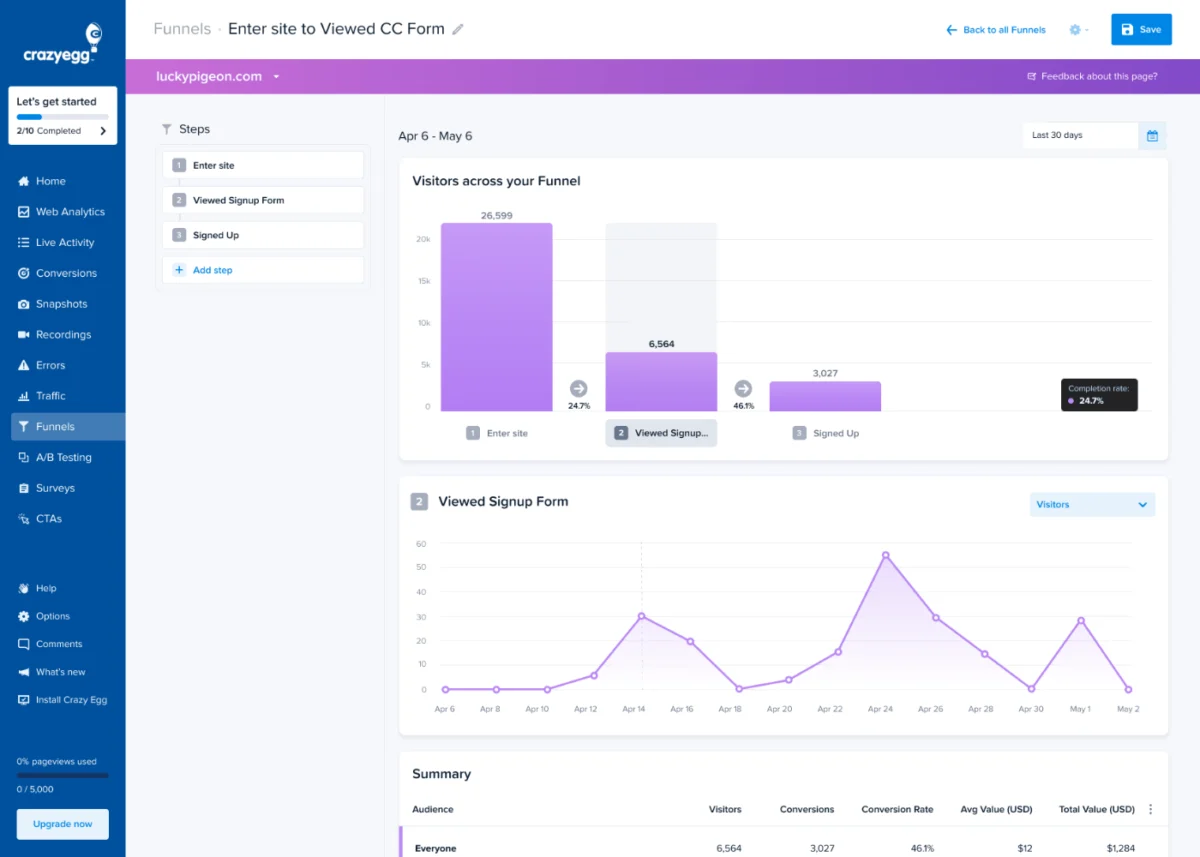
The digital marketing landscape in 2025 and 2026 has seen a significant shift toward hyper-personalization, yet one of the most enduring and controversial tools in the e-commerce arsenal remains the exit-intent popup. Designed to capture the attention of a user at the precise moment they signal an intent to leave a website, these modals serve as a final effort to retain traffic, secure leads, or finalize transactions. However, as user sophistication grows and browser regulations tighten, the margin between a successful conversion and a detrimental user experience has narrowed. Industry data reveals that while the average exit-intent popup converts at a rate of 2.81%, elite campaigns—representing the top 10% of performers—achieve conversion rates as high as 19.63%. This discrepancy underscores a critical reality in modern web design: the efficacy of exit-intent technology is entirely dependent on timing, relevance, and technical execution.
Technical Mechanics and the Evolution of Intent Detection
Exit-intent technology functions through a sophisticated monitoring of user behavior patterns. On desktop environments, the system primarily tracks mouse cursor movement. When the cursor moves rapidly toward the upper boundaries of the viewport—specifically targeting the browser’s close button, address bar, or navigation arrows—the “exit” trigger is activated. This is a relatively binary detection system that has remained stable for over a decade.
The mobile landscape, however, presents a more complex challenge. Without a cursor to track, developers have had to innovate detection methods based on touch-based signals. Modern mobile exit-intent triggers utilize a combination of scroll-up velocity, idle time monitoring, and “back-button” interception. For instance, a sudden upward flick on a mobile screen often indicates a user’s desire to access the browser’s navigation bar, triggering the modal. Market analysts note that mobile detection is prone to higher rates of “false positives,” making the calibration of these triggers essential for maintaining site integrity.
Comparative Performance Metrics: 2025-2026 Industry Benchmarks
Recent data from leading marketing automation platforms provides a clear picture of how different triggers and offers impact the bottom line. According to the 2026 Omnisend analysis, exit-triggered popups for general email capture maintain a modest conversion rate of approximately 1.8%. This suggests that for top-of-funnel engagement, the interruption of an exit-intent modal may be viewed by users as a secondary priority.
In contrast, high-intent scenarios show dramatically different results. OptiMonk’s 2025 reporting indicates that cart abandonment exit popups—those triggered specifically when a user attempts to leave with items in their digital basket—convert at a staggering 17.12%. This nearly ten-fold increase highlights the “Decision Point” theory: exit-intent popups are most effective when they intervene in an active decision-making process rather than a passive browsing session.
The Psychology of Interruption: When Popups Convert
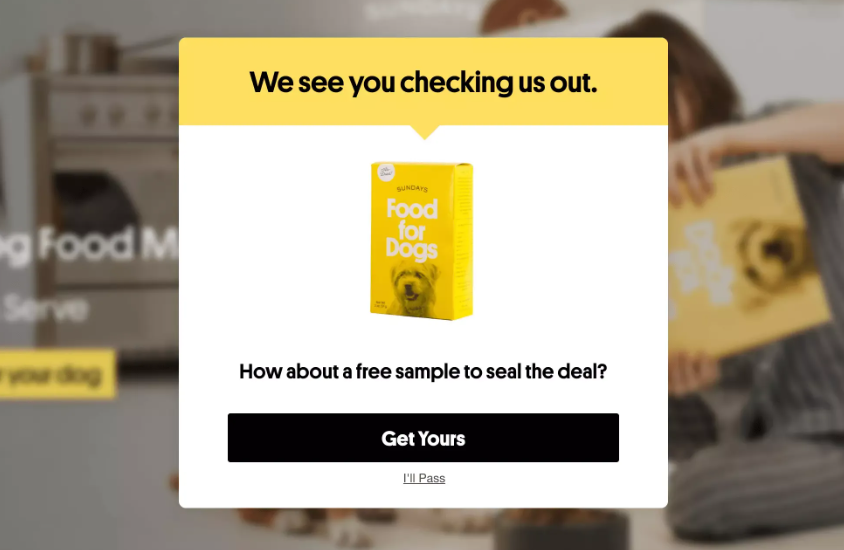
The success of an exit-intent strategy relies on what behavioral psychologists call “earning the interruption.” In a newsroom-style analysis of consumer behavior, it becomes evident that a popup is an inherent friction point. For a user to accept this friction, the value provided must outweigh the irritation of the disruption.
Digital strategists categorize high-conversion environments into three main areas:
- The Cart and Checkout: Where the user is weighing the final cost against the perceived value.
- Pricing Pages: Where the user is comparing features and affordability.
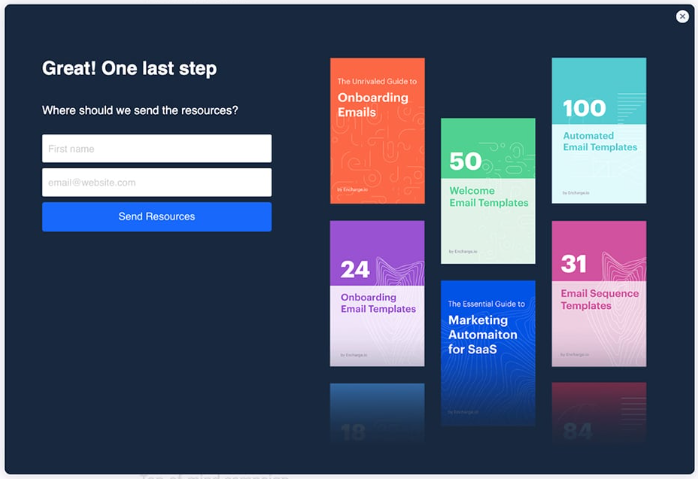
- High-Value Resource Pages: Where the user has spent significant time consuming content and may be open to a “lead magnet” (e.g., an e-book or whitepaper) to continue their journey.
Industry experts argue that an offer of a 2% discount on a luxury item is often perceived as an insult rather than an incentive. Conversely, a value-add such as free shipping, an extended trial period, or an interest-free payment plan addresses the specific psychological barriers that lead to abandonment in the first place.
The Risk of Misfire: Impact on Brand Equity and SEO
Despite their conversion potential, exit-intent popups can backfire, leading to “bounce rate” increases and long-term brand erosion. False positives remain the primary technical hurdle. On desktop, users often move their mouse toward the top of the screen to switch tabs or check notifications without the intention of leaving the site. If a popup interrupts this flow, it creates a “rage click” scenario where the user closes the modal—and often the entire site—out of frustration.
Furthermore, Google’s “Intrusive Interstitial” guidelines continue to influence how these tools are deployed. While exit-intent popups are generally less penalized than entry popups (which block content upon arrival), poorly coded modals that slow down Page Load Speed or fail to provide an easy “close” mechanism on mobile can negatively impact search engine rankings. Digital experience researchers observe that a single irrelevant popup can discourage a visitor from returning for up to six months, representing a significant loss in Customer Lifetime Value (CLV).
Strategic Framework: 11 Best Practices for High-Performance Implementation
To navigate the complexities of exit-intent deployment, industry leaders have established a framework of eleven high-impact best practices.
1. Prioritization of High-Intent Segments
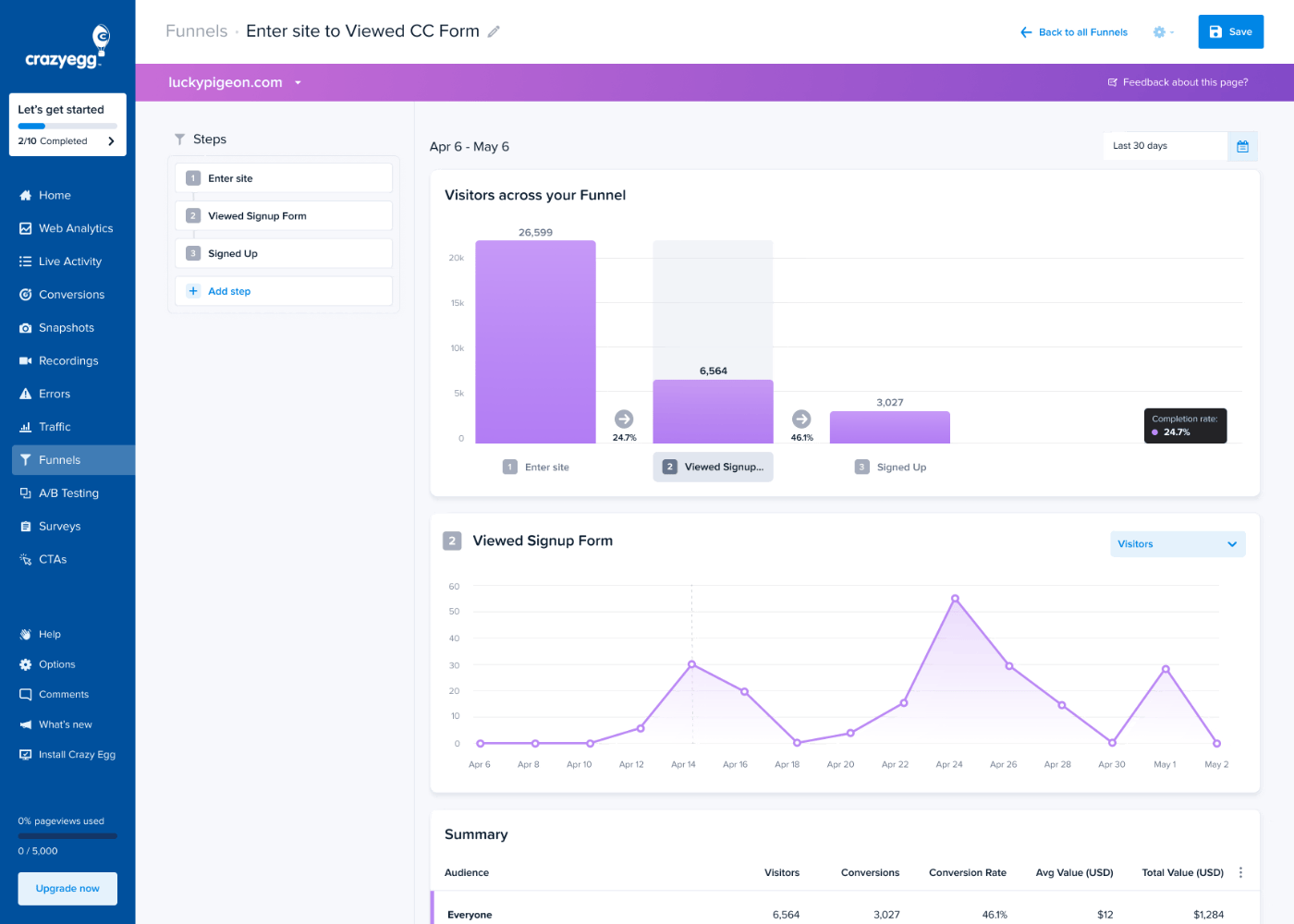
Marketing teams should avoid a “blanket” approach. Data suggests prioritizing pages with high commercial value. By using funnel analytics, brands can identify specific drop-off points in the customer journey. If a checkout page has a 70% exit rate, it is a prime candidate for an exit-intent intervention, whereas a “Contact Us” page may not require one.
2. Remediation of UX Fundamentals
Before adding an exit-intent layer, technical audits must ensure that the underlying user experience is sound. If users are leaving because of hidden shipping costs or broken form fields, a popup is merely a “band-aid” on a structural wound. Solving these friction points often yields a higher Return on Investment (ROI) than the popup itself.
3. Alignment of Offer and Page Intent
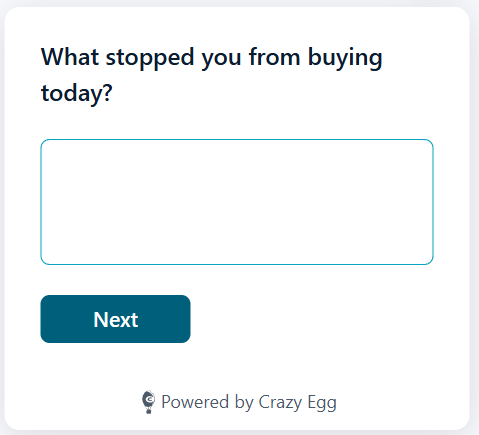
The relevance of the offer is the single greatest predictor of success. A discount code is appropriate for a product page, while a “Newsletter Signup” is better suited for a blog post. If the reason for the exit is unknown, many brands now deploy “Exit Surveys” with a single question: “What stopped you from buying today?” This data-driven approach allows for more refined future offers.
4. Advanced User Segmentation
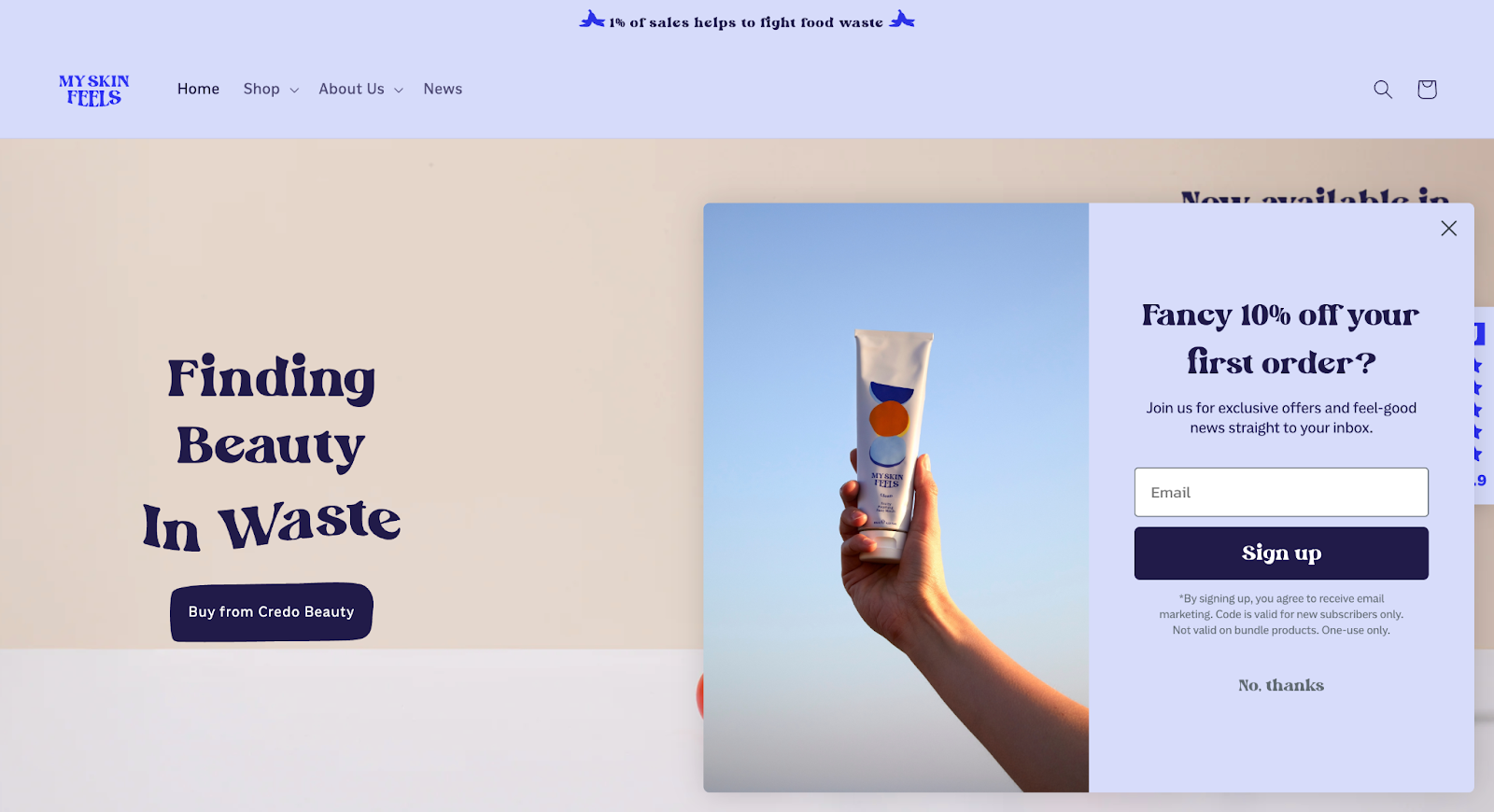
Modern tools allow for triggers based on user history. A first-time visitor might be offered a “Welcome Discount,” while a returning customer might see a “Loyalty Reward” or a recommendation for a product related to their previous purchase.
5. Design for Instant Cognitive Processing
Since the user is already attempting to leave, the popup has less than two seconds to make its case. This requires a clear headline, a visually dominant Call to Action (CTA), and brand-consistent aesthetics. Any delay in visual processing increases the likelihood of the user closing the tab.
6. Elimination of Manipulative Copy
The trend of “confirmshaming”—using copy like “No thanks, I prefer to pay full price”—has seen a sharp decline in 2026. Users find these tactics manipulative. Journalistic standards in digital marketing now favor neutral, respectful language that allows the user to decline without psychological pressure.
7. Accessibility and Cross-Device Compliance
Popups must be accessible to users with disabilities, adhering to WCAG (Web Content Accessibility Guidelines). This includes keyboard navigability (using the ‘Esc’ key to close) and screen-reader compatibility. On mobile, popups should never cover the entire screen, as this often violates mobile usability standards.
8. Deliberate Mobile Trigger Calibration
To reduce false positives on mobile, developers recommend implementing a “delay buffer” or requiring multiple exit signals (e.g., a scroll-up followed by a period of inactivity) before firing the modal.
9. Continuous A/B Testing and Performance Monitoring
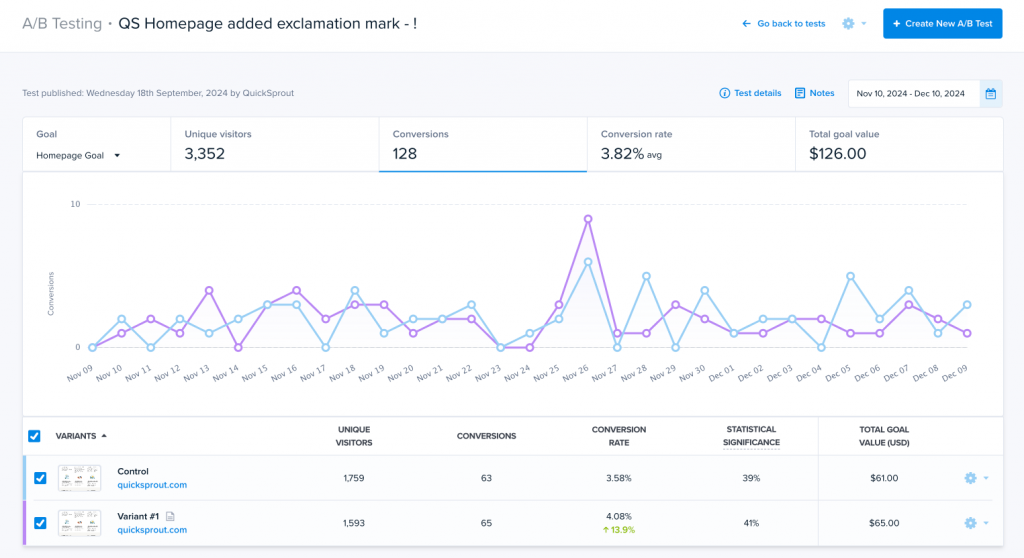
Popup performance is not static; it decays over time as users become “blind” to specific designs. Top-performing brands run continuous A/B tests on headlines, imagery, and frequency caps to ensure the intervention remains effective.
10. Integration with Multi-Channel Recovery
Exit-intent popups should not operate in a vacuum. They are most effective when integrated into a broader recovery stack that includes “abandoned cart” emails and retargeting ads on social media.
11. Utilization of Scarcity and Social Proof
Standard conversion tactics, such as “limited time” countdown timers or “joined by 10,000 others” social proof, can be integrated into the exit modal to provide the final nudge necessary for conversion.
Broader Impact and the Future of Intent Technology
As we look toward the latter half of the decade, the integration of Artificial Intelligence (AI) and Machine Learning (ML) is expected to further refine exit-intent technology. Predictive analytics will soon allow websites to anticipate an exit before the mouse even moves, based on subtle patterns in navigation speed and content engagement.
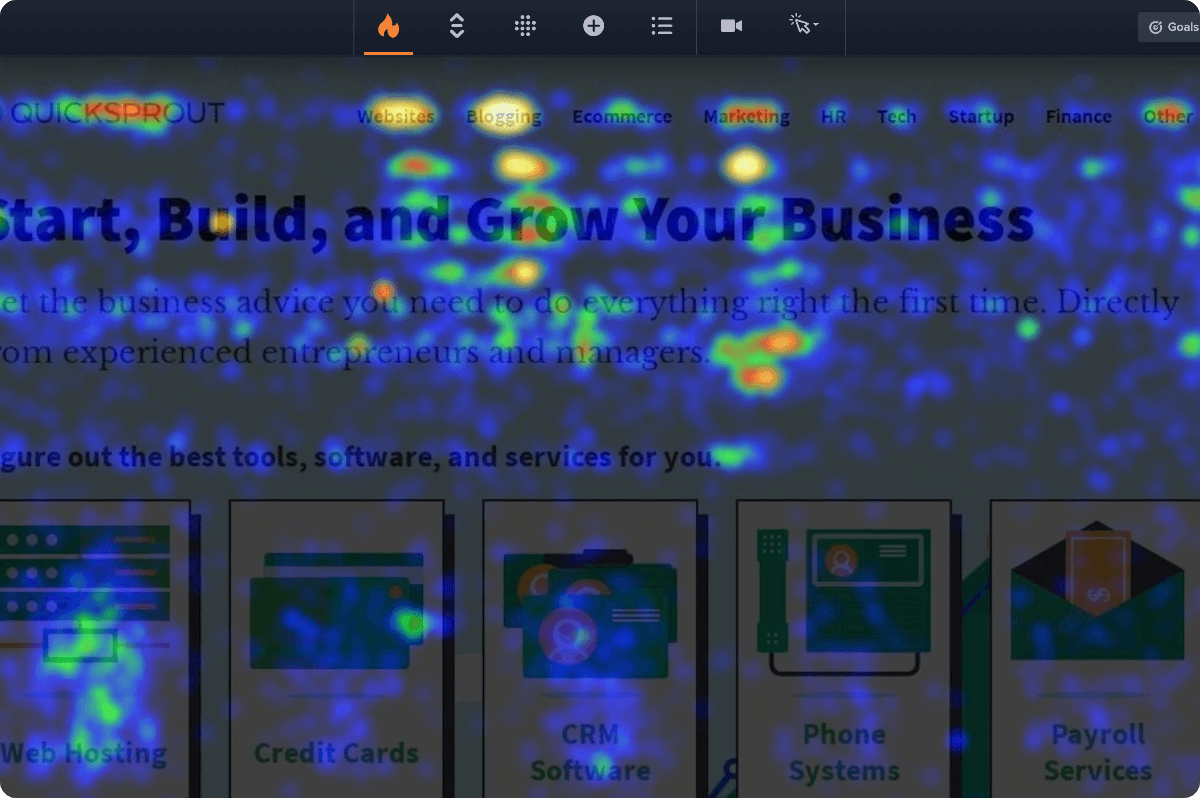
However, the fundamental principle remains unchanged: technology must serve the user. When exit-intent popups are used as a genuine service—offering help, saving progress, or providing legitimate value—they are a powerful tool for growth. When used as a desperate attempt to trap a user, they become a liability. The brands that succeed in 2026 will be those that view the exit-intent popup not as a “trap,” but as a final, thoughtful conversation with a departing guest. Through heatmaps, session recordings, and rigorous testing, companies like Crazy Egg and others in the analytics space continue to provide the data necessary to ensure these digital interventions are both profitable and professional.








