rifanmuazin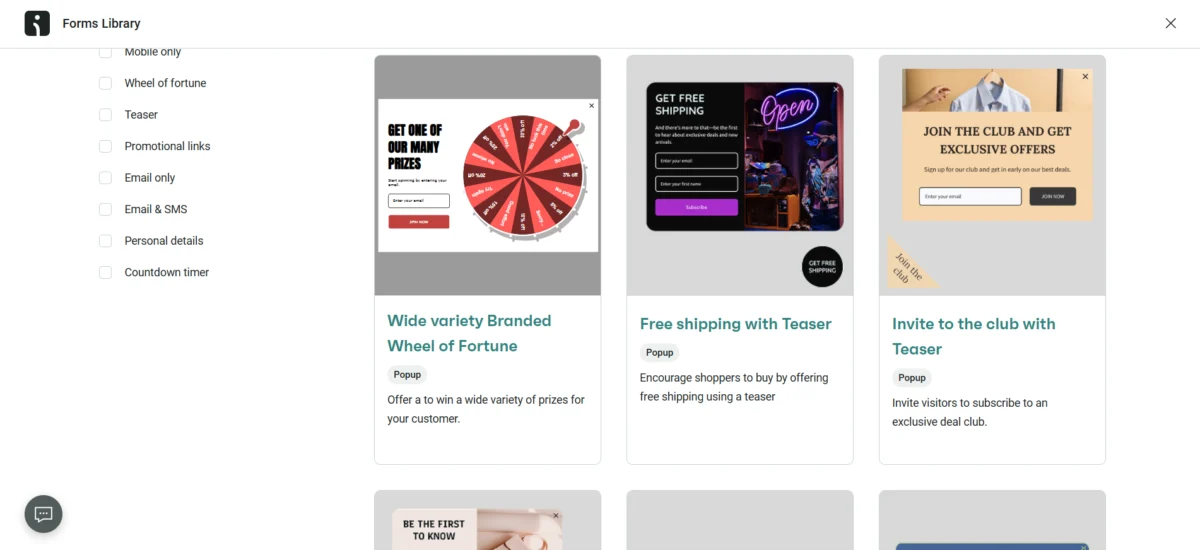
In the dynamic landscape of digital commerce, the mailing list stands as an indispensable asset, a direct line of communication between businesses and their most engaged customers. Far more than a mere compilation of email addresses, it represents a permission-based database of individuals who have actively expressed interest in a brand’s offerings. While its roots trace back centuries to physical postal lists, today’s mailing list is almost exclusively synonymous with email, a testament to the digital revolution that began with email’s mainstream adoption in the 1990s and the subsequent success of early mass email marketing campaigns. For e-commerce businesses, in particular, a well-managed mailing list is not just a tool for broad announcements but a sophisticated mechanism for targeted communication, personalization, and sustained revenue growth, often yielding impressive returns on investment.
The Evolution and Core Function of Mailing Lists
Historically, mailing lists were literal collections of names and physical addresses, painstakingly compiled by organizations to disseminate information, catalogs, or political messages. This tradition of direct communication laid the groundwork for its digital successor. With the advent of the internet and email, the concept swiftly transitioned, transforming into a vastly more efficient and scalable system. The first mass email marketing campaign, famously conducted by Gary Thuerk for Digital Equipment Corp. in 1978, demonstrated the immense potential of this new medium, reaching nearly 400 recipients and generating millions in sales. This pioneering effort underscored the power of direct digital outreach, paving the way for email marketing as we know it today.
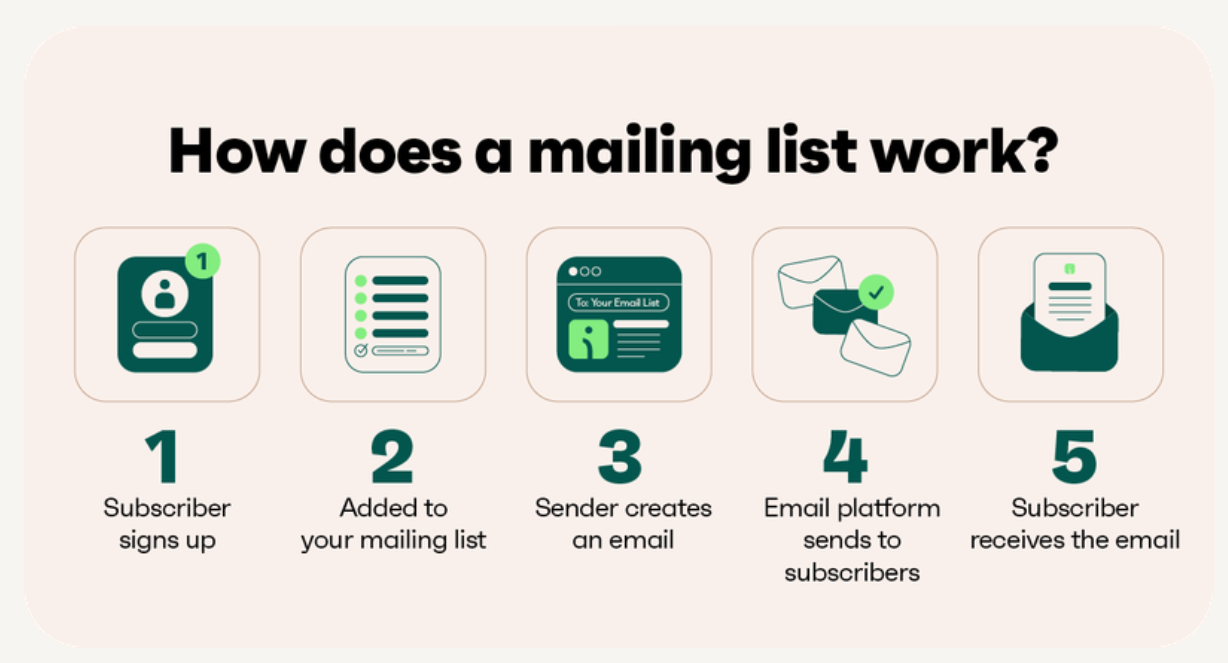
At its core, a modern mailing list operates through a seamless workflow, largely automated by specialized email marketing platforms or Email Service Providers (ESPs). The process is deceptively simple for the user: a potential customer voluntarily signs up, providing consent to receive communications. This consent is paramount, distinguishing legitimate marketing from unsolicited spam and ensuring compliance with regulations such as GDPR in Europe or CAN-SPAM in the United States. Once added to the list, subscribers become part of an audience that can be reached with various messages. The sender composes an email, selects the target audience (which could be the entire list or a carefully chosen segment), and the platform handles the intricate technical details of delivery. This includes managing bounces, tracking open and click rates, and processing unsubscribe requests, all without direct intervention from the marketer. Whether a business manages hundreds or hundreds of thousands of subscribers, the underlying process remains robust and scalable, enabling businesses to focus on content and strategy rather than technical complexities.
Clarifying Terminology: Mailing List vs. Email List
In contemporary marketing discourse, the terms “mailing list” and “email list” are frequently used interchangeably, causing occasional confusion. From a practical standpoint, for businesses operating in the digital realm, they refer to the same concept: a permission-based compilation of email addresses used for mass communication. The distinction is primarily semantic and historical. “Mailing list” carries the legacy of its physical postal predecessor, implying a broader sense of contact information dissemination. “Email list,” conversely, is explicitly digital, directly referencing email addresses as the medium of contact.
Despite this technical nuance, industry professionals and platforms alike commonly employ “mailing list” to denote digital email subscriber bases. Furthermore, many email marketing platforms introduce their own proprietary terminology, such as “audience,” “contacts,” or “subscribers,” to describe the same fundamental grouping. For e-commerce enterprises, understanding that these terms generally converge on the same meaning—a curated, consent-driven database for digital outreach—is more important than adhering to a rigid linguistic separation.
Categorizing Mailing Lists: Strategic Segmentation for E-commerce
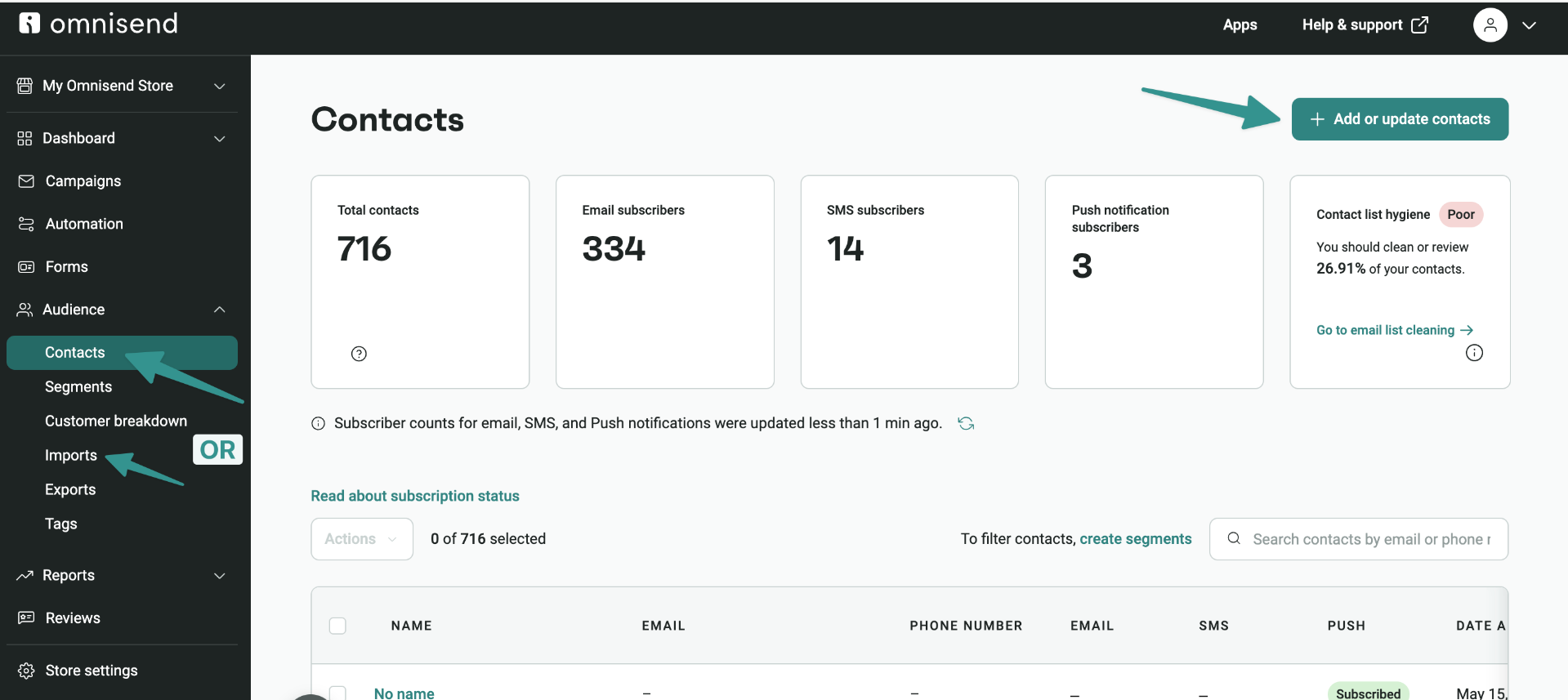
While the fundamental concept of a mailing list is consistent, its application can be highly diversified, leading to various types tailored for different communication objectives. Recognizing these distinctions is crucial for e-commerce brands seeking to optimize their engagement strategies and leverage platforms like Omnisend effectively for contact segmentation.
-
Broadcast (One-Way) Mailing Lists: This is arguably the most prevalent type, characterized by its unidirectional communication flow. The sender transmits messages to subscribers without necessarily expecting individual replies or fostering group discussion. This model is ideal for general announcements, promotional campaigns, seasonal sales, new product launches, and informational newsletters. For e-commerce, broadcast lists provide complete control over messaging, timing, and audience, making them perfect for widespread marketing initiatives aimed at a broad customer base.
-
Discussion (Two-Way) Mailing Lists: In contrast, discussion lists facilitate multi-directional communication, where replies from individual subscribers are distributed to the entire group, fostering community interaction. While more common in academic, professional, or hobbyist circles, e-commerce brands can adapt this model to build strong customer communities, facilitate peer-to-peer support, or gather collective feedback on products. However, managing such lists requires careful moderation to maintain relevance and prevent spam, often necessitating pre-approval of replies. This can transform a passive subscriber into an active brand advocate.
-
Ecommerce Mailing Lists (Segmented by Behavior): This category represents the zenith of mailing list sophistication for online retailers. Rather than a single monolithic list, e-commerce mailing lists are typically broken down into highly granular segments based on subscriber behavior, demographics, purchase history, engagement levels, and lifecycle stage. This strategic segmentation allows for hyper-personalized communication, where each message is tailored to the specific context of the recipient. Examples include:
- New Subscribers: Welcoming them, offering introductory discounts, and guiding them through the brand’s value proposition.
- Abandoned Cart Reminders: Prompting customers who left items in their cart to complete their purchase.
- VIP Customers: Recognizing and rewarding high-value patrons with exclusive offers or early access.
- Win-Back Campaigns: Re-engaging dormant customers with special incentives.
- Waitlist Participants: Notifying customers when a desired product is back in stock.
This level of targeting ensures messages are highly relevant, significantly boosting engagement rates and conversion potential. Industry reports consistently highlight the efficacy of segmented campaigns, often showing dramatically higher open rates, click-through rates, and ultimately, revenue, compared to undifferentiated broadcasts.
The Indispensable Role of Mailing Lists in Business and E-commerce
For businesses of all sizes, mailing lists form the bedrock of direct-to-consumer communication. They serve as a crucial channel for nurturing leads, disseminating vital announcements, advertising promotions, and executing a myriad of other marketing campaigns. For e-commerce specifically, the value of a mailing list transcends its functional utility; it represents one of the few marketing channels that a business truly “owns.” Unlike social media followers, whose access and reach are dictated by evolving platform algorithms, or paid advertising campaigns, which cease delivering results the moment ad spend stops, a mailing list is a proprietary asset. Customer data—their email addresses, purchase histories, and preferences—resides directly with the business, providing an unparalleled degree of control and independence.
This ownership translates directly into tangible financial benefits. Email marketing consistently delivers some of the highest returns on investment (ROI) across all digital marketing channels. Numerous industry reports, including those from leading platforms like Omnisend, frequently cite figures indicating an ROI of up to $68 for every $1 spent on email marketing. This impressive figure underscores email’s efficiency and effectiveness in driving sales and customer loyalty. When integrated with other marketing tools and strategies, such as SMS and push notifications, as offered by comprehensive platforms, the overall marketing ROI can climb even higher, reinforcing the mailing list’s status as a primary revenue generator.
Beyond direct sales, mailing lists play a pivotal role in customer retention—a critical metric for sustainable e-commerce growth. It is significantly more cost-effective to retain an existing customer than to acquire a new one. A well-executed email strategy, leveraging personalized content and timely offers, can dramatically extend customer lifetime value. Furthermore, mailing lists are instrumental in gathering valuable customer insights, enabling businesses to understand preferences, tailor product development, and refine marketing messages based on direct feedback and behavioral data.

Crafting a Robust Mailing List for Your E-commerce Store: A Step-by-Step Guide
Building an effective mailing list for an e-commerce store is a strategic process that goes beyond merely collecting email addresses. It involves careful planning, adherence to best practices, and the strategic use of incentives and technology. The following steps outline a comprehensive approach to creating and growing a high-performing mailing list:
-
Choose an Advanced Email Marketing Platform: The foundational step is selecting a robust email marketing platform (ESP) that aligns with your e-commerce needs. An effective ESP is not just a mail sender; it’s a sophisticated software suite that automates email delivery, facilitates segmentation, provides analytics, and integrates seamlessly with your e-commerce store data. Platforms like Omnisend offer native integrations with popular e-commerce platforms such as Shopify, WooCommerce, Wix, and BigCommerce, ensuring effortless data synchronization and enabling advanced automation capabilities from day one. When evaluating platforms, consider features like automation workflows, segmentation capabilities, A/B testing, reporting, and omnichannel marketing options. Many reputable platforms offer free plans or trials, allowing businesses to explore their features before committing.
-
Design High-Converting Signup Forms: The signup form is the gateway to your mailing list. Its design, placement, and accompanying incentives significantly impact conversion rates. Various types of forms can be deployed:
- Pop-up Forms: Highly visible, often appearing after a user has spent a certain amount of time on a page or is about to exit (exit-intent pop-ups).
- Embedded Forms: Integrated directly into website content, such as footers, sidebars, or blog posts.
- Landing Pages: Dedicated web pages designed solely for capturing email addresses, often used for specific campaigns or lead magnets.
- Checkout Opt-ins: Offering customers the option to join the mailing list during the checkout process, a prime opportunity to capture high-intent buyers.
To maximize sign-ups, offer compelling incentives, such as a first-purchase discount, exclusive content, early access to sales, or a free resource. Platforms like Omnisend provide a library of pre-built, mobile-responsive templates optimized for conversion, often incorporating AI-powered design tools to customize forms quickly and professionally.
-
Define and Implement List Segments from the Outset: Proactive audience segmentation is paramount. Instead of waiting for your list to grow, establish your segmentation strategy early. This ensures that from the moment a subscriber joins, they are categorized appropriately, allowing for relevant and personalized communication from the start. Key segments for e-commerce often include:
- New Subscribers: For welcome sequences and brand introduction.
- Existing Customers: For loyalty programs, repeat purchase incentives, and cross-selling.
- VIP Customers: For exclusive offers and premium experiences.
- Browsers: Individuals who visited specific product pages but did not purchase.
- Purchasers of Specific Categories: To recommend related products.
- Engaged vs. Unengaged Subscribers: To tailor re-engagement campaigns or list cleaning efforts.
Your chosen ESP should leverage store data (purchase history, browsing behavior, demographics) to automatically update and manage these segments, ensuring dynamic and up-to-date targeting.
-
Import and Migrate Existing Contacts Responsibly: Most established e-commerce stores possess existing customer data from past orders, loyalty programs, or previous marketing efforts. This data can be invaluable for kickstarting your mailing list. However, adherence to consent regulations (e.g., GDPR, CAN-SPAM) is non-negotiable. Only import contacts who have explicitly opted in to receive marketing communications from your brand. Importing contacts without explicit consent can lead to legal penalties, damage to sender reputation, and a high rate of unsubscribes and spam complaints. Avoid purchasing third-party lists, as these typically lack verifiable consent and can severely harm deliverability. Ethical data practices build trust and ensure long-term list health.
-
Seamlessly Connect to Your E-commerce Platform: The final and most critical step is establishing a robust integration between your mailing list and your e-commerce platform. This seamless connection transforms a basic communication tool into a powerful revenue engine. A good integration allows for real-time synchronization of customer data points, including purchase history, browsing behavior, abandoned carts, and product views. This rich data empowers sophisticated automation workflows, such as:
- Automated abandoned cart recovery emails.
- Post-purchase follow-ups and product review requests.
- Birthday or anniversary greetings with special offers.
- Targeted product recommendations based on past purchases or browsing activity.
Platforms like Omnisend offer “out-of-the-box” integrations that automatically sync this vital customer data, making it immediately available for segmentation, automation, and personalized campaigns without extensive manual data cleaning or manipulation. The success story of Organic Aromas, which leveraged Omnisend to capture 661 new leads and generate 40 extra orders with minimal effort, exemplifies the power of such integrated systems.
Maintaining a Healthy Mailing List: Challenges and Best Practices
While building a mailing list is a critical first step, maintaining its health and effectiveness requires ongoing effort. Common challenges include list decay (subscribers becoming inactive or email addresses becoming invalid), low engagement rates, and the risk of being flagged as spam. To counter these, businesses should adopt several best practices:
- Regular List Hygiene: Periodically remove unengaged subscribers or invalid email addresses to improve deliverability and maintain sender reputation.
- A/B Testing: Continuously test different subject lines, content, calls-to-action, and send times to optimize engagement.
- Personalization: Go beyond basic personalization by segmenting deeply and tailoring content to individual preferences and behaviors.
- Provide Value: Ensure every email provides genuine value to the subscriber, whether through exclusive content, helpful tips, or compelling offers, to keep them engaged.
- Clear Opt-Out: Make it easy for subscribers to unsubscribe, as forcing them to stay can lead to spam complaints and damage your sender reputation.
The Future Landscape: AI and Hyper-Personalization
The future of mailing lists in e-commerce is bright and evolving rapidly, driven by advancements in artificial intelligence and the increasing demand for hyper-personalization. AI is set to revolutionize email marketing by enabling more sophisticated segmentation, predictive analytics for customer behavior, AI-generated content, and optimized send times. This will lead to even more relevant and timely communications, pushing engagement and conversion rates higher. Furthermore, the trend towards omnichannel marketing will see mailing lists increasingly integrated with SMS, push notifications, and social media, creating a cohesive and seamless customer experience across all touchpoints.
Conclusion
Mailing lists are far more than rudimentary databases of email addresses; they are dynamic, strategic assets essential for the sustained success of any e-commerce venture. Building and nurturing a mailing list requires a thoughtful approach, encompassing the selection of a robust email marketing platform, the creation of compelling signup forms, meticulous segmentation, responsible contact management, and seamless integration with the e-commerce platform. The unparalleled ROI, coupled with the invaluable ownership of customer data that mailing lists provide, positions them as an indispensable tool in the modern marketer’s arsenal. In a digital landscape increasingly dominated by algorithmic shifts and third-party platform dependencies, a well-managed mailing list remains a direct, reliable, and highly profitable channel, empowering e-commerce businesses to build lasting relationships with their customers and drive predictable revenue growth. Failing to leverage the strategic benefits of a mailing list is to forgo a significant competitive advantage and a crucial pillar of long-term business resilience.