rifanmuazin
The term “target” is foundational to modern marketing, a crucial element in defining audience segmentation and message delivery. While traditional approaches like behavioral, psychographic, demographic, and geographic targeting remain vital, understanding intergenerational communication is paramount. This series delves into digital marketing strategies for distinct generational cohorts: Gen Z (born 1995-2010), Millennials (1980-1994), Gen X (1960-1979), and Baby Boomers (1940-1959). The objective is to equip marketers with the insights needed to connect with these groups effectively, ensuring the right message reaches them in the appropriate channels. This installment concludes the series by focusing on the Baby Boomer generation.
Historically, Baby Boomers constituted the largest demographic cohort until the rise of Millennials. Born in the post-World War II era, this generation has navigated a period of immense technological advancement and profound societal shifts. While often subject to contemporary cultural critiques and humor, such as the “Karen” stereotype or the dismissive “OK Boomer” retort, Baby Boomers have weathered significant historical events that have indelibly shaped their perspectives and values. Understanding these formative experiences is key to appreciating their current mindset and consumer behavior.
The Enduring Mindset of the Baby Boomer Generation
The formative years of Baby Boomers were marked by the lingering shadows of World War II, a conflict that resulted in an estimated 60 million military and civilian deaths globally and introduced the world to the devastating power of atomic weaponry. Their lives unfolded against a backdrop of significant global and domestic events, including the Korean War, the tense ideological standoff of the Cold War, and the deeply divisive Vietnam War, which saw many young men drafted into service. For African Americans and other minority groups within the United States, this era was also characterized by the struggle against entrenched racism and the ongoing fight for civil rights, a movement that fundamentally reshaped American society.
Beyond these major geopolitical and social struggles, the generation witnessed pivotal moments that altered the political landscape, such as the assassination of President John F. Kennedy and the Watergate scandal, which eroded public trust in government. The economic turbulence of the 1970s, particularly the oil crises, further tested national resilience.
Despite these challenges, the post-war period in the United States was also an era of relative economic prosperity. This context fostered a renewed emphasis on traditional values, with the home often serving as a sanctuary and a focal point of family life. This period saw the re-emergence of established societal roles and a deep appreciation for relationships. For Baby Boomers, this translated into valuing strong interpersonal connections, including the relationship between businesses and their clientele. Consequently, this generation typically expects a high standard of customer service, viewing it as a fundamental aspect of a positive commercial interaction.
Furthermore, Baby Boomers are widely recognized for their robust work ethic. This perspective is rooted in the belief that diligent effort leads to tangible rewards and that success is earned through perseverance. This often fuels a competitive spirit, with many preferring to dedicate their careers to a single organization, striving for advancement within its hierarchy, rather than frequently changing employers. While many are now retired, this ingrained value system continues to influence their approach to various aspects of life, including their consumer choices.
As individuals age, they generally accumulate more wealth compared to younger generations. Baby Boomers benefited from periods when education and housing were considerably more affordable than they are today. This financial experience contributes to a cautious approach to spending, emphasizing the importance of safeguarding their hard-earned assets, which often translates into a preference for value and thriftiness.
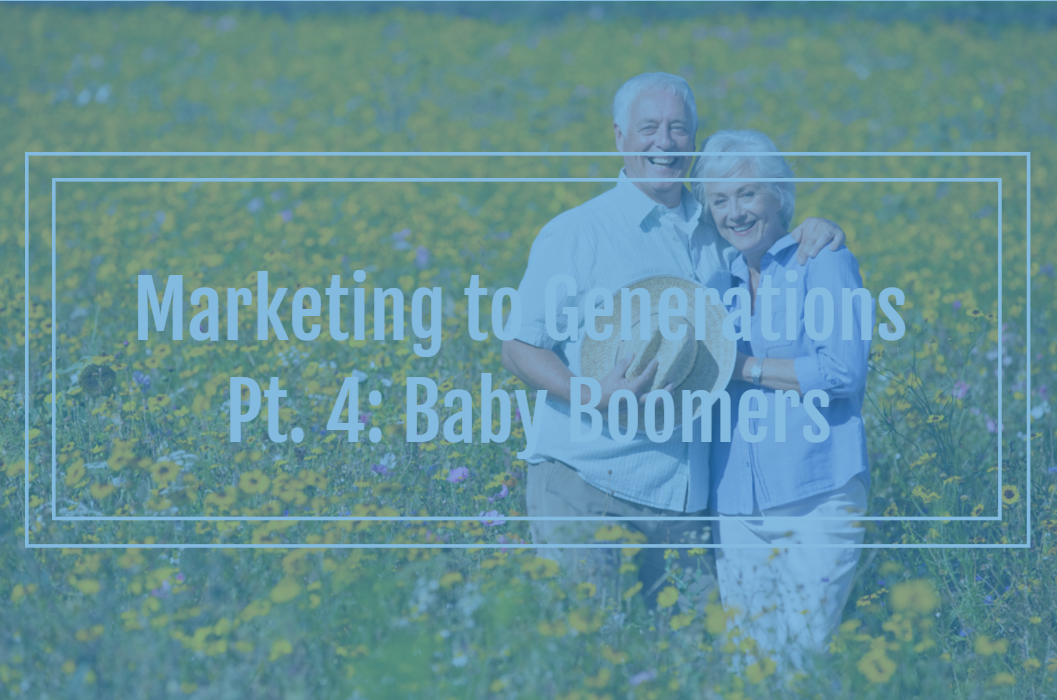
Baby Boomer Consumption Patterns and Preferences
Significant differences exist between Baby Boomers and subsequent generations, particularly when comparing earlier and later cohorts within the Boomer generation itself. This disparity is evident in their shopping habits, with Baby Boomers often expressing a preference for in-store shopping over online retail. This inclination underscores their appreciation for personal interaction and highlights the importance of excellent customer service and approachable sales staff. For businesses operating online, it is essential to acknowledge this preference. While Boomers will engage in online transactions, emphasizing a physical presence through location extensions and other prominent callouts in digital advertising can significantly enhance reach and conversion rates.
A core tenet of Baby Boomer purchasing behavior is the pursuit of good value for their money. Many are now in retirement, a phase where making prudent financial decisions is paramount. While not universally true, promotional strategies like bundle sales can effectively communicate this perceived value. Interestingly, compared to younger demographics, Baby Boomers exhibit a lower inclination towards brands that prioritize environmental sustainability. Data suggests they are 34% less likely than the average consumer to actively seek out brands that reduce energy consumption. Similarly, they tend to show less engagement with other Corporate Social Responsibility (CSR) initiatives compared to younger generations, focusing more on product utility and value.
Recommendations play a significant role in the decision-making process for Baby Boomers, much like for other age groups. While influencer marketing can be a viable strategy, it is crucial to select influencers whose audience and persona genuinely resonate with the target demographic. A key consideration is that many Baby Boomers now consult their children and grandchildren for advice, particularly regarding technology purchases. Therefore, marketing messages may inadvertently reach multiple generations simultaneously, necessitating a nuanced approach that acknowledges these familial influences.
Strategic Marketing Approaches for the Baby Boomer Demographic
Understanding the prevailing mindset and consumption attitudes of Baby Boomers is the first step. The next is to identify the most effective channels and messaging strategies to engage them.
Platforms for Reaching Baby Boomers
While Baby Boomers may not be as prevalent on emerging social media platforms like TikTok or Snapchat, numerous effective avenues exist for marketers to connect with this demographic. Traditional media still holds considerable sway, with television advertising remaining a strong touchpoint. Many Boomers still rely on established news sources and are active on platforms that facilitate broader social connections and information sharing.
- Facebook: Remains a dominant social media platform for this age group, offering robust advertising tools for targeted campaigns.
- Email Marketing: Direct email communication continues to be highly effective, providing a personal and informative channel for product updates, promotions, and brand storytelling.
- Search Engines (Google): Boomers actively use search engines to research products and services, making Search Engine Optimization (SEO) and paid search campaigns crucial.
- YouTube: This platform is widely used for information gathering and entertainment, presenting opportunities for video advertising and content marketing.
- Traditional Media: Television, radio, and print publications continue to reach a significant portion of the Baby Boomer population, offering a reliable way to build brand awareness and trust.
Messaging That Resonates with Baby Boomers
Crafting messages that align with Baby Boomer values and priorities is essential for successful engagement. Their life experiences have instilled a preference for direct, clear communication that emphasizes value, reliability, and quality.
- Emphasize Value and Quality: Highlight the tangible benefits and long-term value of products and services. Focus on durability, craftsmanship, and cost-effectiveness.
- Clear and Direct Language: Avoid jargon, slang, or overly complex messaging. Present information straightforwardly and concisely.
- Highlight Reliability and Trust: Build confidence by showcasing customer testimonials, endorsements, and a history of dependable service. Emphasize security and peace of mind.
- Focus on Benefits, Not Just Features: Explain how a product or service will improve their lives, solve problems, or offer convenience.
- Nostalgia and Legacy: Subtle references to shared cultural experiences or the enduring quality of classic products can evoke positive emotions.
- Personalization and Relationship Building: Messages that acknowledge their individual needs and foster a sense of connection tend to be more effective.
- Call to Action: Ensure a clear and easy-to-understand call to action, guiding them on the next step, whether it’s visiting a store, calling a number, or clicking a link.
It is important to acknowledge that generational cohorts are not monolithic. The insights provided here serve as a broad framework. Individual preferences and behaviors can vary significantly based on industry, socioeconomic status, geographic location, and personal experiences. Therefore, ongoing research and audience analysis are crucial for tailoring marketing strategies effectively. For brands seeking to develop comprehensive digital marketing solutions to connect with and convert their Baby Boomer audience, consulting with experienced digital marketing professionals can provide invaluable guidance.