rifanmuazin
The digital economy has reached a level of maturity where the difference between market leadership and obsolescence often hinges on the granular understanding of user behavior. As organizations seek to bridge the gap between traffic acquisition and revenue generation, the selection of a Conversion Rate Optimization (CRO) and Digital Experience Analytics (DXA) platform has become a high-stakes strategic decision. Two prominent players, Crazy Egg and Contentsquare, represent divergent philosophies in this space: one championing accessible, bundled transparency for agile teams, and the other providing a high-fidelity, enterprise-grade ecosystem designed for massive scale and complex data environments.
The Evolution of User Behavior Analytics: A Brief History
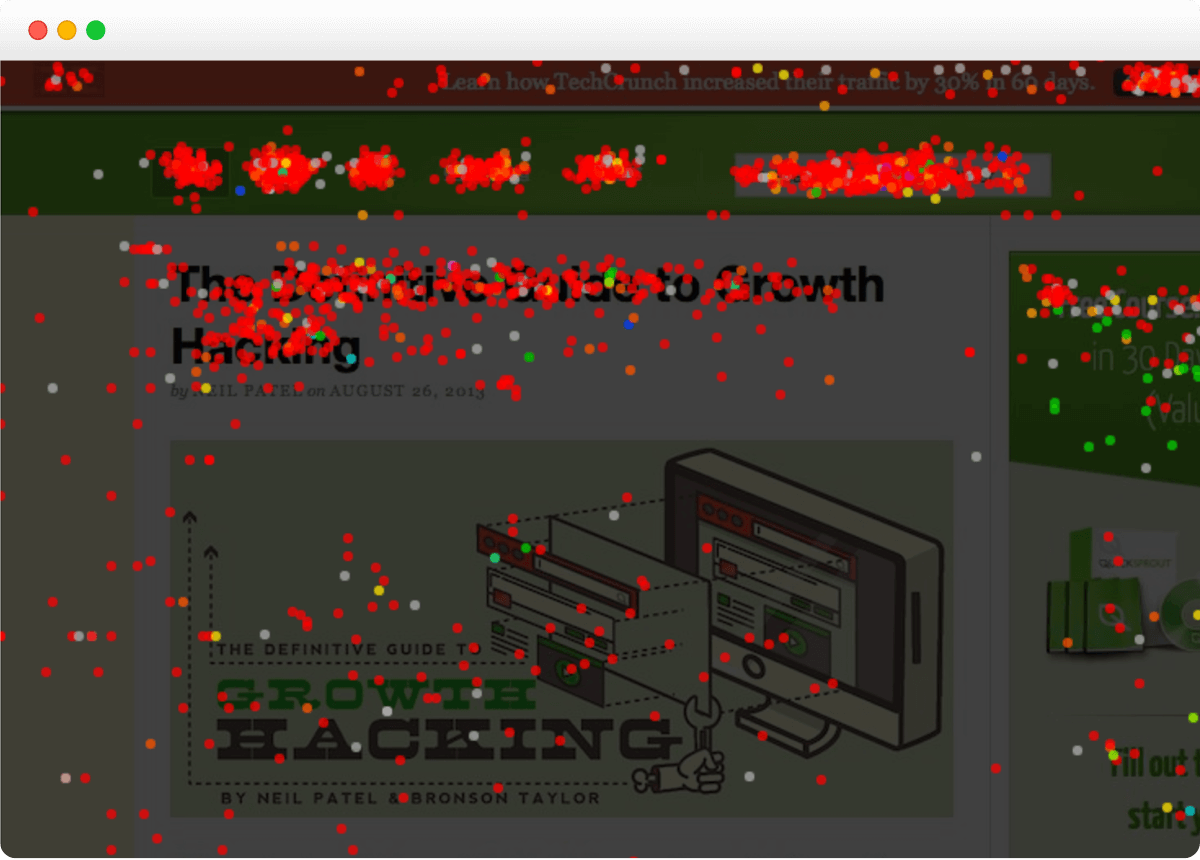
To understand the current competition between Crazy Egg and Contentsquare, one must examine the trajectory of the behavioral analytics industry. Crazy Egg, co-founded in 2005 by Hiten Shah and Neil Patel, was a pioneer in visual analytics. It introduced the concept of the “Heatmap” to the mainstream marketing world, simplifying complex log data into intuitive color-coded visualizations. For nearly two decades, Crazy Egg has maintained a focus on democratizing data, ensuring that marketers and small-to-medium business (SMB) owners can derive insights without requiring a background in data science.
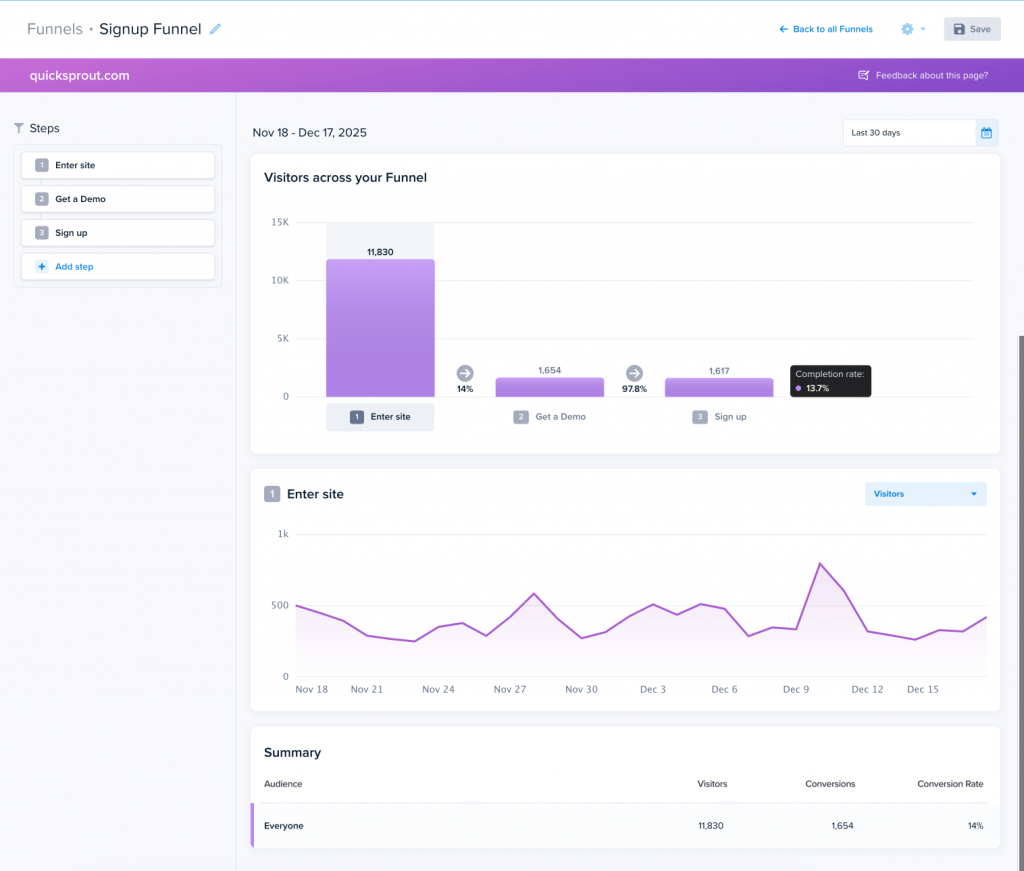
Contentsquare, founded in 2012 by Jonathan Cherki, took a different path, positioning itself as a premium solution for the global enterprise. The company’s growth has been defined by aggressive capital raises and strategic acquisitions intended to build a “best-of-breed” conglomerate. In 2019, Contentsquare acquired Clicktale, a pioneer in session replay; in 2021, it acquired Hotjar to capture the SMB and mid-market segment; and in 2023, it acquired Heap to bolster its product analytics capabilities. This consolidation has created a powerful, albeit complex, platform that serves as the “source of truth” for many Fortune 500 companies.
Core Feature Comparison: Visualization and Interaction
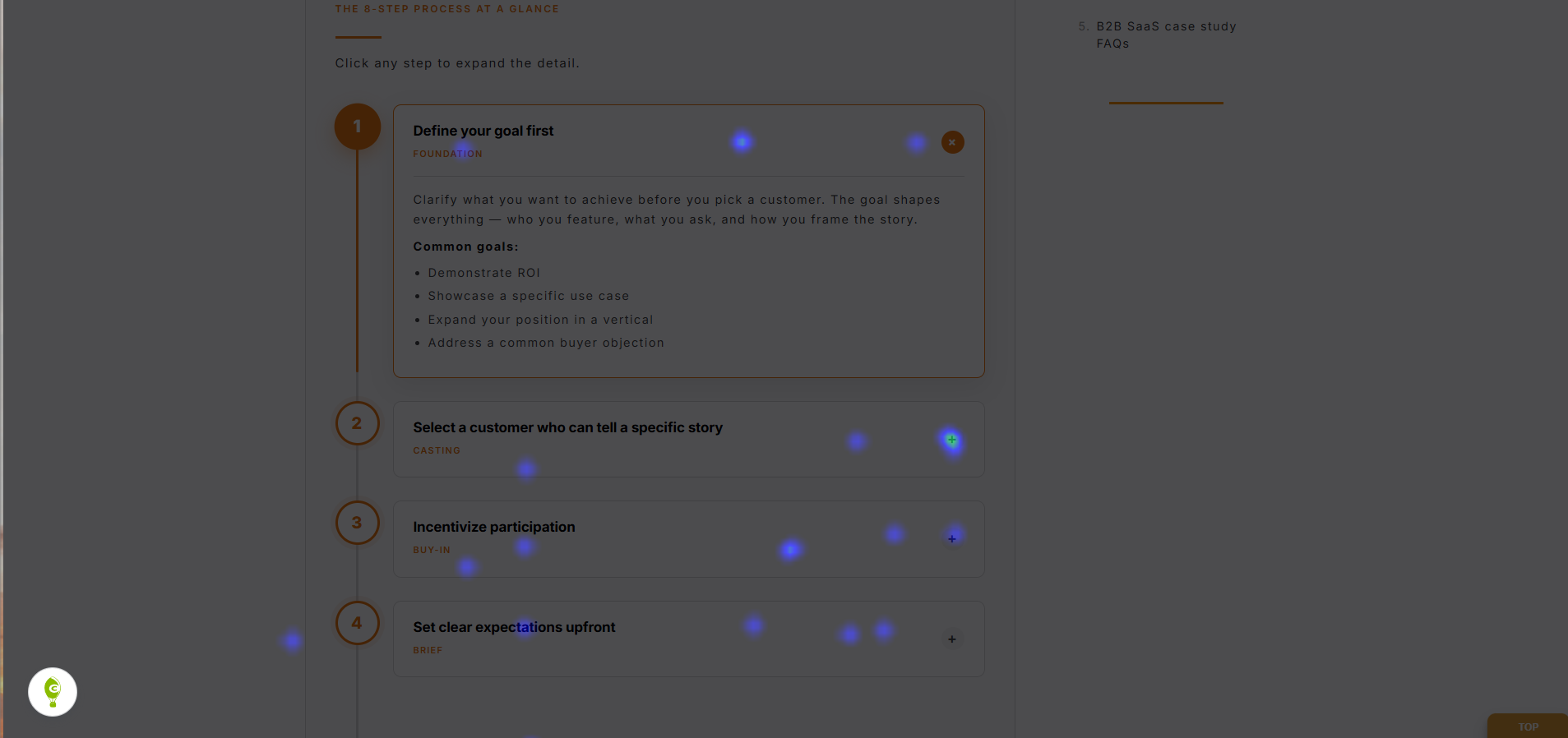
The fundamental utility of both platforms lies in their ability to visualize how users interact with a digital interface. However, the methodology and depth of these visualizations vary significantly.
Crazy Egg offers five distinct heatmap types: Click, Scroll, Confetti, Overlay, and List. The “Confetti Map” remains its most celebrated feature, allowing users to segment individual clicks by traffic source, device type, and referral URL on a single screen. This level of per-click segmentation provides immediate clarity on whether a paid social campaign is attracting the same engagement as organic search traffic. Furthermore, Crazy Egg’s “Instant Heatmaps” feature automates the generation of maps across an entire site upon installation, reducing the time-to-insight for busy marketing teams.

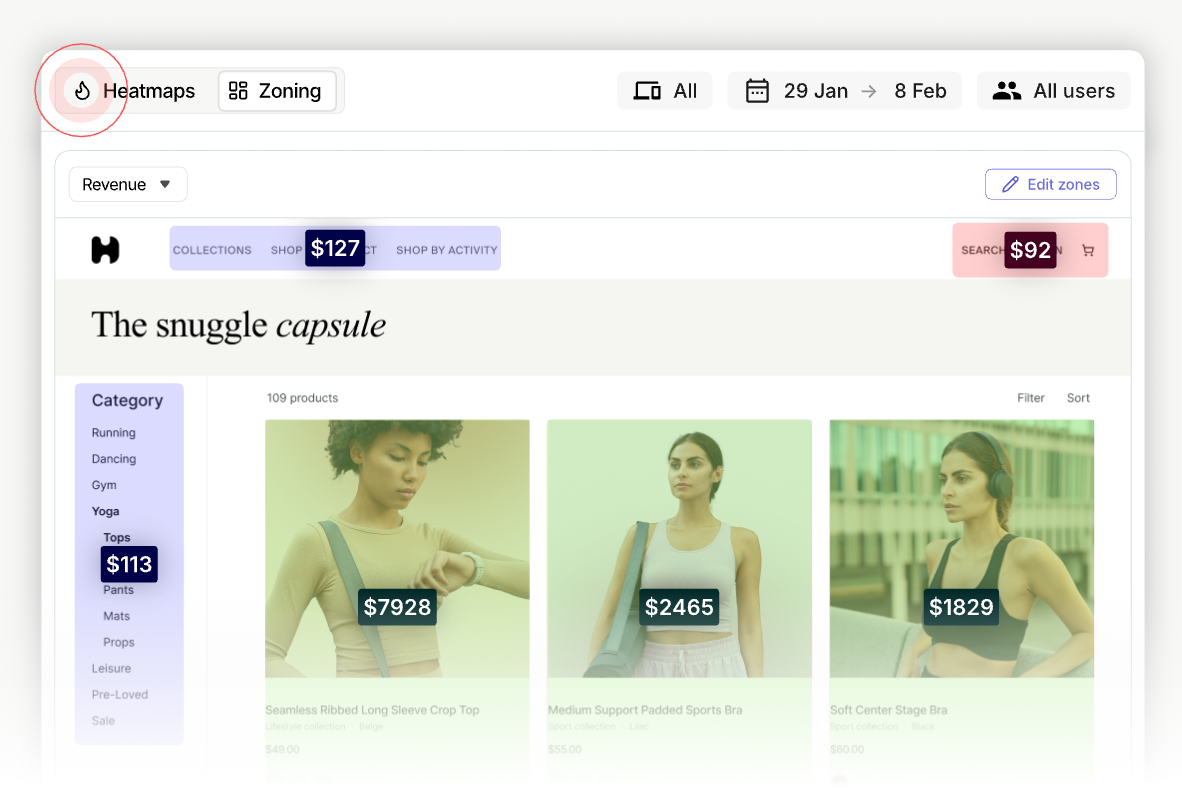
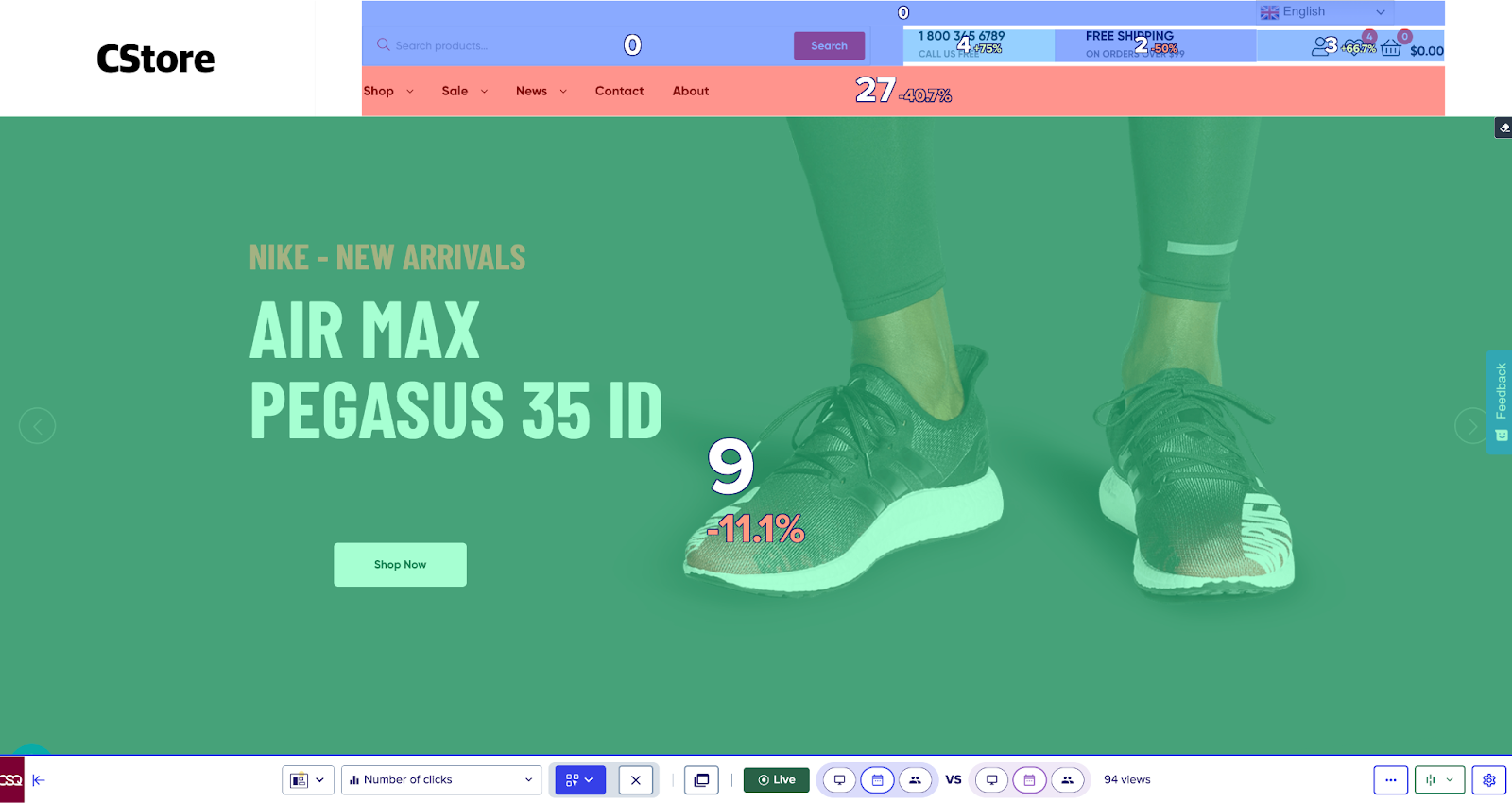
Contentsquare’s signature strength is its “Zone-Based Heatmaps.” Unlike traditional heatmaps that show general clusters of activity, Contentsquare allows analysts to draw specific zones around elements—such as a “Buy Now” button or a hero image—and attach engagement, conversion, and revenue metrics directly to that element. For an e-commerce giant, this allows for the calculation of the exact dollar value of a specific piece of real estate on the homepage. While powerful, this functionality is often gated behind the platform’s “Pro” and “Enterprise” tiers, making it a significant investment.
Session Replays and Data Retention Strategies
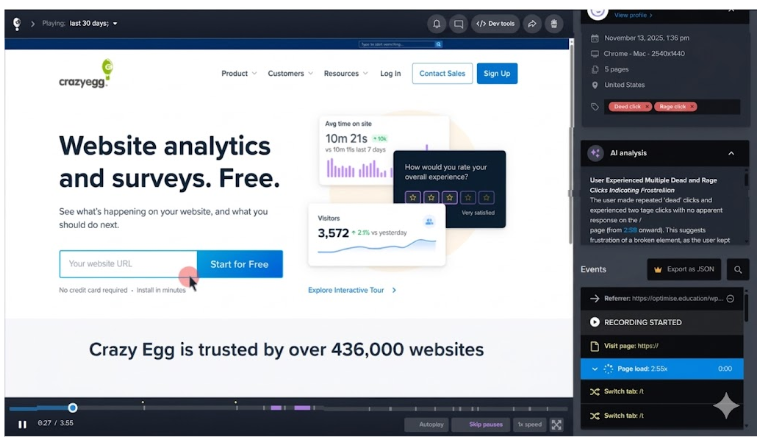
Session recordings are critical for identifying “friction points” where users struggle or abandon a journey. Crazy Egg approaches this with a philosophy of maximum data availability. Depending on the plan, Crazy Egg offers retention periods ranging from six months to two years. This is a critical advantage for businesses with long sales cycles or those wishing to perform year-over-year comparisons of seasonal events like Black Friday. Crazy Egg also allows for per-page sampling control, enabling a company to record 100% of checkout sessions while only recording 5% of blog traffic to manage their data budget efficiently.
Contentsquare’s session replay functionality is robust, offering advanced filtering, manual tagging, and team annotations. However, the platform utilizes a more restrictive retention and sampling model by default. Standard retention often ranges from 30 to 90 days, with extensions requiring additional fees. Furthermore, Contentsquare caps replays as a percentage of total sessions—for instance, the “Growth” plan may only record 15% of sessions. While this is sufficient for identifying general patterns, it may miss specific edge-case bugs that occur in low-volume traffic segments.
The A/B Testing and Workflow Integration Gap
One of the most significant points of divergence between the two platforms is the inclusion of native experimentation tools. Crazy Egg provides a native A/B testing suite that includes a visual editor. This allows non-technical marketers to change headlines, images, or button colors and launch a test without developer intervention. It also supports “Multi-Armed Bandit” (MAB) testing, where the system automatically shifts traffic to the winning variant in real-time to maximize conversions during the test period.
Contentsquare does not offer a native A/B testing engine. Instead, it positions itself as an “A/B Test Analysis” layer. Users must maintain a separate subscription to a dedicated testing tool such as Optimizely, AB Tasty, or Adobe Target. Contentsquare then integrates with these tools to provide deeper behavioral insights into why a specific variant performed better. For enterprise teams that already have a dedicated experimentation stack, this integration is seamless. However, for SMBs, this represents an additional layer of cost and operational complexity.
Quantitative vs. Qualitative Insights: Surveys and Feedback
Understanding what a user did (quantitative) is only half the battle; understanding why they did it (qualitative) is equally vital. Crazy Egg includes an unlimited survey tool across all paid plans. These surveys are equipped with AI sentiment analysis to categorize open-text responses and are directly linked to the respondent’s session recording. This allows a researcher to watch a user struggle with a form and then immediately read that user’s feedback about the experience.
Contentsquare treats qualitative data as a separate product module called “Voice of Customer” (VoC). While it offers advanced features like “Concept Testing” and sophisticated targeting, it requires a separate subscription fee. For organizations on the “Growth” tier, this adds a minimum of $79 per month to the base cost. The “Free” version of Contentsquare’s VoC is capped at 100 responses per month, which may be insufficient for statistically significant analysis on high-traffic sites.
AI and the Future of Automated Insights
Both platforms are currently in an “AI arms race,” attempting to reduce the manual labor required to find insights. Crazy Egg focuses on “Top Insights,” an AI-driven dashboard that flags unusual session behavior or sentiment shifts. It also allows users to export data directly to Large Language Models (LLMs) like ChatGPT or Gemini for custom analysis.

Contentsquare’s AI stack, branded as “Sense,” is more extensive. It includes an AI analyst that can answer natural language questions about user journeys and “Session Replay Summaries” that condense a 10-minute recording into a few bullet points of text. However, much like its other advanced features, the “Sense Analyst” is often sold as a paid add-on, even for Enterprise clients, reflecting the platform’s premium positioning.
Financial Implications and Market Positioning
The pricing models of these two companies reflect their intended audiences. Crazy Egg operates on a transparent, tiered subscription model ranging from $29 to $599 per month. It is designed for self-service, requiring no sales calls or long-term contracts. This makes it the preferred choice for startups, marketing agencies, and mid-sized e-commerce sites.
Contentsquare’s pricing is largely opaque for the Pro and Enterprise tiers. Industry data from software procurement platforms like Vendr suggests that enterprise contracts for Contentsquare can range from $30,000 to over $500,000 per year, depending on session volume and add-on modules. This investment usually necessitates a dedicated analyst or a CRO team to ensure a positive Return on Investment (ROI).
Strategic Analysis: Impact and Implications
The competition between Crazy Egg and Contentsquare highlights a broader trend in the SaaS industry: the tension between “All-in-One” simplicity and “Enterprise-Grade” complexity.
For the broader market, the implication is clear. The barrier to entry for high-quality user research has vanished. A small business can now use Crazy Egg to access tools that were previously only available to the world’s largest corporations. Conversely, for the global enterprise, Contentsquare provides a level of data governance and cross-platform (mobile app + web) instrumentation that a simpler tool cannot match.
Inferred industry reactions suggest that as data privacy regulations like GDPR and CCPA tighten, the “sampling” models used by these tools will become even more critical. Companies will need to decide if they want to track every user (at a higher cost and privacy risk) or use the sophisticated sampling algorithms offered by Contentsquare to infer behavior.
Final Conclusion
The choice between Crazy Egg and Contentsquare is ultimately a question of organizational scale and specific needs. Crazy Egg is the definitive choice for the “agile marketer”—those who need a bundled, cost-effective toolkit to increase conversions without getting bogged down in technical configuration. It offers an unbeatable value proposition by including A/B testing, surveys, and long-term data retention in a single price.
Contentsquare is the choice for the “data-driven enterprise.” It is built for organizations that view digital experience as their primary competitive battlefield and have the budget to support a sophisticated, multi-product ecosystem. While the total cost of ownership is significantly higher, the depth of its “Zone-Based” analytics and “Journey Analysis” provides a level of detail that can uncover millions of dollars in “hidden” revenue for high-volume sites.
As the digital landscape continues to evolve, both platforms will likely continue to integrate more AI-driven automation, further blurring the line between data collection and actionable business intelligence. For now, the market remains bifurcated: Crazy Egg for the masses, and Contentsquare for the giants.