rifanmuazin
The modern recruitment landscape has shifted into a high-stakes digital auction where enterprises frequently pay upwards of $5.00 per click to drive potential talent toward job listings. However, a significant disconnect persists between the initial marketing investment and the final submission of an application. Industry data suggests that while organizations invest heavily in creative advertisements and targeted social media campaigns, the majority of that traffic is directed toward generic, multi-purpose career sites. These sites, characterized by complex navigation and an overwhelming volume of unrelated job postings, often result in immediate candidate attrition. To combat this “leaking bucket” in the recruitment funnel, industry leaders are increasingly adopting dedicated recruitment landing pages—standalone web environments designed with the singular objective of converting a visitor into an applicant.
The Economic Context of Modern Talent Acquisition
The shift toward specialized recruitment landing pages is driven by the escalating cost of candidate acquisition. In the current labor market, particularly within the gig economy and high-growth technology sectors, the “war for talent” has transitioned from traditional headhunting to sophisticated performance marketing. When a candidate clicks an advertisement, they are seeking a specific solution to their employment needs. If the landing environment fails to provide an immediate and seamless transition from the ad’s promise to the application’s start, the financial investment in that click is effectively nullified.
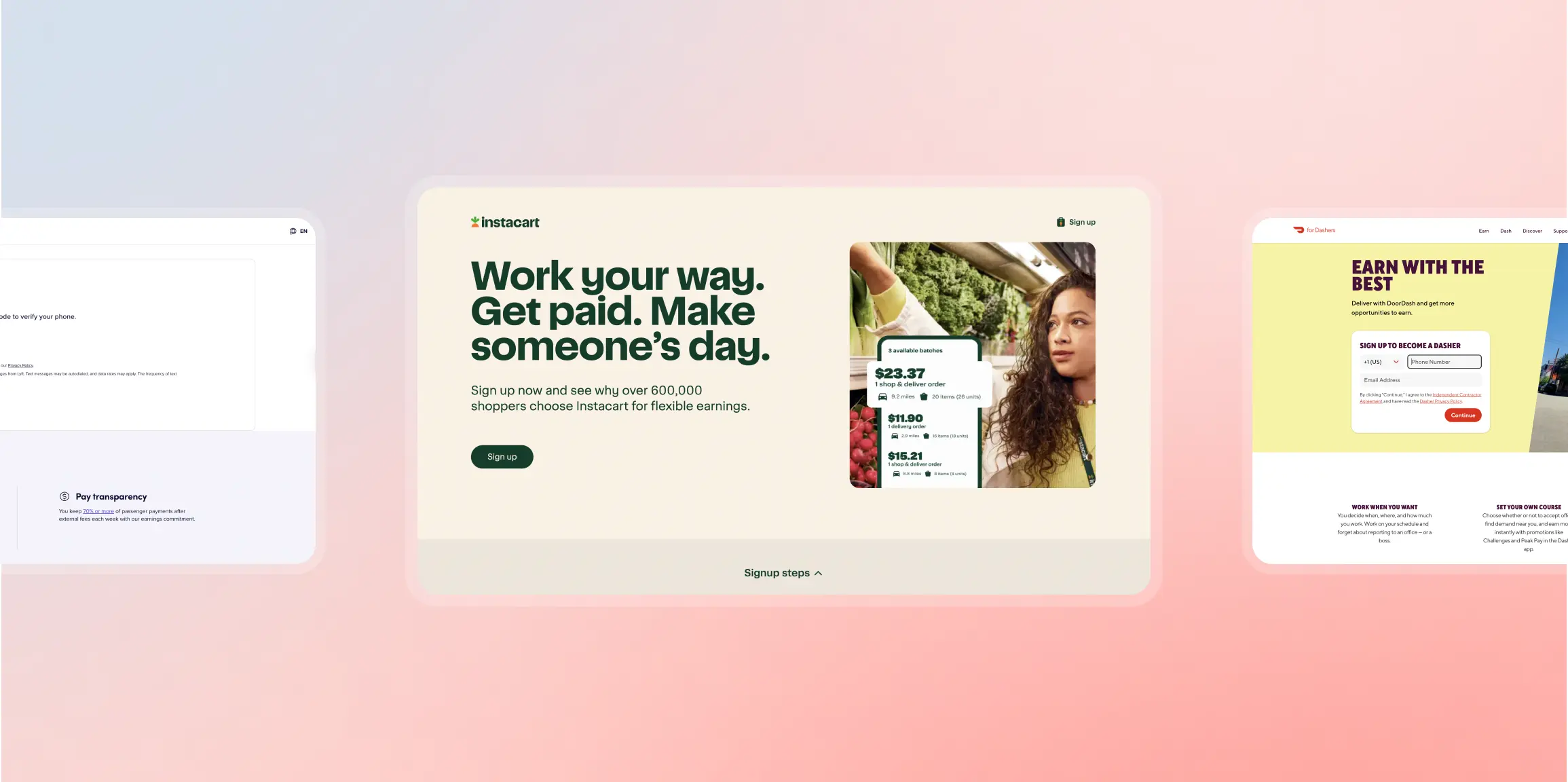
Market analysis indicates that traditional career portals often suffer from high bounce rates because they are built for browsing rather than conversion. A recruitment landing page, by contrast, removes the friction of “search and find.” By stripping away global navigation menus, secondary links, and corporate fluff, companies can focus the candidate’s attention entirely on the value proposition of the specific role at hand. This methodology mirrors successful e-commerce strategies, treating the job opening as a product and the candidate as a high-intent consumer.
Strategic Framework for High-Performing Recruitment Pages
To maximize the Return on Investment (ROI) of recruitment spend, experts have identified several core pillars that define a high-converting landing page. These principles serve as the benchmark for evaluating the effectiveness of a hiring campaign.
1. The Principle of Message Match
One of the primary causes of candidate drop-off is “message mismatch.” If a digital advertisement promises a “Remote Senior Developer” position with a specific salary range, but the landing page displays a generic “Join Our Team” headline, the candidate experiences cognitive dissonance. High-performing pages ensure that the headline on the landing page is a near-identical mirror of the advertisement that drove the click. This continuity reassures the candidate that they are in the right place and that the opportunity they clicked on is still available.
2. Above-the-Fold Optimization
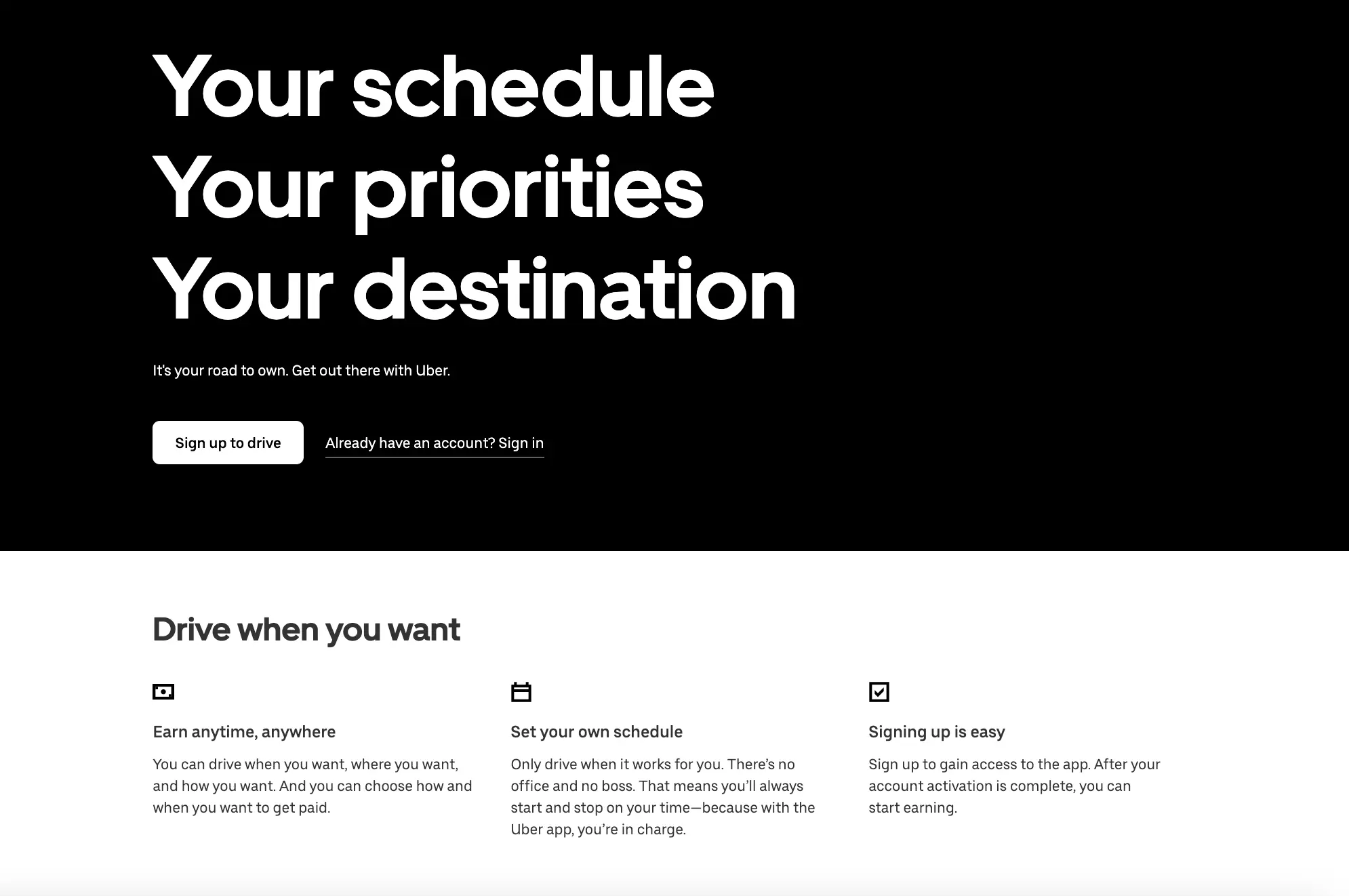
Human attention spans in the digital environment are measured in seconds. The “above-the-fold” area—the portion of the webpage visible without scrolling—must communicate the three essential elements of the role: the job title, the primary benefit (e.g., competitive pay or flexible hours), and a clear Call to Action (CTA). Industry benchmarks suggest that including a prominent “Apply Now” button and trust signals, such as company ratings or industry awards, within this initial view can increase conversion rates by as much as 20%.
3. Friction Reduction in Application Forms
The length of an application form is inversely proportional to the completion rate. Data from recruitment marketing platforms indicates that every additional field in a form can reduce the conversion rate by 5% to 10%. Leading organizations now favor “short-form” initial applications, often limited to name, email, phone number, and a resume upload. For roles requiring more extensive vetting, a two-step “progressive profiling” approach is recommended: capturing basic contact information first to establish a lead, followed by a more detailed questionnaire.
Chronology of Candidate Engagement: From Click to Conversion
The journey of a candidate through a dedicated recruitment landing page follows a logical sequence designed to build trust and momentum.
- Discovery (0-3 Seconds): The page loads. The candidate verifies the job title and the primary value proposition. Mobile optimization is critical here, as more than 70% of job seekers now use mobile devices. A delay in load time exceeding three seconds often results in an immediate bounce.
- Evaluation (3-30 Seconds): The candidate scans for key benefits and social proof. Bulleted lists of perks—such as healthcare, sign-on bonuses, or remote work options—provide quick answers to the candidate’s “What’s in it for me?” questions.
- Trust Verification (30-60 Seconds): The candidate looks for evidence of company culture and legitimacy. This is where employee testimonials, photos of real staff, and third-party recognitions (e.g., “Best Places to Work”) play a vital role.
- Action (1-2 Minutes): The candidate interacts with the form. If the form is intuitive and the CTA is compelling (e.g., “Start Your Journey” instead of “Submit”), the likelihood of completion remains high.
Case Studies in Recruitment Excellence: Uber, Lyft, and DoorDash
The gig economy has mastered the art of high-volume recruitment through optimized landing pages. By analyzing the digital strategies of industry giants, other sectors can derive valuable insights.
Uber and Lyft: The Power of Transparency
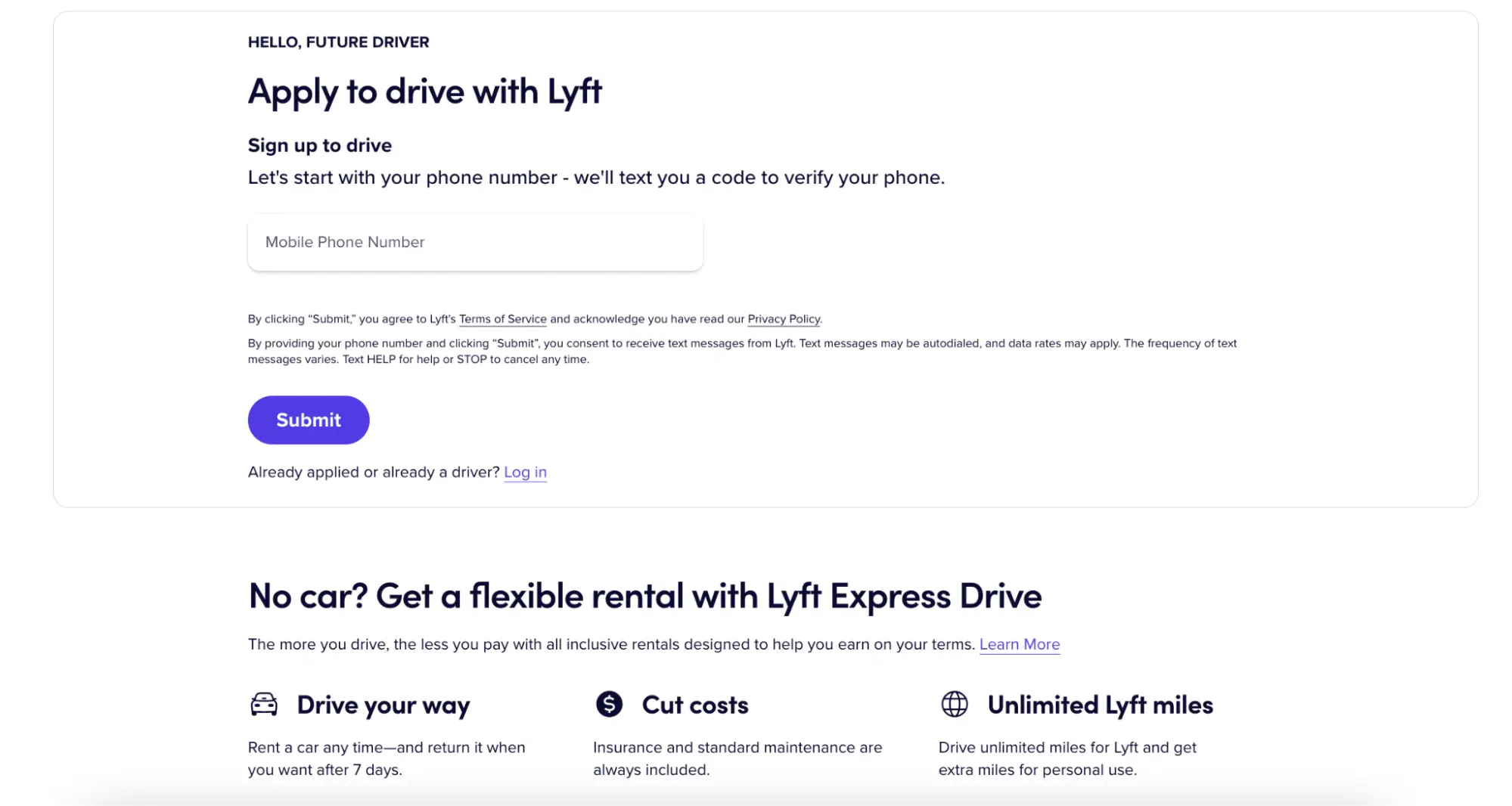
Uber’s driver recruitment pages are frequently cited for their focus on the “earnings potential” and “flexibility.” Their pages often feature an earnings calculator or a prominent display of how much a driver can expect to make. This addresses the candidate’s primary concern immediately. Lyft follows a similar trajectory but emphasizes the community and support aspects. Both companies utilize a “no-exit” design, where the navigation menu is removed to prevent the candidate from wandering away from the signup flow.
DoorDash and Instacart: Speed and Simplicity
For food delivery platforms like DoorDash, the barrier to entry must be extremely low. Their recruitment pages are characterized by minimal text and high-contrast CTA buttons. Instacart’s strategy focuses heavily on mobile-first design, recognizing that their target demographic is likely browsing while on the go. Both companies use social proof—such as “Join 1 million+ Dashers”—to leverage the psychological principle of “bandwagon effect,” making the opportunity feel safe and proven.

Writers Work: Niche Targeting
Platforms targeting specific skill sets, such as Writers Work, utilize a different psychological lever: qualification. By framing the landing page as a “qualification” or “onboarding” process, they increase the perceived value of the platform. This approach shifts the dynamic from the company begging for applicants to the candidate seeking to “qualify” for a desirable opportunity.
The Role of A/B Testing and AI in Recruitment Optimization
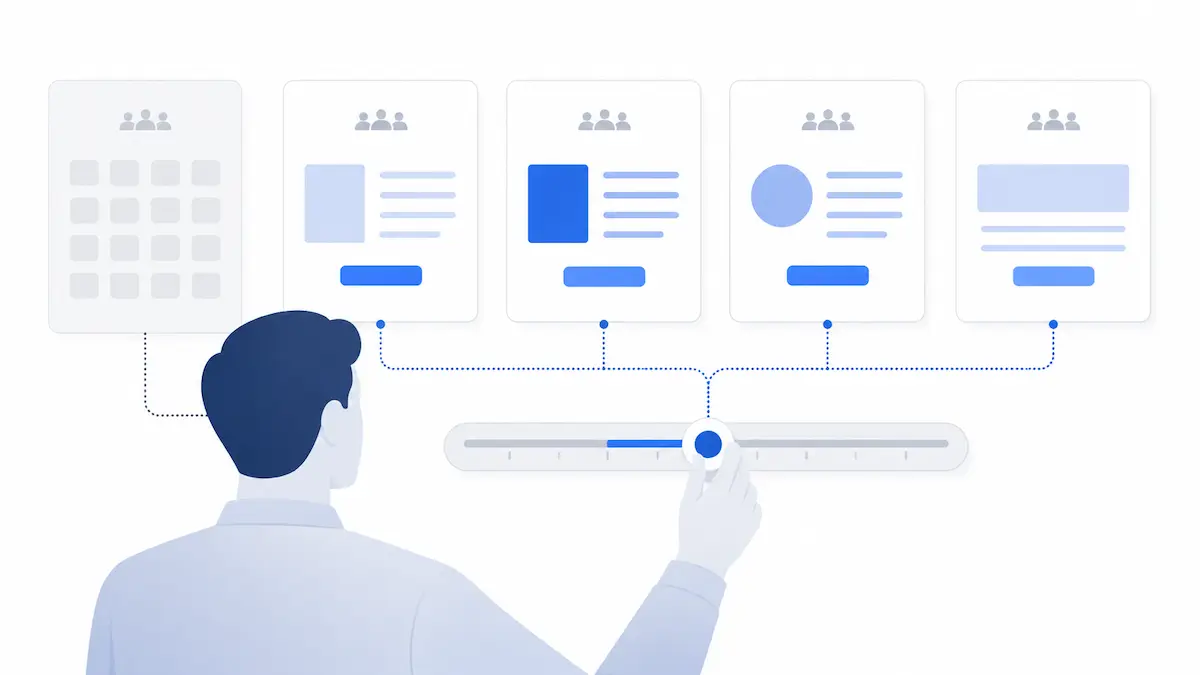
Stagnation is the enemy of recruitment ROI. Even a well-designed page can lose effectiveness over time as market conditions and candidate expectations evolve. This is where A/B testing (split testing) becomes essential. By running two versions of a landing page simultaneously—one with a blue CTA button and one with a red one, for example—recruiters can gather empirical data on what resonates with their specific audience.
Technological advancements have introduced AI-powered experimentation into the recruitment stack. Modern platforms can now automatically shift traffic toward the higher-performing version of a page in real-time. This “multi-armed bandit” approach ensures that the majority of the ad budget is spent on the version of the page most likely to yield an application. Key metrics for these experiments include:

- Conversion Rate: (Completed Applications / Page Views) x 100.
- Cost Per Applicant (CPA): Total Ad Spend / Number of Completed Applications.
- Form Abandonment Rate: The percentage of users who started the form but did not finish.
Industry Implications and the Future of Talent Acquisition
The move toward dedicated recruitment landing pages represents a broader trend in Human Resources: the “marketing-ification” of recruitment. As the digital space becomes more crowded, companies can no longer rely on passive job boards. They must actively hunt for talent using the same tools and tactics as their sales and marketing departments.
Industry analysts predict that the next phase of this evolution will involve hyper-personalization. Future recruitment landing pages may dynamically change their content based on the candidate’s location, previous job titles, or even the time of day they are browsing. For instance, a candidate clicking an ad in the evening might see headlines emphasizing “Work-Life Balance,” while a mid-day browser might see “Career Advancement” as the primary hook.
Ultimately, the adoption of recruitment landing pages is a recognition of the value of the candidate’s time. By providing a clear, concise, and trustworthy path to employment, companies not only reduce their own costs but also build a more positive employer brand from the very first point of contact. In an era where the candidate experience is a key differentiator, the organizations that simplify the path to “Apply” will be the ones that secure the top talent in an increasingly competitive global market.