rifanmuazin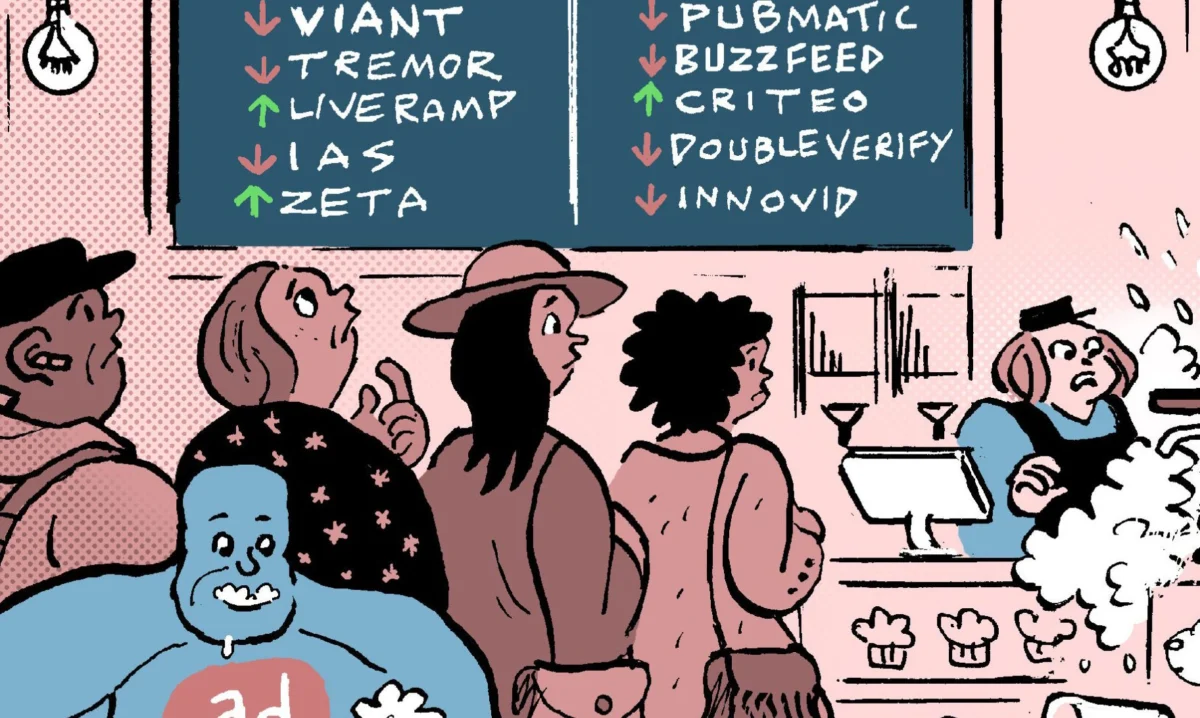
Tuesday, November 18th, 2025 – 1:13 pm
The digital advertising technology (ad tech) sector is currently navigating a period of intense competitive friction and dramatic shifts, evidenced by a series of recent earnings reports and industry pronouncements. This year has been characterized by escalating tensions between key players, particularly Supply-Side Platforms (SSPs) and Demand-Side Platforms (DSPs), over access to crucial bidstream data and the evolving architecture of programmatic advertising. The fallout from these disputes is not confined to industry insiders; it is now directly impacting investor sentiment and the financial performance of publicly traded ad tech companies.
The once-unified front of independent programmatic companies, largely united against Google’s dominance and seeking to leverage platforms like The Trade Desk (TTD), has fractured. This shift signifies a more complex and adversarial ecosystem, where alliances are fluid and strategic maneuvers are increasingly geared towards protecting market share and profitability. The narrative threads of these industry skirmishes are now manifesting in tangible financial results, painting a stark picture of revenue pressures and strategic recalibrations.
Revenue Pressures Fuel Programmatic Discord
At the core of the current ad tech drama lies a fundamental economic reality: many companies are experiencing reduced revenue. The heated debates surrounding data transparency, supply chain roles, and platform access are, in essence, a consequence of diminished financial performance across the programmatic ecosystem. This revenue squeeze is forcing companies to re-evaluate their strategies and, in some cases, engage in aggressive tactics to secure their financial standing.
Magnite, PubMatic, and Nexxen, prominent SSPs, have all disclosed in their third-quarter earnings reports a significant and unexpected decrease in spending from unnamed DSPs. This decline has been described as precipitous, indicating a sudden and substantial shift in demand. While these reports have largely avoided naming specific culprits, the language used by company executives offers significant clues.
Rajeev Goel, CEO of PubMatic, alluded to The Trade Desk’s new ad-buying platform, Kokai, stating that it operates “differently from what we have seen.” This comment echoes previous characterizations by PubMatic leadership regarding a sudden drop in spending from a particular DSP, suggesting a direct correlation between TTD’s platform evolution and the reduction in ad spend flowing through PubMatic’s systems.
Magnite’s CEO, Michael Barrett, was more direct in his assessment. He explicitly stated that The Trade Desk had implemented a change that “prioritized OpenPath as a default path for supply.” This move, according to Barrett, necessitated Magnite’s direct engagement with major agency buyers to re-establish a “preferred supply path.” Given that TTD represents a significant source of demand and Magnite a major provider of programmatic supply, Barrett acknowledged that this strategic shift by TTD had a tangible “impact” on Magnite’s revenue.
Nexxen, a company that operates both a DSP and an SSP, also reported a downward revision of its financial forecasts for the remainder of the year. CEO Ofer Druker cited a lack of the anticipated “wave of growth” typically seen in October leading into the holiday season. This wasn’t attributed to a single DSP but rather a broader programmatic plateau, a departure from the usual pre-holiday surge. Druker further noted that this trend was exacerbated by the movement of large DSPs, such as The Trade Desk, towards integrating directly with supply-side operations, effectively bypassing traditional SSP intermediaries.
Beyond the direct impact on SSPs, other players in the programmatic ecosystem are also grappling with revenue challenges. System1 CEO Michael Blend reported that an unnamed programmatic vendor within their demand channel had supplied “significant invalid or nonhuman” traffic. This issue has led System1 to seek reimbursements and consider legal action, highlighting the ongoing challenges of maintaining ad quality and financial integrity within the programmatic supply chain.
Strategic Positioning and Shifting Alliances
Beyond the immediate financial pressures, the heightened antagonism within the programmatic space is also a strategic battle for market positioning. Companies are actively trying to shape narratives and persuade investors and marketers about their vision for the future of programmatic advertising. This involves defining categories, drawing competitive lines, and emphasizing their unique value propositions.
Jeff Green, CEO of The Trade Desk, has been vocal in distinguishing TTD’s offering, stating in an investor call that “Amazon does not have a DSP as we define it.” This statement implicitly positions TTD as a pure-play DSP, separate from integrated retail media platforms, and potentially drawing a distinction between its buy-side focus and Amazon’s broader ecosystem.
Conversely, Viant, an independent DSP, is crafting its competitive landscape by focusing on “truly objective buy-side-only platforms.” CEO Tim Vanderhook’s commentary suggests a deliberate exclusion of The Trade Desk from this category, characterizing TTD as “no longer independent or objective” due to its prioritization of its own OpenPath supply integrations. This framing aims to position Viant as a more neutral and transparent partner for advertisers.
Nexxen’s CEO, Ofer Druker, has articulated a vision where large DSPs will increasingly build “end-to-end solutions” to enhance their margins. This perspective aligns with the trend of DSPs moving into the supply side, a strategy that can lead to greater control over the supply chain and potentially higher profit margins by capturing value at multiple points. Druker’s observation that “big DSPs in the future will have to build their own end-to-end solutions in order to increase their margins” underscores this strategic imperative.
These divergent viewpoints from within the independent DSP community highlight a fundamental disagreement about the optimal structure and future direction of programmatic advertising. While some advocate for specialization and independence, others see integration and end-to-end control as the path to profitability and competitive advantage.
The “Reseller” Debate and SSP Responses
A significant point of contention and a topic of investor concern has been The Trade Desk’s reclassification of certain SSPs as “resellers.” This designation carries negative connotations within the industry, often implying a lack of direct value creation and potentially lower quality of inventory.
PubMatic’s CEO, Rajeev Goel, has firmly rejected this label, asserting that PubMatic is not a reseller and maintains a strong partnership with The Trade Desk. Goel has downplayed the impact of TTD’s spending decrease and the broader “reseller noise,” characterizing the ecosystem as “multifaceted, certainly complex.” This stance aims to reassure investors that PubMatic’s business model remains robust and that its relationship with key demand partners is not fundamentally compromised.
Similarly, Magnite’s Michael Barrett has clarified that the “reseller” label does not apply to his company. Barrett expressed Magnite’s commitment to “cleaning up the system” by eliminating duplicate bids and low-quality impressions. He emphasized that Magnite is not a reseller and that the term “applies to others,” drawing a clear distinction between its operations and those of entities that might be more accurately described as resellers. This strategic denial is crucial for maintaining Magnite’s reputation as a premium supply partner and protecting its relationships with both publishers and advertisers.
Broader Implications and Future Outlook
The current turbulence in the ad tech market is more than just a series of isolated disputes; it signifies a broader industry inflection point. The erosion of traditional revenue models, the increasing complexity of the programmatic supply chain, and the strategic maneuvers of dominant players like The Trade Desk are forcing a fundamental re-evaluation of how digital advertising operates.
Key Trends and Their Impact:
- Consolidation and Vertical Integration: The push for end-to-end solutions by DSPs and the increasing complexity of supply chains are likely to drive further consolidation and vertical integration within the ad tech landscape. Companies that can offer a more streamlined and transparent experience, from targeting to measurement, may gain a competitive edge.
- Data Access and Transparency: The ongoing debate over bidstream data access and the implications of privacy initiatives like Google’s Privacy Sandbox will continue to shape the industry. Companies that can effectively navigate these changes and provide advertisers with reliable data insights will be well-positioned.
- Ad Quality and Invalid Traffic: The persistent issue of invalid or non-human traffic remains a significant challenge. Advertisers are increasingly demanding greater assurance of ad quality and viewability, putting pressure on platforms to implement more robust verification and fraud prevention measures.
- Investor Scrutiny: Publicly traded ad tech companies are facing intense scrutiny from investors. The current revenue pressures and strategic uncertainties mean that financial performance, clear strategic direction, and demonstrable value creation will be paramount for investor confidence.
- The Future of Open RTB: The effectiveness and evolution of the Open Real-Time Bidding (RTB) protocol, the backbone of programmatic advertising, are being tested. The current tensions may lead to innovations or alternative protocols that address the perceived inefficiencies and lack of transparency in the existing system.
The coming months will likely see continued strategic maneuvering and potentially further shake-ups within the ad tech industry. The companies that can adapt to the evolving market dynamics, demonstrate clear value to advertisers and publishers, and maintain a strong financial footing will be the ones best positioned to thrive in this increasingly complex and competitive environment. The current period of heightened tension, while disruptive, is ultimately a catalyst for necessary change and innovation in the digital advertising ecosystem.