rifanmuazin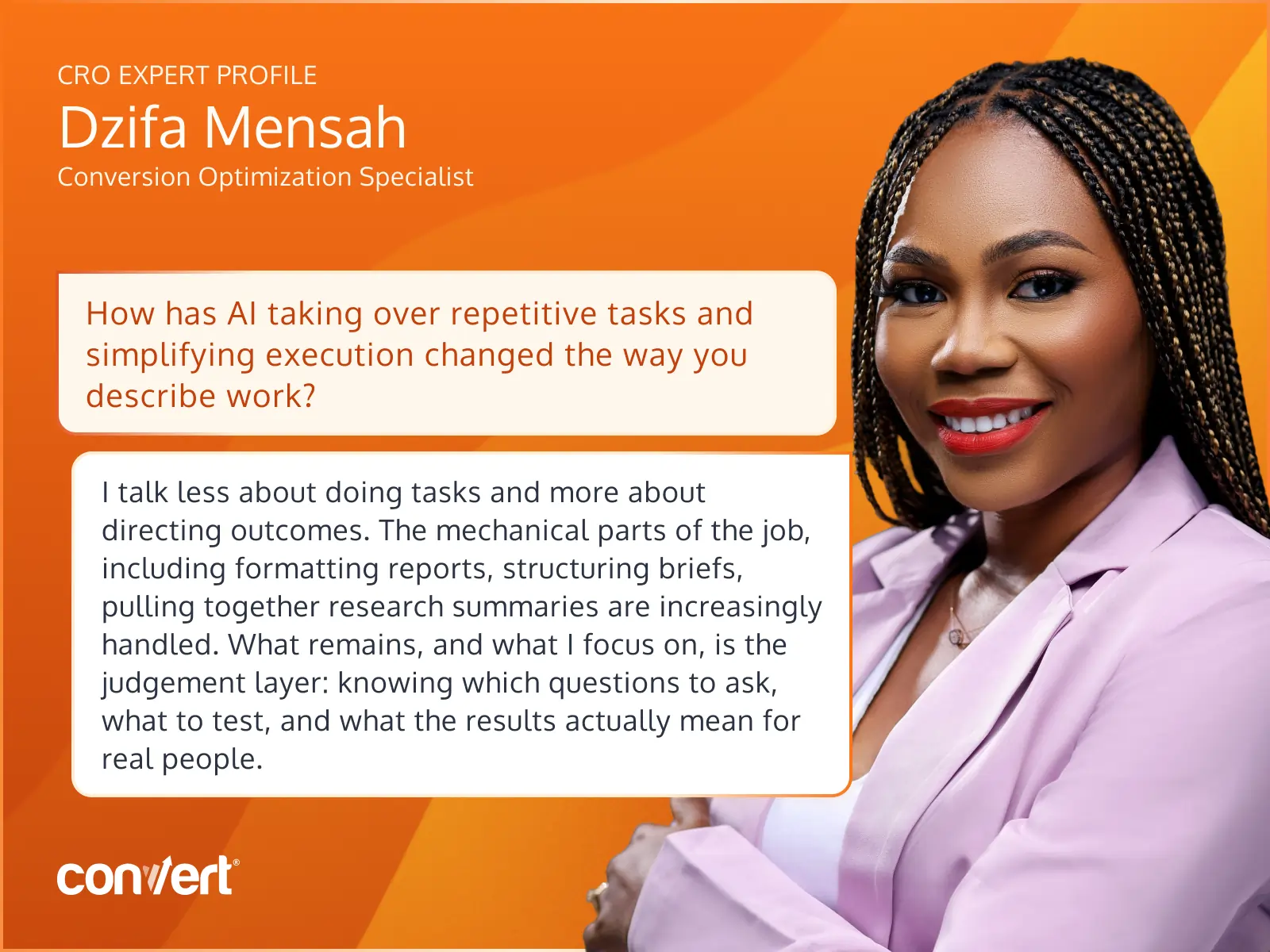
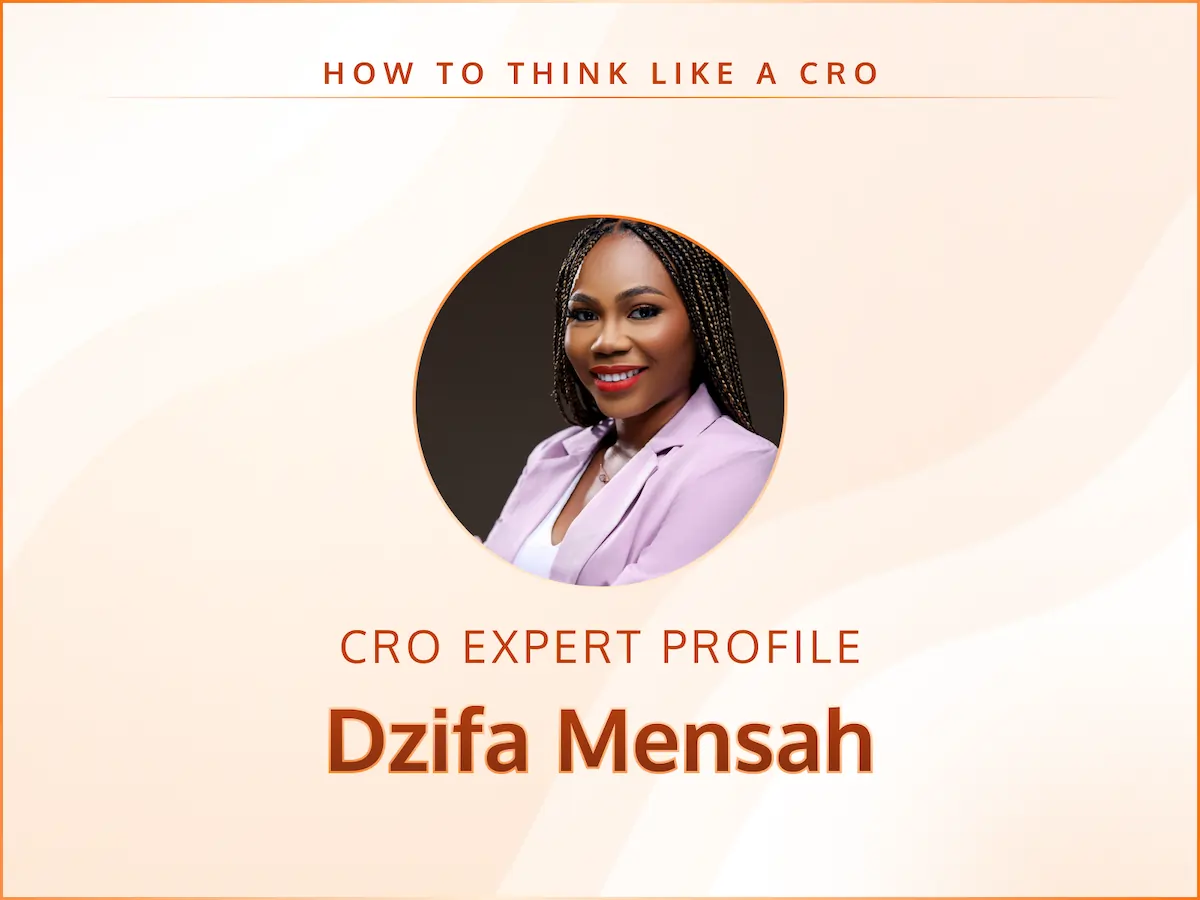
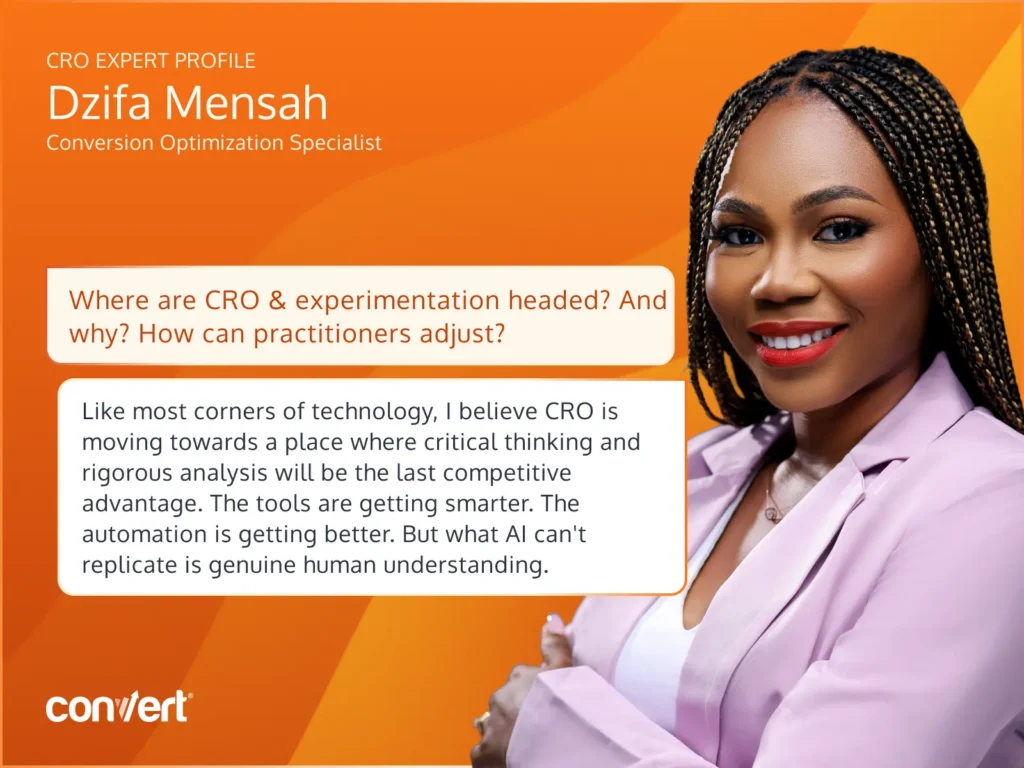
The landscape of digital marketing has shifted from broad-spectrum acquisition toward the granular science of Conversion Rate Optimization (CRO), a discipline that blends data analytics, behavioral psychology, and technical engineering. At the forefront of this evolution is Dzifa Mensah, a Conversion Optimization Specialist whose career spans more than a decade across web development, growth marketing, and cross-continental experimentation. Her professional trajectory reflects a broader industry trend where the “mechanical” aspects of digital growth are increasingly automated, leaving the “judgment layer”—the human ability to interpret nuance and cultural context—as the primary competitive advantage for modern enterprises.
The Professional Trajectory: From Development to Experimentation
The transition from traditional web development to specialized conversion optimization is a path shared by many of the industry’s leading practitioners. Mensah’s background in development provided the technical scaffolding necessary to understand not just what happens on a webpage, but how the underlying architecture influences user behavior. Over the course of ten years, her work has traversed diverse sectors, including Software as a Service (SaaS), e-commerce, and the non-profit charity sector. This cross-industry experience has allowed her to identify universal patterns in user friction while recognizing the unique psychological triggers specific to different business models.
In the early stages of the digital economy, businesses focused almost exclusively on “top-of-funnel” activities—driving traffic through search engine optimization (SEO) and paid advertising. However, as the cost per acquisition (CPA) has risen across platforms like Meta and Google, the industry has reached a point of diminishing returns. Consequently, the focus has shifted toward “mid-funnel” and “bottom-of-funnel” efficiency. Mensah’s entry into the field coincided with this shift, moving from the “how” of building websites to the “why” of user interaction. Her philosophy centers on the scientific method: the rigorous cycle of observation, hypothesis formation, testing, and evidence-based learning.
The Mechanics of Modern Optimization: Data vs. Intuition
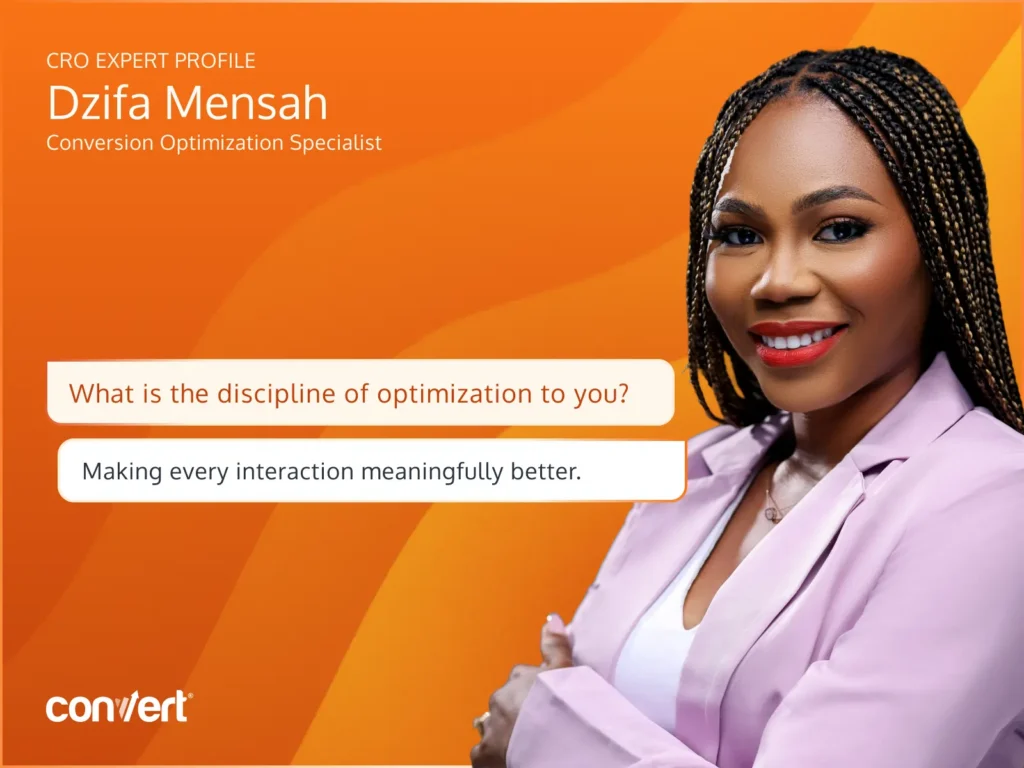
Conversion Rate Optimization is frequently misunderstood as a series of aesthetic adjustments—changing button colors or hero images. However, practitioners like Mensah argue that the discipline is an exercise in “making every interaction meaningfully better.” This requires a synthesis of quantitative data (the “what”) and qualitative research (the “why”).
The current state of the industry relies heavily on multivariate testing (MVT) and A/B testing frameworks. While these tools provide statistical significance, Mensah emphasizes that the data is only as good as the hypothesis behind it. The “signals in the noise” that she hunts for are often found in the contradictions between what users say in surveys and what they actually do on a live site. This gap between stated preference and revealed preference is where the most valuable optimization opportunities reside.

The AI Paradigm Shift: From Execution to Direction
The integration of Artificial Intelligence (AI) into experimentation workflows represents the most significant technological disruption in the field since the advent of real-time analytics. According to industry reports, nearly 70% of marketing professionals are now utilizing AI to assist with data analysis or content generation. For Mensah, AI has transitioned from a novel tool to a “reliable thinking partner.”
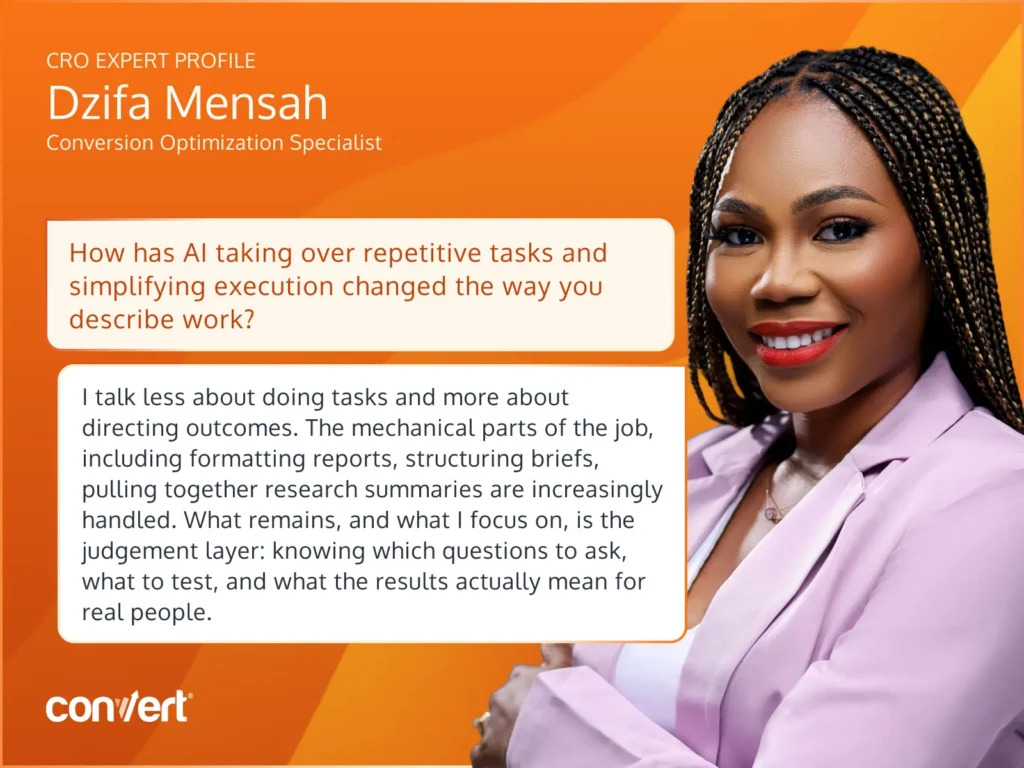
In a traditional CRO workflow, a specialist might spend dozens of hours manually consolidating data from heatmaps, session recordings, and Google Analytics. AI now allows for the rapid surfacing of patterns and contradictions within these datasets. Furthermore, the administrative burden of experimentation—drafting test announcements, formatting reports, and communicating complex technical results to non-technical stakeholders—is increasingly handled by Large Language Models (LLMs).
However, Mensah posits that this automation does not diminish the role of the specialist. Instead, it elevates it. As AI handles the repetitive tasks of formatting and structuring, the practitioner is freed to focus on the “judgment layer.” This involves knowing which questions are worth asking and identifying the subtle human hesitations that an algorithm might overlook. The future of the discipline, she suggests, lies in “directing outcomes” rather than “performing tasks.”
Case Study: The Failure of Generic Localization
One of the most significant insights from Mensah’s career involves a multivariate experiment conducted across three European markets: France, Germany, and the United Kingdom. The experiment utilized essentially the same value proposition, translated into the respective languages. The prevailing assumption among the stakeholders was that because the product and the user needs were consistent, the results would be uniform across all regions.
The outcome proved otherwise. Only the English-language version of the website reached statistical significance, while the French and German versions showed vastly different user engagement patterns. This case study serves as a critical reminder of the distinction between translation and localization. Cultural context shapes how users interpret trust signals, authority, and urgency.
For instance, German consumers historically show a higher preference for detailed technical specifications and data privacy assurances, whereas UK consumers may respond more readily to social proof and streamlined checkout experiences. Mensah’s findings align with broader marketing data suggesting that 75% of consumers prefer to buy products in their native language, but a further 40% will not buy from websites in other languages even if they understand the content, due to a lack of cultural resonance and trust.
The Psychology of Generosity: Optimization in the Charity Sector
Mensah’s work in the non-profit sector highlights the psychological divergence between “purchasing” and “donating.” In e-commerce, optimization is often driven by convenience, speed, and the removal of friction. The goal is to get the user from product discovery to checkout as quickly as possible.
In contrast, optimizing for a charity requires navigating the complexities of emotion, empathy, and trust. A “conversion” in this context is an act of generosity rather than a commercial transaction. Mensah notes that the metrics for success in the charity sector are often less tangible than in SaaS or e-commerce. The decision to donate is frequently driven by a sense of connection to a cause or the perceived impact of the contribution.
Data in this sector suggests that “friction” isn’t always negative. In some cases, providing more information about where a donation goes—even if it adds a step to the process—can increase conversion rates by building the necessary trust. This contradicts standard e-commerce “best practices” that prioritize the fewest clicks possible, illustrating why a one-size-fits-all approach to CRO is fundamentally flawed.
Industry Implications and the Future of Experimentation
As the digital landscape becomes more saturated, the ability to conduct rigorous, culturally aware experimentation will become a primary differentiator for global brands. The “Think Like a CRO Pro” series, which features Mensah alongside other industry leaders like Gursimran Gujral and Haley Carpenter, highlights a consensus: the technical barriers to entry are falling, but the intellectual barriers are rising.
Practitioners are encouraged to adjust by doubling down on analytical instincts and user psychology. The democratization of testing tools means that almost any company can run an A/B test, but without a deep understanding of the “human side” of the data, these tests often result in “flat” results or “false positives” that do not lead to long-term growth.
Summary of Key Findings and Analysis
The insights provided by Dzifa Mensah suggest several critical conclusions for the future of digital business:
- The Human Edge in an AI World: As AI simplifies the execution of tests, the value of a CRO specialist shifts to the “judgment layer”—interpreting results and understanding human emotion.
- Localization is Non-Negotiable: Global brands cannot rely on simple translation. Cultural nuances in trust and communication are decisive factors in whether a user converts.
- Context-Specific Optimization: The psychological drivers of a SaaS subscription, an e-commerce purchase, and a charitable donation are fundamentally different, requiring tailored experimentation frameworks.
- The End of the “Metric Chase”: Successful practitioners treat every test as a learning opportunity. A “failed” test that provides deep insight into user behavior is often more valuable than a “winning” test that offers a temporary lift without a clear explanation of why.
In conclusion, the discipline of optimization is moving toward a more sophisticated, holistic understanding of the user. As specialists like Dzifa Mensah continue to refine the intersection of technology and psychology, the goal remains clear: making every digital interaction meaningfully better for the human on the other side of the screen. The evolution of the field suggests that while the tools will continue to change, the necessity of curiosity, rigor, and human empathy remains constant.