rifanmuazin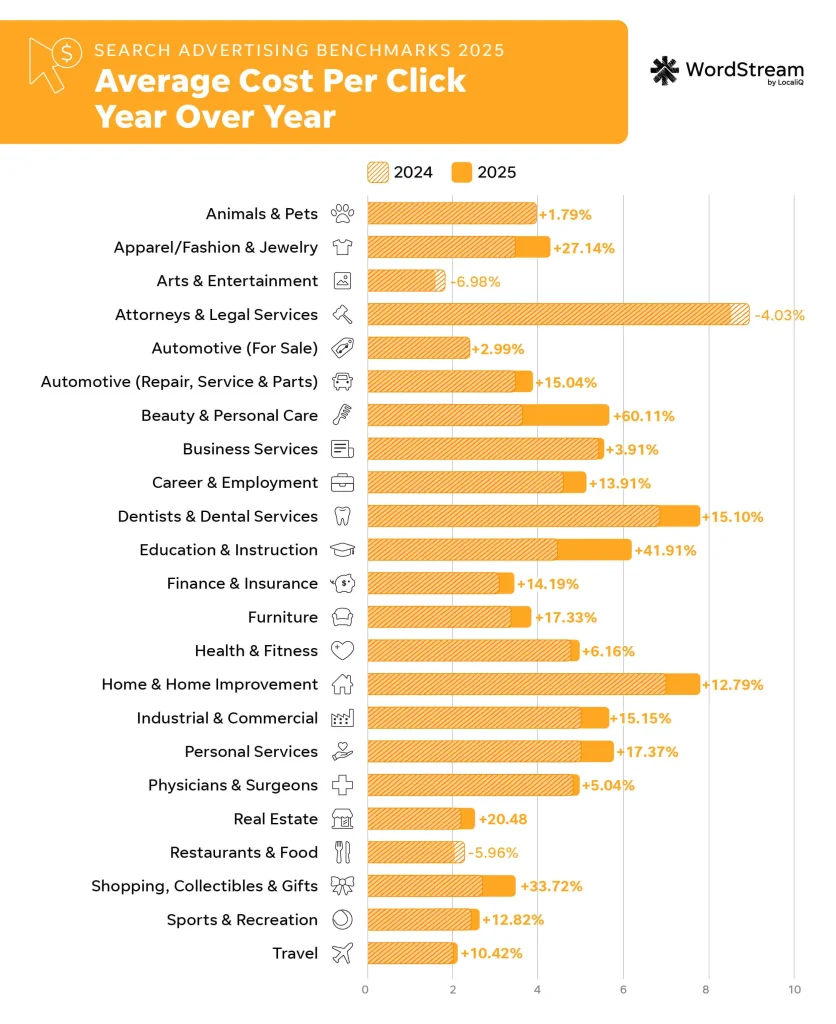
Keyword research, often perceived as a complex undertaking, is a cornerstone of effective digital marketing. Even seasoned SEO and PPC professionals acknowledge its challenges. However, through meticulous exploration of tools like Excel, ad platforms, Google Search Console, and specialized keyword research software, a streamlined approach has emerged. This comprehensive guide aims to demystify the process, providing businesses with the knowledge and actionable steps to identify the most impactful keywords for their growth. Understanding and implementing strategic keyword research is paramount for ensuring online visibility and connecting with target audiences precisely where they are searching.

The Foundation: What is Keyword Research?
Keyword research is the systematic process of identifying the terms and phrases that individuals use when searching for information, products, or services on search engines like Google and Bing. Beyond merely discovering these terms, it involves analyzing their search volume – how frequently they are searched – and, crucially, the intent behind them. This practice is fundamental for both expanding and refining paid and organic search marketing campaigns, ensuring that marketing efforts are aligned with genuine consumer interest.
As Jennah Patel, Senior Manager of Marketing Operations at LocaliQ and WordStream, emphasizes, “Keyword research helps you discover and prioritize the search terms that truly matter to your business and goals—so your ads appear for the right searches, not just more searches. The strongest keyword lists aren’t the largest; they’re filtered by intent, ensuring every click has a clear purpose.”
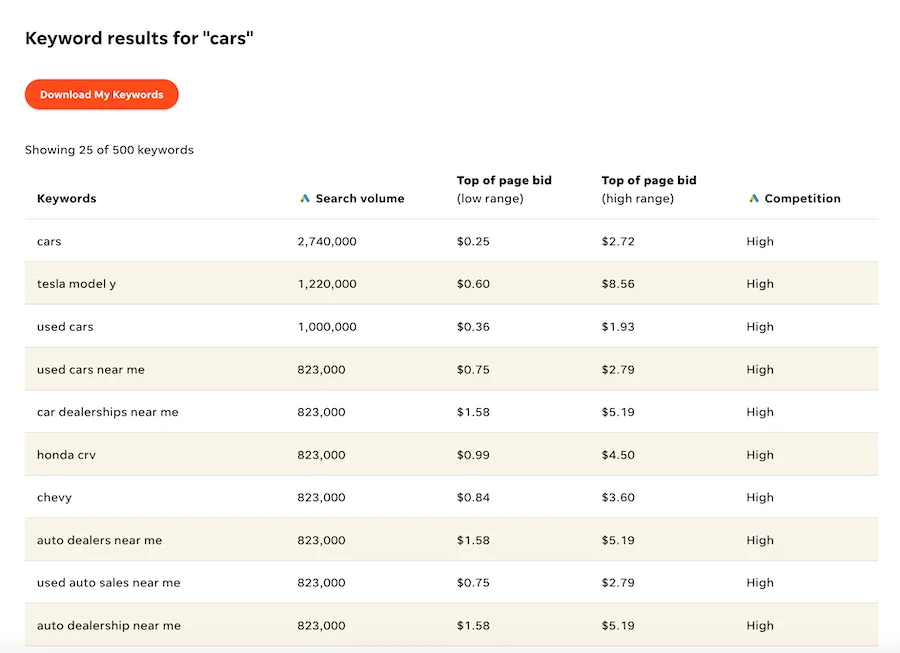
The primary objective of keyword research is to pinpoint search terms that not only possess sufficient search volume but also align directly with a business’s content, offerings, and overarching goals. In addition to search volume, other key metrics often considered include cost per click (CPC), keyword difficulty, and the overall competitiveness of a keyword. These data points collectively inform strategic decisions, enabling marketers to allocate resources effectively.
The Imperative: Why Keyword Research is Crucial
Keywords serve as the bedrock of a business’s online presence and are integral to its growth trajectory. With search engines like Google processing an estimated 14 billion search queries daily, the sheer volume of potential keywords is immense. However, not all keywords are created equal. Strategic research is necessary to unearth the most valuable terms that will drive meaningful engagement and conversions.
The goal is to consistently target terms and topics that resonate with the audience. This requires a blend of analytical rigor and creative insight. If targeted keywords have insufficient search volume, potential customers may struggle to discover a business’s online assets, hindering lead generation and sales. Conversely, excessively popular keywords can lead to an inability to rank or bid effectively, resulting in either no visibility or inflated advertising costs. Striking the right balance of quality and relevance is critical across several key marketing functions.
Driving Search Engine Optimization (SEO)
One of the most apparent benefits of keyword research lies in its direct impact on organic search optimization. SEO practices aim to improve a website’s visibility on search engine results pages (SERPs) by making it more understandable to search engine algorithms. Search engines determine rankings by crawling websites for keywords that demonstrate a strong correlation between a user’s search query and the content presented.
- Strategic Content Alignment: By identifying keywords relevant to a business’s offerings, SEO strategies can be tailored to create content that directly addresses user searches. This ensures that when potential customers search for specific terms, the business’s website appears prominently in organic search results.
- Enhanced Website Crawlability: Integrating relevant keywords naturally within website content, meta descriptions, and title tags helps search engine bots understand the page’s topic and relevance, thereby improving its indexing and ranking potential.
- Long-Term Organic Growth: A robust SEO strategy built on thorough keyword research fosters sustainable organic traffic growth, reducing reliance on paid advertising over time.
Fueling Content Strategy
The symbiotic relationship between SEO and content creation cannot be overstated. A strong online presence is contingent upon the existence of valuable, relevant content. As Nate Dame, a columnist for Search Engine Land, states, “Effective content strategies start with keyword research. Modern keyword research provides significant insight into what audiences want and need.”
Every piece of content, from short blog posts to in-depth guides, should be crafted with SEO in mind, focusing on a core keyword that balances search volume with manageable competition.
- Audience-Centric Content: Keyword research reveals the questions, needs, and interests of the target audience, enabling the creation of content that directly addresses these points.
- Topical Authority: Consistently publishing content around relevant keyword clusters helps establish a business as an authority in its niche, further boosting SEO performance.
- Content Gap Identification: Keyword research can highlight underserved topics or questions that competitors are not adequately addressing, creating opportunities for unique and valuable content.
Optimizing Paid Campaigns
While often associated with SEO and content, keyword research is equally vital for paid advertising campaigns. Paid search ads, display advertising, remarketing, and social media campaigns all benefit from a keyword-centric approach.
- Precise Targeting: In paid search advertising, marketers are literally bidding on keywords. The selection of these keywords forms the basis of ad groups and, consequently, entire campaigns. Low search volume keywords can lead to minimal ad impressions, while irrelevant keywords result in wasted ad spend on clicks from unqualified audiences.
- Efficient Budget Allocation: By identifying keywords with high commercial intent, businesses can allocate their advertising budgets more effectively, focusing on terms that are more likely to lead to conversions and a higher return on investment (ROI).
- Improved Quality Scores: For platforms like Google Ads, the relevance of keywords to ad copy and landing pages directly impacts Quality Scores. Higher Quality Scores can lead to lower ad costs and better ad positions.
Jennah Patel further notes, “Keyword research is especially critical when launching a new campaign, expanding into a new service or category, or when performance shifts and results start to plateau or decline.”

The Process: A Step-by-Step Approach to Keyword Research
Embarking on keyword research may seem daunting, but a structured approach can make it remarkably manageable and productive.
1. Understanding Keyword Intent
Before delving into specific keywords, it is critical to grasp the concept of keyword intent, which represents the underlying reason behind a search query. Understanding intent allows marketers to align their content and campaigns with user needs, ensuring maximum effectiveness. There are generally four primary types of keyword intent:

- Informational Intent: Users are seeking information or answers to questions. Examples include “how to bake a cake,” “what is SEO,” or “best hiking trails.”
- Navigational Intent: Users are trying to find a specific website or page. Examples include “Facebook login,” “Amazon homepage,” or “[Brand Name] contact.”
- Commercial Investigation Intent: Users are researching products or services before making a purchase decision. They may be comparing options or looking for reviews. Examples include “best running shoes reviews,” “compare iPhone models,” or “web design services pricing.”
- Transactional Intent: Users are ready to make a purchase or take a specific action. Examples include “buy running shoes online,” “hire a plumber near me,” or “download [Software Name].”
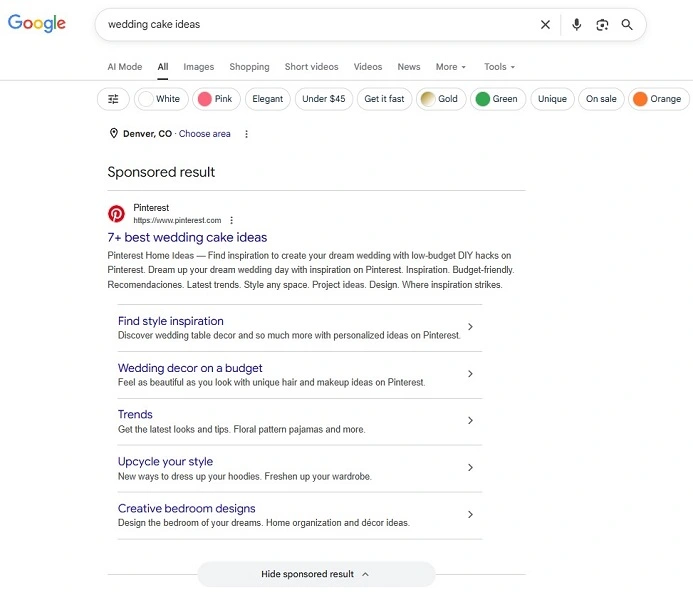
Misinterpreting keyword intent or targeting keywords with misaligned intent can render marketing efforts ineffective. For instance, targeting “wedding cake ideas” with a direct sales ad for cake purchase might not yield optimal results, as the user’s intent is primarily informational. Conversely, targeting “buy wedding cake in Boston” with informational content about cake decorating techniques would also be misaligned. Keywords with high commercial intent, such as those including phrases like “buy now,” “discount,” or specific brand names, are strong indicators of purchase readiness.
2. Brainstorming Broad Topics
The initial phase of keyword research involves brainstorming broad categories and topics relevant to the business. This initial step should focus on generating a wide range of ideas without immediate concern for specificity. For a bakery, this might include categories like “cakes,” “cookies,” “pastries,” “bread,” and “desserts.” Utilizing a digital document or spreadsheet, with separate tabs for each major topic, can facilitate organization.
3. Leveraging Keyword Tools for Specific Keywords
Once broad topics are established, keyword research tools become indispensable. It’s crucial to adopt the perspective of a potential customer and consider how they would search for the business’s products or services. Engaging with sales teams can provide valuable insights into the language prospective clients use.
For the bakery example, under the “cakes” topic, one might brainstorm keywords like “wedding cakes,” “affordable wedding cakes,” “stylish wedding cakes,” or “summer wedding cakes.” Expanding to other occasions like birthdays and anniversaries, and then considering specific flavors like “red velvet” or “marble,” further refines the list. Incorporating location-specific terms, such as “bakery in [City Name],” is essential for local businesses.
However, relying solely on intuition can lead to missed opportunities or targeting keywords with insufficient search volume or excessive competition. Keyword research tools help uncover a comprehensive list of relevant terms, their associated search volumes, and other critical data. The tools can reveal whether brainstormed keywords are too niche, too broad, or simply not viable for driving traffic. They help identify keywords worth investing in, considering factors like search volume relative to competition and alignment with business goals.
4. Analyzing Competitor Keywords
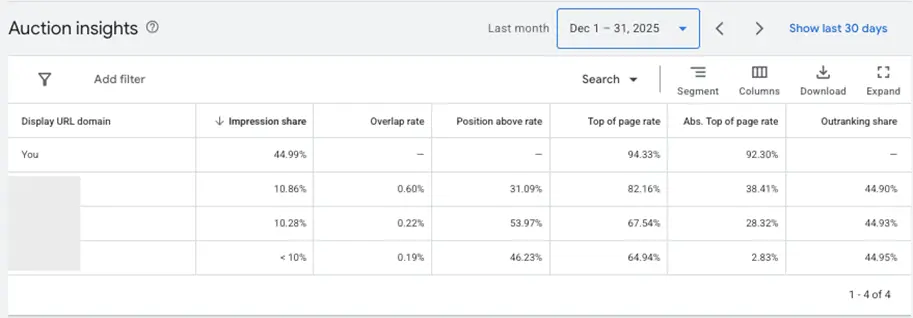
Understanding what keywords competitors are targeting is a strategic imperative. A simple Google search of a target keyword can reveal which businesses are ranking organically. For paid search, the Google Ads Auction Insights report provides data on competitor performance, including impression share and average position.
Tools like WordStream’s Free Keyword Tool or Ahrefs allow users to input competitor URLs to discover keywords they are ranking for. This analysis can inform strategy by revealing untapped keyword opportunities or highlighting areas where competitors are particularly strong. For paid campaigns, analyzing competitor ad copy and strategies can inspire more compelling ad creatives, potentially leading to higher click-through rates (CTR) and improved Quality Scores.
5. Incorporating Question-Based Keywords
Addressing customer questions is a powerful way to build trust and credibility. Targeting question-based keywords allows businesses to directly answer user pain points, leading them to discover the business and engage with its content. These keywords are particularly beneficial for organic search, as providing high-quality answers can improve SERP rankings.
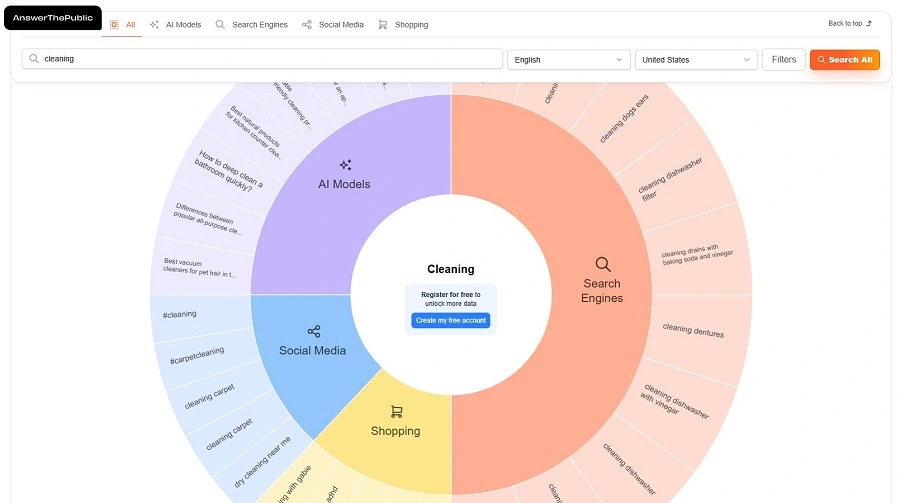
Tools like AnswerThePublic visualize questions related to a specific keyword, grouped by interrogative words (where, what, how, why, etc.). For example, a cleaning service might find questions like “who offers cleaning services” or “how much does a maid cost in [location].” These questions can then be used to inform content creation, such as an “ultimate guide” to home cleaning.
6. Researching Associated PPC Costs
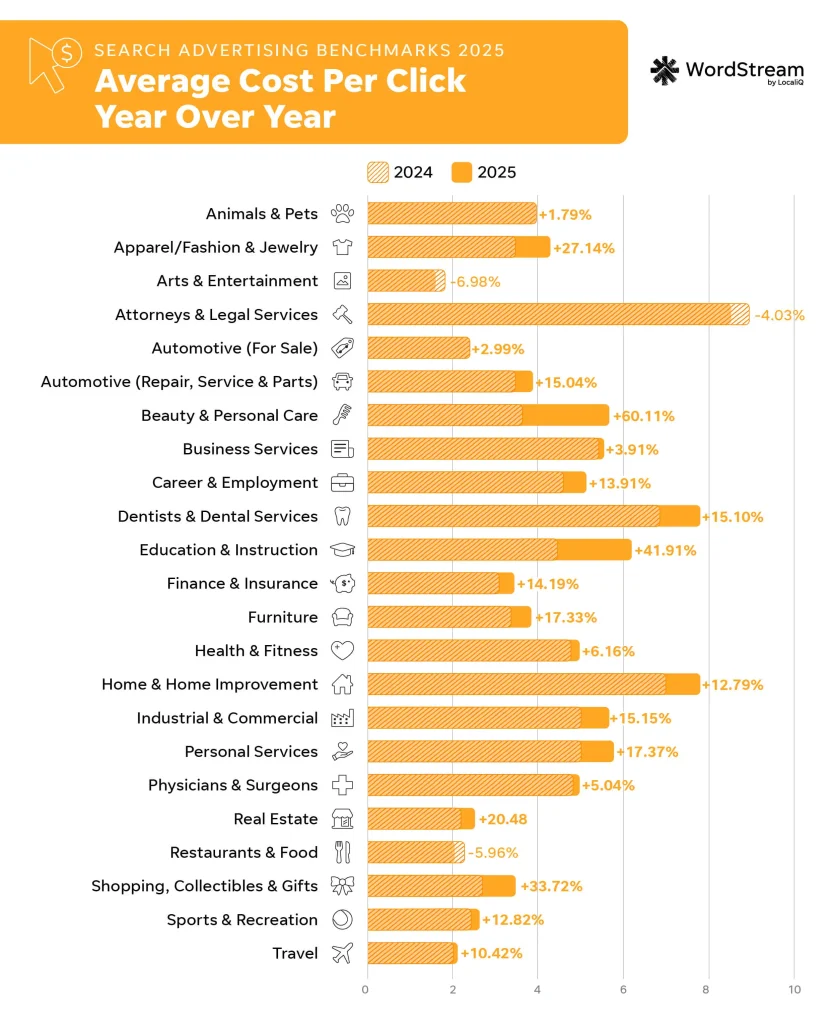
For paid search campaigns, understanding the cost associated with keywords is paramount. This involves researching metrics like Cost Per Click (CPC) to determine if a keyword is within budget. The goal is to bid high enough to achieve visibility without incurring excessive costs per click. Resources like Google Ads benchmarks reports can provide an understanding of average keyword costs.
7. Performing Negative Keyword Research
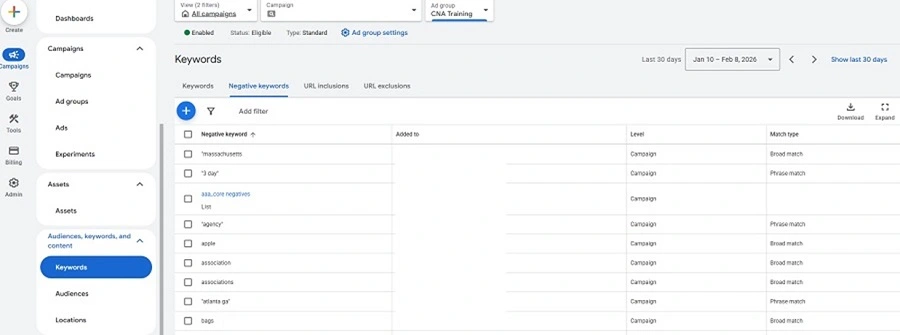
Negative keyword research is as critical for PPC as regular keyword research. Excluding irrelevant terms prevents wasted ad spend on clicks that will not convert. Broad or phrase match keywords, in particular, can trigger ads for unintended searches. For example, a business selling cakes might want to exclude “cake recipe” queries to avoid paying for clicks from users who are not looking to purchase. Studies have shown that adding negative keywords can significantly improve conversion rates.
8. Prioritizing Commercial Intent Keywords
While driving clicks is important, the ultimate goal is often to increase conversions and sales. Therefore, prioritizing keywords with high commercial intent, such as those containing terms like “buy now,” “discount,” “free shipping,” or specific brand names, is crucial. These keywords indicate a user’s readiness to make a purchase. While a broader keyword strategy is often necessary, allocating a larger portion of the budget to high-commercial-intent keywords typically yields a higher ROI.
9. Grouping Keywords Effectively
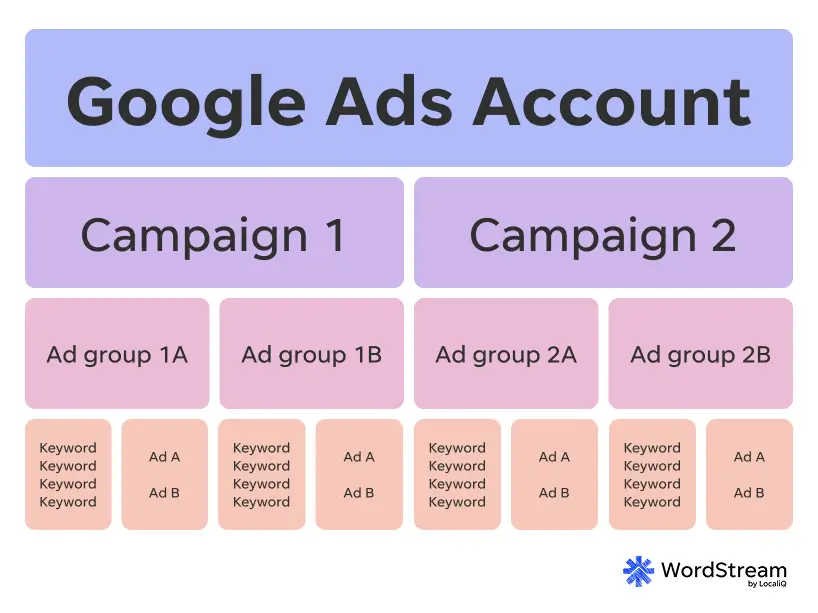
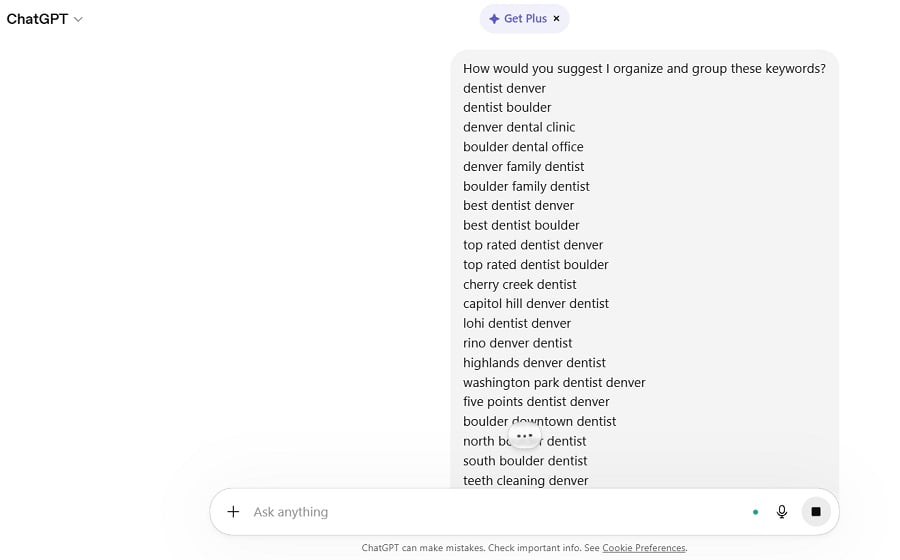
Once keywords are identified and prioritized, they need to be organized into ad groups for campaign configuration. Small, tightly related groups of keywords form the basis of effective ad groups. For extensive keyword lists, AI tools can assist in the initial organization and grouping process.
10. Utilizing AI for Cross-Checking
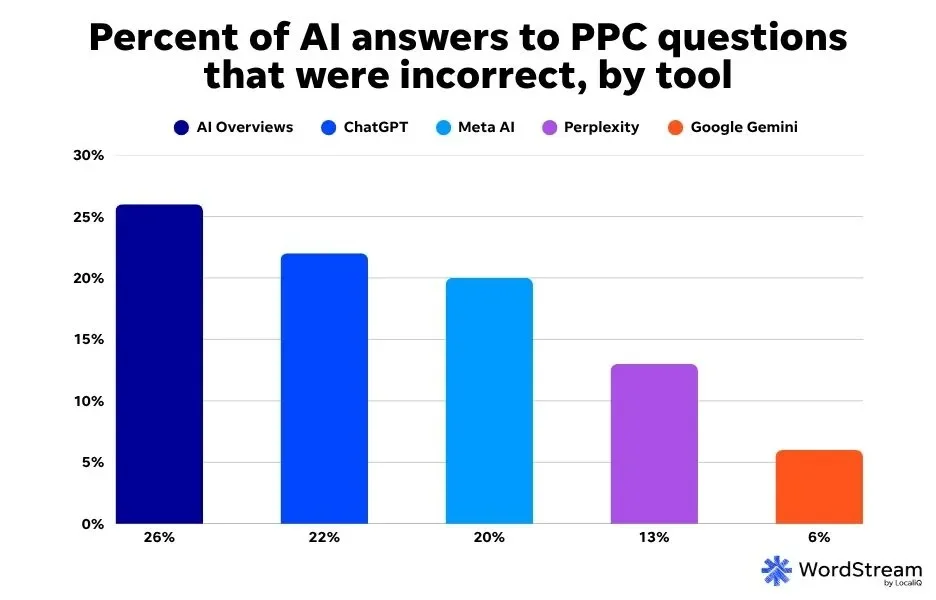
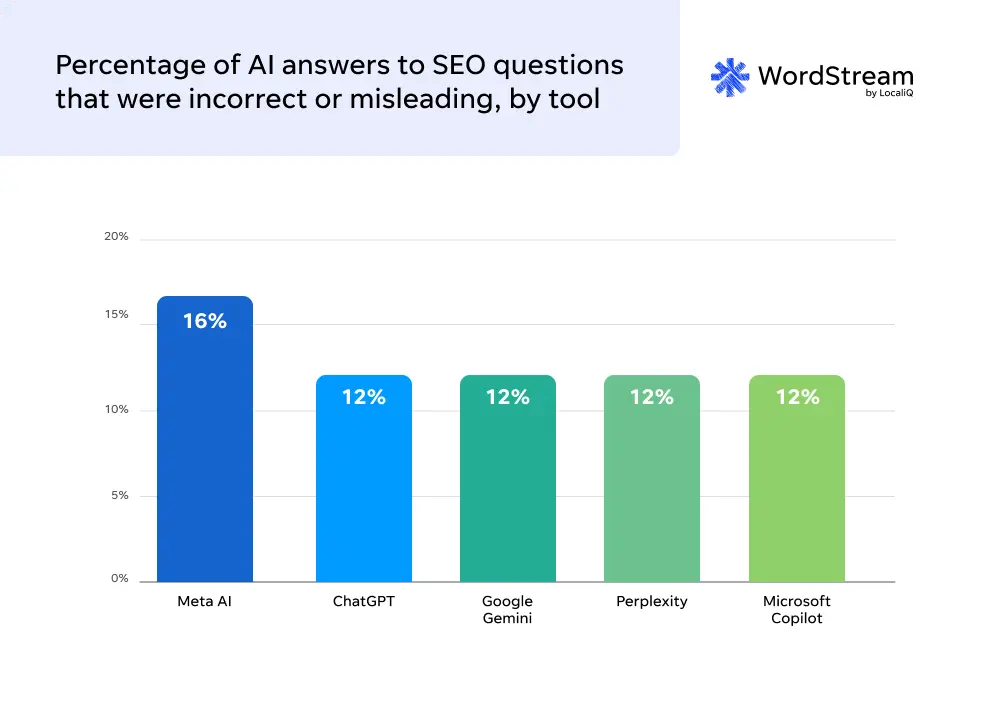
While AI tools can be valuable for keyword research, particularly for organization and initial list building, it’s essential to exercise caution. Research indicates that no AI tool provides 100% accurate keyword data. AI can be used to supplement manual research, build upon existing lists, or organize findings. However, a final manual review is crucial to ensure accuracy and relevance, and to filter out any wildcard terms that may not align with the campaign objectives. Testing different AI tools can help identify those best suited to specific needs and workflows.
Top Keyword Research Tools
Several powerful tools can aid in the keyword research process:
1. WordStream’s Free Keyword Tool
This tool offers keyword ideas, search volume data, and the ability to filter by industry and country. It provides CPC and competition data for both Google and Bing, with results that can be emailed for free.
2. Google Keyword Planner
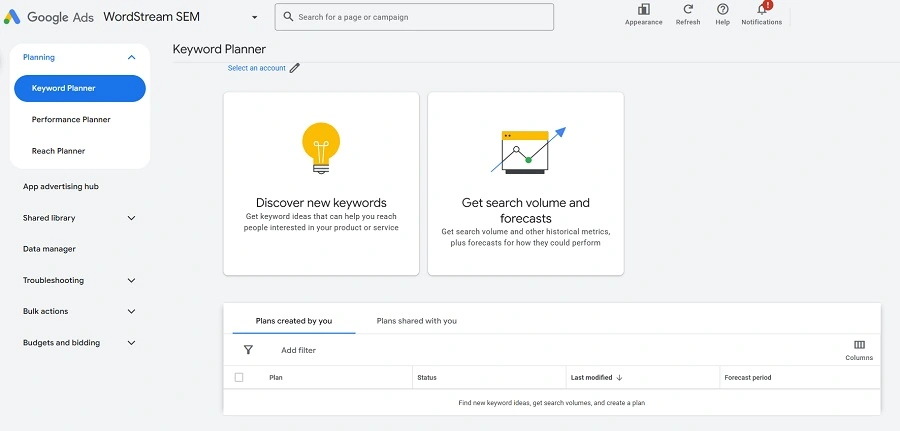
Accessible through a Google Ads account, this free tool offers various functionalities, including discovering new keywords based on website URLs or descriptions, and obtaining search volume and forecasting data.
3. Moz Keyword Explorer
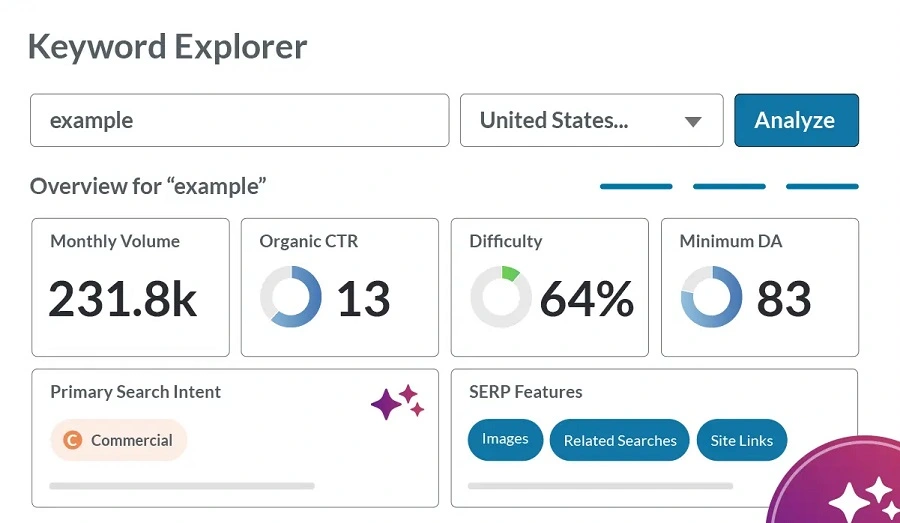
A premium tool offering a free trial, Moz Keyword Explorer provides in-depth keyword analysis, including metrics like search volume, keyword difficulty, and organic CTR.
4. Semrush
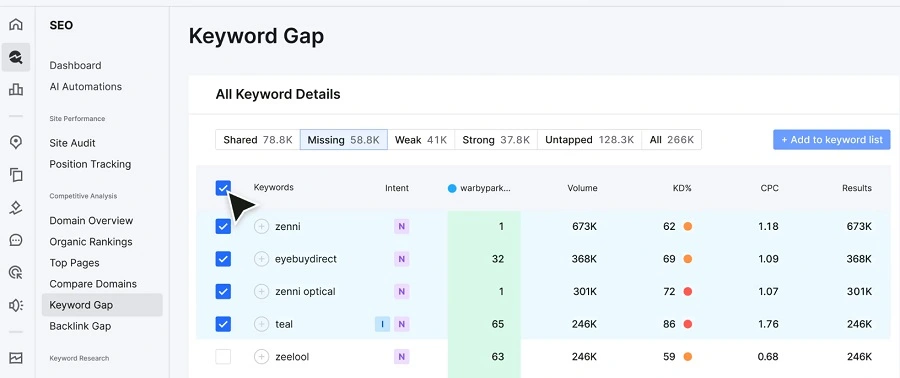
Semrush offers both free and paid versions, providing extensive keyword research capabilities. The free version delivers valuable insights into organic search volume, CPC, competitive data, and organic search results. Paid versions offer more comprehensive analysis.
5. Google Search
The search engine itself is an invaluable, albeit often underestimated, tool. Typing keywords into Google can reveal suggested searches, “People also ask” boxes, and related searches at the bottom of the SERP. These features offer insights into user queries and can inspire new keyword ideas and content topics. Analyzing the SERP for a keyword also provides context on the competitive landscape and the types of content that rank well.
Conclusion: Never Be Lost for (Key)words Again
Keyword research, while demanding, is an indispensable component of successful digital marketing. By adopting a systematic methodology and leveraging the right tools, businesses can efficiently identify keywords that align with their objectives and connect them with their target audience. The outlined 10-step process, from understanding intent to utilizing AI for cross-checking, provides a robust framework for mastering keyword research. With this foundation, businesses can confidently navigate the complexities of the digital landscape and achieve their online marketing goals.