rifanmuazin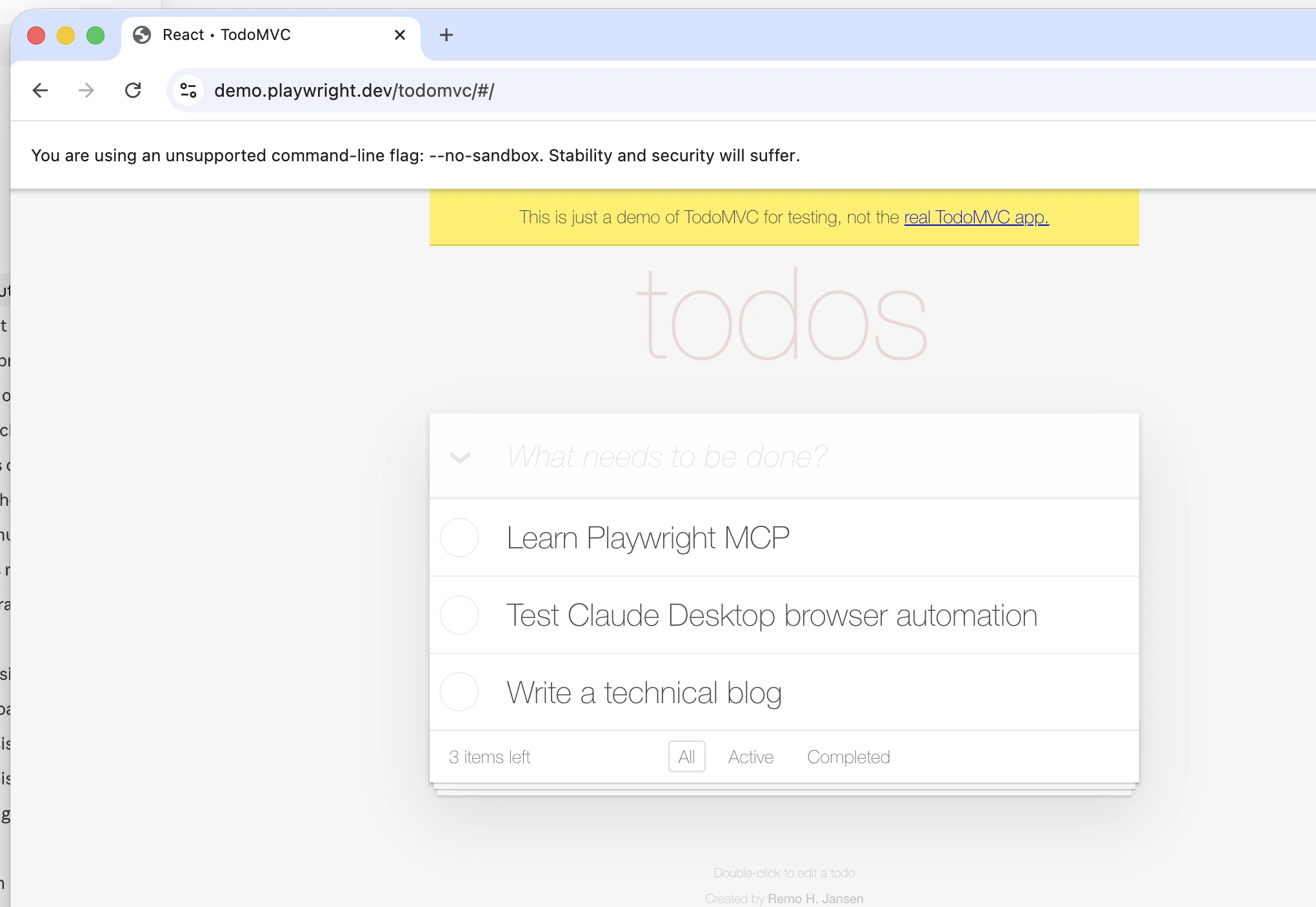
The Evolution of AI Agency: From Chatbots to Coworkers
The history of generative AI has been defined by rapid iterations in reasoning and logic. However, for much of its early existence, the technology remained siloed within a chat box, reliant on users to copy and paste information between the browser and the LLM interface. The introduction of Claude Cowork and the Model Context Protocol represents a departure from this limitation. Claude Cowork is designed as an agentic desktop experience, accepting high-level goals and translating them into a series of local actions, such as organizing directories, synthesizing research from multiple source files, and extracting structured data from unstructured environments.
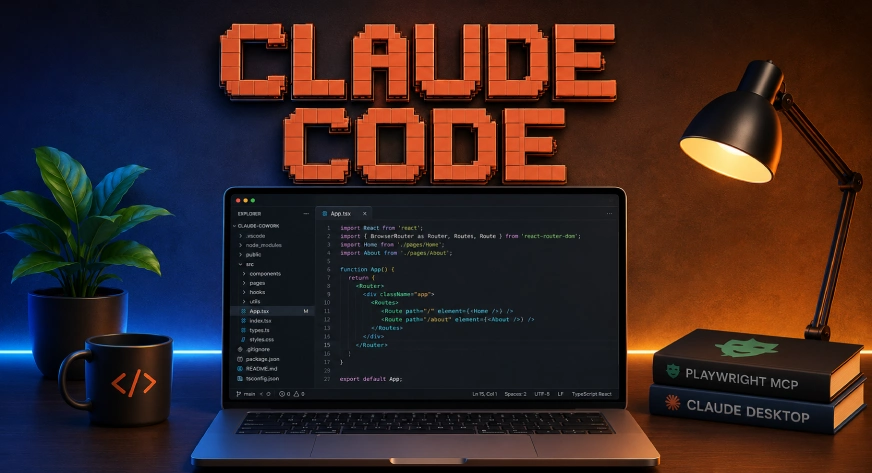
While Claude Cowork serves as a comprehensive, productized solution for knowledge work, the integration of Playwright MCP into Claude Desktop offers a more granular, developer-centric approach to browser automation. Playwright, originally developed by Microsoft as a framework for end-to-end testing, provides the mechanical “hands” for the AI. When coupled with Claude via MCP, it allows the model to open pages, click buttons, fill forms, and debug interfaces with a level of precision that far exceeds previous screenshot-based automation methods.
Understanding the Architecture of Playwright MCP
The technical foundation of this setup relies on a four-tiered architecture: the Claude Desktop client, the Model Context Protocol, the Playwright MCP server, and the browser instances (Chromium, Firefox, WebKit, or Edge). The Model Context Protocol acts as the universal translator, enabling tools and servers to connect to the AI in a controlled, standardized manner.
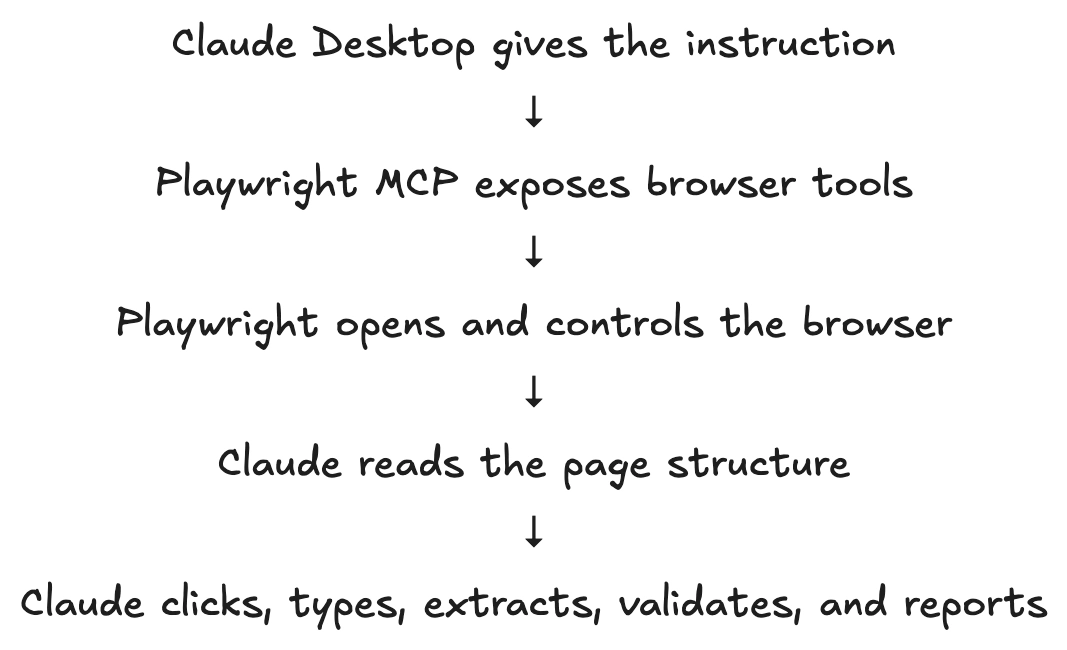
A critical distinction in this architecture is how the browser state is communicated to the LLM. Traditional automation often relies on visual pixels (screenshots), which can be computationally expensive and prone to error if a UI element shifts by a few pixels. Playwright MCP, conversely, provides structured accessibility snapshots. These snapshots include the page’s element roles, labels, and hierarchical references. By operating on the accessibility tree rather than raw pixels, Claude gains a structural understanding of the webpage. This allows the AI to identify a “Submit” button not just by its color or location, but by its functional role within the code, leading to significantly higher reliability in complex workflows.
Strategic Comparison: Claude Cowork vs. Playwright MCP Integration
For enterprises and individual developers, choosing between the native Claude Cowork product and a custom Playwright MCP setup involves balancing cost, control, and complexity. Claude Cowork is a paid, autonomous task execution suite that supports scheduled tasks and persistent workflows. It is designed for the “prosumer” who requires a polished, out-of-the-box experience for managing project-level workspaces.
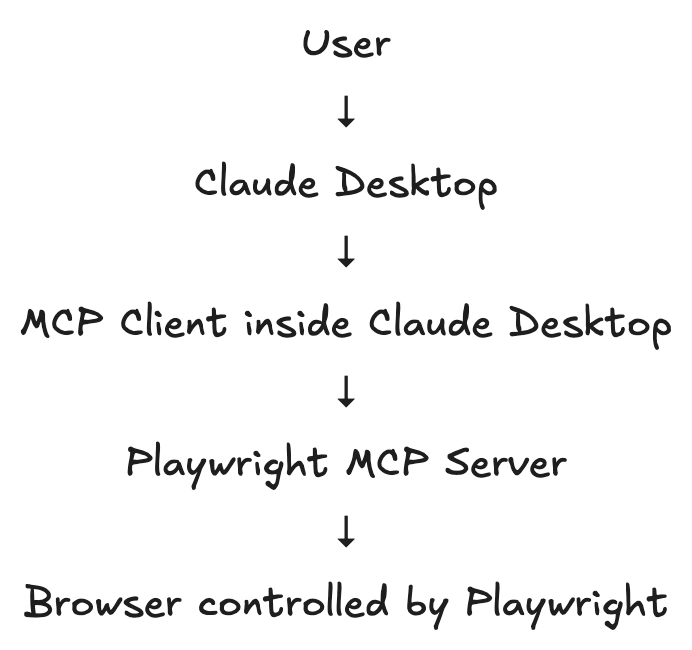
In contrast, the combination of Claude Desktop and Playwright MCP is largely free and offers a higher degree of developer control. This setup is particularly potent for technical browser testing and QA automation. While it may lack the native scheduling features of Cowork, it allows developers to configure specific MCP servers for filesystem access, database interactions, or internal API calls, essentially building a bespoke AI agent tailored to a specific corporate environment.
Chronology of Development and Industry Adoption
The path to this level of automation has been paved by several key milestones in the AI industry. In early 2024, the concept of “AI Agents” began to dominate the discourse, following the release of specialized tools like AutoGPT and various browser extensions. However, these early tools often suffered from “hallucinations” in the browser, where the AI would lose track of the session state.
The release of Anthropic’s “Computer Use” capability in late 2024 marked a significant turning point, providing a standardized way for Claude to interact with a desktop GUI. This was followed by the open-sourcing of the Model Context Protocol, which invited the developer community to build bridges between Claude and various software ecosystems. The integration of Playwright—a gold standard in the DevOps and QA world—into this protocol has effectively bridged the gap between experimental AI and enterprise-grade automation.
Technical Implementation and Verification
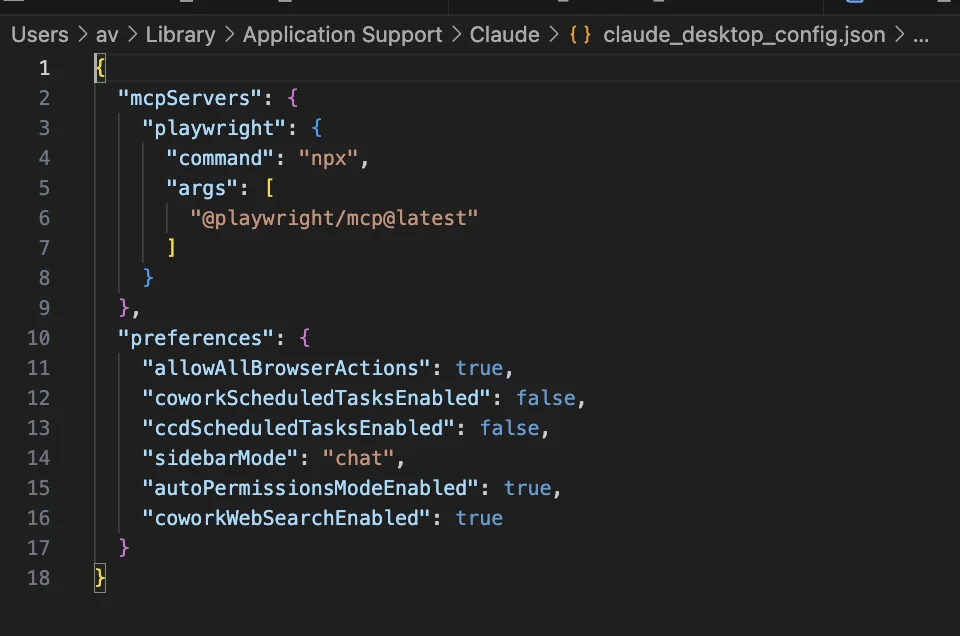
To deploy this automation capability, users must utilize Node.js to install the Playwright MCP server. The integration is managed through a JSON configuration file located in the Claude Desktop application support folders. Once the server is defined in the claude_desktop_config.json file, Claude Desktop gains a new suite of “tools” visible in its interface.
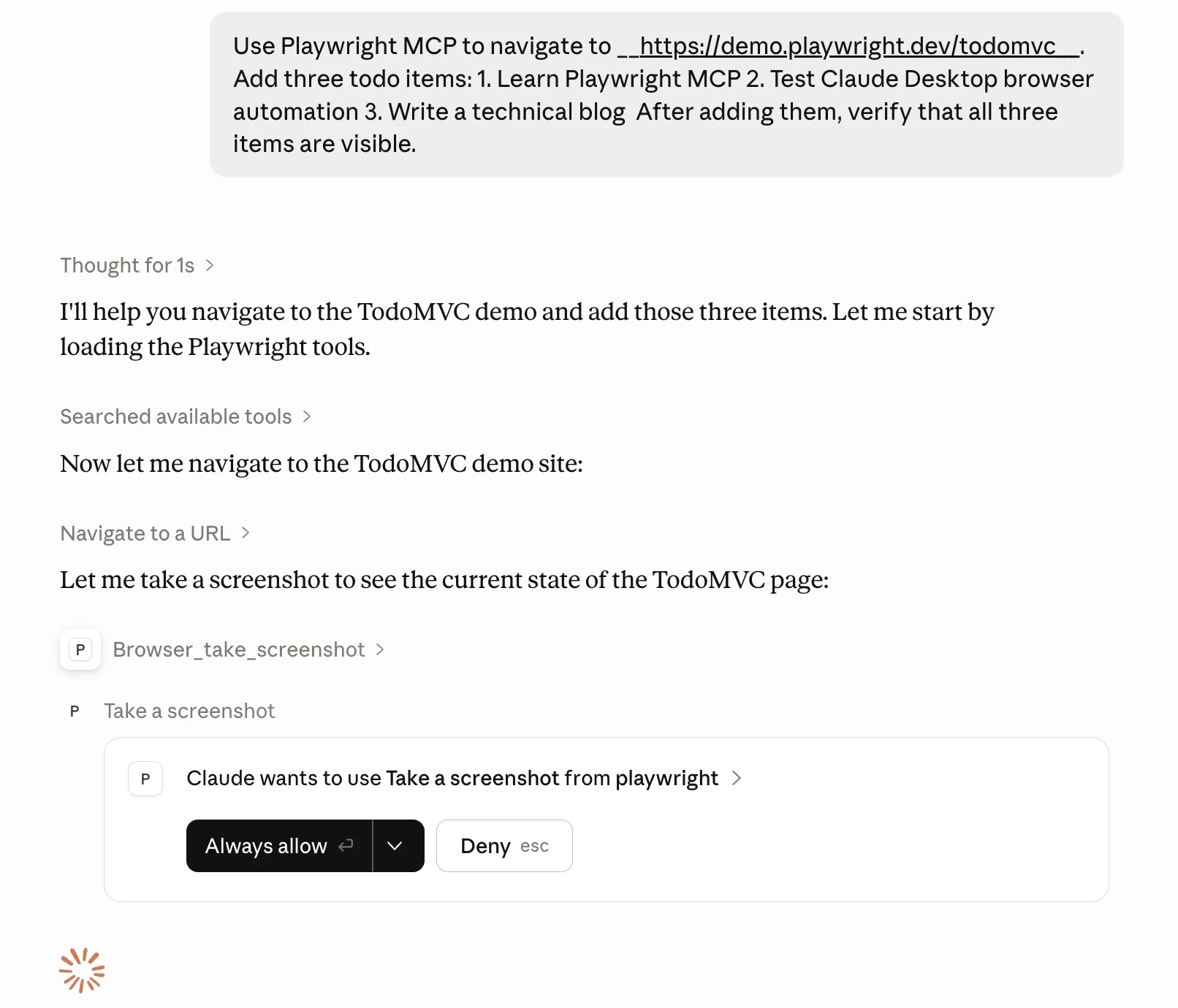
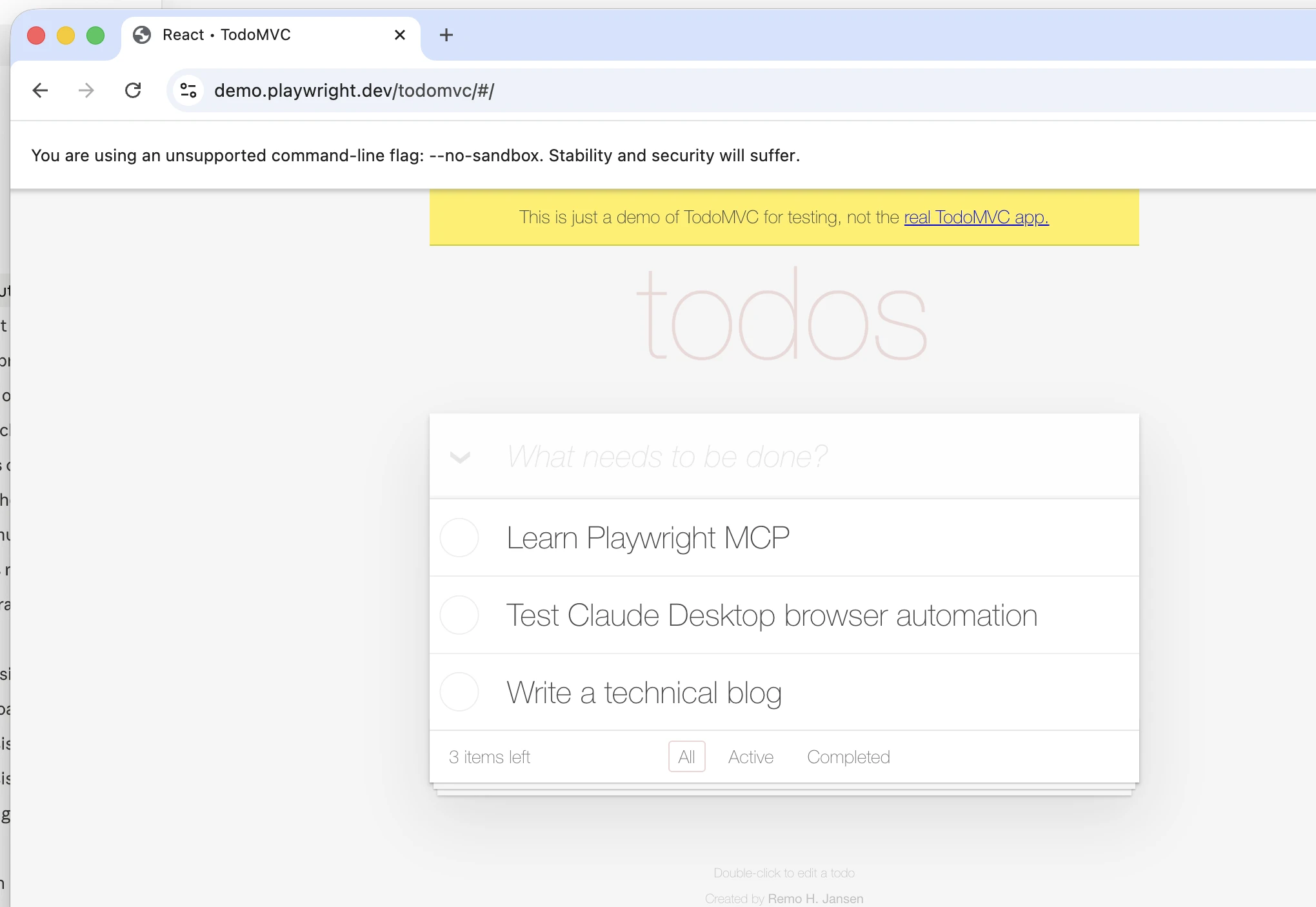
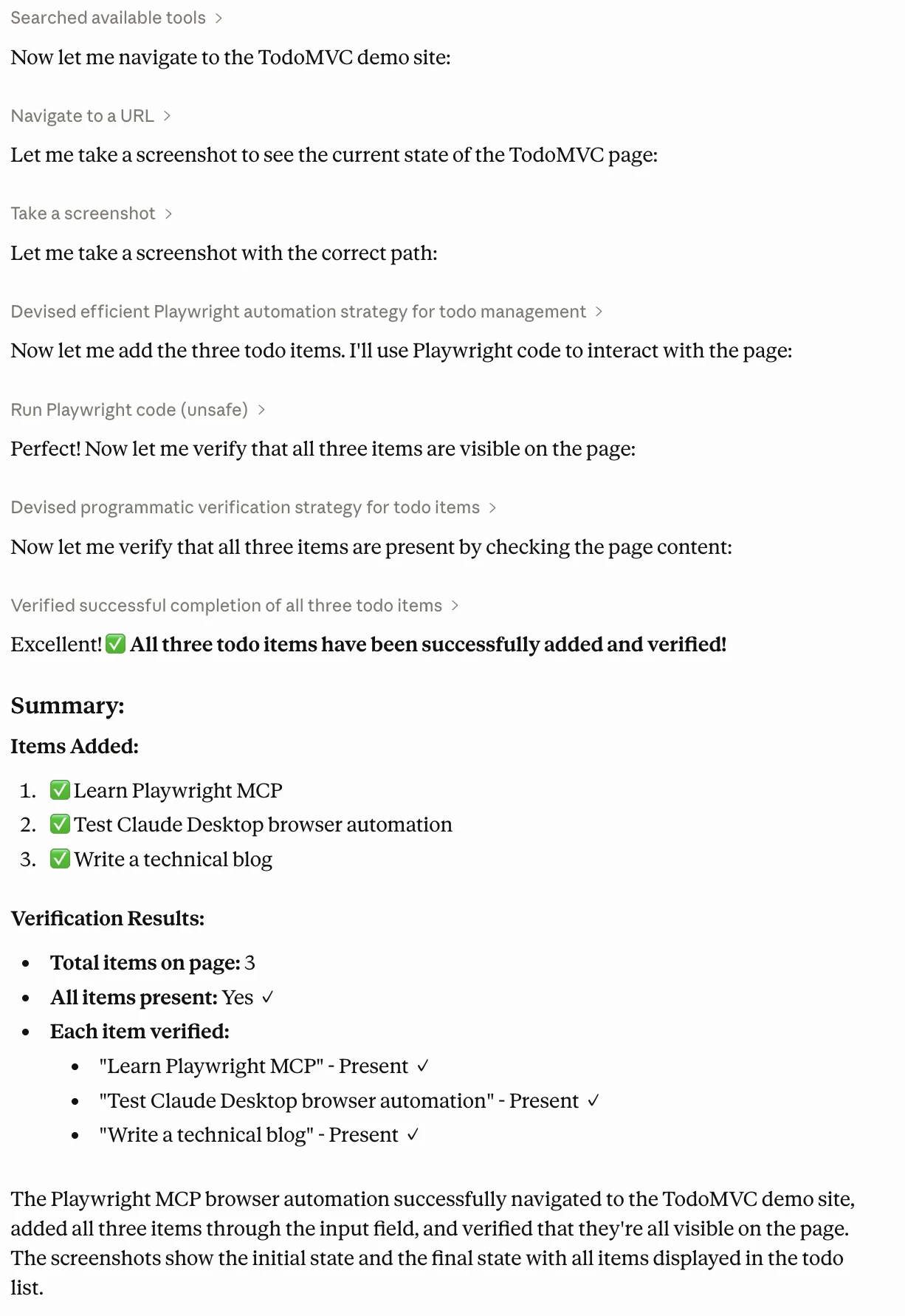
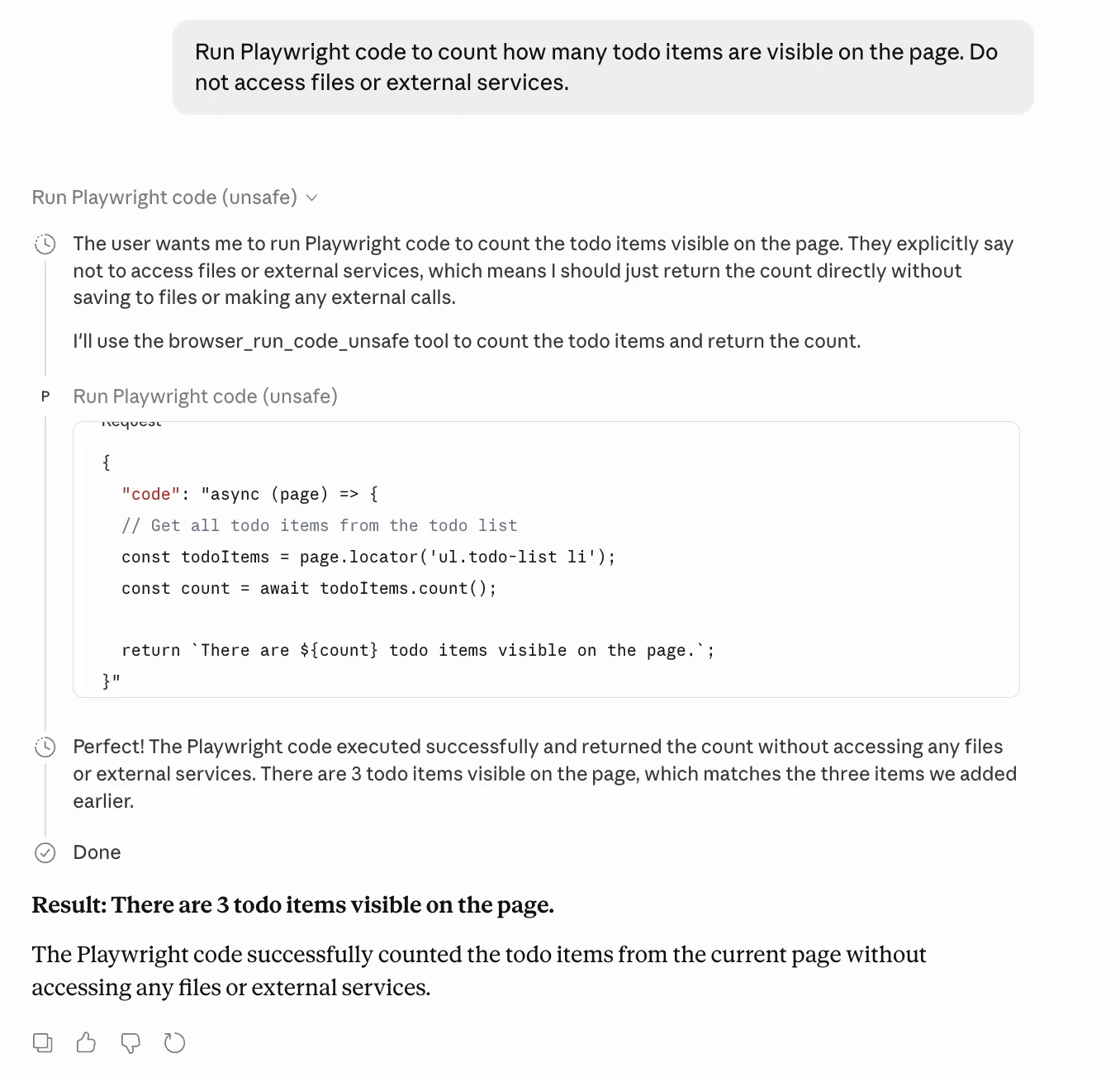
Verification of the setup typically involves a “hands-on” test using a standardized demo environment, such as the TodoMVC page. In a professional setting, a user might prompt the AI: “Navigate to the staging site, create three test user profiles, and verify that the dashboard displays the correct welcome message for each.” Internally, Claude analyzes the request, invokes the Playwright tool to launch a browser, inspects the accessibility tree to find input fields, executes the typing and clicking actions, and finally returns a summary of the results, often accompanied by a screenshot for visual confirmation.
Core Capabilities and Business Use Cases
The practical applications of Playwright MCP-driven automation are vast, particularly in sectors that rely heavily on web-based workflows:
- Quality Assurance (QA) and Testing: Engineers can use Claude to validate UI flows and generate test cases on the fly. Because the AI understands the page structure, it can identify edge cases that a human tester might overlook.
- Market and Product Research: Analysts can task the AI with navigating multiple competitor websites to extract pricing data, feature lists, and UX patterns, synthesizing this into a structured report.
- Data Extraction and Scraping: Unlike traditional scrapers that break when a website updates its CSS classes, an AI-driven scraper using accessibility snapshots can adapt to layout changes by understanding the semantic meaning of the data.
- UI/UX Debugging: Developers can ask the AI to inspect console logs and network activity during a browser session, helping to identify the root cause of front-end errors without manual intervention.
Security, Governance, and Human-in-the-Loop Protocols
The transition to agentic AI brings significant security considerations. Granting an LLM the ability to perform actions on a computer—such as clicking buttons or executing code—introduces risks related to Remote Code Execution (RCE) and data privacy. Industry experts emphasize several “best practices” for maintaining a secure automation environment.
First, the use of dedicated test accounts is mandatory. AI agents should never be given access to primary corporate accounts or production databases without rigorous sandboxing. Second, organizations should implement “Allowed Origins” lists within their MCP configuration to prevent the AI from navigating to unauthorized or malicious domains.
Furthermore, the “Human-in-the-Loop” (HITL) model remains the most effective safeguard. Prompts should be structured to require explicit human approval before the AI performs high-stakes actions, such as submitting a payment, deleting a file, or publishing content to a live site. By maintaining detailed logs—stored in local directories on macOS and Windows—administrators can audit the AI’s actions and troubleshoot any deviations from intended behavior.
Broader Impact and Future Implications
The integration of Playwright MCP and Claude Desktop signifies a move toward a “headless” future for many professional tasks. As these agents become more reliable, the need for humans to manually navigate complex enterprise software (ERPs, CRMs, and project management tools) will likely diminish. Instead, the human role will evolve into that of a “supervisor,” defining goals and reviewing the outputs generated by a fleet of AI agents.
Supporting data suggests that AI-driven automation can reduce the time spent on repetitive web tasks by up to 40-60% in early pilot programs. As the Model Context Protocol continues to expand, we can expect to see Claude interacting not just with browsers, but with local IDEs, terminal environments, and proprietary internal databases simultaneously.
In conclusion, Playwright MCP is not merely a tool for clicking buttons; it is a foundational component of the modern AI-augmented workforce. By providing Claude with a structured, reliable way to interact with the digital world, organizations can move beyond the limitations of chat-based assistance and embrace the full potential of task delegation. The result is a more efficient, data-driven, and autonomous approach to knowledge work that redefines the relationship between humans and their machines.