rifanmuazin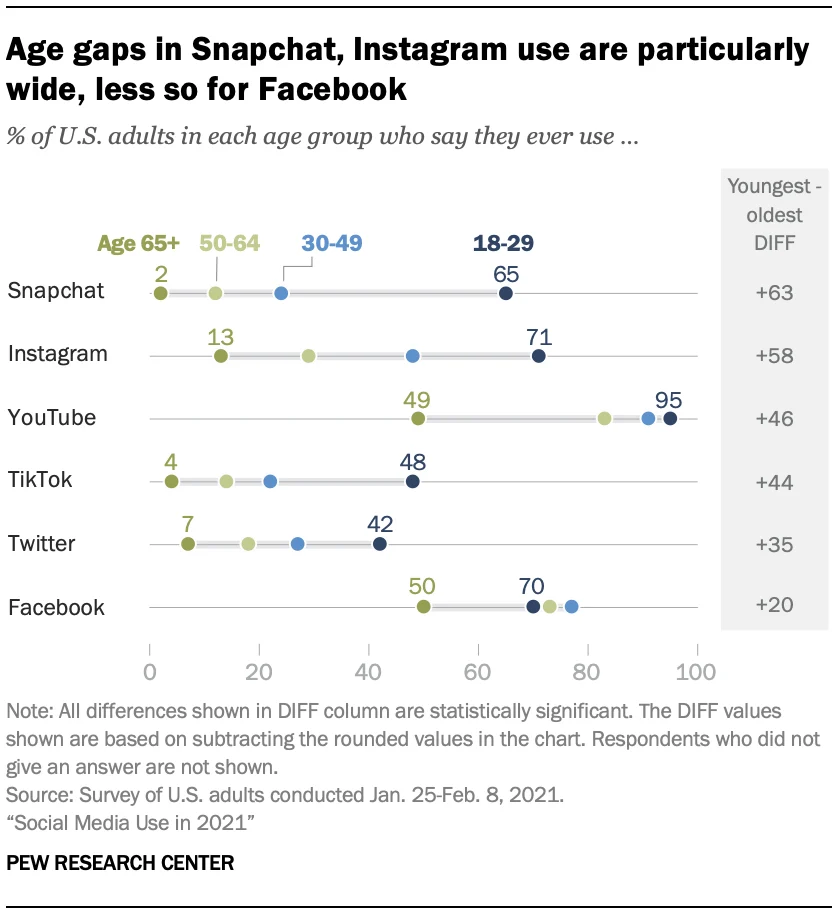
The term “target” is a cornerstone of modern marketing strategy, signifying the crucial first step in understanding who a brand is attempting to reach. This outreach can be segmented through various lenses: behavioral patterns, psychographic profiles, demographic characteristics, and geographic locations. While these traditional frameworks remain vital, a more nuanced approach necessitates an understanding of generational cohorts and their distinct communication preferences and consumption habits. This article delves into the intricacies of marketing to Millennials, the generation that now constitutes the largest segment of the adult population, having recently surpassed the Baby Boomers in sheer numbers. Following an examination of Gen Z, this piece aims to equip marketers with the insights needed to effectively engage this digitally native, yet financially complex, demographic.
The Millennial Generation: A Generational Snapshot
Born roughly between 1980 and 1994, Millennials, also known as Generation Y, represent a significant force in the global economy and consumer landscape. This cohort came of age during a period of unprecedented technological advancement, witnessing and actively participating in the digital revolution. Unlike Gen Z, who were born into a world where the internet and social media were already established, Millennials experienced the nascent stages of this transformation firsthand. The creation of Facebook by a Millennial, Mark Zuckerberg, epitomizes this era of digital genesis. During their formative years and early adulthood, Millennials observed the meteoric rise of iconic tech companies such as Google, Amazon, and Apple, integrating their products and services into the fabric of their daily lives. This inherent exposure has cultivated a generation that is demonstrably tech-savvy, comfortable navigating digital platforms, and quick to adopt new technologies.
Beyond their digital fluency, Millennials are characterized by a complex interplay of aspirations and economic realities. Data from institutions like the Pew Research Center indicates that Millennials possess higher levels of educational attainment compared to previous generations. However, this educational advantage often comes with a significant financial burden. The escalating costs of higher education and the subsequent student loan debt have created a substantial financial hurdle for many, delaying traditional life milestones such as homeownership, marriage, and starting families. This economic landscape has reshaped their life trajectories, leading to a later onset of these significant life events.
Furthermore, Millennials are often described as self-oriented, driven by idealism and a strong value placed on individual freedom. This focus on personal fulfillment extends to their health consciousness, a trend reflected in the growing popularity of plant-based diets, including vegetarianism, veganism, and pescetarianism, and the ubiquitous presence of “avocado toast” as a cultural touchstone. Crucially, for this generation, experiences often hold greater intrinsic value than the accumulation of material possessions. This preference for experiences over goods significantly influences their purchasing decisions and brand loyalties.
Millennial Consumption Patterns: Beyond Stereotypes
The prevailing narrative surrounding Millennials often reduces them to simplistic adjectives, failing to capture the multifaceted nature of their consumer behavior. Research by leading consulting firms, such as McKinsey & Company, has identified distinct clusters within the Millennial consumer base, highlighting the diversity within this broad demographic. These clusters offer a more granular understanding of their purchasing motivations and preferences.
One significant finding is that despite expressing concerns about their financial futures, Millennials demonstrate a willingness to invest in premium and quality products. This preference is often driven by a desire for longevity and a greater perceived benefit to their health and well-being. This indicates a strategic approach to consumption, where value is assessed not just on immediate cost but on long-term utility and positive impact. They are discerning consumers who prioritize durability and efficacy, suggesting that brands offering well-crafted, sustainable, and health-promoting products are likely to resonate with this segment.
The emphasis on experiences also translates into their consumption habits. Millennials are more inclined to allocate their disposable income towards travel, events, dining out, and other experiential purchases. This inclination shapes how they interact with brands; they are often seeking not just a product or service, but an engaging and memorable interaction that aligns with their lifestyle values. Brands that can facilitate or enhance these experiences, whether through unique product offerings, community building, or engaging content, are better positioned to capture their attention and loyalty.
Strategic Approaches to Marketing to Millennials
Understanding the Millennial mindset and consumption patterns is the first step; the next is to devise effective strategies for reaching and engaging them. This involves a dual approach: identifying the optimal platforms for communication and crafting messages that resonate with their values and priorities.
Platforms for Reaching Millennials
The digital landscape is the primary arena for engaging Millennials. While they are active across a broad spectrum of social media platforms, their usage patterns can vary. Platforms such as Instagram, with its visually driven content, and YouTube, for its expansive video library and educational resources, are highly popular. Facebook, despite being associated with older demographics, still maintains a significant presence among Millennials, serving as a hub for community engagement and news consumption.
Furthermore, emerging platforms and niche communities catering to specific interests can also be highly effective. Podcasts, streaming services, and online forums dedicated to health, wellness, technology, and sustainable living offer direct access to engaged Millennial audiences. The key is to identify where specific segments of the Millennial population congregate and to tailor the presence accordingly.
The graphic illustrating age gaps across different social media platforms underscores the importance of platform selection. While older generations may dominate platforms like Facebook, Millennials often exhibit a strong presence on platforms like Instagram and YouTube, and increasingly engage with newer platforms that emerge. This necessitates a dynamic approach to social media strategy, adapting to evolving user demographics and platform popularity.
Messaging That Speaks to Millennials
Crafting compelling messaging for Millennials requires a departure from traditional advertising tactics. Authenticity, transparency, and purpose-driven communication are paramount. Millennials are adept at discerning genuine engagement from overt sales pitches. Therefore, brands should focus on storytelling, highlighting their values, and demonstrating their positive impact.
For instance, if a brand’s target audience falls into the “quality-seekers” cluster, messaging should emphasize the superior craftsmanship, durability, and long-term benefits of their products. For those who prioritize experiences, content should focus on how the brand can enhance or facilitate memorable moments. For health-conscious Millennials, highlighting the health benefits and natural ingredients of a product will be particularly effective.
Furthermore, brands should consider the role of social responsibility and ethical practices. Millennials are often drawn to companies that demonstrate a commitment to sustainability, fair labor practices, and social causes. Integrating these aspects into brand messaging, and more importantly, into operational practices, can foster deep loyalty and advocacy.
User-generated content and influencer marketing, when executed authentically, can also be powerful tools. Collaborating with influencers who genuinely align with a brand’s values and whose audience mirrors the target demographic can create credible endorsements. Encouraging customers to share their experiences and creations online can build community and provide valuable social proof.
Broader Impact and Implications for Marketers
The evolving consumption habits and communication preferences of Millennials have significant implications for the broader marketing landscape. As this generation continues to mature and wield increasing economic power, businesses that fail to adapt their strategies risk being left behind. The emphasis on experiences, ethical consumption, and digital engagement signals a shift away from purely transactional marketing towards relationship-based approaches.
The rise of the “sharing economy,” the demand for personalized products and services, and the growing importance of brand purpose are all direct reflections of Millennial influence. Marketers must therefore move beyond generic campaigns and embrace personalization, customization, and a commitment to values that resonate with this generation. This requires a deeper understanding of consumer psychology, a willingness to experiment with new technologies and platforms, and a commitment to building authentic connections.
Ultimately, successfully marketing to Millennials is not merely about reaching them on the right platform with the right keywords. It is about understanding their aspirations, their challenges, and their values, and then aligning brand offerings and communication in a way that genuinely adds value to their lives. This requires a strategic, empathetic, and data-driven approach, continually informed by the evolving dynamics of this influential demographic. For brands seeking to navigate this complex terrain and forge lasting connections with the Millennial audience, ongoing research, adaptation, and a commitment to authenticity are not just recommended – they are essential for sustained success.