Referral marketing, a sophisticated customer acquisition strategy, leverages the power of existing satisfied customers to introduce new business. It formalizes the organic process of word-of-mouth into a structured, trackable program. This approach involves offering incentives to current customers for successfully bringing new clientele into the fold, typically through unique referral links or codes. The efficacy of these programs is underscored by data indicating that referred customers are approximately 16% more valuable over their lifetime compared to those acquired through other channels. With over 15 years of experience in demand marketing, observing numerous referral programs, a clear distinction emerges between those that flourish and those that languish. This guide dissects the key elements that differentiate successful referral campaigns from their less effective counterparts.
The Enduring Power of Referral Marketing
The effectiveness of referral marketing is rooted in three measurable, impactful reasons. Firstly, referred customers are not only more valuable in terms of spending but also in their propensity to generate further referrals. A 2024 study published in the Journal of Marketing Research revealed that referred customers are 31% to 57% more likely to make their own referrals than customers acquired through other methods. Neglecting these downstream referral opportunities can lead businesses to undervalue a single referral by as much as 20% to 36%.
Secondly, the cost associated with acquiring referred customers is significantly lower. Vendor benchmarks frequently cite customer acquisition cost (CAC) reductions of 25-50% when compared to paid channels, a substantial benefit for any business aiming to optimize its marketing spend.

Thirdly, the inherent trust transferred when a customer recommends a brand to a friend or colleague is fundamentally more potent than any advertising creative. This trust is built on genuine experience and personal endorsement, making the recommendation inherently more persuasive. This foundational strength of trust, coupled with demonstrable economic benefits, positions referral marketing as a cornerstone of effective customer acquisition.
Unpacking the Economics and Psychology of Referrals
Delving deeper into the economic advantages, the aforementioned Journal of Marketing study tracked approximately 10,000 customers of a German bank. The findings indicated that referred customers exhibited a contribution margin approximately 25% higher in their first year and a lifetime value about 16% greater over a six-year period, even after accounting for observable demographic factors.
While vendor blogs often highlight CAC reduction figures between 25% and 50%, it is crucial to approach these statistics as directional indicators rather than definitive benchmarks. The methodology behind these aggregated figures is rarely published, and the same data points are frequently recirculated without primary research to substantiate them. Unlike the peer-reviewed data on referred customer value, there isn’t a standardized, academically validated figure for referral CAC reduction. Therefore, businesses are encouraged to model their own referral CAC using tools like ROI calculators, which can translate real-world CAC, participation rates, and reward structures into actionable data for benchmarking and C-suite communication.
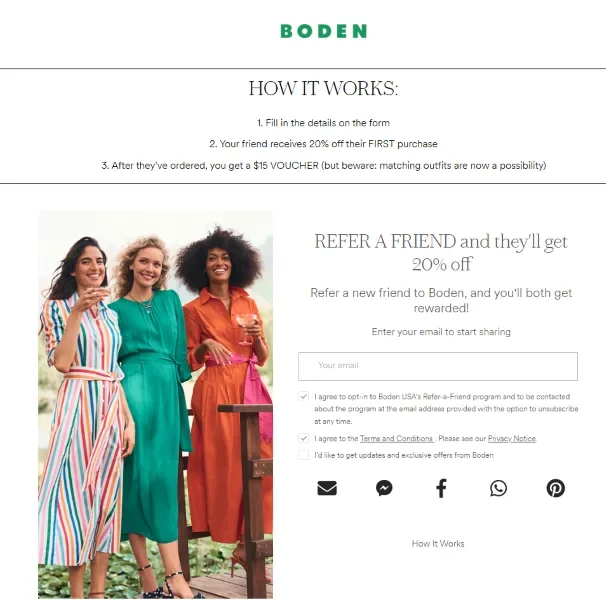
The psychological underpinnings of referral marketing are equally compelling. The principle of reciprocity, famously articulated by Robert Cialdini in "Influence: The Psychology of Persuasion," plays a critical role. When existing customers are offered a reward for sharing, and in turn, their referred contact also receives a benefit, this creates a sense of fairness and mutual gain. This is why double-sided referral programs, where both the referrer and the referred customer receive an incentive, consistently outperform single-sided programs in empirical tests.
Furthermore, recommendations from trusted personal contacts represent the most credible form of advertising. A 2021 Nielsen study on Trust in Advertising found that 88% of global respondents trust recommendations from people they know more than any other channel. This profound level of trust is a significant asset that businesses can harness through well-structured referral programs.
Navigating the Referral Marketing Landscape: Distinguishing Key Channels
It is essential to differentiate referral marketing from similar, yet distinct, customer acquisition channels: word-of-mouth, affiliate marketing, and influencer marketing. While often conflated, these channels possess different incentive structures, necessitate different software solutions, and carry distinct regulatory obligations, particularly concerning FTC disclosures.
-
Word-of-Mouth Marketing: This is an organic and untracked form of customer advocacy. It occurs naturally when customers are genuinely delighted with a product or service and share their positive experiences without direct prompting or reward. While incredibly powerful at scale, it is notoriously difficult to engineer or manage directly.
-
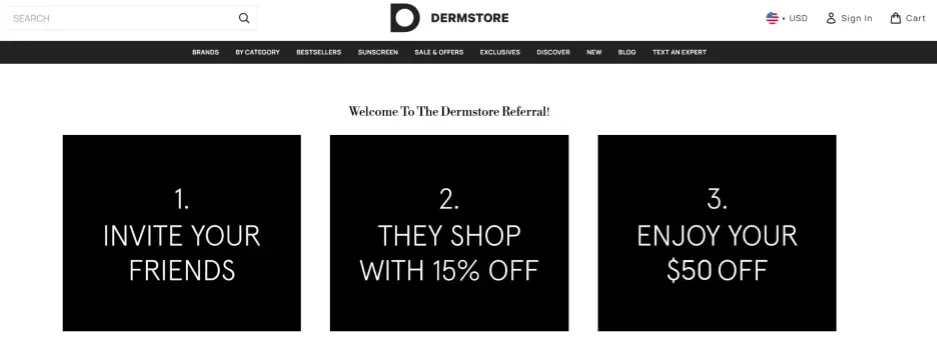
Referral Marketing: This strategy formally incentivizes existing customers to make one-to-one shares of the business to their personal networks. The process is trackable, and rewards are defined for both the referrer and the referred customer upon successful conversion.
-
Affiliate Marketing: This model involves paying third-party publishers, such as bloggers, deal websites, or content creators, a commission for driving traffic and generating conversions through their platforms. These relationships are typically performance-based, with commissions often structured as a percentage of the sale value.
-
Influencer Marketing: This approach involves paying creators or individuals with established audiences a fee for creating content that promotes a brand or product. The focus is on content reach and brand visibility, often with a less direct link to immediate conversion compared to referral or affiliate programs.
Understanding these distinctions is crucial for setting appropriate budgets, selecting the right technology stack, and ensuring compliance with legal and ethical guidelines.
The Spectrum of Referral Program Structures
Businesses can implement a variety of referral program structures, each designed to address specific business constraints and objectives. The eight most common types include:
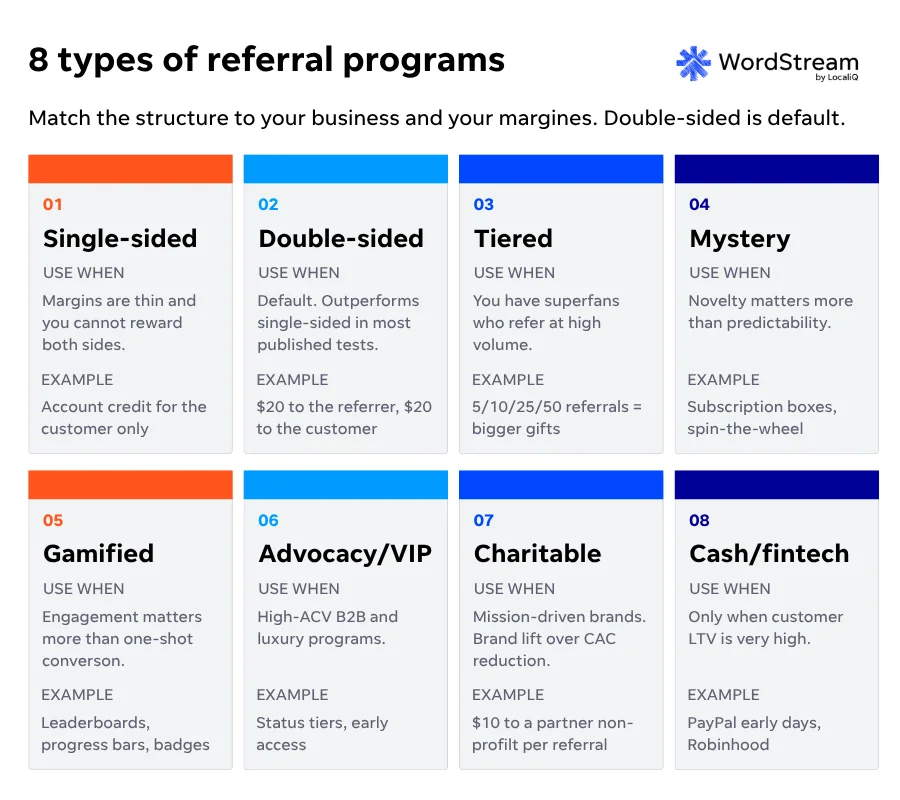
- Single-Sided Programs: Only the referrer receives a reward.
- Double-Sided Programs: Both the referrer and the referred customer receive an incentive. These are generally the most effective.
- Tiered or Milestone Programs: Rewards increase or change as a referrer achieves specific referral targets.
- Mystery Programs: Rewards are randomized, adding an element of surprise.
- Gamified Programs: Incorporate game-like elements such as leaderboards, badges, or challenges to boost engagement.
- Advocacy or VIP Programs: Offer exclusive perks or status to top referrers.
- Charitable Programs: A portion of the reward or a donation is made to a charity for each successful referral.
- Cash Programs: Direct monetary rewards are offered.
The default and most widely successful structure is the double-sided program, due to its inherent fairness and mutual benefit.
Building a Successful Referral Program: An 8-Step Framework
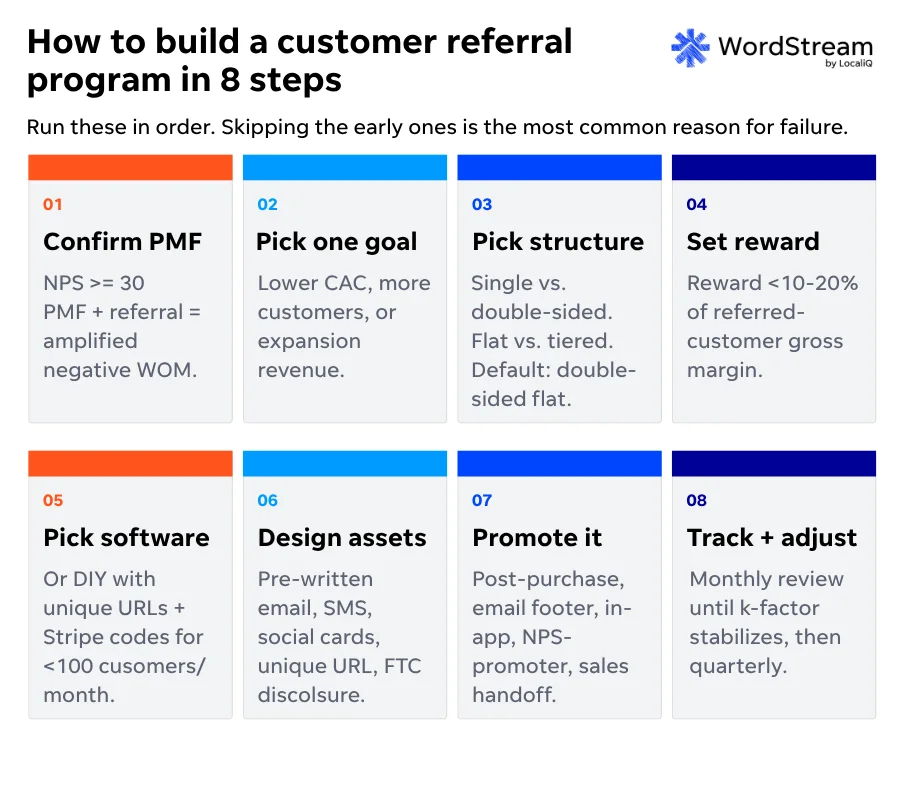
Constructing an effective customer referral program involves a systematic approach:
- Confirm Product-Market Fit and NPS: Before launching any referral program, ensure your product or service has achieved product-market fit and that you have a consistently positive Net Promoter Score (NPS) signal from your existing customer base. Referral marketing amplifies existing sentiment; if customers are unhappy, a referral program can accelerate negative word-of-mouth.
- Define a Clear Goal: Establish a singular, measurable objective for your program. Common goals include lowering blended Customer Acquisition Cost (CAC), acquiring a higher volume of new customers, or driving expansion revenue from existing customer networks.
- Choose a Program Structure: Decide whether a single-sided or double-sided program best aligns with your business model and customer psychology. Double-sided programs are typically recommended.
- Set Rewards Based on Customer Lifetime Value (CLTV): Determine reward values that are attractive enough to incentivize participation but do not erode profitability. A common guideline is to ensure the reward does not exceed 10-20% of the referred customer’s gross margin.
- Select the Right Software or DIY Approach: Evaluate referral marketing software solutions based on your platform (e.g., Shopify, custom website, SaaS), scale, and budget. For smaller operations, a do-it-yourself approach using unique URL parameters, CRM integration, and coupon codes might suffice.
- Design Shareable Assets and Disclosures: Create user-friendly sharing options, including personalized links and pre-written messages. Crucially, ensure all shareable content includes clear and conspicuous FTC-compliant disclosures.
- Promote Strategically: Integrate referral program promotion into key customer touchpoints. This includes post-purchase confirmations, order confirmation emails, shipping notifications, in-app widgets, NPS promoter follow-ups, and customer support interactions.
- Monitor and Optimize: Regularly review program performance against key metrics. Analyze participation rates, conversion rates, CAC, and LTV to identify areas for improvement and iterative optimization.
Illuminating Examples of Referral Marketing Excellence
Examining successful referral programs provides invaluable lessons. The most effective programs are not necessarily those with the largest budgets but those whose mechanics offer adaptable insights:
- Dropbox: Utilized a two-sided reward of extra storage space, directly tying the incentive to the core value proposition of their product. This demonstrated that rewards aligned with product utility are highly effective.
- PayPal: In its early stages, offered substantial cash payouts ($10 to both referrer and referee). This strategy was viable due to an extremely high CLTV, underscoring the importance of unit economics for cash-based rewards.
- Tesla: Implemented milestone rewards and even offered a Model X as a grand prize for top referrers at one point, leveraging status and exclusivity as powerful motivators for brand enthusiasts.
- Robinhood: Leveraged its pre-launch waitlist by allowing users to jump ahead in line by referring friends, showcasing referral marketing’s power as a pre-launch growth engine.
- Airbnb: Combined a two-sided cash credit with persistent email re-engagement of dormant referrers, highlighting the necessity of ongoing program promotion.
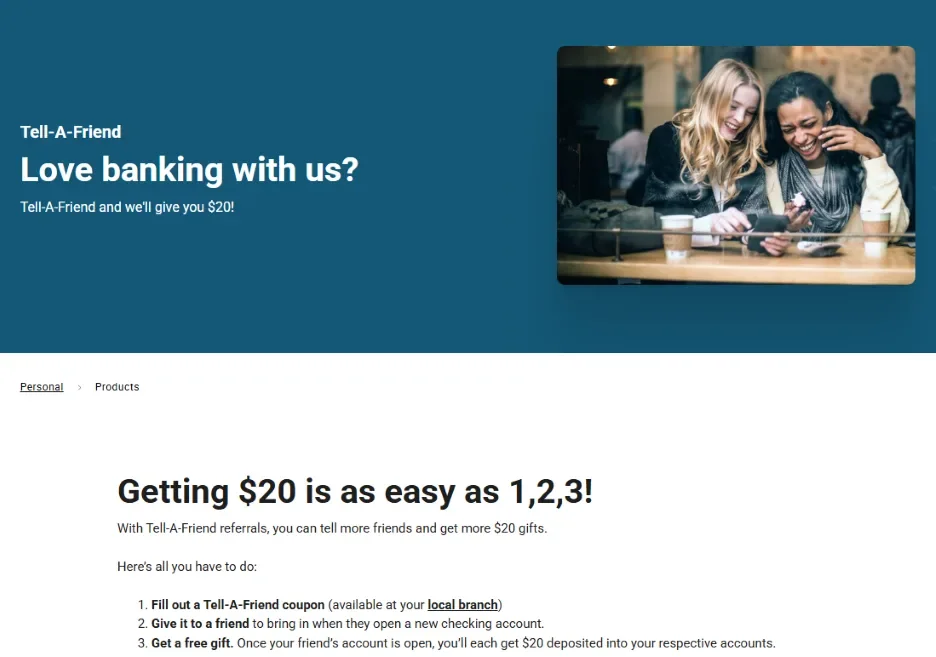
- Casper: Prominently surfaced its refer-a-friend offer ($75/$75 credit) immediately post-purchase, capitalizing on the peak moment of customer satisfaction.
- Hims & Hers: Integrated referral discounts seamlessly into their subscription model, demonstrating how referral programs can act as a force multiplier for recurring revenue businesses.
- Harry’s: Employed a pre-launch tiered reward system, incentivizing higher referral volumes with progressively larger gifts, acknowledging that a small percentage of highly engaged users can drive significant growth.
A common thread across these successful examples is the alignment of rewards with the core product value and the strategic timing of the referral ask during high-trust moments in the customer journey.
Maximizing Program Visibility: Strategic Promotion Tactics
The launch of a referral program is only the initial phase; sustained promotion is paramount for its success. Eight key placement opportunities exist:
- Post-Purchase: Immediately after a customer completes a transaction.
- Order Confirmation Email: Reinforce the value proposition and introduce the referral program.
- Shipping Notifications: A timely reminder during anticipation of delivery.
- In-App Widgets: Integrate referral prompts directly within the user experience.
- NPS Promoter Follow-Up: Engage customers who provide high scores with a referral opportunity.
- Customer Support Resolution Emails: Turn positive support interactions into advocacy opportunities.
- Quarterly Dedicated Campaigns: Run targeted promotional efforts to re-engage customers with the program.
- Sales Rep Outreach (B2B): For B2B accounts, sales representatives can proactively introduce referral opportunities to satisfied clients.
The overarching principle for all promotional efforts is to present the referral "ask" at moments of high customer trust and satisfaction within their journey.
Key Metrics for Referral Program Success
To effectively measure and optimize referral programs, businesses should track five critical metrics:
- Participation Rate: The percentage of eligible customers who share at least once.
- Share-to-Conversion Rate: The effectiveness of shared referrals in generating new customers.
- Referral Customer Acquisition Cost (CAC) vs. Blended CAC: Comparing the cost of acquiring referred customers against the overall average CAC.
- Referred-Customer Lifetime Value (LTV) vs. Non-Referred LTV: Assessing the long-term value of referred customers.
- Payback Period on Incentive Spend: The time it takes for the revenue generated by referred customers to offset the cost of referral incentives.
The K-factor (viral coefficient), calculated as the number of invites sent per user multiplied by the conversion rate of invited users, is particularly important for businesses aiming for compounding, viral growth. While a K-factor greater than 1 signifies compounding, most healthy programs operate profitably with a K-factor between 0.1 and 0.5.
Selecting the Right Referral Marketing Software
Choosing the appropriate referral marketing software depends heavily on a business’s specific technology stack and operational scale. For e-commerce platforms like Shopify, options such as ReferralCandy, Yotpo, and Smile.io are popular. For broader SMB needs or no-code solutions, Referral Rock, Referral Factory, and Friendbuy are strong contenders. B2B SaaS companies might consider Cello or GrowSurf, while enterprise-level solutions include Extole, Buyapowa, Mention Me, and Annex Cloud. For businesses with fewer than 100 new customers per month, a custom setup leveraging unique URLs, CRM integration, and coupon codes can be a cost-effective starting point. It is crucial to define your program strategy before evaluating software vendors to ensure the technology aligns with your objectives.
When Referral Marketing Falls Short
Despite its potential, referral marketing can fail to deliver results in specific scenarios:
- Lack of Product-Market Fit: As previously emphasized, referral programs amplify existing customer sentiment. If customers are not genuinely satisfied, the program will accelerate negative feedback.
- Once-in-a-Lifetime Purchases: While referee-side rewards can still be effective, referrer-side incentives may lose impact if the product is not something customers will repurchase or recommend frequently.
- Heavily Regulated Verticals: Industries like financial services, healthcare, and legal services often have stringent regulations that can prohibit or complicate referral programs. Thorough legal review is essential in these sectors.
- Extremely Low Existing CAC and Rapid Payback: If a business already boasts a very low CAC and an exceptionally short payback period, the overhead and incentive costs of a referral program might outweigh the incremental benefits.
- Program Overhead Exceeds Gains: In cases where the administrative costs, software fees, and incentive payouts significantly exceed the revenue generated by referred customers, the program is unsustainable.
Navigating Legal and Ethical Compliance: FTC Disclosure
Compliance with the Federal Trade Commission’s (FTC) Endorsement Guides is non-negotiable for referral marketing programs. These guidelines mandate clear and conspicuous disclosure of any material connection between a brand and an endorser. This includes any incentive provided to a customer for making a recommendation, whether it’s cash, credit, discounts, free products, or even status. The 2023 update to these guides specifically extended these requirements to pre-written share copy provided to referrers, and recent enforcement actions in 2024 have significantly increased civil penalties for non-compliance, now reaching five figures per violation.
In plain English, this means that any communication from a customer recommending your product, where they receive something in return, must clearly state that they are being rewarded. This disclosure must be easily understandable, visible without requiring extra clicks or expansion, and consistent across all endorsements. For businesses operating in regulated industries such as healthcare or financial services, consulting with legal counsel is imperative to ensure full compliance with both federal and state laws.

Differentiating B2B and B2C Referral Programs
While the fundamental strategy of leveraging customer advocacy remains consistent, B2B and B2C referral programs necessitate distinct mechanics. B2C programs typically focus on short cycles, low friction, two-sided cash or credit rewards, and are integrated into post-purchase flows and in-app experiences.
Conversely, B2B referral programs often involve longer sales cycles, multi-stage rewards tied to pipeline progression, robust CRM attribution, and a dedicated sales handoff for high Average Contract Value (ACV) deals. Confusing these two approaches is a common pitfall for B2B teams attempting to adapt B2C models. In the B2B context, particularly for mid-market and enterprise clients, referral efforts often evolve into sophisticated partner programs, requiring careful planning of CRM integration and deal attribution from the outset.
Conclusion: Cultivating a Thriving Referral Ecosystem
Referral marketing is not a passive endeavor; it requires ongoing strategic action in terms of program design, management, tracking, and optimization. However, with a well-defined plan, it can become a consistent and cost-effective engine for customer acquisition. The ultimate success of a referral program hinges on its alignment with a company’s unique business model, strategic objectives, and the expectations of its ideal customer base. When this synergy is achieved, referral marketing delivers dependable and valuable results, solidifying its place as a vital component of a comprehensive growth strategy.