rifanmuazin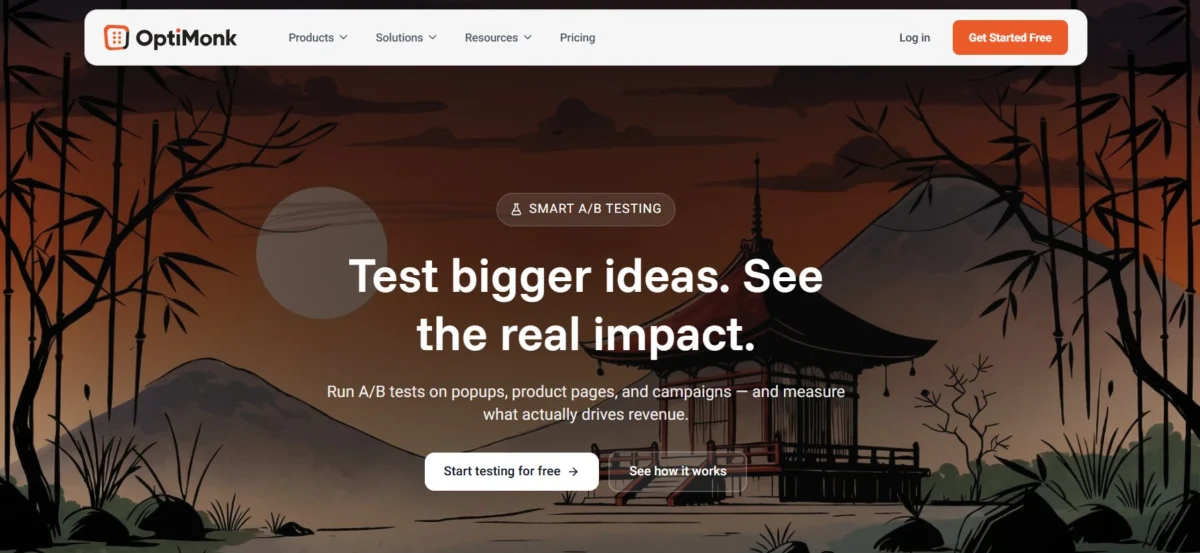
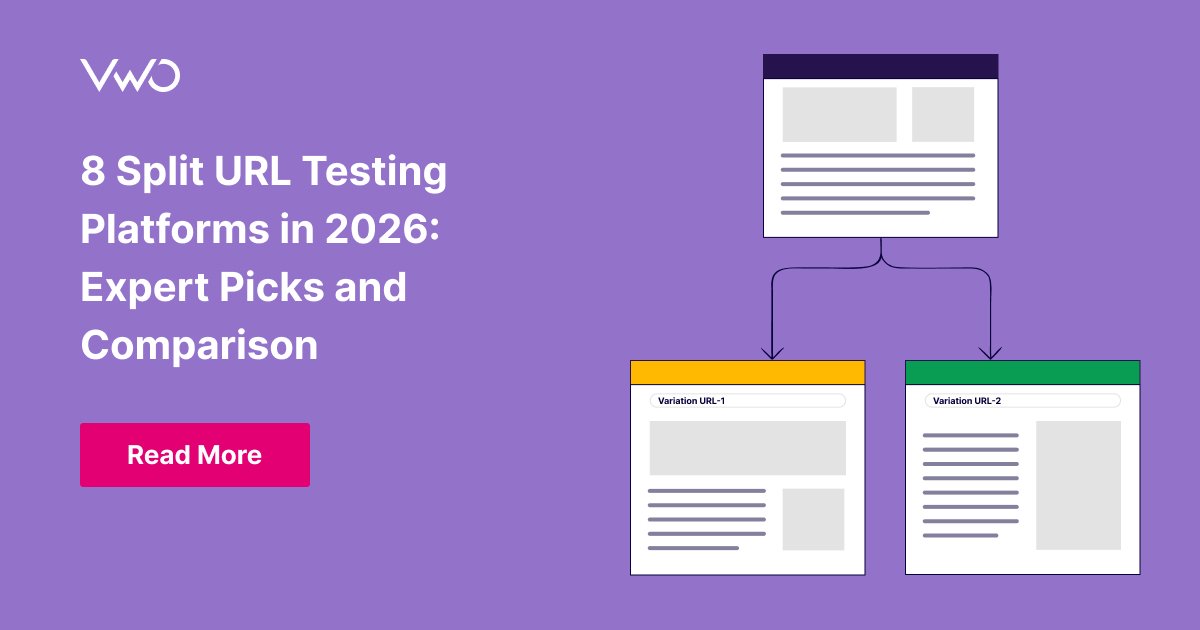
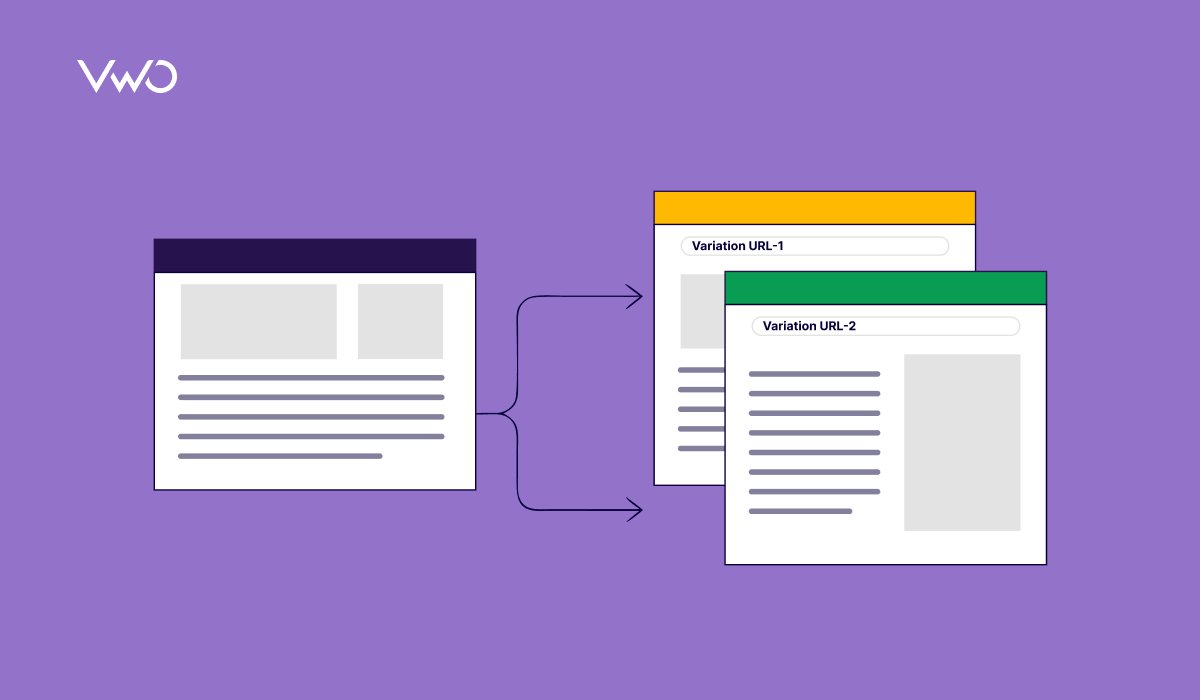
The landscape of digital experimentation has shifted significantly as businesses move beyond minor aesthetic adjustments toward fundamental architectural changes. In 2026, the reliance on basic A/B testing—where simple JavaScript modifies elements on a single page—is being supplemented by split URL testing. This methodology, which involves hosting a control and a variation on two entirely different URLs, has become the gold standard for teams executing full-scale landing page redesigns, complex checkout flow overhauls, and backend migrations. By redirecting traffic at the server or browser level, organizations can ensure a seamless user experience while gathering rigorous data on high-stakes changes.
The Evolution of Digital Experimentation: A Chronology
To understand the current state of split URL testing in 2026, it is essential to trace the technological trajectory of the last decade.
In the early 2010s, experimentation was largely the domain of data scientists and specialized engineers using homegrown tools. The mid-2010s saw the rise of “client-side” A/B testing platforms, which democratized optimization by allowing marketers to change button colors and headlines via visual editors. However, these tools often suffered from the “flicker effect,” where the original page would momentarily appear before the variation loaded.
By 2020, the focus shifted toward performance and privacy. As browser restrictions on third-party cookies tightened and Core Web Vitals became a ranking factor for search engines, the industry moved toward server-side testing. Between 2023 and 2025, Artificial Intelligence (AI) began to permeate these platforms, moving from simple generative text to sophisticated traffic allocation algorithms known as multi-armed bandits. Entering 2026, split URL testing has emerged as a critical bridge, allowing for the radical “bold moves” that simple A/B tests cannot facilitate without compromising site speed or technical stability.
The Strategic Necessity of Split URL Testing
Industry analysts point to three primary scenarios where split URL testing is non-negotiable for enterprise-level organizations. First is the “Full Redesign,” where the HTML structure, CSS, and navigation of a page are completely replaced. Second is “Backend Architecture Changes,” such as switching from a legacy checkout system to a modern API-driven one. Third is “Multi-page Experience Testing,” where the experiment spans across an entire funnel rather than a single touchpoint.
In these contexts, traditional A/B testing fails because the volume of JavaScript required to transform Page A into Page B creates unacceptable latency. Split URL testing avoids this by serving a pre-rendered page, ensuring that the user’s first interaction with the new design is as fast as the old one.
Leading Split URL Testing Platforms for 2026
As the market matures, several key players have distinguished themselves through technical robustness, AI integration, and user accessibility.
1. VWO (Visual Website Optimizer)
VWO remains a dominant force in the 2026 experimentation market. Its split URL testing capability is part of a broader “all-in-one” suite that integrates heatmaps, session recordings, and surveys. VWO’s distinctive advantage is its AI Copilot, which assists teams in generating variation ideas based on historical performance data.
- Key Case Study: Hubstaff utilized VWO to execute a split URL test on their homepage redesign. By combining conversion tracking with behavioral heatmaps, they achieved a 49% increase in visitor-to-trial conversions and a 34% lift in form submissions.
- Pricing: Custom plans based on Monthly Tracked Users (MTU).
2. Optimizely
Long considered the enterprise standard, Optimizely focuses on “flicker-free” performance and high-scale experimentation. In 2026, its platform is heavily invested in AI-powered traffic allocation, which automatically shifts visitors toward the winning variation in real-time, minimizing the “opportunity cost” of running a test.
- Best For: Large-scale enterprises with high traffic volumes and dedicated engineering teams.
3. Convert Experiences
Convert has carved out a niche by prioritizing data privacy and “flicker-free” delivery. It is frequently cited as the preferred choice for privacy-conscious organizations in the EU and North America, offering both Bayesian and Frequentist statistical engines.
- Pricing: Starting at $299/month (billed annually), making it a mid-market favorite.
4. Kameleoon
Kameleoon’s 2026 offering centers on “prompt-based experimentation.” It allows teams to build experiments using natural language commands. Their multi-stat engine, featuring CUPED (Controlled-experiment using Pre-Experiment Data), helps teams achieve statistical significance faster by reducing variance in the data.
5. Webtrends Optimize
This platform is recognized for its “no-code” widgets and behavioral targeting. It provides a structured workflow that emphasizes actionable insights, helping teams move from data collection to implementation without a steep learning curve.
6. Omniconvert
Specializing in the e-commerce sector, Omniconvert integrates deeply with Adobe Analytics and other retail-focused data stacks. It is optimized for testing complex product pages and tiered pricing models.
7. Optimonk
Optimonk has evolved from a simple pop-up tool into a comprehensive on-site message experimentation platform. It is particularly effective for testing “interstitial” experiences and personalized landing page variations.
8. ABsmartly
ABsmartly appeals to engineering-led organizations. Its API-first approach and Group Sequential Testing (GST) engine allow for rapid iteration across web, mobile apps, and even email environments, ensuring zero lag for the end-user.
Supporting Data: The Impact of Performance on Conversion
The shift toward split URL testing is supported by rigorous performance data. According to 2025 industry benchmarks, a 100-millisecond delay in page load time can result in a 7% drop in conversion rates. Because traditional A/B testing relies on client-side scripts that can increase “Total Blocking Time,” split URL testing—which uses server-side redirects—is often the only way to test major changes without incurring a performance penalty.
Furthermore, a 2026 survey of 500 Global CMOs revealed that 62% of high-growth companies now prioritize “radical experimentation” (major redesigns) over “incremental testing” (button changes), citing a higher return on investment for large-scale UX shifts.
Technical Implications and SEO Best Practices
One of the primary concerns regarding split URL testing involves Search Engine Optimization (SEO). To mitigate the risk of “duplicate content” penalties, industry experts emphasize the use of the rel="canonical" tag. This tag should be placed on the variation page, pointing back to the control URL, signaling to search engine crawlers that the two pages are part of the same experiment and should not be indexed as separate entities.
Additionally, the use of 302 (temporary) redirects rather than 301 (permanent) redirects is essential. A 302 redirect tells search engines that the redirect is only temporary for the duration of the test, preserving the original page’s ranking authority.

Industry Perspectives: The Move Toward Holistic Optimization
“To truly support fast-growing businesses, testing tools need to go beyond basic execution,” states Dom Light, a leading experimentation consultant. “The integration of qualitative insights—understanding why a user prefers a new layout through heatmaps and recordings—is what separates a successful redesign from a failed one.”
The consensus among MarTech (Marketing Technology) analysts is that the “siloed” era of testing is over. In 2026, the best platforms are those that integrate seamlessly with Customer Data Platforms (CDPs) like Segment or Tealium and analytics engines like Amplitude or Mixpanel. This allows companies to see not just which version of a page “won,” but how that win impacts long-term Customer Lifetime Value (CLV).
Conclusion: Navigating the 2026 Experimentation Landscape
As organizations finalize their 2026 growth strategies, the choice of a split URL testing platform becomes a foundational decision. The market has bifurcated into two clear paths: all-in-one suites like VWO and Optimizely that offer deep behavioral context, and specialized, engineering-heavy tools like ABsmartly and Convert that prioritize speed and privacy.
The broader implication for the digital economy is clear: the margin for error in user experience has vanished. In an environment where consumers expect instantaneous, personalized, and intuitive interfaces, split URL testing provides the safety net required to innovate boldly. By hosting variations on distinct URLs, businesses can validate their most ambitious ideas without compromising the stability of their core digital assets. For the modern enterprise, experimentation is no longer a luxury—it is the primary mechanism for survival and growth in an increasingly competitive digital storefront.