
 rifanmuazin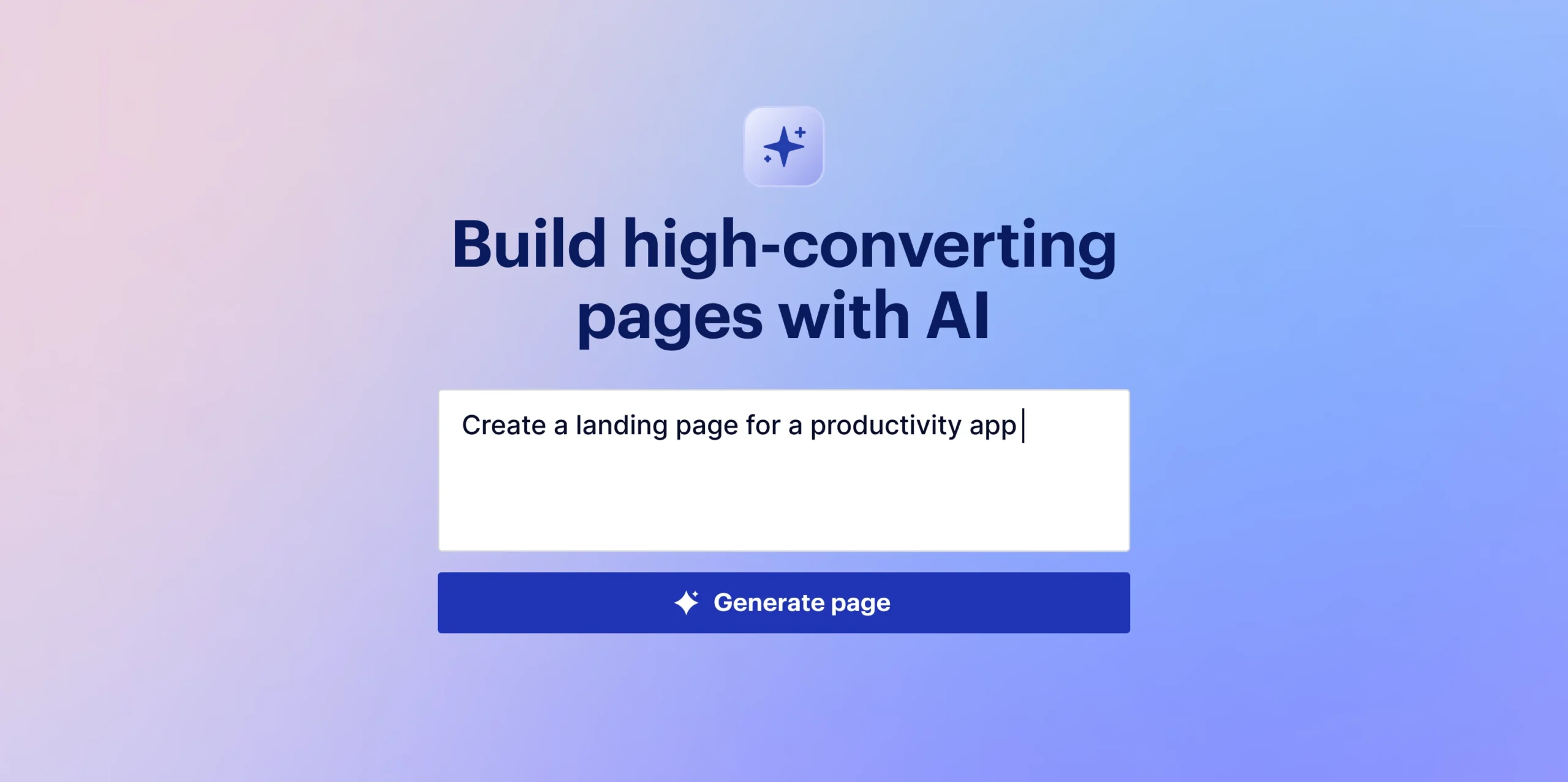
Instapage, a pioneer in landing page technology since 2012, has announced the transition of its platform into a fully integrated, AI-driven marketing ecosystem designed to address the complexities of modern digital conversion. This strategic evolution marks a significant shift from the company’s origins as a niche landing page builder to a comprehensive Conversion Rate Optimization (CRO) and marketing suite. The latest updates introduce a wave of generative artificial intelligence features, including AI-driven page generation, automated email creation, and “AI Collections,” aimed at consolidating fragmented marketing stacks into a single, cohesive workflow.
The move comes at a critical juncture for the digital marketing industry. As businesses face increasing pressure to deliver high performance with leaner teams and tighter budgets, the demand for automation that goes beyond simple text generation has surged. Instapage’s new offerings are designed to bridge the gap between creative ideation and technical execution, allowing users to deploy conversion-ready assets in seconds while maintaining granular control over design and messaging.
The Evolution of Instapage: A Decade of Conversion Optimization
Since its inception in 2012, Instapage has focused on solving the primary pain point of digital advertisers: the disconnect between ad clicks and page conversions. In the early 2010s, the market was saturated with generic website builders that lacked the specific tools required for high-stakes lead generation and A/B testing. Instapage filled this void by developing what would become a top-rated builder, eventually expanding into a multi-faceted suite covering personalization, experimentation, and advanced analytics.
By the early 2020s, the company had already begun embedding AI across various stages of the creation and optimization process. Initial integrations focused on AI-assisted copywriting and basic experimentation modules. However, the 2026 release cycle represents a fundamental reimagining of the platform. Rather than treating AI as an additive feature or a “bolt-on” tool, the company has integrated generative capabilities into the foundational architecture of its builder and lead management systems. This “AI-first” approach is intended to eliminate the need for “stitching together” disparate tools—a practice commonly referred to in the industry as creating a “Franken-stack”—which often leads to data silos and inefficient workflows.
Overcoming the Creative Barrier with AI Page Generation
One of the most significant challenges identified by marketing professionals is the “blank page syndrome.” The transition from a strategic concept to a functional, aesthetically pleasing landing page often involves multiple stakeholders, including copywriters, designers, and developers. This process can take days or even weeks, frequently resulting in stalled campaigns or missed market opportunities.
Instapage’s AI Page Generation tool addresses this by utilizing descriptive prompts to build complete, conversion-ready pages. Unlike traditional templates, these AI-generated pages are tailored to specific messaging goals and optimized layouts from the outset. A key differentiator in the Instapage approach is the retention of “pixel-perfect” control. In many standalone AI design tools, making a minor change to an AI-generated layout requires regenerating the entire page, a process that consumes computational tokens and creates friction in the creative process.
Industry data suggests that the “regeneration cycle” in traditional AI tools can slow down production by up to 30% due to the trial-and-error nature of prompting. Instapage mitigates this by allowing users to use a drag-and-drop builder to refine AI-generated sections manually. This hybrid model—combining generative speed with manual precision—ensures that brand standards are met without the technical overhead of constant re-prompting.
Integrated Lead Management through AI-Powered Email
The secondary phase of the Instapage expansion focuses on the post-conversion experience. Historically, the handoff between a landing page and an email marketing platform has been a source of significant lead leakage. When leads are manually exported or synced via third-party connectors, delays in response time are common. In the high-velocity digital landscape of 2026, research indicates that the likelihood of converting a lead drops significantly if the initial follow-up occurs more than five minutes after the submission.
The new AI-powered email generator is designed to close this gap. By hosting pages, leads, and emails within a single environment, Instapage allows for instantaneous, context-aware follow-ups. The AI engine can draft tailored messaging based on the specific interaction a lead had on the landing page, ensuring relevance and consistency in tone. Users can define the goal, audience, tone, and length of the communication, and the system generates the content and sets up the automation triggers simultaneously. This integration removes the traditional “manual handoff” between design teams and CRM managers, effectively allowing lean teams to operate with the output capacity of a much larger organization.

Data-Driven Scaling and the Role of AI Collections
Beyond creation, the Instapage suite introduces “AI Collections,” a feature set focused on the “Experimentation” and “Scaling” phases of the marketing lifecycle. In a traditional CRO environment, scaling what works requires extensive manual analysis of A/B test results and the subsequent duplication of successful elements across dozens or hundreds of pages.
AI Collections automate the identification of high-performing patterns. By analyzing data across a brand’s entire portfolio of pages, the AI can suggest optimizations and automatically apply successful elements to new campaigns. This capability is particularly relevant in 2026, as marketing budgets are increasingly scrutinized for ROI. According to recent market analysis, companies that leverage AI for marketing automation see an average increase in conversion rates of 15-20% while reducing operational costs by nearly a third.
Market Context and the Shift Toward End-to-End Platforms
The broader marketing technology (MarTech) landscape is currently undergoing a period of consolidation. Following a decade where the average enterprise utilized over 90 different marketing tools, there is a visible trend toward “all-in-one” solutions that prioritize data integrity and user experience. Instapage’s transition into an end-to-end platform reflects this shift.
Industry analysts suggest that the primary value proposition of the new Instapage platform is not just the presence of AI, but the elimination of “gaps” in the workflow. When AI is siloed—such as a standalone copy tool or a standalone image generator—the user still bears the burden of integration. By weaving AI through the entire workflow—from the first prompt for a page to the final automated email follow-up—Instapage aims to recapture the time lost to platform switching and manual data entry.
Furthermore, the economic environment of 2026 has dictated a “do more with less” mentality. With talent costs rising and venture capital for marketing spend becoming more conservative, the ability to generate high-quality assets without adding headcount is a strategic necessity for both startups and established enterprises.
Technical Implementation and Availability
Instapage has confirmed that while the core platform remains robust, several of the new AI features are currently in a beta phase. The company is adopting a gradual rollout strategy to ensure system stability and to gather user feedback on the AI’s performance in diverse industry verticals.
The technical architecture of these tools relies on advanced Large Language Models (LLMs) and proprietary design algorithms that have been trained on over a decade of Instapage’s own conversion data. This ensures that the AI does not just generate “content,” but specifically “high-conversion content” based on historical performance benchmarks.
Conclusion: The Strategic Implications for Digital Marketers
The launch of Instapage’s AI-powered suite represents more than just a product update; it is a response to the evolving nature of digital work. As the barriers between design, copy, and data science continue to blur, the tools used by marketers must become more intuitive and interconnected.
By providing a platform where AI generates the foundation and humans provide the creative refinement, Instapage is positioning itself as a central hub for the modern marketing department. The implications for the industry are clear: the era of manual, tool-by-tool marketing is coming to a close, replaced by integrated systems that prioritize speed, precision, and measurable revenue growth. For businesses, the ability to move from an idea to a live, optimized, and automated campaign in a matter of minutes—rather than weeks—may well become the defining competitive advantage of the late 2020s.
As these features move out of beta and into general availability, the marketing community will likely monitor how these automated workflows impact long-term brand consistency and consumer engagement. For now, Instapage’s move marks a bold step toward a future where artificial intelligence is not just a collaborator, but the very engine of the marketing process.








