rifanmuazin
A robust sales strategy is the bedrock of sustained business growth, encompassing every facet of the sales journey, from identifying and engaging target audiences to deploying effective tools and refining operational processes. Far from being static directives, successful sales strategies are dynamic, living documents, continually adapted with fresh insights and market intelligence to optimize future performance. This ongoing evolution is critical in today’s fast-paced commercial landscape, where agility and responsiveness can be the difference between market leadership and obsolescence.
The Paramount Importance of a Strategic Sales Framework
A well-defined sales strategy is not merely a procedural document; it is a powerful enabler of productivity and market penetration. For sales representatives, it translates into a clear roadmap, enabling them to allocate their time and energy to the most impactful activities, thereby maximizing their effectiveness. Concurrently, marketing teams can leverage this strategic clarity to precisely position the company and its offerings, ensuring that promotional efforts resonate deeply with the intended customer base.
The benefits of a comprehensive sales strategy are multifaceted and far-reaching:

1. Maximizing Impact: Prioritizing High-Value Activities
Many small and growing businesses grapple with the challenge of consistently generating leads and driving revenue. A common pitfall is a scattershot approach, where resources are diffused across numerous channels with uncertain returns. A well-articulated sales strategy fundamentally shifts this paradigm. By meticulously defining the ideal buyer persona, businesses can pinpoint precisely how to reach them and what value propositions will resonate most powerfully. This clarity allows sales teams to concentrate their efforts on activities that demonstrably contribute to sales progression, moving beyond speculative outreach to data-driven engagement. This focused approach ensures that valuable time is invested in nurturing genuine opportunities, rather than expending energy on less promising avenues. For instance, if research indicates that personalized follow-up emails after initial content engagement yield a 40% higher conversion rate than generic outreach, a strategic approach would mandate this practice for all relevant leads.
2. Fueling Revenue Growth and Pipeline Expansion
The pursuit of revenue growth offers a spectrum of strategic avenues, from judicious price adjustments to optimizing acquisition channels for superior conversion rates. However, the most potent catalyst for sustainable revenue expansion often lies in the synergistic alignment of sales and marketing efforts. Research consistently underscores the transformative impact of this collaboration. A study by HubSpot revealed that companies with highly aligned sales and marketing teams experience a remarkable 38% higher sales win rate. This suggests that a unified front, where marketing generates high-quality leads and sales is equipped with the context and tools to convert them effectively, creates a virtuous cycle of growth. By strategically identifying and prioritizing these high-conversion channels, businesses can ensure a robust and predictable pipeline of opportunities.
3. Cultivating Repeatable and Scalable Systems
A core tenet of an effective sales strategy is its ability to systematize processes, transforming ad-hoc efforts into predictable engines of growth. Instead of relying on the intuition of individual sales representatives, a well-defined strategy establishes best practices that can be applied consistently across all customer interactions. This predictability is invaluable for scaling operations. For example, if data reveals that prospects who receive a product demonstration convert at a 50% higher rate than those who do not, integrating a demo into the sales process for all qualified leads becomes a clear, repeatable, and highly effective action. This ensures that proven methods are consistently deployed, maximizing the chances of success for every potential customer.
Navigating the Landscape of Sales Methodologies
While a singular, universally applicable sales strategy is elusive, businesses can draw upon several established methodologies, often adapting and combining them to suit their unique context. Understanding the nuances of Inbound Sales, Outbound Sales, and Account-Based Marketing (ABM) is crucial for developing a tailored approach.
Inbound Sales: Attracting and Nurturing Interest
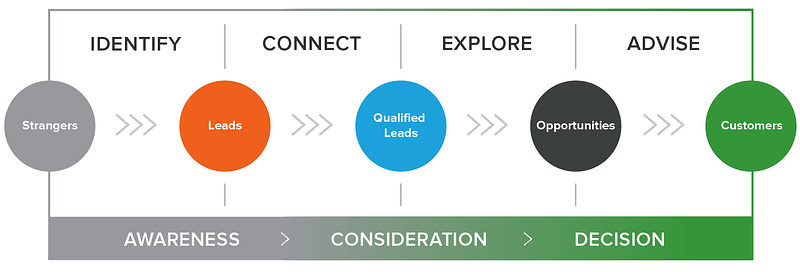
Inbound sales strategies are rooted in the principle of attracting potential customers by providing valuable content and resources. This approach blurs the lines between sales and marketing, with the marketing team playing a pivotal role in content creation and distribution. The process typically begins with marketing efforts designed to capture the interest of leads, such as publishing insightful whitepapers, blog posts, or webinars. Once a lead expresses interest—perhaps by downloading a resource or attending a webinar—the sales team steps in. Their role shifts from active solicitation to that of a trusted advisor, engaging with the prospect to understand their challenges and demonstrate how the product or service can offer a solution. This often involves scheduling product demos and delving deeper into the prospect’s pain points, ensuring a strong fit before proceeding. The inbound methodology relies on building relationships and establishing credibility through helpful content, fostering a sense of trust and making the sales process feel less intrusive.
Outbound Sales: Proactive Engagement and Lead Generation
In contrast to inbound strategies, outbound sales methodologies involve the proactive sourcing and contacting of potential leads. This approach has been the historical backbone of many successful businesses, with cold email and cold calling remaining potent tools when executed effectively. The success of an outbound strategy hinges on several critical factors: a compelling offer that immediately captures attention, a seamless and efficient sales process, and strict adherence to data privacy regulations. For instance, businesses leveraging outbound tactics must ensure their lead sourcing methods comply with regulations like GDPR, which govern the collection and use of personal data. DemandScience, for example, offers solutions to help businesses identify and engage with leads in a compliant and strategic manner.
Account-Based Marketing (ABM): Precision Targeting and Personalization
Account-Based Marketing (ABM) represents a highly strategic approach that focuses on targeting specific high-value accounts rather than broad market segments. The process begins with identifying accounts that demonstrate a strong fit for the company’s product or service. Once these target accounts are identified, unique and highly personalized content and outreach strategies are developed to nurture relationships with key decision-makers within those organizations. The goal of ABM is to engage multiple stakeholders within a target company, providing them with tailored information and building consensus, thereby simplifying the path to conversion. This requires exceptionally close collaboration between sales and marketing teams. A typical ABM campaign might involve a coordinated effort where LinkedIn advertisements are strategically displayed to individuals within key target accounts, while the sales team simultaneously initiates personalized cold email outreach. This flips the traditional marketing-sales dynamic, starting with a precise definition of the target audience and then building campaigns specifically designed for their conversion. For organizations with the resources to invest, ABM can be an exceptionally effective strategy for closing high-value deals.
The Blueprint for Building Your Sales Strategy
Developing an effective sales strategy is a systematic undertaking that requires careful consideration of several key elements.

1. Understanding Your Ecosystem: Industry, Product, and Buyer Persona
The foundational step in crafting a sales strategy is a deep understanding of the business’s operating environment. This includes a thorough analysis of the industry landscape, the unique value proposition of the product or service, and, most importantly, the profile of the ideal customer, or buyer persona. The chosen strategy must effectively position the business and its offerings to this specific audience. Furthermore, the Average Contract Value (ACV) plays a pivotal role in shaping tactics. A business with a low ACV might prioritize high-volume, lower-touch sales methods, whereas a high ACV business would likely invest in more personalized, consultative approaches. Industry norms also dictate channel effectiveness; some sectors thrive on in-person interactions and trade shows, while others are well-suited for digital networking and online sales.
2. Setting Clear and Achievable Sales Goals
Sales goals should be intrinsically linked to the broader objectives of the company. Once overarching sales targets are established, they must be meticulously broken down into Key Performance Indicators (KPIs) and individual goals for sales representatives. For instance, a high-level revenue target might translate into a KPI for the number of qualified leads generated per month, which in turn could inform individual goals such as sending 100 cold emails to prospects per week. The critical principle is that sales goals must accurately reflect the expected activities of the team and the desired outcomes. This ensures alignment and provides a clear benchmark for success.
3. Identifying and Leveraging Key Acquisition Channels
Determining the most effective acquisition channels begins with a deep understanding of the buyer persona. The question to ask is: who is your ideal customer, and what are the most effective ways to connect with them? The answer will guide the selection of demand generation strategies. Potential channels include:
- Content Marketing: Creating and distributing valuable content to attract and engage a target audience.
- Social Media Marketing: Utilizing social platforms to build brand awareness, engage with prospects, and drive traffic.
- Search Engine Optimization (SEO): Optimizing website content to rank higher in search engine results, attracting organic traffic.
- Paid Advertising: Employing platforms like Google Ads or social media ads to reach specific demographics.
- Email Marketing: Building an email list and sending targeted campaigns to nurture leads and promote offers.
- Cold Outreach (Email/Calling): Proactively contacting potential leads who have not yet expressed interest.
- Referral Programs: Encouraging existing customers to refer new business.
- Partnerships and Affiliates: Collaborating with other businesses to reach a wider audience.
- Trade Shows and Events: Participating in industry events to network and generate leads.
The choice of channel is heavily influenced by the product’s price point. For a low-cost product (e.g., $10 per month), highly time-intensive methods like extensive cold calling might be inefficient. Instead, focusing on channels that offer broader reach and lower per-contact cost is advisable. Conversely, for expensive, infrequent purchases, cold emails can serve as an effective initial touchpoint to educate prospects before engaging in more resource-intensive phone calls.
4. Measuring Sales Performance for Continuous Improvement
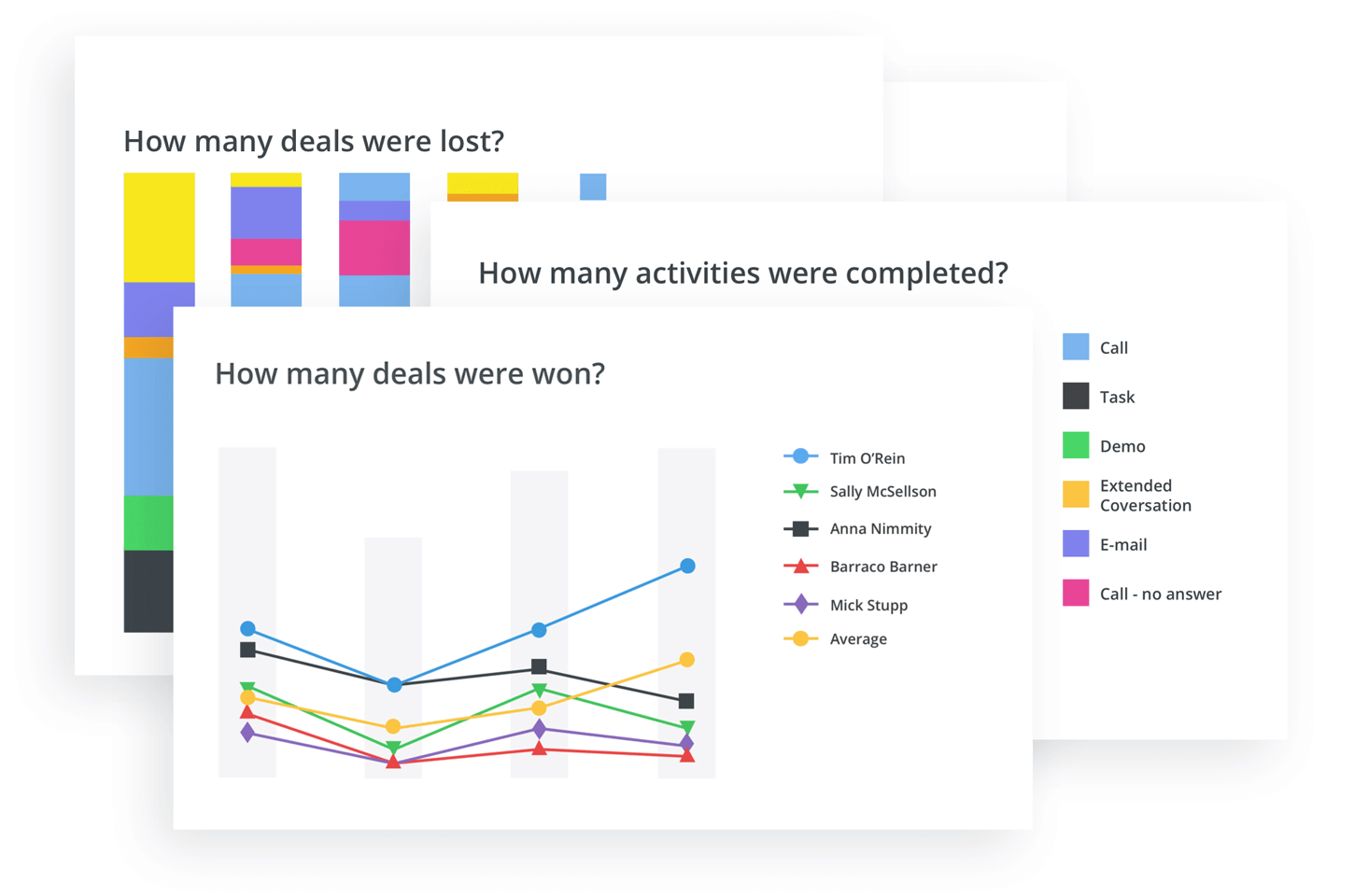
Consistent measurement is the only reliable method for determining whether sales targets are being met and for identifying areas for improvement. Without robust tracking, valuable resources can be misallocated, and ineffective strategies can persist. While tools like Microsoft Excel or Google Sheets can serve as basic goal-tracking systems, they lack the specialized functionality of dedicated sales tools. Customer Relationship Management (CRM) systems, such as Pipedrive, offer integrated analytics and detailed reports on critical metrics like cold email open rates, response rates, and revenue forecasts. Over 50% of sales teams report enhanced productivity when utilizing a CRM to manage their activities. A clear goal-tracking system is indispensable for ensuring sales team efficiency and the efficacy of implemented strategies.
5. Automating Processes for Enhanced Efficiency
Once a sales strategy is demonstrating positive results, the next logical step is to automate repetitive processes. As sales efforts gain traction, managing the increased volume of leads and interactions can become overwhelming. Automating routine tasks frees up sales representatives to focus on high-value activities, such as engaging with qualified leads and closing deals. DemandScience provides solutions for creating targeted lead lists based on detailed buyer persona criteria, including job titles, industry, company size, and technology stack, streamlining the lead generation process. Tools like Lead Forensics can identify companies visiting a website, enabling proactive outreach. Lead scoring, a critical component of the sales process, can also be automated. Many CRMs, including HubSpot CRM, Salesforce, and Agile CRM, offer lead scoring capabilities. Automated lead scoring allows sales teams to precisely identify when a lead is ready for engagement, optimizing their time and prioritizing efforts.
Optimizing Your Sales Strategy for Peak Performance
The sales landscape is constantly evolving, necessitating a commitment to continuous optimization of the sales strategy. Regularly reviewing campaign performance to identify underperforming areas is crucial. For example, if cold email open rates are consistently low, it signals a need to investigate potential culprits, such as the subject line’s effectiveness or the relevance of the email’s content to the target audience. By systematically adjusting one variable at a time and monitoring the impact, businesses can refine their outreach and improve engagement rates.
Nurturing Your Existing Customer Base
A crucial, yet often overlooked, aspect of sales strategy is the focus on existing customers. Statistics indicate that businesses are significantly more likely to sell to existing customers than to acquire new ones, with success rates ranging from 60% to 70%. Maintaining high levels of customer satisfaction is paramount to capitalizing on this loyalty. Avoidable customer churn represents a substantial financial drain, with companies in the U.S. reportedly losing over $136 billion annually due to customers switching providers. Therefore, any comprehensive sales strategy must include robust customer retention initiatives and ongoing efforts to foster client satisfaction.