rifanmuazin
In the increasingly competitive landscape of digital marketing, the distinction between a standard homepage and a dedicated landing page has become the primary determinant of campaign success. As of early 2026, the industry standard for conversion optimization has shifted toward hyper-specific, standalone web pages designed with a singular focus. Data from recent industry reports indicates that a polished, professional landing page is no longer a luxury but a fundamental requirement for maintaining competitive conversion rates. Conversely, poorly structured pages are cited as the leading cause of wasted ad spend across SaaS, ecommerce, and professional service sectors.

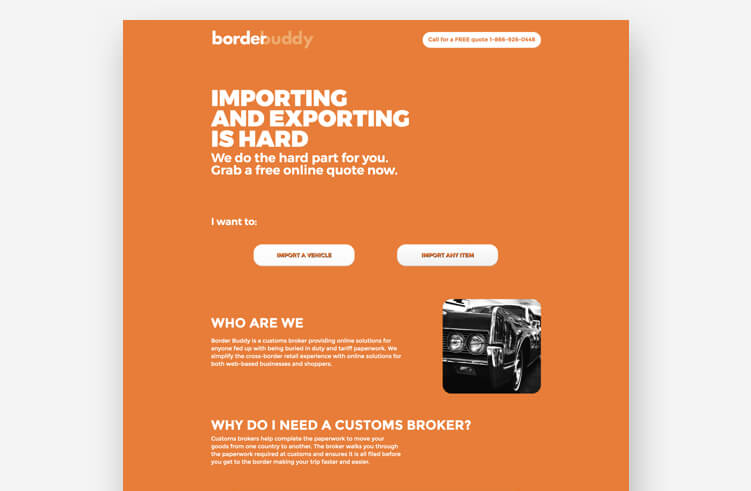
The core function of a landing page is to serve as the destination for specific marketing or advertising traffic. Unlike a general website, which acts as a central hub for navigation, a landing page is built to drive a single action, such as lead generation or product sales. This focus reduces "choice paralysis" among visitors, a psychological phenomenon where an excess of options leads to inaction. By narrowing the user’s path to a single call to action (CTA), marketers can significantly increase the probability of conversion.
The Architecture of High-Converting Pages in 2026
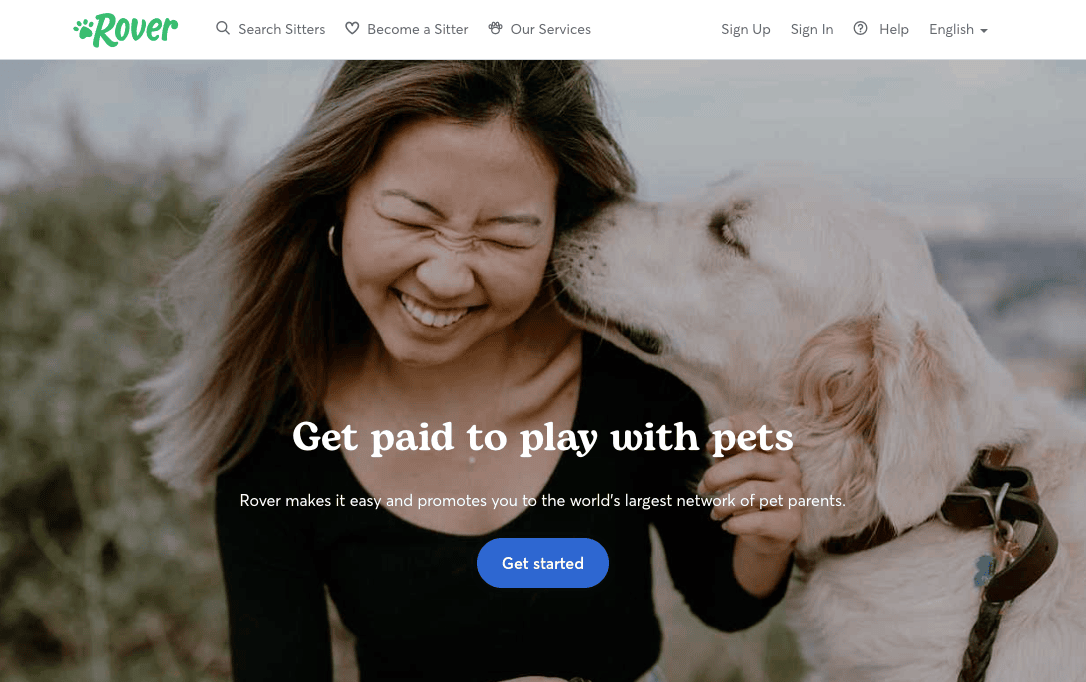
Expert analysis of current market leaders reveals several fundamental elements that define an effective landing page. The most successful examples share a commitment to clarity, speed, and mobile optimization. One critical metric consistently highlighted by digital strategists is the "above the fold" content—the information visible before a user scrolls. Research shows that visitors form an opinion about a page within 50 milliseconds, making the primary headline and hero image the most valuable real estate on the screen.
Furthermore, the integration of multimedia has become a standard requirement. Statistics from 2025 and 2026 indicate that landing pages featuring high-quality video elements can increase conversion rates by as much as 86%. This is particularly evident in the SaaS and health sectors, where complex value propositions benefit from visual demonstrations.

Chronology of Landing Page Development
The evolution of landing pages has moved through several distinct eras:

- The Static Era (2000–2010): Pages were often text-heavy and served as digital brochures with little interactivity.
- The Responsive Era (2011–2018): The rise of mobile traffic forced a shift toward mobile-first design and simplified layouts.
- The Optimization Era (2019–2023): A/B testing became mainstream, and drag-and-drop builders like Unbounce lowered the technical barrier to entry.
- The AI and Personalization Era (2024–Present): In 2026, the most effective pages utilize dynamic content that adapts to the visitor’s intent, location, and previous interactions.
Analysis of Industry Leaders: SaaS and Entertainment
Netflix remains a benchmark for minimalist design. With over 300 million global subscribers, the streaming giant utilizes a landing page that reinforces its value proposition: unlimited content for a low monthly fee. The simplicity of the sign-up process serves as a case study in reducing friction. By removing navigation links that might lead users away from the registration funnel, Netflix ensures a high completion rate.

In the professional services sector, LinkedIn Premium’s landing page targets career advancement. The strategy here focuses on "benefit-driven" copy rather than just listing features. Instead of merely mentioning "InMail," the page highlights the outcome: standing out to recruiters. This psychological shift from "what the product is" to "what the product does for the user" is a hallmark of top-tier marketing.

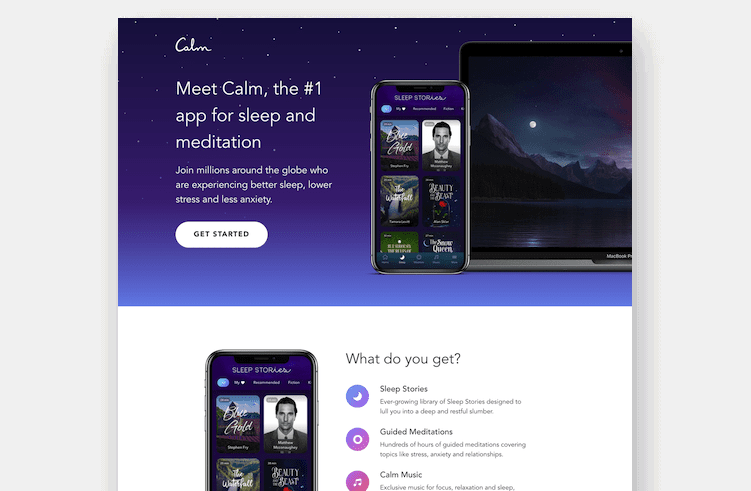
The health and wellness app Calm demonstrates the importance of "vibe-matching." As a meditation tool, its landing page uses tranquil imagery and a muted color palette to immediately deliver the brand promise of peace and relaxation. This alignment between the product’s purpose and the page’s aesthetic is crucial for building trust.

Ecommerce and Social Commerce Innovations
The ecommerce sector has seen a significant shift toward "human-grade" and "socially-driven" content. Smalls, a cat food subscription service, utilizes a landing page that emphasizes high-quality ingredients and health benefits, such as "fresher breath in one month." This specific, time-bound promise provides a tangible goal for the consumer.

Similarly, Snackpass has pioneered social commerce for quick-serve restaurants. Their landing pages focus heavily on "Instagrammable" visuals and TikTok-friendly aesthetics. By catering to a younger demographic that values visual proof and social sharing, Snackpass has successfully streamlined the ordering process for bubble tea cafes and dessert joints, reducing wait times and increasing customer loyalty.

In the furniture and office supply niche, companies like Branch Furniture and Coco Village have mastered the art of "curated collections." Their landing pages allow users to view multiple products while maintaining a single, focused goal: getting a quote or starting a purchase. This balance prevents the page from feeling like an overwhelming catalog while still showcasing the breadth of the brand’s offerings.

Agency-Led Success and Conversion Benchmarks
Professional marketing agencies, including J7 Media, Webistry, and MuteSix, have provided data-backed insights into the effectiveness of specialized landing pages. For instance, a campaign for Bariatric Eating, managed by Sevah Creative, reported a conversion rate exceeding 39%. This success is attributed to the infusion of personality and friendly design into a subject matter that is traditionally clinical and intimidating.

Webistry’s work with Panda7, an insurance provider, addresses a common consumer pain point: the complexity of car insurance. The landing page promises a quote within minutes, directly tackling the "time-waste" objection. This strategy of identifying and solving a specific anxiety is a recurring theme among the most successful landing page examples of 2026.
Data-Driven Best Practices for 2026
Based on the performance of the top 40 examples, several best practices have emerged as essential for modern digital marketing:
- Headline Alignment: The primary headline must match the copy of the ad or email that directed the user to the page. This "message match" confirms to the visitor that they are in the right place.
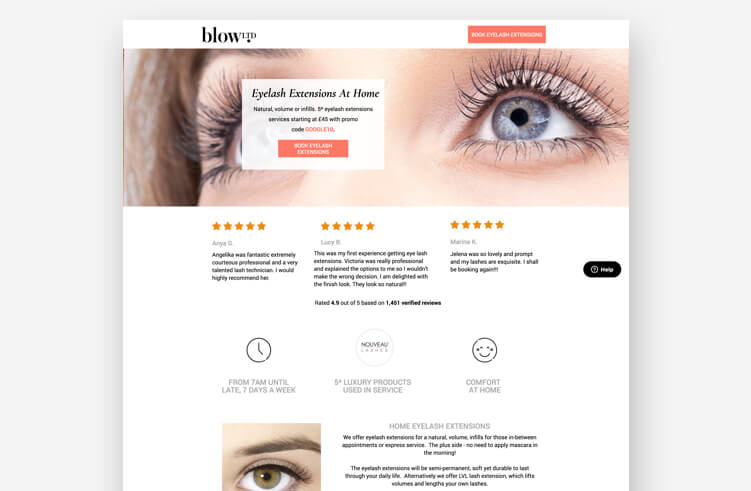
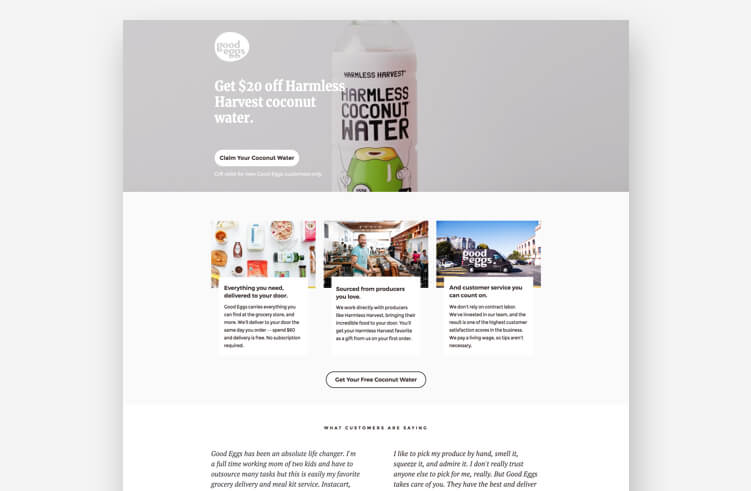
- Social Proof Integration: Testimonials, reviews, and trust badges are no longer optional. Authentic social proof serves as a powerful psychological trigger that validates the visitor’s decision to convert.
- Single Call to Action (CTA): Pages with multiple competing goals often see lower performance. The most effective pages use a single, clear CTA that is repeated strategically throughout the page.
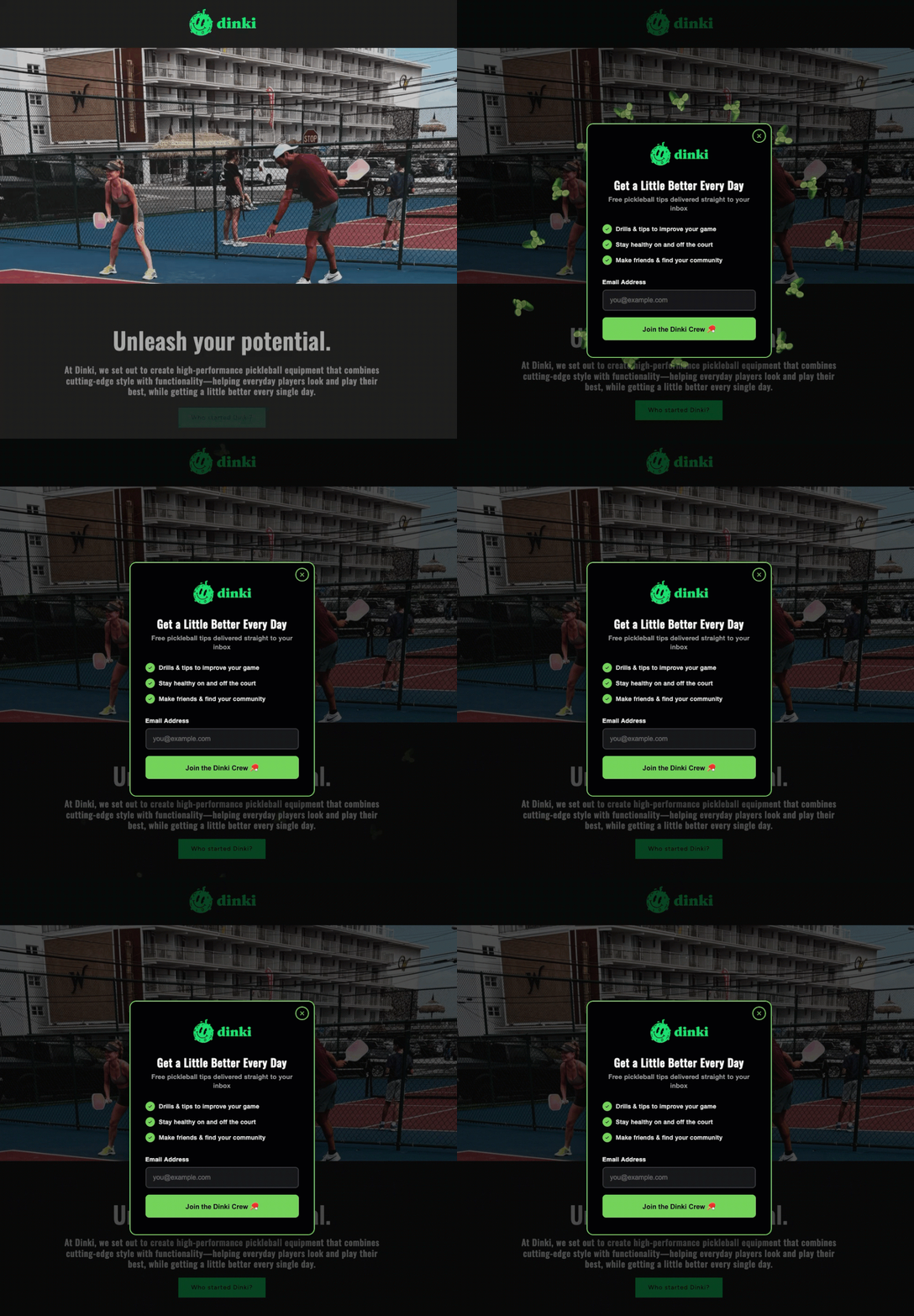
- Minimal Form Fields: Data indicates that every additional field in a sign-up form decreases the conversion rate. Top marketers in 2026 use "multi-step" forms to capture data without overwhelming the user.
- Mobile-First Performance: With over 65% of web traffic now originating from mobile devices, a page that is not optimized for small screens is considered a total failure in the current market.
Broader Impact and Future Implications
The shift toward high-converting landing pages has profound implications for the global economy. Small and medium-sized enterprises (SMEs) can now compete with multinational corporations by utilizing high-performance templates and AI-driven optimization tools. This democratization of marketing technology has lowered the cost of customer acquisition across various industries.
Furthermore, the rise of "smart traffic" technology allows landing pages to automatically show different versions of themselves to different audience segments. This level of personalization was previously only available to companies with massive engineering budgets. In 2026, it is a standard feature of modern landing page builders.
Industry analysts predict that the next frontier will involve the integration of Augmented Reality (AR) directly into the landing page experience. For ecommerce brands, this would mean allowing a visitor to virtually "place" a piece of furniture in their room or "try on" clothing without leaving the page.

Conclusion
The analysis of the year’s best landing page examples underscores a fundamental truth in digital marketing: clarity wins. Whether the goal is to sell a subscription for cat food, sign up new drivers for a delivery service like DoorDash, or enroll students in Athabasca University’s distance programs, the most successful pages are those that remove distractions and focus entirely on the user’s needs.
As marketing continues to evolve, the principles of professional, polished design combined with data-driven optimization will remain the gold standard. Businesses that invest in these standalone pages are not just building websites; they are building highly efficient conversion engines that drive growth in an increasingly crowded digital marketplace. The "Michael Jordan" level of marketing is achievable for any brand that prioritizes the user experience and remains committed to the iterative process of testing and refinement.