rifanmuazin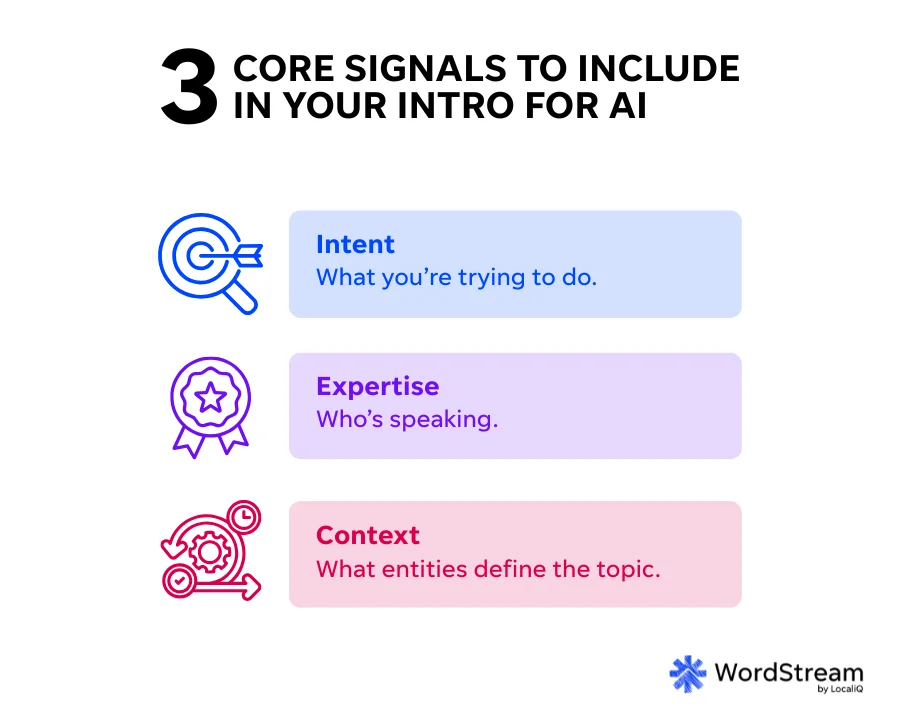
The landscape of consumer decision-making is undergoing a seismic shift, driven by the ascendance of artificial intelligence tools that are fundamentally altering how individuals research and evaluate purchases. Gone are the days when search engine results pages (SERPs) were the primary gateway to product and service information. Today, buyers are increasingly turning to AI chatbots and generative search engines, posing complex questions and receiving comprehensive, pre-digested answers. This evolution means that businesses must adapt their marketing and positioning strategies to account for a buyer’s journey that now begins before they ever interact with a website.
Historically, the buyer’s journey was characterized by a linear progression: a consumer would conduct a search, land on a relevant webpage, and then begin the process of evaluating options directly on that site. This established a clear hierarchy where a company’s website served as the initial point of introduction, definition, and persuasion. Messaging, content structure, and persuasive arguments were all strategically deployed on a business’s digital doorstep.

However, the advent of advanced AI tools has compressed and reshaped this journey. The new paradigm often looks like this: a user poses a question to an AI, which then provides a synthesized answer that explains the problem, lists potential solutions, and delineates the target audience and trade-offs for each option. This single AI-generated response effectively replaces the need to consult multiple blog articles, comparison pages, or even sales collateral. The AI’s answer becomes the reference point, shaping the buyer’s perceptions and pre-determining their frame of reference before they even consider visiting a specific company’s website. Consequently, a business’s website now functions less as an introducer and more as a validator, a corrector, or potentially, a point of departure if its offerings don’t align with the pre-formed AI-driven understanding.
The AI-Powered Buyer: A New Frontier for Evaluation
The most significant implication of this AI-driven shift is not necessarily a reduction in website traffic, but rather when the evaluation process begins. Buyers are now arriving at company websites with pre-conceived notions, having already:
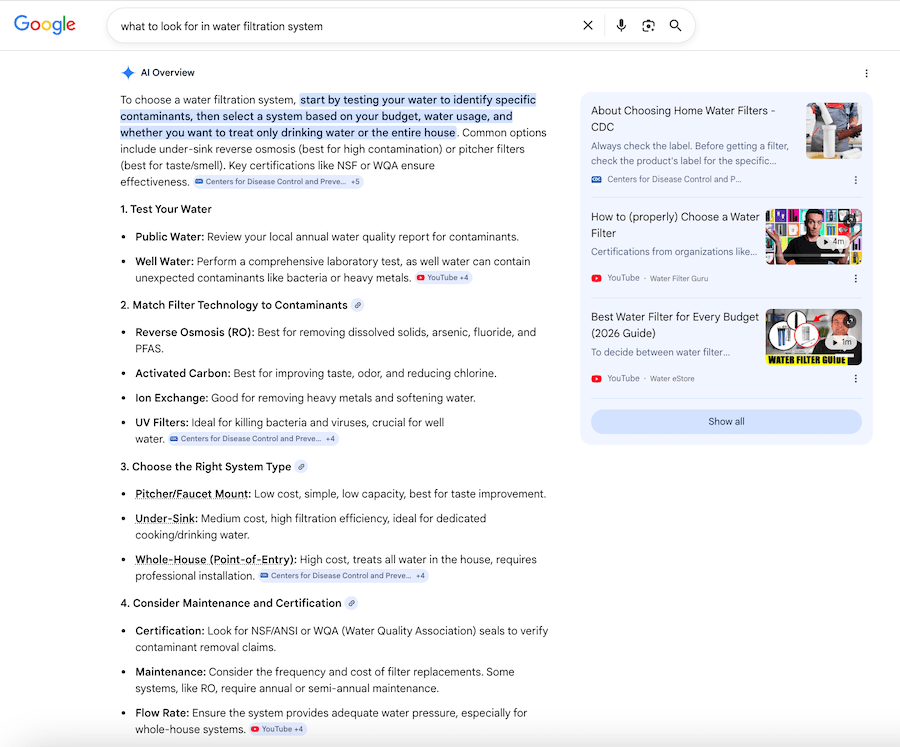
- Understood the problem and its context.
- Been presented with a curated list of potential solutions.
- Received an initial assessment of which solutions are best suited for them.
This fundamentally alters the role of a website. Instead of shaping the initial perception and guiding the discovery phase, a business’s online presence is now tasked with confirming or refuting the information presented by the AI. The nuanced details that differentiate a business, particularly those requiring in-depth explanation or context, often get flattened or lost entirely during the AI’s summarization process. This can lead to a situation where many businesses appear interchangeable in AI-generated responses, even if their real-world offerings and value propositions are distinct.
Case Study: HVAC Businesses and the Clarity Imperative
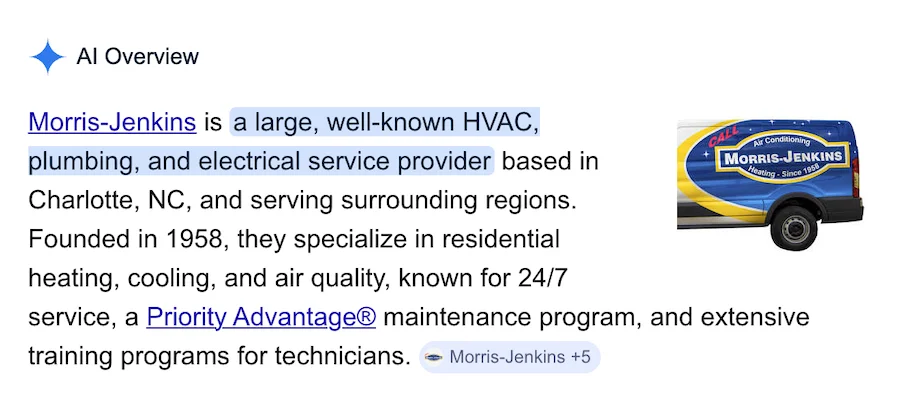
The impact of this shift is vividly illustrated within the small and medium-sized business (SMB) sector, particularly in industries like HVAC services. Consider Morris-Jenkins, a family-owned HVAC company operating across North and South Carolina. Their website clearly articulates their focus on residential heating and cooling, emphasizing fast response times and transparent pricing, while also making a distinct separation between HVAC work and other home services like plumbing or electrical. AI tools consistently describe Morris-Jenkins as a "residential HVAC specialist," a testament to the clarity and consistency of their online messaging.
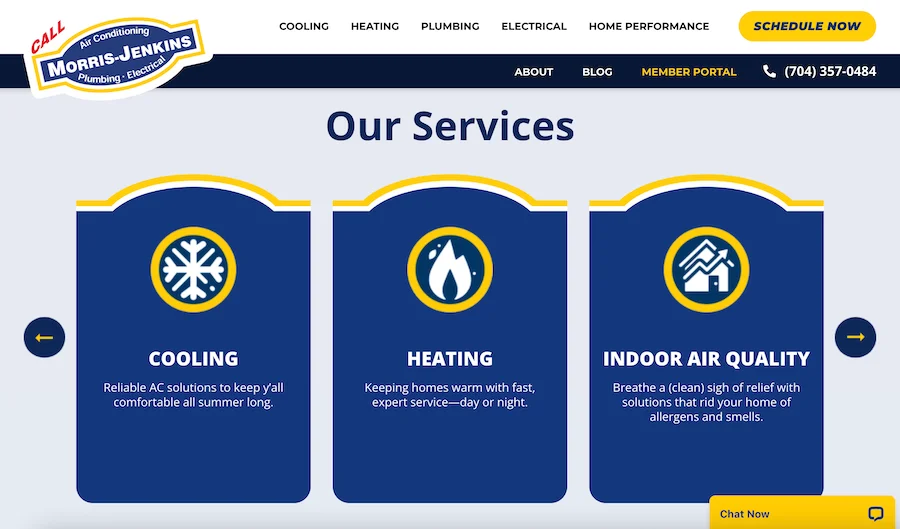
In contrast, smaller regional HVAC businesses that employ more generic website copy often find themselves less distinctly portrayed by AI. Instead of being identified as specialists, they may appear merely as names on a list, or worse, be categorized broadly as general contractors or bundled home services providers. This is not a reflection of their service quality but rather a consequence of their websites failing to clearly articulate their core specializations.
AI tools are adept at filling information gaps. When a business’s website lacks specific details about its offerings, AI systems will often infer based on the broader category. For example, if an HVAC company mentions both residential and commercial services without a clear emphasis on one, AI might present them as a generalist. Companies like Parker & Sons in Arizona have successfully navigated this by meticulously separating HVAC installation from repair, highlighting energy-efficient systems, and explicitly stating which services they do not prioritize. This clarity allows AI to accurately describe them as specialists in residential HVAC and energy-efficient systems, rather than just another name in a crowded market.
This distinction is critical for the buyer’s journey. Once AI frames a business as a "specialist" versus "just another option," that perception tends to stick. Buyers who click through to a website already carry assumptions about the business’s expertise and offerings, significantly narrowing their evaluation process before they even engage with the site’s content.
What AI Looks For: The Signals of Clarity
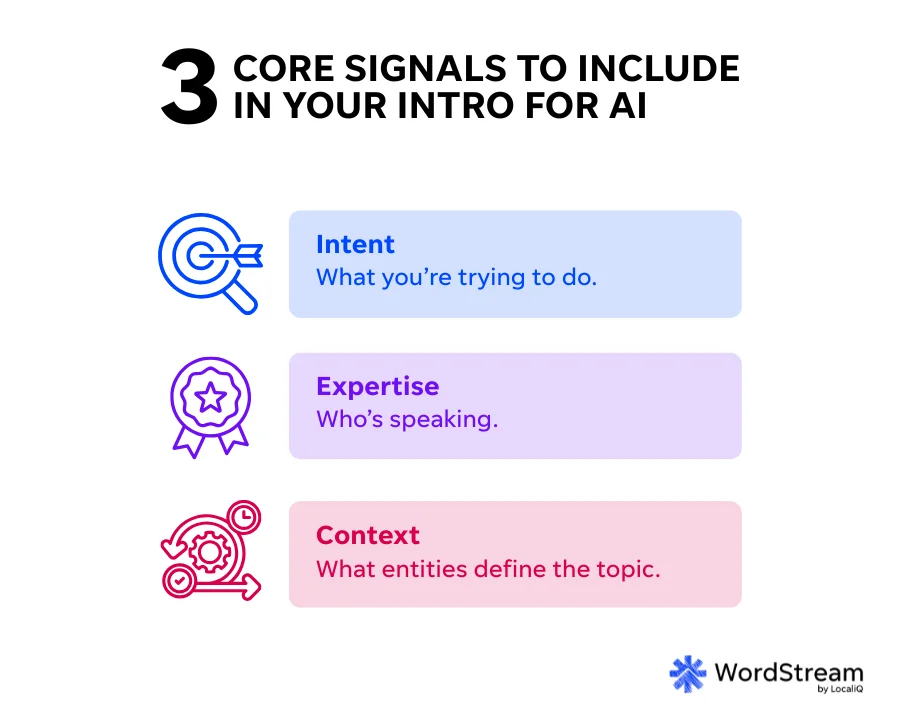
AI tools are not swayed by clever marketing jargon or aspirational language. Instead, they are programmed to identify concrete "decision signals" that can be reliably reused without ambiguity. When an AI system processes information about a business, it scans for several key indicators:
- Primary Service/Product: What is the core offering?
- Target Audience: Who is the ideal customer? (e.g., residential, commercial, small business, enterprise)
- Geographic Focus: Where does the business operate?
- Unique Selling Proposition (USP): What makes this business stand out?
These signals are most effectively communicated in the initial sections of critical web pages – homepages, service pages, FAQs, and location pages. The first 200 words are particularly crucial. If these introductory statements are vague or contradictory, AI has little solid ground to anchor its summary, leading to a generalized and often unhelpful description.

Consistency across all digital touchpoints is paramount. If a company’s homepage conveys one message, its service pages suggest another, and customer reviews paint a third picture, AI systems tend to average these disparate signals, resulting in a bland and non-specific profile.
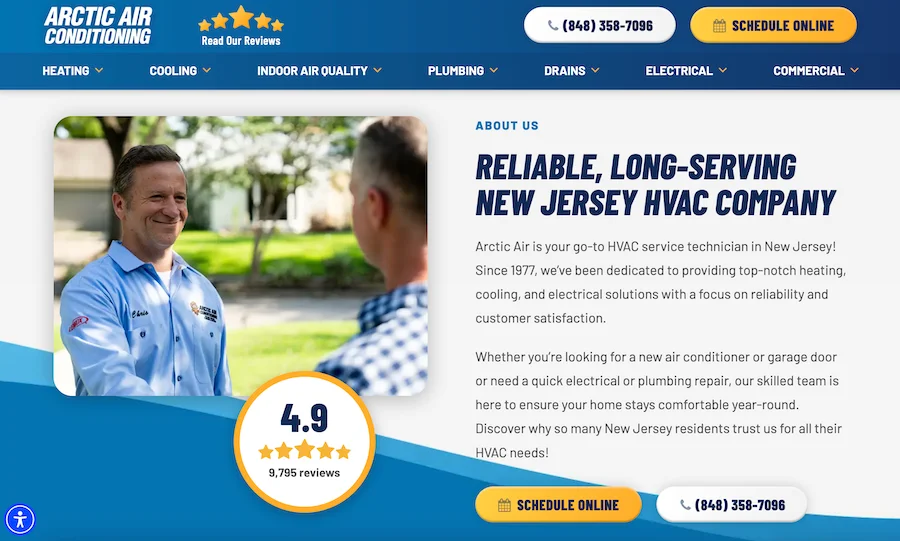
Consider Arctic Air Conditioning, a regional HVAC company that clearly states its focus on residential air conditioning, electrical, and plumbing repair in New Jersey across its website and Google Business Profile. AI tools provide a stable and accurate description of their services. Conversely, many smaller HVAC businesses that list a multitude of services with equal prominence, or reuse generic copy across their site and in reviews, often find AI blending these signals. This can result in their being described as simply "an HVAC contractor" with no defined specialization, even if a significant portion of their revenue derives from a specific niche.
The solution for these businesses lies in straightforward structural changes: clearly delineating primary services, highlighting niche specializations, and ensuring consistency across all online platforms. This enables AI to accurately portray them as specialists, attracting more qualified leads and reducing inquiries from misaligned prospects.
The Sources of AI’s Buyer Intelligence
AI systems do not rely on a single source of information. Instead, they aggregate and cross-reference data from multiple inputs to build a comprehensive understanding of a business. The primary inputs that carry the most weight include:
- Company Website: Particularly the homepage, about us page, and service/product pages.
- Google Business Profile (GBP): This platform provides structured information about a business’s services, location, and operating hours.
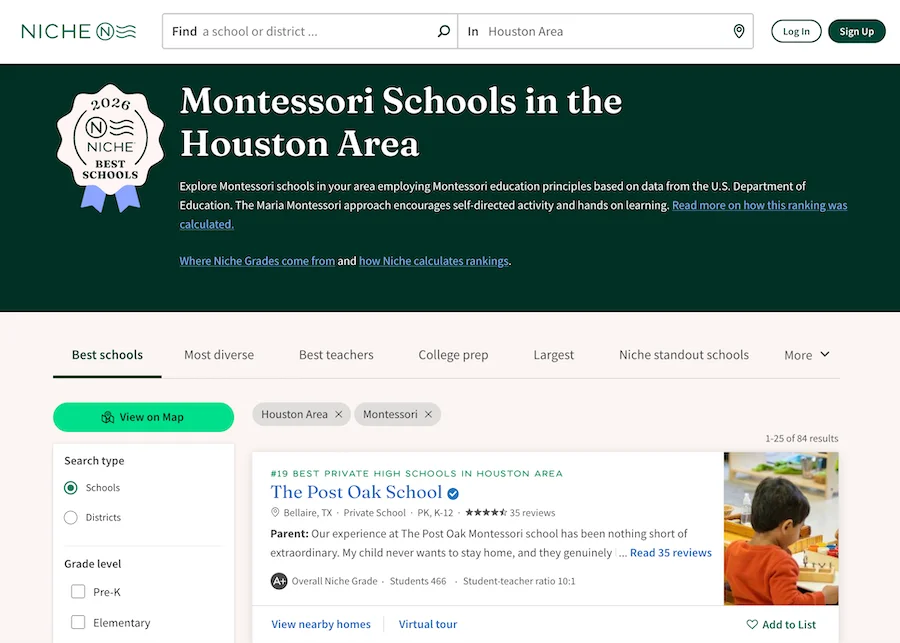
- Customer Reviews: Aggregated feedback from platforms like Google, Yelp, and industry-specific review sites.
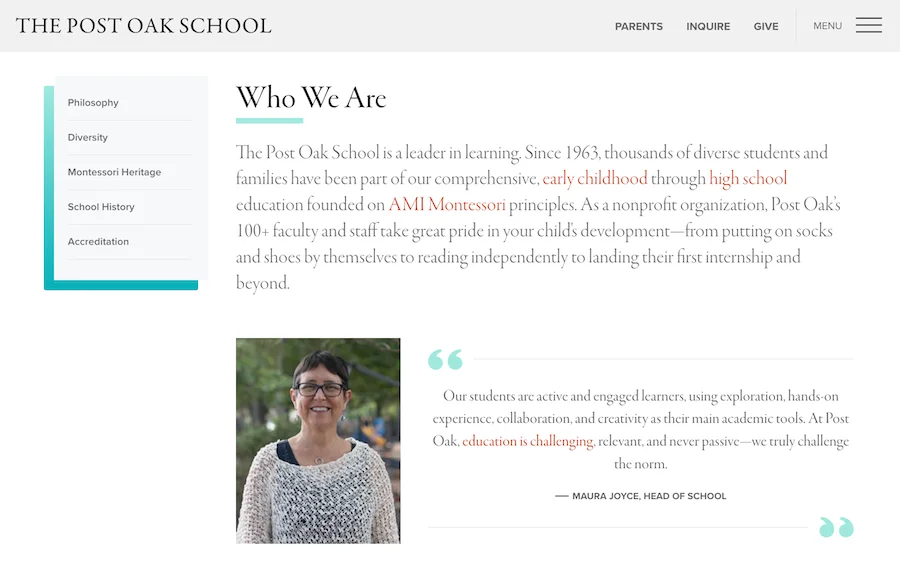
When these primary sources present a consistent message about a business’s specialization, target audience, and unique offerings, AI treats this framing as highly reliable. For instance, a Montessori school’s "About Us" page detailing its educational philosophy and target age groups, corroborated by its Google Business Profile and consistent language in parent reviews, will lead to a clear AI-generated description.
Secondary inputs, such as industry directories, news articles, and social media mentions, can reinforce or dilute this established perception. If these secondary sources echo the primary messaging, the AI’s understanding becomes more robust. However, if they introduce conflicting information or use different terminology, AI tends to smooth these discrepancies into a more generalized description.
The key takeaway is that AI trusts repetition across multiple sources more than isolated polish on a single page. This underscores the importance of consistent messaging not only on a company’s website but also in its customer reviews, FAQs, and any other publicly accessible information.
Influencing AI’s Perception: A Strategic Imperative
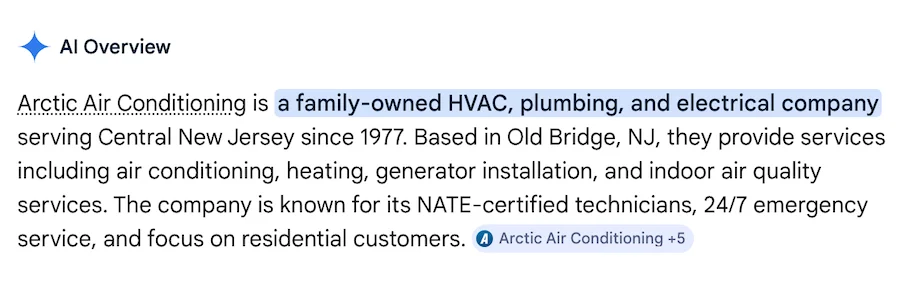
Businesses that consistently appear in AI-generated answers have mastered one core principle: they make themselves easy to explain. The traditional approach of positioning a business late in the sales cycle – on landing pages or during sales calls – is no longer sufficient, as it assumes buyers arrive without a pre-formed understanding. In the current AI-driven landscape, a business’s positioning must be clear and accessible from the outset.
Structurally, this means that if an AI cannot concisely summarize a business’s core function and target audience in a short paragraph, its positioning is likely incomplete. Successful businesses achieve this by:
- Defining a Clear Niche: Identifying and articulating what they do best.
- Using Plain Language: Avoiding jargon and buzzwords that AI struggles to interpret.
- Highlighting Exclusions: Clearly stating what they don’t do can be as informative as what they do. For example, a bakery specifying it avoids certain ingredients (like gluten or refined sugars) provides a clear signal.
- Being Reusable: Crafting messaging that is direct, factual, and easily digestible for AI summarization.
Conversely, vague descriptors such as "trusted," "modern," or "high-quality" tend to collapse under AI summarization, offering no concrete information for the AI to process.
The legal profession provides another compelling example. Many smaller law firms use broad language like "general practice attorney" or "serving all legal needs." This flexibility, while seemingly advantageous, is problematic for AI. When a user asks about needing a personal injury lawyer versus a general attorney, AI is more likely to direct them to firms like Rob Levine Law, where the specialization in personal injury is clearly stated. Generalist firms, lacking this clear specialization signal, often get grouped into generic "local law firm" categories. Firms that explicitly define their focus on areas like personal injury, workers’ compensation, or immigration law, however, see AI explanations narrow, leading to more qualified inquiries and fewer misdirected leads.
Measuring Success in the AI-Assisted Buyer’s Journey
The success of businesses that have adapted to this new landscape is not always measured by immediate spikes in website traffic. Instead, it manifests in more qualitative shifts:
- Higher Conversion Rates: Attracting more qualified leads who understand the business’s offerings.
- Reduced Bounce Rates: Visitors who arrive are more likely to be genuinely interested.
- Improved Lead Quality: Fewer inquiries from prospects who are a poor fit for the business’s services.
These outcomes reflect a more effective influence throughout the entire buyer’s journey, even if traditional attribution models may lag behind these underlying changes.
Conclusion: Winning by Influencing Early
The fundamental truth is that buyers still evaluate, compare, and decide, but this critical work is increasingly happening within AI systems. The businesses that are thriving in this evolving environment are not necessarily those that are working harder, but those that are clarifying their message earlier and more consistently. To win in the new buyer’s journey, companies must proactively shape consumer decisions before their websites are even loaded, ensuring their distinct value proposition is understood and recognized within the AI-powered research process. This strategic clarity is no longer a marketing nicety; it is an essential component for success in the modern digital marketplace.