rifanmuazin
The increasing reliance on automated bidding strategies, particularly Google Ads Smart Bidding, for YouTube campaigns necessitates a deeper understanding of its intricacies. While familiarity with the available options is a foundational step, the true path to success lies in meticulously configuring campaigns to leverage these powerful tools effectively. This comprehensive guide delves into the nuances of Smart Bidding on YouTube, providing actionable insights and strategic recommendations for advertisers aiming to optimize performance, whether their primary objective is driving sales, generating leads, or building brand awareness.
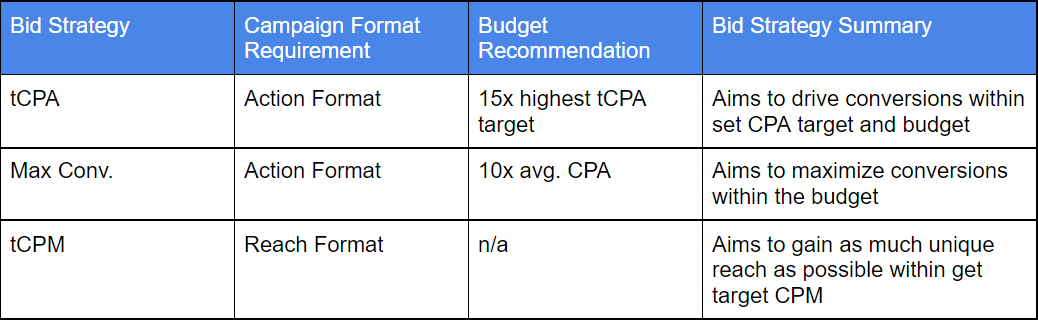
Smart Bidding’s efficacy on YouTube is intrinsically linked to campaign objectives and formats. For campaigns specifically designed to generate tangible outcomes like sales, leads, or sign-ups, Smart Bidding is exclusively available through Action Format campaigns, such as Video Action Campaigns, which primarily utilize Target CPA (tCPA) and Maximize Conversions bidding strategies. Conversely, for campaigns focused on broad audience reach and brand awareness, such as those employing bumper ads, a distinct Smart Bidding option exists, tailored to optimize for impressions and visibility.
Understanding YouTube’s Smart Bidding Landscape
Google’s Smart Bidding suite offers a sophisticated approach to managing ad spend, dynamically adjusting bids in real-time based on a multitude of signals to achieve specific campaign goals. On YouTube, these strategies are crucial for navigating the platform’s vast audience and complex bidding environment.
Maximize Conversions: This strategy aims to generate the most conversions possible within your specified budget. Google’s algorithms will automatically set bids to help you achieve this goal without requiring you to set a target cost per acquisition. It’s an excellent option for new campaigns or when you want to establish a baseline understanding of your cost per conversion before setting more specific targets.
Target CPA (tCPA): Once a baseline CPA has been established, the tCPA strategy allows advertisers to set a desired average cost per conversion. Google will then work to achieve conversions at or below this target CPA. This offers greater control over efficiency and predictability in campaign performance.
Target ROAS (Return on Ad Spend): While not explicitly detailed in the original text, it’s important to note that Target ROAS is another critical Smart Bidding strategy available for certain campaign types, particularly e-commerce. This strategy optimizes bids to achieve a specific return on ad spend, making it invaluable for businesses focused on maximizing revenue generated from their advertising efforts.
Maximize Clicks: For campaigns primarily focused on driving traffic to a website, Maximize Clicks can be employed. This strategy automatically sets bids to get as many clicks as possible within your budget. While not a direct conversion-focused strategy, increased traffic can indirectly lead to more conversions.

Target Impression Share: This strategy is predominantly used for brand awareness campaigns. It allows advertisers to set a target impression share, ensuring their ads appear at the top of search results or a specific percentage of the time. This is particularly relevant for bumper ads or other reach-focused formats on YouTube.
Strategic Budgeting for Smart Bidding Success
A critical, often overlooked, element of successful Smart Bidding implementation on YouTube involves aligning campaign budgets with performance expectations. Google’s recommendations for budget allocation are rooted in data-driven insights derived from its vast advertising network.
The 10x to 15x Rule: Google often advises advertisers to set daily budgets that are at least 10 to 15 times their target cost per acquisition (CPA). This guideline is not arbitrary; it provides the Smart Bidding algorithms with sufficient flexibility and data to learn and optimize effectively. When a campaign operates with a budget that is too restrictive relative to its CPA, it can lead to significant limitations in reach and performance.
For instance, if a campaign’s average CPA is $85, and the advertiser aims to use tCPA, the recommended daily budget would range from $850 (10x) to $1,275 (15x). Similarly, for a Maximize Conversions strategy with an $85 average CPA, a budget of at least $850 is suggested to allow the algorithm ample room to explore and identify conversion opportunities.
These budget recommendations may initially appear substantial, even daunting. However, empirical evidence from numerous campaigns consistently demonstrates their necessity for establishing a solid foundation for optimization. Insufficient budgets can stifle the learning phase of Smart Bidding, preventing the algorithm from gathering enough data to make informed bidding decisions, thus hindering overall campaign success.
The "Maximize Conversions" to "tCPA" Transition
A highly effective tactical approach for advertisers beginning with Smart Bidding on YouTube involves a phased implementation. It is strongly recommended to initiate campaigns on the "Maximize Conversions" strategy first. This initial phase serves a crucial purpose: establishing a reliable baseline CPA. By allowing the algorithm to operate freely within the budget to acquire as many conversions as possible, advertisers gain invaluable data on their actual cost per conversion.
Once a stable and predictable CPA has been observed over a sufficient period (typically at least two weeks to allow for the learning phase to conclude), advertisers can then consider transitioning to the "Target CPA" strategy. This transition allows for more precise control over expenditure, ensuring that conversions are acquired at or below the desired cost. This two-step process mitigates the risk of setting an unrealistic tCPA from the outset, which could lead to underperformance and frustration.
Case Study: Overcoming "Limited By Budget" Challenges
The impact of adhering to Google’s budget recommendations is vividly illustrated in the following mini case study:

Situation: A YouTube campaign employing the tCPA bidding strategy was flagged by Google Ads with the "Limited By Budget" (LBB) status. This indicates that the campaign’s daily budget was restricting its ability to achieve its full potential for conversions.
Initial Bid-to-Budget Ratio: At the time of the LBB flag, the campaign’s budget was approximately 10 times its current CPA. While this met the lower end of Google’s recommendation, it was not sufficient to overcome the limitations imposed by the budget cap.
Strategic Update: Recognizing the constraint, the decision was made to significantly increase the daily budget. The new budget was set to 15 times the campaign’s current CPA, representing a substantial uplift.
Results: Following this strategic budget adjustment, and after allowing for the typical two-week learning period of the tCPA strategy to complete, the campaign exhibited remarkable improvements. Both growth in conversion volume and enhanced efficiency were observed. The data clearly demonstrated that providing the algorithm with adequate budget to operate within its learning parameters was instrumental in unlocking superior performance. The accompanying visual data, which would typically show metrics like conversions, CPA, and cost, would likely illustrate a sustained increase in conversions post-budget increase, with the CPA remaining stable or even improving due to more efficient delivery.
Broader Implications and Strategic Considerations
The effective implementation of Smart Bidding on YouTube extends beyond simply selecting a strategy and setting a budget. Several other factors contribute to maximizing its potential:
Data Quality and Volume: Smart Bidding relies heavily on data to make informed decisions. This includes conversion data, audience signals, and historical campaign performance. Ensuring accurate conversion tracking is paramount. For newer campaigns or those with limited historical data, the "Maximize Conversions" strategy is particularly beneficial as it allows the algorithm to gather this essential information.
Campaign Structure and Targeting: The effectiveness of Smart Bidding is also influenced by the underlying campaign structure and targeting parameters. Well-defined audiences, compelling ad creatives, and logical campaign groupings will provide the Smart Bidding algorithms with better signals to optimize towards. A broad, untargeted campaign will likely yield less efficient results, even with advanced bidding.
Understanding the Learning Phase: It is crucial to understand that all Smart Bidding strategies have a "learning phase." During this period, the algorithm is actively gathering data and adjusting its bidding models. Performance may fluctuate during this time, and it’s generally advised not to make significant changes to the campaign during the learning phase (typically two weeks) to allow the algorithm to stabilize.
Integration with Other Google Ads Strategies: Smart Bidding does not operate in a vacuum. It should be considered within the broader context of an advertiser’s Google Ads strategy. For instance, remarketing lists, customer match data, and demographic targeting can all provide valuable signals that enhance Smart Bidding performance.
Continuous Monitoring and Optimization: While Smart Bidding automates much of the bidding process, it does not eliminate the need for human oversight. Regular monitoring of campaign performance, analysis of key metrics, and periodic adjustments to strategies or budgets based on evolving business objectives are still essential for sustained success. This includes staying abreast of new features and recommendations from Google Ads.
The Evolution of Bidding: The landscape of digital advertising is in constant flux, with platforms like Google continuously refining their algorithms and introducing new features. Smart Bidding represents a significant shift towards automated optimization, empowering advertisers to achieve greater efficiency and scale. As machine learning capabilities advance, the sophistication and effectiveness of these automated strategies are only expected to grow.
For businesses seeking to harness the full power of YouTube advertising, a strategic and informed approach to Smart Bidding is no longer optional, but a critical imperative. By understanding the nuances of available strategies, adhering to recommended budget allocations, and employing a phased implementation approach, advertisers can significantly improve their chances of achieving their campaign objectives, whether that be driving measurable conversions or expanding brand reach across one of the world’s largest video platforms.
For those seeking further guidance or customized strategies tailored to their specific business needs, reaching out to experienced digital marketing professionals can provide invaluable support in navigating the complexities of YouTube Smart Bidding and optimizing campaigns for maximum impact.