

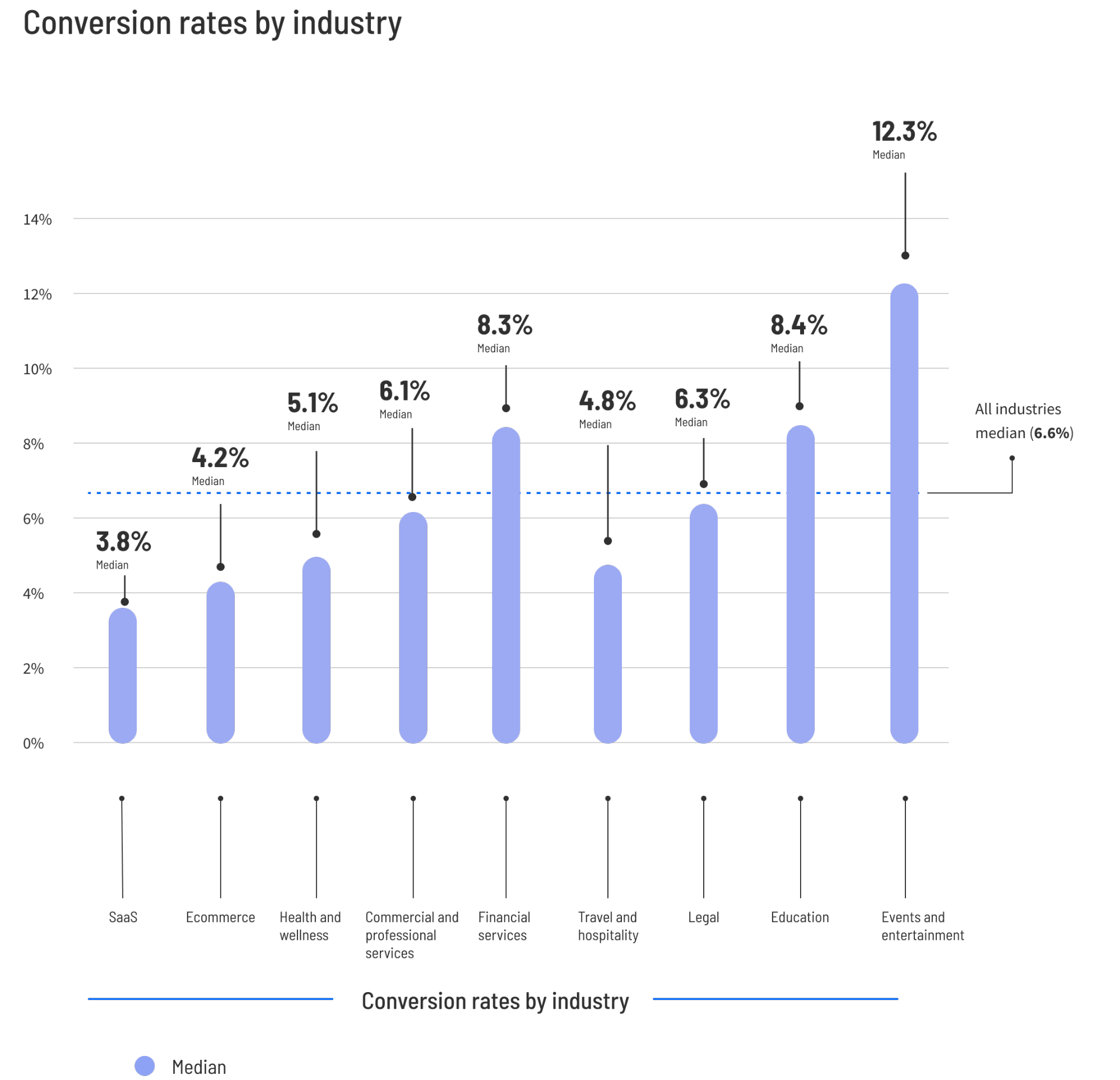
The digital marketing landscape has reached a critical inflection point in 2024, as revealed by a massive data study involving more than 57 million conversions and 464 million pageviews. According to the 2024 Conversion Benchmark Report, the median conversion rate across all industries currently stands at 6.6%. However, this baseline figure masks a complex reality: the definition of a "successful" conversion rate is no longer a monolith but is instead dictated by industry-specific intent, device-driven behavior, and the linguistic complexity of marketing copy.

For performance marketers and Chief Marketing Officers (CMOs), these benchmarks represent the most accurate health check for digital acquisition strategies. The data, sourced from 41,000 active landing pages, indicates that while the median provides a middle-of-the-pack reference, top-tier performers—those in the 75th percentile—are achieving rates between 11.4% and 40.8%. This significant variance underscores a growing "optimization divide" between companies using generic strategies and those leveraging data-backed, industry-specific tactics.
The Shift from Averages to Medians: A Methodology of Accuracy
In previous years, digital marketing reports often relied on "average" conversion rates. However, the 2024 report marks a formal shift toward median values to provide a more realistic snapshot of the market. In a statistical environment where "unicorn" pages might convert at 90% and struggling pages at 0.01%, a standard average is easily skewed.

By utilizing the median, the report identifies the true "middle" of the performance spectrum. This methodology ensures that outliers do not distort the benchmarks, allowing businesses to compare their performance against a typical competitor rather than a statistical anomaly. Industry analysts suggest this shift is vital for realistic budget forecasting and KPI setting in an era of tightening marketing spend.
Sector Breakdown: The Performance Gap in Ecommerce and SaaS
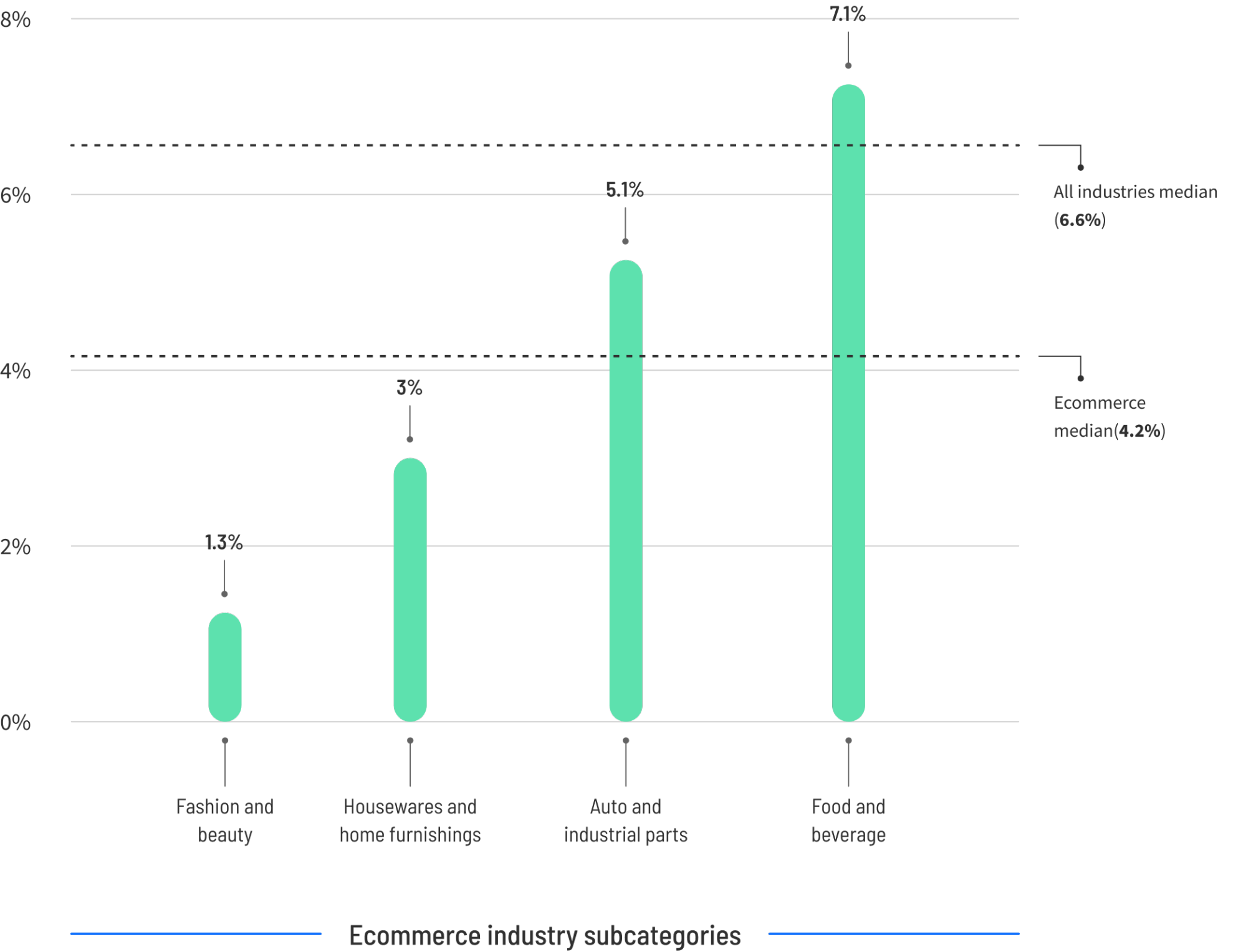
The 2024 data reveals a stark contrast between high-intent service sectors and low-intent browsing sectors. Ecommerce, often considered the bellwether of digital commerce, currently maintains a median conversion rate of 4.2%. Within this sector, the disparity between niches is profound. Food and beverage landing pages lead the category with a 7.1% median, likely driven by lower price points and high-frequency purchasing habits. Conversely, the fashion and beauty niche sees a median of only 1.3%, reflecting a consumer base that engages in significant comparison shopping and "window browsing" before committing to a purchase.
To be considered "good" in the ecommerce space, a brand must exceed an 11.4% conversion rate. Achieving this requires moving beyond simple product descriptions. Data suggests that top-performing ecommerce pages are increasingly utilizing social proof and urgency-based triggers to bridge the gap between the median and the top 25%.
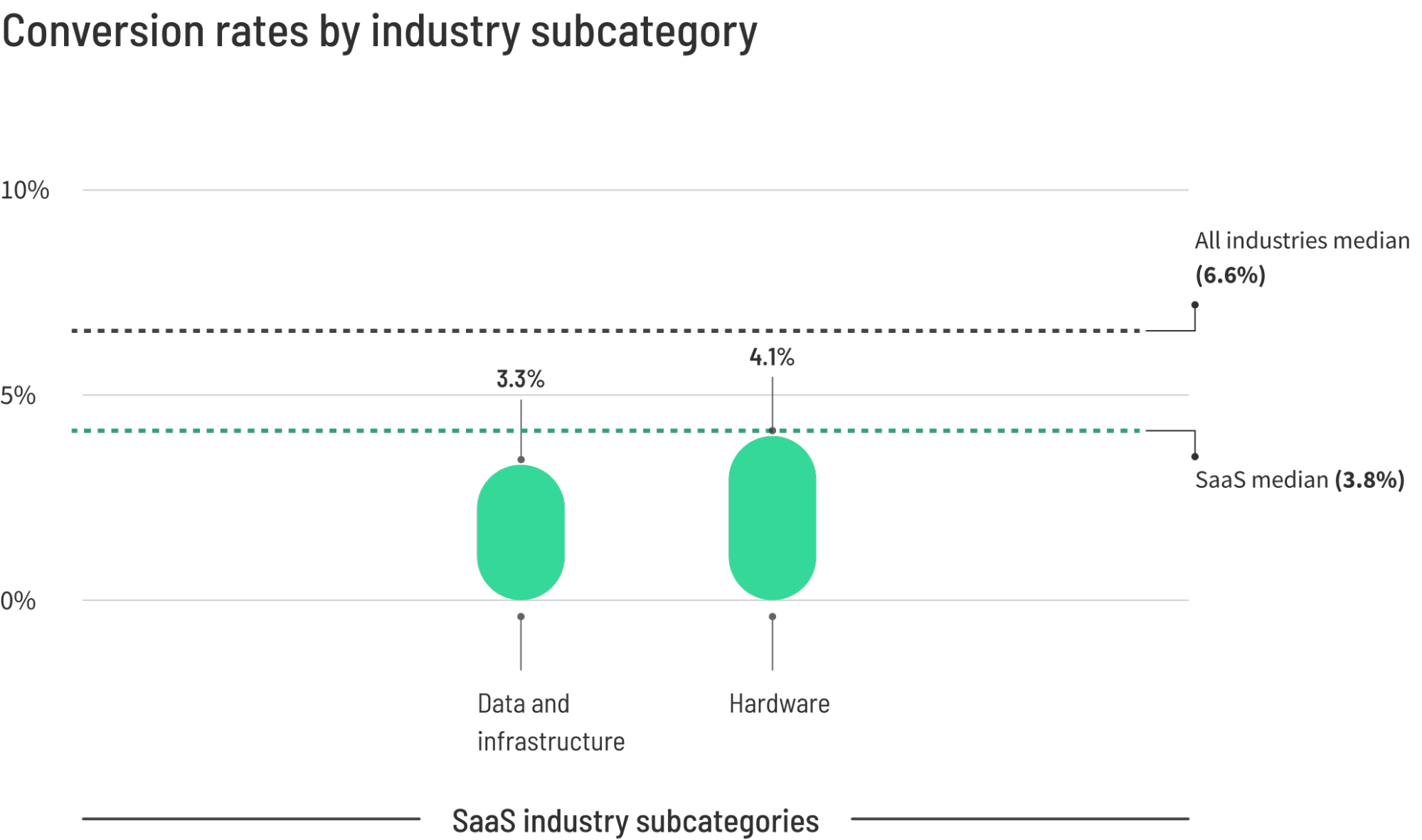
The Software as a Service (SaaS) sector faces its own unique set of hurdles. With a median conversion rate of 3.8%, SaaS sits below the all-industry average. This is largely attributed to longer sales cycles and the complexity of the products being offered. However, the 75th percentile for SaaS jumps to 11.6%. This nearly 8-point gap represents a massive opportunity for optimization. Analysts note that high-performing SaaS pages typically succeed by reducing friction—specifically by offering "no-credit-card-required" trials and simplifying the value proposition to address immediate pain points.
High-Intent Sectors: Financial Services and Legal Performance
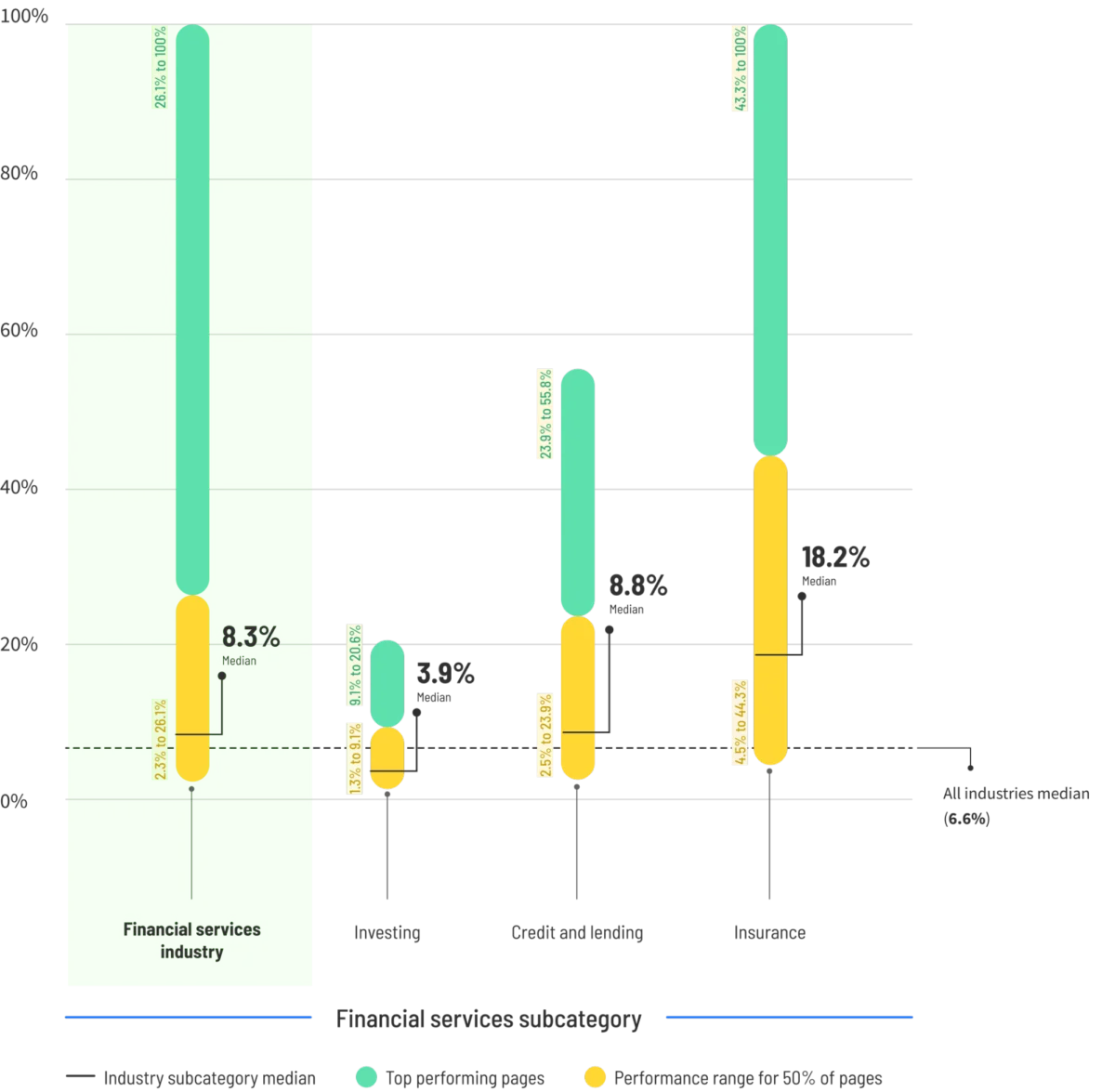
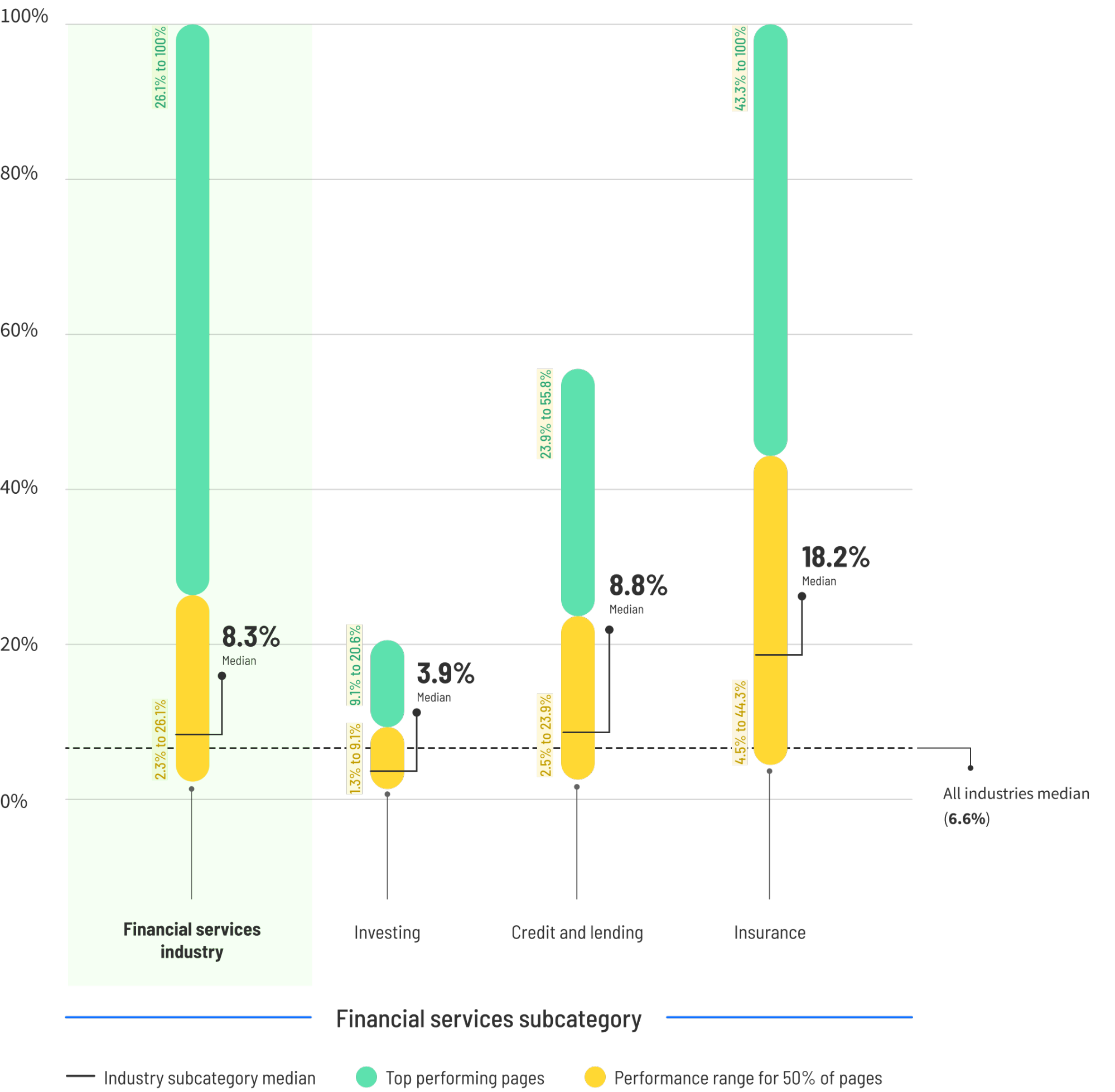
Financial services continue to outperform most other industries, boasting a median conversion rate of 8.3%. This sector is defined by high-intent user behavior; consumers searching for insurance or investment options are rarely "just looking."
A significant finding within this sector is the dominance of the insurance subcategory, which sees a median conversion rate of 18.2%. Interestingly, the financial sector is one of the few where mobile performance significantly outpaces desktop. In 2024, mobile traffic for financial services converted 27.8% better than desktop. This suggests that consumers are increasingly making critical financial inquiries or signing up for quotes during "micro-moments" throughout their day via smartphones.
The legal sector follows a similar pattern of urgency. With a median rate of 6.3% and a top-tier threshold of 13.1%, legal marketing is heavily influenced by "need-it-now" scenarios. Disability law and family law remain the strongest performers. Furthermore, paid search traffic in the legal industry converts nearly twice as well as any other channel, confirming that when users are in legal distress, they turn to search engines for immediate solutions and are highly likely to convert on the first credible page they encounter.
The Transformation of Education and Entertainment
Education marketing has seen a resurgence in 2024, with a median conversion rate of 11.1%. The star of this sector is online courses, which boast an 18.3% median. This high performance is attributed to the "immediate problem-solving" nature of modern e-learning. Unlike traditional higher education (which has a 6.3% median), online courses offer a clear, fast-track transformation, such as learning a specific technical skill.
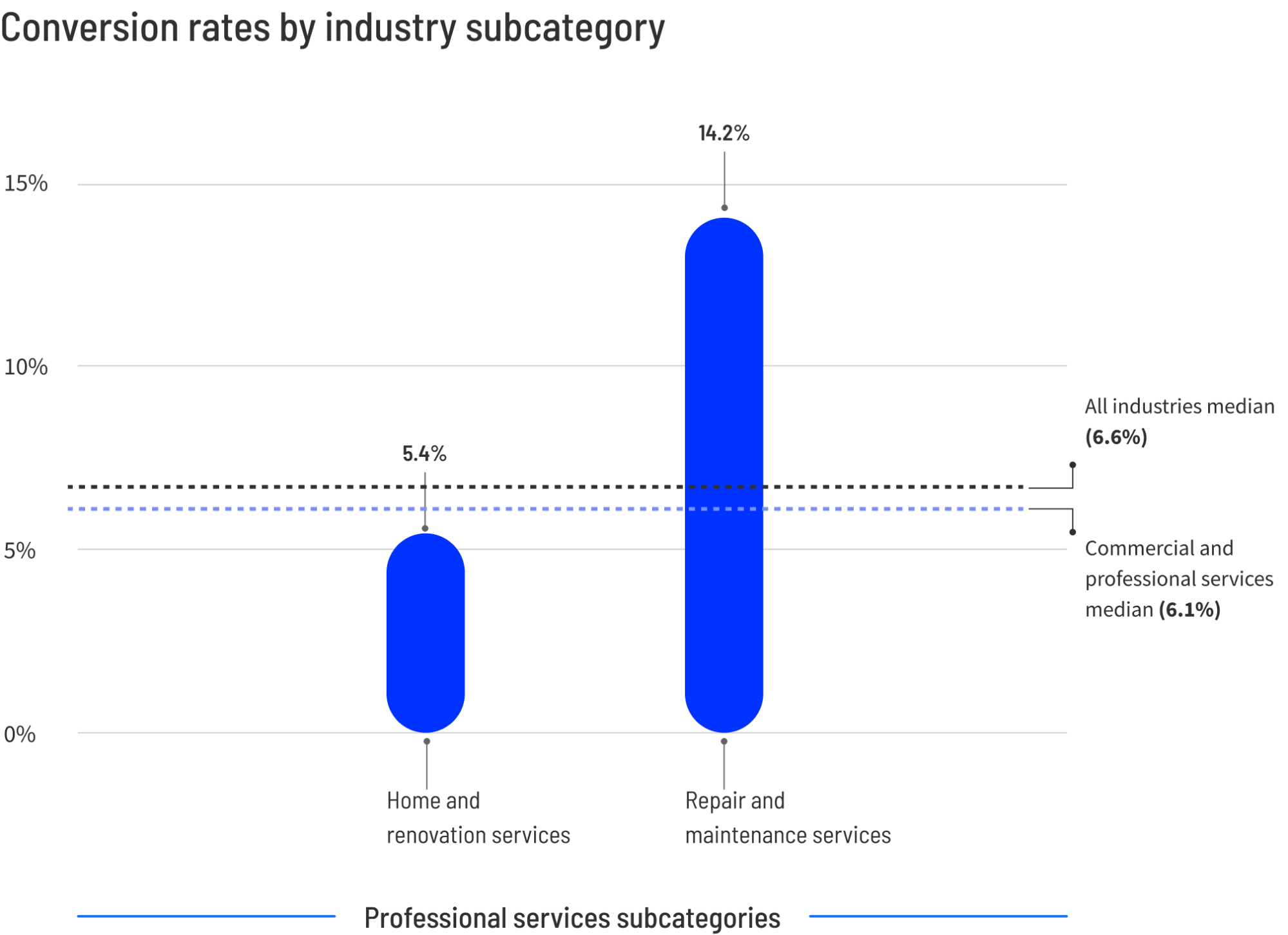
Entertainment remains the statistical outlier of the report, with a median conversion rate of 14.5% and a "good" rate starting at 40.8%. These astronomical numbers are heavily influenced by sweepstakes and contest landing pages, which often convert at nearly 50% due to the low-friction nature of the "ask" (usually just an email address). However, streaming services and media publishers see more modest, though still healthy, rates as they balance lead generation with long-term subscription goals.
The Impact of Readability and User Experience
One of the most actionable insights from the 2024 report concerns the linguistic complexity of landing pages. There is a clear, inverse correlation between "professional" jargon and conversion success.
The data indicates that pages written at a 5th to 7th-grade reading level convert at a median of 11.1%. In contrast, pages written at an 8th to 9th-grade level see a significant drop, and those using complex, academic, or highly technical language perform the worst. This finding challenges the traditional assumption that "professional" services must use sophisticated language to convey authority. In reality, clarity and simplicity are the primary drivers of trust and action in the digital space.
Strategic Recommendations for 2025
Based on the 2024 benchmarks and the current trajectory of digital consumer behavior, marketing experts suggest a five-pillar approach to outperforming industry medians:
- Linguistic De-escalation: Audit all landing page copy to ensure it sits between a 5th and 7th-grade reading level. Removing industry jargon can lead to a 56% improvement in conversion potential.
- Mobile-First Infrastructure: With mobile accounting for 83% of all landing page visits, the "desktop-first" design philosophy is officially obsolete. Pages must be optimized for thumb-navigation and rapid load times on mobile networks.
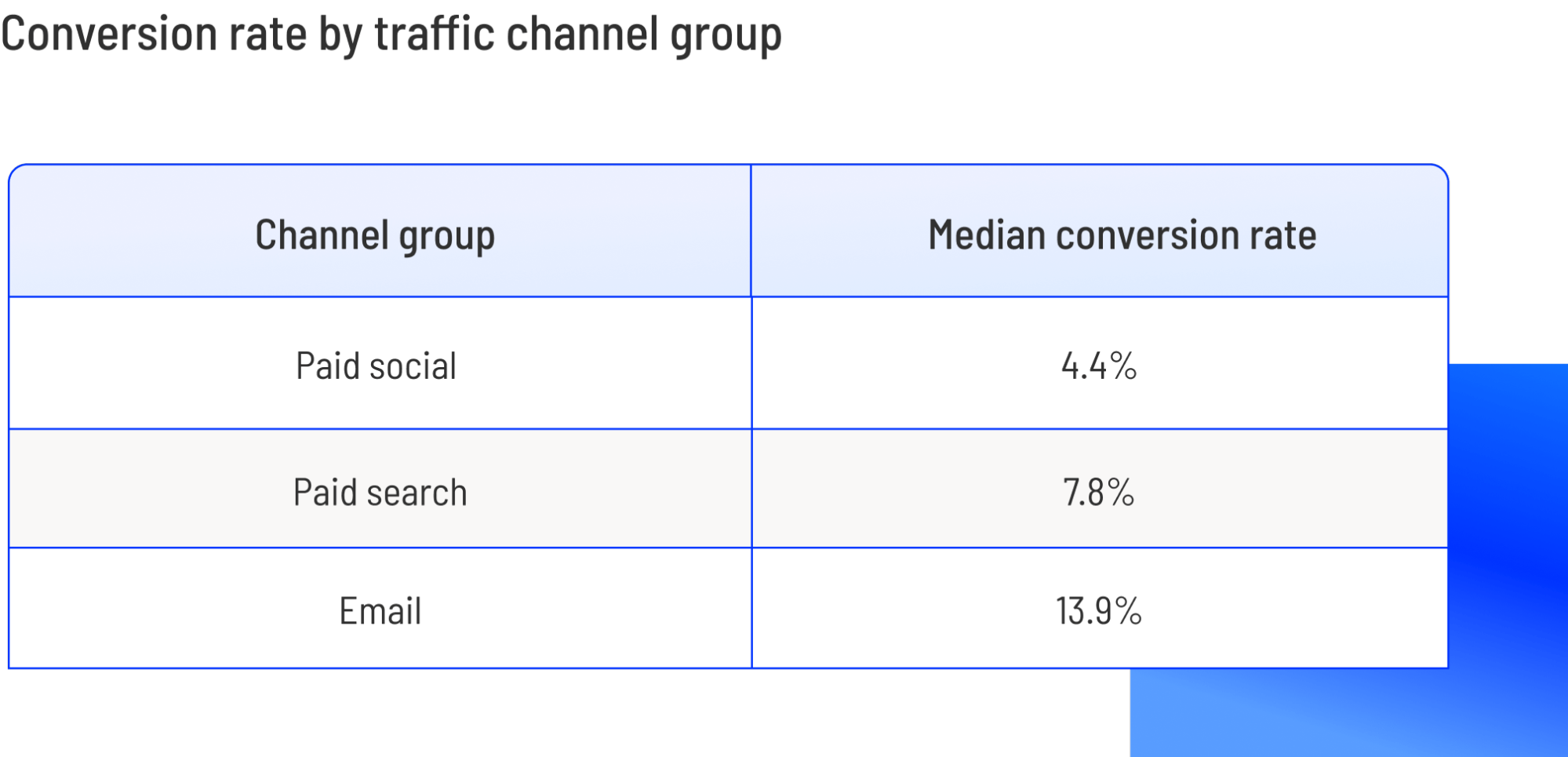
- Channel-Specific Offers: Recognizing that email traffic often converts at double the rate of social media traffic, brands should prioritize lead nurturing through email rather than relying solely on "cold" paid social traffic for high-ticket conversions.
- Social Proof Integration: Top-performing pages across all sectors share a common trait: the strategic placement of testimonials and reviews near the Call to Action (CTA), rather than buried at the bottom of the page.
- Friction Reduction: Especially in SaaS and Professional Services, reducing the number of form fields and offering immediate value (like a free tool or instant quote) remains the most effective way to move from the median to the 75th percentile.
Conclusion: The Path to Competitive Advantage
The 2024 Conversion Benchmark Report serves as a reminder that "average" is a moving target. As AI-driven search and increasingly sophisticated ad algorithms change how traffic reaches landing pages, the burden of conversion falls more heavily on the page experience itself.
For businesses currently seeing conversion rates below their industry median, the path forward is not necessarily more traffic, but more systematic testing. The gap between a 4% and an 11% conversion rate represents more than just a metric; it represents the difference between a marketing department that functions as a cost center and one that functions as a primary revenue driver. In the competitive landscape of 2025, those who master the nuances of industry-specific conversion data will be the ones who can afford to scale while their competitors remain stagnant.







