
 rifanmuazin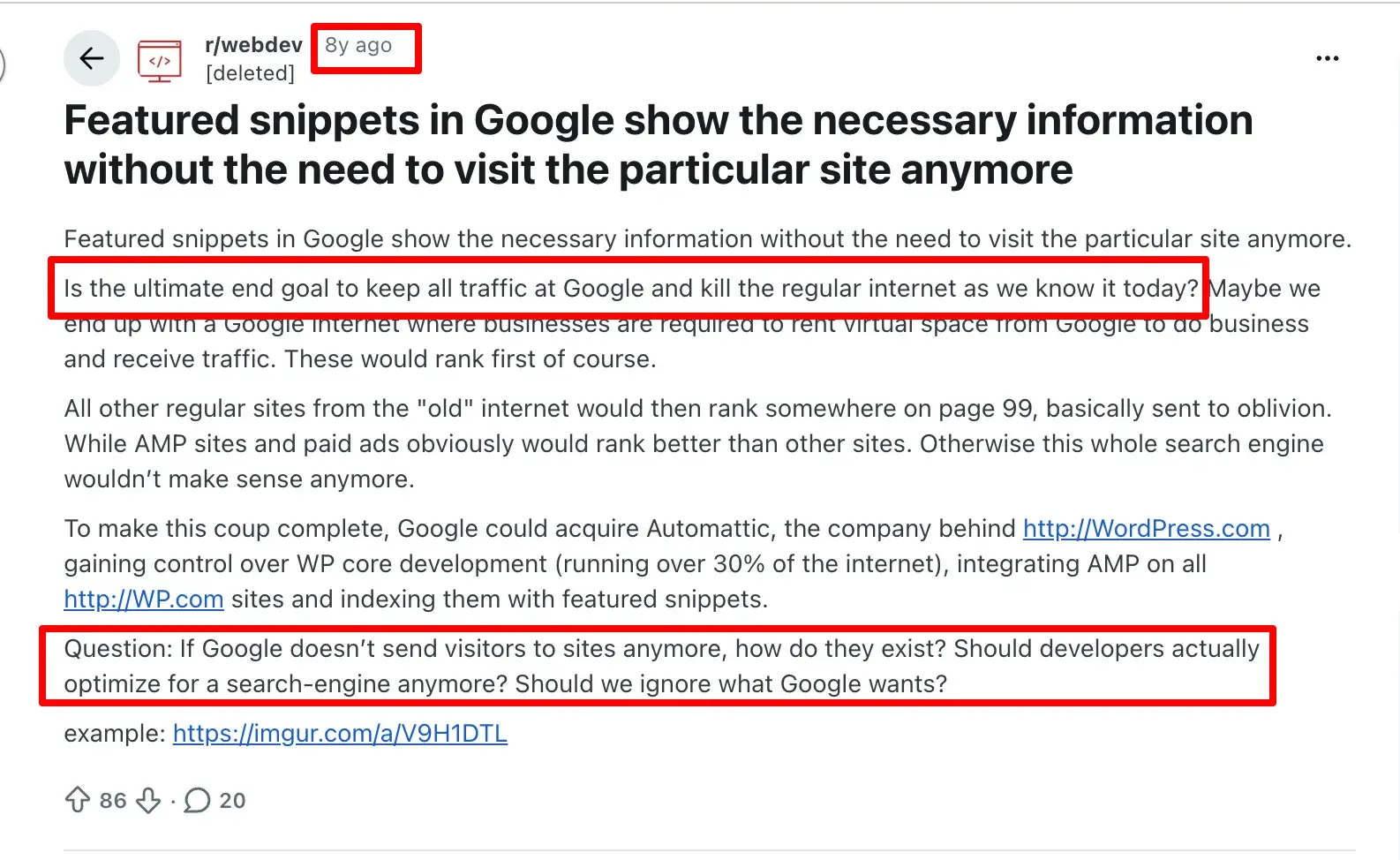
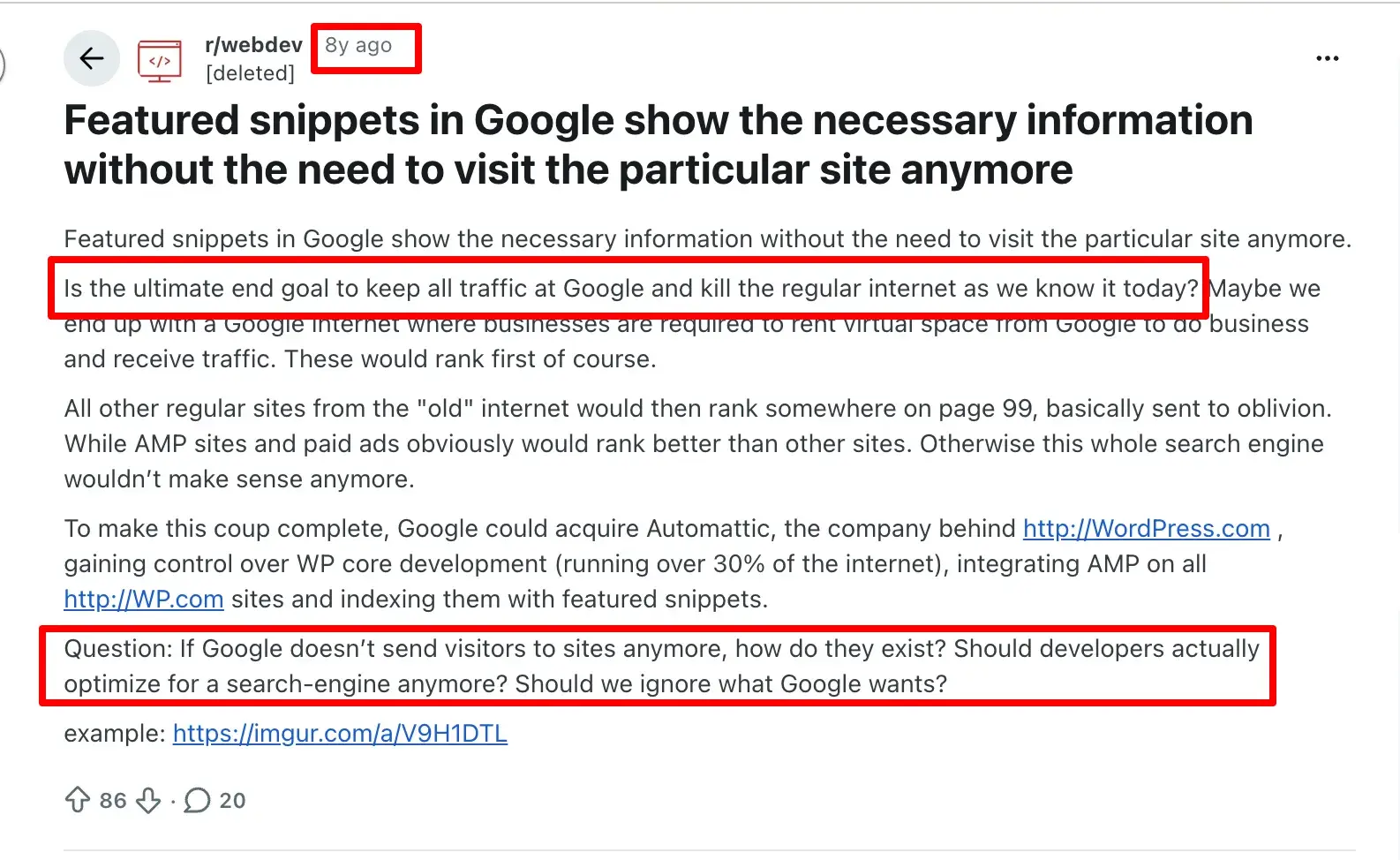
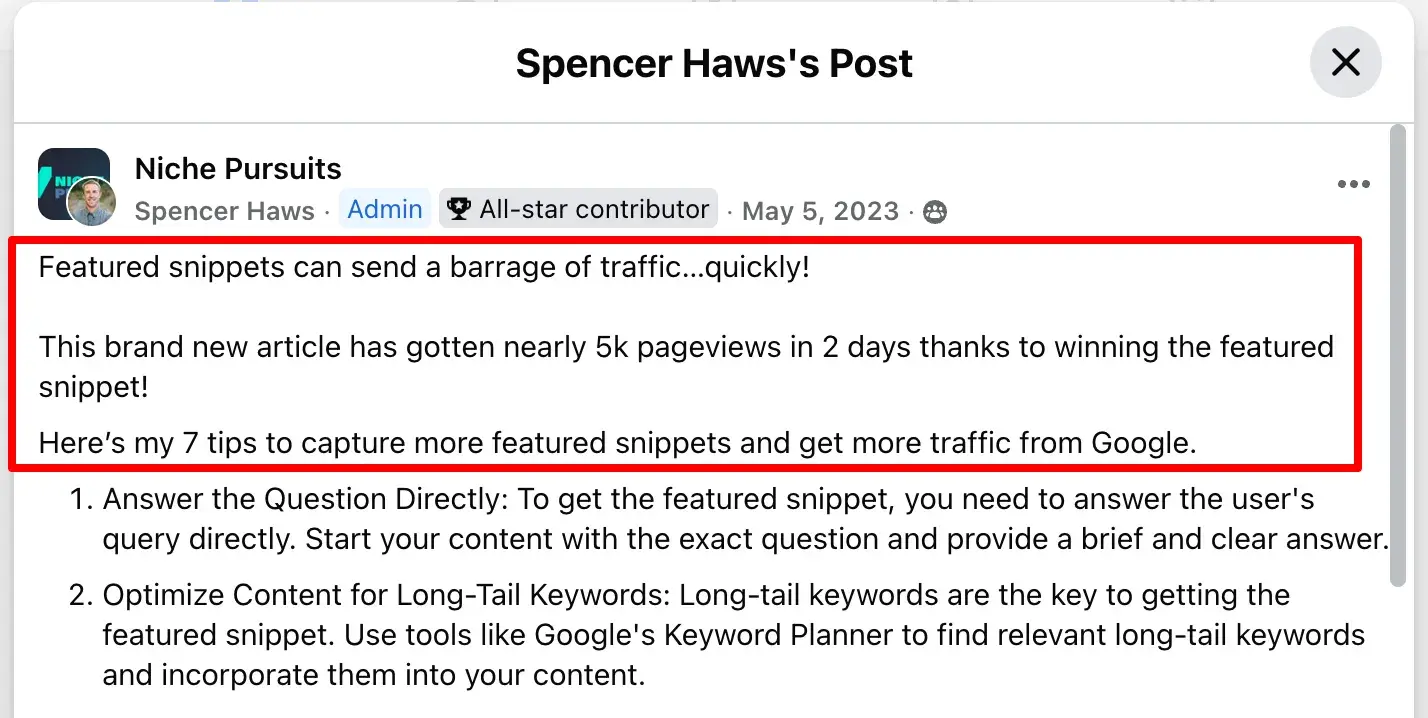
The advent of Google’s AI Overviews has ushered in a new era for search engine optimization, prompting digital marketers and content creators to revisit long-standing strategies. This development echoes the initial apprehension surrounding featured snippets around 2017, a time when many feared these quick-glance summaries would decimate organic traffic. However, as history often repeats itself, the industry adapted, learning to optimize content for snippet inclusion. A similar trajectory is now unfolding with AI Overviews, compelling SEO professionals to understand their mechanics and integrate them into their playbooks.
The Genesis and Evolution of AI Overviews
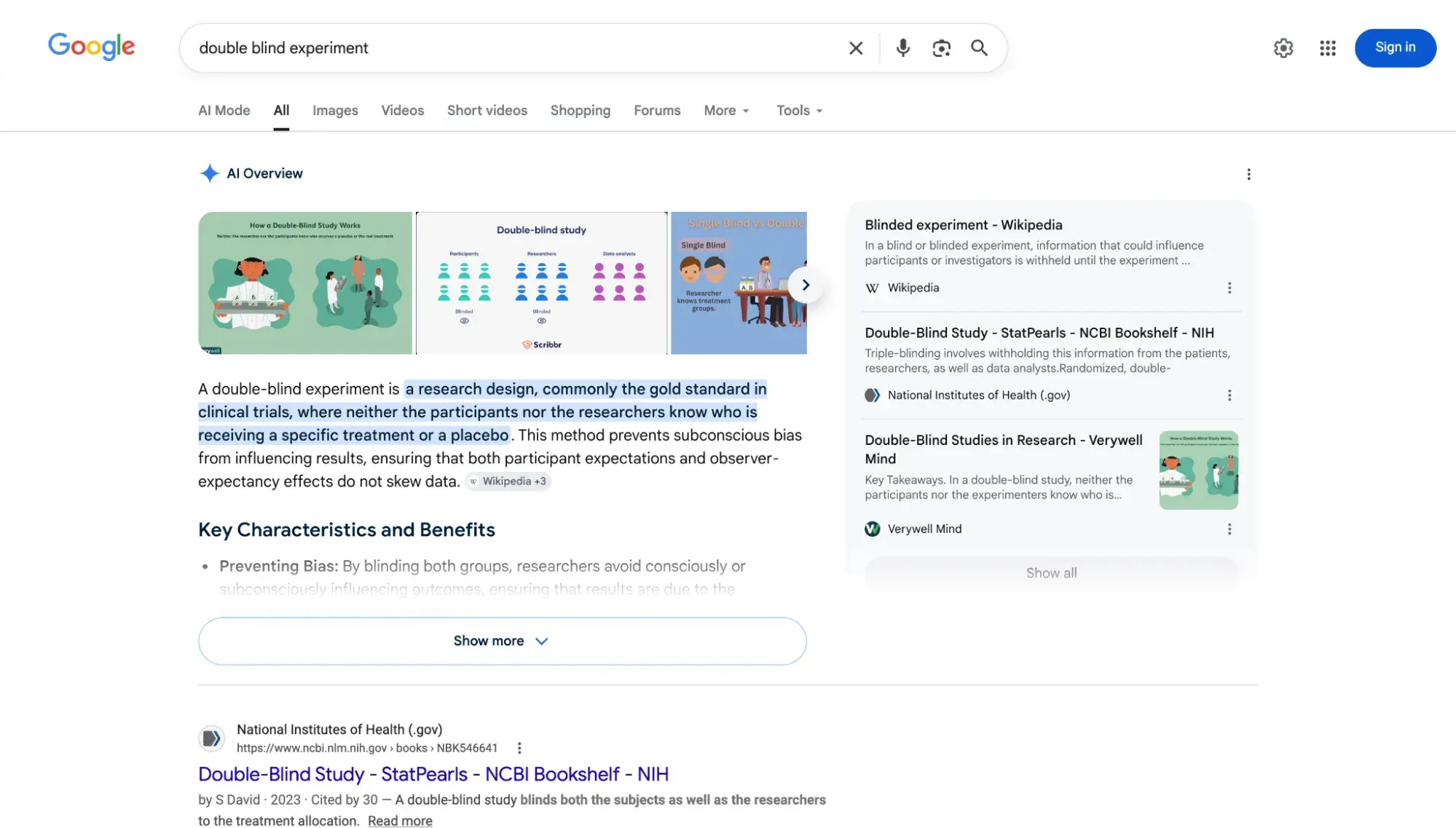
AI Overviews, initially rolled out as part of Google’s Search Generative Experience (SGE), represent a significant leap in how the search engine processes and presents information. Introduced to a broader audience for testing and then officially deployed, these AI-generated summaries appear prominently at the top of the search results page. Their primary function is to provide direct, synthesized answers to user queries, drawing information from multiple web sources. Unlike traditional organic results that merely list links, AI Overviews offer a concise response, often accompanied by relevant images, direct links to cited sources, and a “show more” option for expanded details.

This feature is distinct from Google’s “AI Mode,” which provides a full conversational chatbot experience akin to ChatGPT or Claude. While AI Mode allows for multi-turn dialogues, AI Overviews are designed for a single-shot answer, aiming to satisfy the user’s immediate informational need without requiring further clicks. The distinction is crucial for SEOs, as optimization strategies for each vary.
The journey to AI Overviews is part of Google’s continuous evolution from a keyword-matching engine to a sophisticated answer engine. This progression began with semantic search capabilities, followed by the introduction of Rich Snippets, then Featured Snippets, and now, generative AI summaries. Each step has aimed to provide more immediate and comprehensive answers directly within the Search Engine Results Page (SERP), a trend that has consistently challenged traditional SEO models reliant on direct clicks to websites.
Understanding the Impact on Organic Traffic and Engagement
The introduction of AI Overviews has demonstrably altered user behavior and, consequently, website traffic metrics. Early data suggests a significant shift towards “zero-click searches,” where users find their answers directly on the SERP without navigating to external websites. A working paper published in April 2026 by researchers from the Indian School of Business and Carnegie Mellon University revealed a substantial decline in outbound organic clicks by 38% on queries triggering AI Overviews, while zero-click searches surged from 54% to 72%. These figures underscore the profound impact on traditional click-through rates (CTR).
Furthermore, internal data from HubSpot as of February 2026 indicated a 27% year-over-year global decline in customer organic traffic. While not solely attributable to AI Overviews, this trend aligns with broader industry observations of reduced organic traffic, suggesting a widespread challenge for content publishers. As AI Overviews become increasingly prevalent—BrightEdge reported they triggered on nearly half (48%) of tracked queries by February 2026, and an AEO agency, Fan Out, observed an even higher rate of 84% for 1,000 B2B queries—the implications for organic visibility and lead generation are substantial.
A critical finding for SEOs is that sources cited within an AI Overview do not always correspond to the top-ranking organic results. A Semrush study analyzing 200,000 AI Overviews found that the number one search result appeared in the AI Overview only 34% of the time on mobile and 46% on desktop. This decoupling of traditional ranking from AI Overview citation means that even highly ranked pages must now contend for a separate form of visibility, redefining what it means to “win” the SERP.
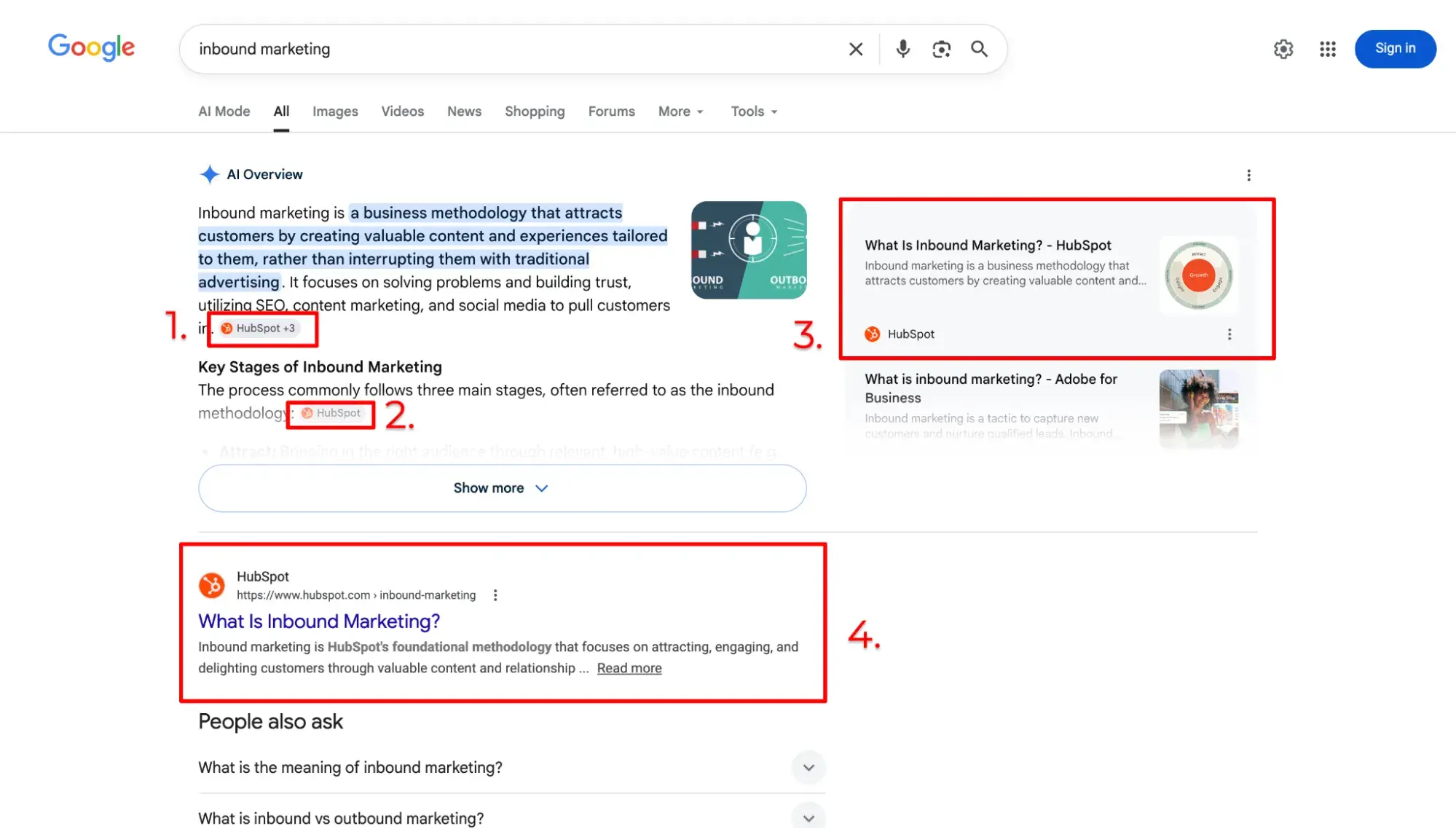
Key Triggers for AI Overviews
Not all search queries activate an AI Overview. Large-scale studies by Ahrefs and Semrush have identified several common characteristics of queries that tend to trigger these AI-generated summaries:
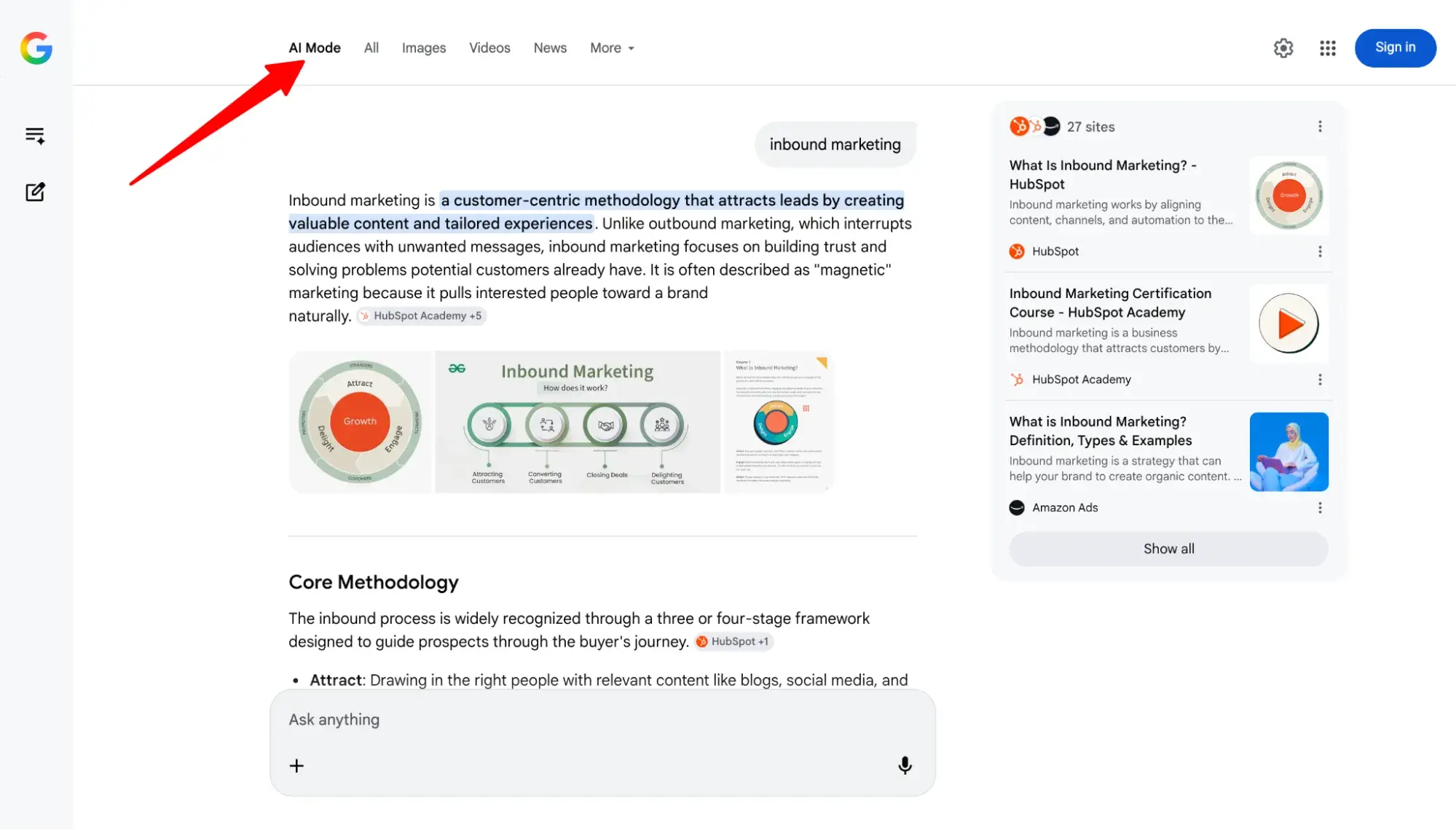
-
Informational Intent Keywords: These queries, typically from users seeking to learn or understand, are the most frequent triggers. While the share of informational queries triggering AI Overviews dropped from 91.3% in January 2025 to 57.1% by October 2025, indicating a broader application across the sales funnel, they remain a primary catalyst. This shift suggests that even commercial or transactional queries are increasingly susceptible to AI summarization, challenging the notion that only top-of-funnel content is affected.
-
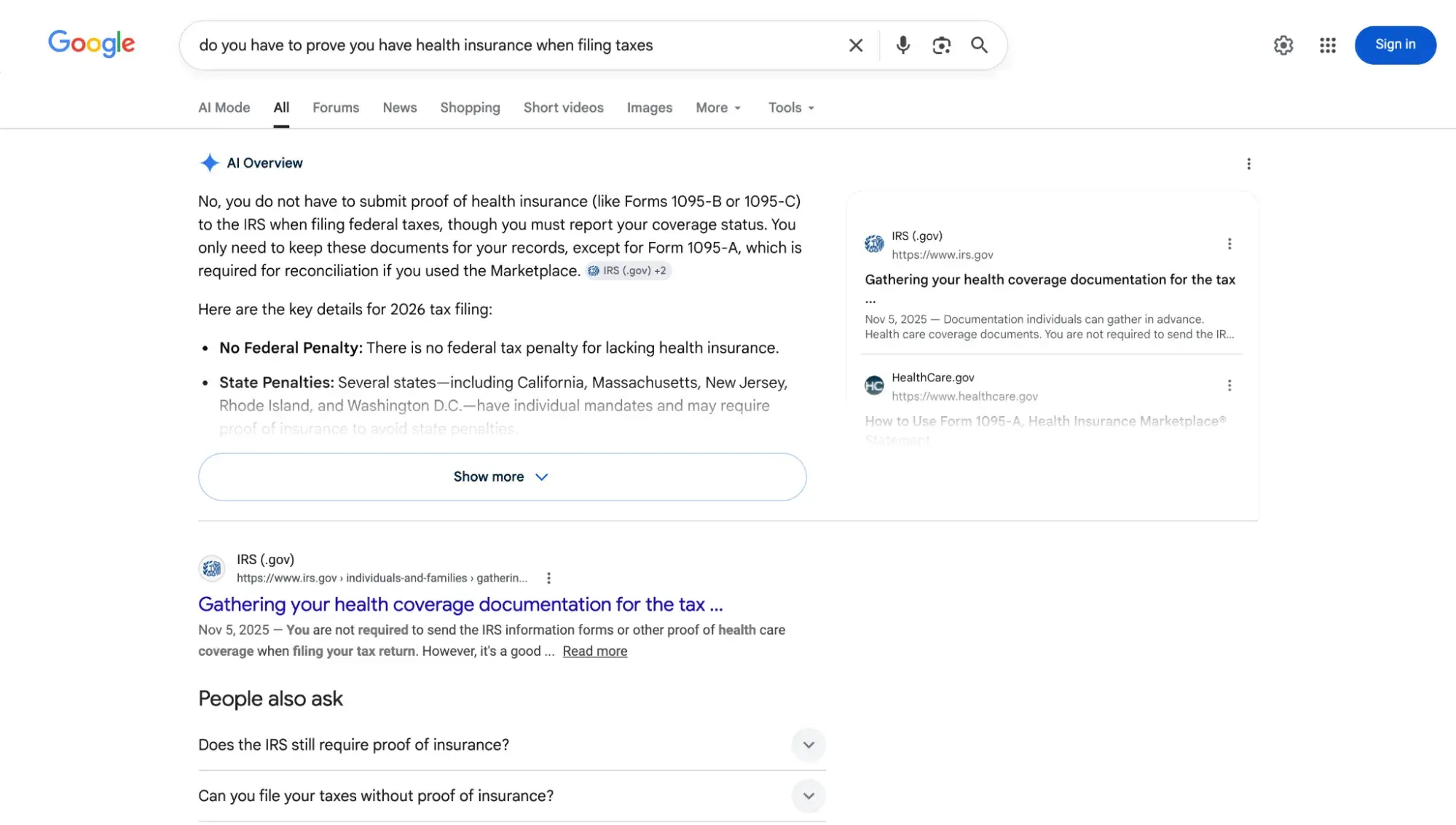
Questions, Especially “What,” “How,” and “Is”: Queries phrased as questions are highly likely to generate an AI Overview. Ahrefs found that 57.9% of all question queries triggered an AIO. Semrush further specified that questions beginning with “what,” “how,” and “is” were most prevalent among those triggering AI Overviews. These types of queries naturally lend themselves to direct, concise answers, making them ideal for AI summarization.
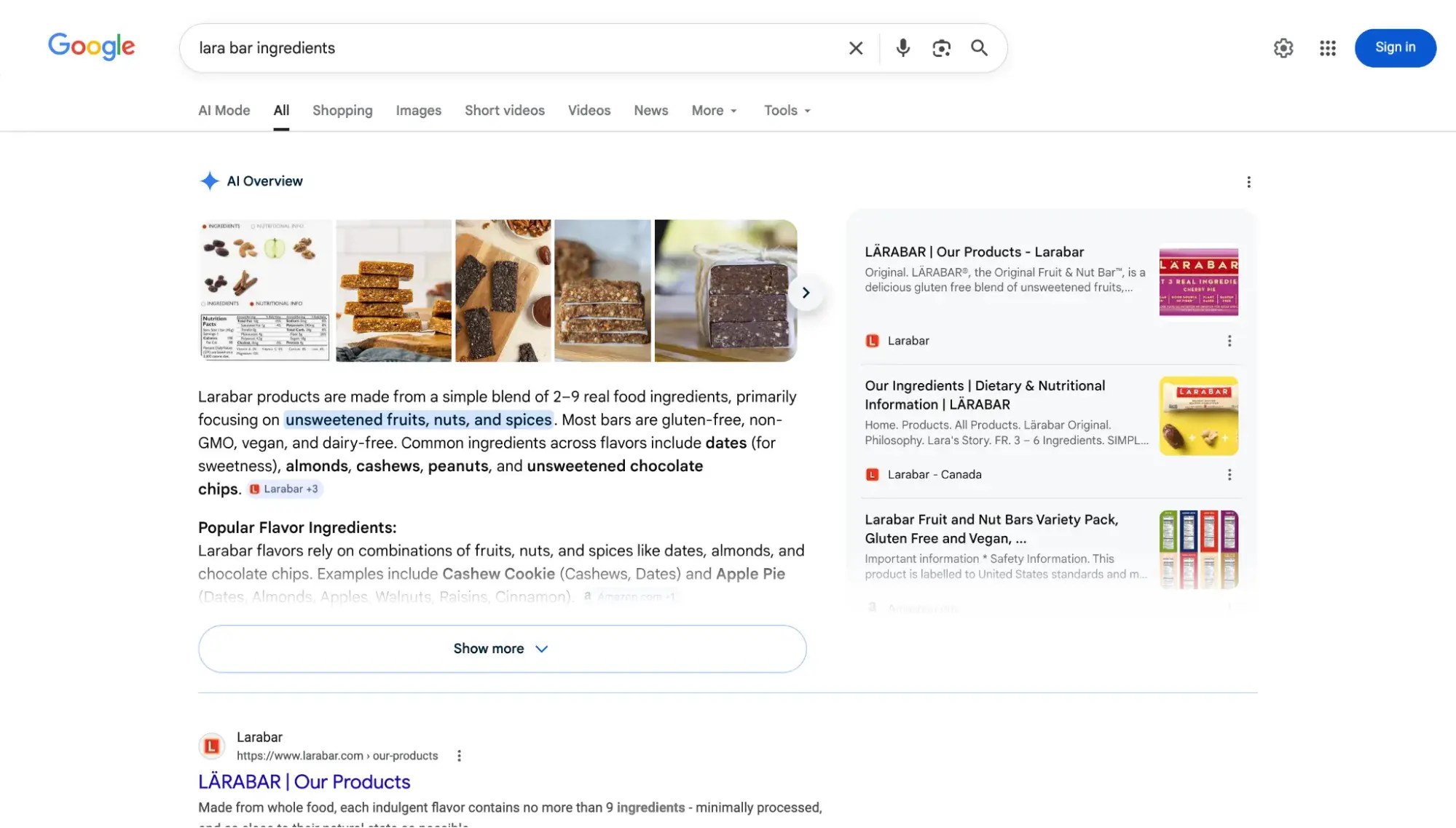
-
Queries about Science and People & Society: Certain industries and topics are more prone to AI Overviews due to their factual and often explanatory nature. Ahrefs noted that 43.6% of Science queries and 43.0% of Health queries triggered an AIO, more than double the overall keyword baseline. Semrush’s data also consistently placed Science, Computers & Electronics, and People & Society among the top-cited industries for AI Overviews. This highlights the AI’s utility in synthesizing complex information from authoritative sources.
-
Long Queries (7+ words): The length and specificity of a query directly correlate with the likelihood of an AI Overview appearing. Ahrefs data indicated that 46% of queries with seven or more words triggered an AI Overview. This trend, starting at 9.5% for single-word queries and incrementally increasing, suggests that longer, more nuanced questions benefit most from AI’s summarization capabilities.
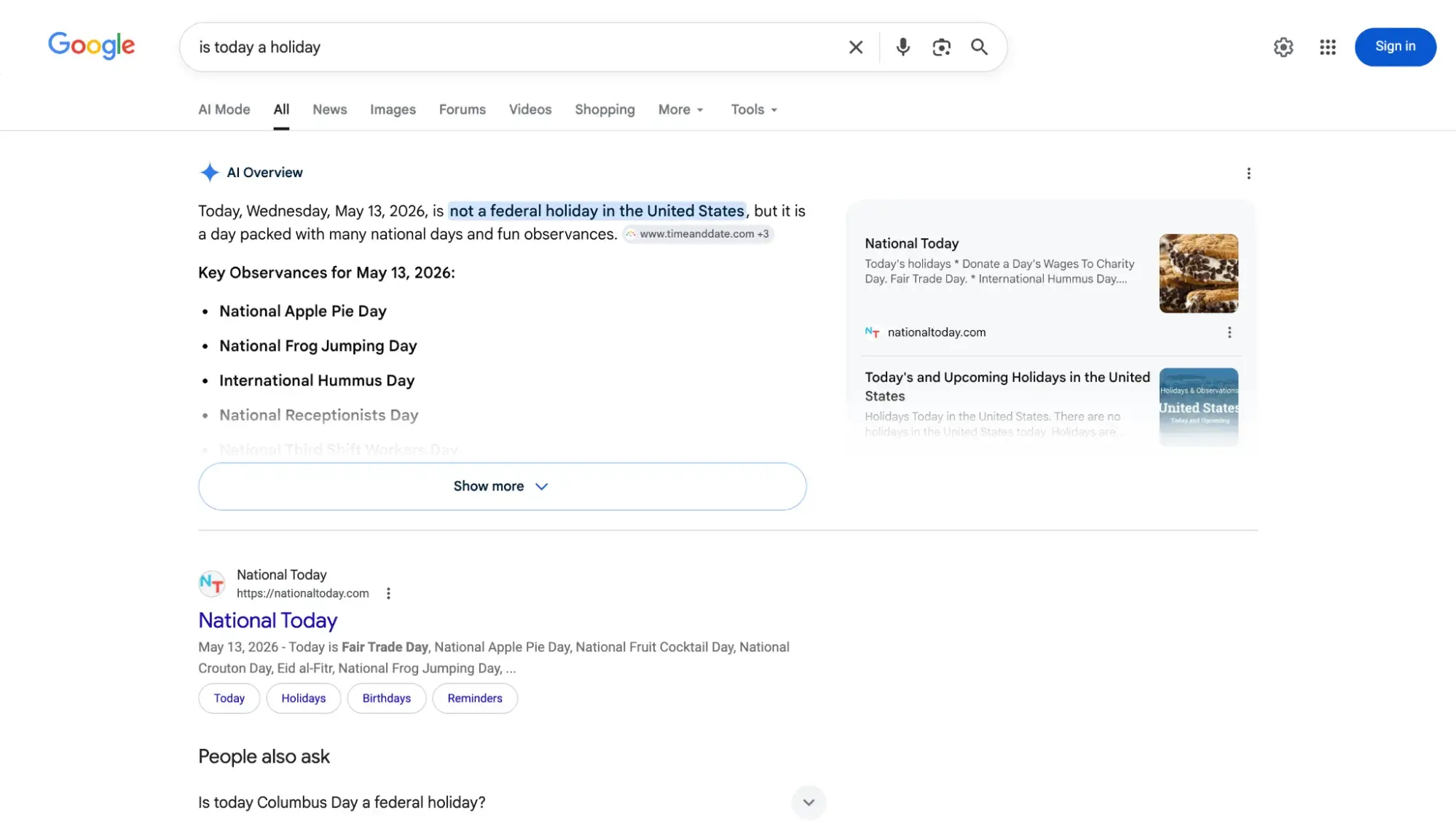
-
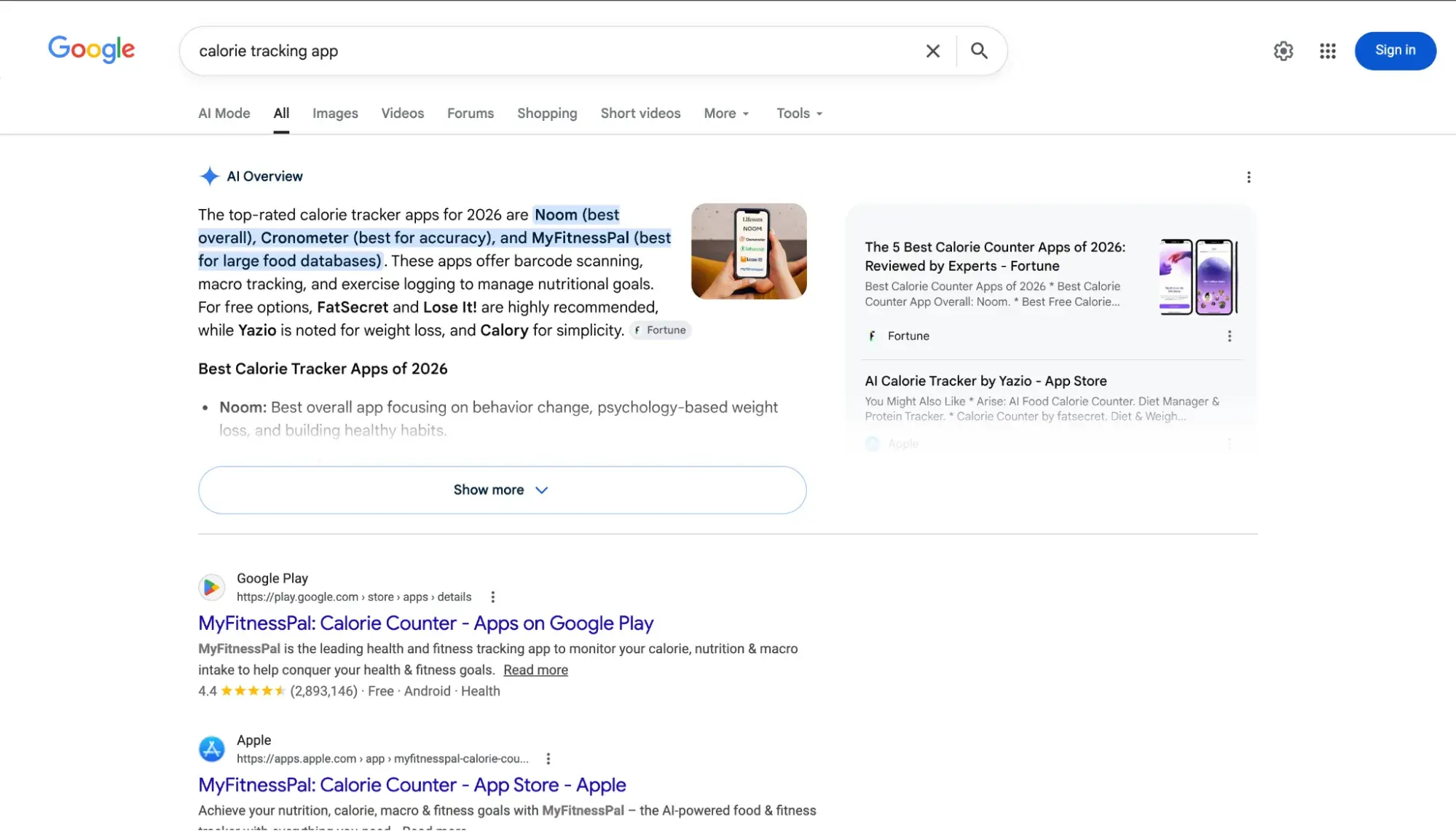
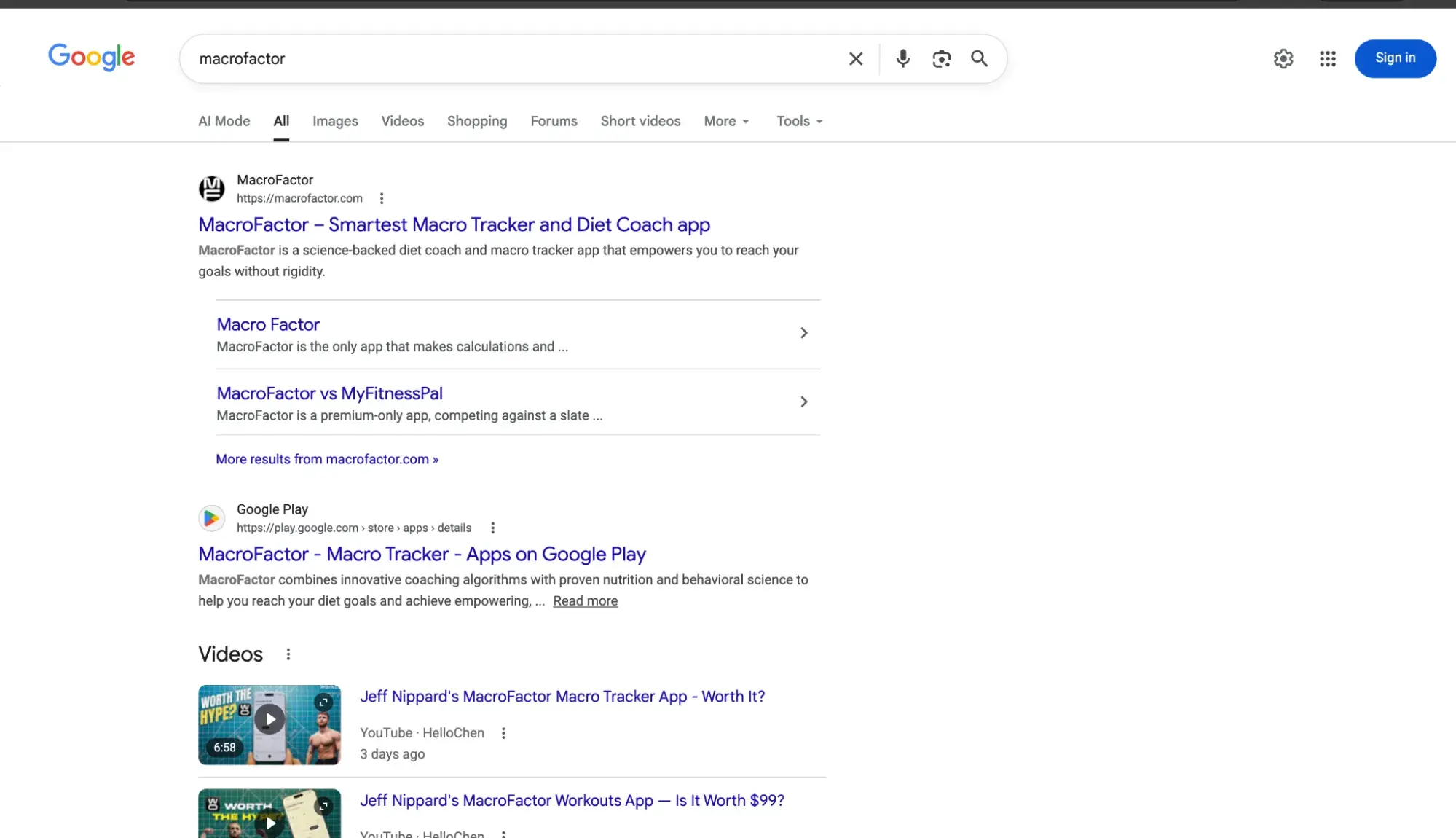
Non-Branded Queries: Non-branded searches are 1.9 times more likely to trigger an AI Overview than branded queries (24.9% vs. 13.1%). This is logical, as users searching for specific brands usually have navigational intent, seeking to reach a particular website. Conversely, non-branded queries (e.g., “calorie tracking app”) often reflect informational or commercial investigation, which AI Overviews are designed to address by providing comparative information or direct recommendations.
Optimizing Content for AI Overview Citation
Given the evolving landscape, SEO strategies must adapt to target AI Overview citations. Google maintains that no special technical requirements beyond crawlability, indexability, and the absence of a “nosnippet” tag are needed. However, industry analysis and best practices offer clear avenues for increasing citation chances:
-
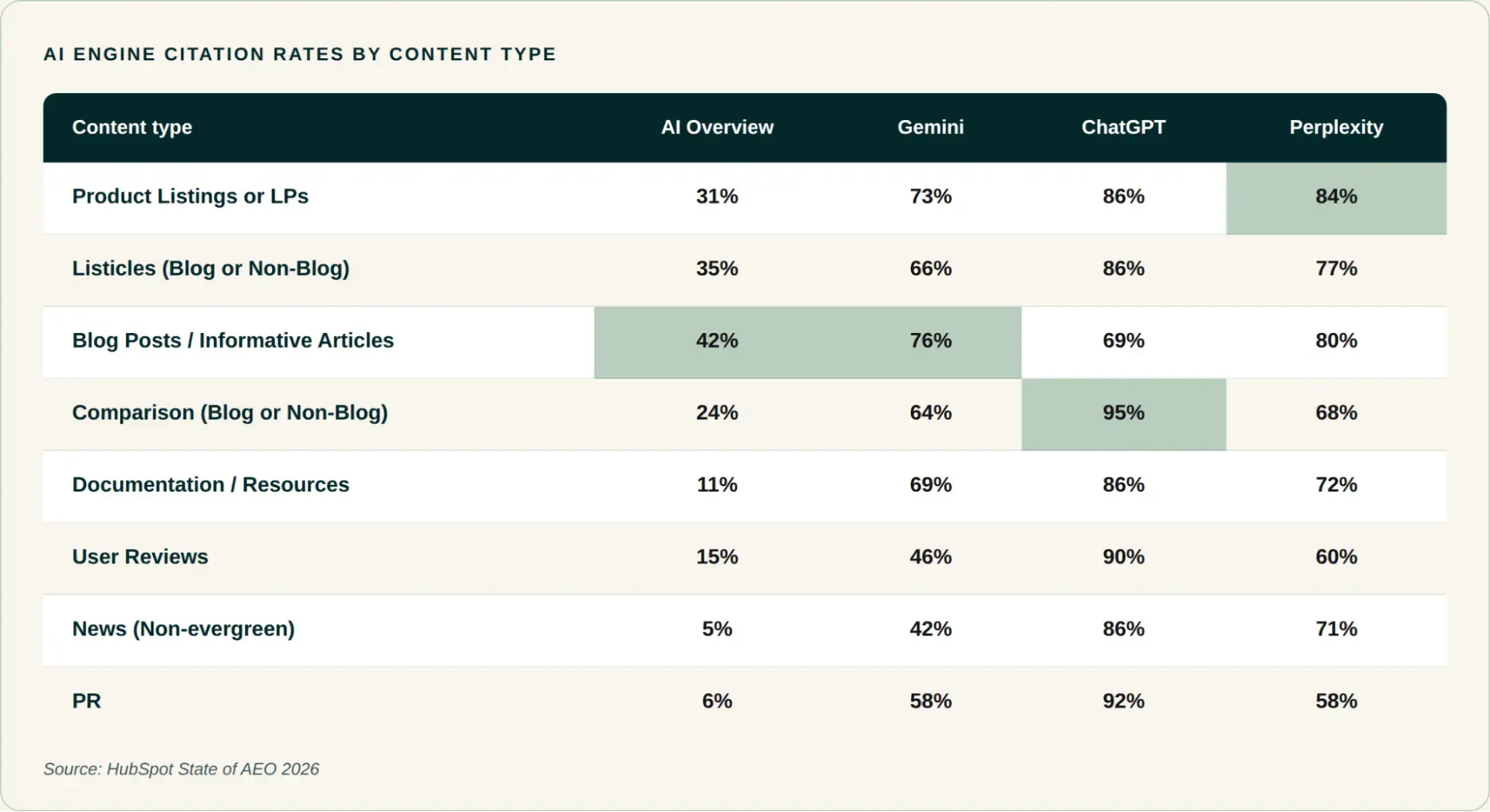
Prioritize Blog Content: Blog posts and informative articles consistently rank as the most-cited content types for AI Overviews, with a 42% citation rate according to HubSpot’s State of AEO 2026 report. This aligns with the prevalence of informational queries triggering AI Overviews. Content types like news articles (5%) and PR (6%) are significantly less cited, emphasizing the need for evergreen, comprehensive resources.
-
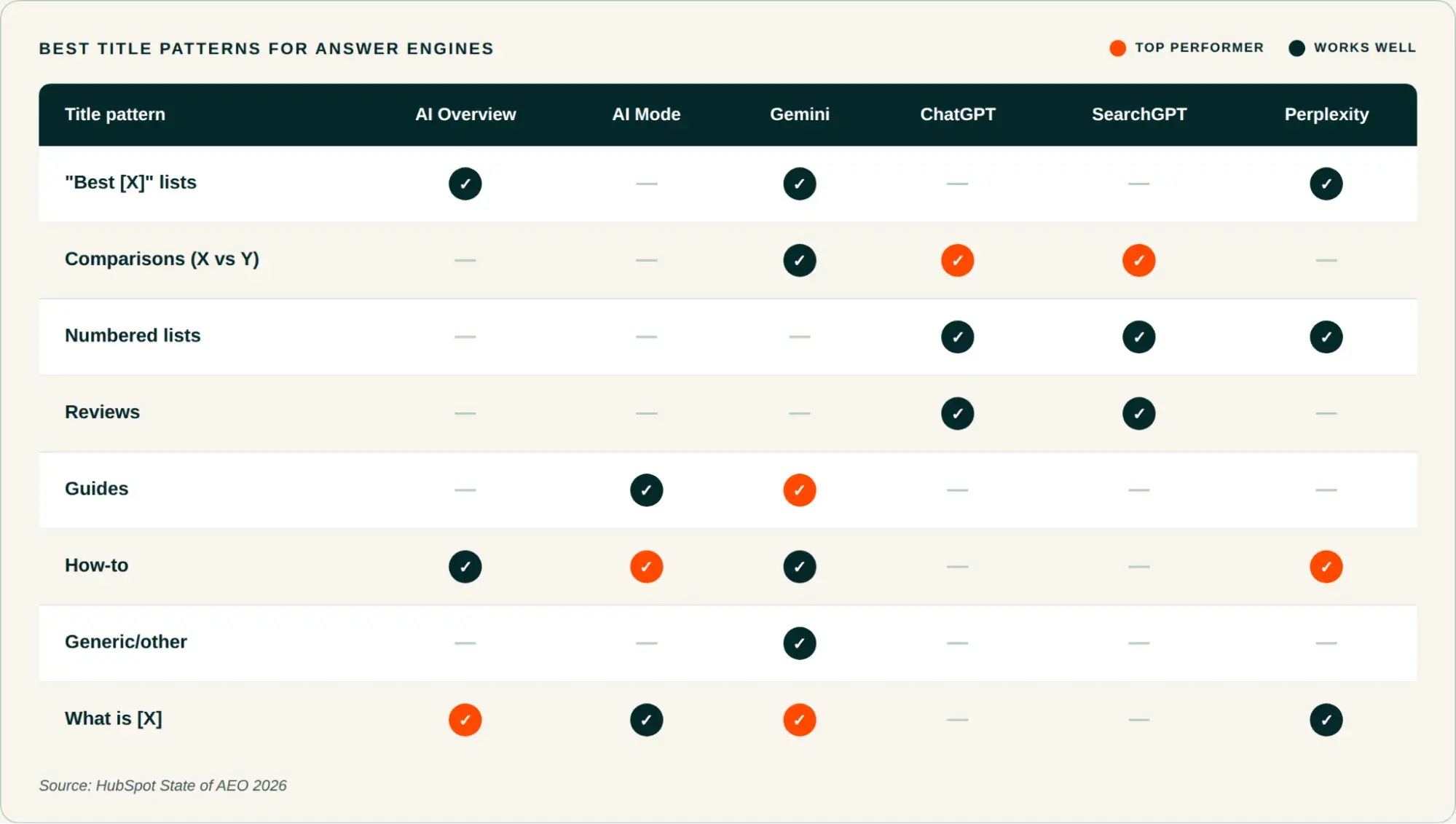
Strategic Title Optimization: Titles play a crucial role in signaling content relevance to AI. “What is [X]” is identified as a top performer for AI Overviews, with “Best [X]” lists and “How-to” guides also performing well. Including the current year in H1s and meta titles further correlates with higher citation rates, indicating freshness and relevance. A title like “What is the best website builder for beginners in 2026?” is more effective than a generic “The complete guide to website builders for beginners.”
-
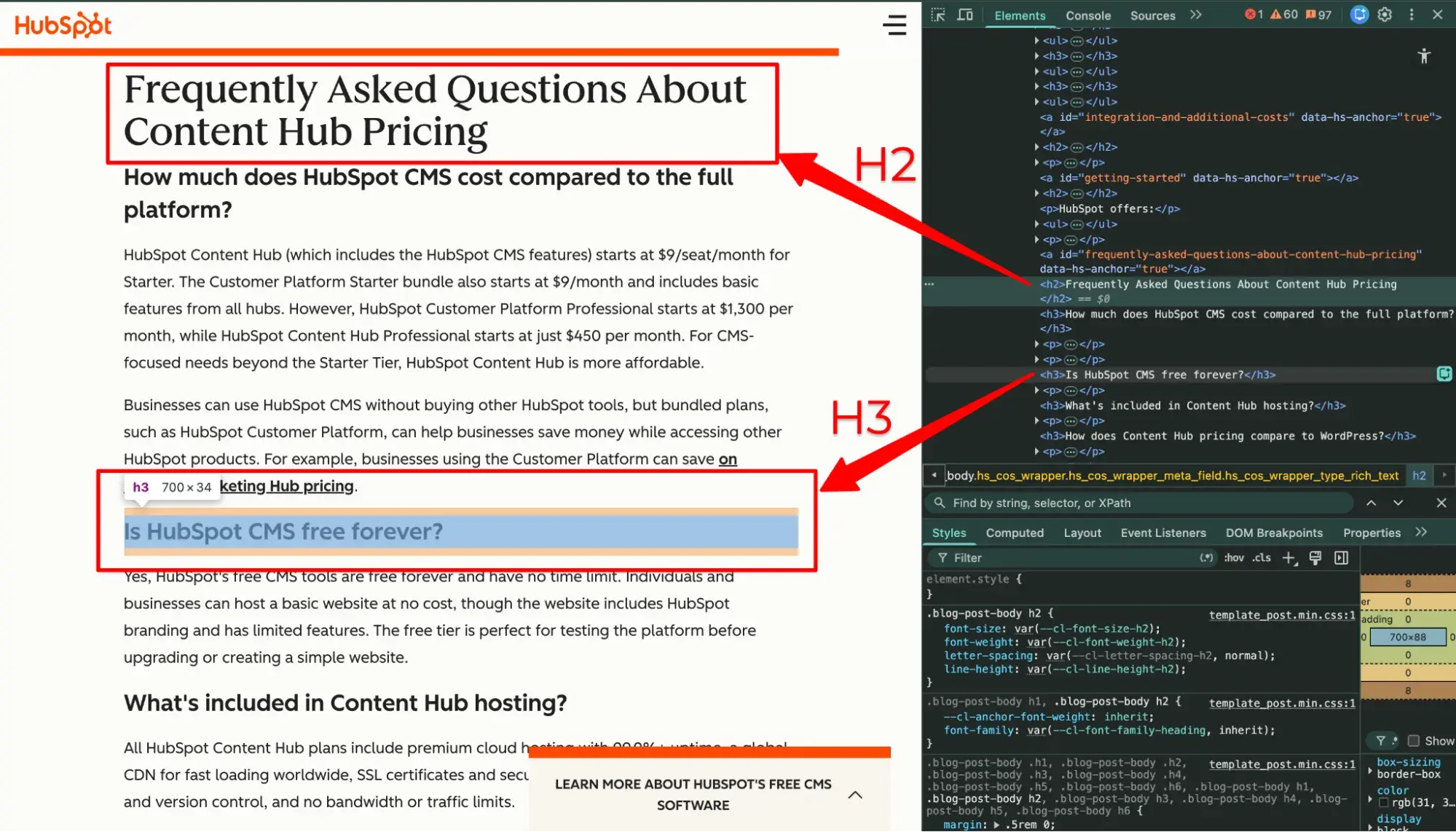
Integrate FAQ Sections: Pages featuring well-structured FAQ sections are more likely to be cited. While not strictly required for AI Overviews, adding schema markup to these sections can boost visibility in other answer engines like Google AI Mode, Gemini, and Perplexity. FAQs with descriptive H2 headings and questions formatted as H3s enhance discoverability and readability for AI algorithms.
-
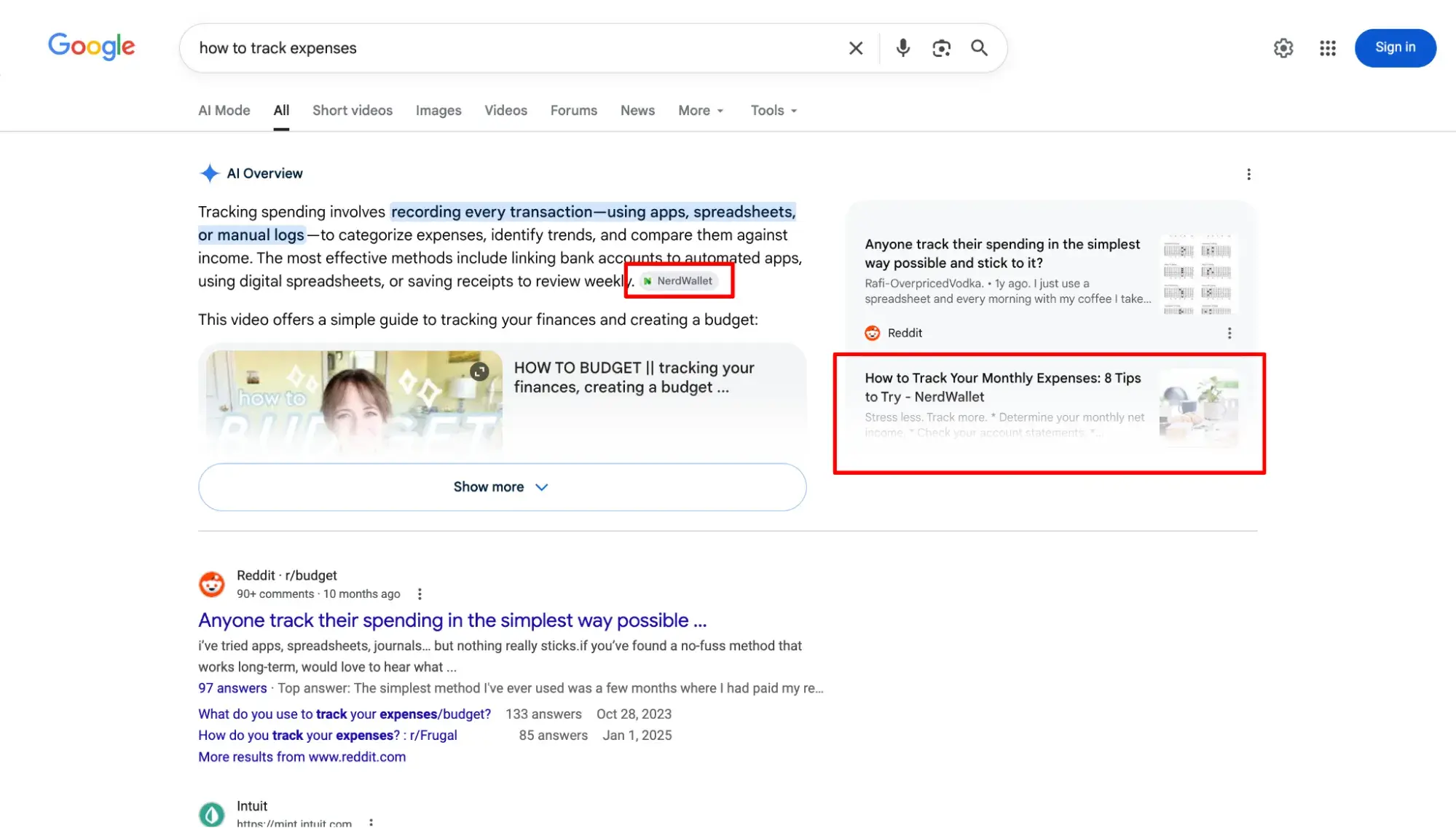
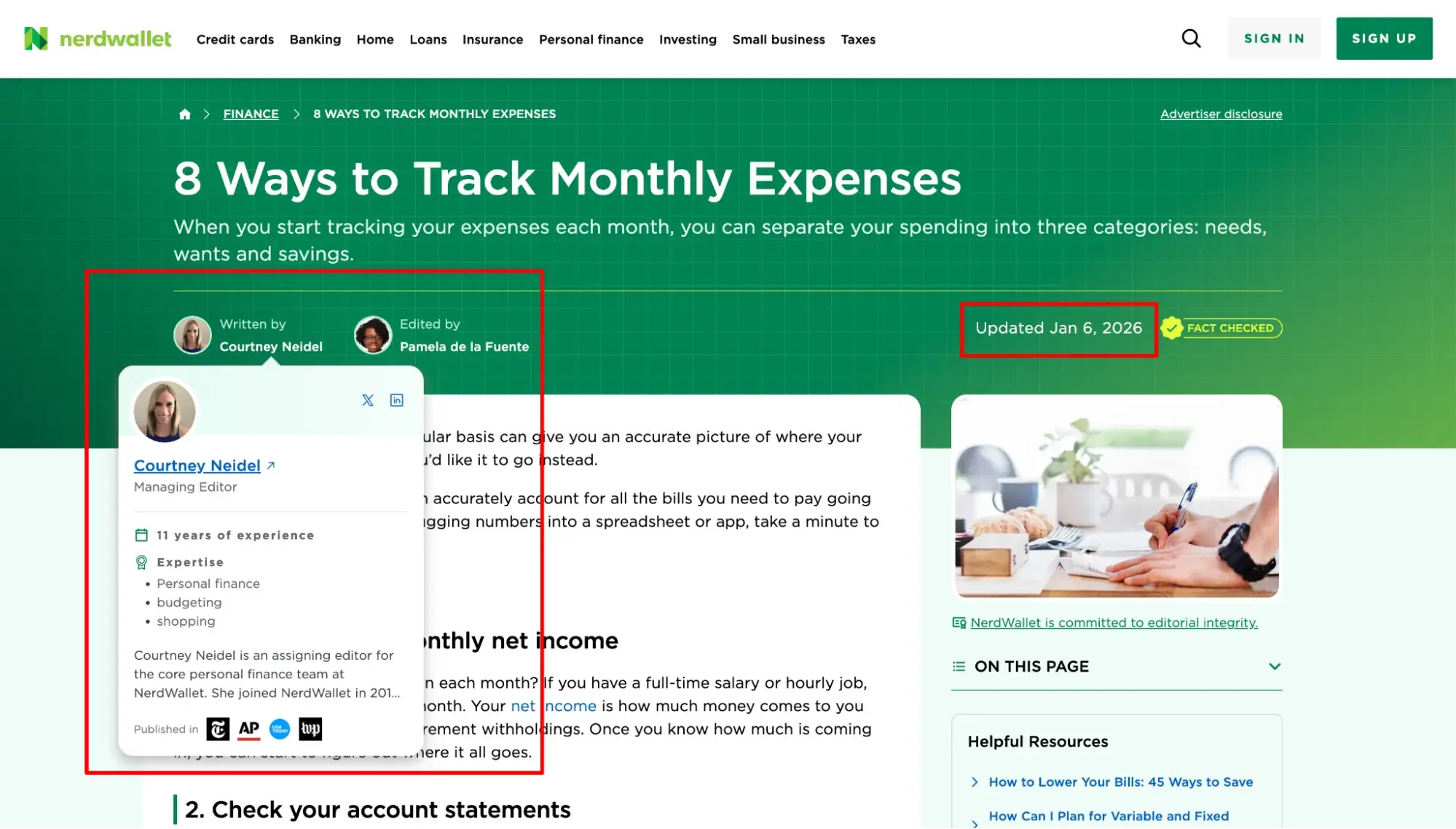
Strengthen EEAT Signals: Google’s Expertise, Authoritativeness, and Trustworthiness (EEAT) framework is highly influential for AI Overviews. Implementing robust EEAT signals on pages is paramount. This includes visible author bylines with detailed bios (highlighting experience, expertise, and publications), clear contact information, prominently displayed “last updated” dates, and thorough sourcing/citations. NerdWallet, for instance, excels in this area, demonstrating how comprehensive author credibility and content freshness can lead to multiple AI Overview citations for competitive queries.
-
Adhere to Traditional SEO Principles: Far from being obsolete, a strong foundation in traditional SEO is indispensable for AI Overview success. As Elie Berreby, head of SEO and AI search at Adorama, notes, neglecting Googlebot optimization means ignoring the entire Google ecosystem, impacting visibility across all AI features. Key SEO principles that boost AI citations include:
- Content Depth and Comprehensiveness: AI Overviews favor pages that cover more subtopics and answer more subquestions comprehensively.
- Page Speed and Mobile-Friendliness: Fundamental for user experience and crawling efficiency.
- Internal Linking and Site Structure: Helps AI understand topical relationships and content hierarchy.
- Keyword Optimization: While AI is semantic, relevant keywords still guide understanding.
The goal is to own a topic holistically, proactively addressing every question a target audience might have at various stages of their buyer’s journey.
-
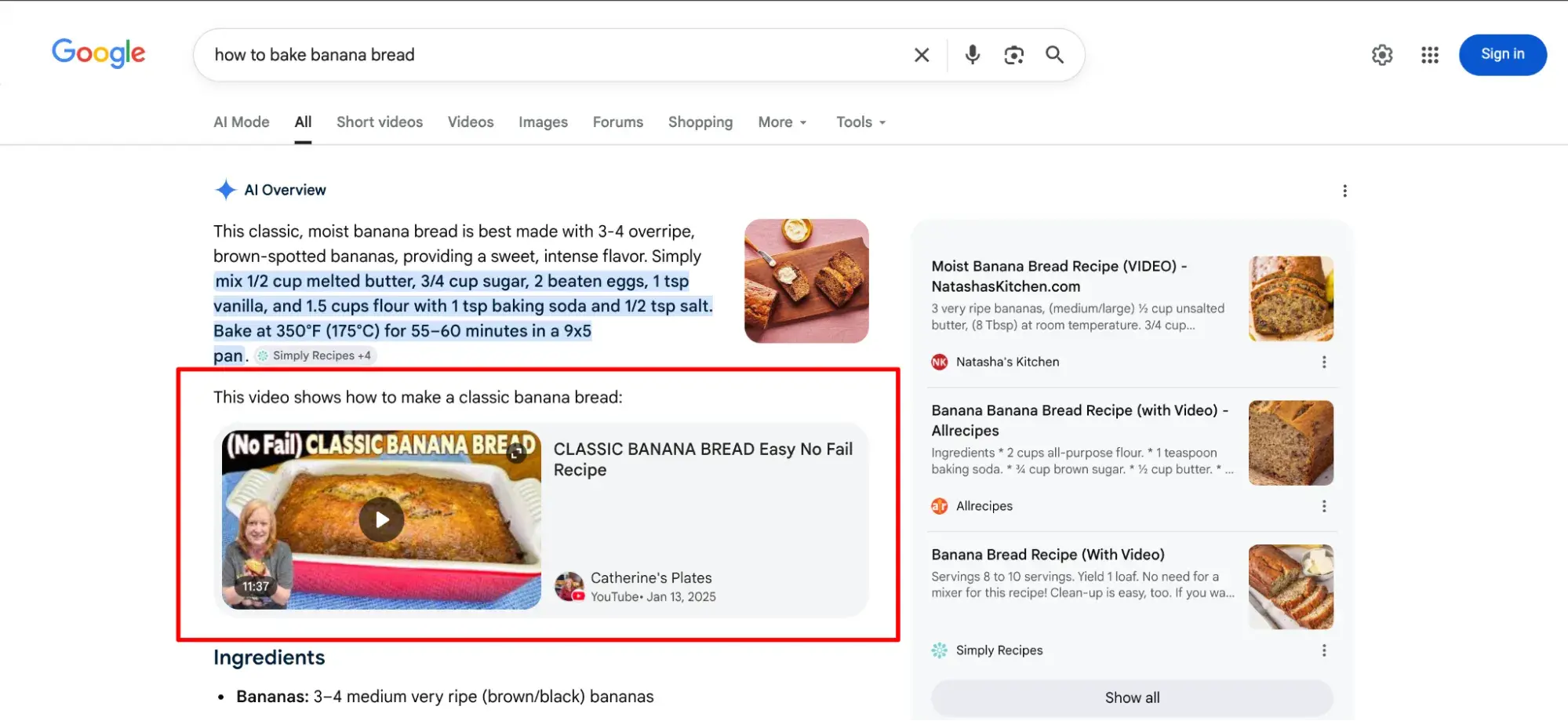
Leverage YouTube and Reddit for Off-Site Strategy: Beyond on-page optimization, off-site strategies are increasingly critical. YouTube, owned by Google, is a highly favored platform, with 61% of its citations in Fan Out’s analysis originating from AI Overviews. Optimizing YouTube content for “how-to” queries, ensuring clear video titles, detailed descriptions, and accurate transcripts, can significantly increase AI Overview visibility, often embedding videos directly into the summary.
Reddit also stands out as a powerful off-site signal. Fan Out’s analysis identified Reddit as the number one cited off-site platform across various AI engines, with AI Overviews accounting for 51% of Reddit citations. This underscores the value of authentic, community-driven discussions. While direct brand engagement on Reddit can be tricky, fostering positive brand mentions and providing valuable, helpful content within relevant subreddits can indirectly lead to AI Overview citations, as seen with HubSpot being recommended via a Reddit post for “best CRMs for small business.”
Measuring and Diagnosing AI Overview Impact
Tracking the precise impact of AI Overviews presents a new challenge for marketers. Google Search Console aggregates AI Overview clicks with overall search traffic, making it impossible to filter for AIO-specific metrics. This necessitates the use of third-party tools:
- Ahrefs Brand Radar: This tool allows users to input a URL and discover which queries trigger AI Overviews where their content is cited. It provides estimated search volumes and lists other cited domains, offering valuable competitive insights.
- Otterly: As a dedicated AEO tool, Otterly tracks prompts across multiple answer engines, including Google AI Overviews, providing citation data and brand sentiment. Its focus on AI visibility makes it a streamlined and potentially more affordable option for brands.
The current challenge in attribution means marketers must rely on a combination of visibility tracking and correlating it with overall traffic trends to estimate the impact of AI Overviews.
Addressing Executive Concerns and Reframing Success
The decline in clicks from AI Overviews can be a sensitive topic for executives accustomed to traditional SEO metrics. It is crucial to reframe the conversation from click-through rates to “mindshare” and “share of voice.” While direct clicks may decrease, studies suggest that traffic from LLMs often converts at a higher rate. Ahrefs reported that AI search traffic converted 23 times better than traditional organic search, and Semrush found LLM visitors converted 4.4 times better after analyzing over 500 digital marketing topics.
This shift means emphasizing that winning an AI Overview, even without a direct click to the website, establishes brand authority and recognition. When a potential customer seeks information, their brand’s presence in the AI-generated answer means winning the initial cognitive battle. Executives need to understand that the goal is no longer just clicks, but being the recommended answer, building brand equity and trust in a new search paradigm.
Beyond AI Overviews: A Holistic AEO Strategy
While AI Overviews are a significant development, they are merely one component of a broader Answer Engine Optimization (AEO) landscape. Brands must consider their visibility across all major answer engines, including ChatGPT, Perplexity, and Gemini. Each platform has its nuances and preferred content types, requiring a comprehensive, integrated strategy.
Tools like HubSpot AEO aim to provide a holistic view, tracking citations across multiple engines and offering actionable recommendations. By integrating CRM data, these tools can ground tracking in actual business context, ensuring AEO efforts align with customer journeys and business objectives.
In conclusion, AI Overviews represent a pivotal moment in the evolution of search. Like featured snippets before them, they demand adaptation and innovation from the SEO community. By focusing on high-quality, comprehensive, and authoritative content, optimizing for specific AI triggers, leveraging off-site platforms like YouTube and Reddit, and embracing a broader AEO perspective, brands can not only mitigate potential traffic losses but also seize new opportunities to dominate the mindshare of their target audience in the age of generative AI. The ongoing challenge is to continually adapt to Google’s evolving algorithms, ensuring content remains visible and valuable in an increasingly automated and summarized search environment.









