
 rifanmuazin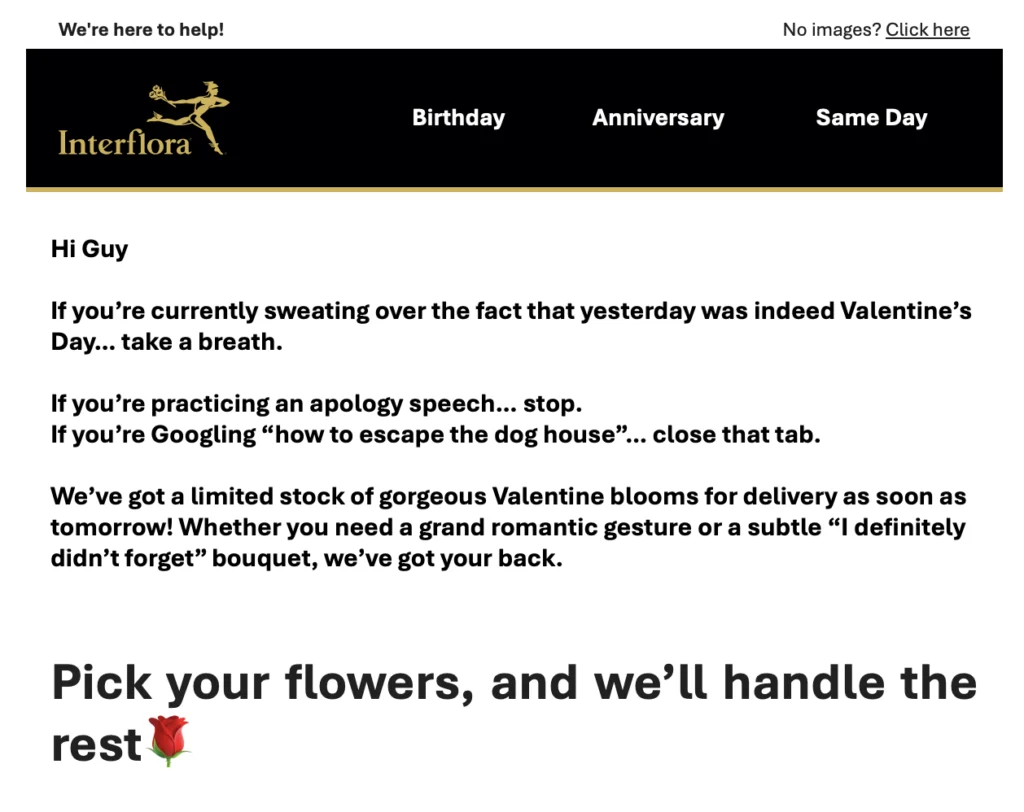
Following the intense promotional periods of Black Friday and Cyber Monday, Valentine’s Day historically serves as the first major holiday for email marketers to re-engage subscribers with seasonal campaigns. This year, however, the landscape was markedly different, providing a crucial real-world test for a series of significant updates rolled out by Gmail in late 2025. These changes profoundly impacted sender performance, directly influencing deliverability and indirectly shaping messaging strategies across the industry. The period offered a revealing look into how major email service providers are reshaping the digital inbox and the sophisticated tactics marketers are now employing to ensure their messages resonate, rather than getting lost in the digital ether or, worse, redirected to the spam folder.

The Evolving Landscape: Valentine’s Day and Gmail’s Strategic Overhaul
Valentine’s Day 2026 carried substantial economic weight, with market analysts projecting consumer spending in the billions across various sectors, from flowers and chocolates to experiences and gifts. For retailers and service providers, effective email communication during this period is paramount to capturing a share of this market. Consequently, the performance of email campaigns around February 14th provides a critical barometer for the health of email marketing strategies.
The backdrop to this year’s Valentine’s Day campaigns was Gmail’s proactive restructuring of its inbox experience, initiated in late 2025. These updates were designed with a clear objective: to enhance user experience by prioritizing relevance, reducing clutter, and combating unwanted messages. While beneficial for the end-user, these changes presented a complex challenge for email marketers, demanding a rapid evolution in their sending practices and content strategies. The Valentine’s Day period served as a live laboratory to observe the immediate ramifications of these algorithmic shifts.
Gmail’s Transformative Updates and Their Immediate Impact

Three primary areas of Gmail’s updates were particularly impactful during the Valentine’s Day season: relevance sorting in the Promotions tab, the functionality of annotations, and the introduction of automated deal cards. Each presented unique obstacles and opportunities for senders.
Relevance Sorting in the Promotions Tab
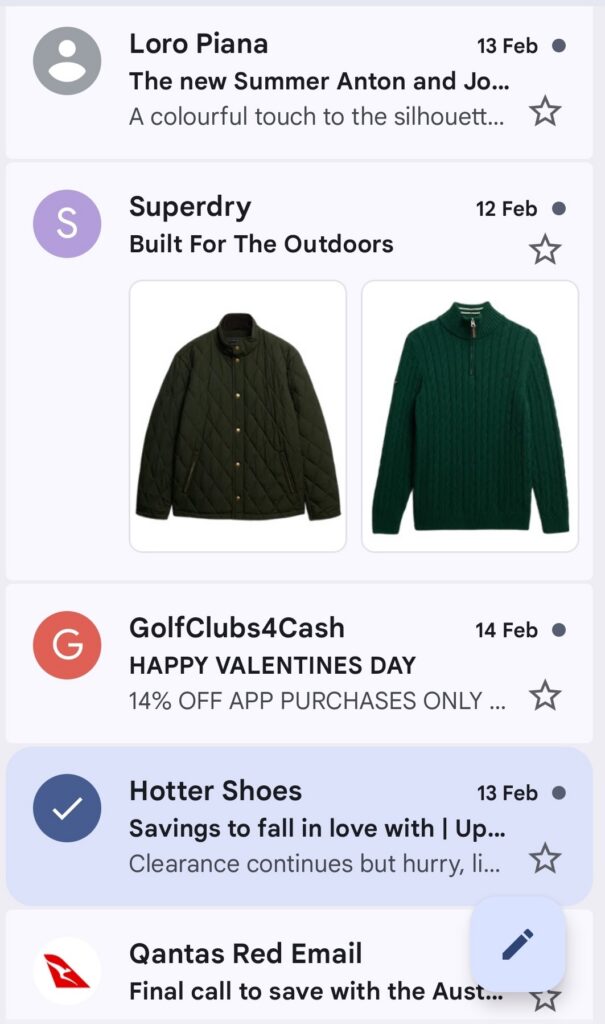
One of the most significant changes was Gmail’s implementation of relevance-sorted Promotions tabs. Unlike a purely chronological feed, this system prioritizes emails that Gmail’s algorithms deem most relevant to the user, irrespective of their send date. For Valentine’s Day 2026, this meant that numerous time-sensitive promotions, specifically crafted for February 14th, were observed to be overshadowed by older emails from other programs. These older messages, deemed more relevant by Gmail’s system based on past engagement or inferred user preference, were pushed to the forefront of the Promotions tab. This posed a considerable challenge for marketers aiming to reach their audience with timely offers, potentially leading to decreased visibility and missed conversion windows for crucial holiday sales. The implication is clear: simply sending a well-designed email is no longer sufficient; its perceived relevance by the email provider is now a critical gatekeeper to visibility.

Gmail Annotations: Unintended Consequences and Missed Opportunities
Gmail annotations, designed to provide richer, more dynamic previews of promotional emails directly in the inbox, also showed their double-edged nature. While intended to highlight key offer details like discounts and expiration dates, the Valentine’s Day period revealed numerous instances where these annotations displayed expired offers. This occurred primarily because many senders failed to properly utilize the availabilityEnds parameter within their email code. Without this crucial metadata, Gmail continued to display outdated promotional information, leading to user frustration and a diminished perception of the brand.
Conversely, the observation also highlighted missed opportunities. Brands like Interflora and Snapfish, which often feature time-sensitive offers, could have leveraged the availabilityEnds parameter more effectively. Correct implementation would have ensured that their annotations accurately reflected the validity of their deals, preventing the display of irrelevant or expired promotions and improving the overall subscriber experience. This underscores the necessity for meticulous technical implementation alongside creative content.

Automated Deal Cards: Streamlining vs. Diminishing Value
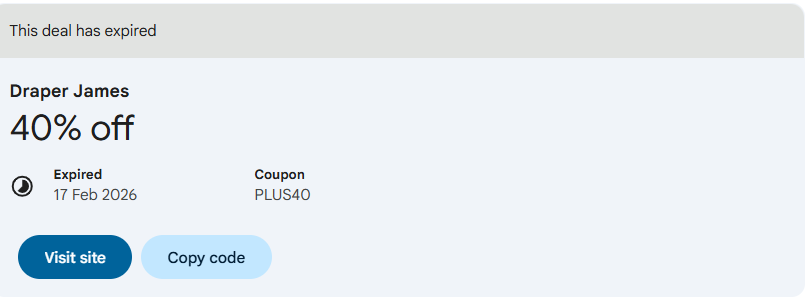
Another notable feature was Gmail’s automatic generation of "deal cards" at the top of certain emails. These cards typically extracted a single, prominent offer (e.g., a coupon code) and presented it concisely. While seemingly beneficial for quick scanning and highlighting immediate value, this automation sometimes reduced the richness of a brand’s message. For instance, emails from brands like Draper James, which invest heavily in branding and storytelling, found their carefully crafted content distilled down to a solitary coupon. While the extracted content was accurate, this streamlined presentation potentially overshadowed the additional brand value and detailed product narratives that marketers worked hard to provide. The challenge here is for brands to balance the need for clear, immediate value with the desire to convey a more comprehensive brand experience within the constraints of automated summarization.
Marketers’ Creative Responses: Navigating the New Normal
In response to these evolving inbox dynamics, email marketers demonstrated remarkable adaptability, experimenting with a range of innovative messaging tactics to maintain engagement and ensure deliverability.
Enhanced Preference Centers for Subscriber Control
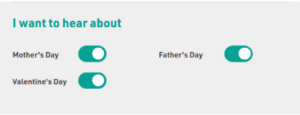
A significant trend observed was the increased sophistication of subscriber preference centers. In previous years, it was common to see one-off "Would you like to opt out of Valentine’s Day emails?" notifications. However, for Valentine’s Day 2026, brands like Buyagift showcased an advanced approach, integrating holiday-specific opt-out options directly into their comprehensive preference centers. This allows subscribers to manage their holiday email preferences on a "one-and-done" basis, giving them greater control over the types of communications they receive throughout the year. This shift signals a broader industry move towards respecting subscriber preferences more deeply, aiming to foster long-term engagement by reducing the risk of alienation due to unwanted seasonal messages. Such proactive consent management not only improves user satisfaction but also contributes positively to sender reputation.
Innovative Promotional Strategies to Cut Through Noise
Marketers also refined their promotional offers and subject line strategies:
- 14 Percent Offers: Several senders cleverly offered 14 percent discounts, a direct alignment with the date (February 14th). This subtle numerical link helped these offers stand out from the more generic 25 percent or 30 percent discounts commonly seen, creating a memorable and relevant promotional hook. This tactical use of numbers illustrates a creative approach to differentiation in a crowded promotional space.
- Countering "Doomscrolling": Recognizing that many subscribers passively scroll through their inboxes, brands like Clarins employed clever subject lines such as "stop scrolling." This direct command aimed to disrupt the typical "doomscrolling" behavior, encouraging subscribers to pause and engage with the message. Such tactics highlight an understanding of modern digital consumption habits and a proactive effort to capture attention.
- Post-Valentine’s Day "Recovery" Emails: A noticeable trend on February 15th was the proliferation of "in case you missed it" emails. These messages were primarily aimed at assisting individuals who had forgotten Valentine’s Day and were likely seeking last-minute redemption. Beyond their immediate customer service utility, these emails also signaled a potential new strategy to mitigate the impact of initial emails going unseen, possibly due to engagement-based sorting algorithms. By re-sending or following up, marketers aim to capture those who might have missed the first wave, improving overall campaign reach and potentially influencing future engagement metrics.
The Power of Creative Content: Humor and Micro-Animations
Beyond tactical adjustments, creative content played a crucial role in distinguishing campaigns:

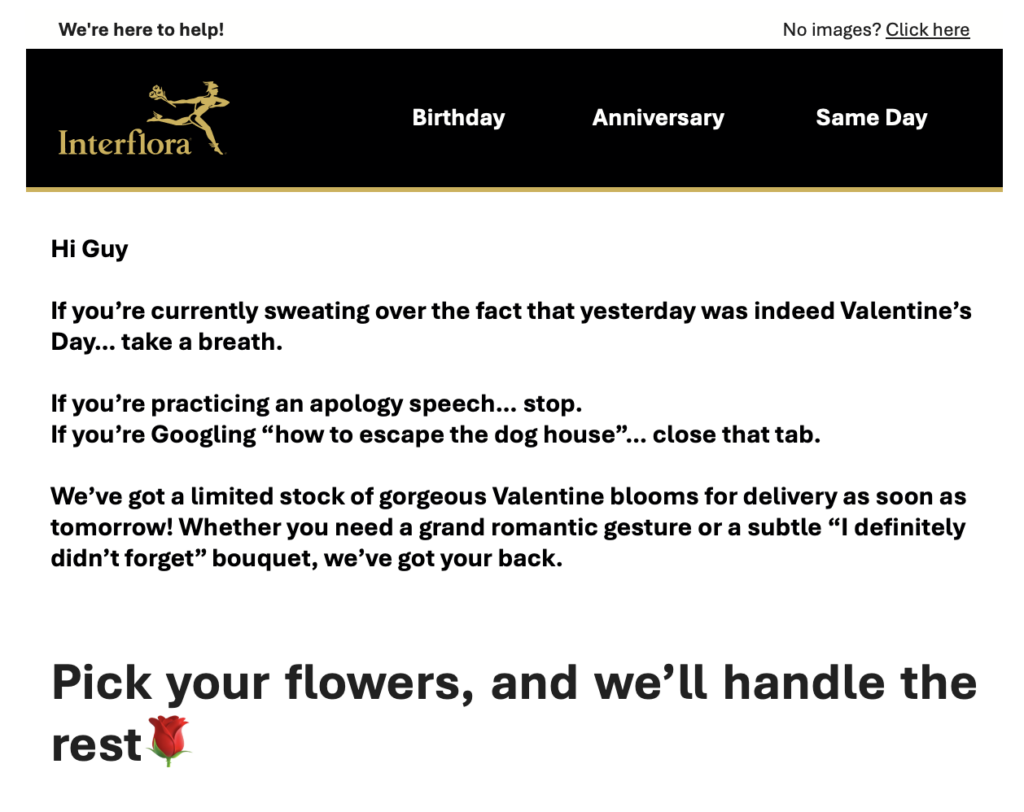
- Humor: The Valentine’s season saw excellent examples of humor being deployed to great effect. Interflora, for instance, appealed directly to partners who had forgotten the day, offering a witty path to redemption. Humor helps emails stand out in a sea of earnest promotions, fostering a more positive brand association and encouraging open rates, especially when the goal is to "row against the flow" of conventional holiday messaging.
- Micro-animations: Subtle visual cues also gained prominence. Micro-animations, typically GIFs, use gentle movement to draw attention, amplify logos, highlight calls to action, or showcase product features. Bulgari provided a stellar example with a slight shimmer over their logo, adding a touch of sparkle that subtly caught the eye. These sophisticated visual elements contribute to a richer, more engaging user experience without being overtly distracting.
The Unseen Threat: Deliverability Challenges and the Spam Folder
Despite these innovative efforts, the Valentine’s Day period also underscored the persistent challenge of email deliverability. Industry observations indicated that even some of the most meticulously crafted and strategically brilliant email campaigns ultimately failed to reach the inbox, landing instead in spam folders. This unfortunate outcome highlights that while content and strategy are vital, they are ultimately rendered ineffective if the underlying deliverability infrastructure is compromised.

The reasons for such failures are multifaceted, often stemming from issues related to sender reputation, email authentication protocols (like SPF, DKIM, DMARC), high bounce rates, or content that inadvertently triggers spam filters. Low subscriber engagement with previous emails can also negatively impact sender reputation, leading to future messages being flagged. This segment of the Valentine’s Day experience serves as a stark reminder that foundational email hygiene and a robust understanding of deliverability metrics remain non-negotiable for successful email marketing in an increasingly discerning digital environment.
Industry Reactions and Future Outlook

The Valentine’s Day 2026 email marketing cycle provided invaluable insights into the evolving dynamics between email service providers and marketers. Industry experts widely agree that Gmail’s changes represent a permanent shift towards more intelligent, user-centric inbox management, moving away from a purely chronological or sender-driven model. This necessitates a fundamental re-evaluation of email strategy, placing greater emphasis on subscriber engagement, data-driven personalization, and strict adherence to best practices for deliverability.
The "Love Letters to Email" tradition, an annual social media campaign where industry professionals express their appreciation for the enduring power and versatility of email, resonated particularly strongly this year. It underscored the community’s passion and collective commitment to navigating these changes, recognizing email’s irreplaceable role in digital communication. As one notable example from Validity’s Tom Bartel illustrated, the sentiment reflects a shared understanding that despite the challenges, email remains a vital and beloved channel.
Conclusion: Adapting to an Engagement-Driven Email Ecosystem
Valentine’s Day 2026 delivered a comprehensive lesson in modern email marketing—highlighting both the triumphs of strategic adaptation and the pitfalls of neglecting fundamental deliverability principles. The period demonstrated that success in the current email ecosystem requires more than just compelling offers; it demands a deep understanding of provider algorithms, meticulous data management, and continuous adaptation to evolving user preferences. From sophisticated preference centers to creative subject lines and visual content, marketers are being pushed to innovate and personalize their communications like never before. Amidst Gmail’s shifts and fierce competition, every email "send" now truly needs a blend of strategic planning, technical precision, and creative "love" to appeal successfully to subscribers. As the industry looks ahead, the predictions made earlier in 2026 regarding the state of email marketing are already proving remarkably prescient, reinforcing the need for agility and foresight in an ever-changing digital landscape.









