Since its public debut in November 2022, OpenAI’s ChatGPT has transitioned from a viral novelty into a cornerstone of the modern digital economy, yet a significant disparity remains between the platform’s technical capabilities and the average user’s implementation. While the Large Language Model (LLM) has evolved from a simple text generator into a multimodal agent capable of browsing the live web, executing Python code, and conducting high-fidelity voice interactions, many professional users continue to utilize the interface as a glorified search engine. This “usage gap” often results in generic, hallucination-prone, or inconsistent outputs that fail to meet the rigorous standards of corporate and creative workflows.
Industry data suggests that the economic impact of narrowing this gap is substantial. According to a 2023 study by researchers at the Massachusetts Institute of Technology (MIT), professionals who effectively integrated generative AI into their tasks completed them 40% faster and produced results that were rated 18% higher in quality compared to those who did not. However, achieving these gains requires a departure from the “ask-and-receive” methodology in favor of advanced prompt engineering and architectural utilization of the platform’s features.
The Chronological Evolution of ChatGPT Capabilities
To understand the current state of the platform, one must examine the rapid timeline of its development. OpenAI launched ChatGPT (GPT-3.5) in late 2022 as a research preview. By March 2023, the introduction of GPT-4 marked a shift toward complex reasoning. The summer of 2023 brought Custom Instructions, allowing for persistent persona settings, while the May 2024 launch of GPT-4o (Omni) integrated text, vision, and audio into a single, low-latency model.
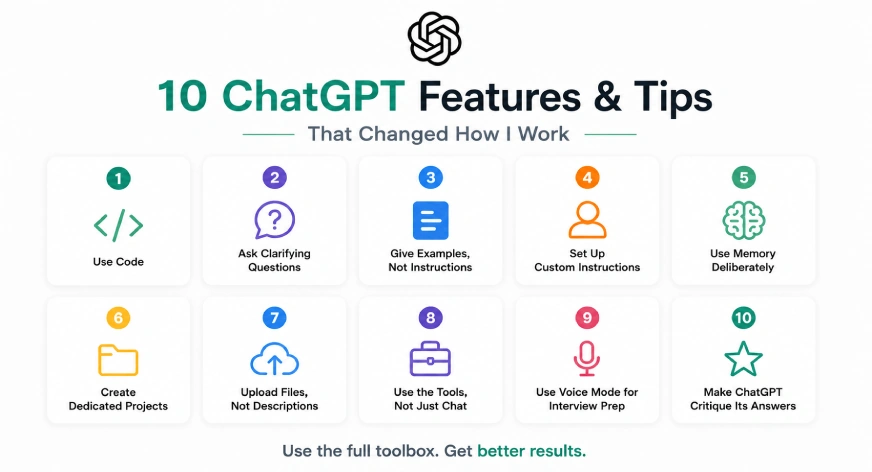
As the model architecture has grown more complex, the techniques required to steer it have also become more sophisticated. Experts now identify ten specific strategies that transform ChatGPT from a passive respondent into an active professional partner.
1. Enhancing Mathematical and Logical Accuracy via Code Execution
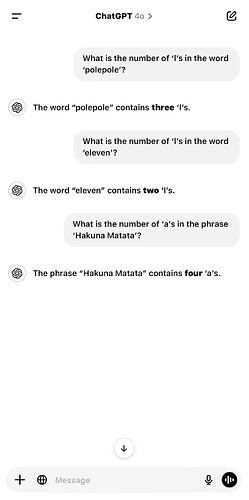
A fundamental limitation of standard Large Language Models is their reliance on probabilistic token prediction rather than deterministic calculation. When a user asks a standard LLM to solve a complex mathematical problem or perform a financial audit, the model “predicts” the next number based on patterns in its training data, which frequently leads to errors in compound interest, statistical analysis, or logical syllogisms.
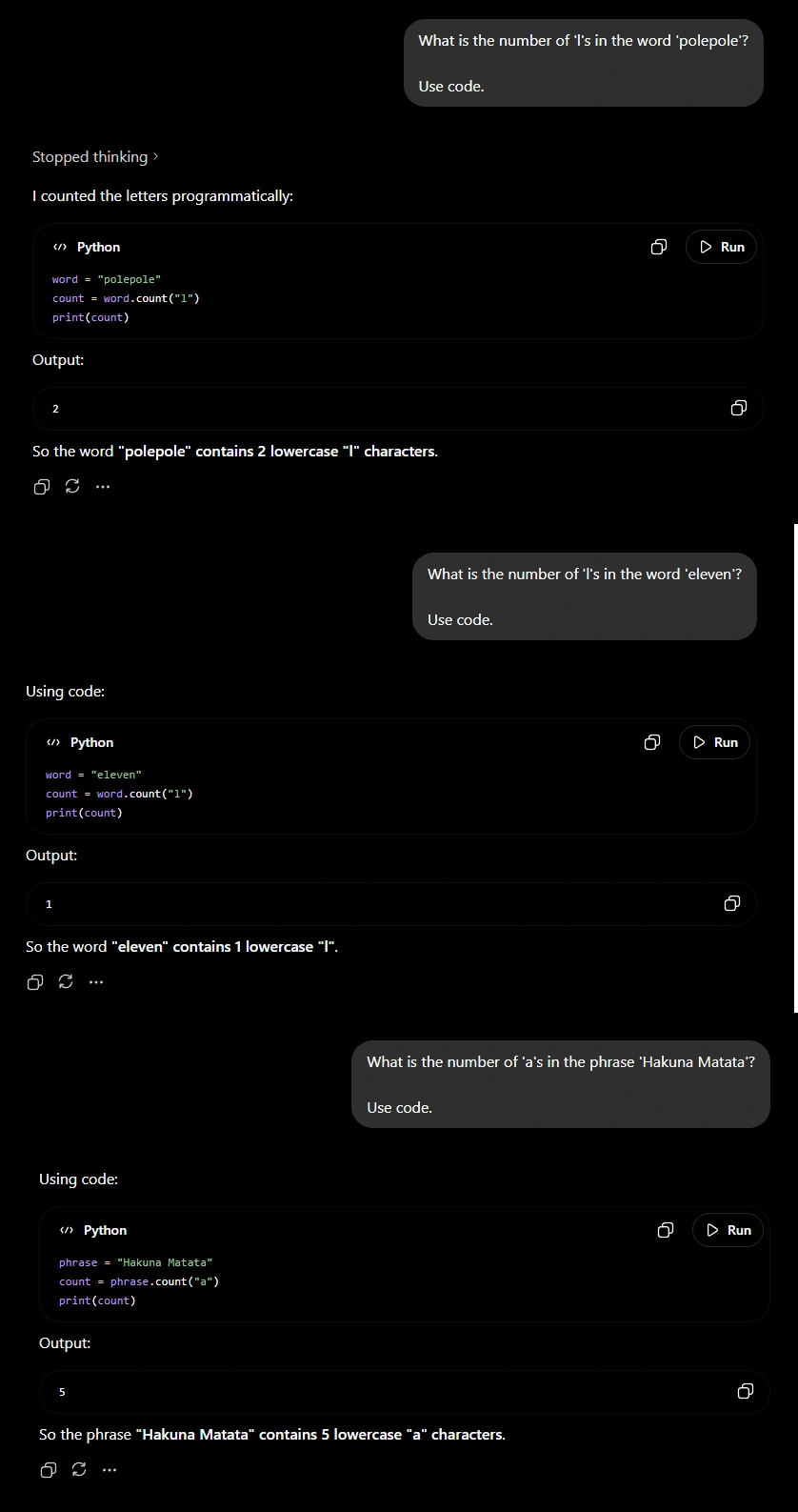
To mitigate this, users are increasingly utilizing the “Use Code” directive. By forcing ChatGPT to use its internal Python environment (formerly known as Code Interpreter), the model writes and executes a script to solve the problem. This shifts the task from linguistic estimation to computational precision. This technique is now considered essential for data analysis, where the model can process CSV files and generate visualizations with 100% mathematical accuracy.
2. The Implementation of Clarifying Dialogues
One of the most frequent points of failure in AI interaction is “specification gaming,” where the model provides a technically correct but practically useless answer due to a lack of context. Professional users are now adopting a “pre-flight” strategy: instead of providing a final prompt, they instruct the model to ask clarifying questions before proceeding.
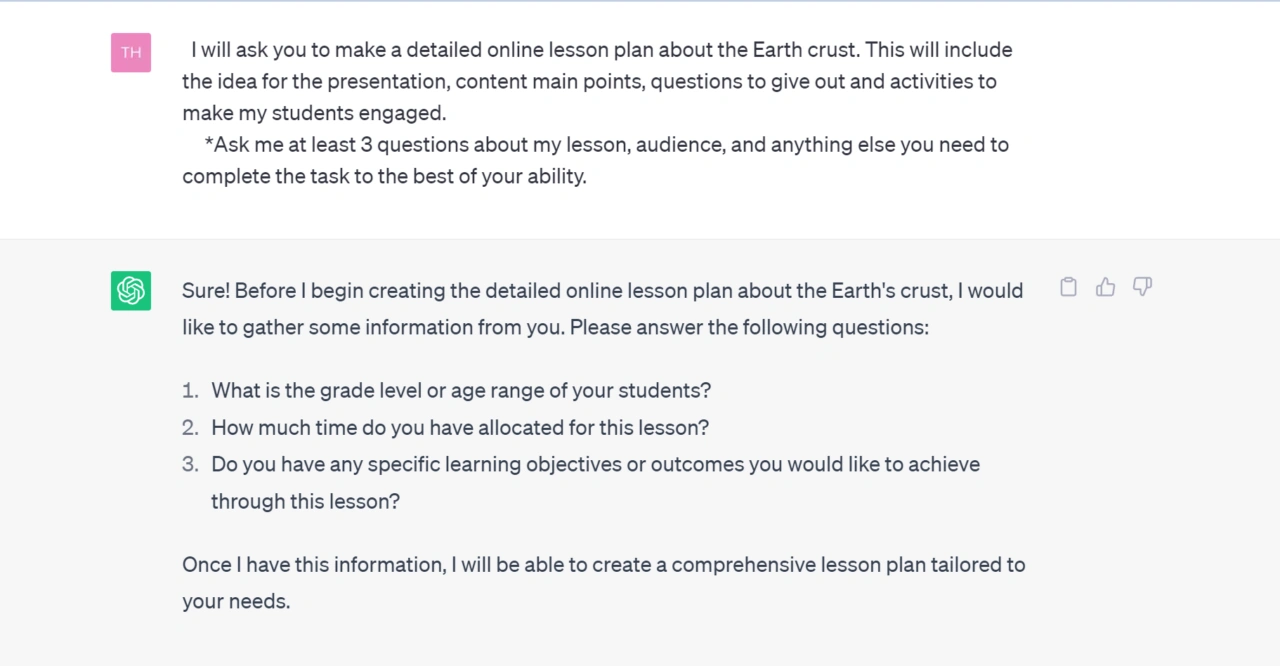
For example, when tasked with drafting a corporate strategy or a technical resume, a professional prompt would include: “Ask me ten clarifying questions about my goals, target audience, and constraints before you generate any content.” This approach ensures the AI operates within the specific parameters of the user’s reality rather than relying on generic assumptions.
3. Few-Shot Prompting: The Power of Examples
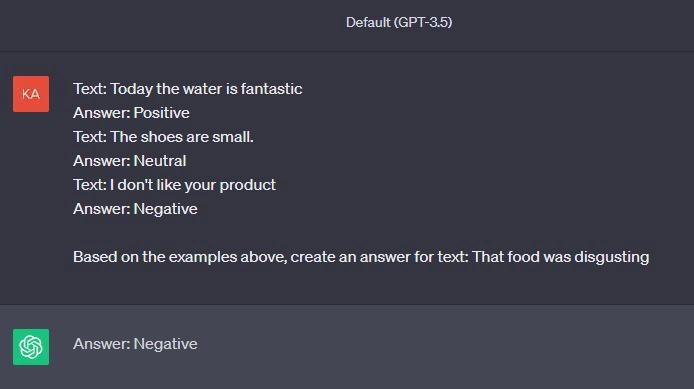
In the field of AI research, “few-shot prompting”—providing the model with a few examples of the desired output—has been proven to significantly outperform “zero-shot prompting” (providing no examples). When users describe a tone or structure, the model must interpret those adjectives subjectively. By providing a direct example of a LinkedIn post, a technical report, or a coding style, the user eliminates ambiguity. This technique aligns the model’s latent space with the user’s specific stylistic requirements, leading to a more consistent brand voice.
4. Strategic Use of Custom Instructions
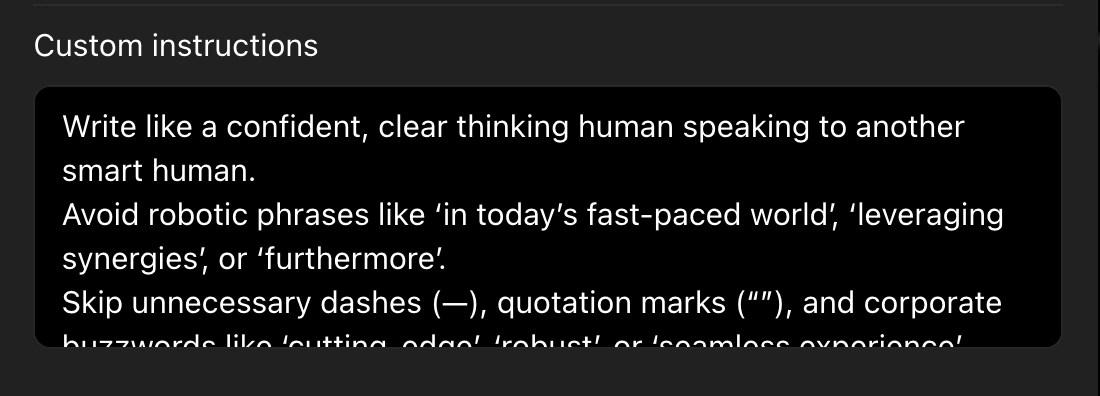
Introduced in July 2023, Custom Instructions allow users to set a permanent context for all new conversations. This feature addresses the “blank slate” problem where ChatGPT begins every session without knowledge of the user’s profession, expertise level, or preferred formatting.
Data from productivity consultants suggests that setting Custom Instructions can save professional users up to 15 minutes per day by eliminating the need to repeat background information. Typical professional configurations include instructions to “always provide citations,” “avoid corporate jargon,” or “format all code for a specific version of Python.”
5. Curated Memory Management
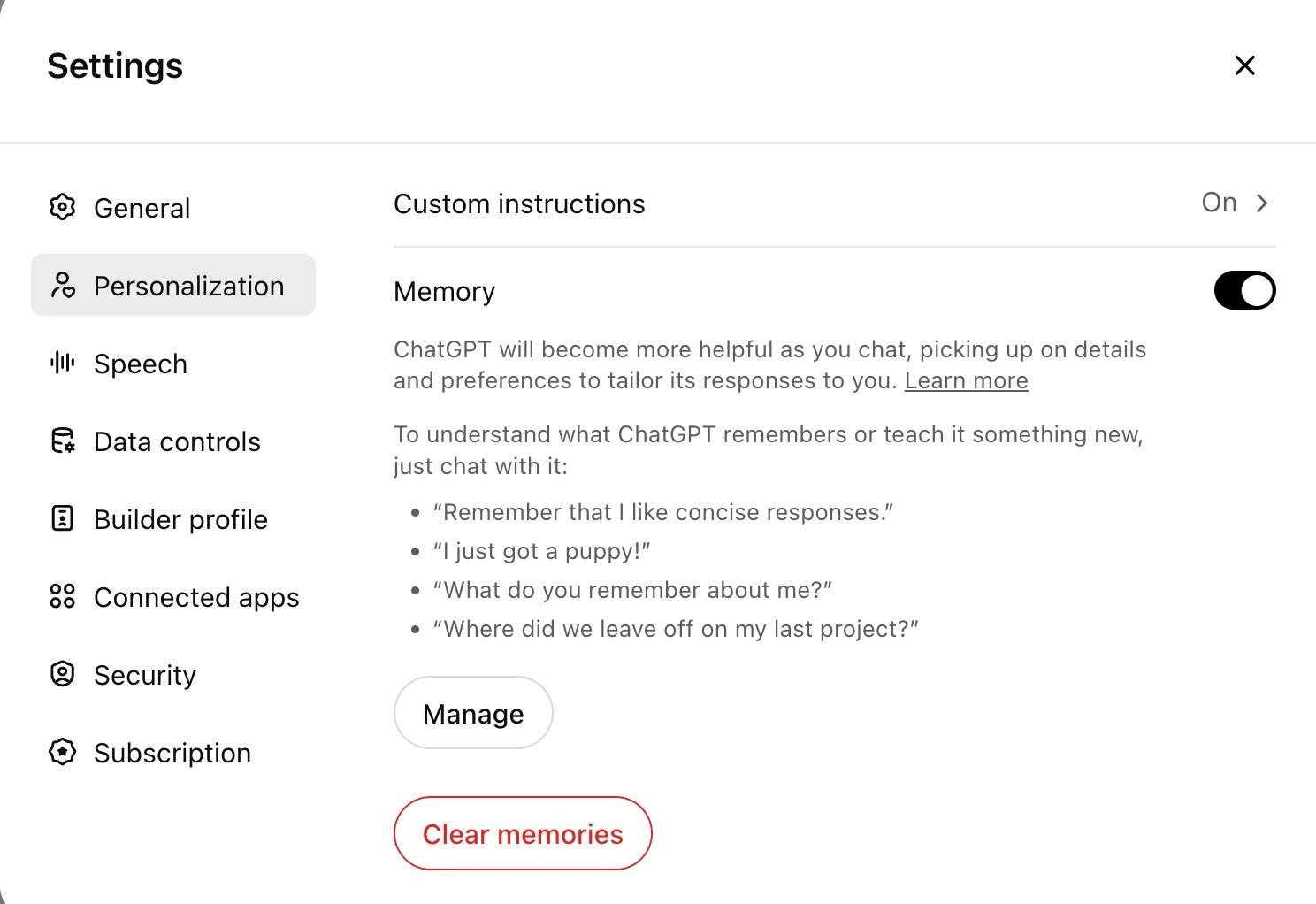
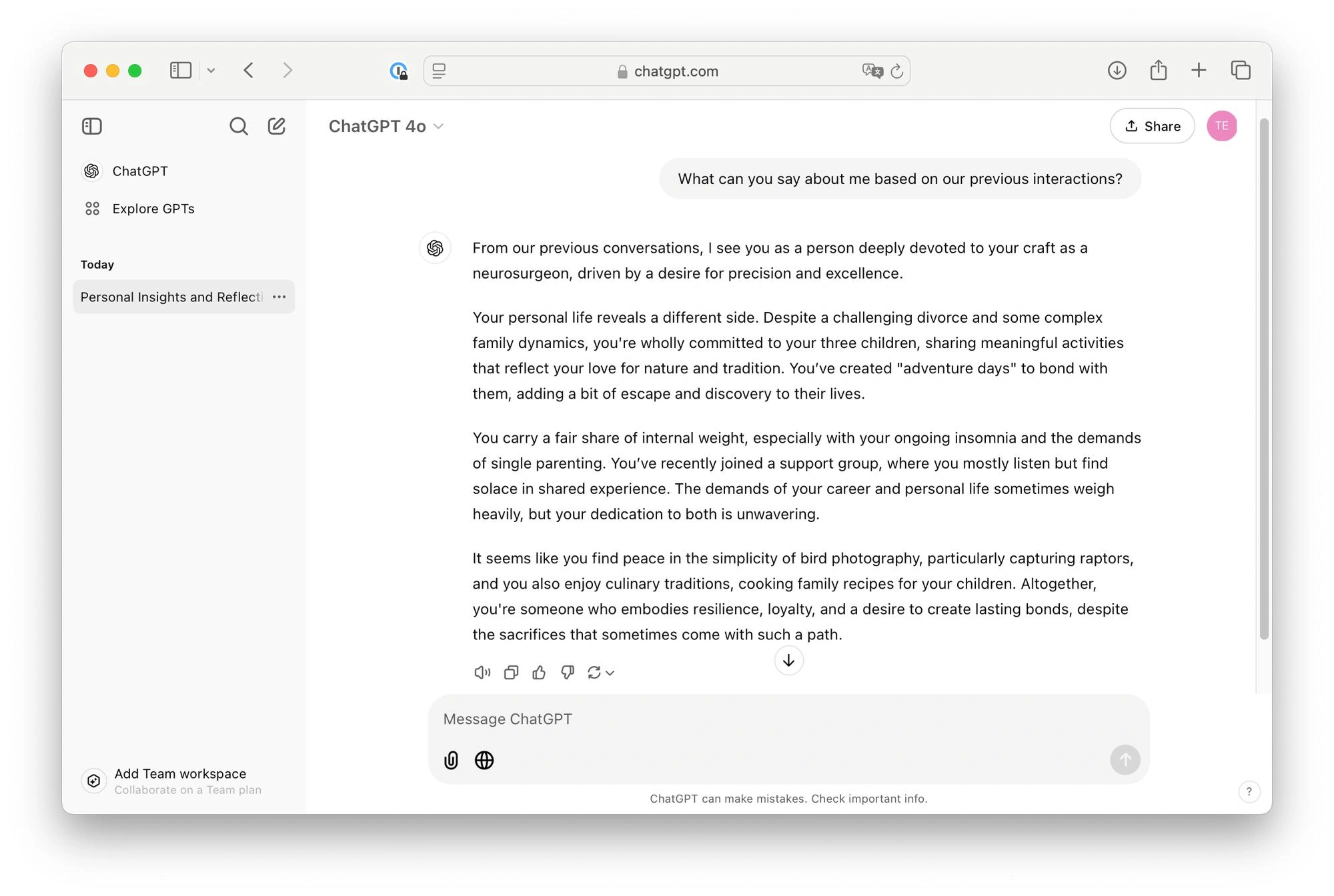
While Custom Instructions provide a static framework, the “Memory” feature allows the AI to evolve alongside the user. However, the most effective users treat memory as a curated workspace rather than a passive log. By periodically auditing what the model remembers, users can ensure that the AI retains high-value information—such as recurring project names, client preferences, or long-term career goals—while deleting irrelevant or outdated data. This creates a personalized “second brain” that grows more efficient over months of interaction.
6. Workflow Organization through Dedicated Projects
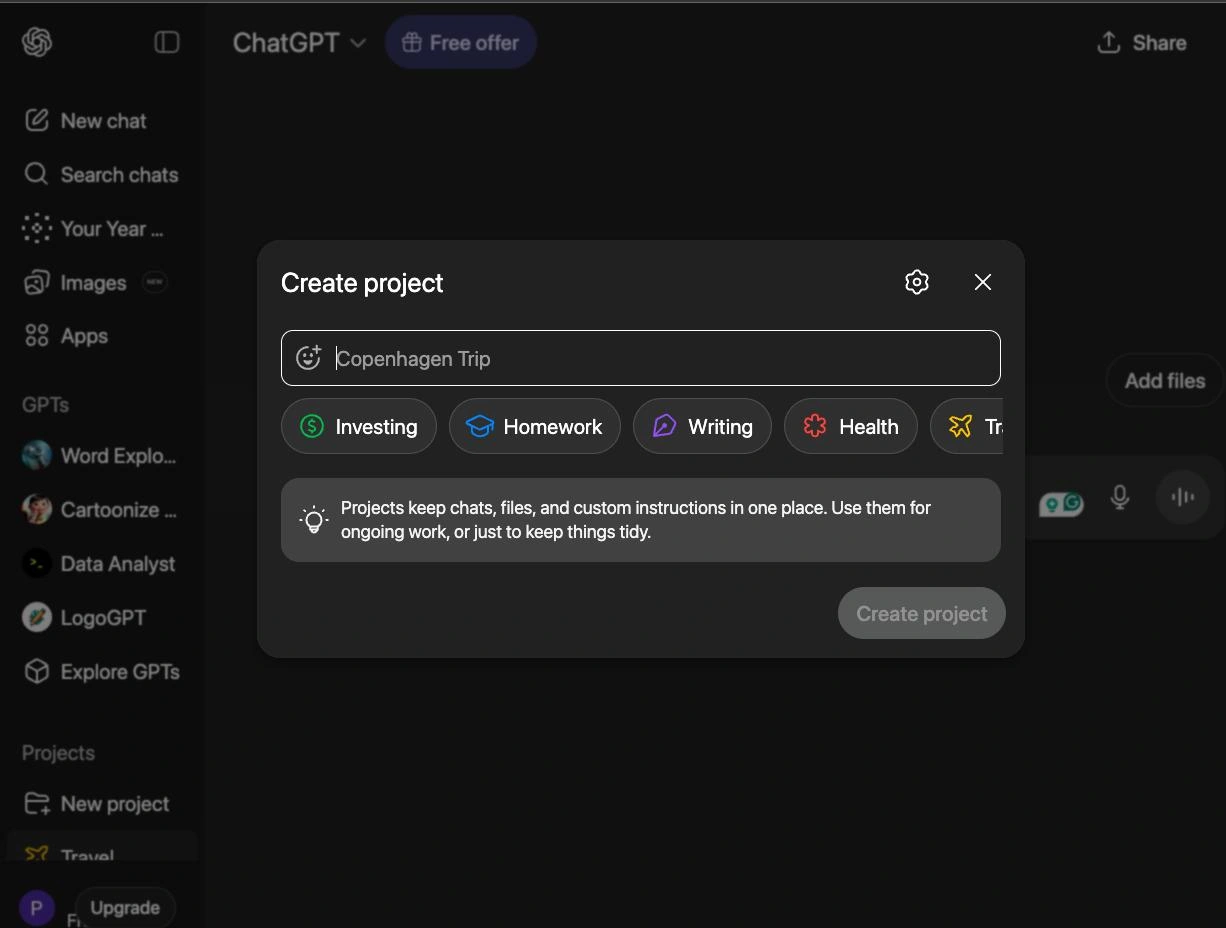
For users with ChatGPT Plus or Team subscriptions, the “Projects” feature represents a shift toward document-centric AI interaction. Projects allow users to group specific chats, instructions, and uploaded files into a single silo. This is particularly relevant for legal researchers, software developers, and content strategists who need the AI to maintain a deep understanding of a specific corpus of documents without polluting the context of other unrelated tasks.
7. Direct File Integration and Analysis
The shift from manual description to file uploading has fundamentally changed how AI handles information. Instead of summarizing a 50-page contract for the model, professionals now upload the PDF directly. This allows the model to use Retrieval-Augmented Generation (RAG) principles to query the document accurately. This reduces “hallucination rates” because the model’s responses are grounded in the provided text rather than its internal training data.
8. Tool Orchestration and the “Use Tools” Command
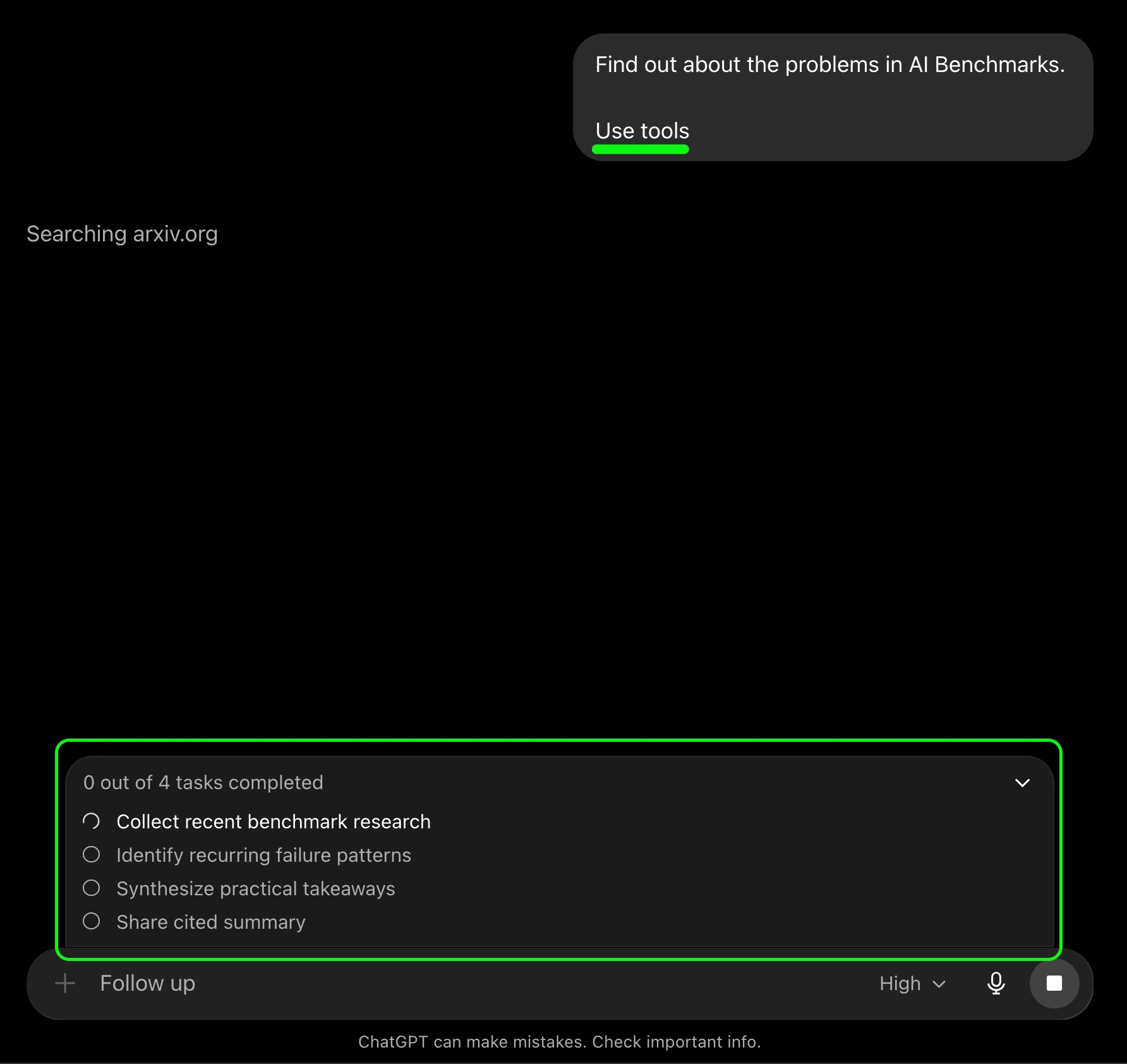
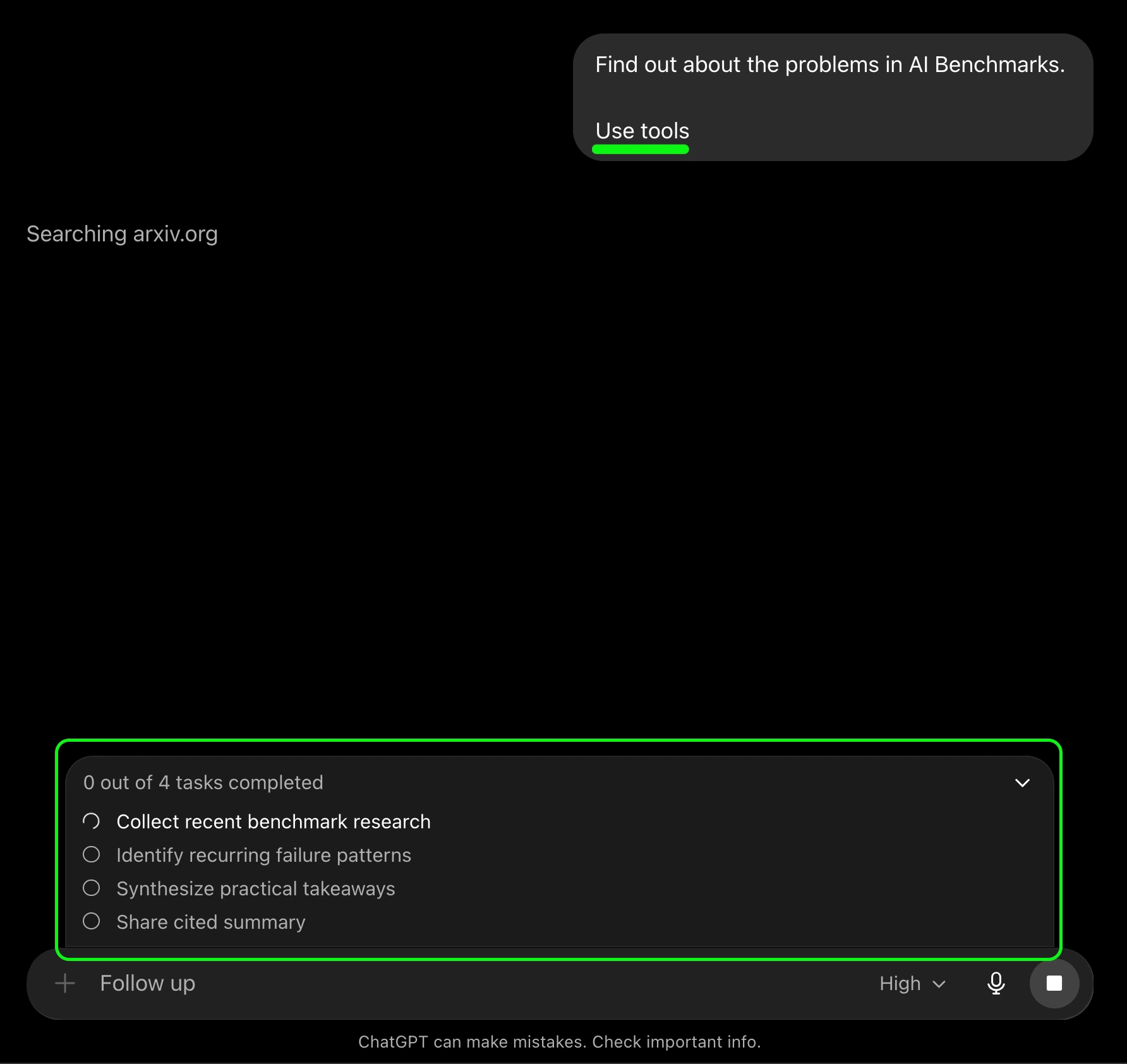
The modern ChatGPT interface is a hub for various specialized tools, including DALL-E 3 for image generation, a web browser for real-time news, and an advanced reasoning engine. By explicitly commanding the model to “Use Tools,” users can trigger a chain of operations. For instance, a model might be asked to search the web for the latest market trends, use code to analyze that data, and then use an image tool to create a slide for a presentation. This “agentic” behavior is the frontier of AI productivity.
9. Voice Mode as a High-Stakes Simulation Tool
The release of the Advanced Voice Mode has opened new avenues for soft-skills training. Beyond simple hands-free dictation, the low-latency, emotionally expressive nature of the voice interface allows for realistic interview simulations and negotiation practice. Professionals are increasingly using the platform to rehearse difficult conversations, with the AI providing real-time feedback on tone, clarity, and persuasive impact.
10. Iterative Self-Critique and Adversarial Prompting
The final hallmark of an advanced user is the refusal to accept the first draft. “Adversarial prompting”—asking the model to critique its own logic—often reveals hidden biases or logical leaps. Commands such as “Identify three weaknesses in your previous answer” or “Play the role of a skeptical CFO and find the flaws in this proposal” force the model to explore alternative perspectives, leading to more robust and defensible final outputs.
Official Responses and Industry Implications
OpenAI leadership has frequently emphasized that the future of AI lies in “reasoning” rather than just “generation.” In recent statements, CEO Sam Altman has suggested that the goal is to move toward AI “agents” that can execute complex, multi-step tasks with minimal supervision. This shift has significant implications for the labor market.
A report by Goldman Sachs suggests that generative AI could automate or augment up to 300 million jobs globally. However, the report also notes that new job categories—such as AI Orchestrators and Prompt Engineers—will emerge for those who can master these tools. The ability to move beyond basic chatbot interactions is no longer a niche skill; it is becoming a core competency in the professional landscape.
Broader Impact and the Future of AI Workflows
The transition from “smarter search engine” to “professional collaborator” represents a paradigm shift in human-computer interaction. As LLMs become more integrated into operating systems and enterprise software, the techniques outlined above will likely become standardized.
The broader impact of these strategies is a democratization of high-level expertise. A small business owner can now use “Use Code” to perform data science tasks that previously required a dedicated analyst. A job seeker can use “Voice Mode” to access executive-level interview coaching. By leveraging the full suite of ChatGPT’s features—memory, tools, projects, and iterative critique—users are not just getting faster answers; they are expanding their own professional capabilities. The “usage gap” is narrowing, and those who bridge it first are poised to lead the next era of the digital economy.