The landscape of artificial intelligence shifted significantly on August 11, 2026, with xAI’s release of the first beta version of Grok Bot, a tool designed to move beyond the limitations of traditional Large Language Models (LLMs). While previous iterations of AI focused primarily on text generation and advisory roles, Grok Bot represents a leap into "agentic AI," where the system does not merely suggest actions but executes them within a dedicated cloud computing environment. This release marks a transition from AI as a conversationalist to AI as a functional worker, capable of navigating the web, managing software repositories, and operating third-party applications with minimal human intervention. Accessible via both desktop and iOS clients, the platform provides every agent with its own customized virtual machine, effectively giving the AI the "hands" it needs to interact with the digital world.
The core philosophy behind Grok Bot is the closure of the "execution gap"—the space between an AI identifying a problem and a human engineer fixing it. In traditional workflows, an AI might identify a bug in a snippet of code, but a human must still set up a staging environment, reproduce the error, take screenshots, and document the findings in a tracking system like GitHub or Jira. Grok Bot automates this entire lifecycle. By utilizing cloud-based instances, the bot can log into applications, execute terminal commands, and deliver finished tasks to designated platforms. This functionality is predicated on three foundational concepts: skill specification, narrow triggers, and approval gates. When these elements are configured correctly, the bot operates autonomously; when neglected, the system requires constant human supervision, defeating the purpose of automation.
The economic model of Grok Bot reflects its high-resource requirements, as providing dedicated cloud compute for every agent is an expensive undertaking. Unlike the standard Grok interface, which offers a limited free tier, Grok Bot is strictly a premium service. The pricing structure is tiered to accommodate individual developers, professional teams, and enterprise-level operations. The entry point is the Cursor Pro+ plan at $60 per month, which offers the tightest usage allowance. The most common tier for individual power users is Cursor Ultra, priced at $200 per month. For organizational use, Cursor Teams Standard and Premium plans are available at $40 and $120 per seat, respectively, providing shared billing and administrative oversight. At the highest end, SuperGrok Heavy, priced at $300 per month, utilizes the Grok 4 Heavy model and parallel compute capabilities for intensive industrial tasks. xAI has also implemented a 7-day free trial, requiring a credit card upfront, with billing commencing on the eighth day. Notably, the subscription fee covers the "seat," but usage is governed by weekly token limits; exceeding these limits triggers additional fees, a move intended to manage the high costs of the underlying GPU clusters.
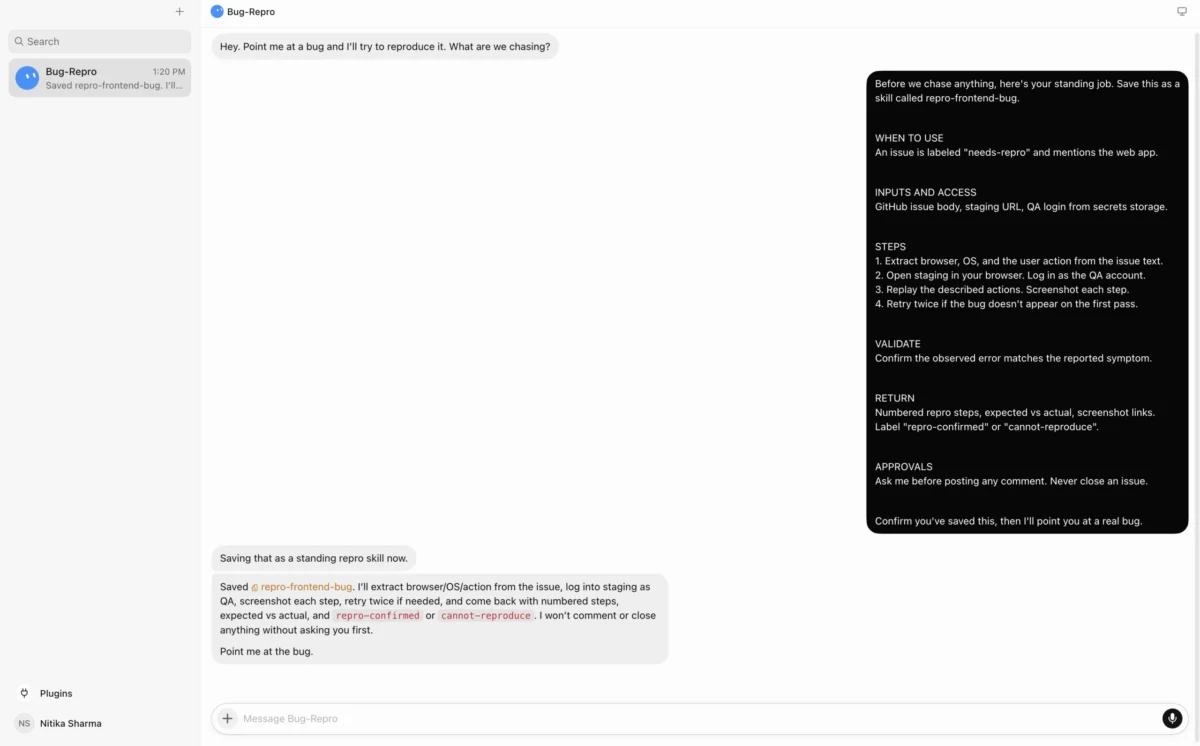
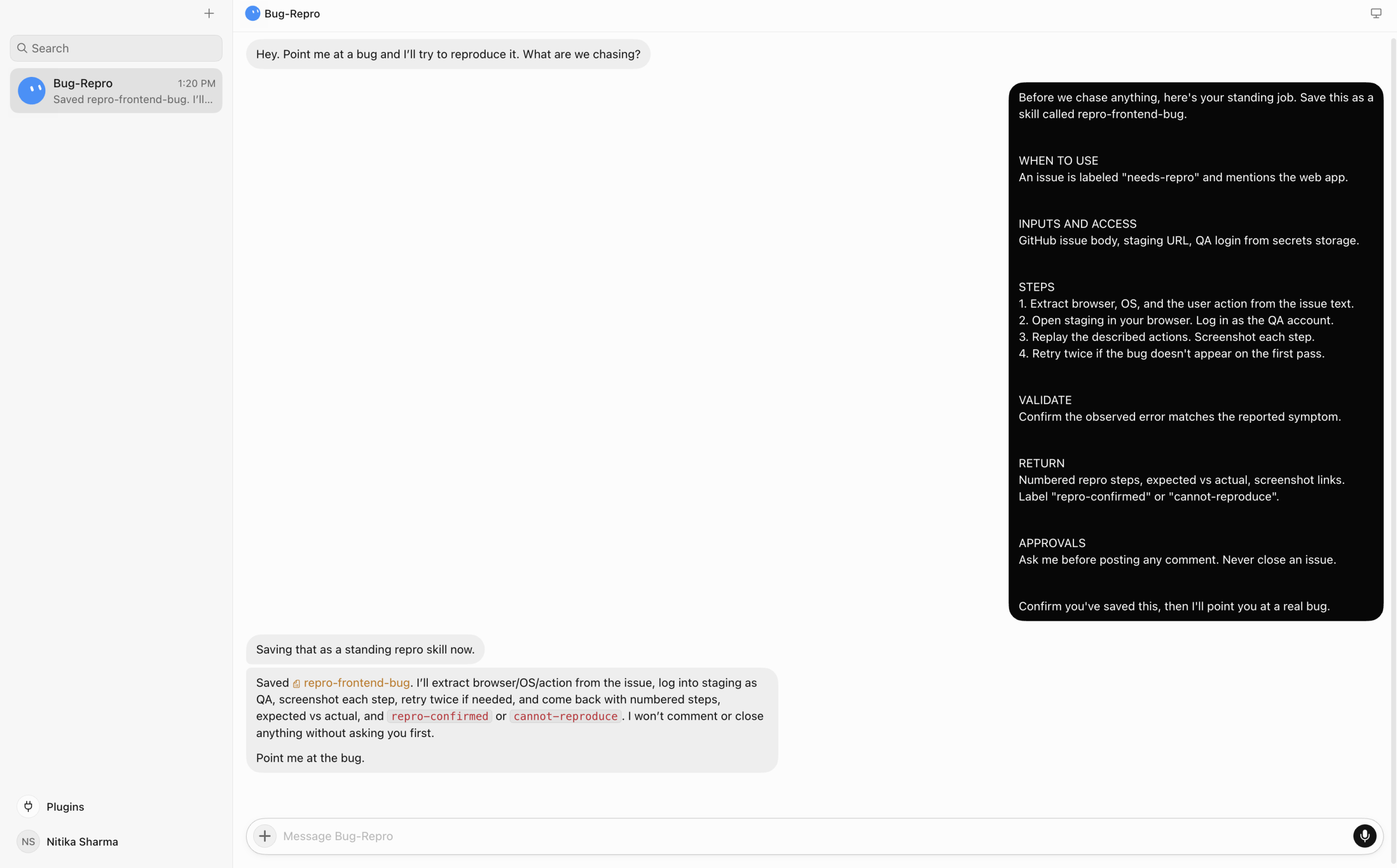
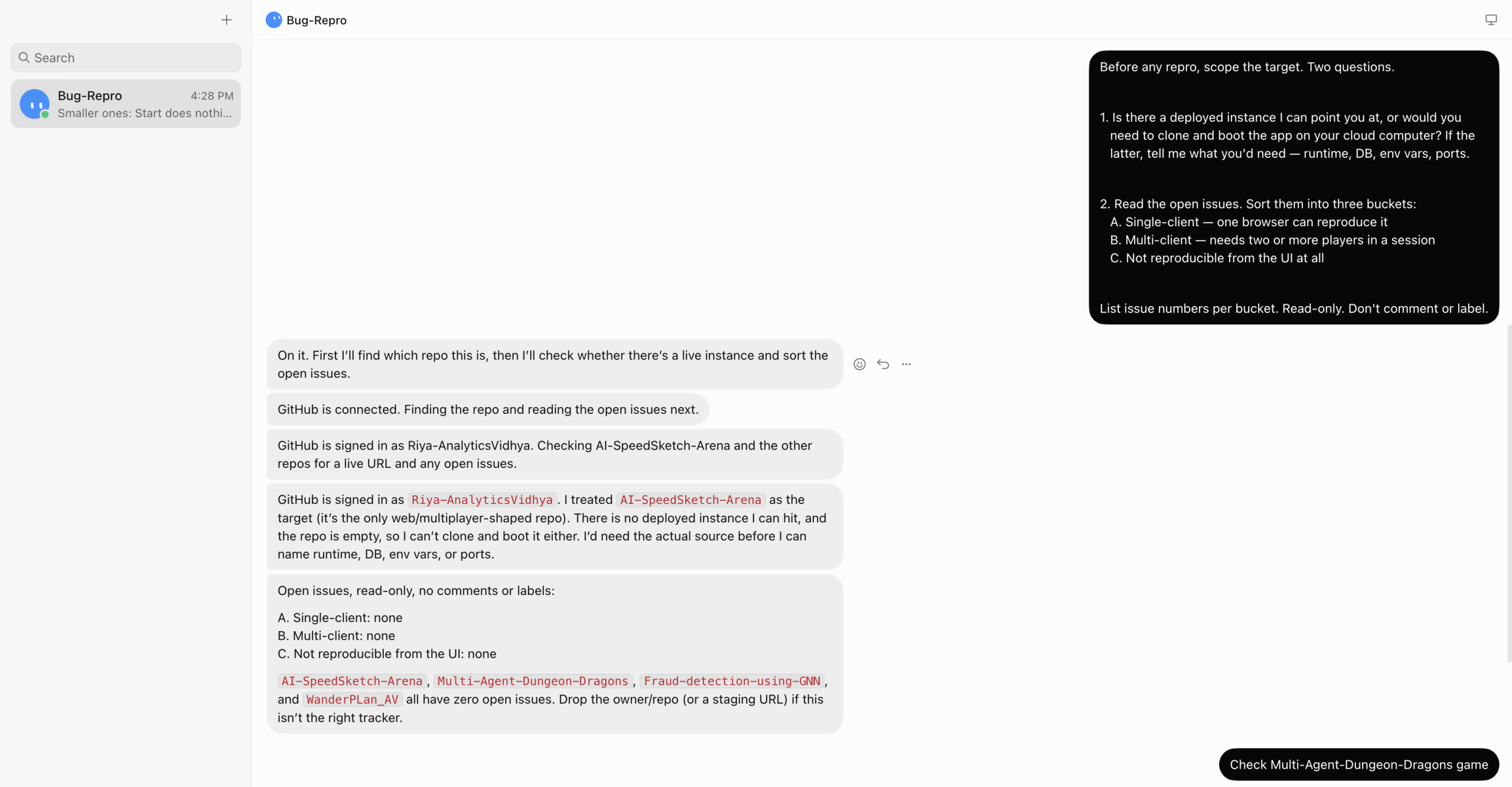
A primary use case for Grok Bot, and one that has seen significant adoption during the beta phase, is automated bug reproduction. In a standard software development cycle, reproducing reported bugs is a tedious process that consumes hours of engineering time. Developers have successfully deployed "Bug-Repro" agents that monitor bug tracking systems. When a new issue is logged, the agent initiates a protocol to reproduce the error. This is not a simple chat interaction; the agent follows a full technical specification. For example, in a recent deployment involving a multiplayer application, the Grok Bot was able to detect a live Streamlit app, identify the local boot recipe (such as "pip install -r requirements.txt"), and run the application on a specific port. In this instance, the bot went beyond simple reproduction, identifying four genuine vulnerabilities, including a critical Cross-Site Scripting (XSS) issue and several UI-related bugs. This level of autonomy demonstrates the bot’s ability to analyze source code and operate a live application simultaneously.
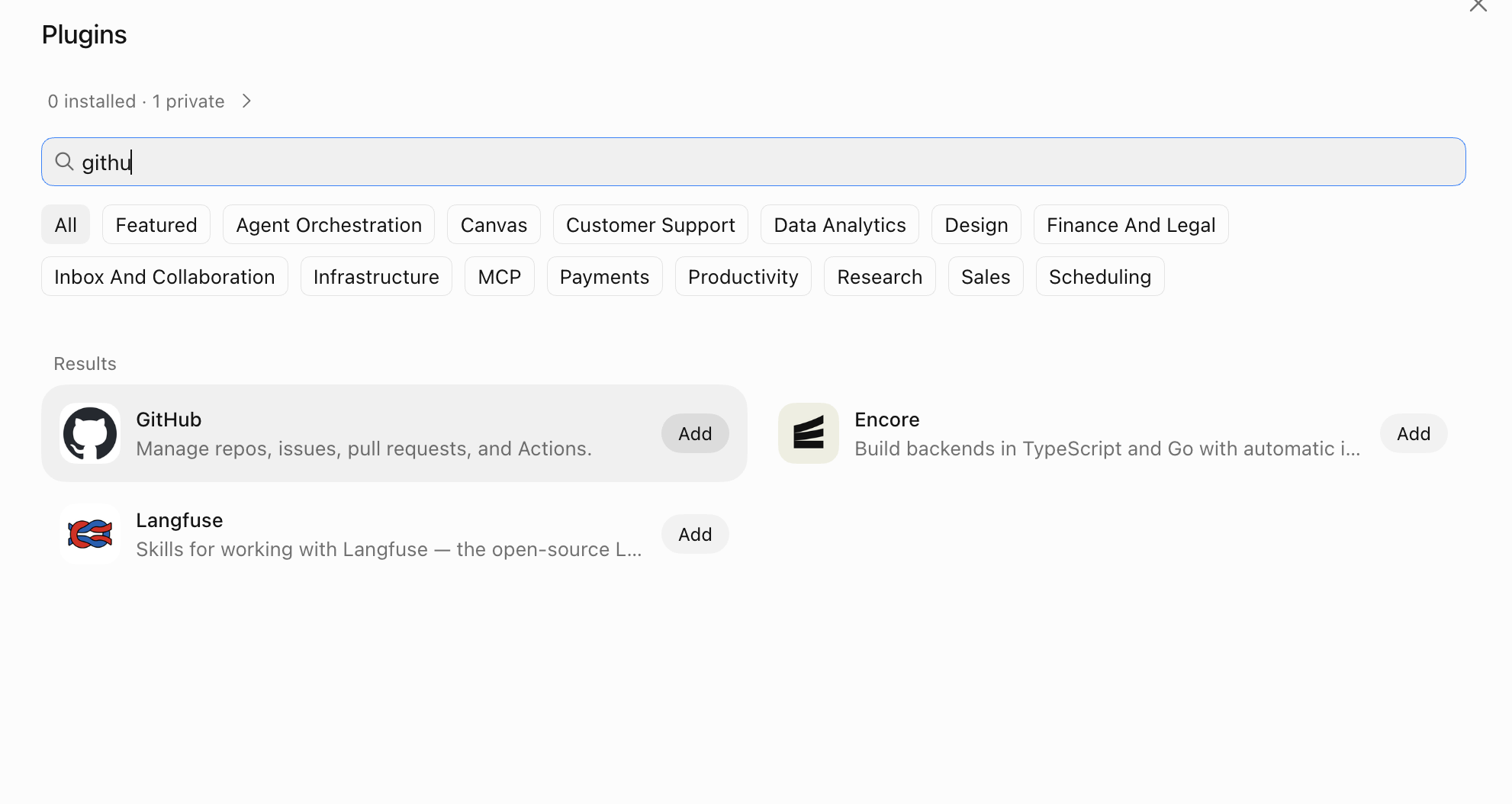
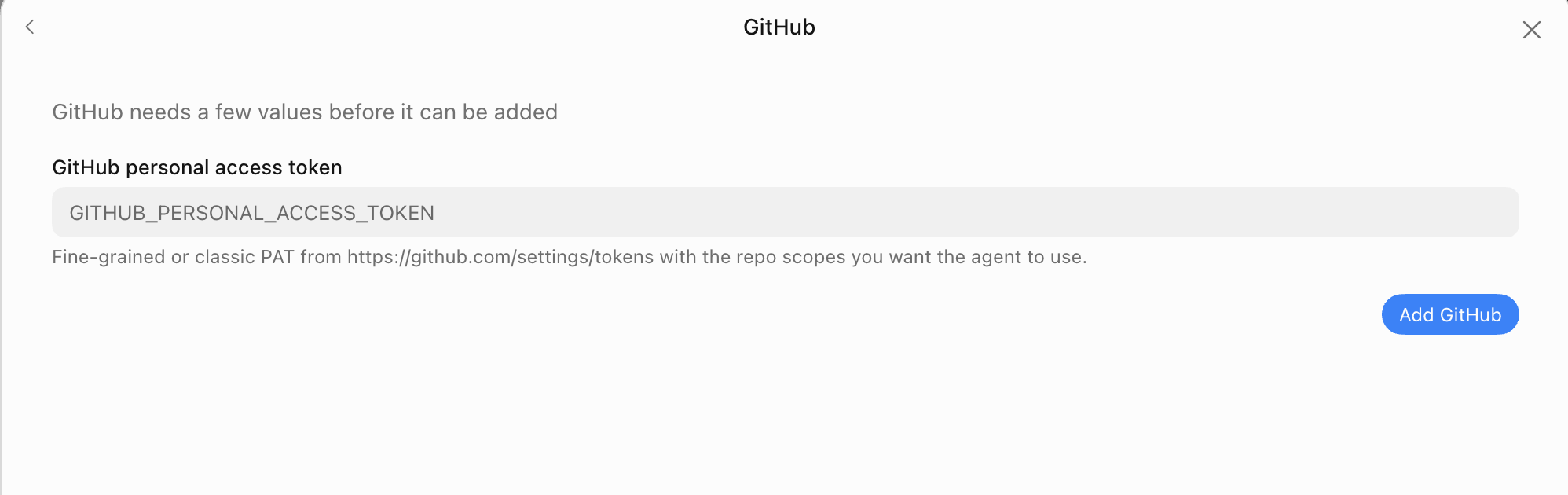
The integration of Grok Bot into existing developer ecosystems is facilitated through a robust plugin architecture. The GitHub plugin, for instance, allows the bot to interface directly with repositories. Security remains a paramount concern in this transition to autonomous agents. xAI has implemented a "secret" management system for personal access tokens, ensuring that sensitive credentials are not stored in chat logs where they might be accessible to other bots or cached on insecure cloud servers. Best practices established by early adopters suggest a "least privilege" approach: limiting repository access to specific organizations and setting permissions to "Read and Write" for issues but "Read-only" for metadata. This ensures that while the bot can document and track bugs, it cannot inadvertently alter the core codebase without explicit human authorization.
One of the most sophisticated features of the Grok Bot ecosystem is the ability for multiple agents to collaborate within a single chat group. Between two and six bots can be programmed to hand off work to one another, creating an automated assembly line. For instance, an "Account-Health Bot" might identify a customer experiencing high session failure rates following a software update. This bot can then pass the relevant data—such as timestamps and user IDs—to a "QA Bot." The QA Bot then investigates whether a known frontend issue was introduced in the latest release. Because each bot maintains its own distinct memory, the transfer of information is handled through shared files within the cloud environment. Experts recommend using structured formats like CSV files for these hand-offs, as passing long-form reports via chat can lead to a loss of technical detail and context.
The introduction of Grok Bot has not been without its challenges, and xAI has been transparent about the learning curve associated with "agentic" workflows. Common pitfalls identified during the beta include "vague prompts," where users fail to provide specific success criteria, leading the bot to wander through tasks without a clear objective. "Token exhaustion" is another frequent issue, particularly when a bot enters an infinite loop while trying to solve a complex problem. Furthermore, the reliance on web browsing means that a simple website redesign can invalidate a bot’s recorded actions, requiring the "skill specification" to be updated. To mitigate these risks, xAI emphasizes the importance of "approval gates"—manual checkpoints where a human must verify the bot’s progress before it proceeds to the next stage of a workflow.
Industry analysts view Grok Bot as a direct challenge to other autonomous agent frameworks, such as OpenAI’s "Operator" or Anthropic’s "Computer Use" capabilities. The differentiator for xAI appears to be the deep integration with the Grok 4 model and the provision of a native, persistent cloud environment. By allowing the AI to "own" a virtual machine, xAI has solved the persistence problem that plagued earlier autonomous AI attempts like AutoGPT. This has significant implications for the future of work, particularly in roles involving repetitive digital tasks. Customer success, quality assurance, and even basic data entry are prime candidates for total or partial automation via Grok Bot.
The long-term impact of Grok Bot on the software industry could be profound. By automating the "on-call" duties of engineers—such as reproducing bugs in the middle of the night—companies can significantly reduce burnout and improve deployment cycles. However, this also raises questions regarding the security of autonomous agents. If a bot is given the power to execute commands and browse the web, the potential for "prompt injection" or unauthorized data exfiltration increases. xAI’s response has been to double down on scoped permissions and human-in-the-loop requirements for high-stakes actions.
As the beta progresses, xAI plans to refine the "SuperGrok" models to handle more complex, multi-step reasoning tasks. The current recommendation for users is to start small: identify one tedious, weekly process, automate it with a single bot, and evaluate the results over a seven-day period. This incremental approach allows teams to build trust in the agent’s capabilities while identifying the specific "triggers" and "gates" necessary for their unique environment. The ultimate goal, as stated by xAI leadership, is a future where every professional has a "fleet" of specialized bots handling the mechanical aspects of their job, leaving humans to focus on high-level strategy and creative problem-solving.
In conclusion, Grok Bot represents more than just an update to a chatbot; it is a foundational shift toward functional AI. Its ability to operate cloud machines, navigate complex software repositories, and collaborate with other agents marks the beginning of a new era in enterprise automation. While the costs remain high and the technical requirements for "skill specification" are rigorous, the productivity gains reported by early adopters suggest that the "execution gap" in modern workflows is finally beginning to close. As the product moves toward a full public release, the tech industry will be watching closely to see how these autonomous agents reshape the digital economy and the nature of professional labor.
Frequently Asked Questions
Q1. What exactly is Grok Bot?
Grok Bot is an advanced AI agent developed by xAI that operates within a dedicated cloud computing environment. Unlike traditional AI chatbots, it can execute terminal commands, browse the web to complete tasks, log into applications, and manage workflows autonomously.
Q2. Is there a free version of Grok Bot available?
No. While the standard Grok chat interface has a limited free version, Grok Bot requires a paid subscription due to the high cost of providing cloud compute resources for each agent. Pricing starts at $60 per month for the entry-level plan.
Q3. How does Grok Bot handle security when accessing my GitHub or other apps?
Grok Bot uses a plugin system where users provide personal access tokens. These tokens are treated as secrets and are not stored in the chat history. xAI recommends using scoped, "least privilege" permissions to ensure the bot only has access to the specific data it needs.
Q4. Can multiple Grok Bots work together on a single project?
Yes. Users can create chat groups containing two to six bots. These bots can communicate and hand off tasks to each other by sharing files (like CSVs or logs) within their shared cloud environment.
Q5. What are the main requirements for a Grok Bot to work effectively?
To prevent the bot from requiring constant human "babysitting," users must define clear skill specifications, narrow triggers (what starts the bot), and approval gates (checkpoints where the bot asks for permission before taking a major action).