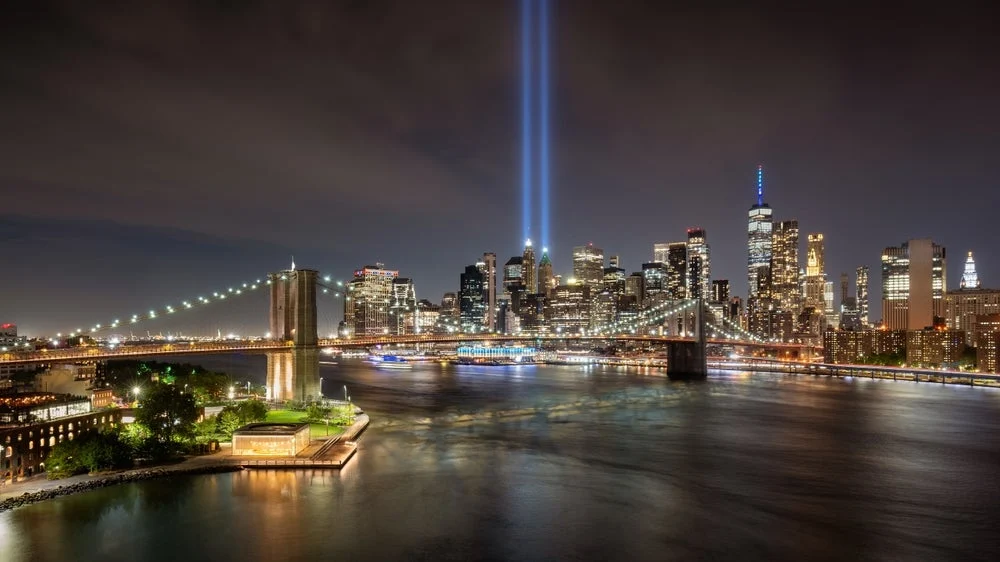
Twenty-five years have passed since the morning of September 11, 2001, a day that fundamentally restructured the global landscape of politics, security, and human connection. For the public relations and communications industry, the anniversary serves as more than a somber remembrance of loss; it marks a quarter-century since the profession faced its most grueling test. Tasked with finding clarity in chaos and words for the unspeakable, communicators on that day were thrust into the front lines of a national crisis, navigating a world where information was the only currency of comfort.
The following accounts, gathered from a diverse cross-section of the PR community, provide a comprehensive look at how that day unfolded for those responsible for the flow of information. From the heart of New York City and the corridors of the Pentagon to international hubs in Paris and Melbourne, these professionals reflect on a day that redefined the ethics and strategies of crisis management.
A Chronology of Crisis: The Morning the World Stopped
The attacks began at 8:46 a.m. EDT when American Airlines Flight 11 struck the North Tower of the World Trade Center. For many in the communications field, the day started with the mundane tasks of a Tuesday morning—press releases, media pitches, and staff meetings—before shifting into a desperate struggle for situational awareness.
Susana Leyva, then working in the Crisis Center for United Airlines, recalls the transition from confusion to the realization of an unprecedented act of war. As she watched radar screens, she witnessed the terrifying trajectory of United Flight 93. "I remember thuds and asking what that sound could be—it was people jumping from the towers," Leyva noted. Her experience highlights the visceral reality for airline communicators who had to manage the immediate aftermath of their own assets being weaponized.
In Washington, D.C., the impact was felt shortly after. Sheri Singer, founder of AXC, was driving on Route 110 when American Airlines Flight 77 struck the Pentagon at 9:37 a.m. "I had to jam on my brakes as a first responder drove over the grass to get there," she recalled. The proximity to power in the nation’s capital created a unique atmosphere of dread. Debra Silimeo, a consultant at Hager Sharp, was just two blocks from the White House, watching the gridlock on the streets below while realizing that the seat of government was a likely next target.
By 10:03 a.m., when United Flight 93 crashed in a field near Shanksville, Pennsylvania, the reality of a multi-pronged attack was undeniable. For journalists and PR professionals alike, the priority shifted from standard operations to an "all-hands" emergency response.
The Burden of Information: Crisis Communications in Real Time
In 2001, the digital infrastructure of the modern age was in its infancy. Pagers, landlines, and early-model cell phones were the primary tools of the trade. The lack of instantaneous, high-bandwidth social media meant that PR professionals were the primary gatekeepers of verified information.
Neal Gorman, working in media relations for the American Red Cross, describes the "nonstop fire hose" of raw input. Gorman was deployed to Ground Zero and the family resource centers, where he managed the delicate balance of providing updates without inciting further panic. His work involved communicating the logistics of relief—managing the "wall of teddy bears" at Pier 94 and helping grieving families navigate the bureaucracy of tragedy.
Similarly, at the Metropolitan Washington Airports Authority, Crystal Newcombe Nosal, then a solo police officer, experienced the surreal nature of driving toward the smoke of the Pentagon while the rest of the city fled. Her later transition into public affairs was informed by this "boots-on-the-ground" perspective, emphasizing that in a true crisis, the distinction between "public safety" and "public information" disappears.
Data and Industry Impact: A Shift in the Communications Paradigm
The aftermath of September 11 led to a permanent shift in how corporations and government agencies approach "disaster preparedness." Prior to 2001, many organizations viewed crisis PR as a secondary function. Post-9/11 data suggests a significant surge in the valuation of the crisis management sector.
- Aviation and Travel: The industry saw a near-total shutdown. For communicators like Sara Joseph Noyes at Weber Shandwick, the challenge was articulating the industry’s role in a world suddenly terrified of flight. The subsequent 25 years have seen a total overhaul of travel communications, focusing on security transparency and empathy.
- Media Consumption: On September 11, an estimated 80 million Americans watched news coverage simultaneously. This underscored the importance of the "expert source." Todd Sedmak, then leading media relations for American University, facilitated interviews for Islamic Studies chair Akbar Ahmed, who appeared on "Oprah" and CNN to provide much-needed cultural and political context to a confused public.
- The Rise of Internal Comms: The tragedy proved that an organization’s most important audience is its own employees. Joseph Caldwell, then a managing editor for a Manhattan-based insurer, remained in his office to code emergency intranet messages. This moment solidified "Internal Communications" as a core pillar of corporate strategy, moving it from HR-adjacent newsletters to a critical executive function.
Career-Defining Moments and the Search for Meaning
For many, the events of that day were the catalyst for career changes or a refocusing of professional values. The realization of mortality and the importance of storytelling led many to abandon traditional corporate paths in favor of advocacy and public service.
Eman Quotah, a Saudi-American communicator at Georgetown University, felt the immediate weight of the "War on Terror" and the rising tide of Islamophobia. Her career since has been dedicated to telling the stories of American Muslims and Arab Americans, using the tools of PR to combat stereotypes and foster understanding.
Others, like Laura L’Esperance, who evacuated from the 11th floor of the World Financial Center, transitioned into the nonprofit sector. After witnessing the collapse of the towers, she spent a decade leading communications for veteran-serving organizations, bridging the gap between the civilian experience of 9/11 and the military response that followed.
Lessons in Leadership: Humanity Above Strategy
A recurring theme among those who lived through the day is the importance of the "human element" in professional communication. Filomena Fanelli, who was at Rubenstein Associates working for World Trade Center lease-holder Larry Silverstein, learned that "when a crisis hits, your title doesn’t matter. Humans do."
The lessons that stuck for these professionals include:
- People-First Approach: Loretta Prencipe, then a reporter at InfoWorld, recalls her editor’s first words the day after the attack: "Everyone is accounted for." This prioritization of human life over deadlines became a hallmark of effective leadership.
- The Power of Silence: Several communicators, including Chris Goddard, noted the "eerie quiet" of the days following the attacks when the skies were empty. They learned that sometimes the most effective communication is knowing when to stop, listen, and wait rather than rushing to fill the airwaves with corporate noise.
- Audience Empathy: Meghan Holston, a student at NYU during the attacks, recalls the frustration of poor internal communications from the university regarding displaced students. Now a Chief of Staff, she lives by the motto: "Put yourself in the audience’s shoes."
Long-term Implications: 25 Years of Global Connectivity
As the world marks this 25-year milestone, the legacy of September 11 continues to influence how information is disseminated. The "Tribute to Heroes" campaign, launched by Debra Silimeo for the U.S. Fire Administration, serves as an early example of using a national tragedy to drive public safety initiatives, such as smoke alarm installation. This move from reactive to proactive, socially responsible communication is now a standard in the industry.
Furthermore, the tragedy highlighted the necessity of global perspectives. Lawrence J. Parnell, leading global PR for Ernst & Young, was in Paris on the day of the attacks. He noted the difference in international sentiment—the "edge" of sympathy in France versus the staunch support in the U.K.—reminding communicators that the same event is filtered through different cultural lenses.
Conclusion: The Enduring Role of the Storyteller
The stories of Neal Gorman, Susana Leyva, and the dozens of other PR professionals who shared their accounts illustrate a fundamental truth: communicators are the architects of the public record. In the 25 years since the towers fell, the technology of PR has changed—from pagers and fax machines to AI-driven analytics and social media—but the core mission remains the same.
The communications community continues to carry the weight of that day, using their experiences to build more resilient organizations and more compassionate public narratives. As they look back on a quarter-century of history, the lesson remains clear: in the darkest moments, the responsibility to share information clearly, calmly, and humanely is not just a job—it is a public service. Through their words and their actions, these professionals ensure that the resilience shown on September 11, 2001, is never forgotten.