admin
admin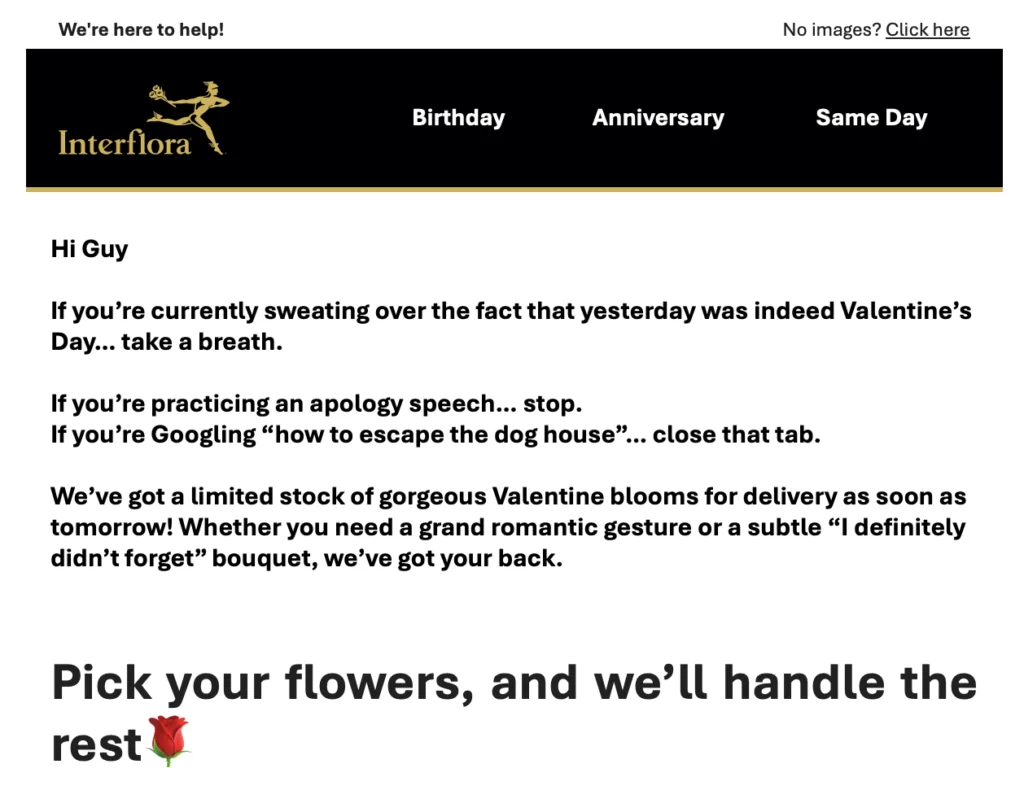
Following the intense holiday marketing sprints of Black Friday and Cyber Monday, Valentine’s Day traditionally marks the inaugural major retail event where email marketers recalibrate their strategies and re-engage with subscribers. This year, however, the landscape was profoundly altered by a series of significant updates rolled out by Gmail, transforming how promotional emails are sorted and displayed. These changes, implemented at the close of 2025 and continuing into early 2026, presented both unprecedented challenges and new avenues for innovation, making Valentine’s Day 2026 a crucial test case for the evolving dynamics of email deliverability and engagement.
The Evolving Landscape of Email Marketing and Valentine’s Day Significance
Email marketing remains a cornerstone of digital commerce, boasting an impressive return on investment that consistently outperforms many other marketing channels. Industry reports frequently cite an average ROI of $42 for every dollar spent on email, underscoring its enduring importance. For major retail events like Valentine’s Day, email campaigns are vital for driving sales, promoting special offers, and fostering customer loyalty. In 2026, consumer spending for Valentine’s Day was projected to reach significant figures, with estimates suggesting billions of dollars would be spent on gifts, experiences, and romantic gestures. Marketers, therefore, faced immense pressure to cut through the digital clutter and reach their target audience effectively.

Historically, the success of Valentine’s Day campaigns has hinged on timely delivery, compelling offers, and emotionally resonant messaging. However, the sheer volume of emails sent during peak periods often leads to inbox fatigue, and increasingly sophisticated spam filters and inbox algorithms dictate visibility. The recent Gmail updates represent a pivotal shift, moving beyond traditional spam detection to a more nuanced, engagement-centric sorting mechanism that directly impacts where an email lands and when it is seen.
Gmail’s Transformative Updates: A New Era for Inbox Management
Google’s stated objective behind the late 2025 and early 2026 updates was to enhance the user experience by delivering a more relevant and less cluttered inbox. For marketers, these changes translated into a heightened emphasis on sender reputation, engagement metrics, and precise content formatting. Valentine’s Day 2026 offered the first large-scale opportunity to observe the practical implications of these developments across a diverse range of email campaigns.
Relevance Sorting in the Promotions Tab
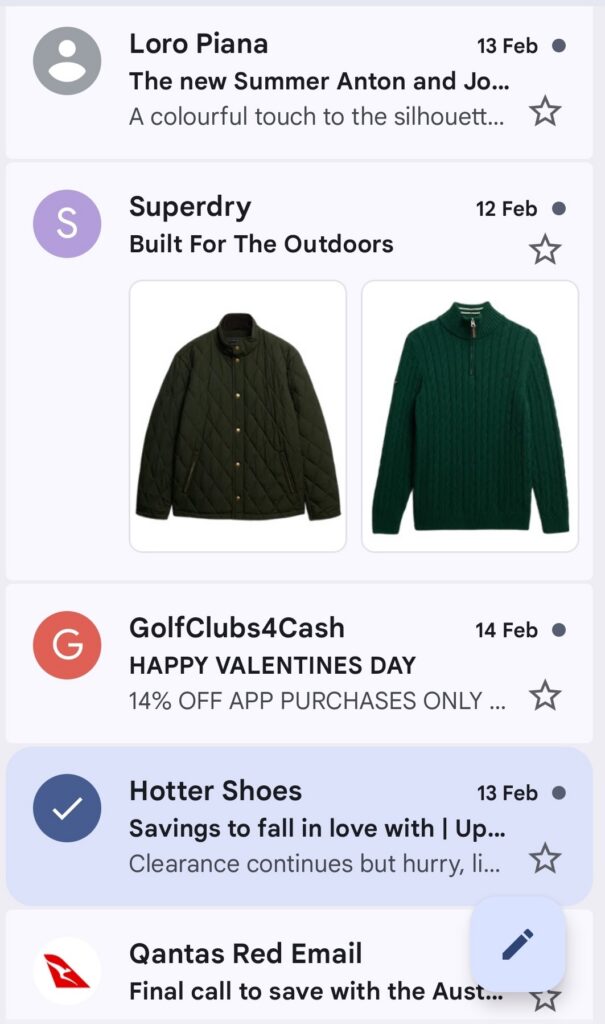
One of the most impactful changes observed was Gmail’s enhanced relevance sorting within the Promotions tab. While the Promotions tab itself has been a feature for years, its algorithmic sorting has become significantly more sophisticated. In the lead-up to and on Valentine’s Day, numerous emails specifically designed for February 14th promotions were unexpectedly overshadowed by older, seemingly less time-sensitive emails from other programs.
This phenomenon highlighted a critical challenge: Gmail’s algorithms, driven by machine learning and user engagement data, were deeming these older messages "more relevant" based on historical interaction patterns, sender reputation, or perceived long-term user interest. This prioritization meant that fresh, time-sensitive Valentine’s Day offers, crucial for impulse purchases and last-minute gift-giving, were relegated to lower positions in the inbox. For many senders, this resulted in a struggle to capture subscriber attention at the precise moment their offers were most pertinent, potentially leading to missed sales opportunities and reduced campaign effectiveness. The implication is clear: marketers can no longer rely solely on the timeliness of their send; the perceived relevance by Gmail’s AI is now an equally, if not more, dominant factor.
The Double-Edged Sword of Gmail Annotations
Gmail annotations, designed to make promotional emails more visually appealing and informative directly within the inbox list view, also presented unforeseen consequences. These annotations allow marketers to highlight key details like discounts, expiration dates, and images without the user opening the email. While beneficial when implemented correctly, the Valentine’s Day campaigns revealed a significant flaw: many annotated offers were displayed to users after their expiration dates.

This issue arose when marketers failed to accurately utilize or update the availabilityEnds parameter within their annotation code. Brands such as Interflora and Snapfish, which offered time-sensitive deals, could have leveraged this parameter to prevent expired offers from being showcased, thereby avoiding consumer frustration and preserving brand credibility. The continued display of expired deals not only wasted valuable inbox real estate but also risked alienating subscribers who might perceive the brand as disorganized or misleading. This highlights the critical need for meticulous technical execution alongside creative content.
Deal Cards: Streamlining or Diluting Brand Message?
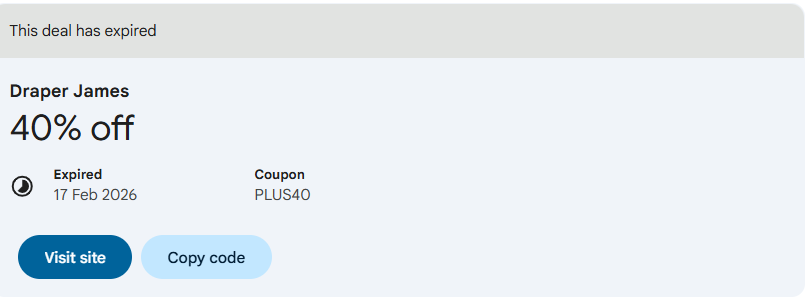
Another notable feature in Gmail’s updated Promotions tab was the automatic generation of "deal cards." These compact summaries, often inserted at the top of an email, extract key promotional information like coupon codes or discount percentages. While ostensibly designed for user convenience, Valentine’s Day examples demonstrated that these deal cards, though accurate, frequently reduced the entire email’s message to a single data point—the coupon.
For brands like Draper James, which invest heavily in crafting aesthetically pleasing emails rich with brand storytelling, product imagery, and additional value propositions, these automatically generated deal cards could inadvertently diminish their efforts. By front-loading a singular discount, the nuanced brand experience and the broader narrative intended by the marketer were often overshadowed. This raises questions about how brands can maintain their unique voice and value proposition when platforms automatically distill their communications into standardized, transactional snippets. It forces marketers to consider whether the immediate visibility of a deal card outweighs the potential loss of a holistic brand interaction.

Strategic Adaptations: Marketers’ Innovative Approaches to Engagement
Despite the algorithmic shifts, email marketers demonstrated remarkable agility, experimenting with innovative tactics to reach subscribers’ hearts and inboxes. The Valentine’s Day period showcased several messaging trends that garnered positive attention and engagement.
Enhanced Preference Centers: Respecting Subscriber Choices
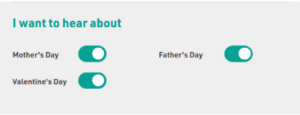
A significant shift was observed in how brands managed holiday-specific opt-outs. In previous years, it was common to see "Would you like to opt out of Valentine’s Day emails?" notifications sent as individual messages. While well-intentioned, this approach could still contribute to inbox clutter for those who wished to opt out. This year, there was a noticeable move towards integrating these seasonal preferences into comprehensive preference centers.

Brands like Buyagift exemplified this best practice, allowing subscribers to manage their holiday email preferences on a "one and done" basis. By offering granular control over which holiday promotions a subscriber receives, marketers not only reduce the risk of alienating those uninterested in a particular event but also empower users, fostering a stronger sense of trust and control. This proactive approach to subscriber segmentation is crucial for maintaining high engagement and preventing unsubscribes, especially as inbox algorithms increasingly penalize low engagement.
Creative Discounting: The Power of 14% Offers
To stand out in a sea of generic discounts, several senders creatively aligned their promotions with the date itself. Offers of "14 percent off" were a recurring theme, a subtle yet effective tactic. While not as high as the more common 25% or 30% discounts, the symbolic alignment with February 14th lent these offers a unique appeal.
This approach tapped into psychological marketing principles, leveraging novelty and contextual relevance to make the discount feel more special and memorable. In a competitive environment where every percentage point matters, such creative differentiation can draw attention and encourage clicks, demonstrating that sometimes, the presentation of a discount is as important as its magnitude.
Engaging Subject Lines: Combating ‘Doomscrolling’
The phenomenon of "doomscrolling"—mindlessly swiping through digital content—extends to email inboxes. Marketers are increasingly aware that a captivating subject line is the first, and often only, chance to break through this habitual behavior. Clarins provided a standout example with their clever subject line, "stop scrolling."
This direct, imperative call to action immediately grabbed attention, directly countering the passive consumption of content. Such subject lines, often incorporating humor, urgency, or direct address, are vital for encouraging subscribers to pause, open the email, and engage with the content within. They represent a strategic evolution from purely descriptive subject lines to those designed to provoke a psychological response.
Post-Holiday Recovery: The ‘In Case You Missed It’ Strategy
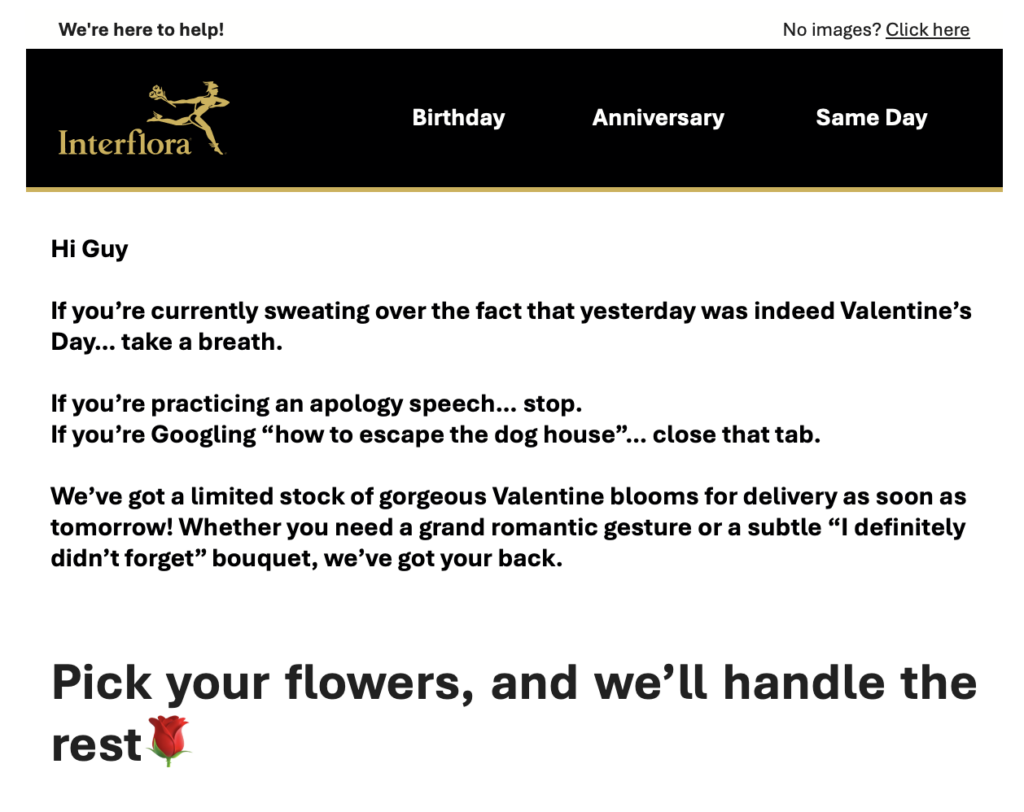
On February 15th, a new trend emerged: a surge of "In case you missed it" emails. These messages primarily targeted individuals who might have forgotten Valentine’s Day, offering them a chance to redeem themselves and salvage relationships with last-minute gifts. While humorously acknowledging a common oversight, this trend also signals a more strategic shift.
It suggests that senders are adopting a tactic to mitigate the impact of emails going unseen on the primary holiday, possibly due to engagement-based sorting or sheer inbox volume. By re-sending or following up with a slightly altered message, marketers aim to capture a segment of their audience that may have genuinely missed the initial communication, effectively extending the promotional window and maximizing potential sales. This strategy underscores the growing importance of multi-touch campaigns and adaptive scheduling in the age of intelligent inboxes.
Humor and Emotional Connection: Standing Out in a Crowded Inbox
In a holiday often saturated with saccharine sentimentality, humor proved to be a powerful differentiator. Several campaigns, like Interflora’s witty example aimed at forgetful partners, successfully leveraged humor to create memorable and shareable content. By appealing to the relatable predicament of a forgotten Valentine’s Day and offering a solution, these emails not only stood out but also fostered a stronger emotional connection with the audience. Humor, when used appropriately, can cut through the noise, make a brand more approachable, and significantly enhance engagement, especially when the goal is to "row against the flow" of conventional holiday messaging.

Micro-Animations: Subtle Engagement Boosters
Visual engagement continues to be paramount, and micro-animations emerged as a sophisticated tool for capturing attention without being overly intrusive. These subtle GIFs, characterized by slight movements, are used to amplify logos, draw focus to Calls-to-Action (CTAs), or highlight product features.
Bulgari’s Valentine’s Day email, featuring a delicate shimmer over their logo, served as an excellent example. This understated animation added a touch of sparkle and luxury, effectively catching the subscriber’s eye without demanding excessive processing power or distracting from the core message. Micro-animations represent a refined approach to dynamic content, proving that even minor visual enhancements can significantly boost engagement and brand recall.
The Pitfalls: When Love Letters Land in Spam

Despite the creative efforts, not all Valentine’s Day campaigns found their way into the coveted inbox. Even meticulously crafted messages are ineffective if they land in the spam folder. While specific reasons for individual campaigns ending up in spam were not detailed, common culprits in the email marketing world include:
- Low Sender Reputation: Poor historical engagement, high bounce rates, or past spam complaints can severely damage a sender’s reputation, leading to stricter filtering.
- Irrelevant Content: If Gmail’s algorithms determine an email’s content is irrelevant to the recipient based on past behavior, it may be flagged.
- Lack of Authentication: Proper email authentication (SPF, DKIM, DMARC) is non-negotiable for establishing sender legitimacy.
- Excessive Promotional Language: Overuse of sales-y terms, exclamation points, or all-caps can trigger spam filters.
- Poor List Hygiene: Sending to inactive or invalid email addresses signals low engagement and can negatively impact deliverability.
- Technical Errors: Broken links, image loading issues, or improper HTML can also contribute to emails being flagged.
The Gmail updates, with their increased emphasis on user experience and relevance, amplify the importance of maintaining impeccable sender hygiene and delivering genuinely valuable content to avoid the dreaded spam folder.
Industry Reactions and Future Outlook
The email marketing community reacted to Gmail’s changes with a mix of apprehension and adaptation. Industry analysts quickly pointed out that these updates underscore a broader trend: the shift from a purely volume-based approach to a quality- and engagement-focused strategy. Email deliverability consultants universally advised marketers to double down on personalization, segmentation, and monitoring their sender reputation more diligently than ever before.

"The days of spray-and-pray email marketing are truly over," remarked one inferred email marketing strategist. "Gmail is pushing marketers to be more thoughtful, more respectful of the inbox, and ultimately, more valuable to their subscribers. Those who embrace this challenge will thrive; those who don’t will simply be filtered out."
Google’s own statements in late 2025 regarding these updates consistently highlighted user experience as the paramount concern, suggesting that future iterations of their inbox algorithms will continue to prioritize relevance and engagement. This implies a continuous need for marketers to adapt, test, and refine their strategies.
Love Letters to Email: A Community’s Enduring Affection
Amidst the technical challenges and strategic shifts, the annual "Love Letters to Email" tradition on LinkedIn served as a heartwarming reminder of the enduring affection and appreciation within the email marketing community for their chosen medium. These heartfelt testimonials, like the one from Validity’s Tom Bartel, celebrate email’s power to connect, inform, and drive commerce, even in the face of evolving digital landscapes. They highlight the passion and dedication that underpin successful email campaigns, recognizing email not just as a tool, but as a vital conduit for communication.
Every Send Needs a Little Bit of Love!
Valentine’s Day 2026 was a microcosm of the dynamic forces at play in the digital marketing realm. It presented a complex narrative of algorithmic challenges, innovative adaptations, and the timeless pursuit of subscriber engagement. From the frustrations of relevance sorting and annotation glitches to the triumphs of creative messaging and micro-animations, the holiday underscored a singular truth: in an increasingly competitive and algorithmically governed inbox, every email send needs a thoughtful, strategic "little bit of love" to appeal to subscribers and ensure its intended delivery. As email marketing continues to evolve, staying ahead of platform changes and consistently delivering value will be paramount for sustained success. Marketers are encouraged to review their 2026 predictions and insights to stay informed on emerging trends and best practices.