In the competitive landscape of modern public relations, the quest for truly impactful campaign ideas remains a significant challenge for professionals. Developing high-quality concepts, allocating sufficient time for their creation, and confidently asserting their potential for success demands both strategic insight and courage. However, a meticulously researched, two-step process, heavily reliant on content analysis tools like BuzzSumo and informed by successful past campaigns, can substantially elevate the probability of a PR initiative achieving its objectives, yielding valuable media coverage, crucial backlinks, and robust social engagement.
The Foundational Principle: Data-Driven Ideation in PR
The inherent risk in launching a PR campaign without a solid evidentiary basis can lead to wasted resources and missed opportunities. The digital age, however, offers sophisticated tools that transform speculative ideation into a data-informed strategy. By understanding the prevailing content trends and emotional triggers within a target audience, PR professionals can move beyond guesswork, significantly increasing their chances of securing favorable media attention and fostering genuine audience interaction. This systematic approach not only streamlines the creative process but also provides a compelling rationale for proposed campaigns, simplifying internal approvals and client presentations. The methodology champions a proactive, analytical stance, ensuring that creative endeavors are anchored in demonstrable audience interest and media appetite.
Step 1: Decoding Content Themes and Emotional Resonance
The initial phase of this robust campaign development process centers on an in-depth exploration of content themes and the emotional responses they elicit. Before any concrete campaign idea takes shape, PR strategists must identify themes that consistently dominate discussions and generate high levels of sharing and linking across relevant digital platforms. The primary key performance indicators (KPIs) for this stage are securing media coverage and high-quality backlinks, with social engagement serving as a crucial secondary metric indicating broader public interest and virality potential.
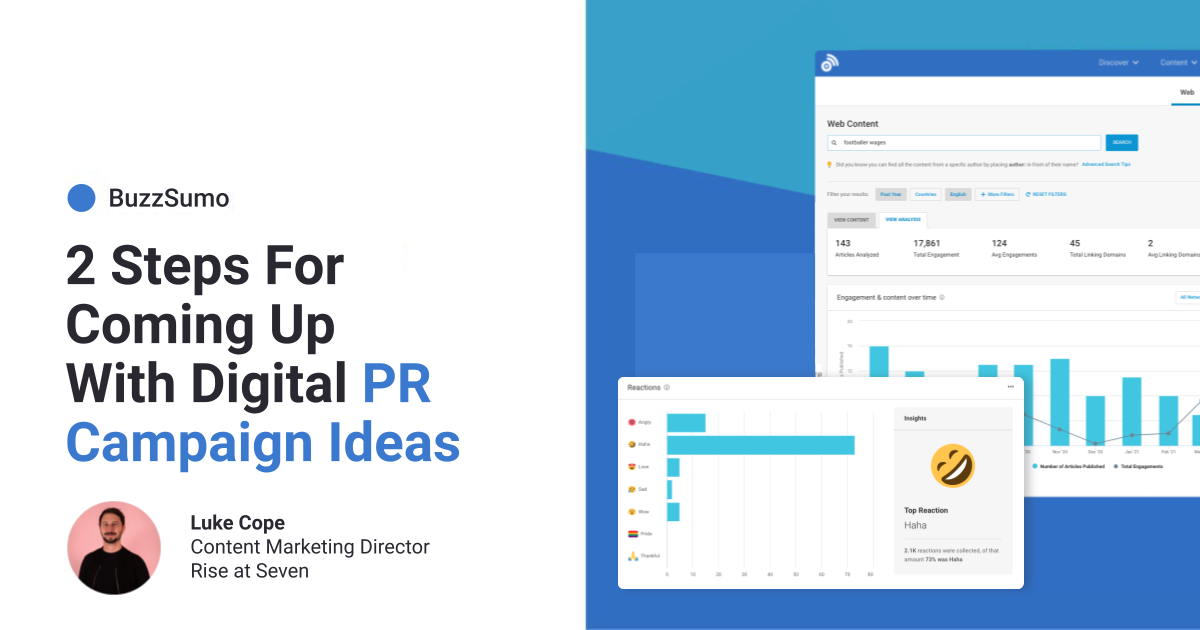
This exploratory phase intentionally avoids the pressure of immediate ideation. Instead, it advocates for a deep dive into content analysis, utilizing platforms such as BuzzSumo’s Content Analysis Report tool. The process begins by inputting core product areas. For instance, a brand specializing in honeymoon packages would start with "Honeymoons" and progressively broaden its search to related, yet distinct, areas like "Engagement rings" or "Weddings." This expansion continues until the themes become too tangential to the core offering, ensuring a comprehensive understanding of the ecosystem surrounding the brand’s primary service or product.
By analyzing the volume of articles published over time for each keyword, PR teams can discern the consistent level of interest and opportunity within specific themes. For "Honeymoons," the initial analysis might reveal steady, but perhaps not booming, content production. Expanding to "Weddings" could show a more significant volume of coverage and reader engagement, indicating a broader and more active audience. Further exploration into "Engagement Rings" might uncover specific angles or emotional drivers that resonate deeply. This iterative process of keyword research and analysis helps to pinpoint the "core theme" – an area with substantial existing coverage and demonstrable reader engagement, which then becomes fertile ground for campaign development. Importantly, the analysis extends beyond mere volume to identify the underlying emotions that drive engagement. Whether it’s joy, sadness, anger, awe, or humor, understanding these emotional undercurrents is critical for crafting pitches that resonate with both journalists and their audiences.
Case Study 1: "A World Without Light Pollution"
A compelling illustration of this theme-and-emotion-driven approach is the "A World Without Light Pollution" campaign, executed for Under Lucky Stars. The initial product theme, "Star maps," was deemed too niche to sustain a broad campaign. Expanding the research, the team identified "Supermoons" and "Night sky" as secondary themes, both demonstrating significant social engagement. The breakthrough came with "Light pollution," which, while consistently discussed, was experiencing a surge in relevance. This was due to concurrent events such as SpaceX satellite launches, which raised concerns about increased light pollution, and the broader societal conversations around environmental pollution amplified by the COVID-19 pandemic. This timely confluence made "Light pollution" a particularly potent theme.
Further analysis of public reactions to articles about light pollution revealed two dominant emotional responses: sadness over the loss of natural night skies and a "wow factor" associated with pristine celestial views. This insight was pivotal, guiding the campaign’s visual-first strategy. The objective was to visually evoke a sense of awe while simultaneously highlighting the stark reality of light pollution’s impact, aligning perfectly with the identified emotional spectrum. The campaign successfully tapped into a moment of heightened public awareness, transforming a niche product into a vehicle for a globally resonant environmental message.
Case Study 2: The "Footballer Car Cost Calculator"
Another exemplary application of this research-first strategy is the "Footballer Car Cost Calculator" campaign, developed around the product theme of "Private number plates." While some content existed around humorous number plates, it wasn’t enough for a high-impact campaign. The strategy then branched into aspirational lifestyle themes, specifically "Celebrity cars" and, more potently, "Footballers’ cars." Analysis of comment sections on articles about footballers’ opulent vehicles revealed a consistent pattern of strong, often negative, emotional reactions, including anger, envy, and a sense of competitive comparison among readers.
This emotional insight was the genesis of the calculator idea. Recognizing that readers were implicitly comparing their own financial realities to those of footballers, the campaign made this comparison explicit and interactive. By allowing users to input their own wages and see how long it would take them to afford a footballer’s car, the campaign directly engaged with the identified emotions of frustration and competitive spirit. This validated the idea, linking it to themes with proven engagement and tapping into powerful emotional triggers, thereby laying a robust foundation for a successful outreach strategy. This systematic process of identifying emotionally charged, consistently discussed themes is a non-negotiable step before launching any campaign, ensuring ideas are grounded in audience reality rather than subjective opinion.
Step 2: Optimizing Format and Enhancing Depth
Once compelling themes and emotional anchors are identified, the second critical step involves selecting the absolute best format for the campaign and enriching it with profound depth. A brilliant idea can falter if presented in an unsuitable medium. For instance, the "light pollution" campaign, aiming for a "wow factor," would have been significantly diluted if presented as a simple blog post. The visual nature of the concept demanded an interactive format, where "before" and "after" comparisons using a slider code transformed static images into an engaging, immersive experience.
The format is not merely about aesthetics; it dictates how deeply an audience can interact with and understand the message. Furthermore, adding layers of depth and multiple angles to the core idea is crucial for maximizing media appeal and outreach potential. A single, strong angle might be sufficient for some campaigns, but a multi-faceted approach significantly broadens its reach. In the light pollution campaign, the initial powerful statistic – that 85% of Americans had never seen the Milky Way – served as a compelling hook. This was then augmented with data from the Bortle scale, illustrating the contrast between the most light-polluted cities (Bortle 10) and their potential appearance under pristine conditions (Bortle 1). The decision to globalize this perspective, rather than limiting it to the USA, further amplified its relevance, acknowledging light pollution as a universal concern.
Case Study 3: The "Touch the Germs" Campaign
The "Touch the Germs" campaign exemplifies the power of format and depth. What could have been a simple graphic or a data list detailing germ hotspots was transformed into an interactive experience featuring a "microscope function." This elevated the campaign from a mere presentation of facts to an immersive educational tool, allowing users to virtually "explore" germ levels. This sophisticated format, coupled with the inherent depth of public health information, generated not only a high volume of backlinks but also garnered significant public and official attention. Notably, the Mayor of London himself commented on the issue, demonstrating the campaign’s ability to transcend media coverage and influence public discourse. This outcome underscores how a well-chosen, interactive format can amplify the scale and impact of an idea.
Case Study 4: The "Who Owns All the Space Junk?" Campaign
Conversely, the "Who Owns All the Space Junk?" campaign by Aira, while visually appealing, illustrates a missed opportunity in terms of depth. The piece effectively visualized the ownership of space debris by country. However, an idea of such vast scope could have been significantly expanded. Adding details about the types of space junk, comparing its appearance and volume across different decades (e.g., the 1960s versus today), or projecting its potential state in 100 years would have provided numerous additional angles for journalists and deeper engagement for audiences. While the core angle of ownership was strong, the campaign’s potential for multi-layered storytelling and varied data points remained largely untapped, highlighting the importance of pushing beyond basic visualization to explore every conceivable facet of a compelling theme.
Case Study 5: "iPods Visualized as Vinyl"
Not all effective formats need to be complex. Mark Johnstone’s (formerly of Distilled) "iPods Visualized as Vinyl" campaign demonstrates the power of elegant simplicity. This campaign, which conceptually marries two distinct eras of music consumption, leverages nostalgia and a clever visual juxtaposition. While straightforward in execution, its brilliance lies in its ability to spark conversation, evoke emotion, and offer a fresh perspective on technological evolution and cultural shifts. The format here is the visual concept itself, providing an immediate, shareable, and thought-provoking image that requires minimal interaction to deliver its impact.
Revisiting the "Footballer Car Cost Calculator," the depth and multiple angles were derived from simple data comparisons between weekly wages and car costs. This allowed for various compelling headlines and story hooks, such as "How many years would it take the average person to buy X footballer’s car?" or "The most exorbitant car purchases by athletes." This straightforward yet multi-pronged approach ensures that a campaign can be pitched to a diverse range of media outlets, each with a slightly different editorial focus.
The fusion of the right format with abundant depth and varied angles is paramount. When combined with the initial step of building campaigns around validated themes and emotional drivers, the resulting campaigns are poised for significant success across digital PR and social media platforms.
Strategic Outreach and Validation: Maximizing Campaign Impact
The meticulous research undertaken in Step 1 serves a dual purpose beyond ideation; it forms the bedrock of an effective outreach strategy. By revisiting the BuzzSumo Content Analysis Report, PR teams can export lists of journalists and publications that have previously covered the identified themes. This pre-qualified list ensures that pitches are directed to highly relevant contacts, dramatically increasing the likelihood of securing coverage. BuzzSumo’s outreach tools simplify this process, allowing users to save journalists to projects and export their contact details for targeted dissemination.
Furthermore, this data-driven approach lends significant credibility during internal presentations and client pitches. Campaign ideas often face subjective scrutiny from bosses and clients. By presenting robust research on trending themes, audience engagement, and emotional resonance, PR professionals can provide objective validation for their proposed strategies. Packaging the findings from the content analysis – including engagement trends and emotional breakdowns by theme and publisher – empowers teams to secure sign-off on ideas with unwavering confidence, transforming subjective opinions into data-backed decisions. This transparency fosters trust and demonstrates a strategic, rather than purely creative, approach to PR.
Key Takeaways for Enduring PR Success:
- Theme Exploration: Consistently research engagement levels and content production volume around multiple themes to uncover viable PR campaign ideas.
- Emotional Connection: Ensure every campaign taps into at least one powerful emotion, whether positive or negative, to maximize resonance and engagement.
- Optimal Format Selection: Match the campaign idea with the most effective format to deliver its message, recognizing that the ideal format will vary for each concept.
- Comparative Storytelling: Leverage comparisons between aspirational ideals and common realities (e.g., footballer wages vs. average earnings, light-polluted skies vs. galactic vistas) to generate strong emotional responses and compelling narratives.
- Depth and Versatility: Infuse ideas with as much depth as possible to create multiple angles for outreach, catering to diverse media interests and expanding potential coverage.
By embracing this systematic, research-backed framework, PR professionals can navigate the complexities of campaign ideation with greater assurance, delivering initiatives that not only capture attention but also drive measurable results in terms of media coverage, backlinks, and sustained audience engagement. For those ready to validate their own PR campaign ideas with powerful data, exploring tools like BuzzSumo’s Content Analysis Report offers a practical starting point for transforming strategic insights into undeniable success.


 Nana Wu
 Nana
Nana