
 rifanmuazin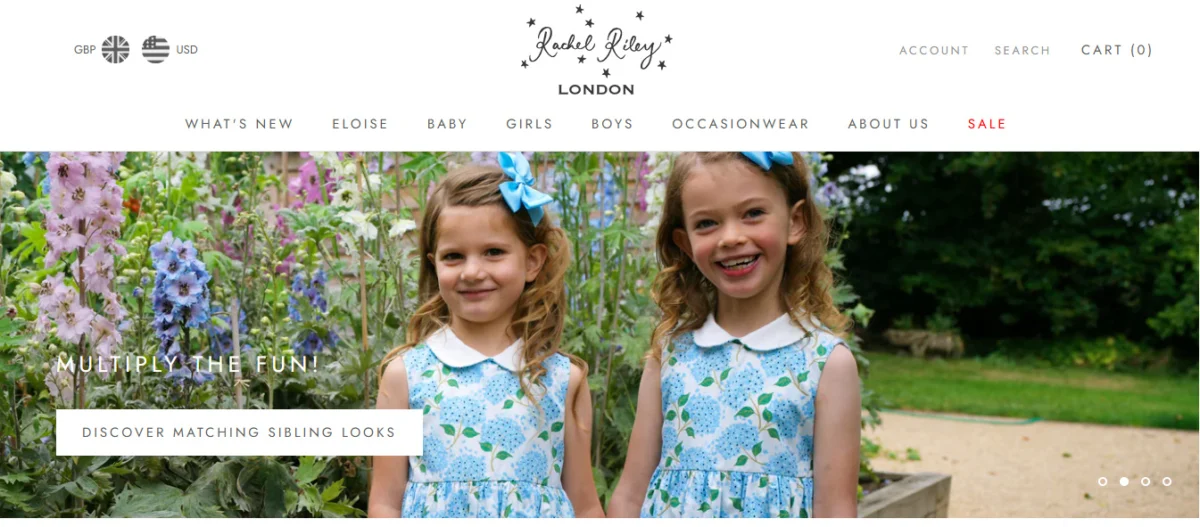
The pursuit of profitability in the dynamic e-commerce landscape hinges on identifying products that consistently resonate with consumers, offer healthy margins, and foster repeat purchases. While market trends can provide temporary boosts, sustained success demands a strategic approach to product selection, focusing on underlying demand, pricing flexibility, and the potential for long-term customer relationships. Understanding these core principles is paramount for any online entrepreneur aiming to establish a resilient and lucrative venture.
The Evolving Landscape of E-commerce Profitability
The digital marketplace is a vibrant ecosystem where certain product categories inherently possess characteristics that drive higher sales volumes and better financial returns. Beyond mere trendiness, truly profitable products are distinguished by their capacity to generate consistent revenue through steady demand, robust profit margins, and a propensity for customer loyalty. This often manifests in consumables, niche offerings that solve specific problems, or items that cater to evolving lifestyle choices. Before committing to a product line, a rigorous assessment of market demand, competitive intensity, pricing strategies, and fulfillment logistics is crucial to ascertain its viability for generating sustainable income.
A critical differentiator for long-term profitability lies in products that encourage repeat purchases. Categories such as skincare, health supplements, and pet supplies exemplify this, as their regular consumption or use naturally boosts customer lifetime value (CLV). While high-ticket items can yield substantial profits per individual sale, the cumulative effect of frequent sales of lower-cost goods often translates into more stable and predictable revenue streams. Ultimately, customer retention through effective communication channels like email and SMS marketing is as vital as the product itself, transforming first-time buyers into a loyal base that underpins real profit growth.
Key Pillars of Online Profitability
To effectively identify the most profitable products, online sellers must grasp the fundamental attributes that confer commercial value. A product poised for strong sales typically exhibits several key characteristics:
- Healthy Margins: The difference between the cost of goods sold (COGS) and the selling price must be substantial enough to cover operational expenses and yield a desirable profit.
- Steady Demand: The product should address an ongoing need or desire, rather than being a fleeting fad. This ensures a consistent market base.
- Repeat Purchase Potential: Products that consumers need to replenish or upgrade regularly contribute significantly to customer lifetime value and recurring revenue.
- Problem-Solving Capability: Items that address a specific pain point or enhance daily life often command higher perceived value and loyalty.
- Scalable Fulfillment: Ease of storage, packaging, and shipping directly impacts operational costs and overall profitability.
- Niche Appeal: Targeting a specific demographic or interest group can reduce competition and allow for premium pricing.
These pillars form the analytical framework for evaluating the following product categories, each presenting distinct opportunities within the current e-commerce environment.
Top Profitable Niches for Online Sellers
The following product categories have demonstrated significant profitability online, supported by robust market dynamics and consumer behavior.
1. Loop Earplugs: Niche Market, Health & Wellness
Loop Earplugs, designed for noise reduction and ear protection, represent a highly profitable niche. Their appeal stems from stable demand driven by diverse use cases, from improving sleep quality to enhancing focus in noisy environments or protecting hearing at concerts. The market for earplugs, while seemingly small, is segmented, allowing for differentiation through reusable silicone options, specialized filtered designs, or fashion-forward accessories. With relatively low production costs compared to retail prices (typically $24.95–$59.95), net profit margins can reach 40%, generating estimated monthly revenues between $3,000 and $36,000. The global hearing protection market was valued at approximately $1.9 billion in 2022 and is projected to grow, indicating a sustained need for innovative solutions. Success in this competitive space hinges on targeted marketing, emphasizing specific benefits for distinct audiences (e.g., students, musicians, frequent travelers) and strong branding that highlights unique features and comfort.
2. Tech Accessories: Ever-Green Demand & Low Fulfillment
Tech accessories, encompassing phone cases, screen protectors, chargers, and cables, consistently rank among the most profitable online products. The perpetual cycle of device upgrades and the increasing trend of major brands excluding essential accessories from their product boxes ensure continuous, year-round demand. This market benefits from low storage and delivery costs due to the small size and lightweight nature of most items. Profit margins typically range from 20-45%, with estimated monthly revenues potentially reaching $1,000–$146,000. The global smartphone accessories market alone was valued at over $250 billion in 2022. Strategies like product bundling (e.g., case + screen protector) or offering premium, durable versions (like the Spigen Tough Armor) can significantly boost average order values. While competitive, the market rewards quality, design, and compatibility across a wide range of devices.
3. Protein Supplements: Health & Fitness Boom
The health and wellness industry fuels a consistently profitable market for protein supplements, available as powders, bars, or shakes. Daily consumption by fitness enthusiasts, athletes, and health-conscious individuals ensures high repeat purchase rates. Profit margins, ranging from 25-40%, are attractive due to relatively low production costs, especially for private-label brands, yielding estimated monthly revenues of $1,700–$54,000. The global protein supplement market is projected to reach $31.8 billion by 2028. Opportunities abound in targeting specific niches, such as vegan protein, women’s fitness, or weight management blends. Brands like Optimum Nutrition’s Gold Standard 100% Whey Protein Powder exemplify success by focusing on quality ingredients and muscle growth benefits, often leveraging subscription models for sustained revenue.
4. Pet Products: The "Humanization" Trend
The "humanization of pets" trend has elevated pet products to a highly profitable category, driven by loyal buyers and frequent purchases. This encompasses toys, grooming tools, collars, leashes, beds, treats, and feeding accessories. Pet owners, increasingly treating their animals as family members, consistently invest in their well-being and comfort. The global pet care market, valued at over $260 billion in 2022, is projected to continue its robust growth. Profit margins of 20-40% are achievable, with estimated monthly revenues ranging from $700–$338,000. Personalization, such as custom-engraved dog collars or branded packaging, can significantly enhance perceived value and brand loyalty. The recurring need for consumables like treats and the regular replacement of toys ensure a high customer lifetime value, making this a stable and expanding market.
5. Men’s Wellness Products: Emerging Market & Repeat Buys
The men’s wellness market is experiencing significant growth, making products like beard oils, cleansers, hair growth treatments, and vitamins highly profitable. These items are often incorporated into daily routines, ensuring repeat purchases. The global men’s grooming market is anticipated to reach $81.2 billion by 2024. Profit margins of 15-30% are common, with estimated monthly revenues of $1,400–$101,000. Success lies in targeting specific concerns (e.g., acne, beard growth, anti-aging) and building a brand around these needs. Lower production costs coupled with higher retail prices contribute to attractive margins. Niche brands like Buddy’s Beard Care, offering comprehensive beard kits, demonstrate how focused product lines can compete effectively against larger players.
6. Skincare Products: Daily Rituals & Brand Power
Skincare products remain a cornerstone of e-commerce profitability due to their daily use and frequent replenishment cycles. The global skincare market alone was valued at $145.4 billion in 2022. With low production costs relative to premium retail pricing, profit margins typically range from 15-30%, generating estimated monthly revenues of $3,800–$188,000. Strong branding and targeted niche strategies are key. For instance, the surging popularity of Japanese skincare, known for its natural fermented ingredients like rice and sake, showcases how cultural trends and ingredient-focused marketing can drive demand and trust. This category thrives on building brand authority and educating consumers about product benefits.
7. Equestrian Apparel: Passion-Driven Niche
Equestrian apparel, including riding jackets, breeches, boots, helmets, and gloves, caters to a dedicated and passionate niche market. Riders require specific gear for comfort, safety, and performance, leading to consistent demand for replacements and upgrades. This specialized market allows for higher profit margins (10-40%) as consumers are willing to invest in quality and safety, with estimated monthly revenues of $5,000–$40,000. The global equestrian apparel market is projected to reach $3.1 billion by 2027. Brands like Kerrits succeed by offering a wide range of performance-oriented products, from everyday riding gear to specialized items like Coolcore® Silicone Full Leg Riding Tech Tights, demonstrating how innovation and product breadth can capture market share within a focused segment.
8. Consumer Drones: Tech Innovation & Hobbyists
Consumer drones have evolved beyond novelty, becoming a profitable category driven by demand from photography, recreational flying, and educational (STEM) interests. While the entry-level segment is price-competitive, brands like Potensic and Holy Stone maintain profitability through efficient sourcing. Profit margins typically range from 20-50%, with estimated monthly revenues of $5,300–$263,000. The global consumer drone market is expected to grow significantly, reaching $29 billion by 2027. Opportunities for resellers and private-label brands exist in bundling accessories, strong branding, and targeting the fragmented beginner-to-intermediate segment. The Holy Stone HS720, a mid-range GPS drone with 4K camera and extended flight time, exemplifies a product that caters to new users with user-friendly features.
9. Luxury Artisanal Chocolates: Gifting & Premiumization
Luxury artisanal chocolates are highly profitable due to their strong appeal as gifts for special occasions. The ability to offer gift boxes, custom sets, or limited-edition flavors drives premium pricing. With ingredients often cheaper than the final selling price, profit margins can be 10-20%, generating estimated monthly revenues of $90–$2,250 per piece or $4,500–$67,500 per box. The global chocolate market is projected to exceed $160 billion by 2028, with a growing demand for premium and ethically sourced options. Niche focus, such as vegan or sugar-free chocolates, provides avenues for new sellers to establish a strong brand identity and command higher prices.
10. Healthy Snacks: Lifestyle & Convenience
The growing consumer preference for healthier eating habits has made healthy snacks a consistently profitable e-commerce category. These products are consumed regularly, fostering repeat purchases, and are ideal for bundling or subscription box models. Profit margins can be high (10-30%) due to affordable ingredient sourcing and the ability to command premium prices with effective branding, leading to estimated monthly revenues of $120–$9,000. The global healthy snacks market is expected to reach $108.3 billion by 2028. New sellers can differentiate by focusing on niches like vegan, high-protein, gluten-free, or kid-friendly options, aligning with specific dietary needs and lifestyle choices.
![20+ most profitable products to sell online [2026 ]](https://www.omnisend.com/blog/wp-content/uploads/2026/04/tech-accessories.jpg)
11. Food Packaging: B2B Essential & Sustainability
Food packaging, while often overlooked by consumers, is a vital and consistently profitable B2B product for restaurants, meal prep services, and small food brands. The recurring nature of these businesses ensures steady reorders. Profit margins improve with bulk purchasing and reselling in smaller, branded quantities (5-20%), with estimated monthly revenues of $20–$3,800 per unit. The global food packaging market is projected to reach $478 billion by 2029. A significant growth opportunity lies in targeting the increasing demand for sustainable and eco-friendly packaging solutions, as demonstrated by products like Stasher Bags, which offer reusable silicone alternatives to single-use plastics.
12. Vegan Ethical Clothing: Values-Driven Consumerism
Vegan ethical clothing appeals to a growing segment of consumers prioritizing environmental sustainability and ethical production. This category utilizes materials like organic cotton, recycled polyester, and Tencel, and avoids animal products. Buyers are willing to pay a premium for products that align with their values, contributing to profit margins of 25-30% and estimated monthly revenues of $2,500–$124,000. The global ethical fashion market is projected to reach $11.1 billion by 2025. Transparency in sourcing and production processes is crucial for brand building. Stella McCartney exemplifies how luxury fashion can be both stylish and cruelty-free, showcasing the potential for high-end, values-driven brands.
13. Baby Apparel: Constant Growth & Gifting
Baby apparel is a perennially profitable e-commerce product due to the continuous growth of infants, necessitating frequent wardrobe updates. The global baby apparel market is expected to reach $209.1 billion by 2027. High margins (10-40%) are achievable, especially with private labeling, unique designs, and offering bundles, generating estimated monthly revenues of $750–$56,000. New sellers can thrive by focusing on niches such as organic fabrics, minimalist styles, or premium gift sets. Rachel Riley, a British children’s wear brand, successfully leveraged email and SMS automation to boost BFCM revenue by 77%, highlighting the power of customer retention strategies in this market.
14. Eco-Friendly Toys: Conscious Parenting
Eco-friendly toys, made from sustainable materials like wood, recycled plastic, or organic fabrics and using non-toxic paints, address the increasing concerns of conscious parents. Children rapidly outgrow toys, creating a steady demand for new purchases across different age and learning stages. The global sustainable toy market is projected to reach $45 billion by 2027. Profit margins of 10-25% are supported by the premium parents are willing to pay for safety and sustainability, with estimated monthly revenues of $1,300–$26,000. Brands like Green Toys, which uses 100% recycled plastic milk jugs for products like their Recycled Plastic Tugboat, demonstrate success through clear eco-credentials and imaginative play value.
15. Specialty Coffee: Connoisseurship & Daily Rituals
Specialty coffee, defined by its exceptional quality and ethical production, caters to a growing segment of coffee connoisseurs. Regular consumption drives repeat purchases, particularly for whole beans, ground coffee, and subscription services. The global specialty coffee market is projected to reach $83.6 billion by 2030. With raw beans being relatively low-cost, profit margins can be remarkably high, reaching up to 69% for certain blends, generating estimated monthly revenues of $3,700–$40,000. Niche strategies, such as offering organic, single-origin, or locally roasted varieties like the rare Panama Geisha, allow new sellers to compete effectively by emphasizing unique flavor profiles and sustainable sourcing.
16. Non-Alcoholic Drinks: Wellness & Social Trends
The surge in health consciousness and mindful drinking trends has positioned non-alcoholic drinks as a highly profitable e-commerce category. These beverages seamlessly integrate into daily routines and social occasions, offering diverse avenues for differentiation. The global non-alcoholic beverage market is projected to reach $1.6 trillion by 2028. Profit margins of 13.6% are strong, with estimated monthly revenues of $800–$61,000. Targeting niches like low-sugar, organic, or functional beverages (e.g., adaptogen-infused) provides significant growth opportunities. Seedlip, a pioneer in distilled non-alcoholic spirits, demonstrates how innovative product development and strong branding can capture a significant share of this expanding market.
17. Olive Oils: Culinary Staple & Premiumization
Olive oil, a staple in global cuisines, is a consistently profitable online product due to its everyday use in cooking, salads, and meals, driving repeat purchases. The global olive oil market is projected to reach $19.5 billion by 2028. Profit margins typically range from 10-40%, generating estimated monthly revenues of $260–$2,000. Opportunities exist in selling premium, extra-virgin, or flavored versions, positioning the product as a high-quality, specialty item. While competitive, new sellers can succeed by emphasizing origin, purity, and unique flavor profiles, catering to discerning home cooks and gourmet enthusiasts.
18. Licensed Merchandise: Fandom Economy
Licensed merchandise, tied to popular movies, music, gaming, and sports, capitalizes on consumer loyalty and emotional connection, making it highly profitable. Items like apparel, posters, footwear, and collectibles often command premium prices, especially for limited editions, exclusive drops, or signed products. The global licensed merchandise market was valued at $315.5 billion in 2022. Profit margins of 15-35% are achievable, with estimated monthly revenues ranging from $1,900–$1.8 million. Success often involves targeting specific fan bases (e.g., anime, K-pop, specific gaming franchises). SMTOWN GLOBAL, an official K-pop merchandise store, exemplifies how a focus on popular groups and exclusive items, combined with robust email marketing automation, drives significant sales and fan engagement.
19. Travel Gear and Accessories: Rebounding Market
With the resurgence of global travel, travel gear and accessories have become a highly profitable category. Products range from luggage and tech accessories to travel apparel and organizational tools. Travelers rarely buy just one item; they often build a collection, starting with core luggage and adding complementary accessories like packing cubes or neck pillows. The global travel accessories market is projected to reach $47 billion by 2028. Profit margins of 5-25% are common, with estimated monthly revenues of $2,300–$338,000. Opportunities exist in targeting specific traveler types (e.g., digital nomads, adventure travelers, luxury tourists) and offering bundled solutions. High-end, stylish products like the Monos Carry-On Pro Plus cater to modern travelers who prioritize both functionality and aesthetics.
20. Hybrid and Electric Bikes: Sustainable Commute & Leisure
Hybrid and electric bikes combine traditional cycling with advanced technology, addressing modern transportation and leisure needs. Their comfortable design, versatile tires, and wide gear ranges make them suitable for commuting, recreational rides, and light off-road cycling. The global e-bike market is projected to reach $118.6 billion by 2030, driven by environmental consciousness and urban mobility challenges. High price points and opportunities for add-ons (helmets, locks, batteries) contribute to profit margins of 10-25%, generating estimated monthly revenues of $39,000–$2.6 million. Niche focus, such as urban commuters or cargo e-bikes, can help new sellers compete in this expanding market.
21. Home Office Furniture: Remote Work Revolution
The global shift towards remote work has created a sustained demand for well-designed and ergonomic home office furniture. Products that enhance comfort and productivity directly appeal to consumers willing to invest more in their workspaces. The global home office furniture market is projected to reach $50.3 billion by 2028. Profit margins of 5-15% are typical, with estimated monthly revenues of $6,000–$150,000. Customization options and a focus on modular or space-saving designs can attract a broader customer base, catering to diverse living situations and aesthetic preferences.
22. Sleep Products: The Wellness Priority
As consumers increasingly prioritize well-being, sleep products have become a highly profitable e-commerce category. These items, including mattresses, pillows, sleep masks, white noise machines, weighted blankets, and essential oils, address various sleep-related issues and enhance overall sleep quality. The global sleep aids market is projected to reach $112.7 billion by 2030. The emphasis on comfort and better rest drives ongoing demand, allowing for profit margins of 8-15% and estimated monthly revenues of $700–$52,000. Positioning products around specific needs, such as stress relief, temperature regulation, or lumbar support, enables premium pricing and effective market segmentation.
23. Car Care Products: Maintenance & Aesthetics
Car care products are essential for vehicle maintenance and aesthetic appeal, making them a consistently profitable online category. The growing global car market, coupled with rising disposable incomes, ensures steady demand. The global car care products market is projected to reach $16.2 billion by 2028. Regular use of these products fosters a loyal customer base and ensures steady profits. Profit margins of 5-15% are typical, with estimated monthly revenues of $150–$22,500. Packaging products into kits or targeting specific use cases (e.g., exterior detailing, interior cleaning, ceramic coating) often outperforms single-item sales. Meguiar’s Ultimate Liquid Wax, known for its long-lasting shine and protection, exemplifies a premium product that resonates with car enthusiasts.
24. Whitening Toothpaste / Oral Care: Everyday Beauty & Health
Whitening toothpaste and other oral care products fall within the consistently profitable beauty and health niche. Stable demand, high margins, and low shipping costs contribute to their appeal. The global oral care market is projected to reach $68.4 billion by 2030. Profit margins of 10-20% are common, generating estimated monthly revenues of $135–$5,600 per tube. This category benefits from strong branding and formula differentiation, allowing for premium pricing. New sellers can thrive through private labeling and by focusing on specific demographics or concerns (e.g., sensitivity-friendly, natural ingredients). HiSmile, a brand focused on at-home teeth-whitening kits and color-correcting serums, demonstrates success through strong branding and catering to consumer desires for aesthetic improvements.
Strategic Pathways to E-commerce Success
Beyond selecting profitable products, sustained e-commerce success requires a comprehensive strategy. Market research is not a one-time activity but an ongoing process of monitoring demand, competition, and emerging trends. Successful online businesses consistently:
- Conduct Thorough Market Analysis: Before launching, deeply investigate target audience, competitive landscape, and potential barriers to entry. Tools for keyword research, trend analysis, and competitor monitoring are invaluable.
- Prioritize Customer Retention: As highlighted by case studies like Rachel Riley and SMTOWN GLOBAL, leveraging email and SMS marketing for automation, segmentation, and personalized communication is critical. Automated emails, such as abandoned cart reminders and win-back campaigns, often generate a disproportionate share of revenue.
- Build Strong Brands: In crowded markets, a clear brand identity, compelling storytelling, and consistent messaging help products stand out and justify premium pricing.
- Optimize for Customer Lifetime Value (CLV): Encourage repeat purchases through subscription models, product bundles, and loyalty programs. Consumables and daily-use items are naturally suited for this.
- Focus on Niche Markets: Rather than attempting to appeal to everyone, specializing in a particular sub-segment can reduce competition and foster deeper customer loyalty.
- Streamline Operations: Efficient supply chains, inventory management, and fulfillment processes directly impact profit margins and customer satisfaction.
Outlook and Future Trends
The e-commerce landscape is continuously shaped by broader societal and technological trends. The increasing emphasis on health and wellness, sustainability, personalization, and convenience will continue to drive demand for products aligned with these values. Furthermore, the growth of direct-to-consumer (DTC) models empowers smaller brands to connect directly with their audience, fostering strong communities and brand loyalty. The integration of artificial intelligence in customer service, marketing, and predictive analytics will further enhance the efficiency and profitability of online businesses.
Conclusion
Identifying the most profitable products to sell online is a multi-faceted endeavor that extends beyond fleeting trends. It necessitates a deep understanding of market demand, robust profit margins, and the strategic cultivation of repeat purchases. By focusing on categories that offer inherent value, solving specific problems, and aligning with evolving consumer lifestyles—such as specialty consumables, niche tech, wellness products, and sustainable goods—entrepreneurs can build resilient and highly lucrative online ventures. The interplay of strategic product selection, effective branding, and sophisticated customer retention tactics remains the bedrock of enduring success in the competitive digital marketplace.









