The contemporary music landscape presents a paradoxical challenge for artists: unprecedented reach coupled with an alarming risk of anonymity. Imagine dedicating countless hours to crafting a melody, only for it to achieve viral success on platforms like TikTok or Instagram, yet the artist behind it remains largely unknown. This phenomenon, where the trend, the dance, or the sound eclipses the creator, represents a modern nightmare for musicians striving for sustained careers. In an era saturated with content, the ability for an artist to be remembered, sought out, and foster long-term fan relationships hinges not just on their musical talent, but increasingly on their digital discoverability. This is precisely where Search Engine Optimization (SEO) emerges as an indispensable tool, transforming fleeting exposure into lasting engagement and tangible career growth.
The Evolving Ecosystem of Music Discovery: From Analog to Algorithmic
Music discovery has undergone a profound transformation over the decades, shifting from gatekeeper-controlled channels to a highly democratized yet fragmented digital environment. Historically, artists relied on radio airwaves, record labels, and television channels like MTV for widespread exposure. The late 1990s and early 2000s saw the internet begin to disrupt this model, with platforms like MySpace offering early independent artists a direct connection to fans. However, it was the advent of digital streaming services (DSS) such as Spotify, Apple Music, and YouTube, alongside social media giants like Facebook, Instagram, and TikTok, that truly reshaped the industry.
While this streaming revolution has democratized music distribution, allowing virtually any artist to upload their work to a global audience, it has simultaneously created an intensely competitive environment. According to brand consultant Ava Rose Lynch, a staggering statistic highlights this: over 100,000 new songs are uploaded to Spotify every single day. This relentless influx of new content means that while the potential audience is immense, the struggle for individual artists to cut through the noise and achieve meaningful, attributable discovery is more challenging than ever. Artists are not just competing for streams but for sustained attention in an economy increasingly defined by fleeting trends and algorithmic curation. Social media, particularly platforms like TikTok, offers the tantalizing promise of viral moments, yet these often prove ephemeral, generating buzz without necessarily translating into dedicated listenership or career longevity. The challenge, therefore, is to convert these transient moments of discovery into deeper, more enduring connections.
SEO Defined: Guiding Curiosity into Lasting Connection
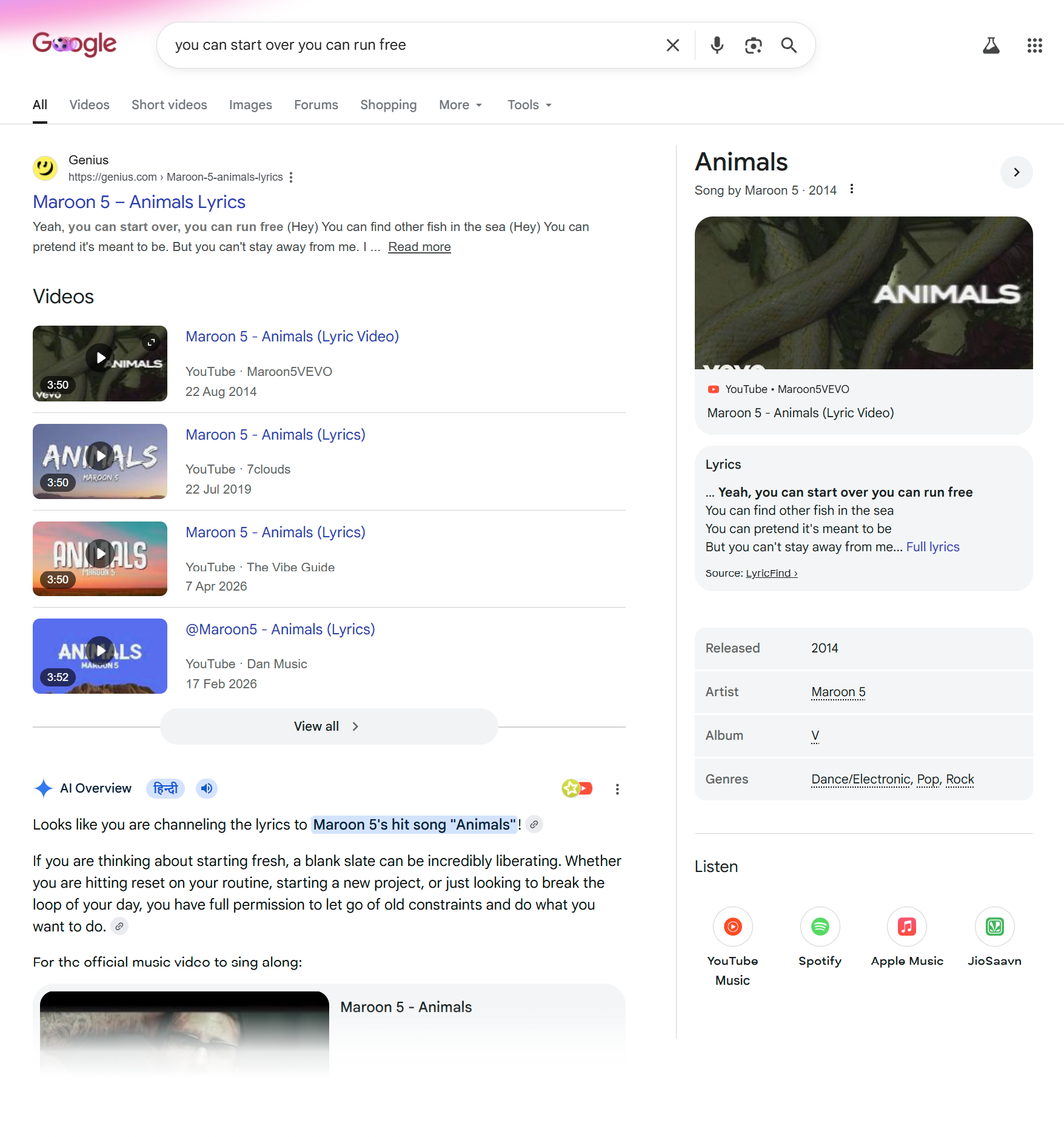
Search Engine Optimization, at its core, is the process of enhancing online content to make it more visible and accessible through search engines like Google. For musicians, this translates into making it easier for a diverse range of stakeholders—from potential fans and concert promoters to venue owners, journalists, and even AI-powered discovery tools—to find accurate and comprehensive information about them online. It’s not merely about keyword stuffing; it’s about understanding and aligning with user intent. When someone hears a captivating track, their natural curiosity often leads them to search for the artist’s name, lyrics, latest releases, tour dates, or even artists with a similar sound. SEO ensures that these searches lead directly to the artist’s authentic online presence, rather than getting lost in a sea of irrelevant results.
Crucially, SEO does not aim to replace streaming platforms or social media; rather, it complements them. Imagine a listener encountering a song on TikTok. Their next instinctive step might be to search for the artist’s name on Google to explore their full discography, find their official music videos, or check for upcoming shows. A robust SEO strategy acts as the essential bridge, guiding this initial curiosity into deeper engagement. In today’s fragmented digital landscape, discovery rarely occurs on a single platform. Fans navigate between search engines, streaming services, social media feeds, and increasingly, AI tools that offer personalized recommendations. A strong SEO foundation ensures consistent visibility across this multi-platform journey, helping turn a casual listener into a dedicated fan, a one-time stream into a merchandise sale, or an online search into a booked gig. Ultimately, SEO helps people discover an artist’s music, and when that discovery leads to a well-optimized personal website, it fosters a lasting connection, offering a centralized hub for all fan interactions.
The Imperative of an Owned Digital Hub: Your Artist Website
In the dynamic and often unpredictable world of digital music, relying solely on third-party platforms like streaming services or social media for an online presence is a precarious strategy. Algorithms change, platforms rise and fall, and artists remain subject to the whims of external entities. This underscores the imperative for every musician to establish an owned digital hub: their official artist website. When a fan or industry professional searches for an artist, the information they find can often be scattered across various streaming profiles, social media accounts, event listings, and third-party music sites. While each serves a purpose, none tells the complete story of the artist.
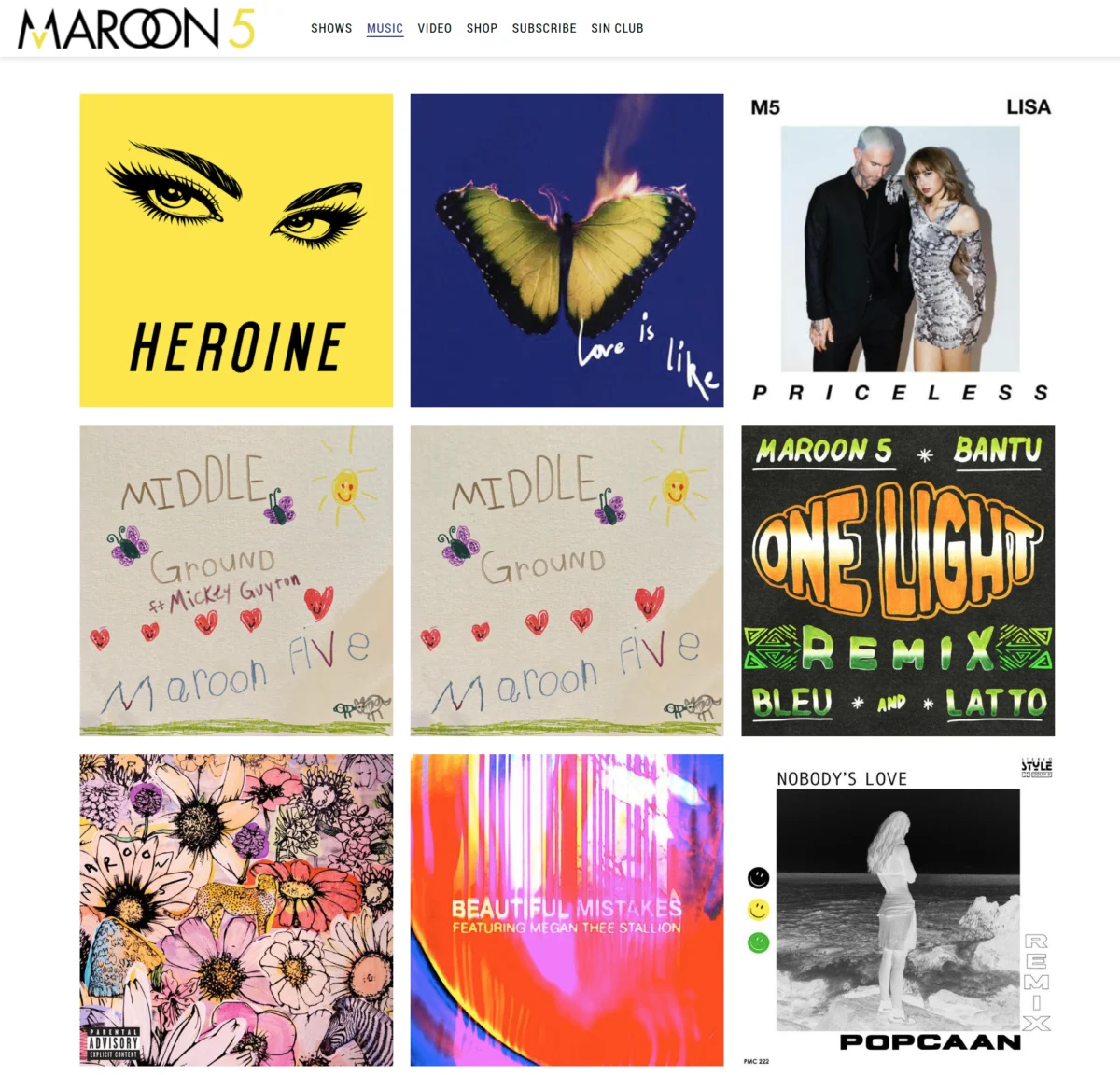
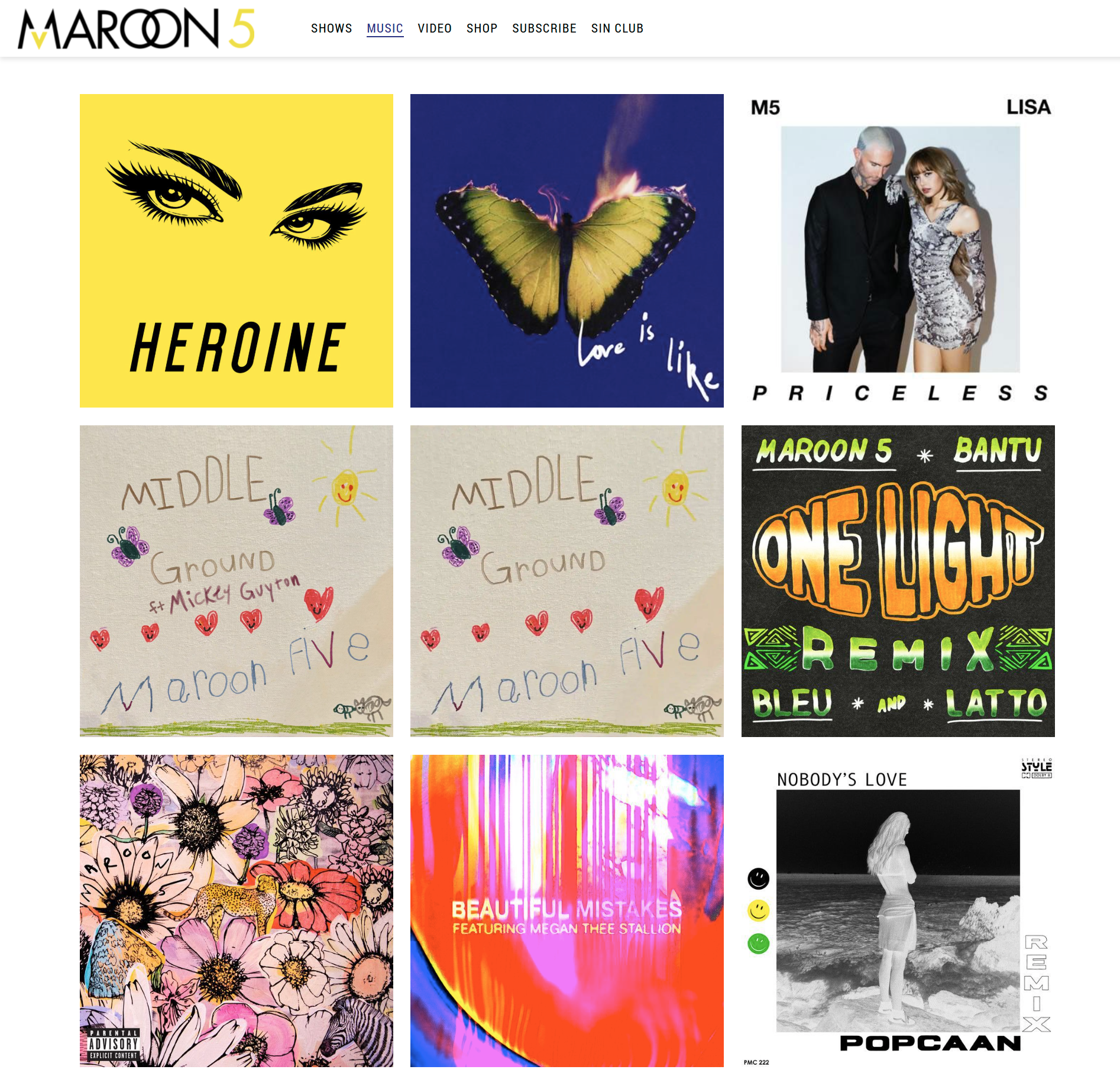
An artist’s website serves as their central headquarters, a dedicated space where they control the narrative, content, and fan experience. It provides a comprehensive destination for listeners, promoters, journalists, and search engines to understand who the artist is, the music they create, their story, and how to engage with their work. This owned platform should encompass essential elements such as an artist biography, a discography with streaming links, high-quality photos and videos, a tour schedule, a merchandise store, and a clear contact section. For instance, a band like Maroon 5 effectively utilizes its website as a consolidated hub, offering music releases, videos, tour information, exclusive merchandise, and fan experiences all in one place. A fan who discovers one of their songs can seamlessly explore upcoming shows, browse merchandise, subscribe to newsletters, and continue their engagement without leaving the official site. While not every artist requires a website as extensive as a global band, even a simple, well-structured site with core information can significantly enhance discoverability and transform casual listeners into long-term supporters. SEO plays a vital role in this by ensuring that when people search for an artist’s name, songs, or related terms, their official website is prominently featured, guiding traffic to this central, controlled asset.
Strategic SEO Applications for Musicians: Tailoring Your Digital Approach
Effective SEO for musicians is a multifaceted endeavor, requiring tailored strategies depending on specific career goals—whether it’s growing an audience, securing live bookings, or boosting merchandise sales.
I. Cultivating Audience Discovery and Fan Engagement
For artists focused on expanding their listenership and building a loyal fanbase, SEO strategies should prioritize making music discoverable and fostering deeper connections.
- Dedicated Release Pages: A common oversight is treating a new song, EP, or album as merely a file uploaded to streaming platforms. Each release deserves its own dedicated page on the artist’s website. These pages should go beyond simple streaming links, incorporating lyrics, the inspiration behind the songs, behind-the-scenes stories, details about collaborators, and links to all relevant platforms. From an SEO perspective, these pages are invaluable, allowing search engines to gather rich context about the music and helping the artist rank for specific searches like "lyrics for [Song Title]" or "meaning of [Song Name]."
- Content Marketing Through Blogging: Every song has a story. The inspiration, the creative process, the challenges, the personal experiences that shaped it—these narratives are powerful tools for connection. Starting a blog on the artist’s website provides a platform to share these stories, offering content such as song breakdowns, studio diaries, tour updates, or genre discussions. This long-form content not only engages fans but also creates opportunities to naturally incorporate long-tail keywords that potential listeners might be searching for, establishing the artist as an authority in their niche.
- Optimizing Video Content (Video SEO): Music videos, lyric videos, live performance footage, and studio sessions are critical for discovery. However, simply uploading them is insufficient. Video SEO involves optimizing titles, descriptions, tags, and even providing transcripts to help search engines understand the content. Embedding these videos on dedicated release pages on the artist’s website further enriches the context for search engines. Video content now accounts for a significant portion of internet traffic, making proper optimization essential. Tools like Yoast’s Video SEO feature can automatically add video schema, improving how videos appear in search results.
- Earning External Validation (E-E-A-T): When respected music blogs, publications, or podcasts feature an artist, it introduces them to new audiences and significantly builds their online reputation. Interviews, album reviews, artist spotlights, and podcast appearances signal to search engines and AI systems that the artist’s work is noteworthy and credible. This aligns with Google’s E-E-A-T principles (Experience, Expertise, Authoritativeness, and Trustworthiness), which prioritize content from established and reputable sources. Consistent mentions from trusted platforms strengthen an artist’s online footprint, making it easier for search engines and AI to confidently understand and recommend their music.
II. Securing Live Performances and Bookings

For musicians aiming to book more gigs, the SEO strategy shifts to connecting with event planners, venue managers, and potential clients who are actively searching for live entertainment.
- Local SEO for Gigs: Event organizers typically search for services in specific geographic locations. Therefore, optimizing for local searches is paramount. Artists should prominently feature their service areas and locations where they regularly perform (e.g., "wedding bands in [City]", "live corporate entertainment in [Region]") throughout their website. Utilizing local SEO features, such as those offered by Yoast SEO Premium, can help strengthen an artist’s local presence by adding crucial business details and structured data.
- Event-Specific Service Pages: Instead of a generic "Bookings" page, artists should create dedicated pages for each type of event they perform at—weddings, corporate events, festivals, private parties. Each page can be tailored to explain client expectations, showcase relevant music styles, detail experience, and provide clear inquiry processes, targeting specific searches like "jazz band for corporate events."
- Building Trust Through Showcase Content: Event planners seek reassurance. An artist’s website should prominently feature high-quality photos and videos from past performances, testimonials from satisfied clients, and a list of reputable venues or events where they’ve played. Highlighting collaborations with recognizable brands or festivals further builds trust and reinforces credibility for both potential clients and search engines.
- Streamlined Booking Process: Once a client is interested, the booking process must be effortless. Every booking-related page should include easily accessible contact forms, email addresses, or inquiry buttons. Transparent FAQs regarding availability, travel, pricing, and performance packages can expedite decision-making and minimize friction.
III. Maximizing Merchandise Sales
Beyond streams and gigs, merchandise offers a direct revenue stream and a tangible connection with fans. SEO can significantly boost these sales.
- Structured E-commerce Pages: The artist’s online store should be well-organized with dedicated pages for various product categories (e.g., vinyl, apparel, CDs, sheet music, digital downloads). Each product page needs clear descriptions, high-quality images, sizing information, pricing, and FAQs, helping both shoppers and search engines understand the offerings. This allows fans searching for "official [Artist Name] merch" or "signed vinyl" to land directly on the most relevant page.
- Connecting Merch to Music: Leverage new releases and content to promote related merchandise. Link matching vinyl editions, limited-edition apparel, or collector’s bundles directly from album release pages, music videos, or tour announcements. This creates a seamless shopping experience for fans and provides search engines with context about the relationship between the music and products.
- Product SEO: Use descriptive product names and unique product descriptions that incorporate terms fans are likely to search for (e.g., "limited edition [Album Name] t-shirt," "guitar tabs for [Song Title]"). For WordPress and WooCommerce users, plugins like Yoast WooCommerce SEO can optimize product pages by enhancing structured data and metadata, improving product visibility in search results.
The Interplay of SEO and Artificial Intelligence in Future Discovery

The landscape of digital discovery is continuously evolving, with Artificial Intelligence playing an increasingly prominent role. AI-powered recommendation engines on streaming platforms, voice search assistants, and advanced conversational AI tools (like Google’s Search Generative Experience or OpenAI’s ChatGPT) are fundamentally changing how users interact with information and discover content. These AI systems can provide direct answers about artists, generate recommendations based on user preferences, and even synthesize information from various sources to provide a comprehensive artist profile.
For musicians, this means that traditional SEO principles of creating clear, relevant, well-structured, and authoritative content are more critical than ever. According to the Yoast Perspective Report, a significant 65% of SEO professionals believe that optimizing for large language models (LLMs) is either the same as or a direct extension of traditional SEO. High-quality, context-rich content on an artist’s owned website, meticulously optimized for search, directly feeds these AI systems. It helps them accurately understand an artist’s genre, collaborators, lyrical themes, and overall brand, thereby ensuring that when an AI assistant is asked for "artists similar to [Artist Name]" or "what’s the story behind [Song Title]," it can confidently and accurately provide information that leads back to the artist. Strong SEO foundations are essential to ensure attribution and accuracy in an AI-driven future, preventing an artist’s identity and work from being misinterpreted or overlooked.
Expert Insights: Real-World Applications of SEO in Music
The practical application of SEO principles is best illustrated by musicians and industry professionals who integrate it into their daily operations. John Bowman, host of "On Air with Johnny B," emphasizes treating a website as a "creative home base," sharing influences and stories beyond just releases. He notes that Yoast SEO transformed an abstract concept into a manageable task, providing clear guidance for optimization. Anthony Pell, a guitar educator, author, and content creator, echoes this, advising against sole reliance on social media. His website serves as a growing library for students, optimized with tools like Yoast to improve metadata and page structure.

Ben Stringer, founder of SAM Music Service, highlights the confidence that SEO tools provide, allowing him to focus on teaching and business growth rather than complex technicalities. Brent Robitaille, a musician and educator, advocates for actively engaging with online presence, regularly reviewing analytics, and learning from trusted SEO resources. Chetan Shekar, a DJ, producer, and founder of Piano Groove, points to the efficacy of SEO plugins for handling technical aspects, specifically mentioning the importance of image alt text and descriptions for organic traffic. The common thread among these diverse professionals is the recognition of their website as a vital, owned long-term asset, and SEO as the engine that drives its discoverability and effectiveness.
Conclusion: Great Music Deserves to Be Found and Remembered
In an increasingly crowded digital universe, great music alone is no longer a guarantee of discovery or sustained success. While songwriting prowess, captivating performances, and authentic fan connections remain paramount, Search Engine Optimization stands as a powerful amplifier, ensuring that artistry reaches its intended audience. SEO is not about chasing algorithms; it is about establishing a robust, enduring digital footprint that connects curiosity with creation. It’s about making certain that when a listener is moved by a melody, inspired by a lyric, or intrigued by a performance, their next search leads them directly to the artist.
The investment in a well-optimized website and a strategic approach to digital visibility is an investment in career longevity. It empowers musicians to own their narrative, control their fan relationships, diversify their revenue streams, and cultivate a lasting legacy. In the complex symphony of the modern music industry, SEO is the essential conductor, harmonizing fragmented digital elements to ensure that great music isn’t just heard, but found, remembered, and celebrated.