Search Engine Optimization (SEO) stands as a cornerstone of digital marketing, serving as the art and science of enhancing a website’s visibility in search engine results and across an expanding array of digital discovery platforms. In an era where online presence dictates business success, understanding and implementing effective SEO strategies is paramount for attracting targeted audiences, building brand authority, and achieving commercial objectives. This foundational practice transcends traditional search engine results pages (SERPs), now encompassing AI-powered search experiences, chatbots, and diverse content discovery channels, demanding a holistic approach to online visibility.
Defining Search Engine Optimization
At its core, SEO is the systematic process of improving a website and its content to ensure it is readily discoverable, easily understood, and deemed trustworthy by search engines and users alike when relevant topics are searched. As articulated by Alex Moss, Principal SEO at Yoast, "SEO is both the art and science of improving a website, and pages within, to be as visible as possible for when people search for a relevant topic within any search platform. SEO covers many areas from technical aspects including optimizing a site’s performance and structure, to enhancing brand authority by providing great content and matching it with that person’s search intent." This definition underscores the dual nature of SEO, combining technical prowess with strategic content creation and brand development. Historically centered on platforms like Google and Bing, the scope of SEO has broadened significantly, adapting to new technological paradigms and user interaction models.

The Mechanics of Search: Crawling, Indexing, and Ranking
To comprehend SEO, it is crucial to grasp how search engines operate. The process fundamentally involves three stages: crawling, indexing, and ranking.
- Crawling: Search engines deploy automated programs known as "crawlers" or "spiders" that systematically scour the internet. These bots follow links from known pages to discover new ones, reading their code and content. The sheer volume of information on the web necessitates this continuous discovery process.
- Indexing: Once a page is crawled, the information gathered is processed and stored in a vast database known as the "index." This index acts as a digital library, containing a copy of every webpage the search engine has found and analyzed. It is constantly updated to reflect new content or changes to existing pages.
- Ranking: When a user initiates a search query, the search engine consults its index. Utilizing complex algorithms, it determines which pages are most relevant and authoritative to the query, subsequently presenting them in a ranked order on the SERP. For instance, a search for "sustainable phone case" will trigger Google’s algorithms to identify and display results from its index that best match the user’s explicit intent, based on factors such as content relevance, site authority, and user experience.
Organic vs. Paid Search: A Fundamental Distinction
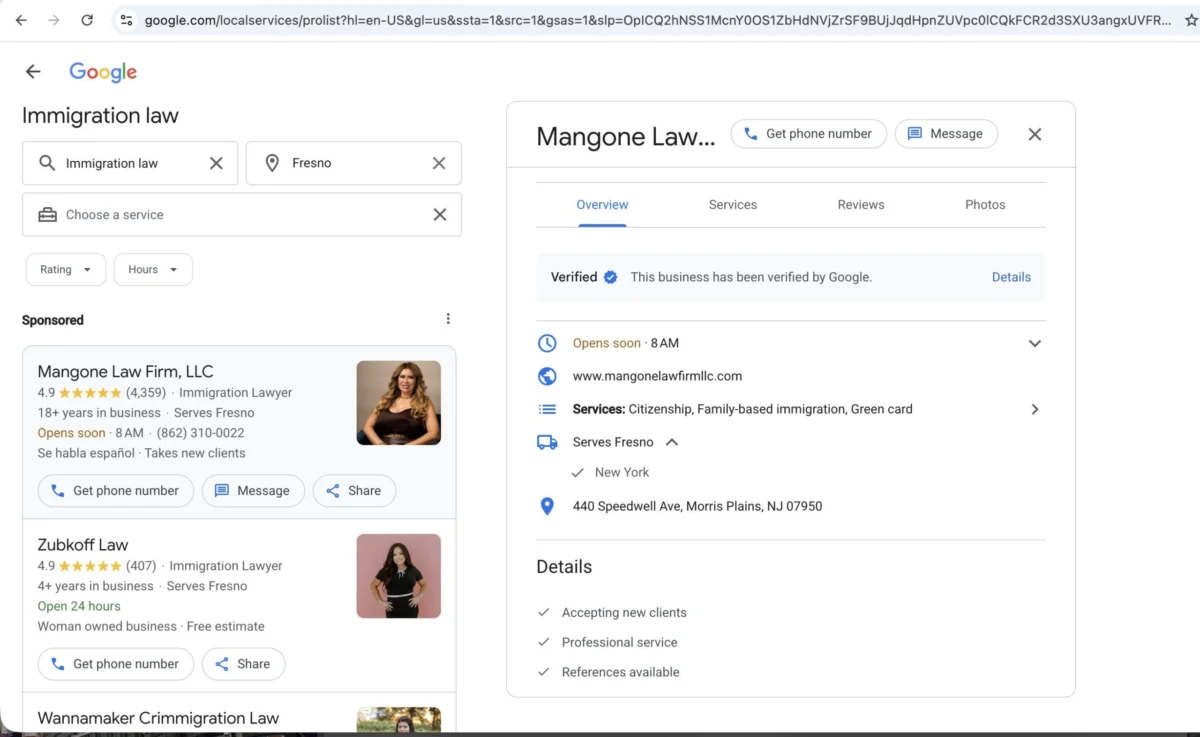
SEO primarily focuses on attracting "organic traffic," which refers to visitors who arrive at a website through unpaid search results. These are the listings that appear naturally based on the search engine’s algorithms. In contrast, search engine results pages often feature "paid results," typically displayed at the top or bottom of the page, clearly marked as "Ads" or "Sponsored." These are achieved through paid advertising campaigns, such as Pay-Per-Click (PPC), where advertisers bid on keywords and pay a fee each time a user clicks on their ad. While PPC offers immediate visibility, it comes with ongoing costs. SEO, though requiring an initial investment of time and resources, builds sustainable, long-term visibility without per-click charges. Both strategies offer distinct benefits and can often complement each other within a comprehensive digital marketing framework.

The Evolution of SEO: From Keywords to AI
The history of SEO is a dynamic narrative of adaptation and increasing sophistication.
- Early Days (1990s): SEO began in the mid-1990s, characterized by rudimentary algorithms that primarily relied on keyword density and meta tags. Website owners would "stuff" keywords into their content and metadata in an attempt to rank higher, often at the expense of readability and user experience.
- Rise of Google and Link-Based Ranking (Early 2000s): Google’s emergence revolutionized search with its PageRank algorithm, which prioritized the quality and quantity of backlinks as a measure of a page’s authority. This shift made link building a crucial, albeit often manipulated, aspect of SEO.
- Algorithm Updates and User Experience (2010s): Throughout the 2010s, Google introduced a series of significant algorithm updates (e.g., Panda, Penguin, Hummingbird, RankBrain, Mobile-first Indexing, Core Web Vitals). These updates progressively moved away from easily manipulated factors, emphasizing content quality, user experience, mobile-friendliness, and semantic understanding of queries. The concept of E-E-A-T (Experience, Expertise, Authoritativeness, Trustworthiness) became increasingly central to content evaluation.
- The AI Era (2020s and Beyond): The current landscape is heavily influenced by artificial intelligence and machine learning. Search engines are becoming more adept at understanding natural language, user intent, and complex queries. The rise of AI assistants, generative AI, and multi-platform content consumption means SEO is expanding beyond traditional SERPs. While the term "Generative Engine Optimization" (GEO) has been floated to describe optimization for AI-generated responses, the consensus among experts like those at Yoast is that the fundamental principles of SEO remain applicable. As Carolyn Shelby, Principal SEO at Yoast, aptly states, "Rankings still matter, but they are no longer the end goal. They are a proxy for visibility, not a guarantee of impact. As search shifts from ranking pages to selecting sources, rankings should be interpreted alongside presence, citation, and narrative accuracy."
Why SEO Remains Critical for Digital Presence
Despite the evolving landscape, SEO’s importance for website owners and businesses continues to grow, driven by several compelling factors:

- Immense Search Volume: Google alone processes approximately 8.3 billion searches per day in 2024, a figure that has escalated significantly since its inception in 1998. This colossal volume of daily queries represents an unparalleled opportunity for businesses to connect with potential customers actively seeking information, products, or services. Capturing even a fraction of this traffic can translate into substantial business growth.
- Intent-Driven Engagement: Unlike many outbound marketing channels such as social media advertising, where brands interrupt a user’s experience, search is inherently intent-driven. Users actively search for solutions, information, or products, indicating a pre-existing demand. This makes SEO a powerful inbound marketing strategy, attracting high-quality leads who are more likely to convert. For example, a user searching for "best ergonomic office chair" is already in a purchasing mindset, making them a highly valuable prospect.
- Competitive Advantage: In an increasingly crowded digital marketplace, merely having a website is insufficient. SEO provides a sustainable competitive advantage by boosting online visibility, strengthening brand perception, establishing industry authority, and driving higher-quality traffic. Businesses that consistently invest in SEO are better positioned to outrank competitors, secure customer loyalty, and ultimately, increase revenue. Data suggests that the top organic search result captures an average of 28.5% of all clicks, highlighting the critical importance of high rankings.
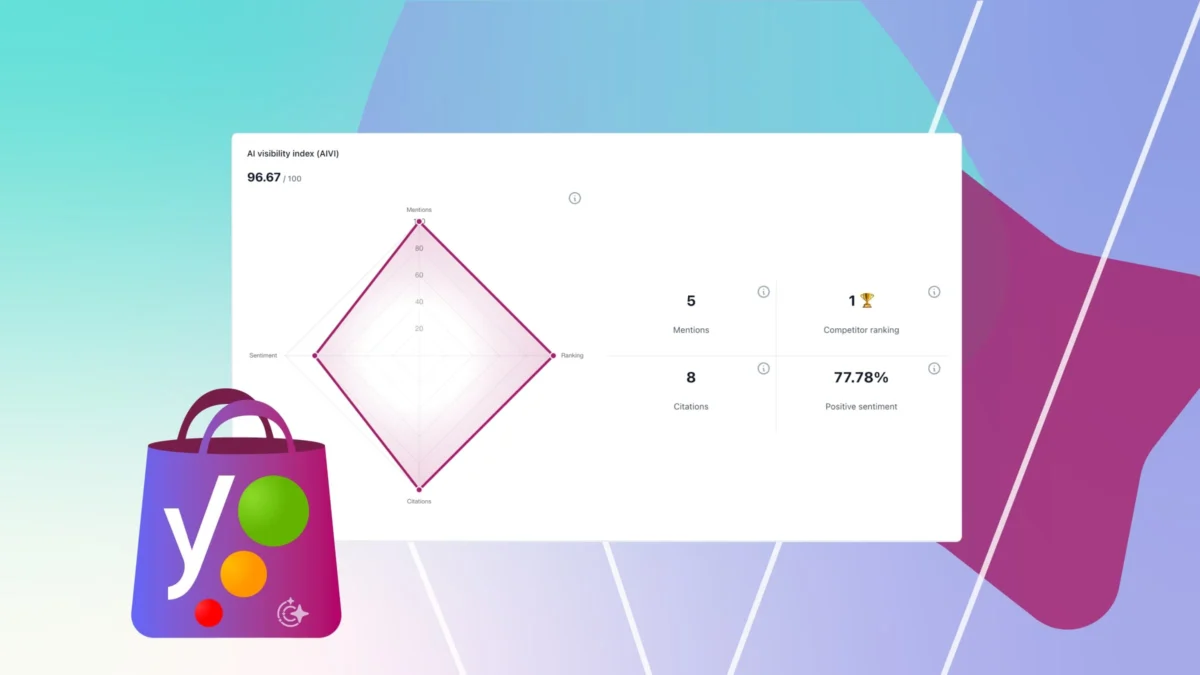
- Beyond Clicks: Brand Awareness and Credibility: Modern SEO extends beyond simply generating clicks. Content optimized for search engines can be cited in AI-generated answers, contribute to AI overviews, or be discovered across various platforms. Even if a user does not immediately visit the website, appearing as a trusted source significantly enhances brand awareness, builds credibility, and can foster future demand for the business. This shift emphasizes the long-term value of establishing a robust, authoritative online presence.
The Pillars of SEO: A Holistic Approach
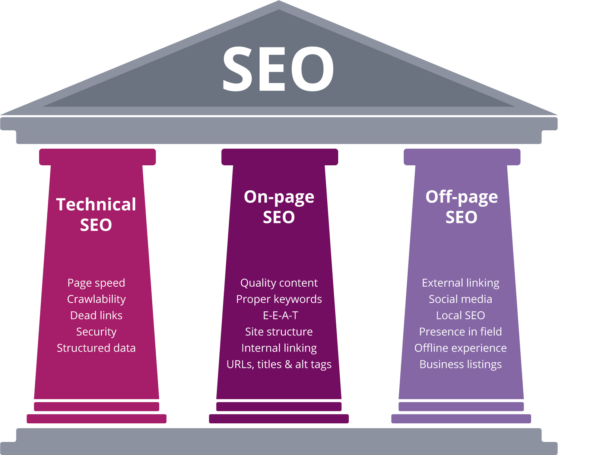
Effective SEO relies on optimizing a website across three interconnected pillars:
- Technical SEO: This pillar focuses on the foundational, "under-the-hood" aspects that ensure a website is easily crawlable, indexable, and provides an excellent user experience. Key elements include:
- Site Speed: Fast-loading pages are crucial for user satisfaction and search engine rankings.
- Mobile-Friendliness: With mobile devices dominating internet usage, websites must be responsive and optimized for various screen sizes.
- Crawlability and Indexability: Ensuring search engine bots can access and understand all relevant pages.
- Site Architecture: A logical and intuitive structure helps users and search engines navigate the site efficiently.
- Security (HTTPS): Encrypted connections are a ranking factor and essential for user trust.
- Structured Data (Schema Markup): Code that helps search engines understand the context of content, enabling rich snippets in search results.
- XML Sitemaps: Guides for search engines to discover all important pages on a site.
- Canonicalization: Preventing duplicate content issues by specifying the preferred version of a page.
- Robots.txt: Directing crawlers on which parts of the site to access or avoid.
- On-Page SEO: This involves optimizing the content and elements directly on a webpage to improve its relevance for specific search queries. It heavily revolves around content SEO:
- Keyword Research: Identifying terms and phrases users employ when searching for information related to your business.
- Content Quality and Depth: Creating valuable, comprehensive, and unique content that addresses user intent.
- Title Tags and Meta Descriptions: Crafting compelling and keyword-rich snippets that appear in search results.
- Header Tags (H1, H2, H3): Structuring content logically for readability and keyword emphasis.
- Image Optimization: Using descriptive alt text and optimizing file sizes for faster loading.
- Internal Linking: Connecting related pages within a website to improve navigation and distribute authority.
- URL Structure: Creating clean, descriptive, and keyword-friendly URLs.
- Readability: Ensuring content is easy for users to consume and understand.
- Off-Page SEO: This encompasses activities performed outside of a website to improve its search engine ranking and authority. It primarily focuses on building brand reputation and reach:
- Link Building: Acquiring high-quality backlinks from other reputable websites, which act as "votes of confidence" for a site’s authority.
- Social Media Marketing: While not a direct ranking factor, social media can drive traffic, increase brand mentions, and amplify content reach.
- Local SEO: Optimizing for local search queries, crucial for brick-and-mortar businesses. This includes managing Google Business Profiles and ensuring consistent business listings across directories.
- Brand Mentions and PR: Generating positive mentions and coverage in online publications and media.
- Influencer Outreach: Collaborating with industry influencers to expand reach and credibility.
Key Ranking Factors in the Modern Era
While Google’s exact algorithm remains proprietary, a consensus exists among SEO professionals regarding the most influential ranking factors:
- Content Quality and Relevance: High-quality, original, comprehensive, and relevant content that genuinely addresses user intent is paramount. Google’s "Helpful Content System" updates continually emphasize rewarding content created for people, not just search engines.
- Backlinks (Link Authority): The quantity and quality of backlinks from authoritative websites remain a powerful signal of a page’s trustworthiness and authority.
- User Experience (UX): Factors like page speed, mobile-friendliness, site architecture, and core web vitals (Largest Contentful Paint, First Input Delay, Cumulative Layout Shift) directly impact how users interact with a site, which search engines monitor closely.
- Search Intent Alignment: The ability of a page to satisfy the underlying intent of a user’s search query is crucial.
- E-E-A-T (Experience, Expertise, Authoritativeness, Trustworthiness): Particularly vital for "Your Money Your Life" (YMYL) topics (e.g., finance, health), E-E-A-T signals help search engines identify reliable sources.
- Technical SEO Health: A technically sound website with proper crawlability, indexability, and structured data provides a solid foundation for ranking.
- Mobile-First Design: Given the prevalence of mobile browsing, Google primarily uses the mobile version of content for indexing and ranking.
- Security (HTTPS): A secure website is a basic expectation for users and a minor ranking signal.
Navigating the AI-Powered Future of Search
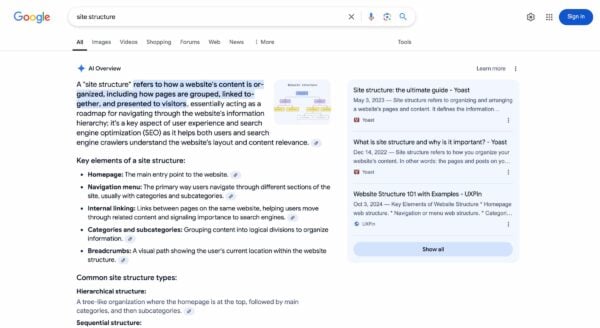
The integration of AI into search is rapidly transforming how users find information. Google’s AI Overviews, for instance, utilize generative AI to synthesize information from various sources into a concise summary directly within the search results. This can lead to "zero-click searches," where users receive their answer without needing to click through to a website. While this might reduce direct website traffic for some queries, being the source cited in an AI Overview still confers significant brand visibility, credibility, and long-term authority. The focus for SEO professionals is shifting towards optimizing for comprehensive answers, structured data, and establishing deep subject matter authority to be selected as a trusted source by AI models.
Rethinking SEO Goals: Beyond Clicks
Traditional SEO metrics such as keyword rankings, organic clicks, and website traffic remain relevant, but the evolving digital landscape necessitates a broader perspective on goal setting. The shift towards AI-powered search and multi-platform visibility means that SEO success is increasingly measured by:
- Brand Awareness and Influence: How often is the brand cited or referenced across different platforms, including AI summaries?
- User Engagement: Metrics like time on page, bounce rate, and user interactions with content.
- User Satisfaction: Whether the content effectively answers user queries and provides a positive experience.
- Conversions and Business Outcomes: Ultimately, how SEO efforts contribute to leads, sales, or other desired actions, both online and offline.
By focusing on these broader indicators, businesses can develop a more resilient and impactful SEO strategy that aligns with contemporary search behavior and technological advancements.
Embarking on Your SEO Journey
For website owners and businesses looking to leverage SEO, a structured approach is essential:
- Prioritize Technical Health: Begin by ensuring the website’s technical foundation is robust. This includes optimizing page speed, securing the site with HTTPS, ensuring mobile-friendliness, and implementing correct crawlability and indexability settings. If technical expertise is lacking, engaging a web developer or a technical SEO specialist is advisable.
- Conduct Thorough Keyword Research: Identify the search terms and phrases that your target audience uses. Tools like Google Keyword Planner, Ahrefs, or Semrush can provide invaluable insights into search volume, competition, and related queries. This research informs content creation and optimization efforts.
- Create High-Quality, Intent-Driven Content: Develop original, comprehensive, and engaging content that directly addresses the identified user intent. In an AI-driven world, emphasizing unique insights, expertise, and a human touch is more critical than ever to stand out from generic, AI-generated text.
- Optimize On-Page Elements: Apply on-page SEO best practices, including crafting compelling title tags and meta descriptions, using header tags effectively, optimizing images, and implementing strategic internal linking.
- Build Authority through Off-Page SEO: Focus on acquiring high-quality backlinks from reputable sources. This can involve content marketing, outreach, and public relations efforts. For local businesses, optimizing Google Business Profiles and other local directories is crucial.
- Monitor and Adapt: SEO is an ongoing process. Regularly monitor performance using tools like Google Analytics and Google Search Console. Analyze keyword rankings, organic traffic, user behavior, and conversion rates. Stay abreast of algorithm updates and industry trends, adapting your strategy as needed.
Resources like Yoast’s free and premium SEO plugins for WordPress and Shopify provide practical tools for content analysis, technical optimization, and managing various SEO aspects. Furthermore, educational platforms like the Yoast SEO academy offer courses ranging from beginner-level introductions to advanced topics, empowering individuals to take control of their SEO efforts. The collective wisdom of SEO blogs and communities provides continuous learning and support. By embracing SEO as a continuous journey of optimization, brand building, and user satisfaction, businesses can secure and expand their digital footprint in an ever-evolving online world.