Layla Zulfa
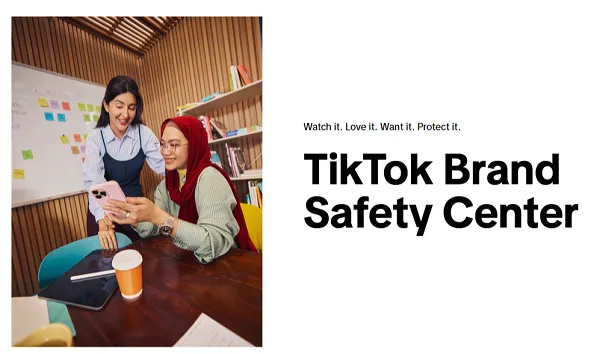
TikTok has significantly expanded its commitment to brand safety and suitability, last week launching a suite of new resources and tools designed to empower advertisers and foster a secure digital environment. These initiatives, introduced at the APAC Responsible Media Forum held in Singapore, include a dedicated Brand Safety Center website, an in-depth Brand Protection Playbook, and advanced AI Safety Essentials for advertisers, alongside enhanced brand protection tools for identifying and mitigating risks. The move underscores TikTok’s ongoing efforts to build trust with its growing advertiser base, particularly within the crucial Asia-Pacific market.
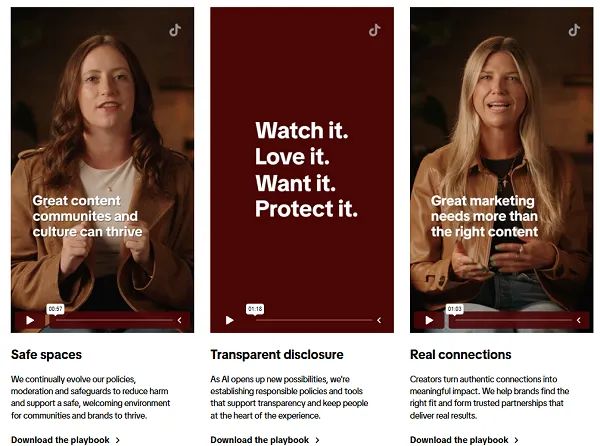
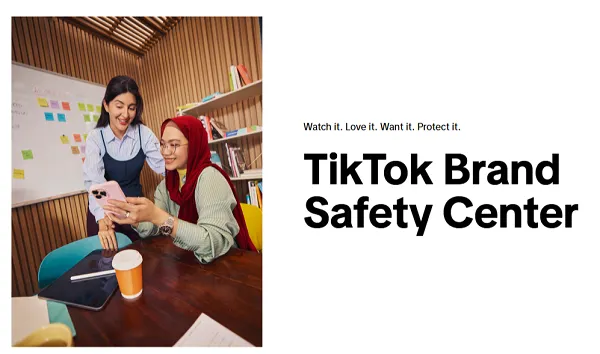
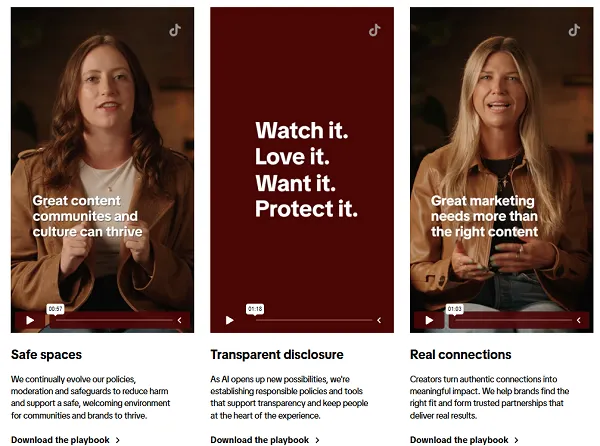
The cornerstone of TikTok’s latest efforts is the newly launched Brand Safety Center website. This central online hub serves as a comprehensive repository for advice, guidance, and tools, making it easier for marketers to navigate the complexities of digital advertising on the platform. The center features a series of informative videos, where TikTok’s internal experts share insights on critical considerations for advertisers, covering topics from content moderation policies to best practices for campaign setup. This direct access to expert guidance aims to demystify brand safety concepts and provide actionable strategies for maintaining brand integrity in a dynamic user-generated content (UGC) environment.
Complementing the online center, TikTok has released its Brand Protection Playbook, a detailed guide offering advertisers a strategic framework for safeguarding their campaigns. This playbook likely delves into TikTok’s sophisticated content moderation processes, its ad review mechanisms, and its approach to brand suitability, aligning with industry standards such as the Global Alliance for Responsible Media (GARM) framework. Such resources are vital for brands operating in the fast-paced digital advertising landscape, where the risk of ad misplacement or association with unsuitable content can have significant reputational and financial repercussions. By providing a clear roadmap, TikTok aims to equip brands with the knowledge to proactively manage their presence and ensure their advertising efforts resonate positively with their target audiences.
Furthermore, recognizing the transformative, yet sometimes challenging, role of artificial intelligence in modern advertising, TikTok has introduced its AI Safety Essentials overview. As generative AI becomes increasingly prevalent in content creation and ad targeting, concerns around bias, misinformation, and the ethical implications of AI-generated content have grown. This guide outlines TikTok’s responsible artificial intelligence framework for brand use of AI, addressing key considerations for advertisers employing AI tools. It emphasizes the importance of transparency, accountability, and ethical deployment of AI to maintain a safe and trustworthy environment for both users and brands. This foresight in addressing AI safety positions TikTok as a proactive leader in navigating the evolving digital ethics landscape.
Beyond educational resources, TikTok has rolled out tangible brand protection tools designed to help brands actively identify and address potential areas of risk. Among these is a new brand perception insights tool, integrated within TikTok’s business center. This tool provides marketers with valuable data and analytics on how their brand is perceived on the platform, allowing them to monitor sentiment, track discussions, and identify potential issues before they escalate. Such insights are crucial for agile brand management, enabling timely interventions and strategic adjustments to campaign content or targeting.
In an era where intellectual property (IP) infringement and counterfeiting pose significant threats to businesses, TikTok has also enhanced its mechanisms for copyright and trademark infringement reporting. These improvements offer brands more robust options to protect their creative assets and proprietary information. Additionally, the platform has bolstered its counterfeit protections specifically for sellers, a critical step given the rapid expansion of e-commerce capabilities on TikTok, such as TikTok Shop. These measures are essential for fostering a fair and legitimate marketplace, protecting both established brands and small businesses from illicit activities that undermine consumer trust and economic value.
The launch of these comprehensive brand safety initiatives took place during the APAC Responsible Media Forum in Singapore, an event that underscores TikTok’s strategic focus on the Asia-Pacific region. The forum serves as a vital platform for dialogue, bringing together industry leaders, advertisers, and policy makers to discuss critical issues facing the digital media ecosystem. Holding such an event in Singapore, a major economic and technological hub in Asia, highlights the region’s importance to TikTok’s global growth strategy. The APAC market, characterized by its vast internet penetration, burgeoning e-commerce landscape, and diverse user base, presents both immense opportunities and unique challenges for digital platforms. By hosting this forum, TikTok demonstrates its commitment to engaging with regional stakeholders and tailoring its safety efforts to meet local needs and regulatory expectations.
During the forum, TikTok also shared compelling statistics on its ongoing efforts to protect businesses and users across the APAC region. While specific figures were not detailed in the initial report, such data typically highlight the platform’s investment in human moderation teams, AI-powered content detection systems, and its proactive removal of harmful or policy-violating content. These statistics serve as tangible evidence of TikTok’s dedication to maintaining a safe environment, reinforcing confidence among advertisers who increasingly demand accountability and transparency from digital platforms. The company’s continuous efforts in this domain are crucial, especially considering the scale of content generated and consumed daily across its global user base, which now exceeds a billion active users.
The evolution of brand safety on TikTok has been a journey reflecting the platform’s explosive growth and its transition from a pure entertainment app to a significant advertising and e-commerce powerhouse. In its earlier years, like many burgeoning social media platforms, TikTok faced scrutiny regarding content moderation and brand suitability. However, as advertising revenue soared, reaching an estimated $11 billion in 2022 and projected to grow further, the imperative to provide a secure environment for brands became paramount. Over time, TikTok has invested heavily in technology and personnel to enhance its content review processes, partnering with third-party verification companies and adopting industry best practices. This chronology of continuous improvement culminates in the current suite of tools, representing a mature and proactive stance on brand safety.
Industry experts and advertisers generally welcome such comprehensive initiatives. A Head of Brand Safety at a major advertising conglomerate, speaking anonymously on the general need for such tools, might articulate: "As advertisers, our primary concern is ensuring our brands appear in environments that align with our values and protect our reputation. Platforms like TikTok, with their immense reach and engagement, are indispensable, but they also carry inherent risks due to user-generated content. These new resources and tools from TikTok represent a significant step forward in providing the transparency and control we need to invest with greater confidence." This sentiment reflects the broader industry demand for platforms to take greater responsibility for the content they host and the environments in which ads are placed.
The implications of these expanded measures are far-reaching. For brands, the availability of a dedicated Brand Safety Center, a detailed Playbook, and robust protection tools translates into increased confidence and potentially higher return on investment (ROI) for their TikTok campaigns. By mitigating risks associated with unsuitable content, brands can allocate their advertising budgets more effectively, knowing their messages will reach target audiences in a brand-safe context. This enhanced security can also attract new advertisers who may have previously been hesitant to engage with UGC-heavy platforms.

For users, these initiatives contribute to a safer and more positive browsing experience. By empowering brands to protect their integrity, TikTok implicitly strengthens its content moderation efforts across the board, reducing the prevalence of harmful, illicit, or inappropriate content. This symbiotic relationship between brand safety and user safety is fundamental to the long-term health and growth of any digital platform.
For TikTok itself, these proactive steps reinforce its reputation as a responsible and trustworthy advertising partner. In a competitive digital advertising landscape, platforms that can demonstrate a strong commitment to brand safety gain a significant competitive edge. This commitment not only helps in retaining existing advertisers but also in attracting new ones, thereby securing future revenue streams and solidifying its position as a leading global entertainment and commerce platform. The emphasis on AI safety, in particular, positions TikTok as a forward-thinking entity, ready to tackle the ethical complexities of emerging technologies.
Looking ahead, the landscape of brand safety will continue to evolve rapidly, driven by technological advancements, changing consumer expectations, and emerging regulatory frameworks. TikTok’s continuous investment in these areas, including its responsible AI framework, suggests a long-term strategy of adapting and innovating. Collaboration with advertisers, industry bodies, and safety experts will remain crucial. As TikTok continues to expand its e-commerce offerings and integrate more AI-driven features, the demand for robust, transparent, and adaptable brand safety solutions will only intensify, making these latest announcements a critical benchmark in its ongoing commitment to a secure and suitable digital advertising ecosystem.


 Lina Irawan
 Siti Muinah