rifanmuazin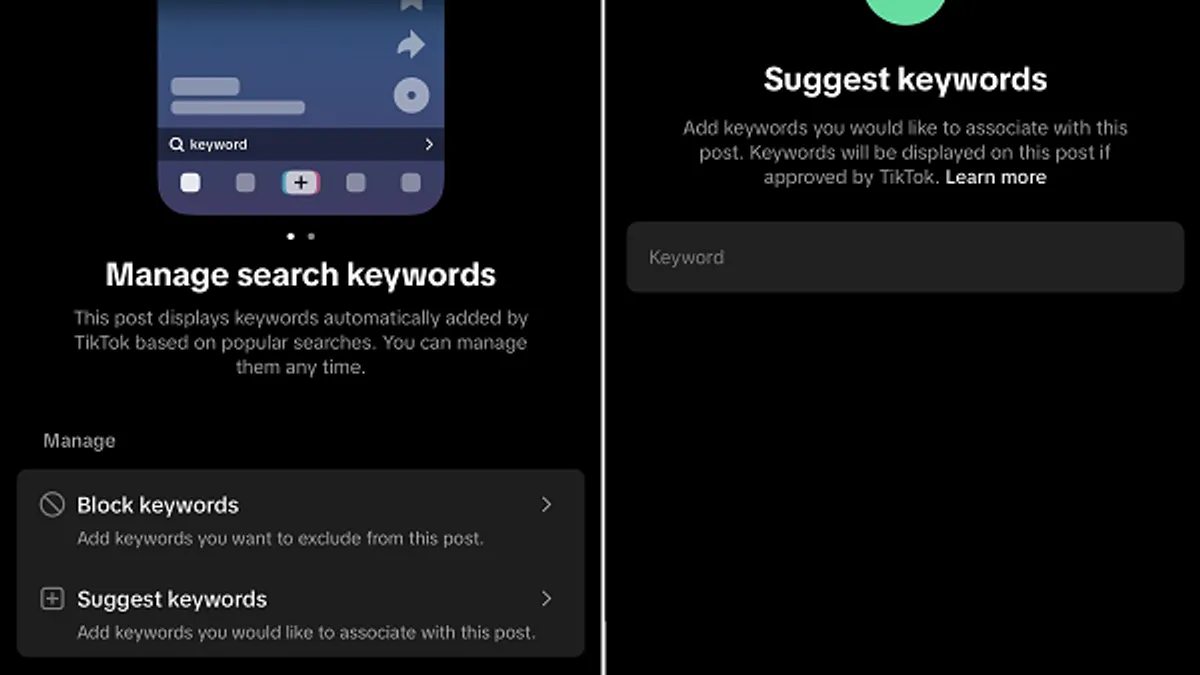
TikTok has introduced a significant new feature designed to empower creators with greater control over how their video content is discovered within the immensely popular short-form video application. This update allows content creators to actively manage the keywords associated with their uploaded clips, offering a crucial mechanism to refine content categorization and, consequently, improve alignment with user search queries and algorithmic recommendations. The move represents a strategic enhancement aimed at optimizing the creator experience and boosting the relevance of content presented to its vast global audience.
The core of this new functionality lies in giving creators the ability to both block automatically assigned keywords and suggest additional terms that they believe accurately describe their video content. This level of manual input is a notable departure from a purely algorithmic approach, introducing a hybrid system where human judgment complements machine learning. While creators gain unprecedented influence over their content’s metadata, TikTok has affirmed its commitment to maintaining oversight, ensuring that any suggested keywords remain relevant and do not lead to miscategorization or abuse of the system. This balance aims to preserve the integrity of the platform’s content ecosystem while providing valuable tools for its creative community.
The Evolving Landscape of Content Discoverability on TikTok
For years, TikTok’s "For You Page" (FYP) has been the primary engine of content discovery, famously adept at surfacing highly personalized content to users even without explicit searches or follows. The algorithm, a sophisticated blend of artificial intelligence and machine learning, analyzes a myriad of signals including user interactions (likes, shares, comments, watch time), video information (captions, sounds, hashtags), and device/account settings. While hashtags have traditionally served as the primary creator-facing tool for keyword-based categorization, the platform’s internal indexing and keyword assignment have largely been automated.
The sheer volume of content uploaded to TikTok daily presents a formidable challenge for discoverability. With hundreds of millions of active users globally and countless videos being posted every minute, creators constantly seek new avenues to ensure their content reaches the most receptive audience. Prior to this update, creators relied heavily on crafting compelling captions, strategically using trending sounds, and selecting relevant hashtags. While effective to a degree, these methods sometimes fell short in capturing the nuanced thematic elements of a video, leading to potential mismatches between content and audience. For instance, a video about "vintage fashion" might be broadly categorized as "fashion" by the algorithm, missing out on users specifically searching for "vintage clothing haul" or "retro style tips."
This new keyword management system directly addresses this gap, providing a more granular layer of control that bridges the potential disconnect between algorithmic interpretation and creator intent. It signifies TikTok’s recognition of the growing professionalization of content creation and the demand for more sophisticated tools to navigate the competitive digital landscape.
Feature Rollout and Initial Observations
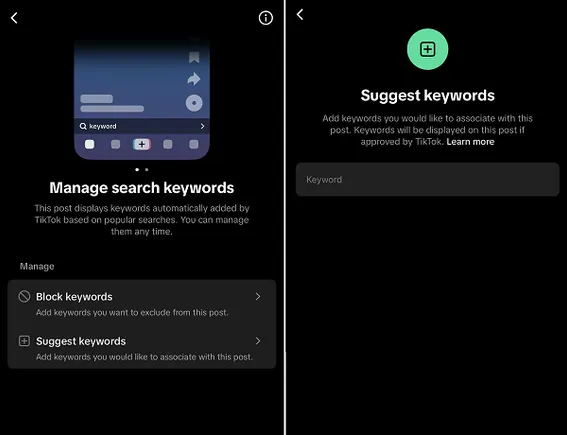
The introduction of these new keyword management capabilities was recently highlighted by app researcher Jonah Manzano, who shared detailed images on Threads showcasing the interface available to creators. These images quickly circulated within the creator and digital marketing communities, signaling a significant development in TikTok’s platform tools.
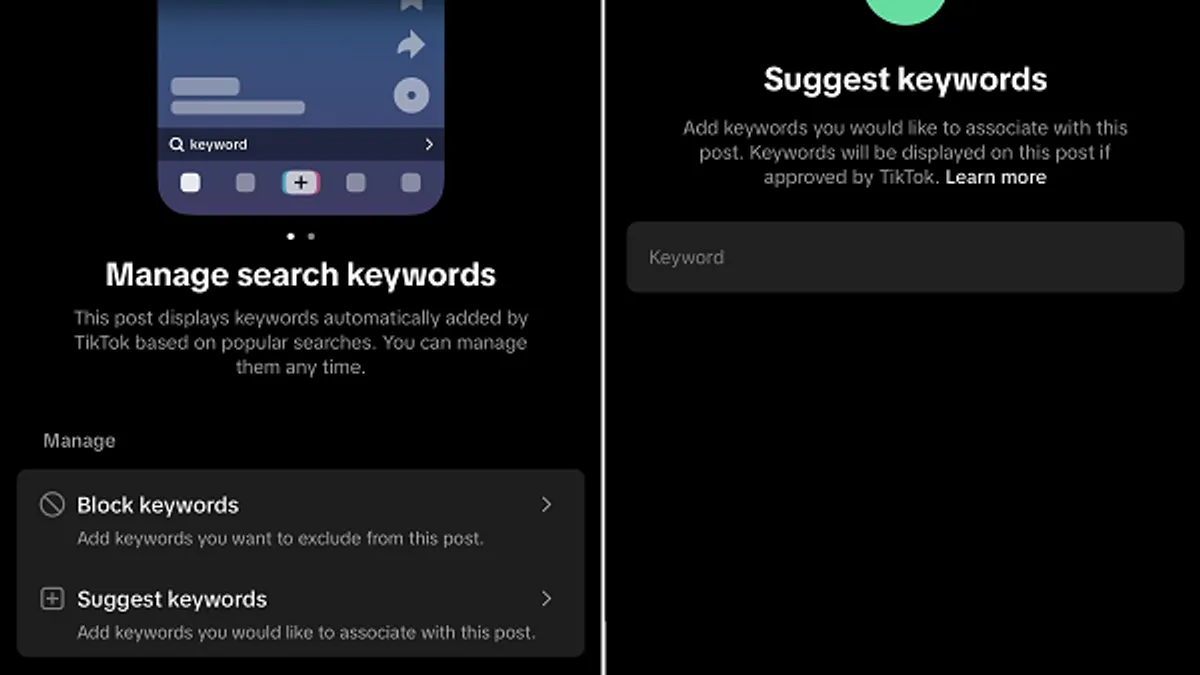
According to the screenshots and subsequent explanations, creators are presented with a message stating, "This post displays keywords automatically added by TikTok based on popular searches. You can manage them at any time." Beneath this prompt, users find options to "block keywords" from TikTok’s automated data matching system and to "suggest other key terms" that more accurately align with their video clips. This transparent approach, allowing creators to see the keywords TikTok has assigned and then modify them, is a critical component of the feature’s design.
The rollout appears to be a phased implementation, a common practice for major platform updates, ensuring stability and gathering initial feedback from a subset of users before wider deployment. While an exact global rollout timeline has not been fully detailed by TikTok, the public observation of the feature suggests it is becoming increasingly accessible to creators across various regions.
Deep Dive into the Keyword Management Functionality
Automatic Keyword Generation and Its Limitations:
TikTok’s existing AI-driven system is highly advanced, capable of analyzing visual elements, spoken words (through speech-to-text), and textual overlays within videos to generate relevant keywords. This process helps categorize content and recommend it to users whose past interactions suggest an interest in those topics. However, even the most sophisticated AI can sometimes misinterpret context, fail to capture niche themes, or assign overly broad terms. For example, a comedy skit featuring a specific cultural reference might be tagged generically, missing the opportunity to reach an audience that understands and appreciates that specific cultural nuance.
The "Block Keywords" Mechanism:
The ability to block keywords is particularly powerful for creators. It allows them to actively remove terms that might be incorrectly associated with their content or, more importantly, terms that could lead to their videos being shown to an irrelevant or even inappropriate audience. For instance, a creator focusing on family-friendly content might want to block keywords that could inadvertently link their videos to more mature or controversial topics. This function can help maintain brand safety, ensure audience relevance, and prevent negative feedback loops where users are shown content they don’t want, potentially harming the video’s performance metrics. It also offers a layer of protection against algorithmic misinterpretations that could pigeonhole content into undesirable categories.
The "Suggest Keywords" Mechanism:
Conversely, the option to suggest keywords provides creators with a direct channel to inform TikTok’s algorithm about the precise thematic focus of their content. This is invaluable for niche creators, educators, or those producing highly specialized content. By adding specific, long-tail keywords, creators can improve the chances of their videos appearing in highly targeted search results and "For You Pages." For example, a chef specializing in vegan gluten-free baking could suggest keywords like "vegan gluten-free recipes," "plant-based baking," or "allergen-friendly desserts," ensuring their content reaches users actively seeking such specific culinary instructions. This manual input refines the algorithmic understanding, leading to more precise content-to-audience matching.

TikTok’s Oversight and Quality Control:
Crucially, TikTok has stated that it "will still maintain oversight over any suggestions." This mechanism is vital to prevent creators from attempting to game the system by adding non-relevant or misleading terms to artificially inflate their reach. Such practices, if unchecked, could degrade the user experience by filling FYPs with irrelevant content and undermine the platform’s credibility. The oversight likely involves a combination of automated checks for relevance against video content and potentially human moderation for more complex or disputed cases. This ensures that while creators gain control, the integrity of the discovery system remains intact.
Broader Implications and Strategic Advantages
Enhanced Creator Empowerment and Monetization:
For the rapidly expanding creator economy, tools that offer greater control over content distribution are highly valued. This keyword management feature empowers creators by giving them a direct lever to optimize their content for discoverability. Improved discoverability directly translates to increased views, higher engagement rates, and ultimately, greater potential for monetization through brand partnerships, advertising revenue, and direct fan support. Creators can now be more strategic in how they position their content, aligning it with current trends and specific audience segments. This is especially beneficial for smaller creators trying to grow their audience, as well as established creators looking to tap into new demographics.
Improved User Experience and Algorithm Accuracy:
From a user perspective, this update promises a more refined and relevant "For You Page" experience. When creators accurately label their content, the algorithm has better data to work with, leading to more precise recommendations. This reduces instances of irrelevant videos appearing on users’ feeds, thereby enhancing overall satisfaction and time spent on the app. It also improves the efficacy of TikTok’s search function, making it easier for users to find exactly what they’re looking for, rather than relying solely on broad categories.
Competitive Edge in the Social Media Landscape:
In the fiercely competitive social media arena, platforms are constantly vying for creator loyalty. By offering advanced tools like keyword management, TikTok strengthens its appeal to content creators who are increasingly sophisticated in their understanding of digital marketing and SEO principles. Other platforms like YouTube have long offered robust tagging and categorization systems, and TikTok’s move brings it closer to offering a comprehensive suite of creator tools that are essential for professional content strategy. This feature positions TikTok as a platform that not only provides unparalleled organic reach but also offers granular control for strategic content optimization.
Data-Driven Content Strategy:
The availability of this tool also encourages creators to adopt a more data-driven approach to their content strategy. By leveraging resources such as "TikTok Trends," creators can research popular search terms and align their suggested keywords with high-demand topics. This iterative process of publishing, analyzing keyword performance, and adjusting future content and keyword choices can significantly improve a creator’s overall discoverability and audience growth trajectory. It moves beyond simply posting content to actively managing its digital footprint.
Addressing Automated Detection Errors and Niche Content:
One of the most significant benefits is the potential to reduce automated detection errors. Algorithms, while powerful, can sometimes struggle with nuance, sarcasm, or highly specific niche topics. Manual keyword input allows creators to correct these potential misinterpretations, ensuring their content isn’t lost in the vastness of the platform due to an algorithmic oversight. This is particularly vital for creators producing content on highly specialized subjects, where generic tags would fail to capture the essence and intended audience.
Challenges and Considerations
While the benefits are substantial, creators must also navigate the potential pitfalls. As noted in the initial analysis, "excluding the wrong terms might limit reach." An overly aggressive or incorrect application of the "block keywords" function could inadvertently prevent a video from reaching relevant segments of the audience. Therefore, creators will need to exercise careful judgment and potentially conduct A/B testing or monitor performance closely after making keyword adjustments. The balance between providing sufficient specificity and maintaining broad enough appeal will be a learned skill.
Furthermore, the effectiveness of the "suggest keywords" feature will depend heavily on TikTok’s oversight mechanisms. If the platform’s filters are too restrictive, creators might find their relevant suggestions rejected. Conversely, if too lenient, the system could be exploited, leading to a degraded user experience. Maintaining this equilibrium will be a continuous challenge for TikTok as the feature matures.
Conclusion: A Strategic Leap for Creator Empowerment
TikTok’s introduction of advanced keyword management tools marks a significant step forward in empowering its vast community of creators. By providing manual control over content categorization, the platform is addressing a critical need for enhanced discoverability, better audience alignment, and more strategic content optimization. This feature not only improves the experience for creators, offering them greater agency and potential for growth, but also promises a more relevant and enjoyable "For You Page" for users. In the dynamic world of short-form video, where attention is fleeting and competition is fierce, giving creators more precise tools to connect with their intended audience is not just an update—it’s a strategic imperative that solidifies TikTok’s position as a leading platform for creative expression and digital engagement. As creators learn to leverage this new capability, the landscape of content discovery on TikTok is poised for a significant evolution, promising more targeted reach and richer user experiences.