Evan Lee Salim

TikTok’s Comprehensive AI Disclosure Framework
At its core, TikTok’s AI disclosure policy permits the use of AI tools but requires creators to explicitly label content where AI has been instrumental in generating or significantly altering realistic-looking people or scenes. This directive is meticulously outlined in TikTok’s Community Guidelines under the "Integrity & Authenticity" section, which was recently updated to address the rapidly evolving landscape of generative AI. The policy specifically targets content that could potentially mislead viewers by appearing authentic when it is, in fact, synthetic.
The guidelines delineate two primary categories of content necessitating disclosure:

- AI-generated or significantly AI-edited realistic content: This includes videos or images that feature people or environments created or substantially modified by AI to appear lifelike. The emphasis here is on "realistic," meaning if the AI-generated elements could be mistaken for genuine footage, a label is required.
- Manipulated media depicting real individuals: This covers instances where AI is used to alter what a real person says or does, or to create deepfakes where one person’s face is swapped onto another’s body. Such content, regardless of its realistic appearance, must be labeled due to its potential for misrepresentation and harm.
Failure to adhere to these labeling requirements can result in severe consequences, including the removal or restriction of the content, impacting a creator’s reach and reputation. A visible tag, typically stating "Creator labeled as AI-generated," appears directly below the video caption, providing immediate context to viewers.
It is crucial to note that TikTok explicitly prohibits certain types of AI content, irrespective of any labels. This includes AI-generated material that could gravely mislead the public on critical issues, incite harm, or defame real individuals. This absolute ban highlights the platform’s commitment to preventing the weaponization of AI for malicious purposes.
The Rising Tide of AI-Generated Content and the Need for Transparency
The proliferation of AI-generated content is a defining characteristic of the modern digital landscape. According to recent industry reports, the market for generative AI in content creation is projected to grow exponentially, reaching hundreds of billions of dollars within the next decade. Tools capable of producing highly convincing images, videos, and audio are becoming increasingly accessible, blurring the lines between reality and simulation. This technological advancement, while offering immense creative potential, simultaneously presents significant challenges in terms of authenticity and the spread of misinformation.

The phenomenon of deepfakes, where AI is used to create fabricated videos or audio that appear genuine, has raised global concerns. These can range from relatively innocuous entertainment to serious threats involving political disinformation, harassment, and fraud. In response, major technology platforms, including Meta, Google, and Adobe, have also begun implementing their own AI labeling initiatives and supporting industry standards like Content Credentials, a metadata standard that embeds information about a file’s origin and editing history. TikTok’s robust disclosure policy aligns with these broader industry efforts to foster a more transparent digital ecosystem.
Understanding TikTok’s Labeling Mechanisms
TikTok employs a multi-faceted approach to AI content identification and labeling, involving both creator-led disclosures and automated detection systems. There are three distinct types of AI labels:
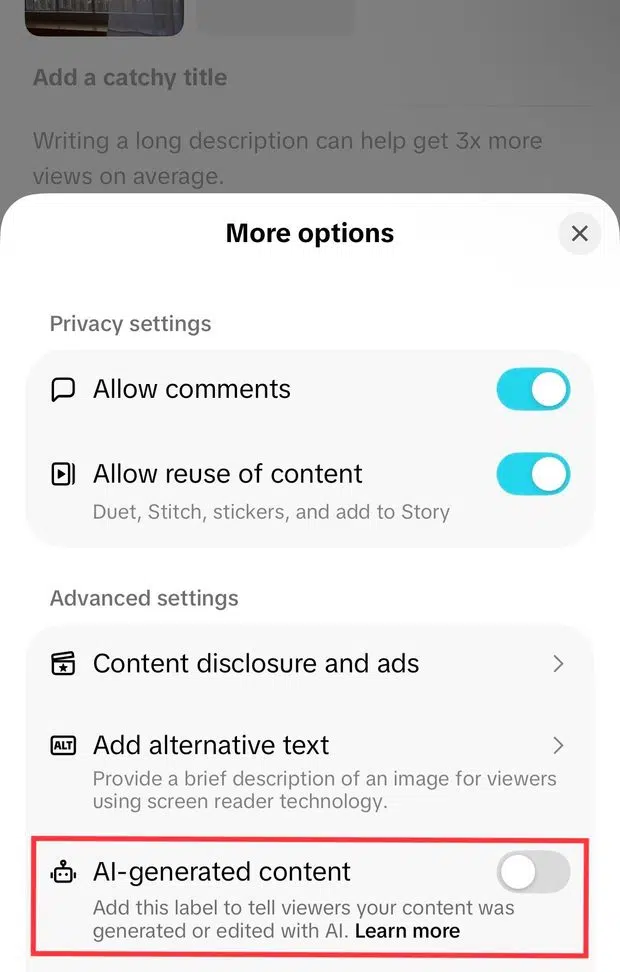
- Creator Toggle: This is the primary method for creators to manually disclose AI use. When uploading organic posts that contain AI-generated or significantly AI-edited elements falling under the policy’s scope, creators are required to activate a specific toggle in the app’s publishing options. This ensures that the disclosure comes directly from the content creator.
- Auto Label: TikTok’s sophisticated AI detection systems automatically identify and label content in certain scenarios. This includes videos created using TikTok’s proprietary AI effects and tools, as well as external files that carry Content Credentials. These credentials are embedded metadata that signal the use of AI in content creation, allowing platforms to automatically apply disclosures. This automated layer acts as a safety net, catching content that creators might inadvertently or intentionally fail to label.
- Ad Disclosure: For paid advertising campaigns, a specific AI disclosure mechanism is integrated into TikTok Ads Manager. Advertisers must apply this label when their ads feature realistic AI-generated or significantly AI-edited elements. This is crucial for maintaining transparency in commercial communications and preventing deceptive advertising practices.
The distinction between these labeling methods is critical for creators and advertisers to understand. While the creator toggle relies on self-regulation, the auto-labeling function ensures a baseline level of compliance, reflecting TikTok’s commitment to proactive moderation. The ad disclosure mechanism specifically addresses the heightened ethical and legal standards required for commercial content.

Content Requiring a Label vs. Content Exempt from Disclosure
The nuances of TikTok’s policy hinge on the concept of "realism." If AI-generated or edited content could reasonably be perceived as genuine, a label is likely necessary. However, minor enhancements or stylistic filters typically do not warrant disclosure.
Content that Requires an AI Label:
- AI-generated videos or images depicting realistic individuals or scenes.
- AI-generated audio that convincingly mimics a real person’s voice (voice cloning).
- Using AI to alter what a real person says or does in a video clip.
- Face-swapping technologies that replace one person’s face with another’s.
- Adding or removing people, objects, or backgrounds with AI if it creates a misleading impression or fundamentally alters the reality of the scene.
Content that Does NOT Require an AI Label:

- Minor aesthetic adjustments such as color correction, cropping, or reframing.
- Everyday filters that apply superficial changes like makeup or stylized effects without creating realistic synthetic elements.
- Generic text-to-speech voiceovers that do not mimic a specific real person’s voice.
- AI-generated captions or scripts, as long as they are not delivered by a realistic AI voice or avatar.
This clear distinction helps creators navigate the policy, focusing on the potential for deception or misrepresentation as the key determinant for disclosure.
Implications for Brands and Marketers: Navigating the AI Landscape with Integrity
For brands and marketers leveraging TikTok for their campaigns, adherence to the AI disclosure policy is not merely a regulatory compliance issue; it is a fundamental aspect of maintaining audience trust and protecting brand reputation. The digital consumer is increasingly discerning, and transparency is paramount.
- Protecting Audience Trust: In an era where trust is a valuable commodity, brands that are perceived as deceptive or non-transparent risk alienating their audience. As Brittany Garcia, Social Media & Content Strategist at Social By Brittany, aptly states, "As synthetic content gets harder to spot, disclosure gives people the context to decide what they trust." Brands using AI to simulate customer experiences or product demonstrations without disclosure could face significant backlash. A clear label provides this crucial context upfront, mitigating the risk of negative sentiment arising from perceived deception.
- Mitigating Content Restrictions and Penalties: A missing AI label can lead to immediate consequences, from reduced visibility and reach to the outright removal of posts. For advertising campaigns, non-compliance can result in ad rejections, wasting valuable budget and delaying campaign launches. Understanding and implementing the disclosure process prevents these operational disruptions.
- Ensuring Transparent Influencer Partnerships: Brands often collaborate with influencers and creators whose AI usage policies may differ. It is imperative for brands to establish clear guidelines regarding AI disclosure in their creator briefs. An unlabeled AI video featuring a brand’s product or message, even if created by an influencer, can directly impact the brand’s reputation. Furthermore, AI labels are not a substitute for traditional sponsorship disclosures (e.g., #ad, #sponsored), as mandated by regulatory bodies like the FTC.
- Safeguarding Brand Reputation: Public perception is fragile. A viral post uncovering a brand’s undisclosed AI content can quickly escalate into a full-blown public relations crisis. The reputational damage can far outweigh the effort saved by omitting a label. Proactive disclosure is a preventative measure against such crises, fostering an image of responsibility and honesty.
Implementing an Effective AI Disclosure Process within Teams

To ensure consistent compliance and minimize risks, organizations must integrate AI disclosure protocols into their content creation and publishing workflows. This requires a systematic approach:
- Platform-Specific Disclosure Rules: Digital content often appears across multiple platforms. Each platform, be it TikTok, Instagram, or YouTube, may have slightly different AI disclosure requirements. Brands must ensure that their content adheres to the specific guidelines of each platform it is published on. For instance, a campaign labeled on YouTube might still need distinct disclosure on TikTok, as illustrated by past incidents where brands faced scrutiny for inconsistent labeling.
- Clear AI Expectations in Creator Briefs: For influencer marketing and external content creation, explicit guidelines on AI usage and disclosure must be included in creator briefs. This ensures all parties understand when AI is permissible, what requires brand approval, and the mandatory disclosure protocols.
- Flagging AI Use During Content Handoffs: Content typically undergoes multiple stages of creation, editing, and review. It is essential to establish a system where designers, editors, or AI specialists flag AI-generated elements when handing off content to social media managers. A simple note or metadata tag within project management tools can prevent oversights.
- Integrating Disclosure Checks into Approval Workflows: The most effective way to ensure compliance is to make AI disclosure a mandatory step in the content approval process. Before any content goes live, a designated team member should verify whether AI was used and if the appropriate label has been applied. Tools like Hootsuite’s Perch can facilitate custom approval flows, routing posts to the relevant reviewers for this critical check.
Technological Support for AI Compliance and Reputation Management
Social media management platforms like Hootsuite offer integrated solutions to help brands navigate the complexities of AI disclosure and maintain compliance across their TikTok activities.
- Perch for Streamlined Approval Workflows: Hootsuite’s Perch feature enables teams to embed AI disclosure checks directly into their content review processes. By setting up custom approval flows, posts can be automatically directed to the right stakeholders who can verify AI usage and ensure proper labeling before publishing. This transforms disclosure from an afterthought into a routine operational step.
- Vigil for Governed Publishing Controls: In multi-person teams managing various social accounts, robust governance is essential. Vigil, as a governance layer within Hootsuite Social OS, provides granular control over permissions and approvals. This ensures that only authorized personnel and approved AI tools have the ability to publish content, reducing the risk of unauthorized or non-compliant posts going live.
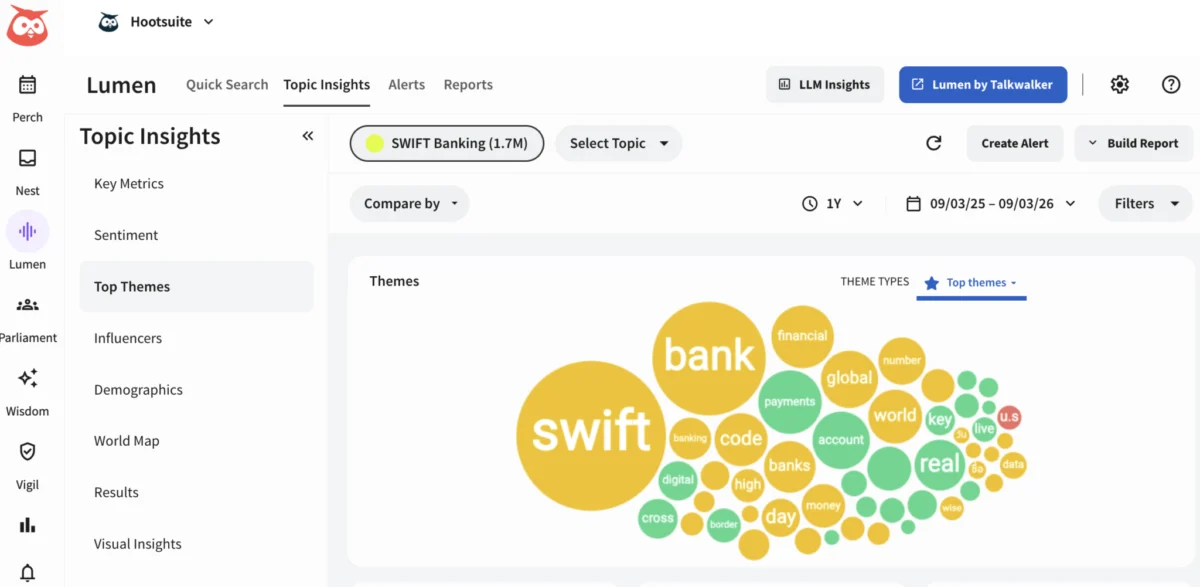
- Lumen for Proactive Sentiment Monitoring: Even with stringent disclosure, public perception of AI-generated content can vary. Hootsuite’s Lumen offers advanced social listening capabilities, tracking brand mentions, sentiment, and conversations across a vast array of social platforms and online sources. This allows teams to monitor audience reactions to AI-generated campaigns in real-time, identify any dips in sentiment, and respond proactively to mitigate potential issues or adjust future strategies.
The Future of AI Transparency and Regulatory Evolution
TikTok’s AI disclosure policy is a reflection of a broader global movement towards greater transparency in digital media. Governments and regulatory bodies worldwide are increasingly scrutinizing the ethical implications of AI, particularly concerning misinformation and deepfakes. The European Union’s AI Act, for instance, sets forth comprehensive regulations for AI systems, including transparency requirements for AI-generated content. Similar discussions are ongoing in the United States and other regions, indicating a future where AI disclosure may become a legal rather than merely a platform-specific requirement.
For creators and brands, adapting to these evolving standards is not optional. It is a strategic imperative to build and maintain trust in a digital landscape increasingly shaped by artificial intelligence. TikTok’s policy serves as a critical guide, emphasizing that while AI offers unprecedented creative opportunities, it must be wielded responsibly, with transparency at its forefront.
Conclusion
TikTok’s AI disclosure policy represents a significant step towards fostering a more authentic and trustworthy digital environment. By mandating labels for realistic AI-generated or significantly edited content, the platform empowers users to distinguish between genuine and synthetic media. For brands and creators, embracing these guidelines is crucial for protecting audience trust, avoiding penalties, and safeguarding reputation. Integrating AI disclosure into daily workflows, leveraging technological solutions for governance and monitoring, and staying abreast of evolving industry and regulatory standards are vital strategies for navigating the complexities of AI-driven content creation on TikTok and beyond.

 Sagoh