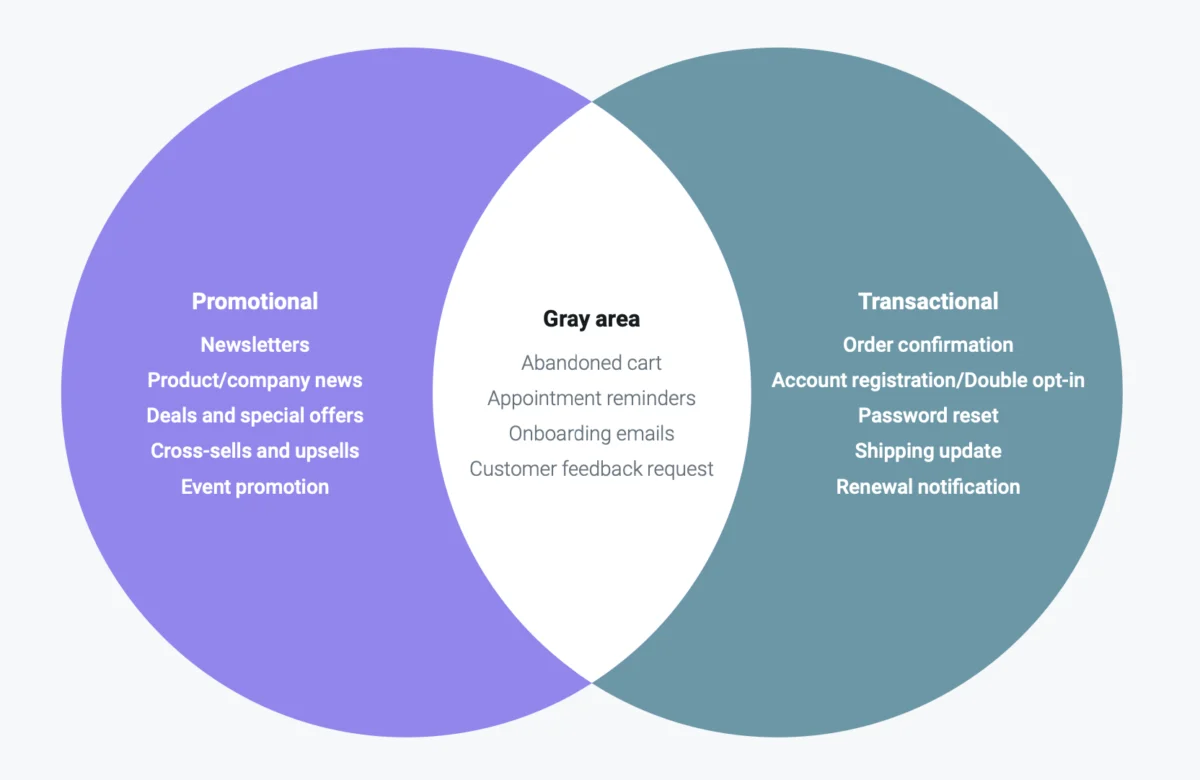
The persistent debate over the optimal management of customer communication, specifically the historical separation of marketing and transactional emails, has reached a critical juncture in today’s fastest-growing technology companies. For years, this operational schism has created friction, inefficiency, and strategic liabilities, challenging the very foundation of customer experience and product-led growth (PLG) initiatives. However, an emerging consensus points towards a unified email platform as not merely a convenience, but a strategic imperative for businesses striving for cohesion, agility, and robust governance in their digital interactions.
The Genesis of the Divide: A Historical Overview
The bifurcation of email systems was not accidental but evolved organically from distinct operational needs. In the early days of digital communication, marketing departments required tools capable of mass outreach, sophisticated segmentation, and rich design to drive campaigns, focusing on engagement and conversion. Concurrently, development teams needed reliable, high-speed infrastructure for sending critical, automated notifications – password resets, order confirmations, welcome messages – where deliverability and system integration were paramount. This led to the emergence of specialized platforms: marketing automation suites for promotional content and email APIs for transactional sends.
While these specialized tools served their individual purposes, they inadvertently fostered silos. Marketing teams celebrated successful campaigns, showcasing feature-rich platforms for crafting beautiful newsletters and sophisticated email automation. Meanwhile, development teams diligently maintained the application’s core transactional email functionality, leveraging powerful but separate email APIs. The result was two essential functions operating in parallel universes, often with disconnected tools, workflows, and data, introducing significant and costly problems that have become increasingly unsustainable in a competitive, customer-centric landscape.
For too long, businesses felt compelled to make an impossible choice: invest in a platform empowering marketers to create rich experiences, or one providing developers with the raw power and reliability needed for critical notifications. The answer, as modern businesses are discovering, must be neither. Instead, product-led growth teams are actively seeking all-in-one email platforms that seamlessly serve both needs, recognizing the hidden costs of a divided email strategy.
The Hidden Costs of Fragmentation: A Deep Dive into Strategic Liabilities
Running two disparate email systems might appear manageable on the surface, but the hidden costs accumulate quietly, sabotaging growth, brand reputation, and operational efficiency. These pains are felt most acutely by the very teams tasked with driving the business forward, creating friction where there should be fluid collaboration and consistent customer journeys.
1. The Siloed and Inconsistent Customer Experience

Customers do not perceive departments; they experience one brand. They are indifferent to whether an email is "marketing" or "transactional"; to them, it is a single, continuous conversation with the company. When an email strategy is divided, that conversation becomes disconnected, and the customer experience deteriorates rapidly.
Consider a prospective user, initially captivated by a sophisticated marketing email showcasing a product’s elegant user interface. Intrigued, they sign up for a trial. However, a minor hiccup—a mistyped password—leads them to click "Forgot Password." The ensuing email is a stark, plain-text message, devoid of branding, appearing to originate from a relic of the 1990s internet. The trust and excitement meticulously built by the marketing team evaporate instantly, replaced by confusion and a subtle sense of disappointment. Industry analysts report that brands with inconsistent messaging across channels experience a 15% lower customer retention rate compared to those with unified communication strategies, underscoring the tangible impact of such disconnects.
This is where brand trust erodes through a death by a thousand cuts. Every inconsistent touchpoint—a stark payment receipt, a generic shipping notification, an unhelpful error message—widens the crack in the customer journey. Achieving a truly consistent brand experience becomes an impossible feat. In the user’s mind, if a company cannot even ensure its own emails look uniform, can the product itself truly be seamless and reliable? The simple act of combining transactional and marketing email under one brand identity is a foundational step that siloed systems render impossible to execute effectively. According to Mailjet’s own email engagement report, a distinct look and voice across all customer interactions significantly increases recognition and trust, making recipients more likely to open and engage.
2. Developer Bottlenecks That Stifle Innovation
In a competitive, product-led growth world, speed and the ability to iterate are paramount. A product’s communication strategy is a key lever for growth, guiding users toward activation and engagement. For Product or Growth Leads, however, a divided email strategy is a constant source of friction, encapsulated by the dreaded developer bottleneck.
Imagine a Growth Manager who, after analyzing user behavior data, devises a brilliant five-part automated sequence for user onboarding. The goal is to guide new users through key activation steps within their first week. The copy is compelling, and the email designs are engaging, but the project hits a wall. The welcome emails are hard-coded into the application and sent via a basic transactional service that the marketing team cannot access or modify independently.
The request enters the development backlog, where it languishes for weeks, waiting to be prioritized against critical bug fixes and new feature builds. When it finally receives attention, it is often a watered-down version of the original vision. The opportunity to quickly A/B test email subject lines or dynamically change content based on user actions is lost. A survey of CTOs revealed that developers spend an average of 10-15% of their time on email-related tasks that could be automated or managed by non-technical teams, delaying critical product launches by weeks or even months. The SaaS email platform that should be a growth accelerator instead becomes a brake, preventing the very experiments that could dramatically improve activation rates and reduce churn.
3. Governance Nightmares and Compliance Risks
For any leader overseeing operations, security, or finance, email governance and compliance are non-negotiable, top-tier priorities. A divided email strategy, with its duplicate data stores, disparate access controls, and lack of a central command center, is a ticking time bomb of operational and legal risk.
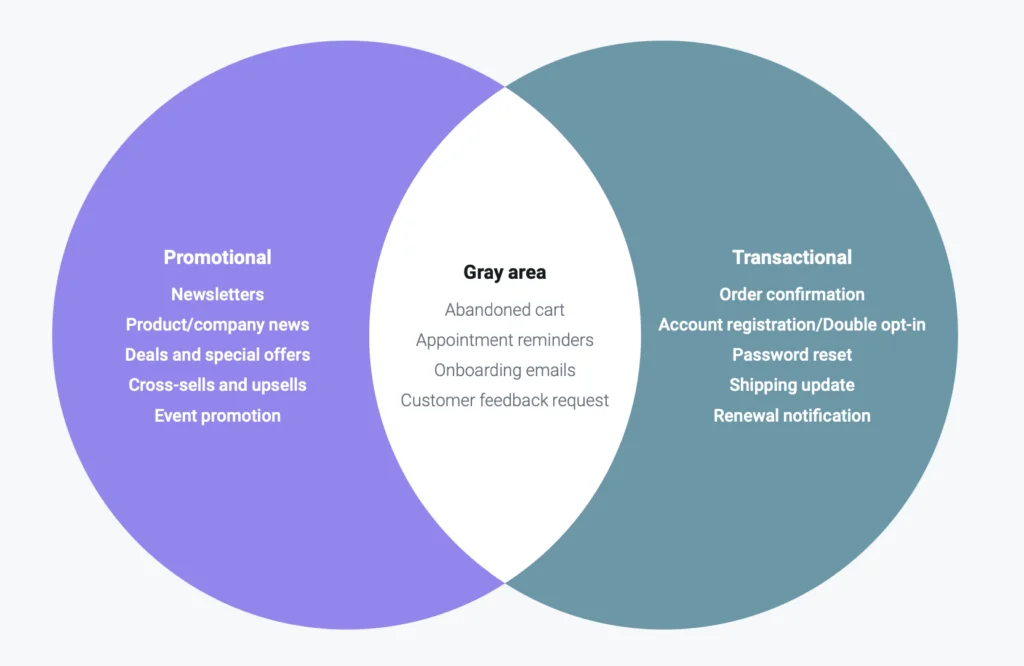
With data privacy regulations like GDPR and CCPA carrying severe financial penalties, a lack of centralized email management is a risk no business can afford. When a user in Europe exercises their "right to be forgotten," can an organization confidently ensure their data has been scrubbed from both the marketing platform and the transactional service’s logs? When a customer unsubscribes from a newsletter, is there certainty they won’t receive another promotional email triggered from the "transactional" system, leading to a compliance violation and severely damaging sender reputation? Estimates suggest that data privacy violations can cost companies millions in fines and lead to an average 40% drop in customer trust immediately following a breach.
Furthermore, this division significantly impacts core email deliverability. If a transactional system has poor list hygiene, for example, and continuously sends emails to invalid addresses, it can harm the domain’s overall reputation. Because both systems often send from the same domain, the marketing team’s carefully crafted campaigns may start landing in spam folders through no fault of their own. Poor sender reputation due to transactional email issues can reduce marketing email deliverability by up to 20%, directly impacting campaign ROI and customer reach. While 71% of respondents from Mailjet’s email engagement report confirmed they would check their spam/junk folder for a transactional email, it is far from ideal, akin to a mail carrier delivering post to a trash can and expecting the recipient to sift through it. Implementing robust email deliverability best practices across all email types is crucial to avoid this.
The Paradigm Shift: A Framework for Growth and Control
The solution to this strategic chaos is not a better compromise; it is a new, fundamental model. A unified email platform is built on the simple but powerful principle that all emails are part of the same customer conversation. By bringing them together, businesses unlock profound, business-altering benefits that drive growth and enhance operational control.
1. A Single, Consistent Customer Journey
When all a company’s emails originate from a single, centralized platform, it becomes possible to finally deliver the cohesive and professional brand experience that builds trust and delight. Every touchpoint, from the first marketing welcome to the final invoice, speaks with one voice, looks the part, and consistently reinforces brand identity.
This consistency is made possible through effective email template management designed for modern, collaborative teams. With collaborative tools, teams can build and maintain a shared template gallery. Marketers can design beautiful, on-brand, and mobile-responsive templates for every conceivable scenario—password resets, feature announcements, usage alerts, and payment receipts. Developers can then pull from this gallery via a simple API call, confident that every email they trigger is polished and perfectly on-brand. The endless debate over transactional vs. marketing email branding is settled once and for all, fostering a seamless user experience that strengthens brand loyalty. Companies adopting unified email platforms report a 25% increase in email engagement rates and a 10% improvement in customer satisfaction scores within the first year.
2. Empowering Teams and Accelerating Product Innovation
A unified platform breaks down the artificial wall between product and marketing, permanently eliminating the dreaded developer bottleneck. In this new model, the workflow is reoptimized for agility and speed. Growth Managers can now independently design and launch complete email automation sequences for SaaS onboarding using visual workflow builders. They can A/B test email subject lines for welcome series to optimize open rates or test different calls-to-action on trial expiration nudges to maximize conversions, all without requiring direct developer intervention for content or design changes.
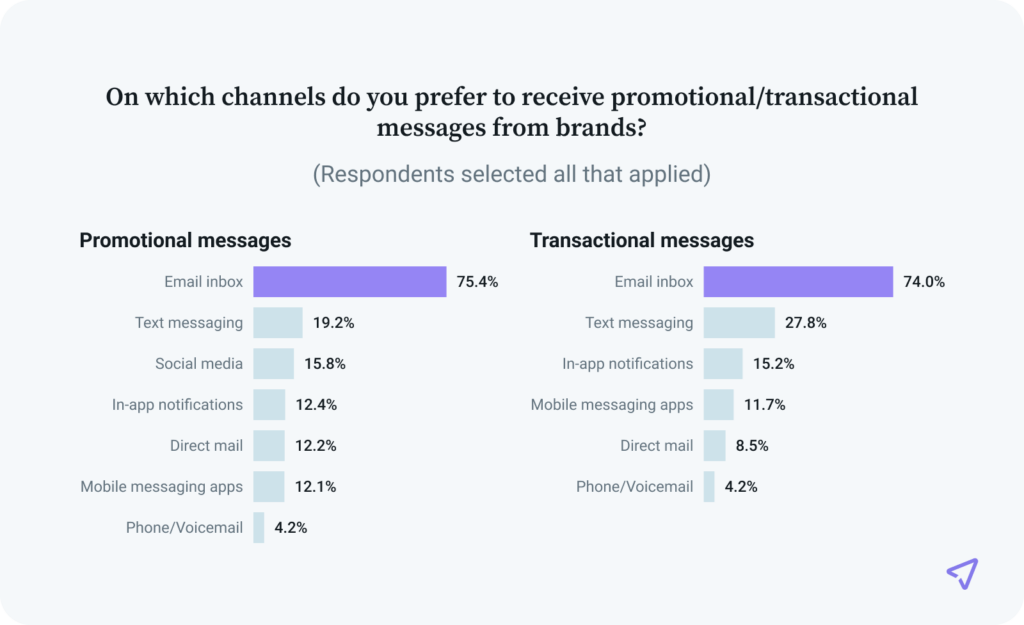
The developer’s role becomes more strategic and focused on core product development. Instead of being bogged down with requests to code HTML emails or integrate minor content updates, they focus on building a great product. Their responsibility shifts to enabling this new workflow by making simple, clean API calls from the application to trigger the right template at the right time. This API-first approach means innovation cycles shrink from months and weeks to mere hours and days, significantly accelerating time-to-market for new features and communication strategies. Operational costs associated with email management can decrease by 20-30% due to streamlined workflows and reduced overhead.
3. Centralized Control and Robust Governance
For Platform Owners and Operations leaders, a unified platform provides the holy grail: a single pane of glass for the entire email infrastructure. From one central dashboard, organizations can monitor deliverability metrics across the board, manage user permissions with role-based access control, and maintain a single, global suppression list that guarantees compliance with data privacy regulations.
This model provides both autonomy for teams and centralized control for administrators. Leading platforms are architected for this exact need, allowing a central administrator to create distinct, sandboxed accounts for different teams, brands, or environments (e.g., development, staging, production). Each team can operate independently with its own templates and sender lists, but the master account owner retains ultimate visibility and control over billing, security, and global compliance rules. This approach achieves centralized email management without stifling team agility, ensuring that regulatory requirements are met consistently across all email communications, and protecting the organization from costly fines and reputational damage. Furthermore, unified analytics provide a holistic view of email performance, allowing for proactive identification and resolution of deliverability issues before they impact either marketing or transactional sends.
Stop Choosing, Start Unifying: The Strategic Imperative
The long-standing debate over transactional versus marketing email platforms is, for modern, growth-oriented businesses, a relic of a bygone era. Unified email platforms fundamentally flip the script, transforming a historical operational challenge into a profound strategic advantage. The benefits they provide in fostering consistent customer relationships, accelerating product innovation, and offering the robust, centralized governance required to scale with unwavering confidence cannot be underestimated.
In an increasingly competitive digital landscape where customer experience dictates brand loyalty and product-led growth drives market share, fragmented communication strategies are no longer viable. Businesses that continue to operate with siloed email systems risk alienating customers, hindering innovation, and exposing themselves to unnecessary compliance risks. The trend towards unification is not just about efficiency; it’s about competitive advantage. It’s about delivering a seamless, trustworthy, and engaging experience that resonates with users at every touchpoint, from the first marketing outreach to the last critical notification. The time has come for businesses to break down their email silos and embrace the strategic imperative of a unified email platform.