

The economic landscape of digital recruitment has reached a critical inflection point where the cost of attracting talent often outweighs the efficiency of the conversion process. Organizations across the globe are currently spending upwards of $5 per click to drive high-intent traffic to job postings, yet a significant portion of this investment is being neutralized by structural inefficiencies in candidate experience. When a potential applicant clicks an advertisement only to be met with a generic, cluttered career portal, the resulting "bounce rate" represents more than just a lost lead; it signifies a direct drain on corporate recruitment budgets and a failure in the digital talent pipeline.
Industry data suggests that the problem rarely lies within the creative execution of the advertisement or the compensation package offered. Instead, the bottleneck occurs in the immediate post-click environment. Traditional career sites, characterized by complex navigation menus and dozens of unrelated job listings, often fail to provide a direct path to the specific role advertised. This lack of "message match" creates cognitive friction, leading candidates to abandon the process before even initiating an application. To combat this, a growing number of Fortune 500 companies and gig economy leaders are pivoting toward recruitment landing pages—standalone, single-purpose web pages designed with the sole objective of converting visitors into applicants.
The Evolution of the Digital Candidate Experience
The transition from broad career portals to targeted recruitment landing pages mirrors the evolution of digital marketing over the last decade. In the early era of online hiring, companies relied on "all-in-one" job boards. However, as the competition for specialized talent intensified, the need for hyper-personalized experiences became evident. A recruitment landing page functions by stripping away the distractions of a corporate website—such as "About Us" sections, investor relations links, and unrelated department listings—and focusing exclusively on the specific value proposition of a single role or hiring campaign.
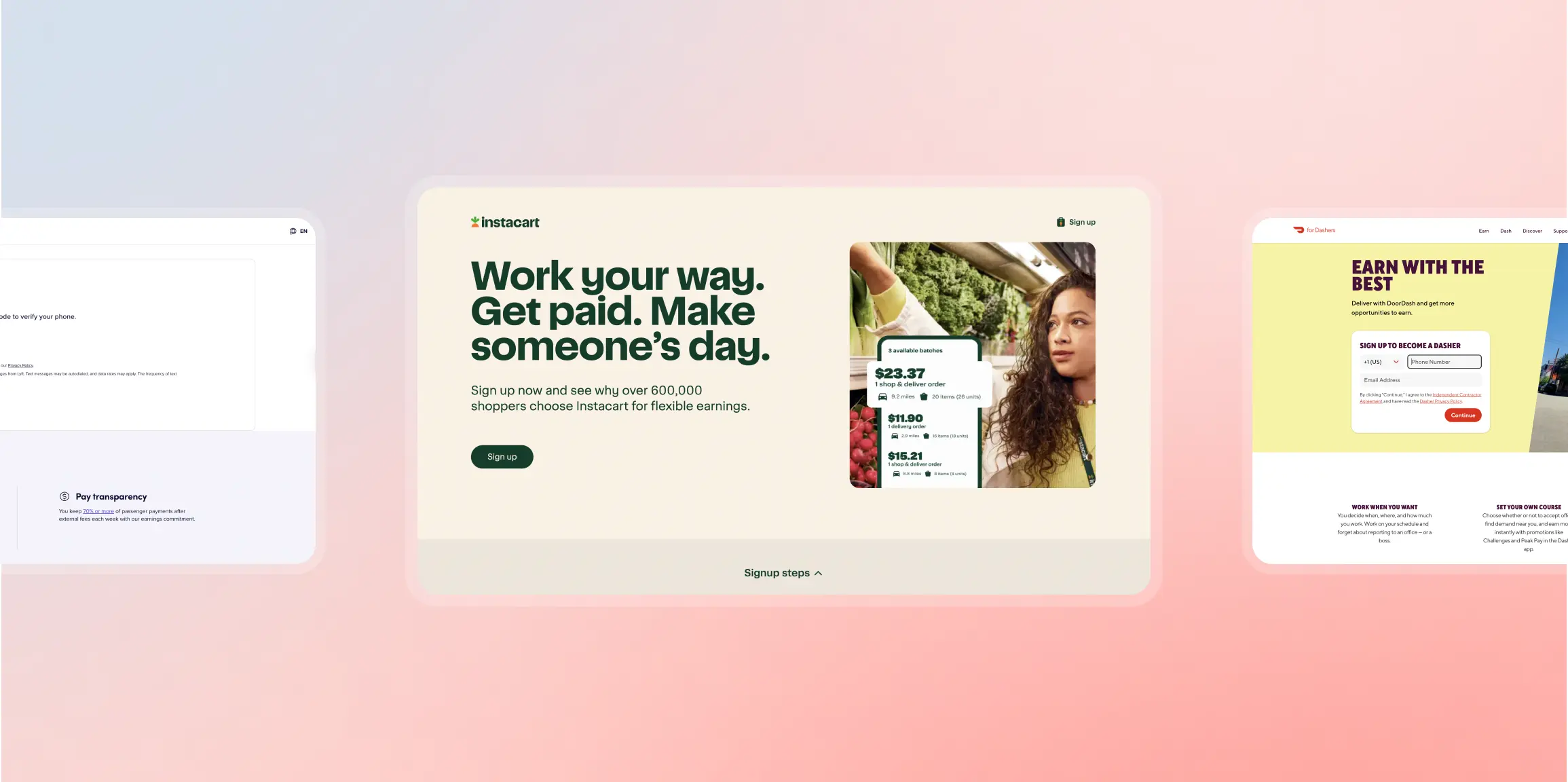
According to recruitment marketing benchmarks, the average conversion rate for a standard career site hovers between 8% and 12%. In contrast, optimized recruitment landing pages have been observed to achieve conversion rates as high as 25% to 30%. This delta in performance is driven by a design philosophy that prioritizes the candidate’s time and clarity of intent.
Core Principles of High-Converting Recruitment Pages
To understand why some organizations successfully scale their hiring while others struggle with high acquisition costs, one must analyze the technical and psychological principles governing recruitment landing page design.
The Necessity of Message Match and Headline Alignment
The psychological contract between a recruiter and a candidate begins at the moment of the ad click. If an advertisement promises a "Remote Senior Developer" position with a specific salary range, the landing page must mirror that language immediately. Journalists and marketing analysts refer to this as "message match." When the headline of the landing page aligns perfectly with the ad copy, it reinforces the candidate’s decision to click and builds immediate trust. Discrepancies in role titles or promised benefits at this stage are the leading cause of "click-to-bounce" attrition.
Above-the-Fold Optimization and the Three-Second Rule
Data from user behavior studies indicates that recruiters have approximately three to five seconds to capture a candidate’s interest before they decide to stay or leave. High-performing pages utilize the "above-the-fold" space—the area visible without scrolling—to communicate three essential elements: the role’s primary benefit (e.g., flexibility or high pay), a clear call-to-action (CTA), and a trust signal (e.g., "Join 50,000+ team members").
Minimizing Form Friction and Abandonment
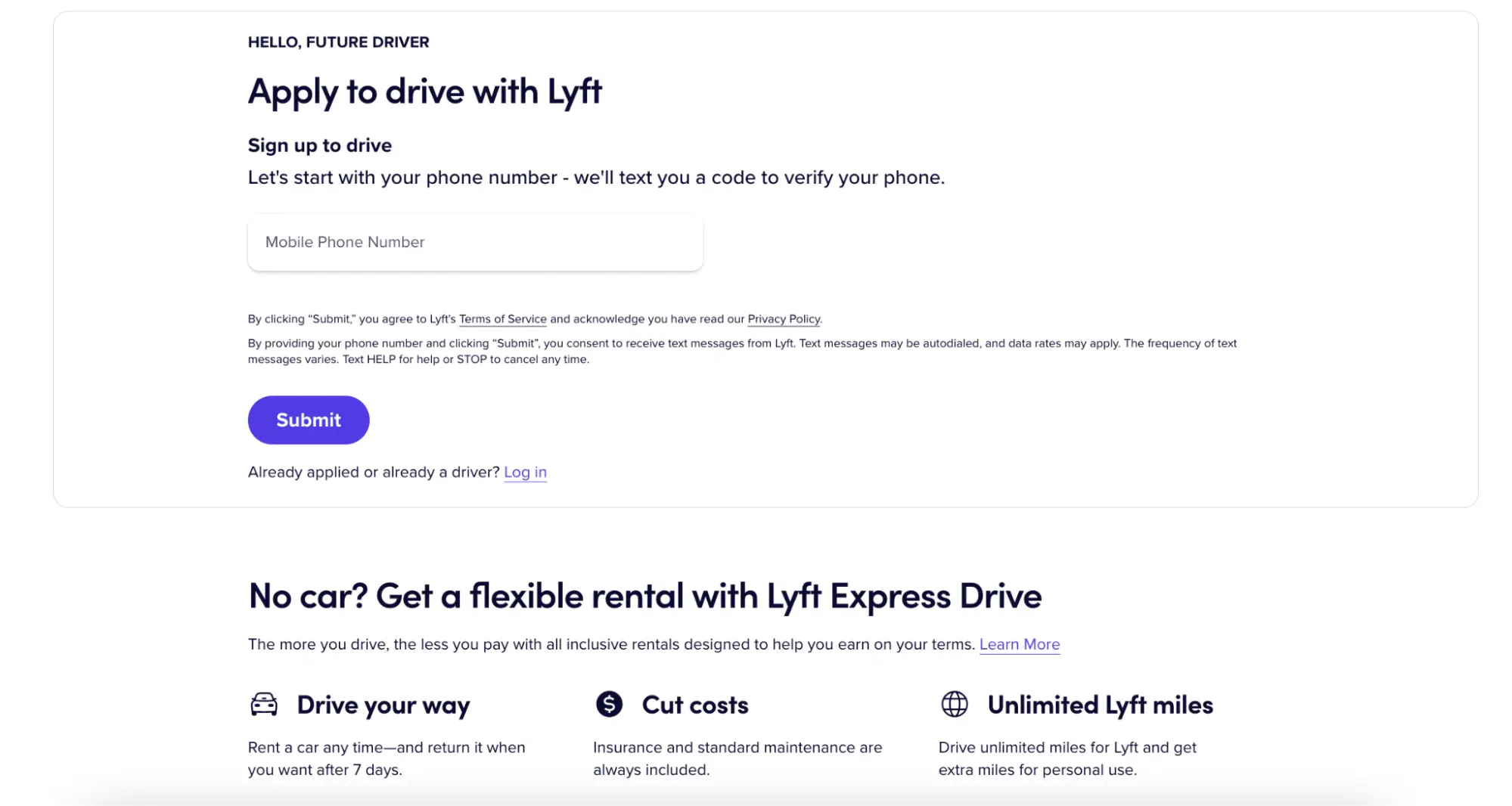
Application friction remains a primary deterrent in the talent acquisition process. Research indicates that for every additional field added to a recruitment form beyond the essential five, the conversion rate drops by approximately 10%. Leading platforms now utilize "progressive profiling" or two-step forms. By asking for a name and email first, companies can capture a lead even if the candidate decides not to upload a full resume in that specific session.
Analysis of Industry Leaders: Case Studies in Conversion
Several major corporations have set the gold standard for recruitment landing pages, particularly within the high-volume gig economy where the competition for labor is relentless.
Uber and the Barrier-Free Entry
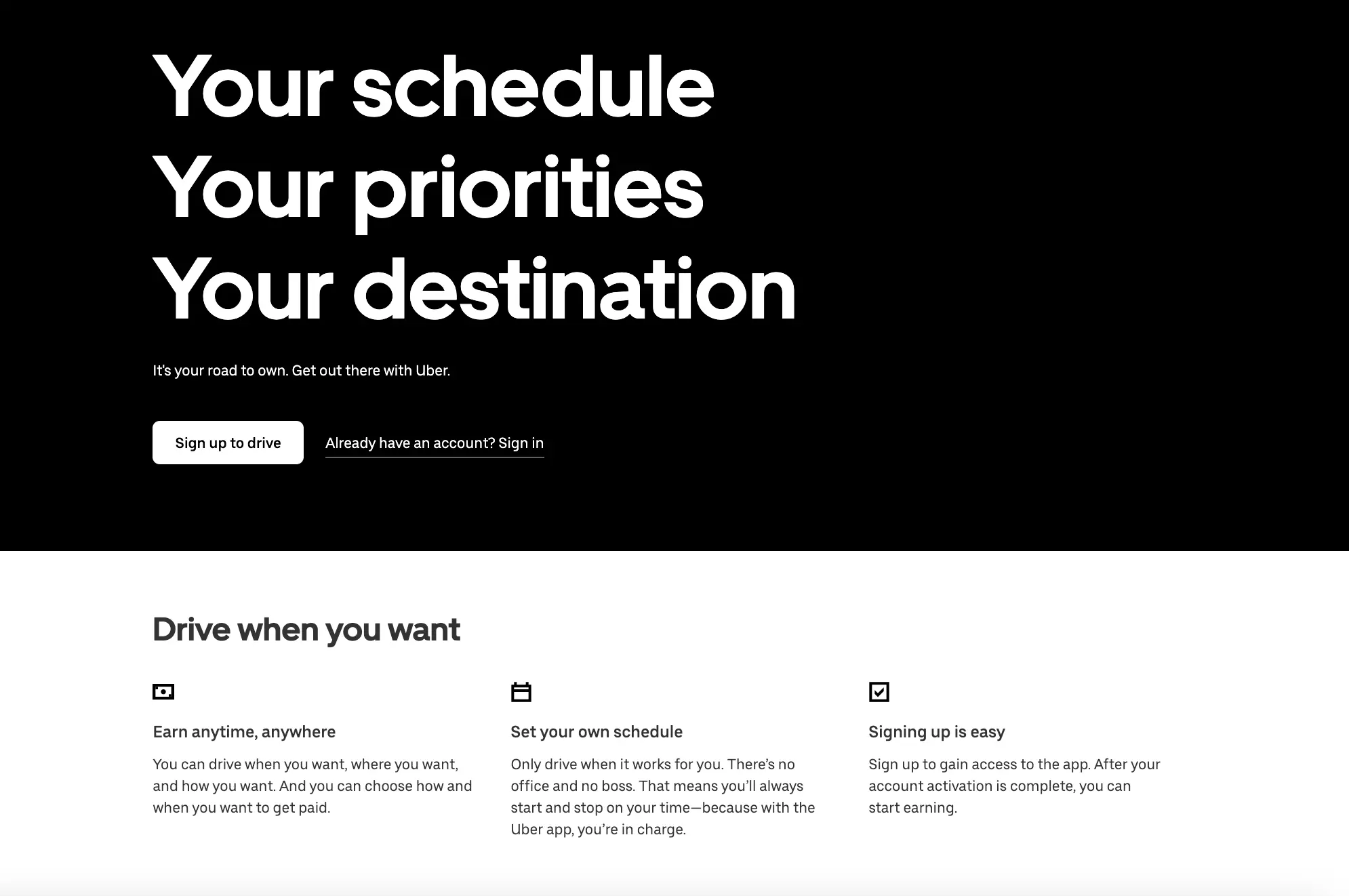
Uber’s driver recruitment page is a masterclass in removing friction. The page lacks a traditional navigation menu, forcing the user’s focus toward the sign-up form. By highlighting "Earnings" and "Flexibility" as the primary value propositions, Uber addresses the two most significant concerns of their target demographic immediately. The inclusion of a simple, one-field start (email or phone) ensures that the entry point into their funnel is as low-resistance as possible.
Lyft and the Power of Transparency
Lyft differentiates its recruitment strategy by emphasizing localized earnings estimates. By allowing a potential driver to see what they might earn in their specific city, Lyft uses data as a transparency tool to build trust. This "calculator" approach serves as an interactive element that keeps users on the page longer and provides a personalized reason to complete the application.
DoorDash and Community Social Proof
DoorDash utilizes social proof more aggressively than many of its competitors. By featuring "Dasher" testimonials and highlighting the scale of their delivery network, they mitigate the perceived risk of joining a new platform. For many candidates, seeing a peer’s success story is more influential than reading a corporate list of benefits.
Technical Performance: The Mobile-First Mandate
The shift in how candidates search for work cannot be overstated. Current estimates suggest that over 70% of job seekers in the hourly and gig sectors, and nearly 50% in the professional sector, utilize mobile devices for their job search. Consequently, page load speed has become a critical recruitment metric.
A one-second delay in mobile load time can result in a 7% reduction in conversions. Recruitment landing pages must be optimized with compressed imagery, minimized JavaScript, and Content Delivery Networks (CDNs) to ensure they load in under three seconds. Organizations that fail to optimize for mobile speed essentially penalize their own ad spend, as mobile users are significantly less patient than desktop users.
The Role of A/B Testing and AI in Talent Acquisition
Modern recruitment is increasingly becoming a discipline of data science. The implementation of A/B testing—where two versions of a landing page are shown to different segments of traffic—allows recruiters to make decisions based on empirical evidence rather than intuition.

The Experimentation Framework
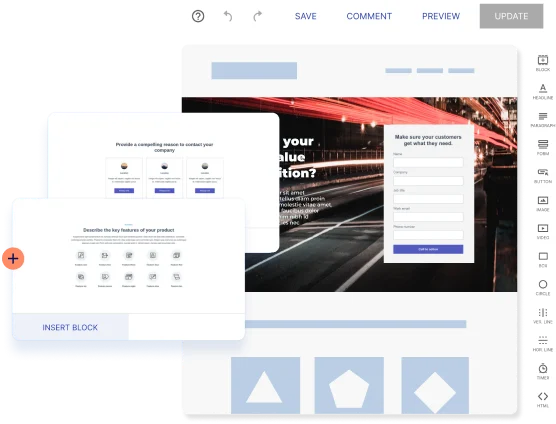
Industry-leading tools, such as Instapage, allow recruitment teams to test variables such as:
- Headline Variations: Testing "Earn $20/hr" vs. "Work on Your Own Schedule."
- CTA Button Colors and Copy: Determining if "Apply Now" outperforms "Get Started."
- Media Elements: Evaluating whether a short video of an employee increases trust more than a static photo.
The introduction of AI-powered "traffic splitting" has further revolutionized this process. AI algorithms can now monitor the performance of multiple page variations in real-time and automatically redirect a higher percentage of traffic to the version that is converting more candidates. This "auto-optimization" ensures that even during a running campaign, the cost-per-applicant is being actively lowered.
Broader Implications and the Future of Hiring
The adoption of dedicated recruitment landing pages represents a broader shift toward "Recruitment Marketing" (RM). As the labor market remains tight, companies are forced to treat candidates with the same level of digital sophistication as they treat customers. This means the end of the "Post and Pray" era, replaced by a highly technical, conversion-optimized funnel.
The implications for HR departments are significant. Recruitment teams must now collaborate more closely with digital marketers and web developers, or adopt "no-code" platforms that allow them to build and iterate these pages independently. The ability to launch a targeted landing page for a specific geographic region or a niche skill set in a matter of hours—rather than weeks—is becoming a competitive necessity.

Conclusion: Maximizing ROI in a Competitive Market
The financial reality of modern hiring is that ad spend is only as effective as the destination it leads to. By transitioning away from generic career sites and toward focused recruitment landing pages, organizations can drastically reduce their cost-per-hire and improve the quality of their talent pipeline.
The success of companies like Uber, DoorDash, and Instacart demonstrates that when you remove the barriers to application, provide clear value propositions, and optimize for the mobile experience, candidate volume increases naturally. For any organization looking to thrive in the current economic climate, the recruitment landing page is no longer an optional luxury; it is the foundation of a functional digital hiring strategy. Through continuous testing, mobile optimization, and a relentless focus on reducing candidate friction, businesses can finally ensure that their $5-per-click investment results in a signed contract rather than a bounced visitor.







