

The digital advertising landscape has reached a critical inflection point where high visibility no longer guarantees commercial profitability. According to a comprehensive survey of 1,440 digital marketers conducted by Instapage, a significant disconnect persists between platform usage and performance outcomes. While 87% of marketing teams continue to rely on the industry "duopoly" of Google and Meta Ads, the reported success rates tell a different story: only 44% of respondents identified Google as their top-performing channel, and a mere 25% cited Facebook. This gap highlights a growing industry crisis where the cost of acquisition is rising while the efficiency of the "click" is in steady decline.

As the industry moves into 2026, the primary challenge for advertisers is no longer just audience targeting, but the optimization of the post-click experience. Current market data reveals that the average cost per lead (CPL) has climbed from $66.69 in 2024 to $70.11 in 2025, a trend expected to continue as competition intensifies across saturated channels. Simultaneously, technical inefficiencies are draining budgets; research indicates that a single second of delay in mobile page load times can reduce conversion rates by up to 20%. For many brands, the problem is not the platform’s algorithm, but a landing page infrastructure that fails to convert the traffic it pays for.
The Financial Reality of Modern Digital Advertising
The transition from 2024 to 2026 has been marked by a tightening of marketing budgets and an increased demand for measurable Return on Ad Spend (ROAS). The rise in CPL is attributed to several factors, including increased bidding competition in the e-commerce and B2B sectors, as well as the technical overhead required to navigate new privacy regulations.
Industry analysts note that many brands are essentially "paying for bounces." When a landing page takes four seconds or more to load on a mobile device—a common occurrence in the era of heavy JavaScript and unoptimized assets—the advertiser pays the full cost of the click even if the user abandons the site before the content renders. This technical debt, combined with rising media costs, has forced a strategic shift toward "conversion rate optimization" (CRO) as the primary lever for maintaining profitability.
The Search Giants: Google and Microsoft Advertising
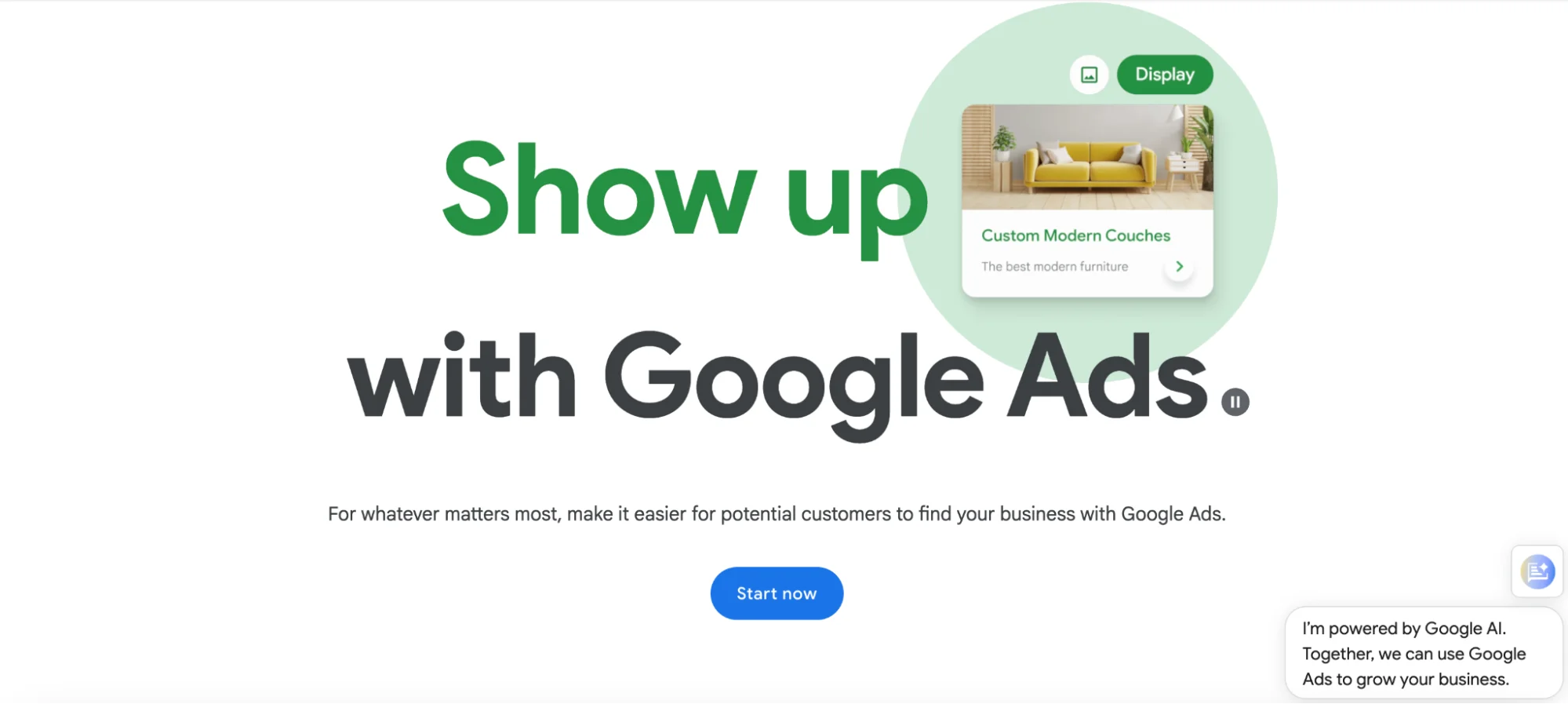
Google Ads remains the foundational pillar of digital marketing due to its unparalleled reach, covering over 90% of global search traffic. Its primary strength continues to be "high-intent" targeting, capturing users at the exact moment they seek a solution. However, the platform’s complexity has grown with the integration of AI-driven campaign types like Performance Max and Demand Gen.
To maintain a high Quality Score—a metric that directly influences cost-per-click (CPC) and ad positioning—advertisers are now required to demonstrate extreme relevance between the search query, the ad creative, and the landing page experience.
Conversely, Microsoft Advertising (formerly Bing Ads) has emerged as a high-value alternative for reaching specific demographics. While Bing holds less than 10% of the global search market, its integration into the Windows ecosystem and the professional environment of Microsoft 365 provides access to an older, higher-income audience. Data suggests that CPCs on Microsoft Advertising can be 30% to 50% lower than Google Ads for identical keywords, offering a strategic "blue ocean" for B2B and finance-related sectors.
The Social Media Paradigm: Meta, TikTok, and Beyond
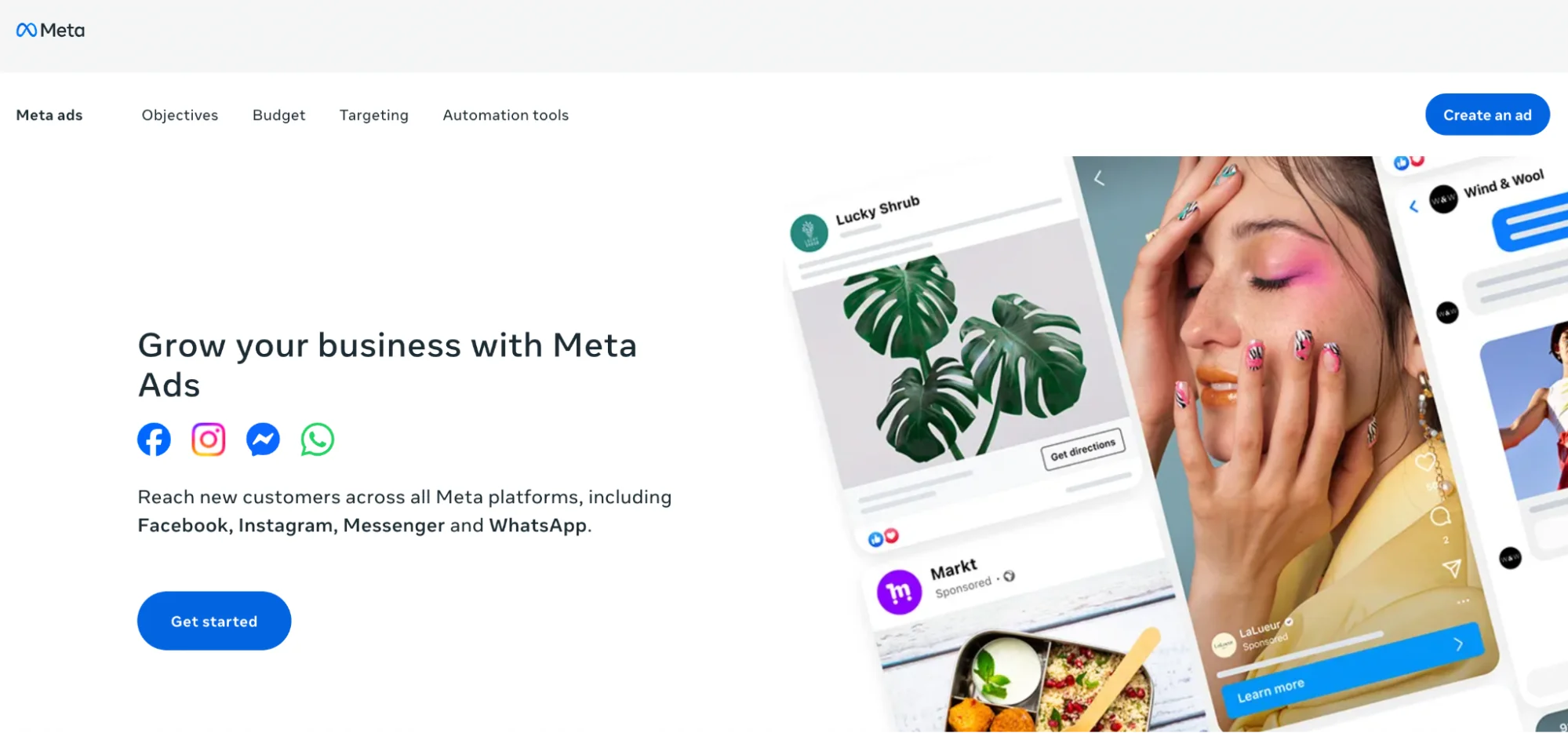
Meta Ads, encompassing Facebook and Instagram, remains the sophisticated leader in demographic and interest-based targeting. Despite the privacy hurdles introduced by Apple’s App Tracking Transparency (ATT), Meta has successfully pivoted toward Advantage+ automation, using machine learning to find audiences when granular tracking fails. However, the Instapage survey reveals a staggering disparity: while 80% of marketers use Instagram, only 9% see it as their best-performing platform. This suggests that while Instagram is excellent for brand discovery and "top-of-funnel" awareness, it often struggles to drive direct, immediate conversions without a highly frictionless mobile checkout or lead-capture process.
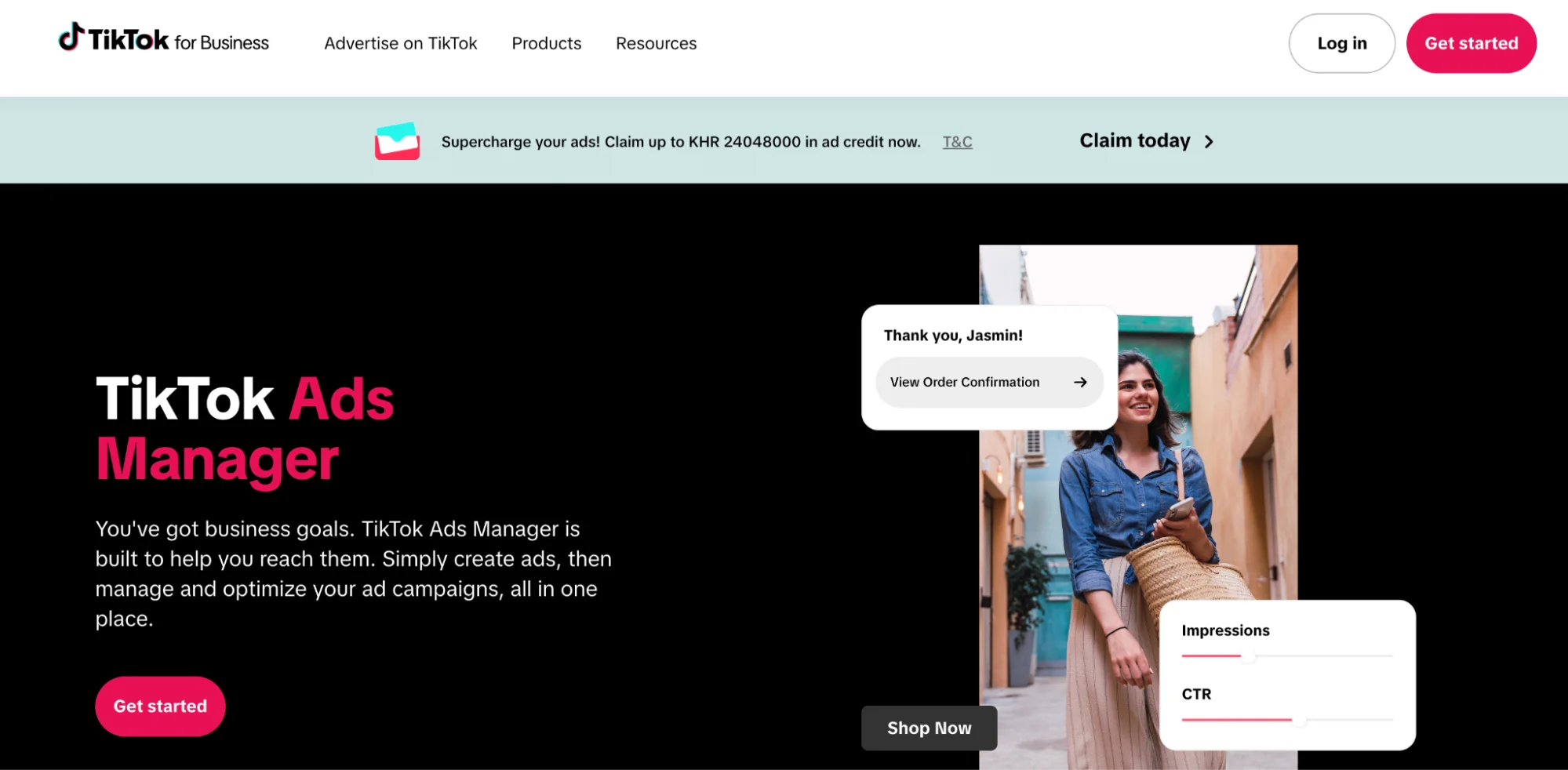
TikTok Ads has moved from an experimental channel to a core pillar of the modern media mix. Approximately 25% of marketers plan to adopt or increase spending on TikTok in 2026. The platform’s unique "content-first" algorithm allows smaller brands to achieve viral reach without the massive follower counts required on legacy platforms. The caveat, however, is the creative requirement; traditional "commercial" style ads typically fail on TikTok. Success requires native-looking, user-generated content (UGC) that aligns with the platform’s entertainment-focused aesthetic.
Specialized Channels: LinkedIn, Pinterest, and Amazon
The diversification of the ad spend is most evident in the rise of specialized "vertical" platforms:
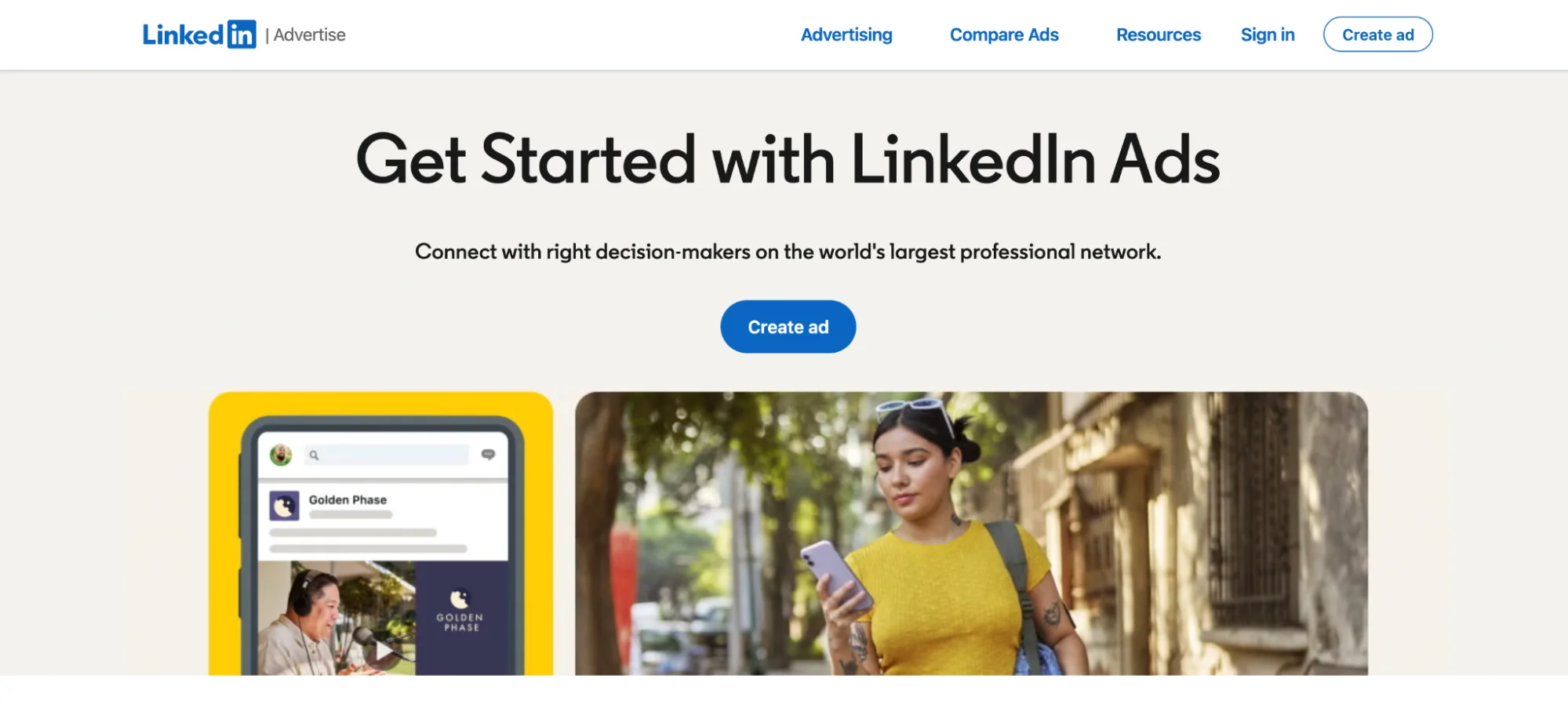
- LinkedIn Ads: As the undisputed leader in B2B marketing, LinkedIn allows for targeting by job title, company size, and industry seniority. While it carries some of the highest CPCs in the industry, the quality of leads often justifies the investment for high-ticket enterprise software and professional services.
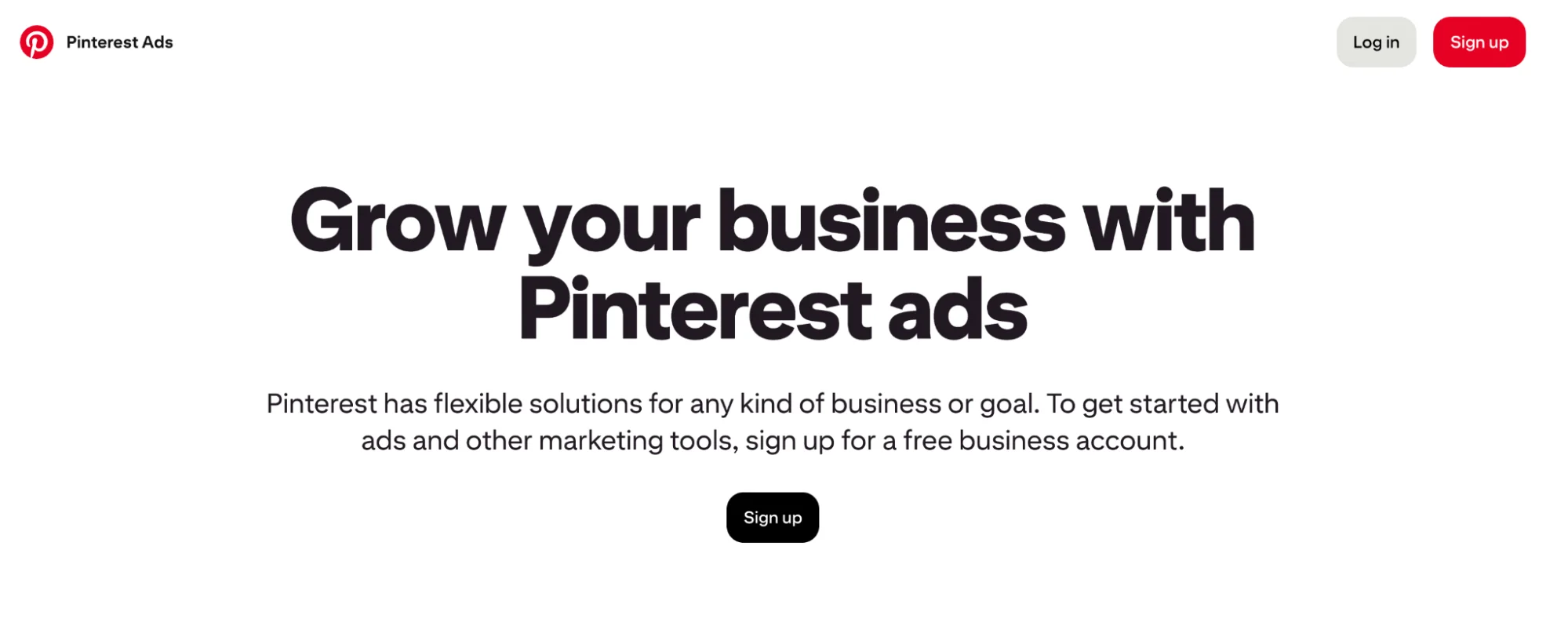
- Pinterest Ads: This platform serves as a visual discovery engine. Users on Pinterest are often in a "planning" phase—weddings, home renovations, or travel—making them highly receptive to aspirational products. Its unique benefit is the long shelf-life of "pins," which can continue to drive traffic months after the initial ad spend.
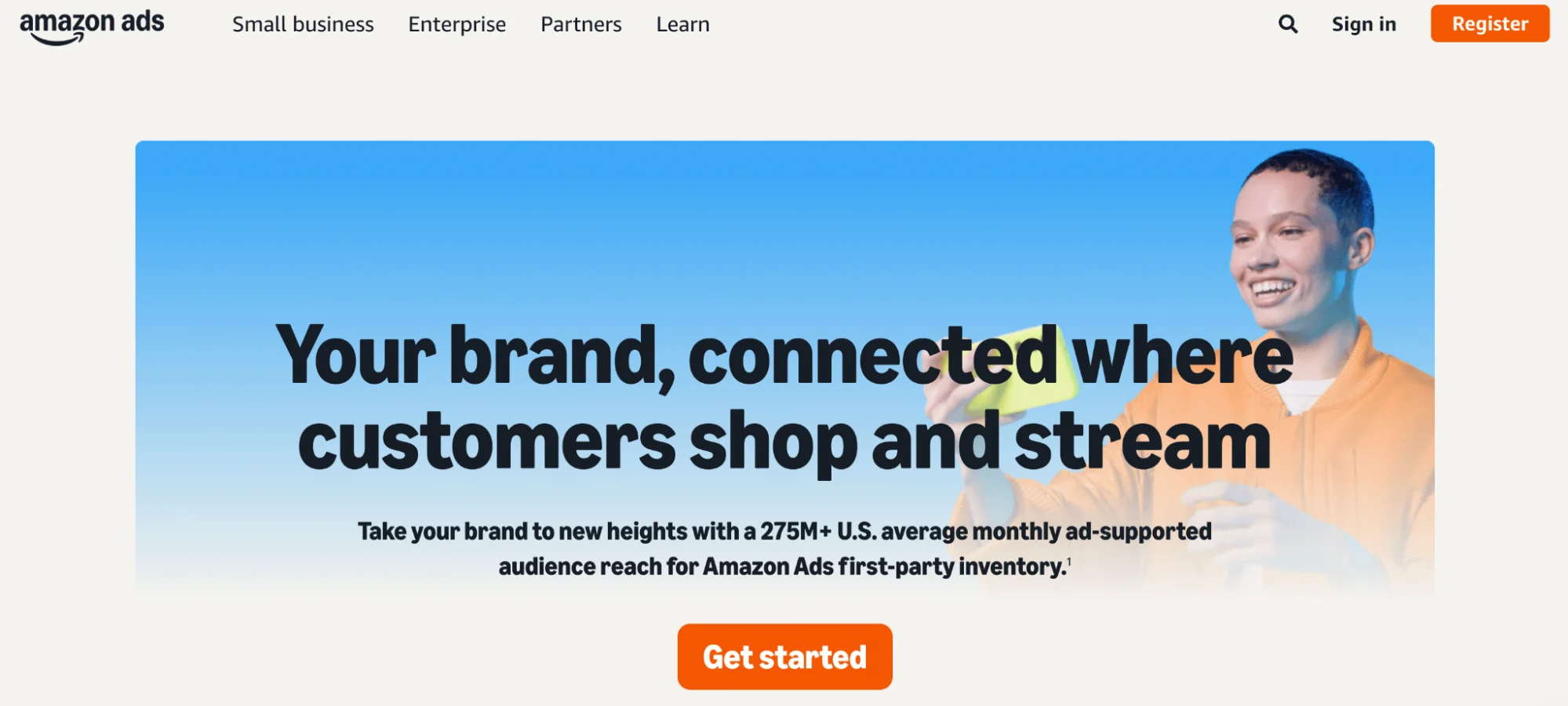
- Amazon Ads: Operating at the very bottom of the sales funnel, Amazon Ads captures users with immediate purchase intent. With a reported 34% sales growth for brands within the first month of launching sponsored products, it has become essential for any retail brand. The challenge here is the "walled garden" effect, where brands must balance on-platform sales with the need to build their own first-party customer data.
The Shift to a Privacy-First Ecosystem
The most significant structural change in 2026 is the near-total transition away from third-party cookies. Google’s phased-out support for cookies in Chrome, following the lead of Safari and Firefox, has forced advertisers to rethink how they measure success.
This shift has elevated the importance of first-party data. Marketers are now prioritizing strategies that encourage users to provide information voluntarily—such as through whitepaper downloads, newsletter signups, or account creations. Compliance with global regulations like the GDPR (Europe), CCPA (California), and LGPD (Brazil) is no longer optional; it is a technical requirement for running ads on major platforms. The implementation of Consent Management Platforms (CMPs) and server-side tracking (such as Meta’s Conversions API) has become the new standard for accurate attribution.
The Post-Click Gap: Where ROAS is Won or Lost
The consensus among industry experts is that the "ad-side" of the equation—targeting and bidding—is increasingly being handled by platform AI. Therefore, the competitive advantage in 2026 has shifted to the "post-click" experience.
There are three primary reasons why high-quality traffic fails to convert:
- Message Mismatch: A user clicks an ad promising a "30% Discount," but the landing page displays a generic "Welcome to Our Store" message. This cognitive dissonance causes immediate abandonment.
- Navigation Distraction: Sending paid traffic to a homepage with a full menu, social media icons, and multiple blog posts provides too many "exit ramps." Dedicated landing pages with a single Call to Action (CTA) typically outperform homepages by a factor of four.
- Speed and Accessibility: In an age of 5G, user patience has hit an all-time low. Every millisecond of latency is a direct hit to the marketing budget.
Future Outlook: Personalization and Experimentation
As we look toward the remainder of 2026, the brands seeing the highest ROAS are those moving away from "one-size-fits-all" marketing. Tools that allow for dynamic text replacement and audience-specific landing pages are becoming essential. For example, a B2B company might serve a different headline to a CEO than it does to a mid-level manager, even if both clicked the same ad.
Furthermore, a culture of continuous experimentation—A/B testing not just the ad copy, but the landing page layouts, button colors, and social proof—is the only way to combat rising media costs. Industry leaders suggest that a "testing discipline" can bridge the gap between the 87% of people using these platforms and the much smaller percentage who actually find them profitable.
In conclusion, the best online advertising platform for 2026 is not a single entity but a strategic mix tailored to a brand’s specific goals. Whether it is the high-intent search of Google, the visual discovery of Pinterest, or the professional networking of LinkedIn, the platform is merely the vehicle. The destination—the post-click experience—is where the real value is created and where the future of digital advertising will be decided.







